
The statewide decision guide
Things to Do in Oregon
Oregon is not one checklist. The right experience depends on your season, region, time, energy, and tolerance for rain, distance, crowds, and gravel roads. Start with what fits your trip—then follow the deeper local guide.
- Oregon photography with credits
- Honest local tradeoffs
- Official condition links
The short answer
What are the best things to do in Oregon?
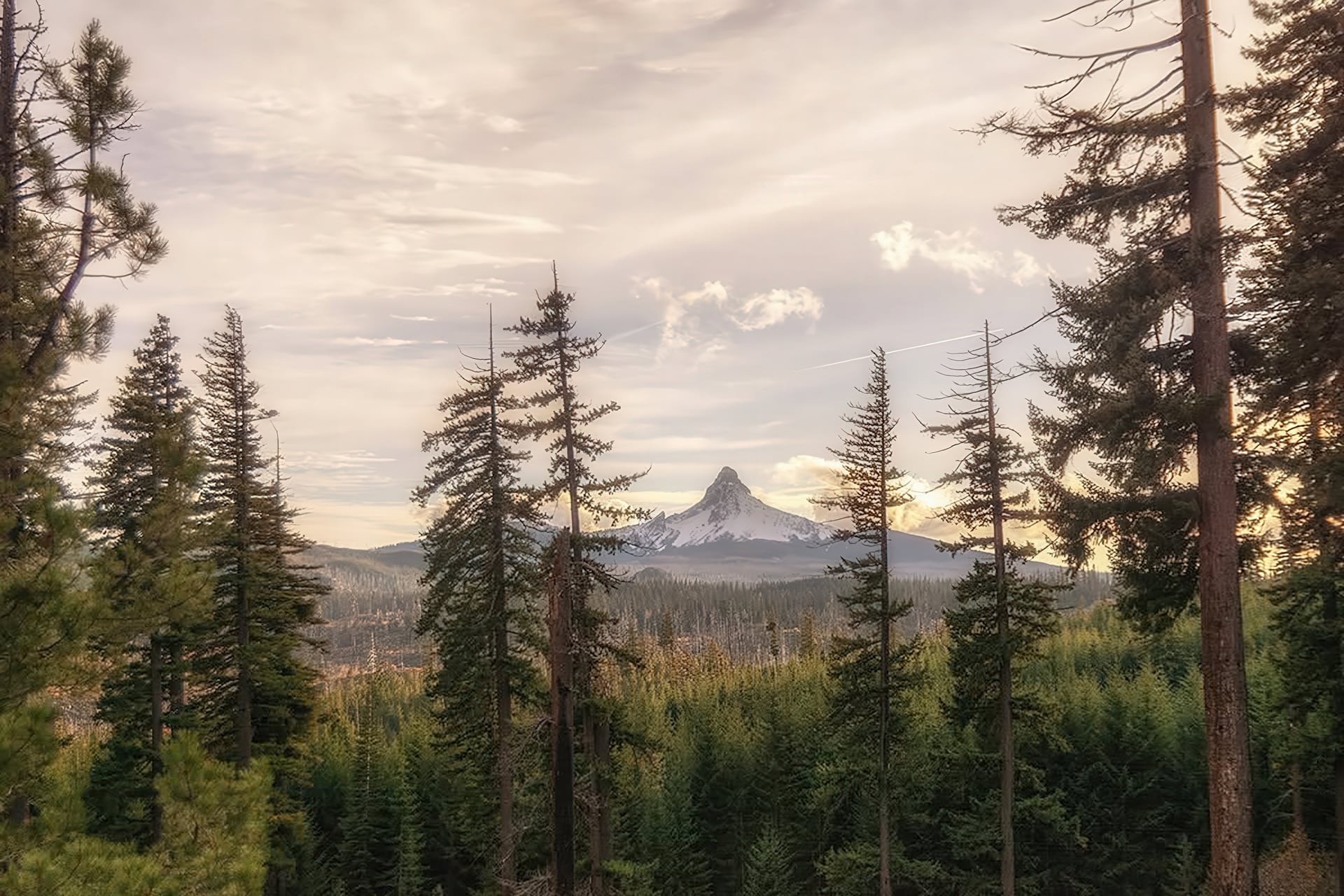
For a first trip, combine the Oregon Coast, the Columbia Gorge waterfalls, and one inland landscape such as Crater Lake, Smith Rock, or the Painted Hills. If you have fewer than five days, choose one or two neighboring regions. The best Oregon trip feels spacious—not like a race between famous pins.
Find your fit
Which Oregon experience fits your trip?
Choose from twelve Oregon experiences, then follow our detailed guides. Filter by region, season, or travel style. Season filters suggest good fits; check current access before leaving. For wheelchair access, check each guide’s surfaces and facilities.

Drive the Oregon Coast and stop where the day pulls you
Oregon’s 362-mile coastline is public, dramatic, and too varied for one beach stop. Pick a stretch, check tides, and leave room for headlands, harbor towns, and weather changes.
- Best for
- First trips, road trips, families, photography
- Best time
- Year-round; summer and early fall for longer beach days
- Allow
- A day for one stretch; several days for a Coast trip
- Know first
- Sneaker waves, fog, wind, and long Highway 101 drive times

Stand at the rim of Crater Lake
The lake is the payoff, but the real decision is timing. Summer offers the fullest road access; snow can close Rim Drive and the North Entrance well outside winter.
- Best for
- Big scenery, first-time visitors, scenic drives
- Best time
- Summer–early fall for fullest road access; winter visits need snow planning
- Allow
- Allow a day; stay nearby to avoid a rushed drive
- Know first
- Cloud cover, snow, seasonal roads, and limited shoulder-season services

Follow waterfall country through the Columbia River Gorge
Multnomah Falls is the famous stop, not the whole Gorge. Pair one major waterfall with a quieter trail, viewpoint, orchard stop, or river town instead of racing between parking lots.
- Best for
- Waterfalls, short hikes, day trips from Portland
- Best time
- Spring for stronger flows; year-round when trails and roads allow
- Allow
- Half a day to a full day
- Know first
- Permit seasons, parking pressure, trail closures, and ice

Walk behind waterfalls at Silver Falls
The complete Trail of Ten Falls is a real hike, but shorter loops still deliver the signature experience. Four waterfalls have trails passing behind them.
- Best for
- Waterfall lovers, hikers, repeat Oregon trips
- Best time
- Spring for fuller falls; summer is popular; winter can bring ice
- Allow
- Half a day for shorter loops; a full day for Ten Falls
- Know first
- Pets are prohibited on canyon trails; wet rock and winter conditions matter

See high-desert Oregon from Smith Rock
You do not have to climb to understand why Smith Rock matters. River-level walks and rim viewpoints work for many visitors; Misery Ridge is the hotter, steeper commitment.
- Best for
- Hiking, climbing, sunrise, dramatic geology
- Best time
- Spring and fall for hiking; summer mornings to avoid peak heat
- Allow
- Half a day; longer for a hike or climbing
- Know first
- Heat, exposed trails, leash enforcement, nesting closures, and full parking

Watch the light change across the Painted Hills
This is a remote landscape, not a quick Bend add-on. Late-afternoon light can deepen the colors, and the short official trails reward visitors who slow down and stay off the fragile hills.
- Best for
- Photography, geology, quiet road trips
- Best time
- Spring and fall for milder walks; late-day light for photos
- Allow
- A few hours on site, plus the long approach drive
- Know first
- Heat, limited services, weekend crowds, long distances, and fragile ground

Give the Wallowas more than a drive-by
Joseph, Wallowa Lake, and the Eagle Cap trailheads make a powerful Northeast Oregon base. The distance is part of the experience, so stay overnight and resist stacking it onto a rushed loop.
- Best for
- Mountain scenery, paddling, hiking, slow trips
- Best time
- Summer–early fall for lake and trail days; winter is a quieter, snowy trip
- Allow
- At least an overnight stay
- Know first
- Long drives, cold water, winter service changes, and limited cell coverage

Cross dunes that rise between forest and ocean
The Oregon Dunes stretch roughly 40 miles between Florence and Coos Bay. Choose a quiet hike, sandboard session, guided ride, or OHV area—the same landscape supports very different days.
- Best for
- Families, novelty, active days, Coast road trips
- Best time
- Spring–fall; windy or wet days change your route
- Allow
- Half a day to a full day
- Know first
- Wind, shifting sand, separated motorized zones, and navigation

Tour Oregon’s marble caves
The cave itself is only accessible on a guided tour. The classic tour includes stairs, stooping, and twisting; reservations are the safer plan during peak season.
- Best for
- Geology, families with older kids, hot-weather variety
- Best time
- Tour season varies; confirm the park’s current calendar before booking
- Allow
- Half a day, including the approach and tour
- Know first
- Timed tickets, height or age limits, physical demands, and a winding approach road

Build a Portland day around food carts and neighborhoods
Portland’s strength is variety, not one famous stop. Choose a pod with covered seating, pair it with a neighborhood walk or garden, and verify the current vendor list before driving across town.
- Best for
- Food, rainy days, groups, car-light city breaks
- Best time
- Year-round; covered pods are useful on rainy days
- Allow
- Half a day to a full day
- Know first
- Cart hours and lineups change; famous does not always mean best for your group

Take the slow road through Willamette Valley wine country
The valley is much more than a tasting-room checklist: small towns, farms, seasonal food, and back roads are the connective tissue. Reserve selectively and give the driver a good day too.
- Best for
- Couples, food and wine, relaxed weekends
- Best time
- Year-round tastings; fall harvest is busy and often needs reservations
- Allow
- A day or relaxed weekend
- Know first
- Appointments, tasting fees, driving, and compressed schedules

Watch gray whales from the Oregon Coast
Migration peaks draw attention in winter and spring, while resident gray whales can be seen near the central coast through summer and fall. A headland and patience can beat a rushed boat schedule.
- Best for
- Wildlife, families, accessible viewpoints, storm-season breaks
- Best time
- Winter and spring migrations; summer and fall near resident feeding areas
- Allow
- A few hours; leave room for waiting and weather
- Know first
- Visibility, wind, sea conditions, and no guaranteed sighting
No exact match yet
Try a broader phrase or clear one filter. Oregon is better at surprising people than fitting neatly into a search box.
Explore by interest
Start with what you want to do
Ready to go deeper? Compare trails, campgrounds, waterfalls, Coast towns, and upcoming events in our dedicated planning guides.
Waterfalls
Mossy Gorge cascades, roadside giants, and quieter falls across the state.
Explore the guideHiking
Search trails by region, distance, difficulty, season, and the trip you actually want.
Explore the guideOregon Coast
Beaches, towns, viewpoints, webcams, tides, and honest route planning.
Explore the guideCamping
Compare campgrounds by region, style, amenities, reservations, and tradeoffs.
Explore the guideHot Springs
Choose a soak with current access context, etiquette, and realistic expectations.
Explore the guideState Parks
The parks worth building a day around—and what each one does best.
Explore the guideEvents
Find what is happening by date and place, from small-town traditions to major weekends.
Explore the guideCities & Towns
Start with a base, then connect local food, landscapes, and day trips.
Explore the guideFood & Drink
Road-trip meals, Oregon institutions, local markets, wineries, and places worth the detour.
Explore the guideRoad Trips
Use the long way around when the drive is part of the story.
Explore the guideExplore by place
Seven very different versions of Oregon
Oregon’s regions solve different trips. Choose the landscape first, then let its towns and experiences fill the itinerary.
More ways to make it your trip
Mountains, river days, small towns, and a little Oregon weirdness
Build on the twelve starting points with these favorites from our original guide. Choose a nearby stop that adds something different to your day.
Mount Hood and Trillium Lake
A mountain reflection, a forest walk, or a snowy Timberline day can anchor a Hood trip. Check seasonal road access before choosing the lake, and pair lower-elevation plans with Hood River orchard country.
Plan Mount Hood and the Gorge →Astoria and Newport
Choose Astoria for Columbia River history and the Column; choose Newport for the bayfront, sea lions, and an aquarium day. Both make useful Coast bases when you want more than a beach stop.
Explore Astoria · Explore NewportBend and the Deschutes
A summer river day can fit naturally around Bend food and volcanic landscapes. Choose a designated route, check conditions and outfitter guidance, and use a properly fitted life jacket.
Plan Central Oregon →Stargazing in the Oregon Outback
High-desert nights reward an overnight stay, warm layers, and a clear forecast. Plan fuel and lodging before dark, use legal public access, and avoid relying on cell service.
Explore Eastern Oregon →Enchanted Forest and Valley family days
The storybook theme park near Salem is a different kind of Oregon adventure. Check its operating calendar and ride requirements, then leave room for Valley farms and small-town meals.
Plan a Willamette Valley day →Southern Oregon byways
The Rogue-Umpqua route connects forest, river scenery, and waterfall stops. Choose a manageable stretch, check roads and fire conditions, and leave time to get out of the car.
Explore Southern Oregon →Bandon beaches and tide pools
Give the sea stacks a full afternoon instead of a hurried photo stop. Check tides and surf, keep clear of drift logs, and turn back before water cuts off your route.
Plan Bandon →Bagby, camping, and seasonal detours
For a forest soak, compare current access and rules in our hot-springs guide. Add a campground, a spring wildflower walk, or a local festival only after checking the season and the day's conditions.
Compare hot springs · Find a campground · Find eventsExplore by season
What are the best things to do in Oregon by season?
Use seasons as a decision tool, not decoration. Access, daylight, smoke, surf, snow, crowds, and reservations can completely change the answer.
Waterfalls, wildflowers, and flexible rain plans
Great flow and green landscapes, with lingering mountain snow and muddy trails.
High country, lakes, caves, and long road trips
The widest access—and the strongest need for reservations, heat strategy, and smoke checks.
Clearer pacing, harvest days, and shoulder-season color
Often the best compromise, with shorter days and the first serious weather changes.
Storm watching, snow play, city food, and quiet coast days
Build around short daylight, chain rules, seasonal roads, and strong indoor backups.
Need the full month-by-month answer? Read the Best Time to Visit Oregon guide
Choose by traveler and time
Build a trip you can actually enjoy
Distance is Oregon’s hidden planning variable. A good itinerary protects time for detours, meals, weather changes, and the place you did not know you would love.
One anchor, one meal, no heroics
Choose a city neighborhood, waterfall corridor, state park, food pod, or accessible Coast viewpoint.
A focused regional loop
Pair two compatible experiences—Silver Falls and Salem, Gorge waterfalls and Hood River, or Smith Rock and Redmond.
One region, properly explored
Use Portland plus the Gorge, a north/central Coast base, Bend and Central Oregon, or Rogue Valley plus a Southern Oregon anchor.
Two regions with breathing room
Coast plus Portland, Coast plus Willamette Valley, Central plus Eastern Oregon, or Southern Oregon plus Crater Lake country.
Go beyond the generic list
Choose the story you want to come home with
These collections are built around real decisions and Oregon personality—not interchangeable attraction cards.
Worth the Drive
Trips where the distance is part of the reward.
Painted Hills · Wallowas · Steens MountainSkip the Crowds
Better timing and broader regions—not fake “secret” places.
Midweek Gorge · South Coast · Umpqua ValleyNo Hiking Required
Big Oregon experiences without a long trail.
Coast viewpoints · Crater Lake rim · food cartsOregon for a Rainy Day
Plans that improve when the weather changes.
Museums · caves · food halls · storm watchingWeird Oregon
Roadside history, strange geology, legends, and places with personality.
Ghost towns · curiosities · oddball stopsFood Worth a Trip
The pie, seafood, carts, markets, and small-town institutions we remember.
Portland · Coast · Willamette ValleyBeautiful, But Know Before You Go
Famous places with the tradeoffs left in.
Crowds · permits · roads · weather · safetyFamous versus better fit
The famous choice is not always your choice
We are not here to talk you out of Oregon icons. We are here to stop a famous name from making the decision for you.
| If you are considering | Choose it when | Try this direction when |
|---|---|---|
| Multnomah Falls | You need an iconic, short-access Gorge stop and can plan around crowds. | You want a fuller hike or calmer pace—use the Waterfalls finder. |
| Cannon Beach | You want Haystack Rock, walkability, shops, and an easy first Coast base. | You want more space or road-trip scenery—look toward Manzanita, Bandon, or the South Coast. |
| Crater Lake | Roads and visibility cooperate and you can give the park a real block of time. | Clouds or snow shut down the payoff—build a Rogue Valley, Klamath, or waterfall backup. |
| Misery Ridge | You are ready for steep, exposed climbing and Central Oregon heat. | You mainly want Smith Rock scenery—take the river-level or rim options. |
| Portland’s best-known restaurant | The specific meal matters enough to plan around a booking or line. | Your group wants range and flexibility—choose a strong food-cart pod. |
| A packed statewide loop | You have two weeks and genuinely enjoy long driving days. | You have a week or less—choose one or two regions and go deeper. |
Beautiful, but know before you go
Oregon rewards people who make the last check
This guide explains the durable choice. It does not pretend an editorial review can tell you whether a road, trail, cave tour, fire zone, beach access, or parking lot is open when you leave home.
Roads and weather
Mountain passes, Coast storms, construction, and seasonal roads can change the shape of a day.
Check TripCheckFire and smoke
City weather is not a substitute for fire, evacuation, closure, and air-quality information.
Open the Oregon wildfire mapTides and ocean safety
Low tide creates access; it does not remove sneaker waves, unstable cliffs, or cold water.
Check Oregon Coast tidesPermits and reservations
Rules change by place and season. Follow the official link on each experience before committing.
Plan by monthDirect answers
Oregon trip questions people actually ask
Start with the practical answer, then use the regional and activity guides above to plan the details.
What is the number one thing to do in Oregon?
For a first trip, the Oregon Coast is the strongest all-around choice because it combines public beaches, scenic drives, small towns, wildlife, food, and short walks. Crater Lake is the most singular sight, but seasonal road and weather limits make it less flexible.
How many days do you need to see Oregon?
Seven days is enough for one strong loop or two neighboring regions. Three or four days should stay focused on one region. Two weeks gives you room for the Coast, Cascades, high desert, and at least one quieter corner without spending every day in the car.
What should first-time visitors do in Oregon?
Combine one major landscape with one city or small-town base: the Coast and Portland, the Gorge and Hood River, Central Oregon and Smith Rock, or Southern Oregon and Crater Lake. Trying to cover every famous place usually creates a windshield-heavy trip.
What are the best free things to do in Oregon?
Beach walks, many waterfall viewpoints and trails, Painted Hills, scenic byways, public gardens and markets, wildlife viewing, and many city walks can be free. Parking permits, entry fees, reservations, or tour costs still apply at some sites.
What can you do in Oregon without hiking?
Drive the Coast or a scenic byway, visit Crater Lake overlooks when roads are open, explore Portland food-cart pods and bookstores, take a cave or museum tour, ride a scenic train, visit wine country, or watch whales from an accessible headland.
When is the best time to visit Oregon?
September is the best statewide compromise for generally dry weather, warm Coast days, and broad mountain access, but there is no universal best month. Winter favors storms and snow, spring favors waterfalls and wildflowers, and summer offers the widest high-country access.
Where can you avoid crowds in Oregon?
Go early, travel midweek, and choose a quieter region rather than chasing a secret spot near a famous one. Eastern Oregon, the Umpqua Valley, the southern Coast, and shoulder-season small-town trips can feel spacious, but they require more driving and stronger self-sufficiency.
How do I check Oregon closures and conditions?
Use TripCheck for state roads, the responsible land manager for parks and trails, Oregon State Parks for state properties, and That Oregon Life’s wildfire map for a planning overview. Conditions can change after any guide is published, so make the final check on the day you travel.
What is new
Latest Oregon things to do
The hub stays evergreen; this live reporting layer catches openings, events, seasonal changes, and the places we are exploring now.

Monsters Lurk Between the Cars at This Haunted Drive-In Theater Near Portland
Watching a horror movie gets considerably harder when you also have to keep an eye on the passenger window. At the Cinema…
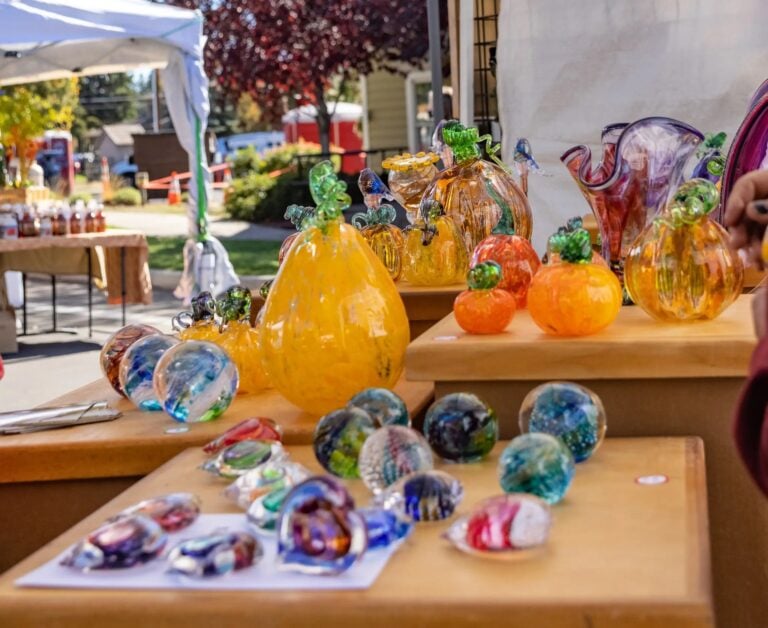
This Free Fall Faire Is Taking Over Downtown Sisters for Two Days in October
Sisters Harvest Faire returns October 10 and 11 with handcrafted gifts, Dry Canyon Stampede, food, and free admission. Here’s how to make…
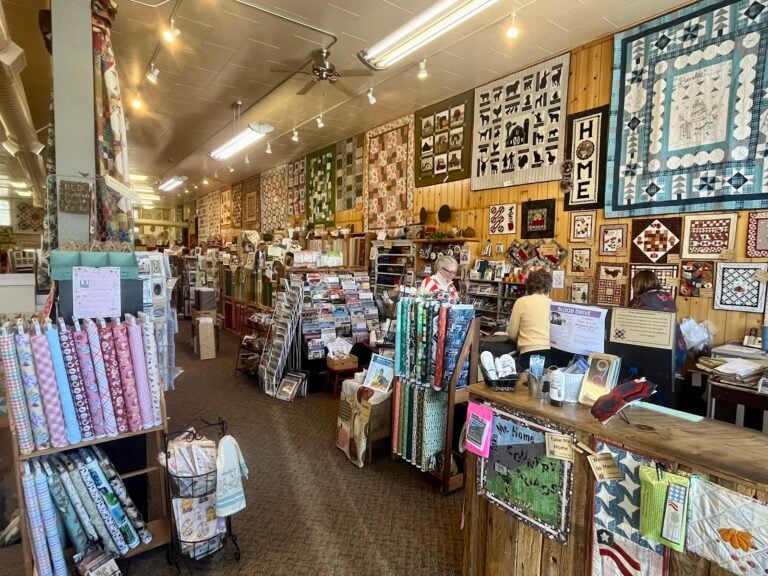
This Small-Town Oregon Quilt Shop Has More Than 4,000 Bolts of Fabric
A conversation over coffee grew into a Merrill quilt shop with more than 4,000 bolts of fabric, hands-on classes, and three decades…

Forget Pottery Class. This Oregon Blacksmith Lets You Forge Your Very Own Knife
There are plenty of ways to spend a day in Oregon. You can hike to a waterfall. Wander through wine country. Hunt…

This Beloved Oregon Renaissance Faire Brings Charging Knights and a World of Medieval Magic
There is a stretch of summer in Oregon when a drive through Clackamas County can lead somewhere unexpectedly theatrical. One minute, you…
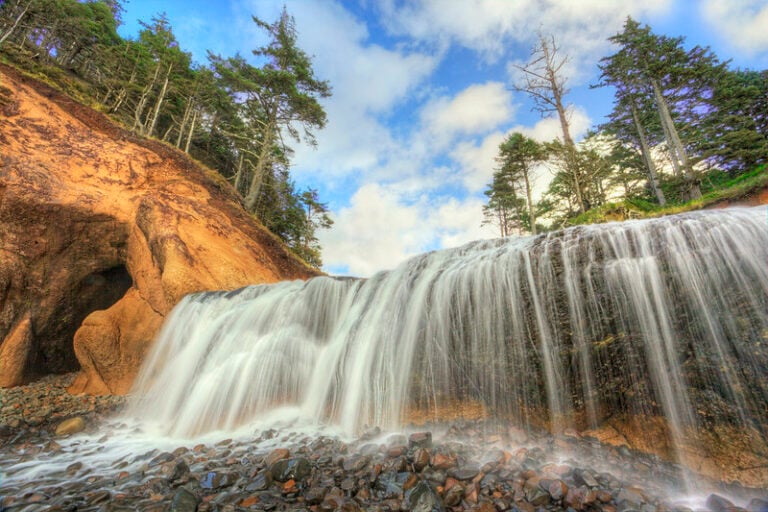
Hug Point Is Open Again Near Cannon Beach: What’s Fixed, What’s Temporary, and When to Go
Hug Point is open again. That sentence alone would have been enough for a lot of us after a closed spring break…