
Towns, beaches, attractions, and road trips
Oregon Coast Travel Guide
Plan a trip along 363 miles of public shoreline, from Astoria to Brookings. Start with the kind of trip you want, choose a region and a base town, then use the map to connect the places that genuinely fit your time.

Start with the question, not the map pin
Find the Oregon Coast trip that fits
There is no single best Oregon Coast trip. The right one depends on how much time you have, what you want the days to feel like, and how much driving you are willing to do.
Astoria, Cannon Beach, Manzanita, and Pacific City offer the easiest first connection to the coast from Portland. Choose one or two overnight bases rather than treating them as a single afternoon.
→ I need a flexible, all-weather trip Look at the Central CoastNewport, Yachats, Florence, and nearby towns balance beaches and headlands with indoor anchors, working waterfronts, and room to change course when the weather does.
→ I have more time and want the Coast to feel wilder Give the South Coast its own tripBandon, Port Orford, Gold Beach, and Brookings reward travelers who can slow down. The drive is part of the experience, not empty space between famous stops.
→If you are tempted to choose every answer, choose the trip with fewer bases. You will see less of the highway and more of the actual coast.
Winter on the edge
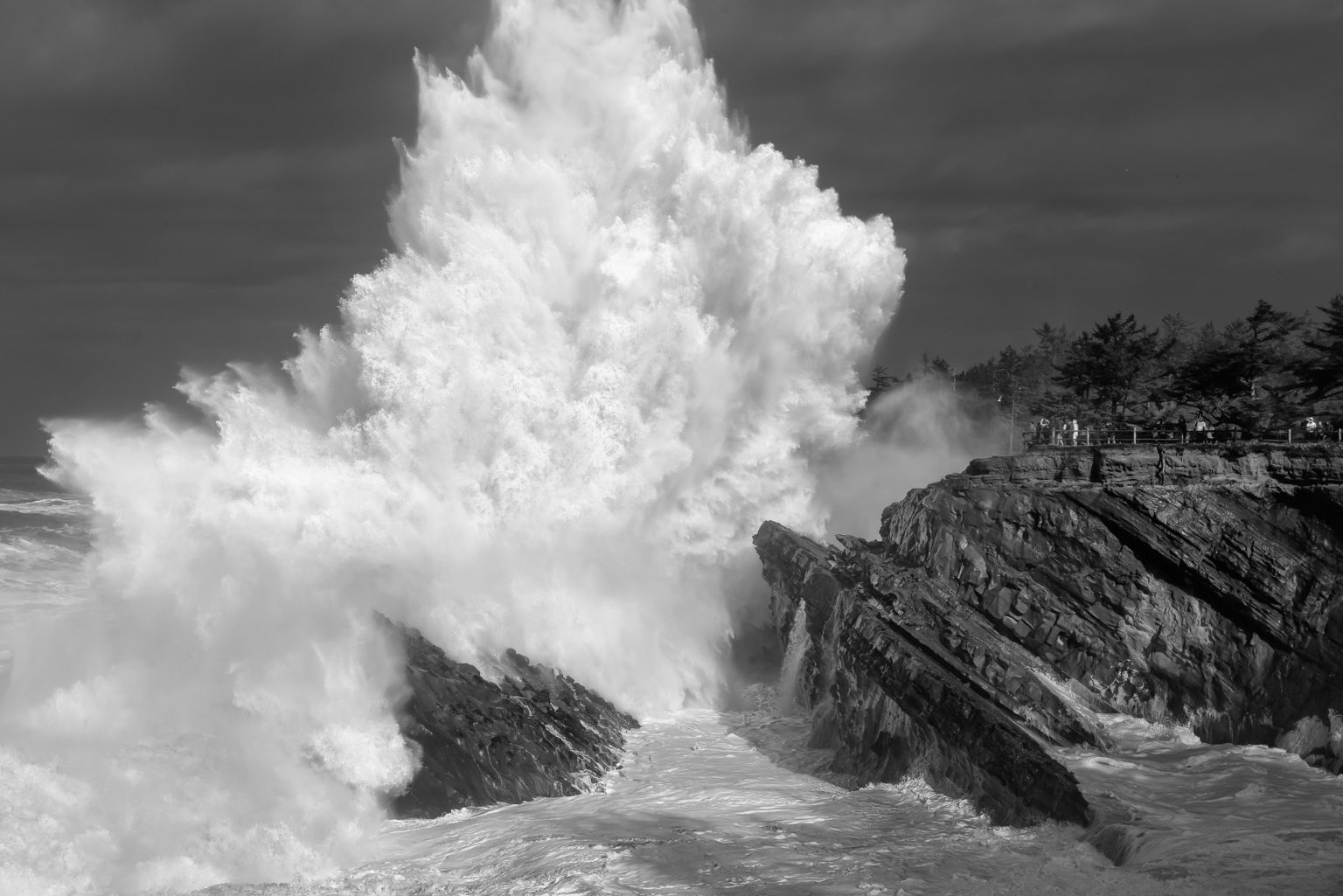
Oregon King Tides
Several times each winter, predictable astronomical high tides raise the ocean above its usual reach. They can create unforgettable views—and serious hazards. Learn when to go, where to watch from higher ground, and how to stay out of the surge zone.
Three distinct stretches
Choose your coast
Start with a region, then follow local stories to beaches, towns, trails, food, and unforgettable roadside stops.
Astoria · Cannon Beach · Tillamook · Pacific City
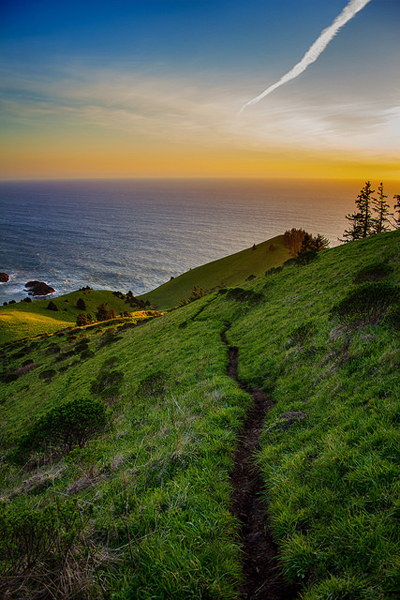
North Coast
Historic river towns, iconic sea stacks, wide beaches, and easy escapes from Portland.
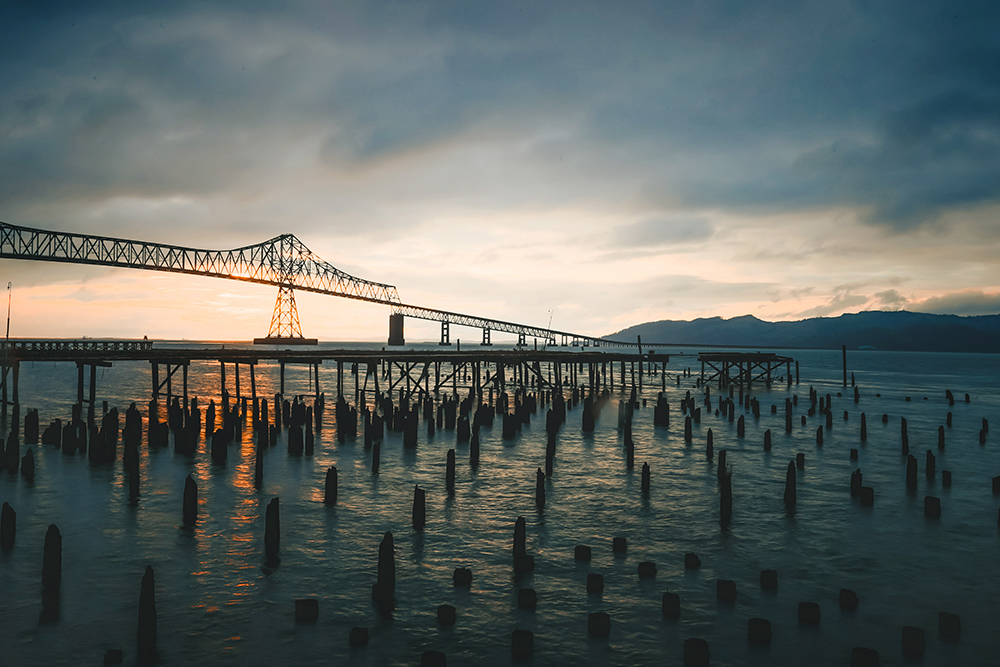
Lincoln City · Newport · Yachats · Florence
Central Coast
Lighthouses, dramatic headlands, marine life, dunes, and some of the coast’s best-known scenic stops.
Partner-supported Newport planning
A Newport day that works in real coast weather
Newport is one of the Central Coast's most useful family bases because a substantial indoor anchor, a working waterfront, beaches, food and lighthouse country all sit within a compact area. Start with the Oregon Coast Aquarium, then let the tide, wind and everyone's energy decide what comes next.
Start here
Is the Oregon Coast Aquarium worth it?
Our candid planning guide covers who gets the most value, how long to allow, rain strategy and accessibility details worth checking before the drive.
Fair-weather plan
Aquarium, sea lions, beach and dinner
A realistic family day with short drives, built-in food stops and room to change course when the coast does.
Wet-weather plan
A rainy-day itinerary based in Newport
Use indoor time strategically and save Bayfront walks, viewpoints and beach stops for the best weather windows.
Disclosure: This planning section is part of a paid partnership with the Oregon Coast Aquarium. That Oregon Life retains editorial control over its recommendations and trip-planning advice.
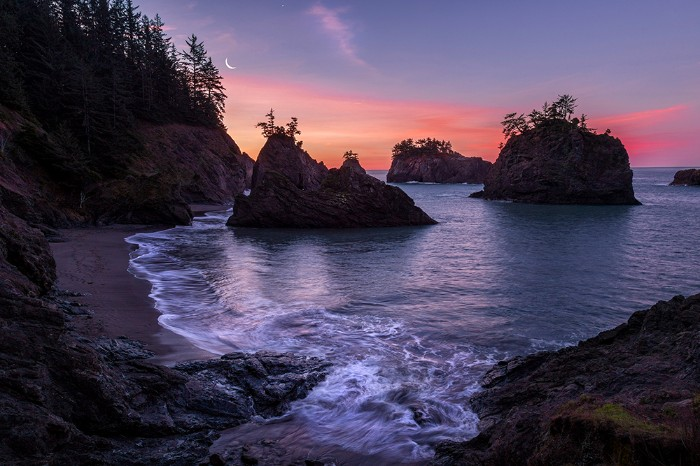
Reedsport · Bandon · Gold Beach · Brookings
South Coast
Wild rivers, quiet beaches, enormous dunes, sea arches, and a rugged coastline worth slowing down for.
Choose a base, not just an attraction
Four very different ways to stay on the Coast
Famous does not automatically mean right for your trip. These are starting points for matching a town’s personality to the experience you want; the town guides carry the local planning detail.
Choose Astoria for history, old buildings, hills, breweries, and the character of a port city that existed long before your vacation. It is less about a walk-out beach village and more about river views, neighborhoods, and maritime texture.
→ Cannon Beach Polished beach village with the easy iconic first visitChoose Cannon Beach for Haystack Rock, galleries, a compact walkable center, and a beach experience built for visitors. The tradeoff is a more tourist-facing, busier, and often pricier stay—especially when the weather is good.
→ Newport The practical Central Coast base when the weather changesChoose Newport if you want a working waterfront, marine life, beaches, food, and enough indoor options to keep a rainy day from becoming a lost day. It is more useful as a multi-day base than a quick scenic stop.
→ Bandon A slower South Coast stay for sea stacks and spaceChoose Bandon when you want long beach walks, tide-and-light-dependent sea stacks, Old Town, and room to slow down. Give the beach and town separate time instead of squeezing them into a drive-through afternoon.
→Plan by place, not just by mileage
Oregon Coast beaches and attractions
The coast changes quickly from north to south. These are the anchor experiences to use when choosing a region, a town, or a place to slow down.
Sea stacks, headlands, and beach towns close to Portland
North Coast beaches and attractions
- Cannon Beach and Haystack RockWalk a broad beach beneath Oregon’s best-known sea stack, and plan a low-tide visit for tide pools and birds.
- Ecola and Oswald WestChoose a forest trail, a sweeping headland view, or a quieter cove at Short Sand Beach.
- Cape Kiwanda and Pacific CityWatch the dory fleet, walk the beach, and admire the sandstone cape from established viewpoints.
Lighthouses, marine life, dramatic shoreline, and dunes
Central Coast beaches and attractions
- Newport and Yaquina HeadPair a working waterfront and the Oregon Coast Aquarium with a lighthouse, tide pools, and wide-open views.
- Cape Perpetua and YachatsThis rocky stretch rewards visitors with headland viewpoints, forest trails, and tide-dependent shoreline features.
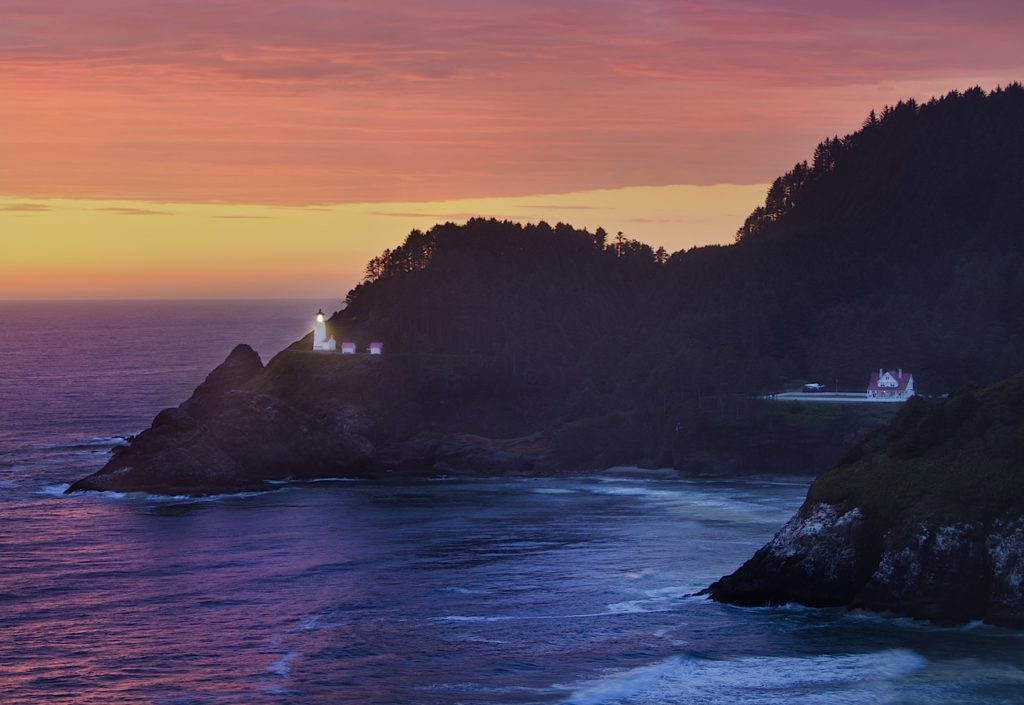
- Heceta Head and FlorenceSee one of the coast’s most photographed lighthouses, then continue toward dunes, lakes, and Florence’s riverfront.
Wild beaches, sculptural sea stacks, river country, and long views
South Coast beaches and attractions
- Oregon Dunes and Shore AcresExplore wind-shaped dunes near Florence and Reedsport, or watch powerful winter surf from Shore Acres near Coos Bay.
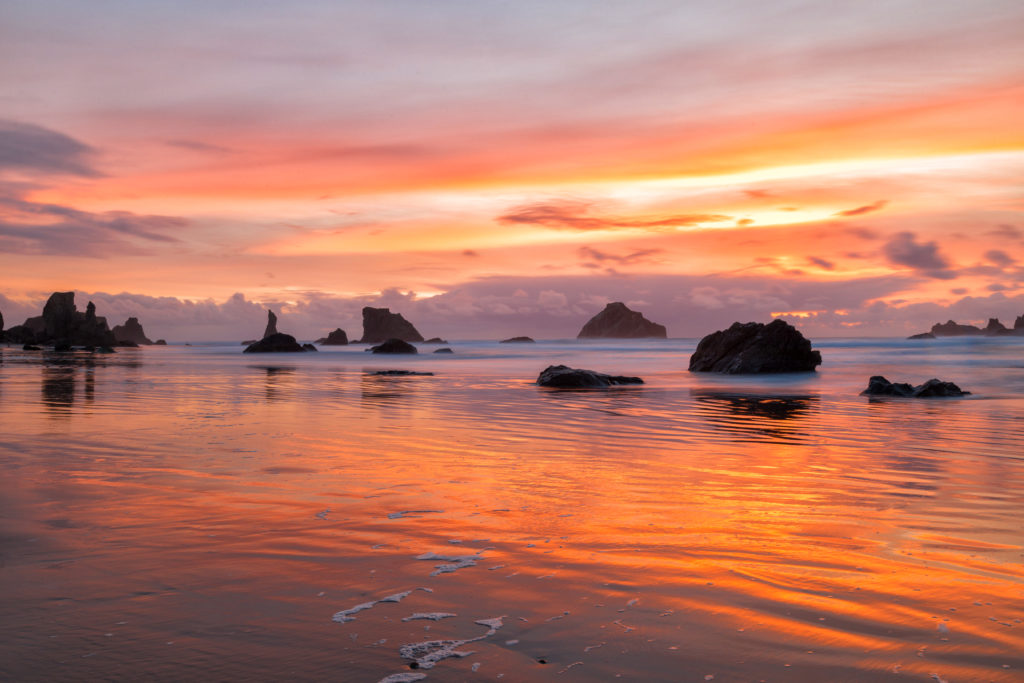
- Bandon and Face RockBandon’s beach is made for unhurried walks, sea-stack views, and a sunset stop after time in Old Town.
- Samuel H. Boardman and BrookingsSave time for coves, natural bridges, forest trails, and beaches at Oregon’s rugged southern edge.
From the That Oregon Life archive
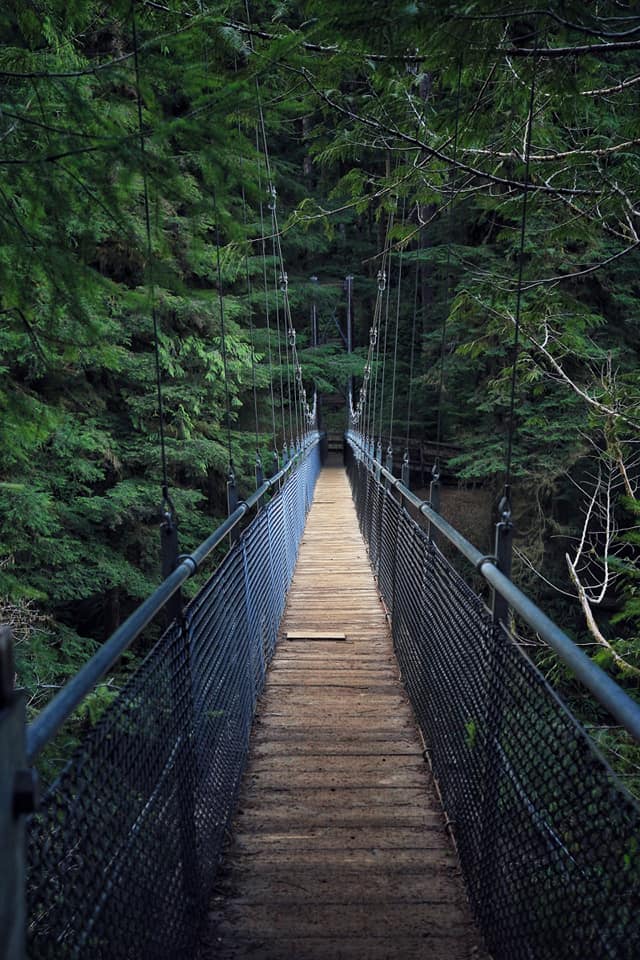
The coast we fell in love with
Favorite photographs preserved from our original Oregon Coast map, now connected to the places they belong.
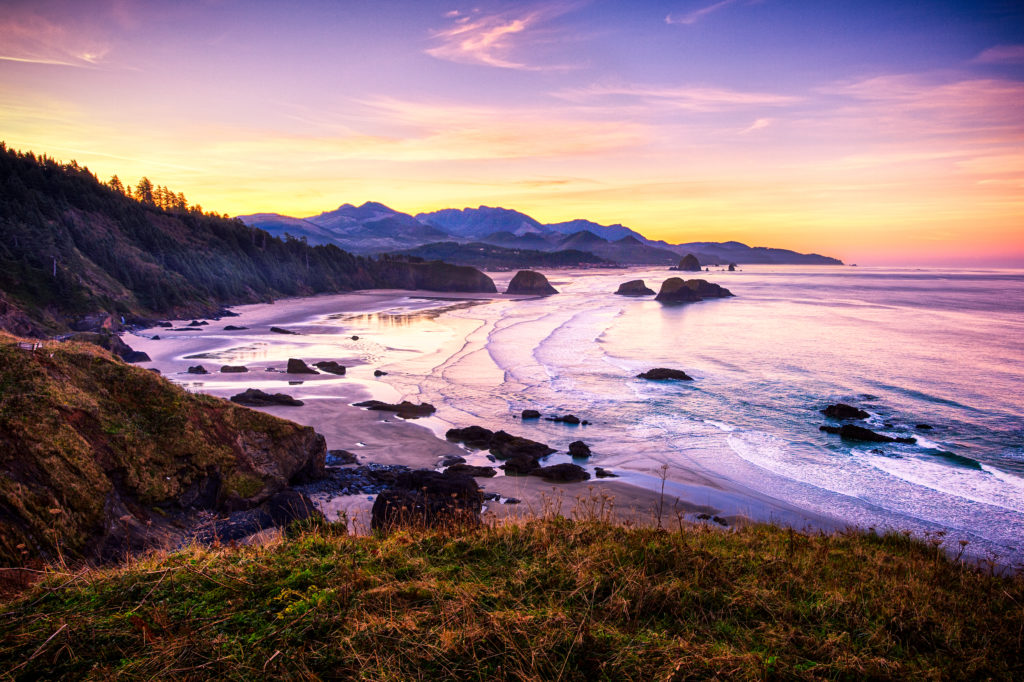
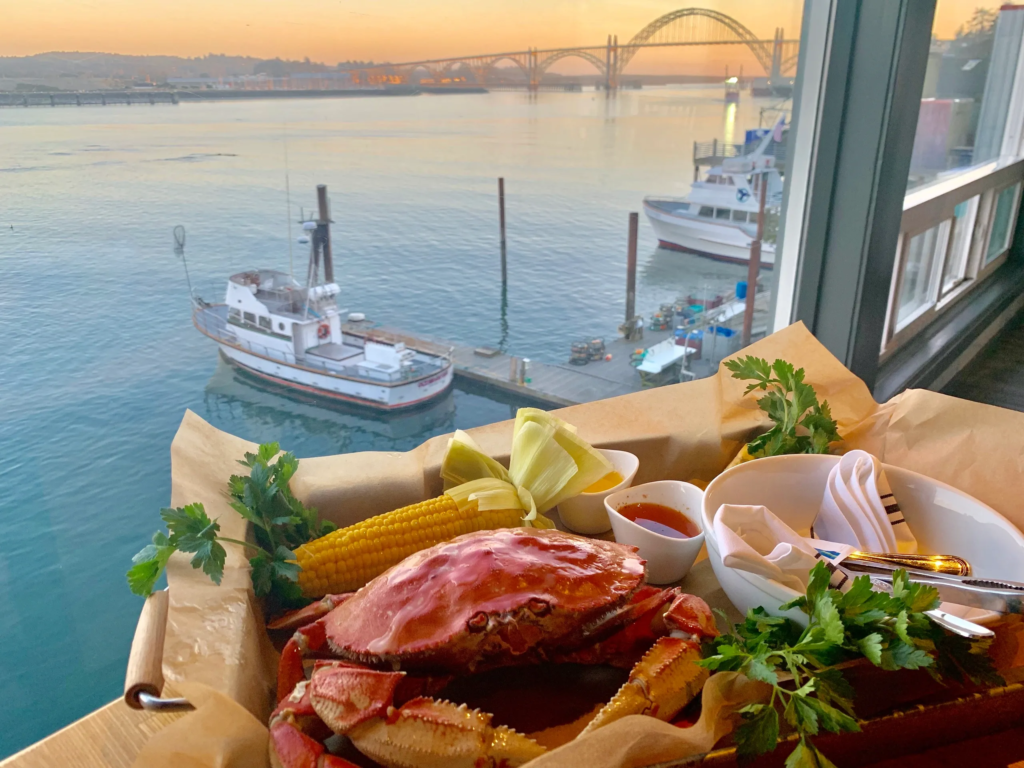
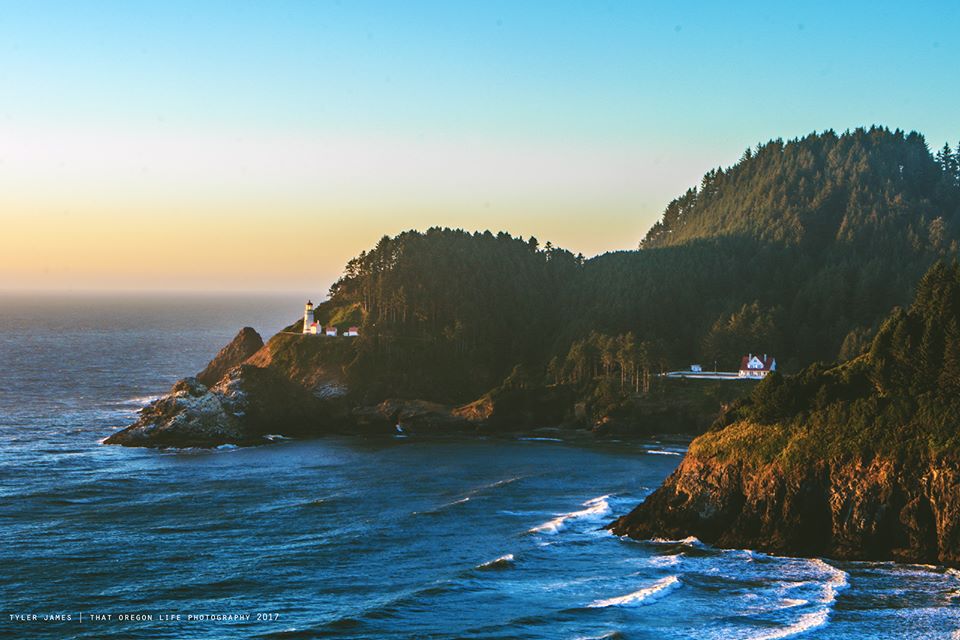
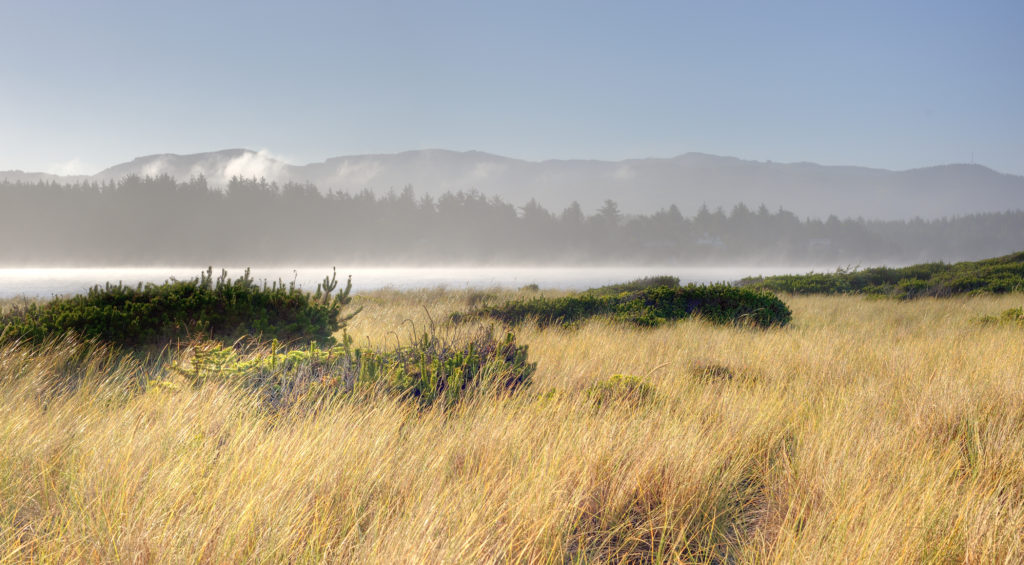
363 miles to explore
Oregon Coast map
Use the map to understand where towns and state parks sit along Highway 101, then open a town guide for the details that make a trip worth taking.
Highway 101, at coast speed
Plan an Oregon Coast road trip
The Oregon Coast stretches roughly 363 miles from the Columbia River to the California border. Highway 101 connects the towns, but the best beaches, viewpoints, and trails are often a short detour away. Build fewer stops into each day than the map suggests.
A long weekend: choose one region
Three days is enough to enjoy the North, Central, or South Coast without turning every day into a drive. Pick a base town, reserve beach time, and let the weather shape the details. Trying to add a second region usually trades the coast itself for windshield time.
Five days: a satisfying north-to-south trip
Use Astoria or Cannon Beach, Newport, Florence or Bandon, and Brookings as the broad rhythm. Give the overnight towns their own time; the best stops between them are a bonus, not a checklist you must finish.
A week: build in room to wander
Seven days allows for quieter beaches, local meals, a longer hike, and a real weather buffer. It is the better choice for travelers who want the full coast rather than a highlight reel—and who do not want to repack every morning.
The honest version: a map can show the order of towns, not how a day will feel. Use it to see what is nearby, then choose fewer stops and open a town guide for the details that make the trip worth taking. Open the Oregon Coast map.
From our coast desk
Stories from the edge of Oregon
Fresh discoveries, timeless favorites, and the places worth pulling over for along Highway 101.



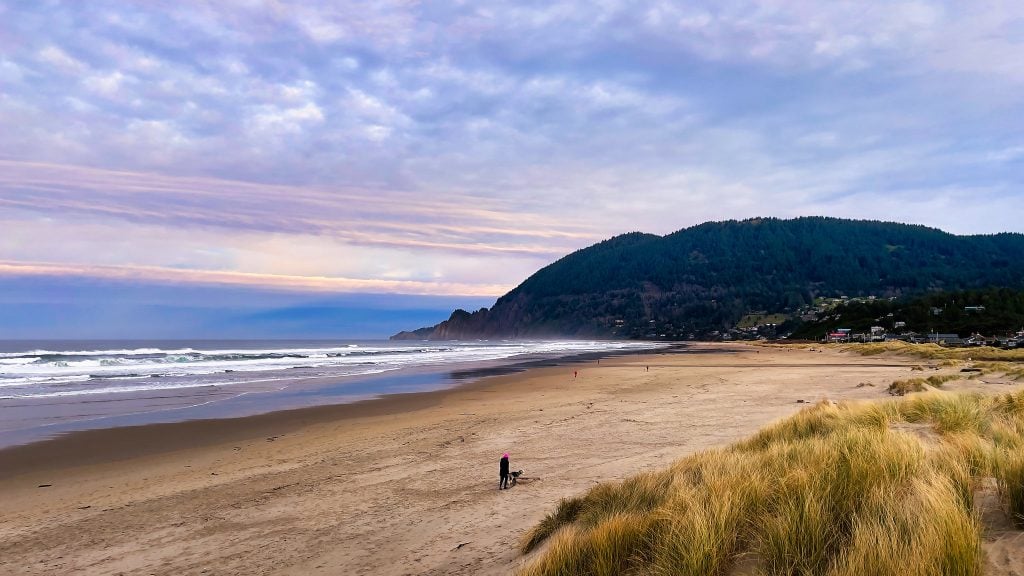





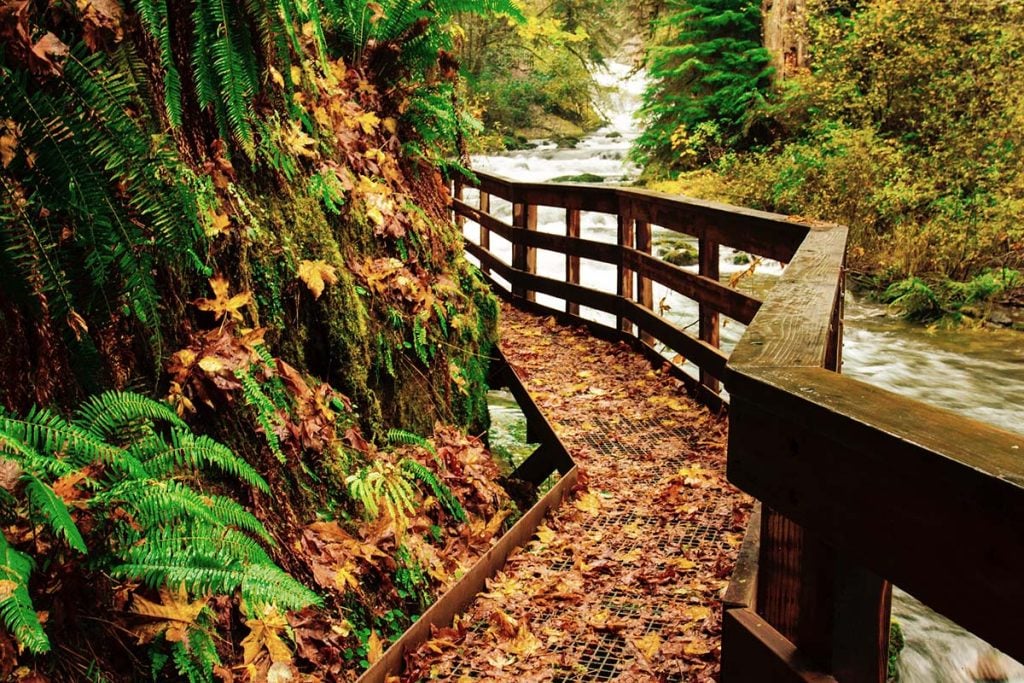

Stay choices shape the trip
Book for the trip you want—not the lowest nightly number
A rental can earn its extra cost when a group needs a kitchen, shared space, or several nights in one base. A hotel can be the simpler choice for a short stay, a couple, or anyone who would rather not absorb a cleaning fee, a minimum stay, and another checkout list.
Choose a hotel when simplicity matters
For one or two nights, a hotel can make it easier to change towns, arrive late, leave early, and keep the trip focused on the coast rather than the logistics of a property.
Choose a rental when it changes the experience
For families, groups, pets, longer stays, and weather-buffer days, a kitchen and room to spread out can be worth more than a low advertised rate. Compare the full stay cost before deciding.
Know before you go
Plan a safer coast trip
Watch the water
Sneaker waves, floating logs, cold water, and changing tides demand attention in every season.
Pack for four seasons
Wind and rain can arrive quickly. Bring layers, sturdy shoes, and a dry change of clothes.
Leave room in the plan
Highway 101 rewards unhurried travel. Check road conditions and give viewpoints more time than expected.
Quick trip-planning answers
Oregon Coast travel guide FAQ
A few useful answers before you pick towns, book a room, or turn onto Highway 101.
What is the best way to plan an Oregon Coast trip?
Start by choosing North, Central, or South Coast based on the kind of trip you want, then choose one or two towns as overnight bases. Use the map to see what falls between them, but leave room for beaches, trails, food stops, and weather changes.
How many days do you need for an Oregon Coast road trip?
Three days works best for one region. Five days makes a satisfying north-to-south trip, while a week gives you time for quieter beaches, hikes, and weather flexibility. The 363-mile coastline has far more worthwhile stops than most first itineraries allow.
Which Oregon Coast towns should I visit?
Astoria is a strong choice for history, river views, and a working-port feel; Cannon Beach for sea stacks, galleries, and a polished beach-village stay; Newport for marine life and a working waterfront; Yachats for rocky shoreline and trails; Florence for dunes and a lighthouse; Bandon for sea stacks; and Brookings for the Boardman corridor and nearby redwoods. Choose towns that match your interests instead of trying to see every one.
Should I stay in Astoria or Cannon Beach?
Choose Astoria for historic streets, river and port character, hills, and a town that feels more lived-in than resort-oriented. Choose Cannon Beach for Haystack Rock, a compact walkable beach village, galleries, and an easy iconic first visit. Cannon Beach can be busier and pricier; Astoria is less about an immediate sandy-beach stay.
What should I do if it rains on the Oregon Coast?
Do not treat rain as a failed trip. Use a base with indoor options, working waterfronts, food, museums, or an aquarium; save exposed viewpoints and beach walks for the best weather window. Bring layers and a backup plan, then use the weather as a reason to slow down rather than abandon the day.
Is a vacation rental cheaper than a hotel on the Oregon Coast?
Not automatically. A rental can be a better fit for a group, a family, pets, a kitchen, or several nights in one town, but a hotel may be simpler and less expensive for a short stay after mandatory charges and minimum-stay rules are considered. Compare the total stay, not just the nightly rate.
What are the best Oregon Coast beaches and attractions?
Cannon Beach and Haystack Rock, Ecola State Park, Cape Kiwanda, Yaquina Head, Cape Perpetua, Heceta Head Lighthouse, the Oregon Dunes, Face Rock, and the Samuel H. Boardman Scenic Corridor are memorable starting points. Conditions and access vary, so check the relevant park or land manager before a beach or trail outing.
Do I need to plan around tides on the Oregon Coast?
Yes. Tides matter for tide pools, coves, beach walks near headlands, and rocky shoreline. Check tide and surf conditions before going out, stay off unstable logs and rocks, and never turn your back on the ocean.
When is the best time to visit the Oregon Coast?
Summer generally brings the most reliable conditions and the most visitors. Spring and fall can offer quieter towns and dramatic weather, while winter is a beautiful time for storm watching from safe, elevated viewpoints. Every season calls for layers and a flexible plan.