
That Oregon Life mountain guide
Oregon mountains, chosen for the trip you actually want
Ski and snowboard the Cascades, plan a high-country road trip, or choose the right mountain base without pretending Oregon is one interchangeable alpine landscape.
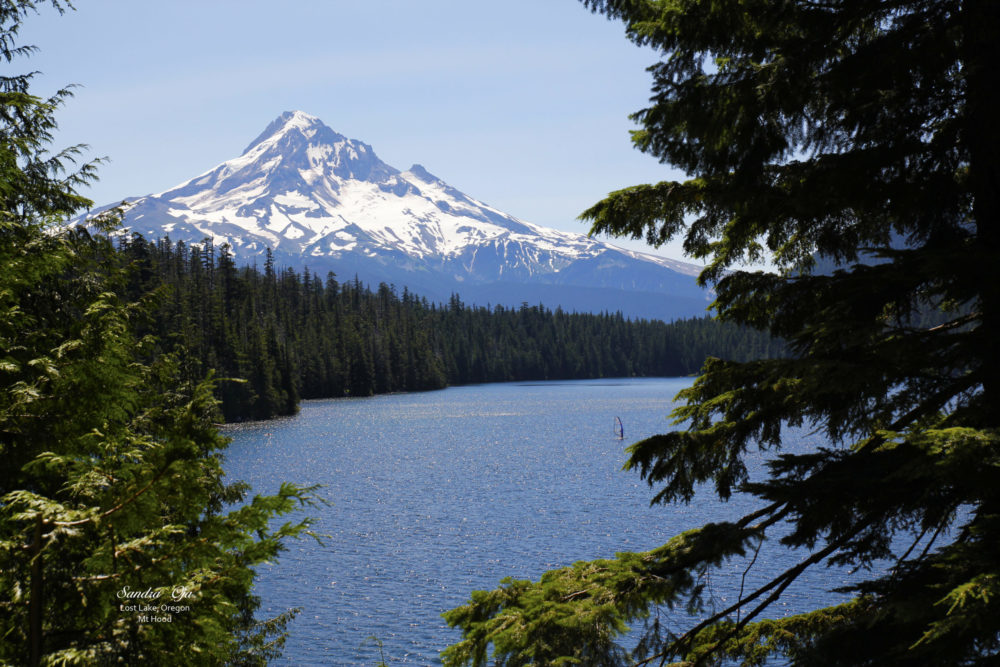
Mt. Hood from Lost Lake · Sandra Oja / Wikimedia Commons
Start with the decision
Which Oregon mountain is best for your trip?
Mt. Hood is the most flexible choice from Portland and has several distinct ski areas. Mt. Bachelor is the clearest destination-resort choice from Bend. The Three Sisters reward hikers and wilderness travelers; the Wallowas and Steens trade convenience for scale and solitude.
Choose Mt. Hood for multiple ski-area personalities, Timberline Lodge, snow play and a mountain day from Portland. Choose Mt. Bachelor for a Bend-based ski or snowboard trip with one large destination mountain. Choose Sisters and the Three Sisters for hiking, scenic drives and wilderness; choose Steens or the Wallowas when remoteness is part of the point.
Best all-around mountain from Portland
Mt. Hood
Timberline, Meadows, Ski Bowl, Government Camp, lakes, snow play and four-season access.
Open the Mt. Hood guide →Best destination ski-and-ride base
Mt. Bachelor
A major ski area paired with Bend or Sunriver, plus Nordic trails and Cascade Lakes country.
Open the Mt. Bachelor guide →Best for wilderness and trail country
Three Sisters
Use Sisters or Bend, then plan permits, snow season and trail access around the exact route.
Explore Sisters and the Three Sisters →Best remote high-desert mountain road trip
Steens Mountain
Long distances, few services, huge horizons and seasonal road access in southeast Oregon.
Open the Steens guide →Oregon snow sports
Skiing and snowboarding are a defining part of Oregon mountain life
The useful question is not simply which resort is biggest. It is which mountain fits your road, ability, budget, crowd tolerance, base town and preferred kind of day.
| Ski area | Best fit | Practical base | Check before leaving |
|---|---|---|---|
| Timberline ↗ | Historic lodge, long season, progression and alpine atmosphere | Government Camp or Timberline | Lift status, parking, weather and the terrain operating |
| Mt. Hood Meadows ↗ | Varied terrain, night operations on scheduled dates and east-side access | Government Camp, Hood River or Parkdale | Mountain report, access road, parking and schedule |
| Mt. Hood Ski Bowl ↗ | Government Camp convenience and scheduled night skiing | Government Camp | Snow-dependent terrain, hours and night schedule |
| Mt. Bachelor ↗ | Destination skiing and riding with Bend-area lodging | Bend or Sunriver | Mountain report, wind holds, parking and Century Drive |
| Hoodoo ↗ | Santiam Pass community mountain and family-oriented trips | Sisters | Operating days, snow report and US 20 conditions |
| Willamette Pass ↗ | Willamette Valley and Central Oregon day trips | Oakridge, Eugene or La Pine | Operations, Highway 58 and weather |
| Mt. Ashland ↗ | Southern Oregon community skiing | Ashland or Medford | Mountain report and ski-road status |
| Anthony Lakes ↗ | Eastern Oregon powder, Nordic terrain and a smaller-mountain feel | Baker City, La Grande or North Powder | Operating schedule, snow report and forest access |
Ticket prices, pass access, lifts, lessons and terrain status change. That Oregon Life explains the decision; the linked ski areas remain the authority for today’s operation.
Beyond the ski areas
Oregon has several different mountain trips hiding under one label
The Cascades dominate the skyline, but the Wallowas, Blue Mountains, Steens, Siskiyous and Coast Range create very different access, weather and planning problems.
North Cascades
Mt. Hood and Mt. Jefferson country connect Portland, the Gorge and Central Oregon—but winter roads and west-versus-east access matter.
Central Cascades
Three Sisters, Broken Top, Bachelor, Hoodoo and Willamette Pass combine lift-served snow, wilderness, lakes and permit-managed trailheads.
Southern Cascades & Siskiyous
Crater Lake, Mt. McLoughlin and Mt. Ashland pair volcanic landscapes with Southern Oregon weather and longer driving distances.
Wallowas & Blue Mountains
Northeast Oregon favors deliberate trips: Joseph and Baker City bases, alpine lakes, smaller ski areas and serious winter travel.
Steens Mountain
A remote fault-block mountain where the loop road, fuel, heat, smoke and shoulder-season snow can decide the whole trip.
Coast Range
Lower and wetter than the Cascades, with forest roads, mud, storm damage and trail conditions shaping access more than altitude alone.
Live planning layer
Check what is true right now
Official alerts and event listings refresh automatically. Resort operations, roads and land-manager notices open at their primary sources so a cached article never pretends to be today’s report.
National Weather Service · Mt. Hood
No active NWS alert matched this mountain point
This is not an “all clear.” Read the forecast and the exact road, resort and forest status.
Checked Oct 3, 2026 · 8:08 am PDT · cached up to five minutesNational Weather Service · Mt. Bachelor
No active NWS alert matched this mountain point
This is not an “all clear.” Read the forecast and the exact road, resort and forest status.
Checked Oct 3, 2026 · 8:08 am PDT · cached up to five minutesOregon roads
TripCheck cameras, closures and chain restrictions
Check every highway and pass on the actual route, then recheck close to departure.
Open That Oregon Life TripCheck →Mt. Hood operations
Resort and forest status
Mt. Bachelor operations
Mountain and forest status
Conditions can change after this page loads. Follow closures, warnings, resort staff, road crews and emergency officials. That Oregon Life does not replace an official alert or on-site direction.
Plan the variables
A mountain itinerary should survive a change in weather
Use a primary plan, a lower-elevation backup and a turnaround rule. Never let a paid reservation make the road or terrain seem safer than it is.
Pick the exact side and access road
“Mt. Hood” or “the Cascades” is not a route. Identify the highway, pass, sno-park, trailhead or resort entrance.
Check official sources in sequence
Read the NWS alert, TripCheck route report, land-manager closure page and resort or recreation-site status.
Match the group to the terrain
Beginner skiing, sledding, snowshoeing, summer hiking and mountaineering are different plans with different hazards.
Carry the boring essentials
Traction devices when required, layers, water, food, offline directions and enough fuel or charge to change plans.
Current calendar
Upcoming events near Oregon mountain bases
These cards come from the live That Oregon Life events guide. Dates pass; the guide keeps moving forward.
Oct 3
Derrick Cave-Lava Tube Cave Tour
Event details →Oct 3
The Patch with a View at Schilling’s Garden Market
Event details →Oct 3
Bloomed Basket in the Old Mill District
Old Mill District · BendEvent details →Oct 3
Fall Botany Hike
Event details →Direct answers
Oregon mountain trip FAQs
Quick answers point to the decision; live official sources settle the day.
What is the best Oregon mountain for skiing and snowboarding?
Mt. Hood and Mt. Bachelor are the two strongest first comparisons. Mt. Hood offers several ski areas with different terrain, access and night schedules; Mt. Bachelor is a large destination mountain paired naturally with Bend or Sunriver.
When is Oregon ski season?
It varies by mountain, elevation, snow and the specific operator. Many areas target winter through early spring, while Timberline and Mt. Bachelor can have longer seasons in suitable conditions. Always use the official daily report.
Do I need chains to drive to Oregon ski areas?
Traction requirements change with road and weather conditions. Carry compliant traction devices, know how to install them, and read ODOT TripCheck for the exact route before departure.
Which Oregon mountains are best in summer?
Mt. Hood and Central Oregon are the easiest full-service choices. The Three Sisters, Cascade Lakes, Wallowas and Steens offer outstanding hiking and scenery but may require permits, long drives, seasonal roads or greater self-sufficiency.
Where should a first-time Oregon mountain visitor stay?
Use Government Camp or the Highway 26 villages for a Mt. Hood-first trip; use Bend for the broadest Mt. Bachelor base; use Sunriver for a quieter resort-style group stay; use Sisters for small-town character and Three Sisters access.