That Oregon Life’s evergreen lake guide
Oregon Lakes Guide
Find the Oregon lake that actually fits your trip—whether that means a warm-ish family swim, a quiet paddle, trout fishing, a campground weekend, a cabin base, or an alpine view worth the drive.
Researched and reviewed September 2026What are the best lakes in Oregon?
There is no one “best” Oregon lake. Wallowa Lake earns the big-trip label for mountains, a state-park base and Joseph nearby. Trillium Lake is the easy Mount Hood view—but not a quiet summer escape. Central Oregon’s Cascade Lakes are the most flexible paddle-and-camp cluster. For a more forgiving family swim, a developed reservoir or coastal dune lake can make more sense than a beautiful, snow-fed alpine lake.
The useful question is not “which lake is prettiest?” It is what can this lake comfortably do on the day you are visiting? Oregon water commonly stays cold well into summer; access roads, fire restrictions, lake levels, wind, algae advisories and parking can change the answer.
Find an Oregon lake by activity
These are starting points—not claims that every condition is ideal every day. Check the managing agency and water advisories before leaving home.
For a swim, not just a photo
Honeyman’s dune lakes, Diamond Lake, Detroit Lake and developed areas at Foster are more practical than many high lakes. Expect cold water elsewhere.
Wake up by the water
Wallowa, Trillium, Timothy, Paulina, Diamond and Crescent have strong camping cases. Reserve popular sites early; forest openings are seasonal.
Plan around the species and season
Start with Oregon fishing basics, then use current ODFW reports and regulations for Wallowa, Paulina, East, Diamond and the reservoir systems.
Calm water and scenery
Sparks, Hosmer, Waldo, Elk, Suttle and Wallowa reward a calm morning. Wind can erase the easy-paddle plan by afternoon.
Room for a motorboat
Detroit, Hagg, Wallowa and Prineville Reservoir suit mixed-use boating more naturally than shallow or motor-restricted scenic lakes.
A bed, not a tent
Wallowa Lake/Joseph, Diamond Lake, Suttle Lake, Paulina and Crescent Lake have useful lodging bases. Book well ahead in peak summer.
Less complicated lake days
Favor developed swim areas, shallow edges, restrooms and short walks: Diamond north shore, Honeyman, Foster and state-park facilities.
Big view, modest walking
Trillium’s Hood reflection, Sparks Lake, Paulina Lake and Crater Lake viewpoints deliver scenery without a wilderness itinerary.
Water earned by the hike
Waldo, Opal Lake and wilderness basin lakes trade convenience for quiet, colder water and more variable access.
Explore Oregon lakes by region
Use this as a practical map: pick the part of Oregon you will actually be in, then choose a lake suited to your vehicle, season and group.
Twelve Oregon lakes worth choosing for a reason
This is not a numerical ranking. It is a set of useful trip matches—the exact distinction that prevents an ordinary lake roundup from sending people to the wrong place.
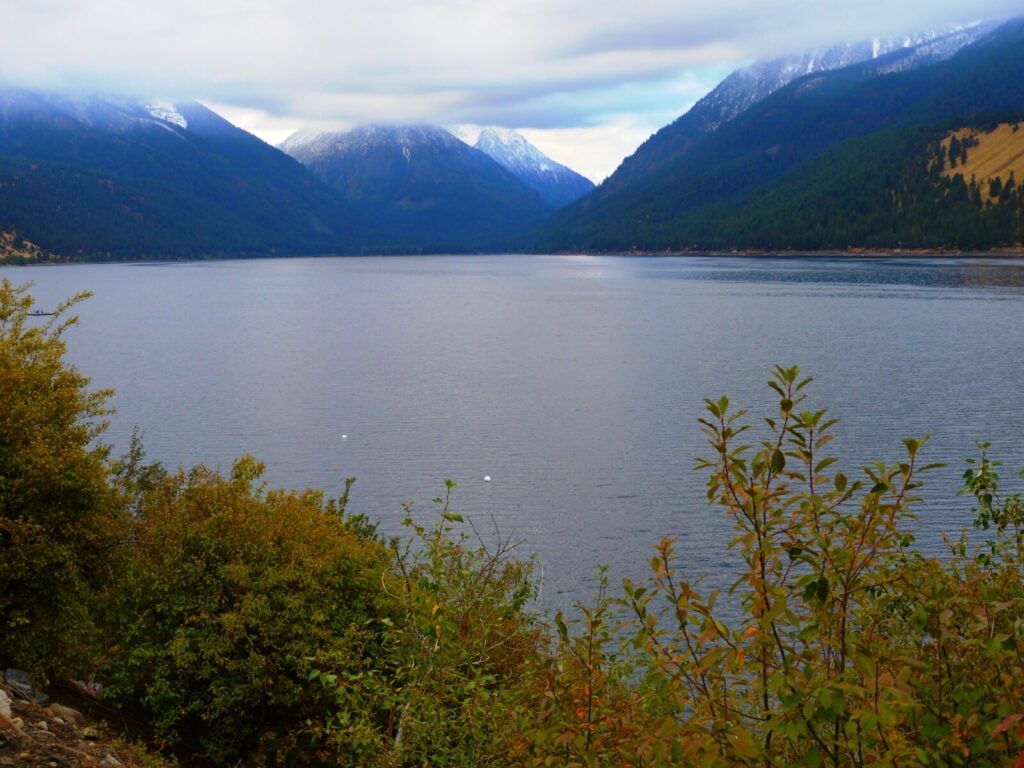
Eastern Oregon · flagship scenic trip
Wallowa Lake
Deep blue water beneath the Wallowa Mountains, a state-park campground, boat rentals and Joseph just up the road make this Oregon’s most complete lake destination.
- Best for: a 2–4 night scenic trip, families, boating and a Joseph base.
- Know first: it is a long drive, August is busy, late spring weather can be unsettled and nights can be cold.
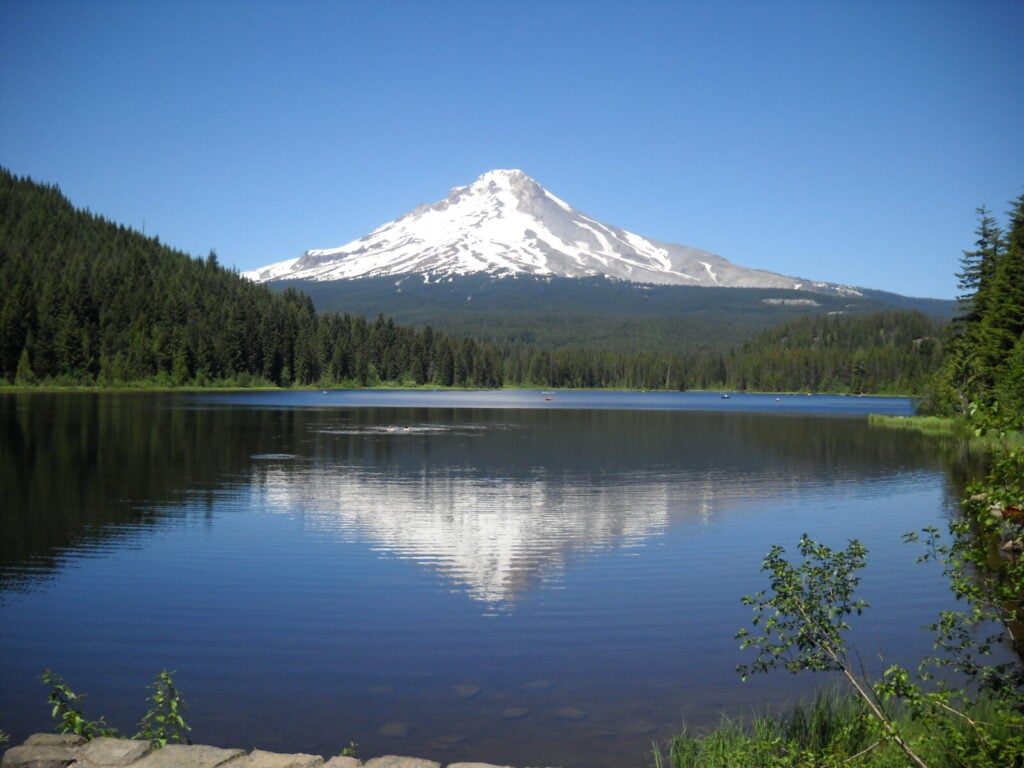
Mt. Hood · iconic view
Trillium Lake
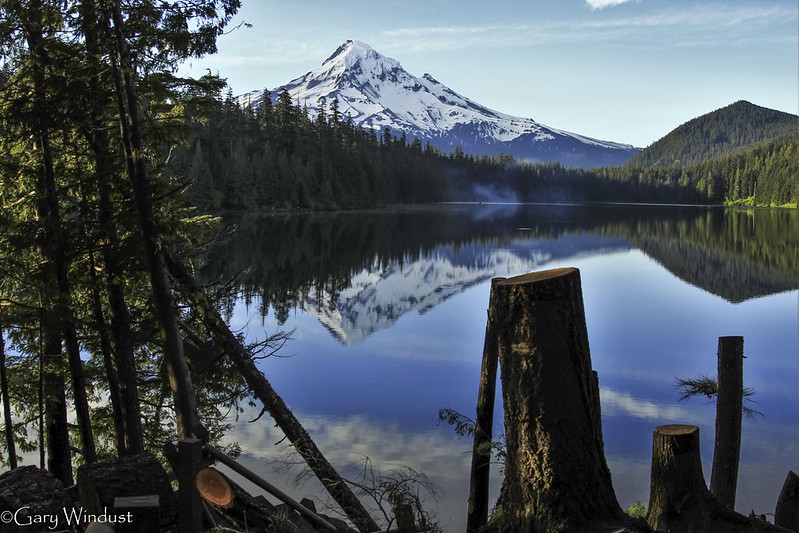
The Mount Hood reflection is real and the loop is approachable. It is one of the best scenic lake stops near Portland—not a hidden swimming hole.
- Best for: first-time visitors, photos, a picnic, easy walking and camping.
- Know first: weekends, warm spells and sunrise all bring crowds; the access road is seasonal.
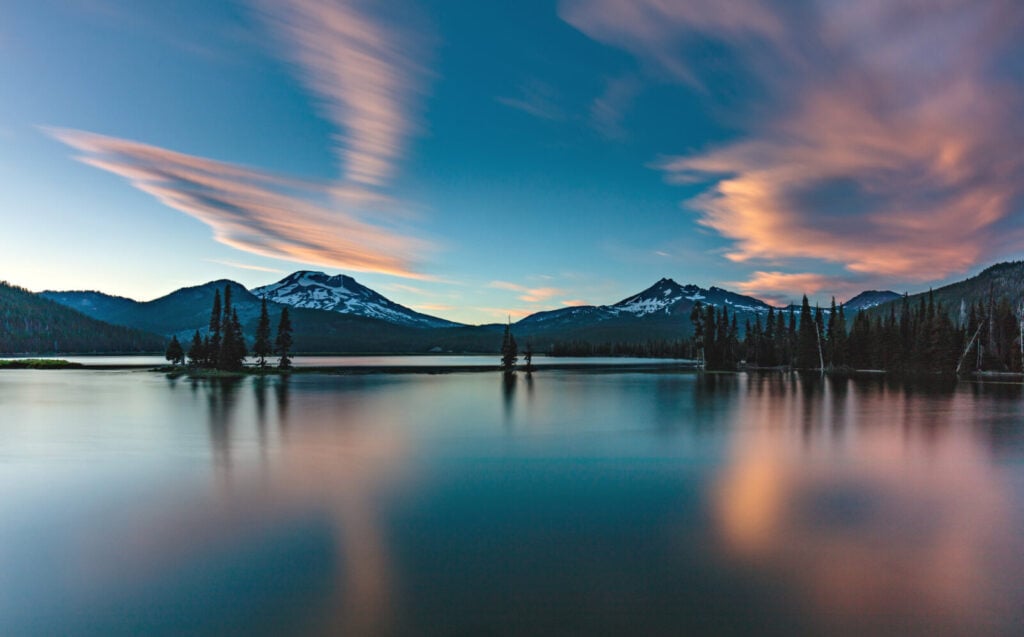
Central Oregon · paddling
Sparks Lake
Shallow water, meadow-and-mountain views and a dramatic Cascade backdrop make Sparks the rare lake that feels purpose-built for a slow paddle.
- Best for: SUPs, canoes, photography and a Bend day trip.
- Know first: it is not a speedboat or waterski lake; wind and shallow water shape the day.
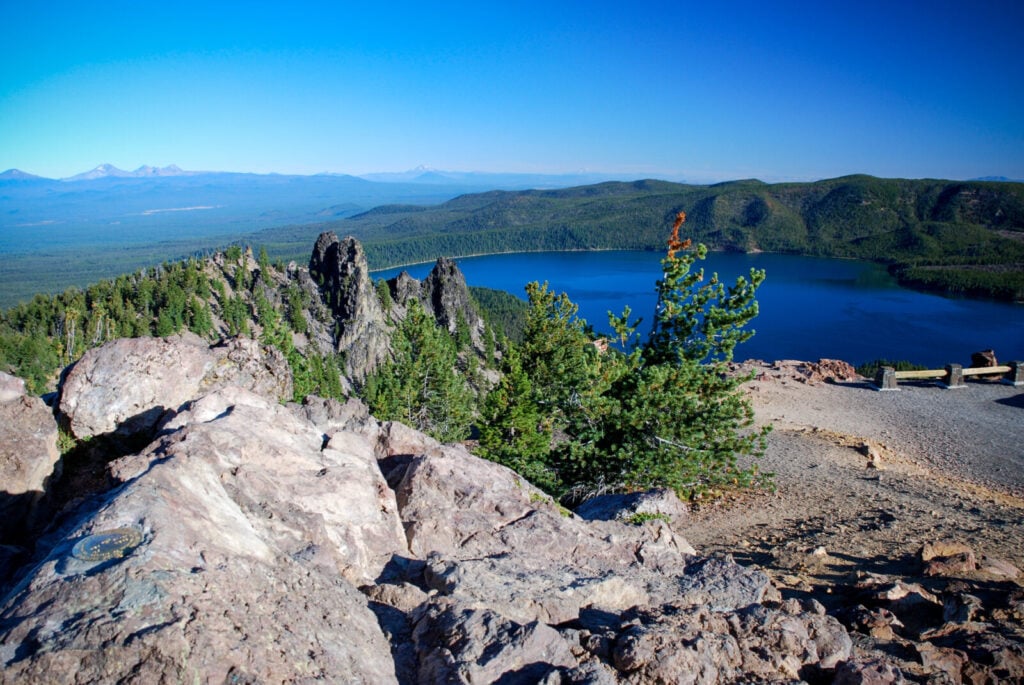
Central Oregon · volcanic basecamp
Paulina Lake
Paulina has camping, a lakeshore loop, fishing, lodging and volcanic terrain inside Newberry Caldera—the most rounded adventure-lake option south of Bend.
- Best for: fishing, camping, easy scenery and multi-activity weekends.
- Know first: the high-elevation road and services are seasonal; check conditions before a shoulder-season drive.
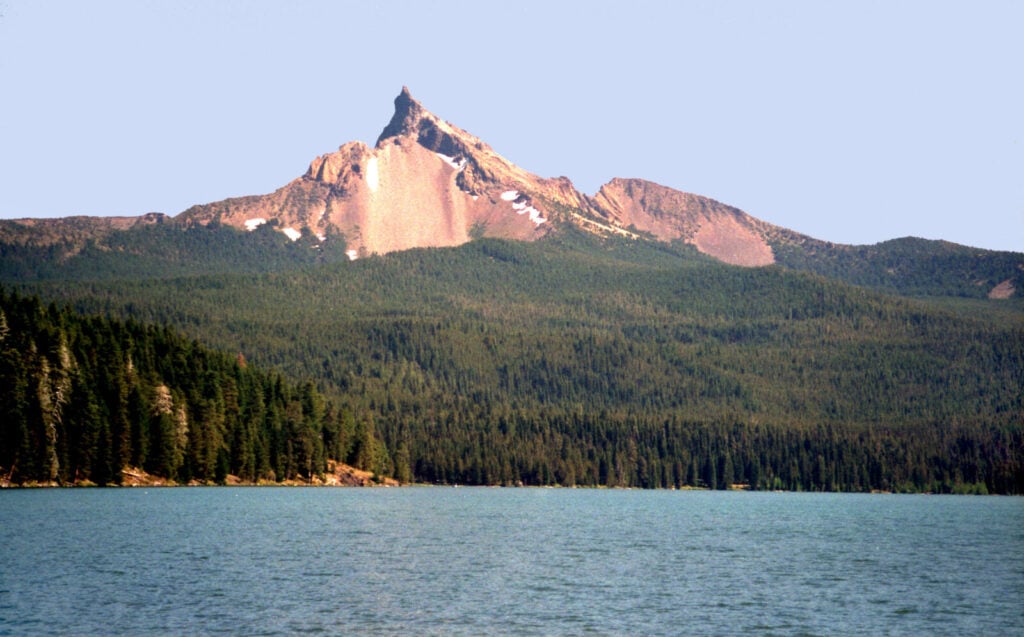
Southern Oregon · fishing & beach
Diamond Lake
Diamond combines a resort-and-campground base with wide views of the southern Cascades and a notably usable north-shore beach area.
- Best for: family camping, fishing, casual swimming and sunsets.
- Know first: it is exposed; regulars often plan water time before afternoon wind.
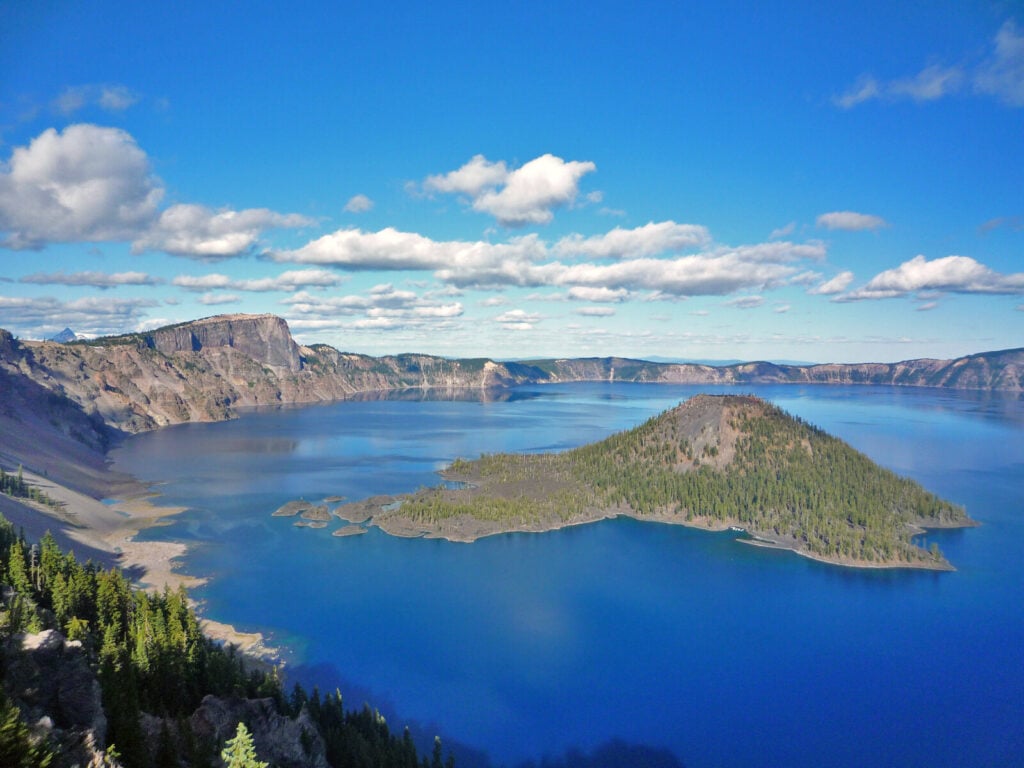
Southern Oregon · bucket-list view
Crater Lake
Crater Lake is Oregon’s must-see lake for the rim views, not the state’s easiest all-purpose lake day. Treat it as a national-park scenic experience.
- Best for: dramatic overlooks, hiking and an iconic road trip.
- Know first: access, trails and seasonal services vary sharply; do not assume a swim is available or sensible.
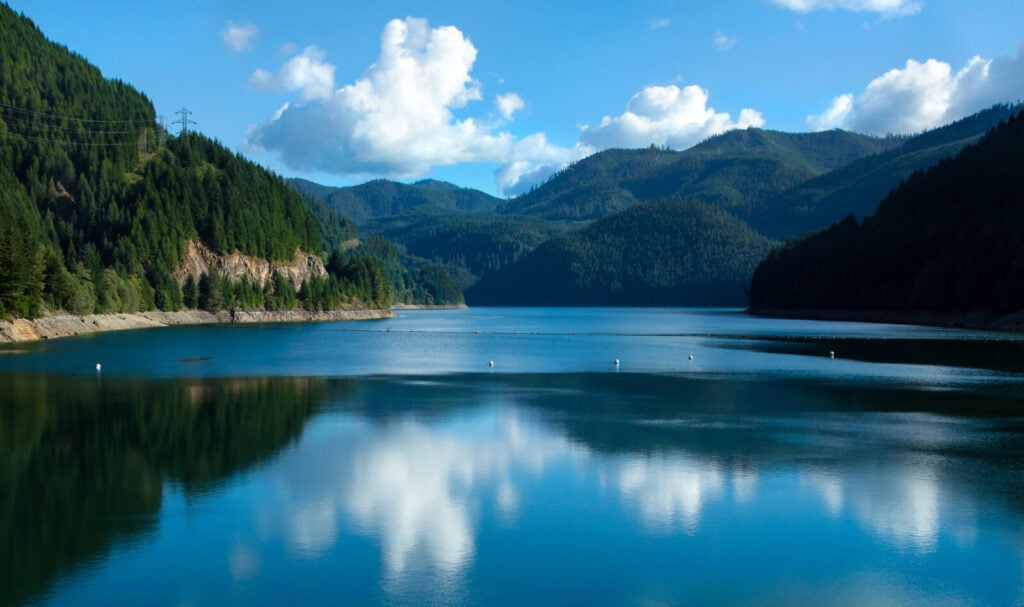
Willamette Valley · boating
Detroit Lake
Detroit is the big water-recreation choice east of Salem: boating, camping and warm-day swimming potential close enough for a practical Valley weekend.
- Best for: motorboats, large groups and campground weekends.
- Know first: reservoir levels, ramps, shoreline and crowds can change seasonally—verify the current setup.
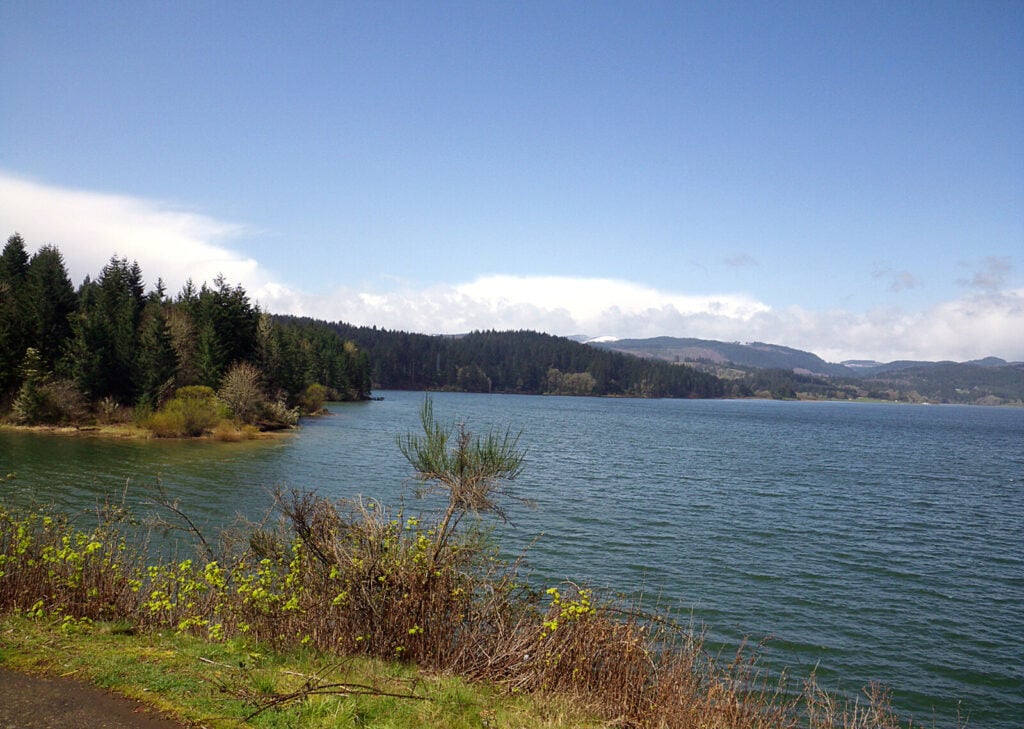
Portland area · day-use reservoir
Henry Hagg Lake
Hagg Lake is a convenient mixed-use option for Portland’s west side: paddling, fishing, boating and a picnic day without a mountain-road commitment.
- Best for: accessible day trips, boats and fishing.
- Know first: it is a reservoir, not a mountain lake; watch water conditions, use a life jacket and choose your access point deliberately.
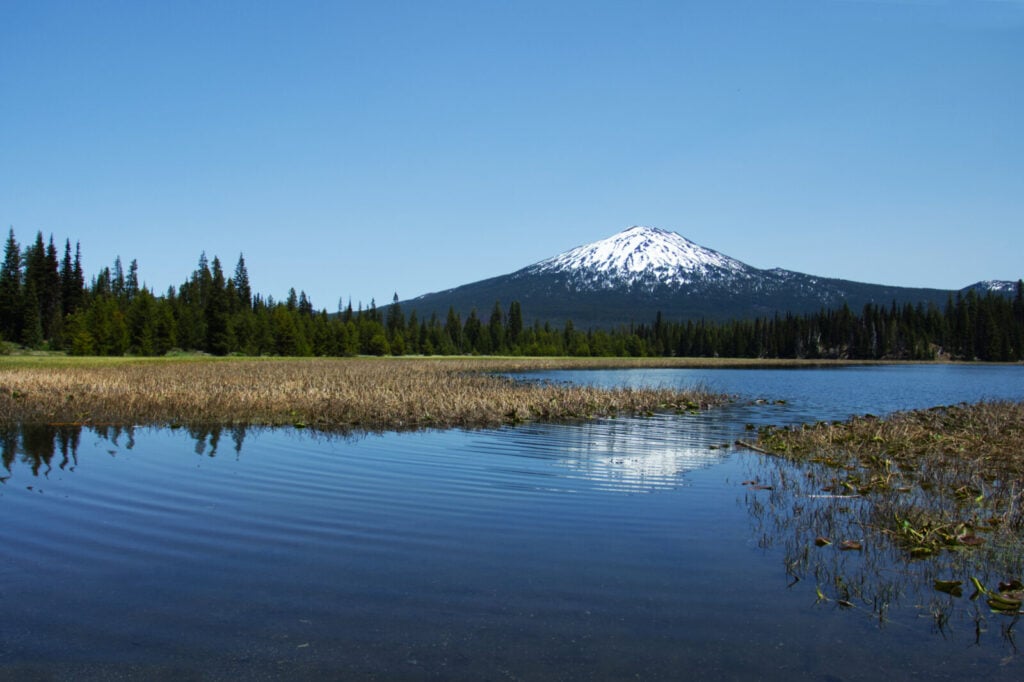
Central Oregon · quiet paddle
Hosmer Lake
Hosmer is a favorite for flatwater paddling and fly fishing, with a slower, less motorized feel than the region’s big reservoirs.
- Best for: canoes, kayaks, SUPs and anglers.
- Know first: this is a bring-your-own-quiet lake, not a sandy swim-beach destination.
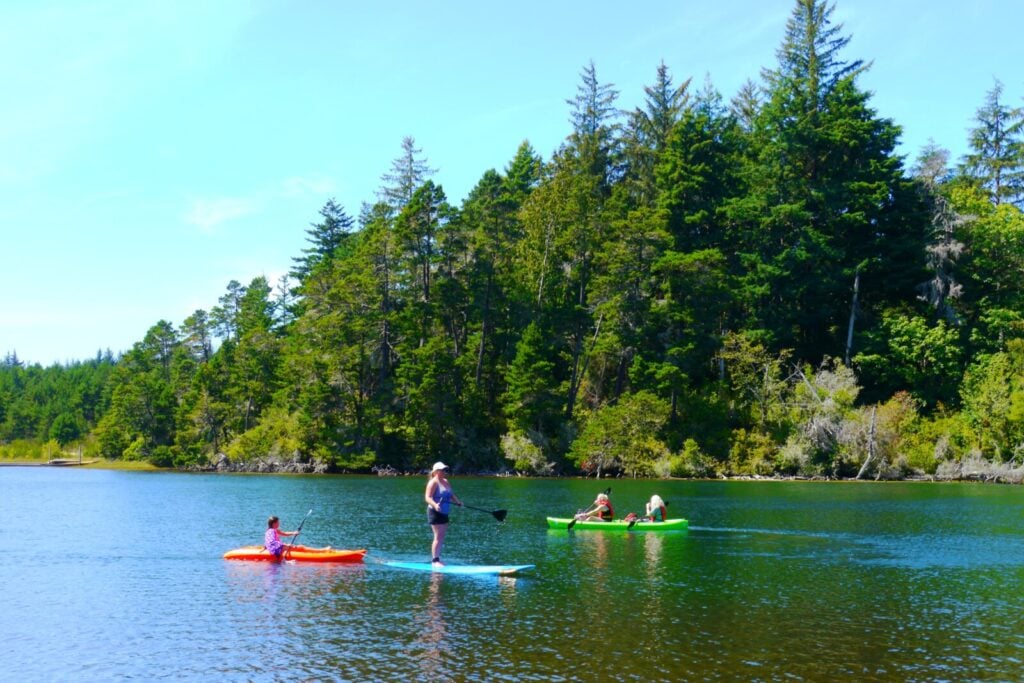
Coast · freshwater family break
Woahink & Cleawox
Near Florence, the dune lakes offer a smart freshwater counterpoint to a cold or windy beach day, with Honeyman State Park as the practical family anchor.
- Best for: camping, sand-and-water days and families near Florence.
- Know first: coastal lake water can still be cool; conditions and facilities matter more than a map pin.
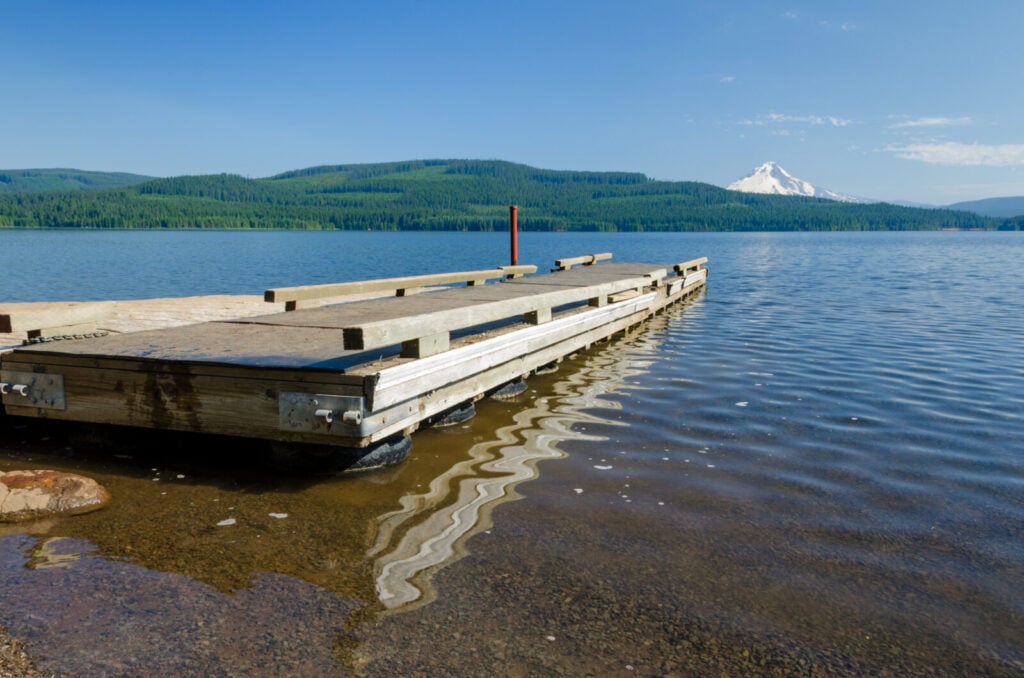
Mt. Hood · campground classic
Timothy Lake
Timothy is the group-camping, paddling and fishing alternative when you want a Mount Hood-area lake with more room to settle in than Trillium.
- Best for: camping groups, casual water time and a longer Hood-area weekend.
- Know first: its popularity is the tradeoff; reservations and early arrivals matter in summer.
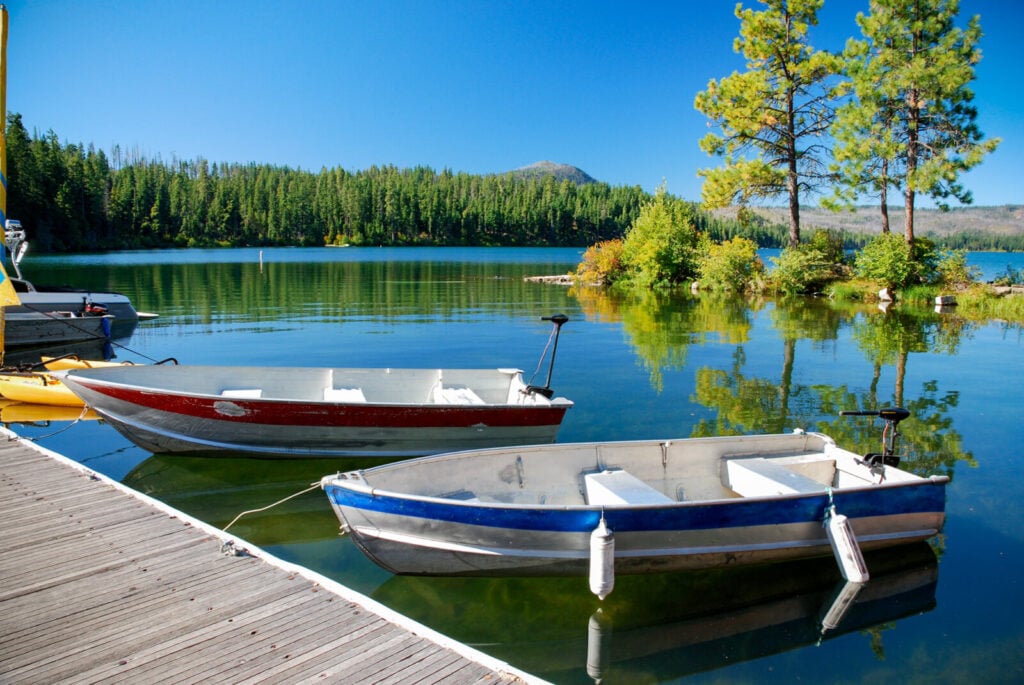
Central Oregon · lodge-ready
Suttle Lake
Suttle pairs pine-forest lake scenery with a more comfortable lodging-and-restaurant option than an all-tent weekend.
- Best for: cabins/lodging, kayaking and a Sisters-area base.
- Know first: it is not a secret, especially on summer weekends; expect a social lake, not wilderness solitude.
Oregon lakes near Portland, Bend and Eugene
Lakes near Portland
Best short-drive option: Hagg Lake for the west side; it is the convenience pick, not the alpine pick. Best mountain view: Trillium Lake, but expect the Highway 26 drive and summer demand. Best longer weekend: Timothy or Lost Lake when you want camping and more time outdoors.
Lakes near Bend
Best scenery/paddle: Sparks Lake. Best full-service volcanic weekend: Paulina Lake. Best quiet-water feel: Hosmer. Best lodging base: Suttle Lake. The Cascade Lakes route is fantastic when roads are open, but its elevation makes season and weather non-negotiable.
Lakes near Eugene
Best local reservoir access: Fern Ridge and Dexter, with a close eye on current water-quality notices. Best fuller water-recreation weekend: Foster Lake. Best alpine reset: Waldo Lake, but it is a forest trip—longer drive, limited services and more variable road conditions.
Lakes for an Oregon Coast trip
Best inland break from ocean wind: Honeyman’s dune lakes near Florence. Best Lincoln City add-on: Devils Lake. Best coastal fishing/boating system: Tenmile Lakes. These make a Coast itinerary more flexible when beach weather is not cooperating.
How Oregon’s lake regions really differ
Mt. Hood & Gorge
Views close to Portland, crowds close behind
Trillium is the familiar postcard. Timothy gives campers more room. Lost Lake feels farther away and is more weather-dependent. The useful move is to arrive early, avoid assuming a road is open in spring or fall, and use a weekday if your priority is calm.
Central Oregon
The best lake cluster for variety
Sparks, Hosmer, Elk, Cultus, Suttle, Paulina and East Lake cover paddles, fishing, campgrounds and volcanic scenery. The tradeoffs are altitude, afternoon wind, wildfire smoke and roads that do not follow a city calendar.
Willamette Valley
More practical water days, fewer alpine illusions
Detroit, Hagg, Foster, Fern Ridge and Dexter work well when you need day-use facilities, a boat ramp or a shorter drive. They are reservoirs and valley lakes: check lake level, blooms and site-specific swim access instead of expecting mountain clarity.
Oregon Coast
Freshwater beside the beach
Devils Lake, Woahink, Cleawox and Tenmile add calmer freshwater to a Coast trip. Dune lakes can be better for a family beach day than the ocean, but coastal wind and cool water still set the terms.
Southern Oregon
Big scenery, big distances
Crater Lake is the dramatic sight; Diamond and Lake of the Woods are easier lake-day candidates; Fish Lake and the Rogue/Umpqua country create a good camping-and-fishing circuit. Plan for higher elevation, summer smoke and longer service gaps.
Eastern Oregon
The long-drive payoff
Wallowa Lake is the polished, mountain-ringed destination. Anthony Lakes and smaller high-country water offer a quieter alpine feel. This is where reservations, fuel, weather and cold nighttime gear deserve more attention than a quick day trip would.
Oregon lakes for swimming: a more honest guide
A lake can look perfect and still be cold enough to end a swim immediately. Oregon regulars consistently point out that clear high-elevation water is often cold, while warmer shallow reservoir water can bring algae or water-quality concerns later in summer.
| Trip need | Better starting choices | Do not assume |
|---|---|---|
| Young kids & a beach-like setup | Honeyman’s dune lakes, Diamond north shore, Foster’s developed day-use areas | There are lifeguards, a roped swim zone or gentle water everywhere. Confirm the exact site. |
| Cold-water splash with scenery | Wallowa, Trillium, Paulina, Lost Lake, Central Oregon high lakes | Air temperature means comfortable water temperature. Enter gradually and keep the first swim short. |
| Reservoir swim day | Detroit, Hagg, Foster, Prineville Reservoir | Water level, launch access, shoreline and advisory status are the same from one month to the next. |
| Dog-friendly water plan | Choose after checking current rules and advisories | “No posted advisory” means the water is monitored or risk-free. OHA says most waterbodies are not monitored. |
Camping, cabins and fishing: choose the base first
Best established lake campgrounds
Wallowa Lake State Park, Trillium, Timothy, Paulina, Diamond, Crescent and many Cascade Lakes sites let you build a full weekend around the water. Their popularity is earned; reserve where reservations are offered and have a non-lake backup for weather or smoke.
Best cabins & lodge bases
Wallowa Lake/Joseph, Paulina Lake, Diamond Lake, Crescent Lake and Suttle Lake are smart when your group needs a bed, kitchen or easier logistics. The lake itself may still be rustic; lodging only solves the overnight part.
Fishing without false promises
Wallowa, Paulina, East Lake, Diamond and many reservoirs are real angling destinations, but fishing is season-, species-, stocking- and weather-dependent. Use current ODFW regulations and reports; this hub is for trip fit, not a substitute for a regulation book.
Season, road, boat and water checks that belong in every Oregon lake plan
Summer is not a single opening day
Forest roads, high-elevation campgrounds and boat ramps open on their own schedules. A hot day in Portland or Bend does not mean Trillium, Newberry or a Cascade Lakes road is accessible. Check the managing agency directly.
Bring the permit and PFD
Oregon’s current rules require a Waterway Access Permit for non-motorized paddlecraft, including kayaks, canoes, rafts and SUPs; children 13 and younger are exempt. Carry required safety gear and expect mixed-use water at reservoirs.
The honest peak-season pattern
Community reports repeatedly make the same case: Trillium and popular swim spots fill early on warm weekends; Wallowa is busy with families in August; high-lake water stays cold even when the trailhead is packed. Go early, midweek or in shoulder season.
A pristine forecast can fail by noon
Central, Southern and Eastern Oregon lake plans need an air-quality and fire-closure check in summer. Treat your lake as part of a broader forest trip, not an isolated pin on a map.
Use current advisories, then use judgment
The OHA can issue advisories for harmful cyanobacteria blooms, but most Oregon waterbodies are not monitored. “No advisory” is not a water-quality guarantee; if in doubt, stay out.
Verify the exact facility
“Easy access” can mean a short walk, not necessarily an accessible beach, dock or restroom. Check the current facility map or call the operator when accessible fishing, mobility or stroller access matters.
Oregon lakes FAQ
Can you swim in Oregon lakes?
Yes, many Oregon lakes are used for swimming, but suitability is lake- and day-specific. Expect snow-fed or high-elevation lakes to be cold, reservoirs to have changing levels and shoreline conditions, and some waterbodies to have seasonal cyanobacteria concerns. Check the specific site and current advisories rather than relying on a general list.
What are the best Oregon lakes near Portland?
For a practical day trip, Hagg Lake is a useful west-side option. For Mount Hood scenery, Trillium Lake is the classic choice; Timothy and Lost Lake work better for a longer camping-style escape. All three mountain options are sensitive to season, roads and summer crowds.
What are the best Oregon lakes near Bend?
Sparks Lake is a standout for scenery and slow paddling; Paulina Lake is the more complete camping, fishing and volcanic-adventure choice; Hosmer is a quieter flatwater pick; Suttle Lake works well for a lodge-and-paddle weekend. Use the Cascade Lakes Scenic Byway as the organizing route when conditions allow.
Which Oregon lakes are best for camping?
Wallowa Lake, Trillium, Timothy, Paulina, Diamond and Crescent are strong established choices. “Best” depends on whether you need a reservable site, RV capacity, a boat ramp, nearby food or actual solitude. High-demand weekends should be planned early.
Do I need a permit for a kayak or paddleboard in Oregon?
Generally, yes: Oregon requires a Waterway Access Permit for non-motorized paddlecraft, including kayaks, canoes, rafts and SUPs. Check the Oregon State Marine Board for current rules, exemptions, permit options and safety requirements before launch.
Is Wallowa Lake worth the drive?
For travelers who want mountain scenery, a lake, camping or lodging, boating, hiking and a base near Joseph, yes—it is one of Oregon’s best full-destination lakes. It is not the choice for a quick Portland day trip or guaranteed warm water. Build in enough time for the drive and treat weather, campground availability and summer crowds as part of the decision.
Use this hub to choose; use official sources to confirm today’s conditions
This guide synthesizes current agency guidance with the recurring, practical patterns shared in Oregon lake communities: cold water, early parking, wind, seasonal roads, lake-level shifts and the difference between “beautiful” and “right for this group.” Conditions change faster than an evergreen guide can.
- Oregon State Parks: Wallowa Lake State Park for current park and campground details.
- U.S. Forest Service for Cascade, Mount Hood, Newberry and forest-road updates.
- Oregon Health Authority for current cyanobacteria information and advisories.
- Oregon State Marine Board for paddlecraft permits and safety rules.
- ODFW Recreation Report for current fishing conditions and regulations.
No lake recommendation is a safety clearance. Water temperature, weather, wildfires, road conditions, access rules, algae advisories, currents, lake levels and services can change. Verify the exact place and day before you go.
Build the rest of the Oregon trip around the lake
The official That Oregon Life store
The Oregon you bring home.
Start the day with Oregon-roasted coffee, then find original gear inspired by the places, stories, and oddities that make this state ours.
Shop Oregon gear