
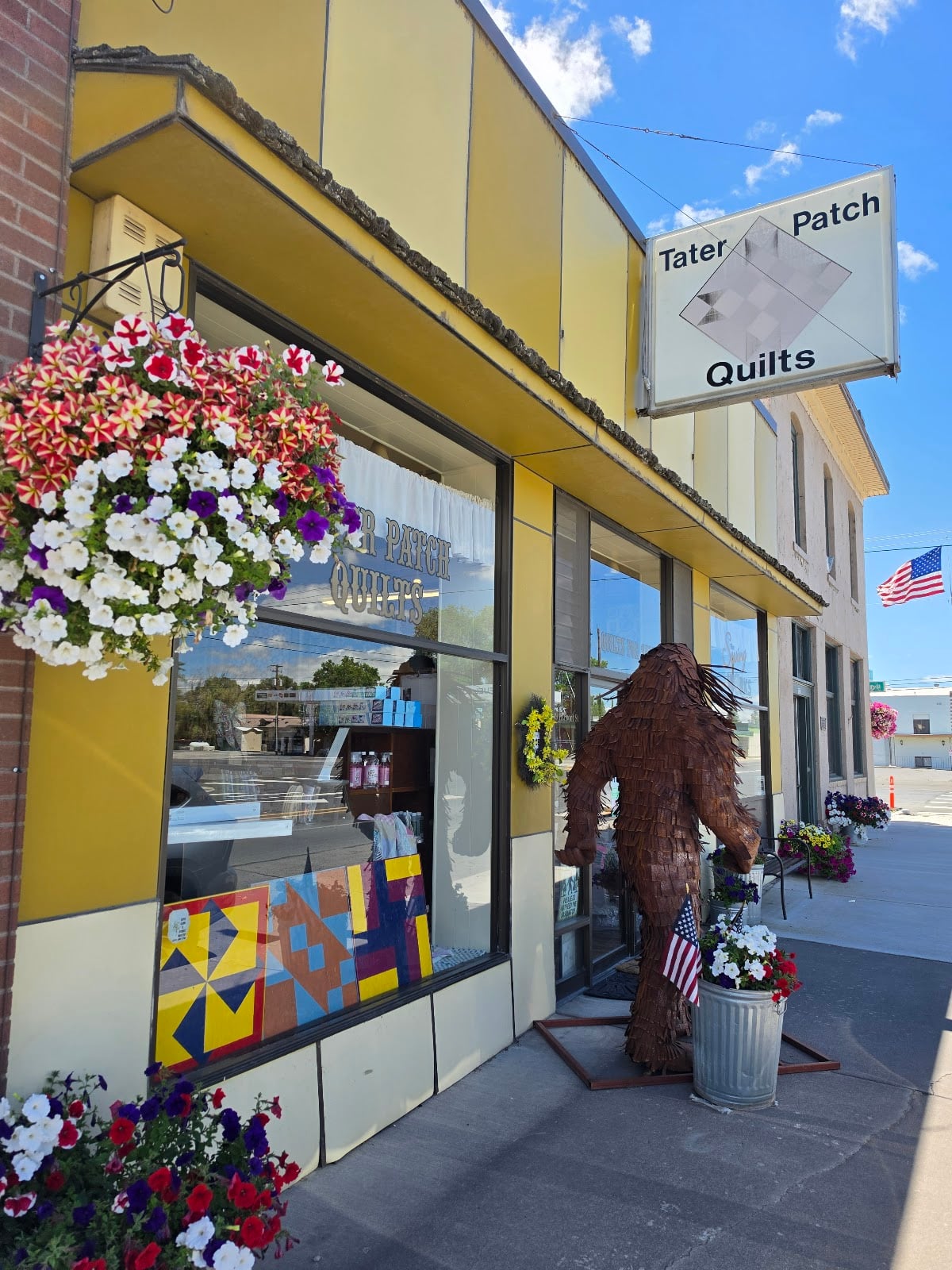
In Merrill, the quilt shop has a Sasquatch by the front door. A summer photograph shows the shaggy figure stationed beside hanging flower baskets, with bright quilt blocks filling the window behind it. Above the sidewalk, a square sign announces Tater Patch Quilts. It is a cheerful introduction to a business that has given people a reason to pull over on Front Street for 30 years.
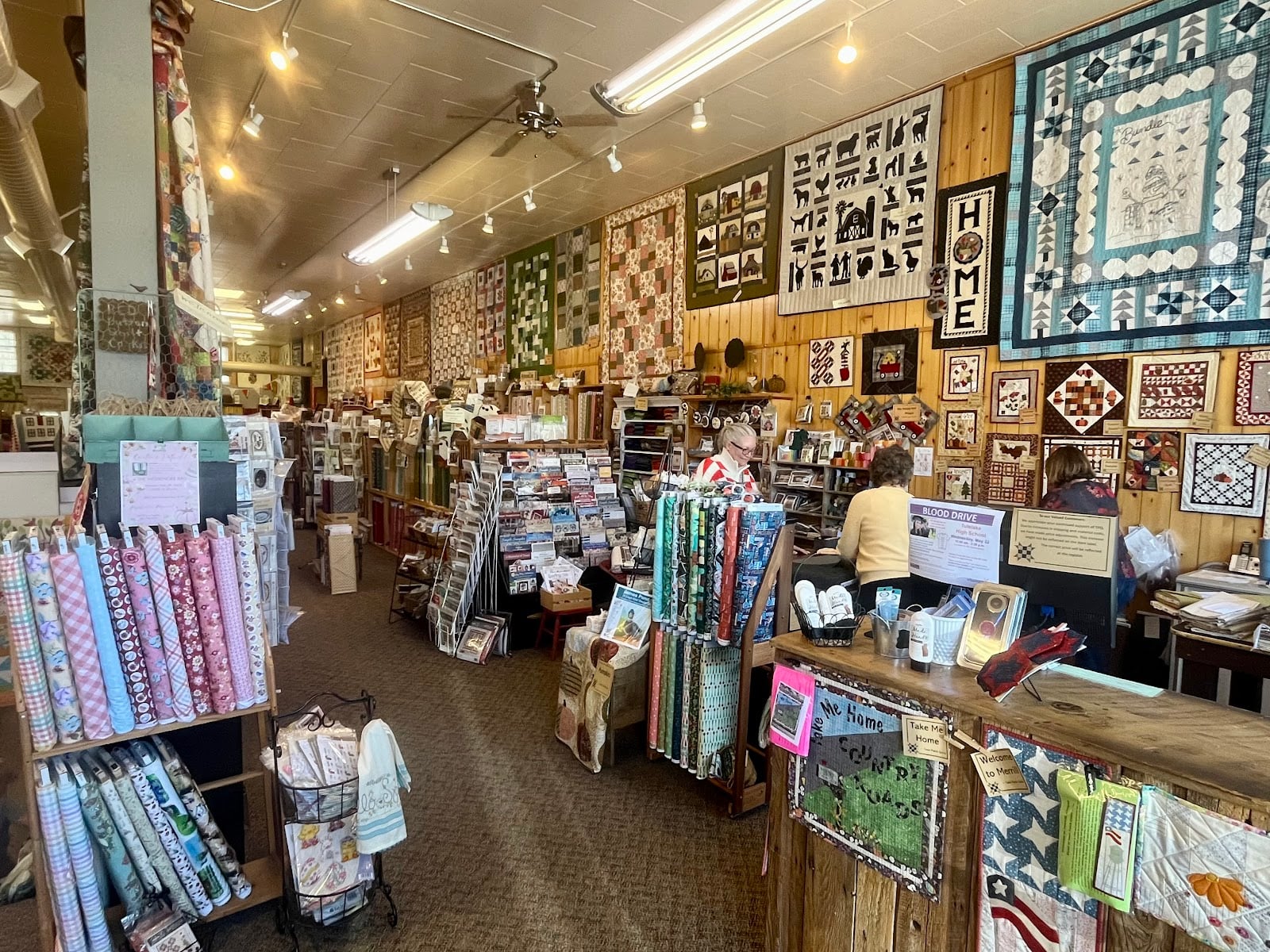
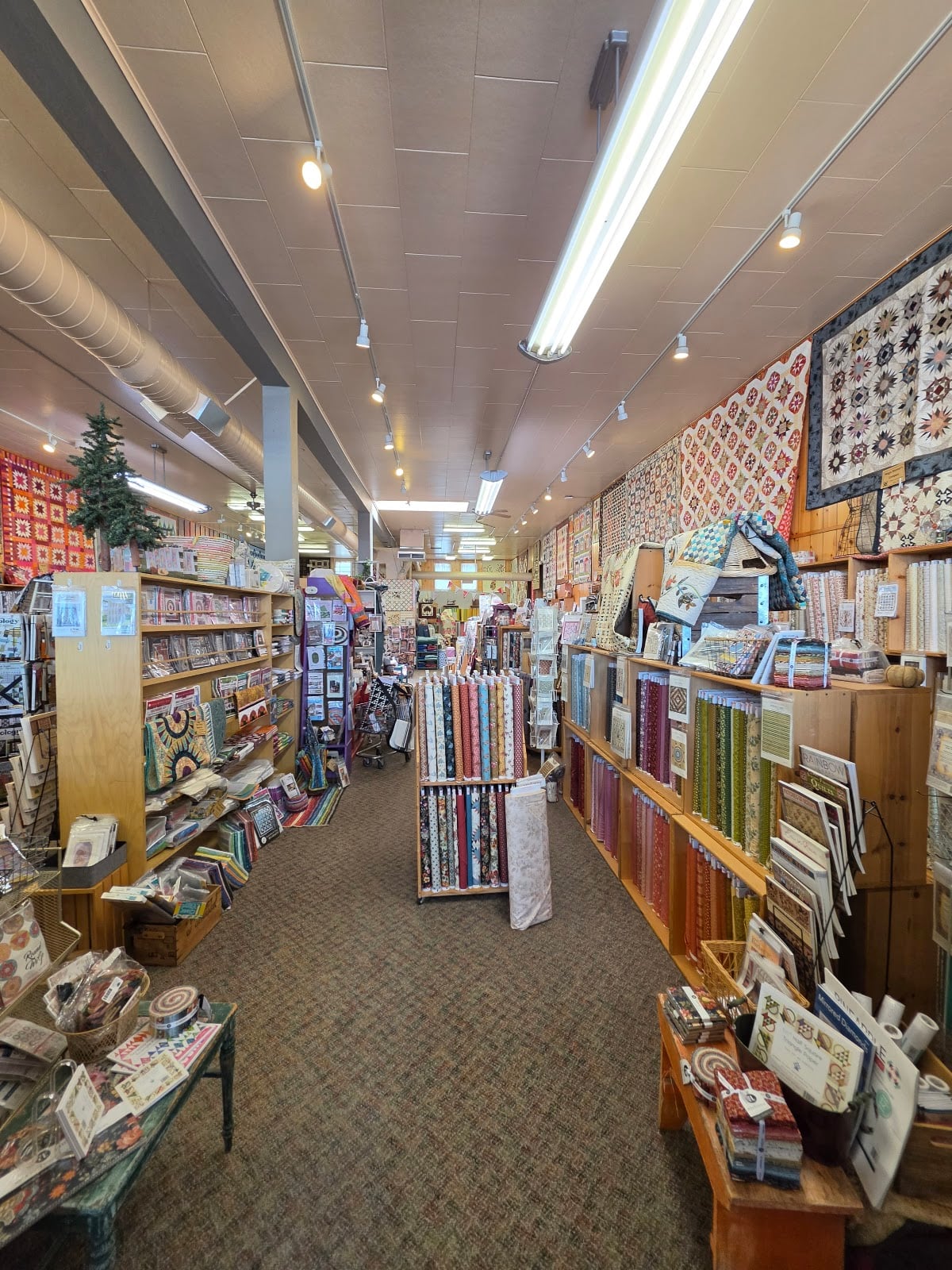
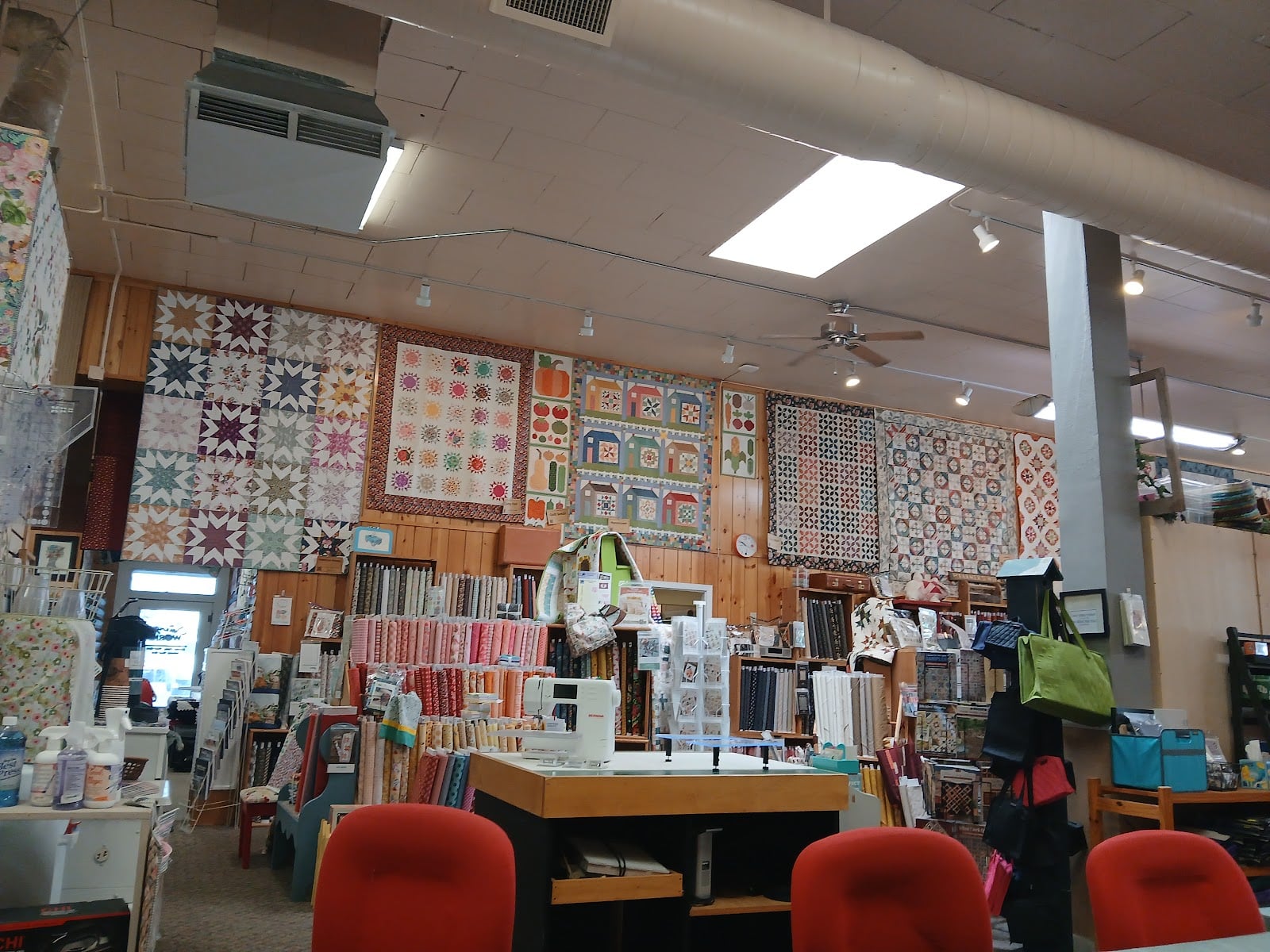
The real temptation is inside, where finished quilts hang high above shelves of fabric and the aisles lead past enough patterns, kits, and supplies to rearrange your afternoon. Tater Patch lists more than 4,000 bolts of fabric, a remarkable amount to find in this agricultural town southeast of Klamath Falls. You can come with the measurements for one unfinished project and find yourself considering a second before you reach the back of the store. Anyone who has ever bought fabric for a project that exists mostly in their imagination will recognize the danger.
There is plenty here for a casual browse, but the classes deserve a place in the travel plans, too. Tater Patch teaches quilting techniques, hosts recurring stitching groups, and organizes retreats that let people spend several days with their sewing. The shop's story begins with two friends, a conversation over coffee, and the decision to build something in their own community.
Thirty Years After a Conversation Over Coffee
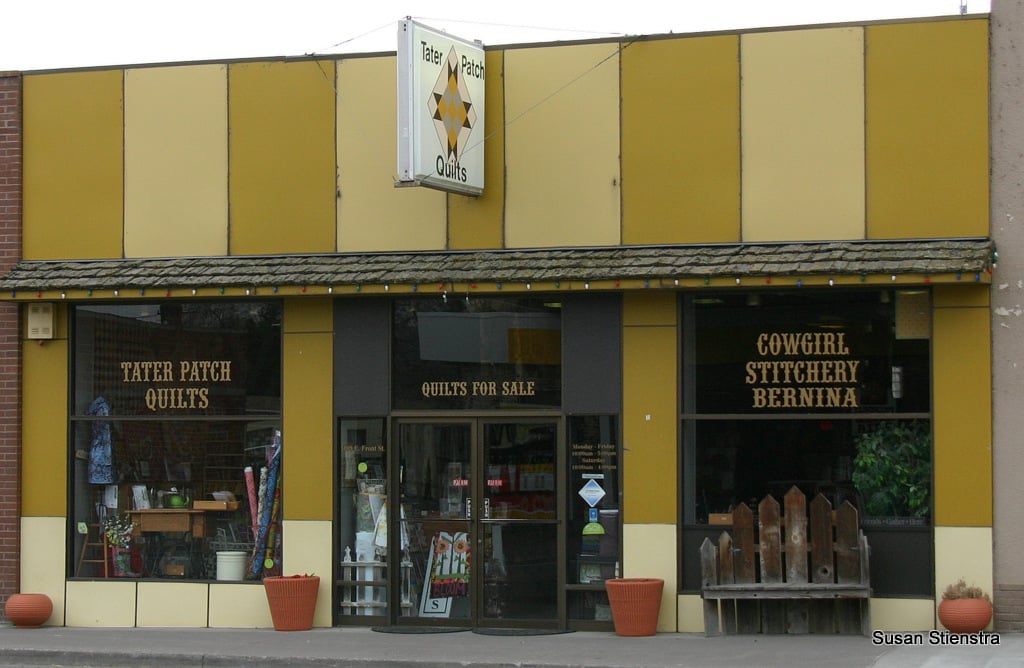
Diane McKoen and Robin King decided to open a quilt shop while having coffee at church. In September 1996, they began with 500 bolts of fabric in downtown Merrill. Five years later, they moved into an old farmhouse after outgrowing that first space. Today, their store occupies a historic commercial building back downtown, at 109 East Front Street, according to the shop's history and the Oregon Folklife Network's profile of the owners.
That beginning makes September 2026 the shop's 30th anniversary. Think about how many projects can pass through a quilt shop in three decades: baby blankets, graduation presents, wedding gifts, and the ambitious quilt someone finally decides they are ready to try. The fabric is purchased by the yard, but the reason for buying it is often a particular person or occasion. A store that remains in one community for that long becomes part of those routines.
The owners brought different experiences to the work. King learned to sew from her mother and found inspiration in quilts made by her great-grandmother, while McKoen developed her quilting skills through lessons with a master quilter. Both also had medical backgrounds before starting the business, as they explained in a 2021 interview with Shannon Fabrics. Their own routes into quilting leave room for both the person who grew up around a sewing machine and the adult who is learning for the first time.
Give Yourself Time to Look Up
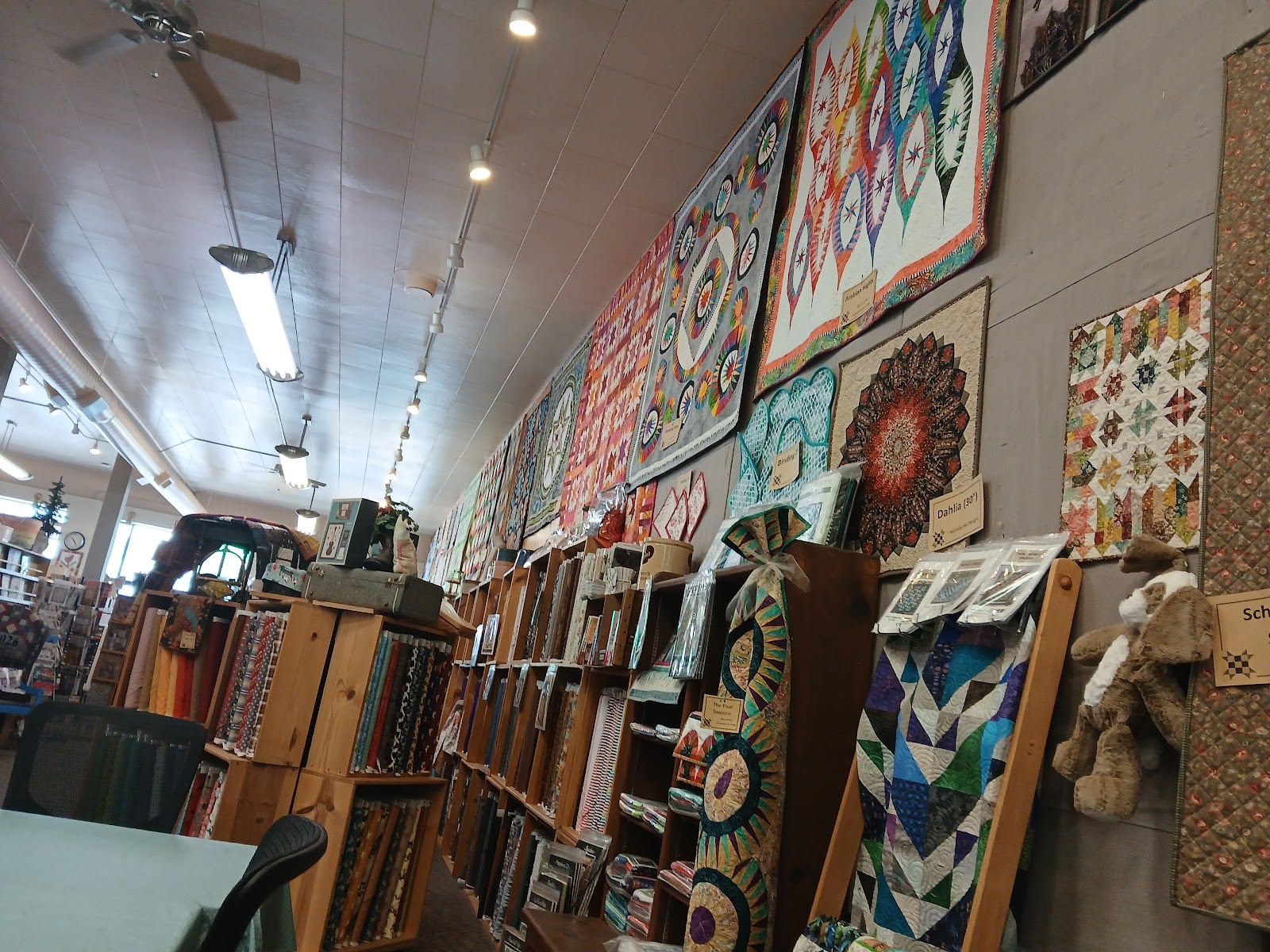
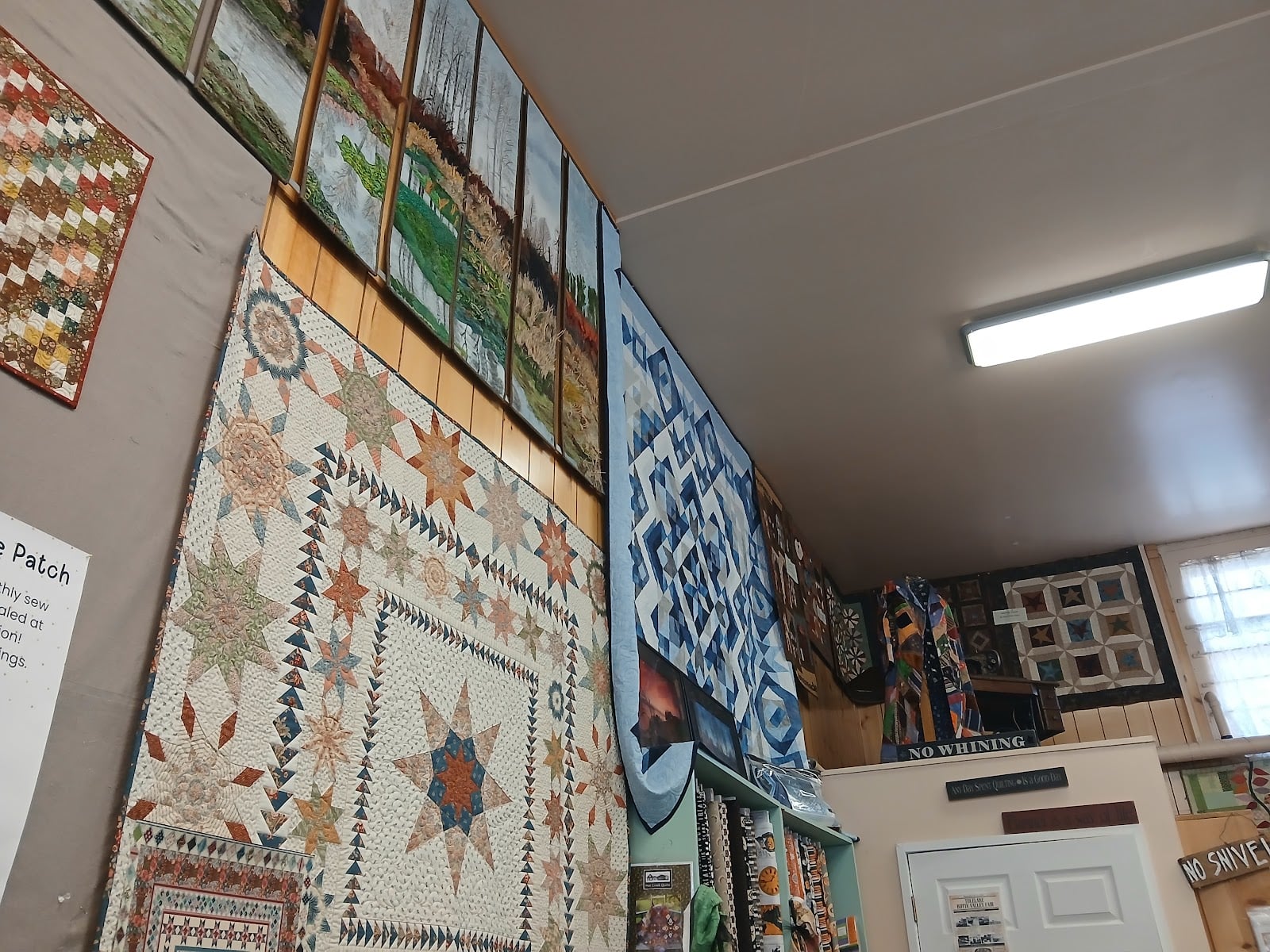
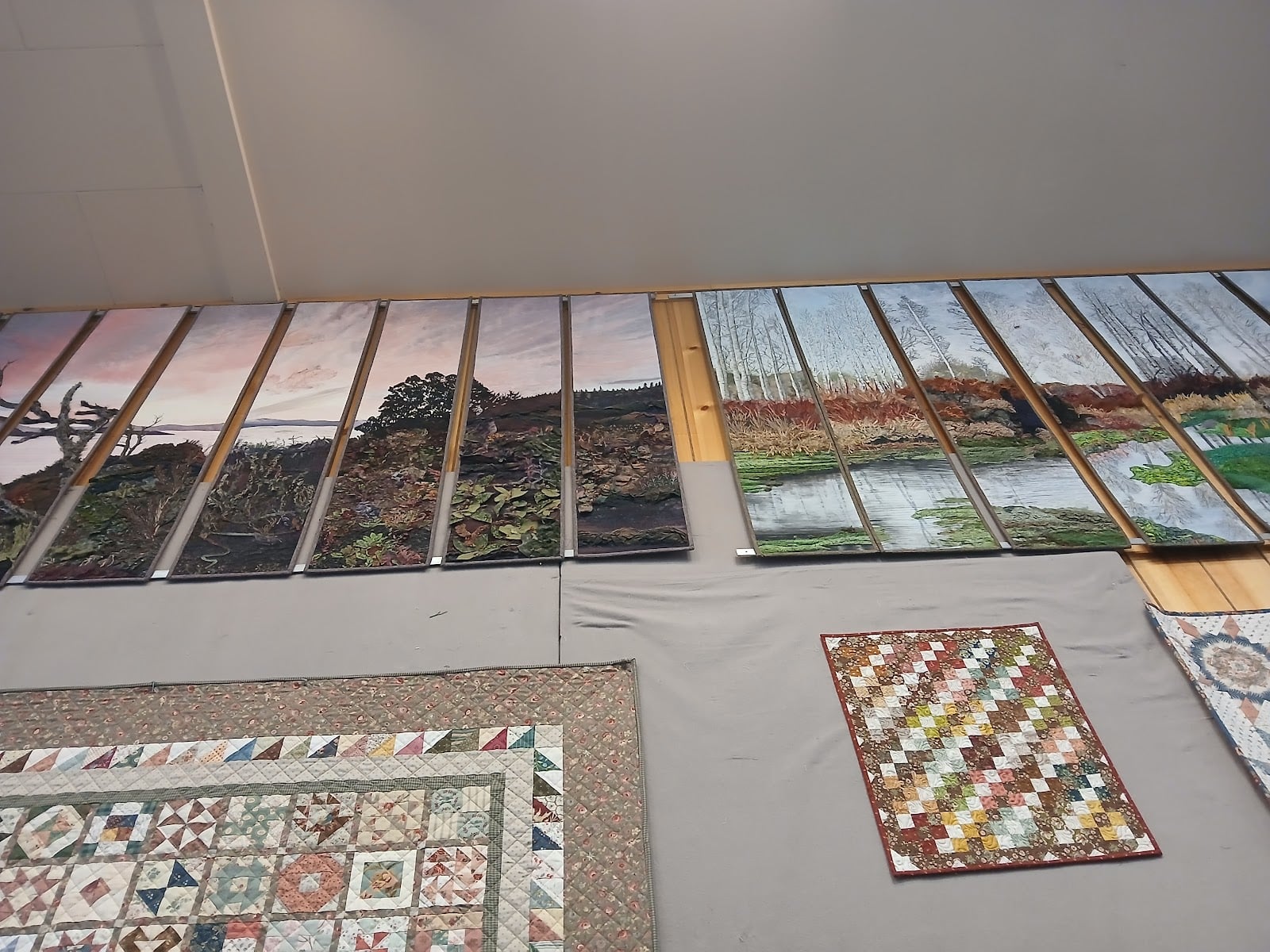
The visitor photographs offer a good argument for putting your phone away once you have checked the address. Quilts run along the upper walls, above upright bolts of fabric arranged on wooden shelves. Some pieces use small, repeating blocks; others draw the eye with large shapes and strong color changes. The high ceilings give the work room to hang, and the displays continue farther into the shop than a quick look from the sidewalk would suggest.
Seeing a finished quilt at that scale can change your opinion of a pattern. A tiny photograph on a package cannot show a border the way a full quilt does, or let you compare the size of a block with the overall design. Even someone who does not sew can enjoy looking at the choices the maker made. Stand back for the whole composition, then look closer at the smaller pieces that create it.
This is also a useful stop if your interest in quilting is still at the looking stage. There is no need to arrive knowing the names of every block or carrying plans for a queen-size bedspread. Notice which combinations you keep returning to, whether they are muted and traditional or full of bright, contrasting prints. That is a much more enjoyable beginning than convincing yourself you need to understand the entire craft before walking through the door.
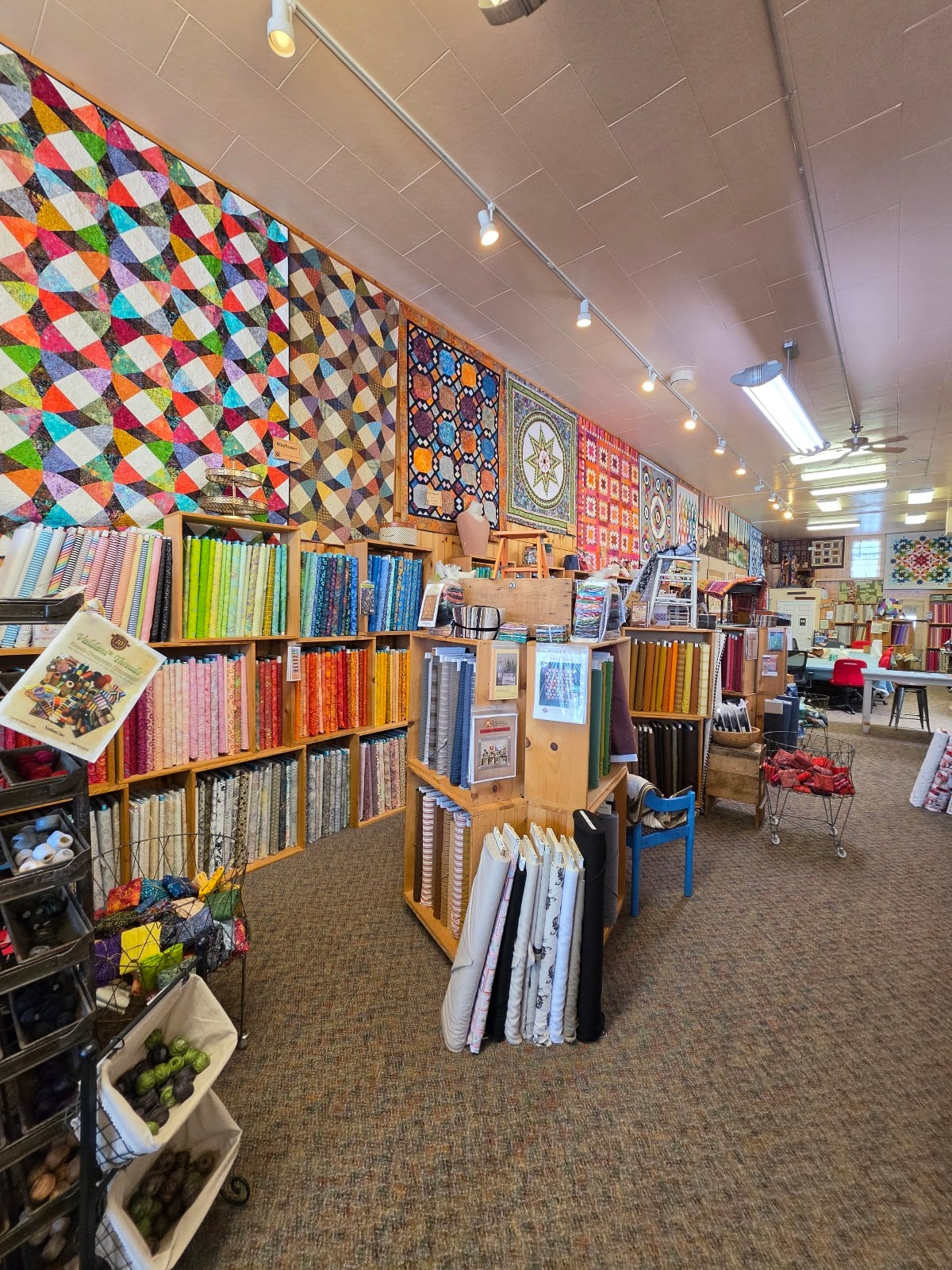
Four Thousand Bolts Leave Room for Different Tastes
Tater Patch's published fabric selection includes batiks, wools, wovens, reproduction prints, Japanese taupe fabrics, and lines from companies such as Moda, Andover, and Windham. It also offers prepared kits and says it can put together custom ones. Those choices give a shopper several ways to approach a project, from selecting every fabric individually to starting with a coordinated bundle. Specific prints change, so a call is worthwhile if you need a particular collection or more of something you already own.
Browsing in person is especially helpful when you are trying to make fabrics work together. A print that appears soft and quiet on a screen may have more contrast when you lay it beside another fabric. Two blues that looked almost identical in separate photographs can lean in different directions when they share a table. Bring a piece of the fabric you are matching, or an unfinished block, so the comparison happens with the actual materials.
For a first project, give yourself permission to make fewer decisions. Choosing a manageable pattern before buying yardage can keep a pleasant shopping trip from turning into a guessing exercise. If you already have a pattern, bring the full supply list, including its notes about backing and binding. The irresistible print can still come home with you, but you will have a clearer idea of how much you need and what it is going to become.
The Help Is Part of the Visit
In the shop's Google Maps reviews, customers describe both the amount of fabric and the assistance they received. Sean Keele wrote that staff helped his daughter with questions about restoring an old quilt. Tricia Young described being surprised by the store's size and the quilts displayed along its walls. These are individual visitors' experiences, but they give a prospective shopper something more useful than a star rating alone.
A question about an existing quilt is a good reason to arrive prepared. Bring clear pictures and explain what you hope to do, whether that means finding a coordinating fabric, understanding a construction problem, or deciding what kind of help to seek. If you plan to bring a large or fragile piece, call first and ask how the staff would prefer to look at it. That gives everyone a better chance of having the time and space for a useful conversation.
You can do the same with a project that has stalled at home. Instead of trying to remember where the instructions became confusing, mark the step and bring the relevant pattern and pieces. A shop visit may help you identify the right class or the question you need answered next. There is a familiar kind of relief in turning an indefinite sewing problem into one specific thing to work on.
A Class Can Give the Trip Its Shape
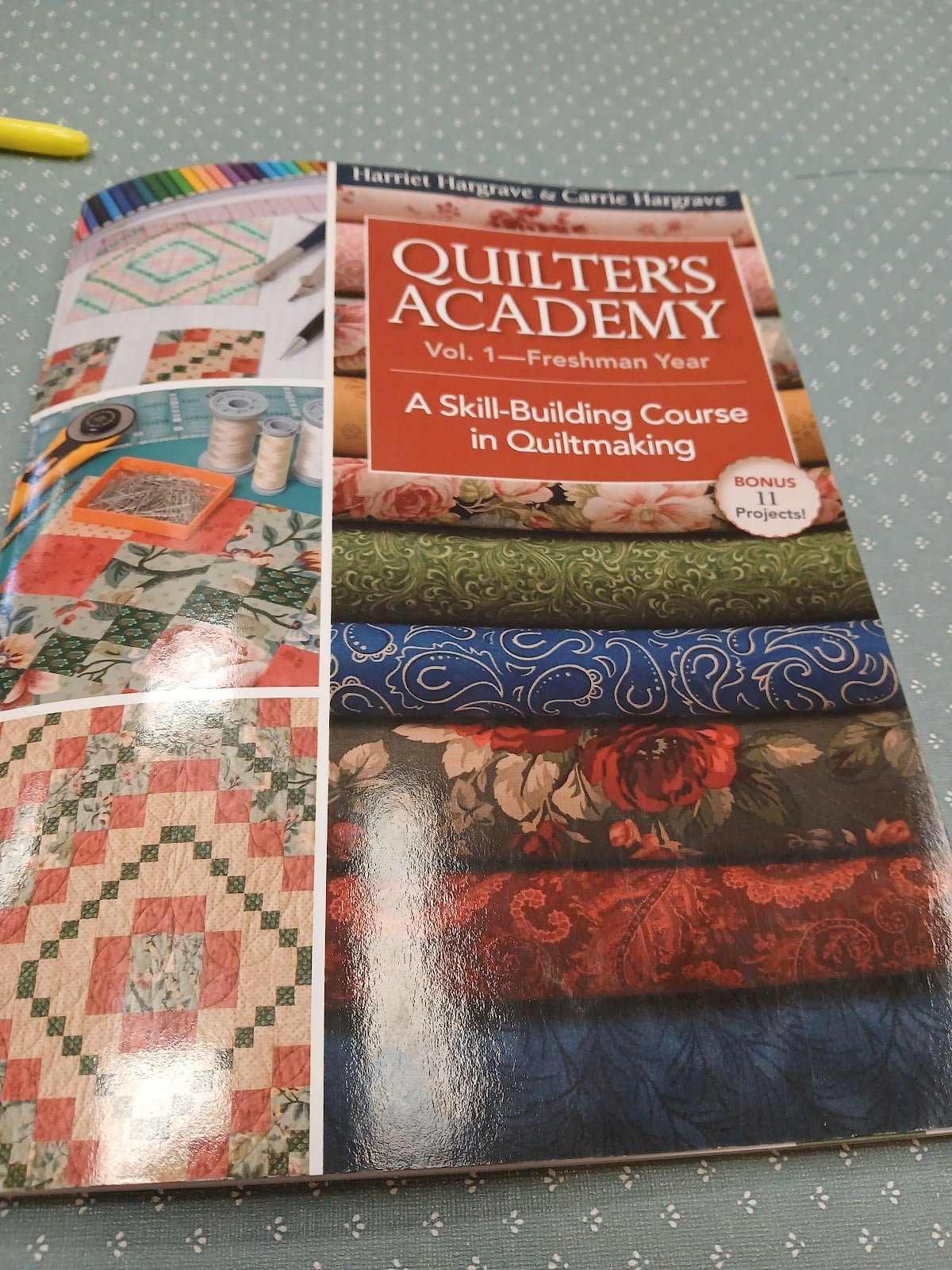
The current class calendar offers a better starting point than assuming a particular workshop runs every week. At the time of research, it included a Sophomore Quilter's Academy, a Scrappy Log Cabin class, a scalloped basket project, and a zippered pouch workshop. Recurring offerings included wool, hand stitching, and vintage-themed groups. Some groups were marked full, which is a good reason to settle the class reservation before arranging a long drive.
The Sophomore Quilter's Academy focuses on diagonal layouts and the pieces that finish the sides and corners. Its listing describes a small quilt top suitable for a table topper, baby quilt, or lap quilt. That gives the technique a practical destination instead of leaving it as an isolated exercise. Ask the shop which experience level fits you, especially if you have learned on your own and are unsure where you belong in a sequence of classes.
For a different approach, the Scrappy Log Cabin class lists Michelle Angell as the instructor and uses a Laundry Basket Quilts pattern for a 60-by-60-inch quilt. The project includes several design possibilities, and students need the pattern for class. A workshop like this can give a collection of fabrics a defined purpose. Before committing, ask about any cutting or other preparation expected before the session begins.
You Can Start Smaller Than a Quilt
The Zip Up Tray Pouch workshop is a useful example of the smaller projects on the calendar. Its listing names Kristin Sayles as instructor and includes the pattern, fabric, and zipper in the advertised $40 price. A pouch offers a contained project with a clear use when it is finished, especially for someone who would like to sew without committing to a bed quilt. Confirm the next session and its inclusions directly, since individual workshops change.
Smaller projects also make sense for a traveler who wants a little sewing time between other stops. A weekend bag has more room for a pouch project than a partly assembled quilt, and a finished item is easier to carry home. If you are traveling with a friend, choose the class for the less experienced person rather than assuming you will both keep the same pace. A comfortable introduction gives you more to enjoy together afterward.
Handwork has a place here as well. The shop lists a monthly Stitchery group and Robin's Wool Club, and reviewer Michele SF mentions finding sashiko and embroidery supplies. Someone who prefers a needle and thread to a machine still has a reason to browse. Bring the instructions for the kind of stitching you want to try so you can ask for suitable materials, rather than collecting attractive supplies without knowing how they will be used.
Set Yourself Up Before Class Starts
Read the shop's registration policies before making the trip. Tater Patch generally charges separately for instruction and materials unless a class specifically says otherwise, and supply lists come with registration. Students are asked to bring a sewing machine and basic sewing supplies, obtain their own legitimate copy of the required book or pattern, and arrive at least 15 minutes early. That early arrival is setup time, so plan the drive with enough room to unload and get settled.
It helps to think through the ordinary details while you are still at home. Put the power cord and foot control with the machine, check the supply list against what you have packed, and keep the pattern where you can reach it. If you need assistance choosing materials, arrange that before class day. Doing the shopping at the same moment instruction begins can leave you trying to catch up before you have sewn a stitch.
The classroom is reserved for participants, and the posted policy excludes accompanying children, friends, spouses, and pets. If someone is coming along for the road trip, make a separate plan for their time during the session. Also read the cancellation terms when you register, since timing affects whether a store credit is available. These details are easy to handle in advance and much less enjoyable to sort out after driving across Southern Oregon.
There Is Sewing-Machine Help Here, Too
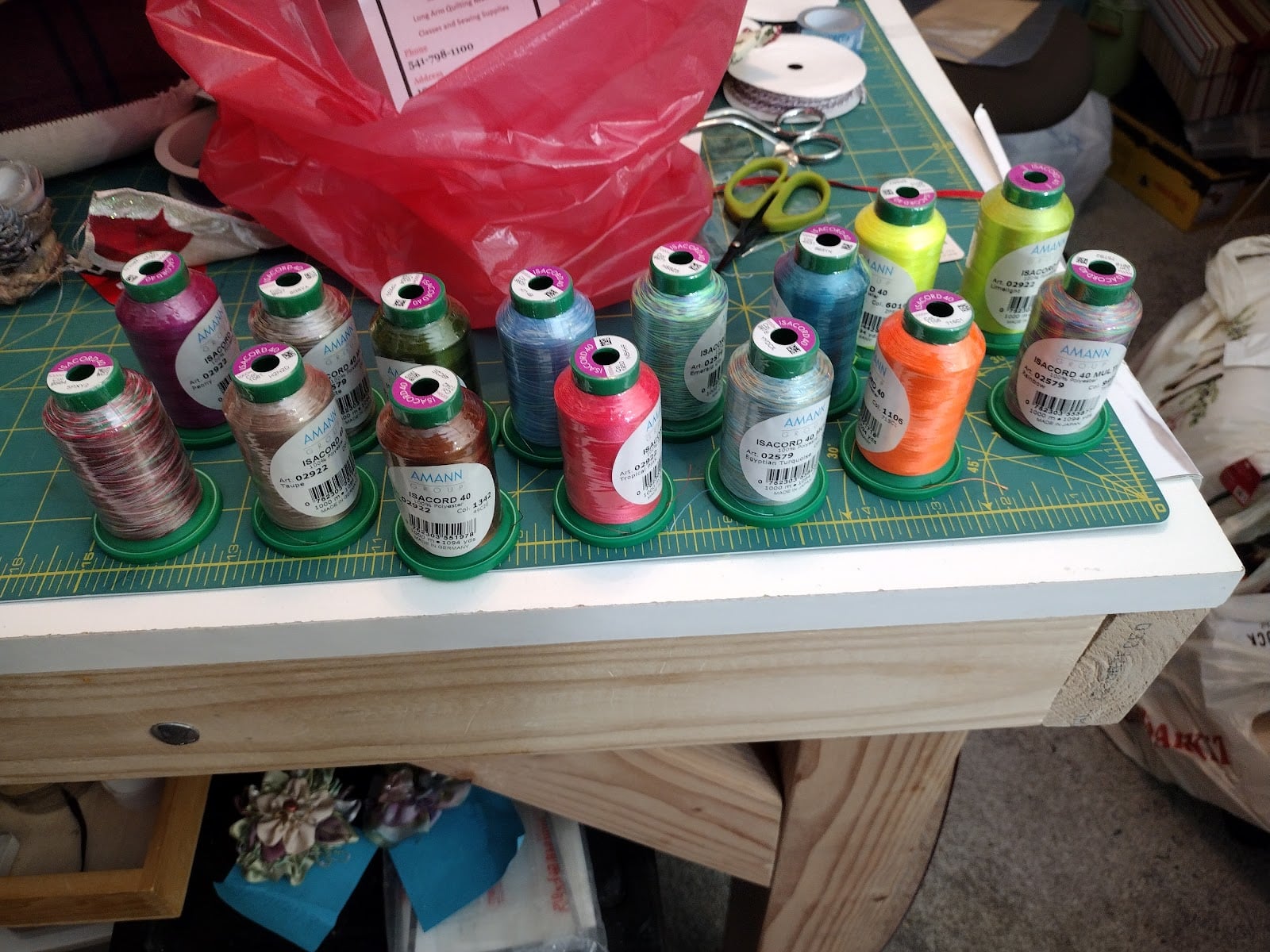
The machine side of the address belongs to The Sewing Works, a separate business associated with the Tater Patch location. Its website lists the Merrill store at 109 East Front Street, and its FAQ describes service for Bernina, Handi Quilter, Singer Featherweight, and most other machine brands. It also offers its own classes and individual instruction. The distinction is useful when calling, since a question about a fabric kit and a question about machine service may need different people.
If a machine is part of your reason for visiting, contact The Sewing Works at 541-798-1100 before loading it into the car. Describe the model and the issue, then ask what needs to come with it and how service scheduling works. A shopping stop and a repair drop-off can fit into the same trip, but a repair should not be planned around an assumed same-day turnaround. Check the details with the business that will do the work.
The same preparation helps if you are interested in a different machine. Think about the sewing you expect to do and the features you struggle with on your current model. Specific questions about your projects will be more useful than a vague wish for something newer. There is no reason to make an equipment decision in the last few minutes before a shop closes.
Four Days With the Sewing Machine
For people who would rather make sewing the whole getaway, Tater Patch organizes retreats at Running Y Ranch Resort in Klamath Falls. Its Fall Retreat 2026 listing describes four days and an advertised $450 fee covering event space, dinners, and Sunday brunch. Lodging is separate. Confirm the dates, available spaces, and current terms with the shop before booking a room or assuming that an online listing means there is still a place available.
Four days allow for a different kind of project planning than a few hours squeezed into a busy week. You can bring work that needs sustained attention, or several smaller pieces that are close enough to completion to be satisfying. Choose what you want to accomplish before packing every unfinished project you own. A manageable stack leaves more space at the table and fewer decisions competing for the time you came to enjoy.
Friends considering a trip together can also ask about the shop's private group sewing arrangements. Tater Patch describes a classroom option for small-group retreats, with either instruction or time to work on existing projects. Ask what is currently offered, how many people the arrangement suits, and which supplies or equipment are provided. That conversation can help a group choose between a scheduled retreat and a shorter visit built around its own interests.
A Quilt With a Klamath Basin Story
The owners' connection to Merrill appears in their work as well as their business address. The Oregon Folklife Network documents a quilt called “Gather the Geese,” which King and McKoen made in 2001 during a drought that affected local farms. They pieced and quilted it over six weeks, using blocks known as farmer's daughter and flying geese. Both women were married to farmers, and the work expressed their concern for the community around them.
That account is a reason to look at quilts with some curiosity about the people who made them. A design may have a family connection, commemorate an event, or carry an association that its colors alone cannot explain. You do not need to know the technical vocabulary to ask about a piece that interests you. If staff have time, a question about a quilt can lead to a different conversation than a question about its pattern.
Merrill's agricultural identity extends well beyond the store's name. The National Park Service traces the beginnings of the Klamath Basin Potato Festival to displays and a gathering on Front Street in 1934. The celebration grew to include activities such as a parade, barbecue, and football. For an autumn visit, check the festival's current schedule and the shop's hours separately before trying to combine the two.
Make Room for Merrill on a Southern Oregon Trip
The shop places Merrill about 20 miles southeast of Klamath Falls, making it a practical addition to a stay in the Basin. Plan around the store's hours first, then decide how much of the day you want to spend browsing or in class. Our Klamath Falls travel guide can help with the rest of the trip. A fabric stop is much more pleasant when nobody in the car is watching the clock for the next reservation.
For a nearby outdoor outing, look into Lower Klamath National Wildlife Refuge, which straddles the Oregon and California area of the Basin. Established in 1908, it was the country's first waterfowl refuge. The Fish and Wildlife Service provides visitor information and notes that wildlife viewing changes with the seasons. Check current access information before setting out, and give that outing its own time instead of treating it as a guaranteed quick stop.
There is a pleasant range to a day that includes both a quilt shop and time outside. One part rewards looking closely at small pieces, stitching, and color choices; the other gives you the wide view across the Basin. If your travel companion is more interested in birds than fabric, plan the stops together before leaving. Both of you should have enough time for the reason you came.
Before You Go
Tater Patch Quilts is at 109 East Front Street, Merrill, Oregon 97633, and the shop's phone number is 541-798-5955. Its posted regular hours are 10 a.m. to 4 p.m. Monday through Friday and 10 a.m. to 2 p.m. Saturday, with Sunday closed. The website also lists extended hours until 7 p.m. on the second Tuesday of the month. Check for holiday closures and other exceptions before making a special trip.
Start with the official website for the current calendar, class registration, and contact information. If you are looking for a particular fabric, have its designer, collection name, or a photograph ready when you call. For a class, confirm the skill level and supply list before paying. Pack the swatch or unfinished block you want to match, and allow yourself enough time to look through the quilts before choosing what comes home.