
That Oregon Life presents
Oregon Coast in Winter Guide for Storm Watching, Wild Beaches & Cozy Towns
A local, weather-first guide to storm watching, quieter coastal towns, rainy-day plans, and knowing when the Pacific deserves more distance.
Tillamook Rock Lighthouse · Photo via Wikimedia Commons
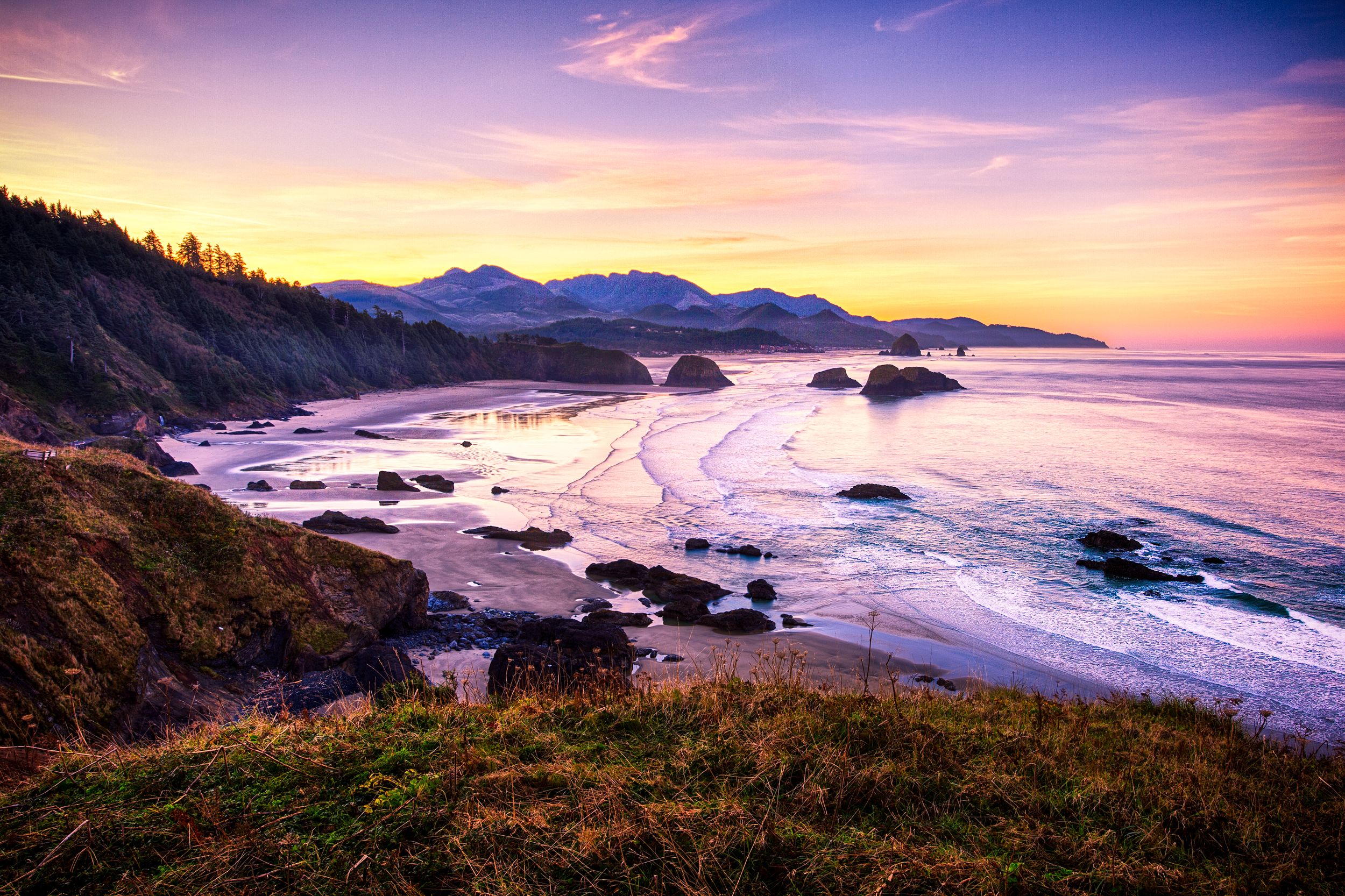
Oregon Coast winter is not beach weather. It is ocean weather—and that is exactly why the right kind of traveler falls hard for it.
I lived in Lincoln City long enough to know the rain can wear on you. A gray week can make you question every waterproof jacket you own. But I am still a sucker for a real Pacific storm: the wind bending the trees, the sudden white water off the headlands, and that moment when you are warm inside with a bowl of chowder while the ocean is doing something you would never see in July.
Winter is a terrific Oregon Coast trip if you want storm watching from safe viewpoints, quieter towns, long walks when conditions allow, food, museums, whales, and an excuse to slow down. It is not the right trip if you want swimming, guaranteed sun, or a plan built around standing close to surf for a dramatic photo. This is the honest guide to deciding which Coast town fits, what to do when rain takes over, and how to leave room for the weather to make the trip better instead of ruining it.
Oregon Coast winter at a glance
- Best for: storm watchers, photographers, couples, families who choose an all-weather base, and travelers happy to change plans with the forecast.
- Think twice if: your trip depends on swimming, a specific exposed shoreline stop, a boat excursion, or a packed hour-by-hour schedule.
- Smartest approach: pick one base town, build an indoor backup into every day, and use clear weather windows for beaches and viewpoints.
- Check before leaving: TripCheck, the National Weather Service coastal marine forecast, local tide times, park alerts, and our Oregon Coast webcams.
Is the Oregon Coast worth visiting in winter?
Yes—if you want an ocean-first trip instead of a summer beach vacation. Winter can mean rainy afternoons, wind, shorter days, changing trail conditions, and some seasonal hours. It can also mean the Coast at its most dramatic: low light on sea stacks, room to hear the surf, cozy restaurants, and a reason to choose fewer stops and actually enjoy them.
The mistake is treating winter as a discounted version of July. Do not plan a full day around the beach, a tide-dependent cove, or one outdoor activity that cannot move. Pick a town with a real indoor anchor, leave space for a weather break, and let the exposed shoreline be the reward when the conditions cooperate. For the wider regional picture, start with our Oregon Coast travel guide.
Choose the Oregon Coast town that works for your winter trip
Cannon Beach: best for a classic first Coast weekend
Choose Cannon Beach if you want an iconic beach, galleries, restaurants, and a compact village where a wet afternoon does not have to feel like a lost afternoon. It is an easy choice from Portland, but do not mistake easy for empty: holiday weekends and good-weather windows can still be busy. It is best for couples, first-time visitors, and travelers who like a walkable base.
Newport: best for families and rainy-day reliability
Newport is the most practical winter base for many families because it has legitimate indoor options alongside the beach: the Aquarium, a working Bayfront, food, lighthouses, and enough town to absorb a rough-weather day. Use our rainy-day Newport itinerary to build a flexible day, and check the Oregon Coast Aquarium’s current hours and tickets before driving over.
Yachats: best for rocky shoreline and a slower pace
Choose Yachats when you want headlands, dramatic shoreline, forest trails, and a town that feels made for lingering. The scenery is spectacular in wet weather, but the basalt is not a stage. Watch from established overlooks, stay behind barriers, and save shoreline features for conditions that genuinely allow them.
Bandon: best for sea stacks, space, and a South Coast reset
Bandon works for travelers who would rather take one long beach walk and have a good meal than race through a list of famous stops. Give Old Town and the beach separate time. If wind or rain closes the window, that is not failure—it is your cue to slow down, change the plan, and come back when the light improves.
Other strong winter choices
Astoria is a good choice for history, river-town character, breweries, and museum time; it is less about a walk-out beach stay. Depoe Bay is a whale-focused, ocean-spectacle base with a very small-town footprint. Coos Bay and the South Coast make sense when Shore Acres, dunes, or a longer coastal reset are the point of the trip. Pick the base that can still give you a good day when the forecast refuses to cooperate.
Build a winter day around the forecast—not a checklist
Forecast first, then decide where to be. Start the morning with the road report, weather, tide, park information, and a real look at the surf. A clear highway does not make a beach safe, and a rainy forecast does not mean every hour will be a washout.
A stormy Central Coast day
Base in Newport. Start with an indoor anchor such as the Aquarium or Bayfront, then use the best weather window for a short beach walk or a designated elevated viewpoint. Dinner, coffee, galleries, and waterfront time are not consolation prizes in winter; they are how you make a weather-buffered trip feel intentional.
A calmer North Coast day
Use Cannon Beach as a base, but do not turn a short daylight window into a frantic Ecola, beach, and sunset sprint. Choose one walk or viewpoint, check conditions before going, then let food and town time take over when the weather changes. Winter rewards a smaller plan.
A South Coast long weekend
Build around Coos Bay, Bandon, or a combination only if you have enough days. Treat Shore Acres State Park and other exposed viewpoints as weather-dependent, not guaranteed. During the holiday-light season, check the state’s current reservation and timed-entry information before you promise it to the family.
Storm watching, king tides, and winter beach safety
The best storm watching happens from a designated, elevated viewpoint—not from a rock, jetty, log, or shoreline feature. A king tide is an astronomical high tide, not a guarantee of huge waves. When high water and big surf overlap, the edge of the ocean becomes less predictable, not more photogenic.
Read our Oregon King Tides guide before planning around high water, and use our Coast webcam guide for general visual context. Neither replaces the conditions at the beach in front of you. Oregon State Parks’ beach-safety guidance is especially clear: keep an eye on the ocean, stay away from logs, know the tide, and stay on marked trails near cliffs and rocks.
Never turn your back on the ocean. Do not walk on driftwood near the waterline, do not climb around barriers, and do not approach wave-swept rocks or jetties. If the sea looks exciting enough to photograph, it is exciting enough to give it extra room.
What should you do when it rains on the Oregon Coast?
Choose an indoor anchor first, then use the rain break instead of trying to outsmart the weather. Newport is the strongest family example, but most towns offer some mix of food, shops, galleries, museums, historic spaces, and waterfront wandering. The point is not to spend all day indoors; it is to stop treating every hour of rain as a failed vacation.
Check current hours directly with the operator, especially in winter. The Coast’s seasonal businesses and weather-sensitive tours can change schedule with little notice. A flexible afternoon and a dry change of clothes do more for a winter trip than a longer attraction list.
Whales, tide pools, crabbing, and winter food: use current information
Winter can be a rewarding time to watch wildlife, but timing and access change. Oregon State Parks maintains the current whale-watching information and staffed-viewpoint details; use it instead of planning around old dates. A shore-based watch can be a wonderful choice in rougher months, but binoculars, patience, and a warm backup plan help.
Tide pools need low tide and safe surf and site conditions. Our Oregon Coast tide pools guide helps you choose a place; it does not make a high-surf day suitable for scrambling around rocks. For recreational shellfish and crabbing, check ODFW’s current recreation report and the Oregon Department of Agriculture’s shellfish closure page for regulations, openings, and biotoxin status.
For everyone else, winter is a good excuse to follow the working-waterfront side of the Coast: fish markets, chowder, bakery stops, and a meal you do not have to eat in the car between attractions. Ask locally what is actually open and good that week.
What to pack for an Oregon Coast winter trip
- A waterproof outer layer with a hood—not an umbrella that will surrender to the first real gust.
- Waterproof footwear with good traction, plus dry socks and a change of clothes.
- Warm layers for the gap between a windy viewpoint and a heated restaurant.
- A charged phone and backup power; check conditions only when you are safely parked.
- Binoculars if whale watching is part of the plan.
Good boots do not make wet rocks, floating logs, jetties, or high-surf shorelines safe. Pack for comfort, then make the conservative call when conditions are wrong.
Winter lodging: book for the trip you want
A hotel is often the simpler winter choice for a short, flexible trip; a rental can make sense when a group, kitchen, pets, or several weather-buffer days change the experience. Do not assume that a lower nightly rate means a lower total. Compare the complete stay, minimum-stay rules, parking, cancellation terms, and mandatory charges before booking.
Our guide to finding Oregon Coast lodging without getting surprised by fees covers the decision in more detail. For the larger trip, return to the Coast hub’s town and lodging-planning guide.
Oregon Coast in winter FAQ
Is the Oregon Coast worth visiting in winter?
Yes, for travelers who want storm watching from safe viewpoints, quieter towns, food, scenery, and a flexible coastal trip. It is not a substitute for summer beach weather. Build around one base town, indoor alternatives, and current conditions.
What is the best Oregon Coast town to visit in winter?
Newport is the strongest all-weather family base; Cannon Beach suits a classic village weekend; Yachats favors headlands and a slower pace; and Bandon works for sea stacks and room to wander. The best fit depends on your trip style, not a universal ranking.
Is it safe to walk Oregon Coast beaches in winter?
It can be safe in calm, appropriate conditions, but winter surf, tides, logs, jetties, rocks, and closures require extra caution. Check current information, stay back from the surge zone, and follow Oregon State Parks guidance on site.
Can you see whales on the Oregon Coast in winter?
You may be able to see whales from shore in winter. Check Oregon State Parks’ current whale-watching information for staffed viewing periods, locations, and practical advice rather than relying on old migration calendars.
What should I do on the Oregon Coast when it rains?
Use an indoor anchor—an aquarium, museum, gallery, waterfront, food stop, or historic district—then save a beach walk or viewpoint for the best weather window. Rain is normal winter Coast weather, so flexibility matters more than a packed itinerary.
What should I pack for an Oregon Coast winter trip?
Bring a waterproof jacket, traction-forward waterproof shoes, warm layers, dry backup clothing, phone power, and binoculars if you hope to watch wildlife. Pack for wind and rain, then keep the shoreline safety decision separate from your gear.
Plan your winter Coast trip
The Oregon Coast is not trying to be convenient in winter. That is part of the appeal. Pick a town that works when it rains, leave space for the storm or calm spell you actually get, and let the Pacific stay on its own side of the day.
Plan the full Oregon Coast trip · Understand King Tides · Watch Coast webcams · Plan a tide-pool visit · Compare Oregon’s seasons
Editorial review: September 2026. Weather, road conditions, surf, tides, closures, wildlife viewing, hours, reservations, and harvest rules can change quickly. Follow the current managing agency and emergency authorities.