Hells Canyon is the kind of Oregon place that makes you pull over, step out of the car, and briefly forget what you were saying. Carved by the Snake River along the Oregon-Idaho border, it is widely recognized as North America’s deepest river gorge, dropping roughly 8,000 feet in its most dramatic reaches. The canyon is immense, remote, and not something to rush, which is exactly why it belongs on every serious Eastern Oregon bucket list.
This is a land of dusty backroads, enormous skies, wild water, steep grassland benches, and views that can make the Grand Canyon comparison feel almost unfair. You can take it in from a paved overlook, ride a jet boat through the canyon, hike into the wilderness, or build a road trip around the Hells Canyon Scenic Byway. Whatever your route, plan ahead and give yourself more time than you think you will need.
Where Is Hells Canyon?
Hells Canyon follows the Snake River on the border of northeastern Oregon and western Idaho. Much of the area sits within the Hells Canyon National Recreation Area, managed by the Wallowa-Whitman National Forest, with the Hells Canyon Wilderness forming a major part of the protected landscape. The wilderness alone covers more than 217,000 acres, and its terrain ranges from low, hot canyon country to high mountain viewpoints.
The Oregon side offers some of the most memorable drives and overlooks, while the Snake River gives the canyon its rawest perspective. The designated Wild and Scenic River section below Hells Canyon Dam includes 67.5 miles of river, split between wild and scenic segments. For current maps, river access, permits, and notices, begin with the official Hells Canyon river information before leaving home.
Why Is Hells Canyon So Deep?
The Snake River spent ages cutting through volcanic rock, creating a gorge deeper than the Grand Canyon at its deepest point. The National Park Service lists Hells Canyon at 8,043 feet deep, though visitors will also see other measurements tied to specific points in the canyon. Rather than getting lost in a few dozen feet, the simple answer is this: it is one of the most dramatic river landscapes in North America.
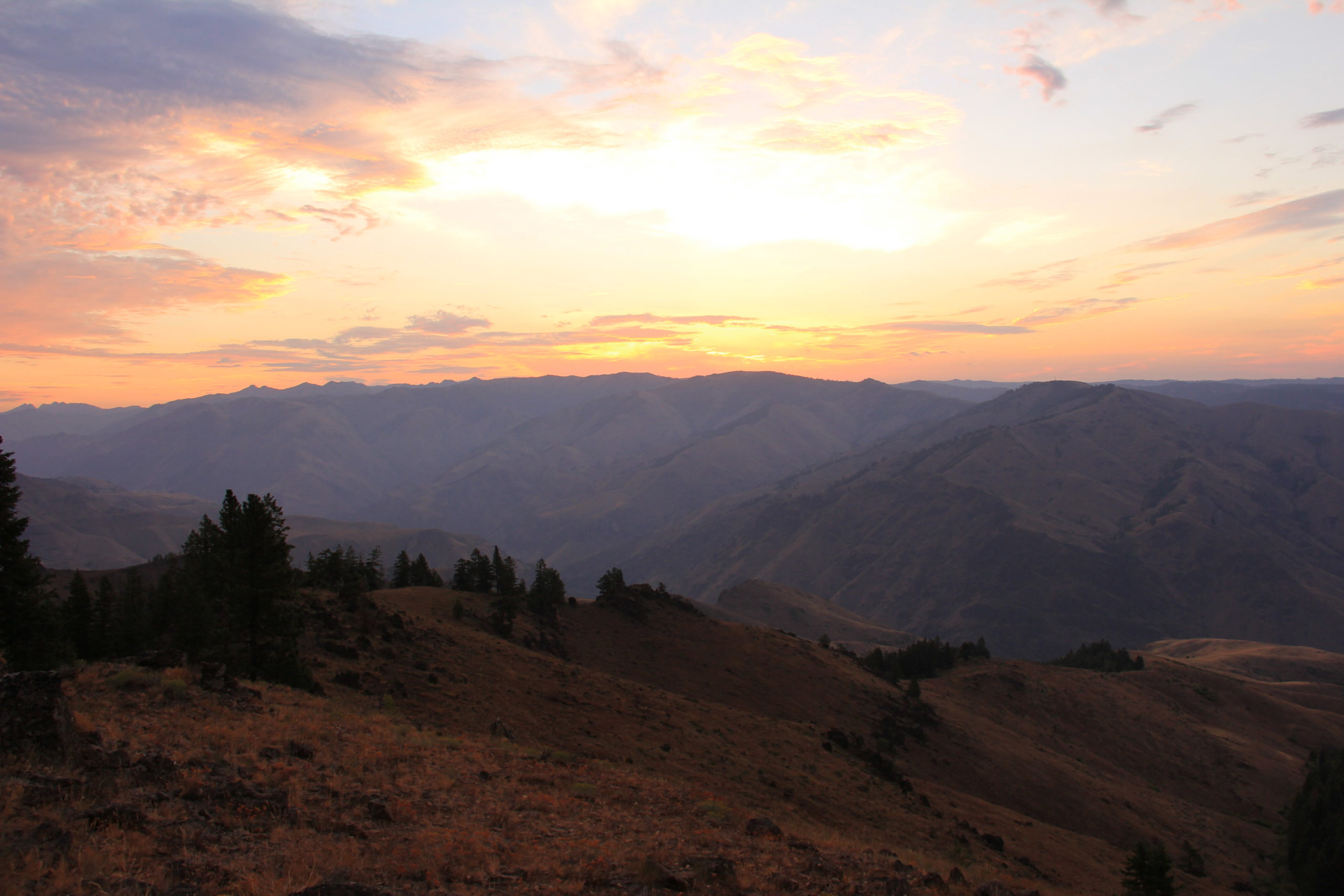
The scale becomes especially clear when you look from the Oregon rim toward Idaho’s Seven Devils Mountains. At Hat Point, the elevation change is startling, with the Snake River far below and the Seven Devils rising across the canyon. Rivers.gov notes that the region packs elevation changes from the Oregon rim to the river and Idaho peaks into a remarkably short horizontal distance.
The Best Hells Canyon Overlooks In Oregon
Hells Canyon Overlook
Hells Canyon Overlook is the easiest major viewpoint to reach and an excellent choice for travelers who want big scenery without a rugged drive. The site has paved parking, picnic tables, vault toilets, and interpretive signs, making it a natural first stop for families and day-trippers. You will see the Seven Devils and McGraw Creek from here, although the Snake River itself is not visible from the overlook.
This is still one of those places where the view earns a long pause. Bring a jacket even in warmer months, because wind can change the mood quickly at the rim. Pair the stop with Joseph and Wallowa Lake for an Eastern Oregon weekend that feels wonderfully far from the everyday.
Hat Point Overlook
Hat Point is the wild-card choice, and it delivers one of the most spectacular views in Oregon. From this high Oregon rim, you can look down toward the Snake River and across to Idaho’s Seven Devils range. The road is steep, narrow, and often rough, so this is not a casual detour for low-clearance cars, RVs, trailers, or drivers uncomfortable with exposed mountain roads.
Conditions can change quickly because of snow, storms, maintenance, wildfire restrictions, and seasonal road closures. Check Oregon road conditions, local Forest Service notices, and your vehicle’s capabilities before committing to the drive. If you make it safely to the top on a clear day, Hat Point is one of the state’s all-time payoff views.
Hiking, Camping, And Wildlife In Hells Canyon
Hells Canyon is not a place to casually wander off-trail with a half-full water bottle and a phone at 12 percent battery. Trails can be steep, brushy, primitive, and difficult to follow, while lower canyon elevations can become brutally hot in summer. The BLM advises visitors to carry navigation tools, treat water, prepare for primitive conditions, and expect snow to linger at higher elevations well into summer.
The Hells Canyon Wilderness is best for prepared hikers, backpackers, and equestrians who are comfortable being self-reliant. You may see bighorn sheep, mule deer, elk, chukar, raptors, black bears, and mountain goats, but wildlife should always be watched from a respectful distance. Start with our Oregon hiking guide for broader trail inspiration, then use official resources to choose a route that matches your skill level and the season.
Saddle Creek Campground near Hat Point offers primitive camping and tremendous Seven Devils views. It is a wonderful place to slow down, make dinner before dark, and remember that Eastern Oregon still has places where the night sky feels impossibly large. Campers should check current rules and fire restrictions, pack out every scrap, and leave the canyon looking like they were never there.
Rafting And Boating On The Snake River
Seeing Hells Canyon from the water is a completely different experience. The river puts you at the base of those towering walls, close to rapids, wildlife, historic sites, and the kind of silence that rarely survives in more crowded destinations. Guided whitewater rafting and jet boat trips are popular ways to explore, especially for visitors who do not have the experience or equipment for a self-guided river trip.
Summer river trips can book well ahead, and private boating requires attention to permits, launch rules, and required equipment. The wild river section below Hells Canyon Dam includes rapids ranging from Class II to Class V, so this is not a river to underestimate. For more river-trip inspiration around the state, see our guide to Oregon whitewater rafting adventures.
Hells Canyon Scenic Byway And Nearby Towns
The Hells Canyon Scenic Byway is a natural way to turn a canyon visit into a bigger Eastern Oregon road trip. The route connects towns and landscapes around Baker City, Richland, Halfway, Wallowa, Enterprise, and Joseph, with plenty of reasons to stop before and after the canyon itself. It is the sort of drive where an old café, a mountain lake, or an unexpected viewpoint can easily become the story you remember most.
Baker City makes a solid base if you want historic downtown atmosphere and easy access to the western side of the region. Joseph is ideal for travelers drawn to arts, mountain scenery, Wallowa Lake, and a quieter small-town rhythm. Browse more Oregon road trips if you want to keep the adventure rolling beyond Hells Canyon.
Hells Canyon History Deserves Time And Care
Long before today’s recreation area existed, Hells Canyon was part of the homeland and seasonal travel landscape of the Nez Perce, or Nimiipuu, and Shoshone peoples. The canyon holds a deep cultural record, including archaeological sites and places connected to fishing, hunting, travel, and habitation. It is important to treat those places with respect, leave artifacts where they are, and avoid treating living Native history as scenery.
The region also carries difficult histories of mining, displacement, violence, dams, and preservation battles. Those stories deserve more space than a quick paragraph between campground tips, so we cover them in our Hells Canyon history guide. Read it before your trip, and let the landscape be more than just a backdrop for a photo.
What To Know Before You Go
Hells Canyon rewards good planning. Bring more water, fuel, food, layers, and navigation backup than you would for an ordinary day trip, because services can be far apart and cell coverage can be unreliable. Treat creek water, watch for ticks and rattlesnakes, and check seasonal fire restrictions before building a campfire.
Spring and fall are often the most comfortable times for lower-elevation hiking, while snow can delay access to higher roads and viewpoints. Summer brings long daylight and river-trip weather, but also serious heat in the canyon. Check the latest official alerts, weather, road conditions, and river requirements immediately before you go, because a beautiful Hells Canyon plan should always leave room for real-world conditions.
Frequently Asked Questions About Hells Canyon
Is Hells Canyon deeper than the Grand Canyon?
Yes. Hells Canyon is generally recognized as North America’s deepest river gorge, and the National Park Service lists its greatest depth at 8,043 feet. The deepest part of the Grand Canyon is about 6,000 feet, though the two landscapes are wildly different and both deserve a place on a traveler’s list.
Can you see the Snake River from Hells Canyon Overlook?
No, the main Hells Canyon Overlook does not offer a Snake River view. It is still an accessible and beautiful place to see the canyon country, McGraw Creek, and the Seven Devils range. For the classic high-rim view down toward the river, Hat Point is the better choice when road conditions and your vehicle allow.
Do you need a permit for Hells Canyon?
Some activities and launches require permits, especially river trips and certain commercial or organized uses. Requirements can vary by route, season, and the type of trip, so never rely on an old forum post or travel article for the final answer. Check current requirements through Recreation.gov and the managing agencies before you go.
Hells Canyon is huge, humbling, and a little bit untamed in all the best ways. Come prepared, take the long way when you can, and give this remarkable corner of Oregon the patience it deserves. For more places that make you fall in love with the state all over again, explore Eastern Oregon.