Looking for Oregon geodes, crystals, or gemstones? The quick answer is that Oregon’s most satisfying finds are usually not loose, ready-made geodes. They are thundereggs, agate, jasper, Oregon sunstone, and other material that rewards a little research, a legal place to collect, and modest expectations.
Start with the Oregon version of a geode
In Oregon, “geode” searches usually lead to thunderegg country. A thunderegg is a rounded volcanic nodule that formed inside rhyolite or ash-flow deposits. When cut open, it can reveal agate, chalcedony, quartz, jasper, or a patterned combination of them. It may look ordinary on the outside—which is exactly why a fresh cut can feel like a small Oregon miracle.
That distinction matters. If you picture a hollow, crystal-lined ball like a shop geode from Brazil, Oregon can still surprise you, but thundereggs and agate-filled nodules are the more realistic target. They are also a better reason to learn the landscape rather than simply chase a pin on a map.
The best Oregon finds to look for
Thundereggs are the headliner, especially in Central and eastern Oregon. Some cut into clean, translucent agate; others show mossy patterns, plumes, quartz pockets, or fractured interiors. The state officially designated the thunderegg as its state rock in 1965, and the Oregon Department of Geology and Mineral Industries places major deposits in Crook, Jefferson, Malheur, Wasco, and Wheeler counties.
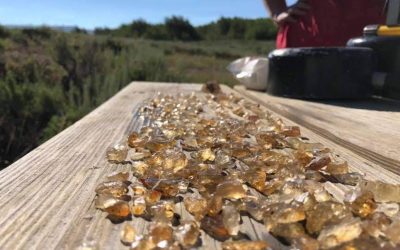
Oregon sunstone is the state gem and a very different kind of thrill: transparent to translucent feldspar, sometimes with coppery shimmer or flashes of red, orange, green, and champagne. The public collection area near Plush is the best-known starting point, but it is high-desert country. Treat it like a real outing, not a quick roadside stop.
Agate, jasper, petrified wood, chalcedony, and occasional opal-like material round out the practical list. The coastal version is usually beachcombing for small agates and jasper rather than “gem mining.” Eastern Oregon rewards more geological homework, longer drives, and a willingness to leave empty-handed on a first try.
Where to start looking
For a broad, responsible starting map, begin with our Rockhounding Oregon guide. It covers Oregon Sunstone country near Lakeview, the Glass Butte area, Owyhee country, Central Oregon thunderegg regions, and the Coast. Use it to choose a region, then verify the exact land manager and access before you drive.
Central Oregon is the natural first stop for thunderegg curiosity. Historic collecting names around Madras and the Priday area appear all over the internet, but the old public digging area is not a promise of present-day access. Claims, private land, seasonal conditions, and paid digs change. Never treat an old blog, a forum post, or a 10-year-old map pin as permission.
Southeastern Oregon is the better fit for sunstone seekers. The BLM collection area near Plush is public land, but active claims within the broader sunstone country are off limits unless you have permission. Bring more water than you think you need, a full-size spare, offline maps, sun protection, and a plan that does not rely on cell service.
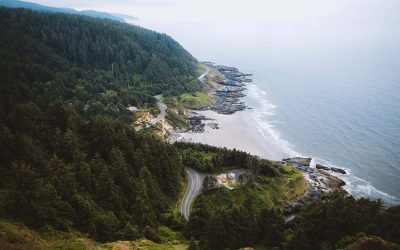
For low-commitment searching, Oregon beaches can be a good family-friendly introduction. Scan the wrack line after rough weather, look where gravel accumulates, and keep your expectations focused on small polished stones. Read our Oregon Coast map and guide before building a coastal route around a particular beach.
A short legal-collection checklist
Land status comes before the rock. On many BLM-managed public lands, casual personal collecting of common rocks is allowed in reasonable amounts, but the rules have important limits. The BLM’s Oregon and Washington collecting guide says that larger quantities, commercial collecting, power equipment, and collecting on mining claims need authorization. It also sets separate rules for petrified wood and prohibits taking cultural items or vertebrate fossils.
That means you should check the official BLM map and field-office information for your exact destination, honor posted closures and fire restrictions, and stay off active mining claims unless you have the claimholder’s permission. State parks, wildlife areas, tribal lands, private parcels, and road rights-of-way can all have different rules. If you cannot confidently identify the land and its rules, do not collect there.
The Oregon Department of Geology and Mineral Industries also cautions that fossils are often protected on public lands and in parks. A fossil-looking find is not automatically a souvenir. When in doubt, photograph it, note the location, and leave it in place until you can verify the rule.
Gear that helps—and gear that causes problems
A small rock hammer, hand lens, sturdy eye protection, gloves, paper bags, drinking water, and a tire repair plan cover most beginner trips. A diamond saw or lapidary club is where the mystery pays off: the outside of a thunderegg tells only part of the story. Do not use heavy equipment, dig into banks, or create a scarred pit in the hope of improving your odds.
For families, a beach or a clearly designated fee dig is usually a more enjoyable first outing than remote BLM country. For dedicated collectors, the better route is to join an Oregon rock club, learn how to recognize a claim boundary and host rock, and make a return trip after checking current conditions.
The honest answer about “Oregon crystals”
Searches for Oregon crystals make it sound as if there is a secret public field of perfect points waiting to be scooped up. Sometimes there are quartz pockets and crystalline surprises inside the state’s volcanic material, but that is not the reliable beginner promise. Oregon is exceptional because it has a huge variety of collectable geological material—and because the best finds often need to be cut, polished, or examined closely.
So, yes: go looking for Oregon geodes, crystals, and gemstones. Just aim for a legal collecting area, call thundereggs what they are, and make the trip worthwhile even if your best discovery is a dusty, uncut rock in the bottom of your bag.
Before you go: current rules and related Oregon guides
Check the current Oregon Department of Geology and Mineral Industries overview before planning a thunderegg, sunstone, or fossil trip: https://www.oregon.gov/dogami/learnmore/pages/fossilsmineralsgems.aspx
For BLM-managed land, read the current Oregon and Washington Rock Collecting Guide: https://www.blm.gov/sites/default/files/docs/2024-07/orwa-rock-collect-guide.pdf
Continue planning with our Rockhounding Oregon guide: https://thatoregonlife.com/2022/01/rockhounding-oregon/
If sunstone is your goal, read our Oregon Sunstones guide: https://thatoregonlife.com/2022/01/oregon-sunstones-where-to-dig-these-gorgeous-gems-for-free/
For another Oregon gem hunt, see our Oregon opal guide: https://thatoregonlife.com/2024/08/oregon-opal-rockhounding/
For a beachcombing road trip, start with our Oregon Coast map: https://thatoregonlife.com/map-of-oregon-coast/
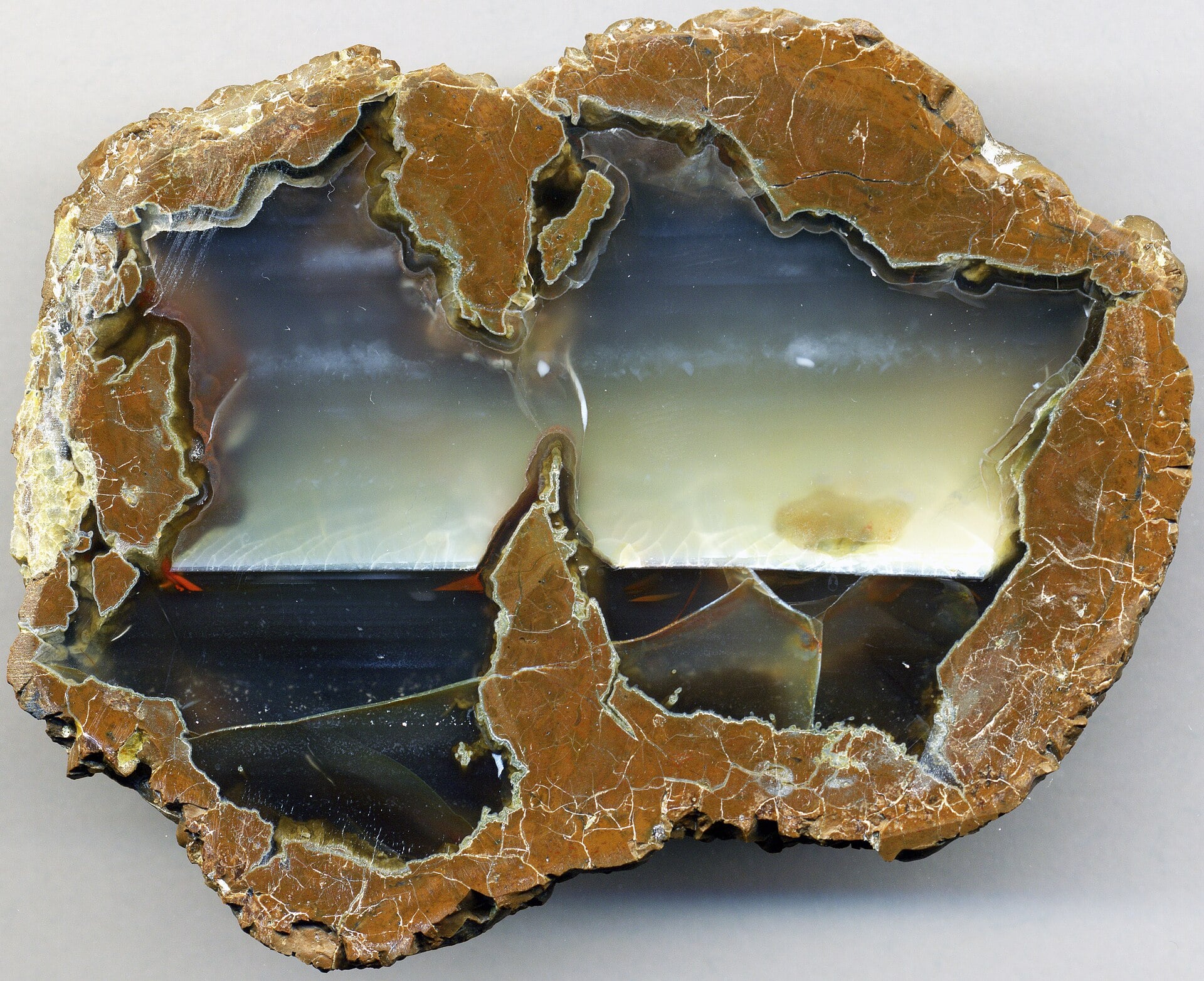
Thunder egg agate from the Priday Blue Bed near Madras, Oregon. Photo: James St. John, CC BY 2.0.
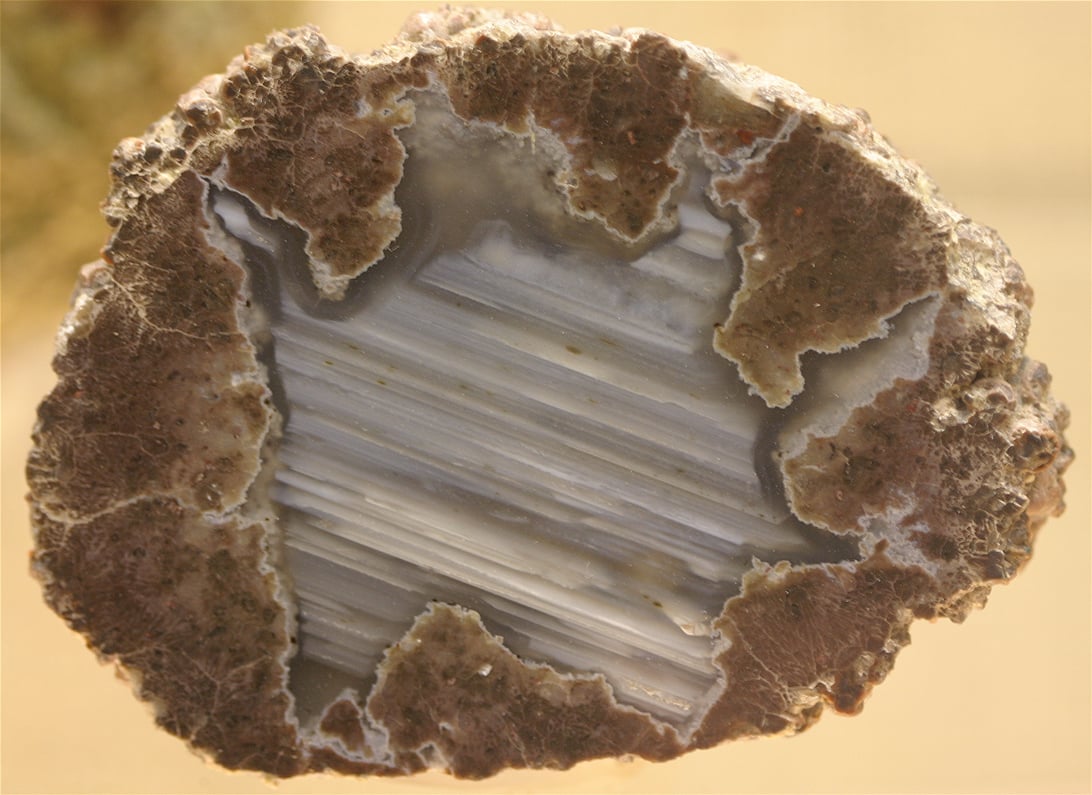
An Oregon thunderegg with a banded interior. Photo: Cacophony, CC BY-SA 3.0.
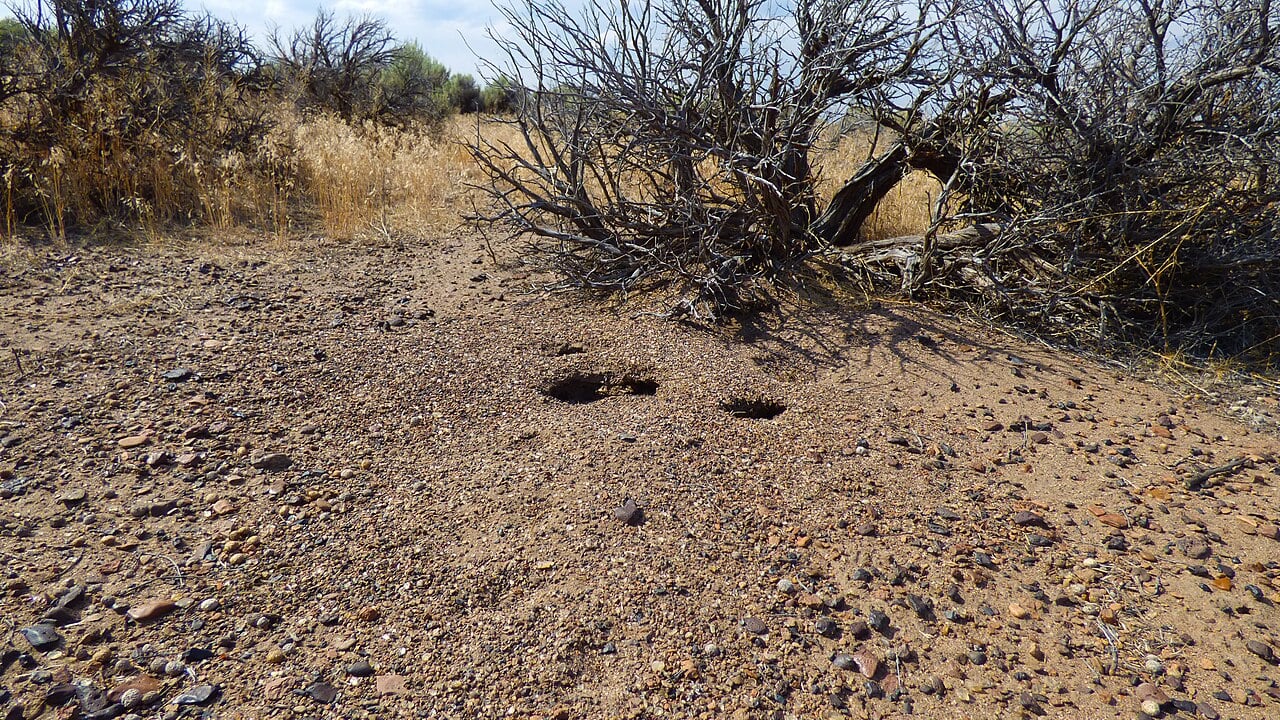
Oregon Sunstone Public Collection Area. Photo: Bureau of Land Management, CC BY 2.0.