
Oregon’s volcanic landscape can produce beautiful opal-bearing material, but a great rockhounding day starts with an important distinction: a known opal locality is not automatically a public collecting site. Some Oregon opal sites are historic mines, active claims, private property, or places where removing material is not allowed. This guide is for finding the story behind Oregon opal and planning a legal, respectful trip.
What Oregon opal really is
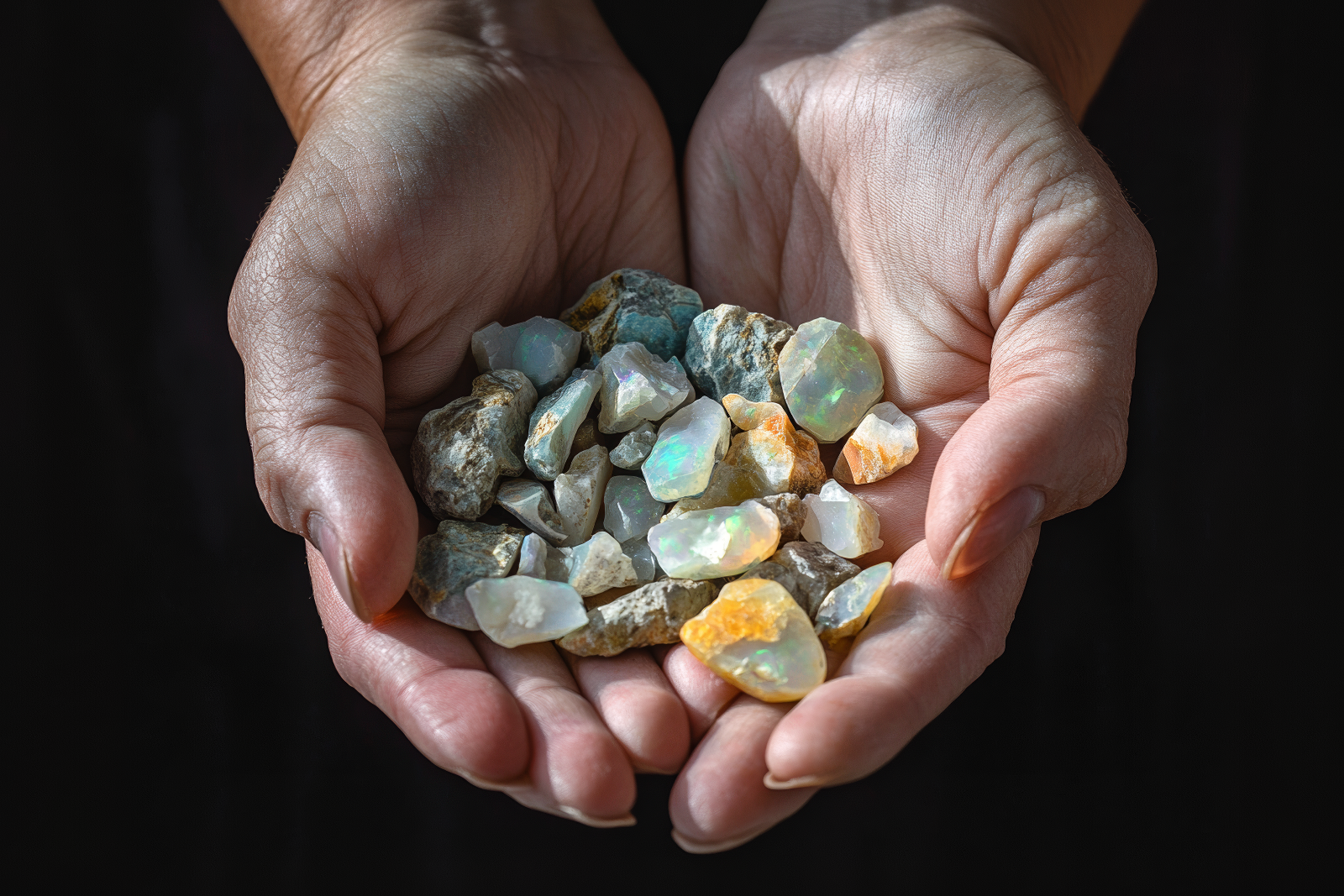
Opal is hydrated silica that can form in fractures and cavities in volcanic rock. Oregon material ranges from common opal and opalized wood to colorful specimens prized by collectors. Not every specimen flashes with rainbow “play-of-color,” and the best finds are never guaranteed. That uncertainty is part of the appeal—but it is also why it is worth choosing a destination based on access rules first, not just a promising map pin.
The Oregon Department of Geology and Mineral Industries is a good starting point for the geology. Its Oregon fossils, minerals and gems overview explains the state’s better-known rock and mineral resources and points collectors toward a more realistic understanding of what Oregon country can yield.
A note on known opal localities
A historic locality can be useful for understanding Oregon geology, but it is not a permission slip. Before you travel, identify the actual land manager or owner, check whether the spot is covered by a mining claim, and confirm that collecting is allowed where you plan to stand. Do not cross gates, enter a mine, dig into a roadcut, or remove material from private property without clear permission.
Barnes Butte: enjoy the recreation area, do not assume it is an opal dig
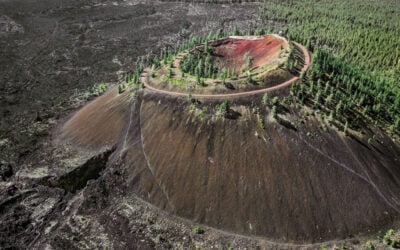
Barnes Butte near Prineville is a popular place to get outside, with trails and big Central Oregon views. It is sometimes mentioned in broader conversations about volcanic rock in the area. Treat it as a recreation destination—not as a public opal mine. Follow the current rules posted by the managing agency, stay on permitted routes, and do not remove rock or prospect there unless the current manager explicitly says that activity is allowed.
Opal Butte: a historic locality, not a casual public dig
Opal Butte is a name familiar to collectors because of Oregon opal history. It should not be promoted as a walk-up public digging stop. Mining claims and private ownership can change what is allowed, and a public-looking road or a Google Maps pin does not establish a right to enter or collect. If you do not have current, direct permission from the owner or claim holder, choose another destination.
Do not treat the Sunstone Collection Area as an “opal dig”
Oregon’s public Sunstone Collection Area near Plush is a special destination for its namesake gem, not a dependable opal stop. The Bureau of Land Management says the public area is marked with orange posts and BLM markers, while private mining claims surround—and can occur within—the collection area. Do not collect from a claim without the claim holder’s permission, and do not assume every piece of “sunstone country” is open simply because it is nearby. Check the BLM’s current Sunstone Collection Area page before a trip.
If sunstone is your goal, use our refreshed Oregon Sunstones guide to understand the public-area boundaries, claim issues, and high-desert planning.
How to collect legally on public land
Rules vary by manager and by the exact parcel. On BLM land, casual collection of reasonable amounts of common rocks and minerals for personal use may be allowed, but it is not a blanket rule for every mineral, every method, or every piece of ground. Commercial activity, power equipment, large quantities, protected resources, and mining claims can require permission or be prohibited. National parks, state parks, wilderness areas, tribal lands, wildlife areas, and private land can have very different restrictions.
Before you leave home, read the BLM Oregon and Washington rock-collecting guide, verify the parcel on an official map, and contact the field office or land manager when anything is unclear. A quick call is far better than an accidental trespass or claim dispute.
Build a better Oregon gem trip
For a first trip, choose a place with clearly stated public access or a fee dig that confirms its current rules directly. Bring water, food, sun protection, a paper map or offline navigation, eye protection, gloves, sturdy shoes, and a container for your finds. High-desert roads can be remote, services sparse, and cell coverage unreliable. Leave gates as you find them, fill small holes where appropriate, pack out trash, and keep your collecting modest.
Want more Oregon rockhounding ideas? Start with our broad Rockhounding Oregon guide, then see our guide to Oregon geodes, crystals and gemstones for a wider look at what Oregon’s volcanic country can offer.
The takeaway
Oregon opal is worth learning about, but responsible collecting means leaving the “secret spot” mindset behind. Research the land first, seek direct permission where needed, and make the trip about the landscape as much as the possibility of a find. That approach protects Oregon’s collecting culture—and makes a good day outdoors much more likely.