

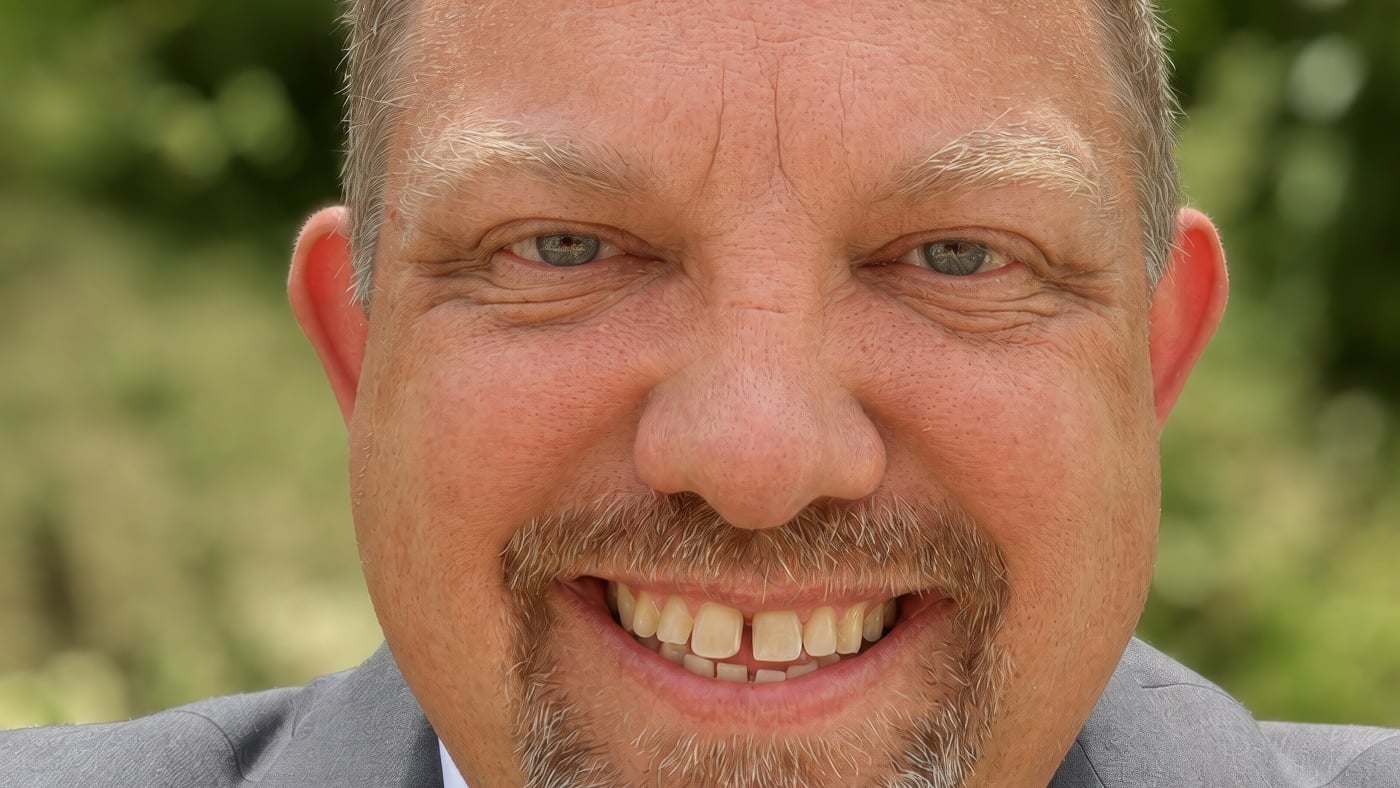
A former Eugene, Oregon private school teacher who originally faced multiple felony sexual abuse charges involving a minor has been sentenced to just 30 days in the Lane County Jail.
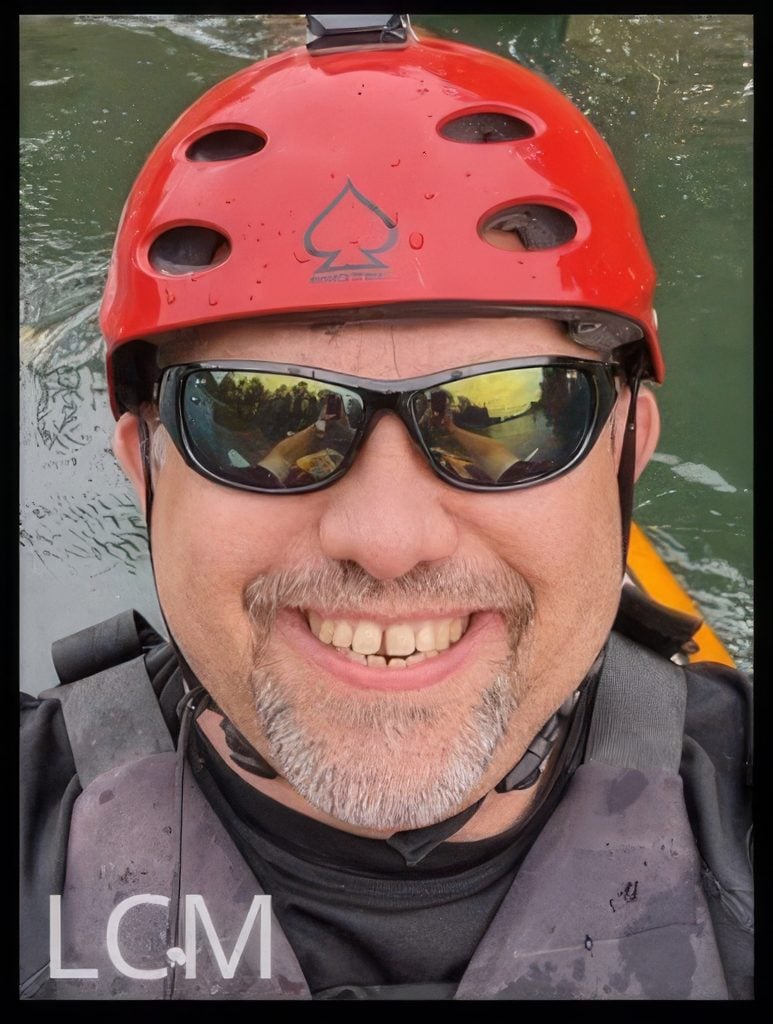
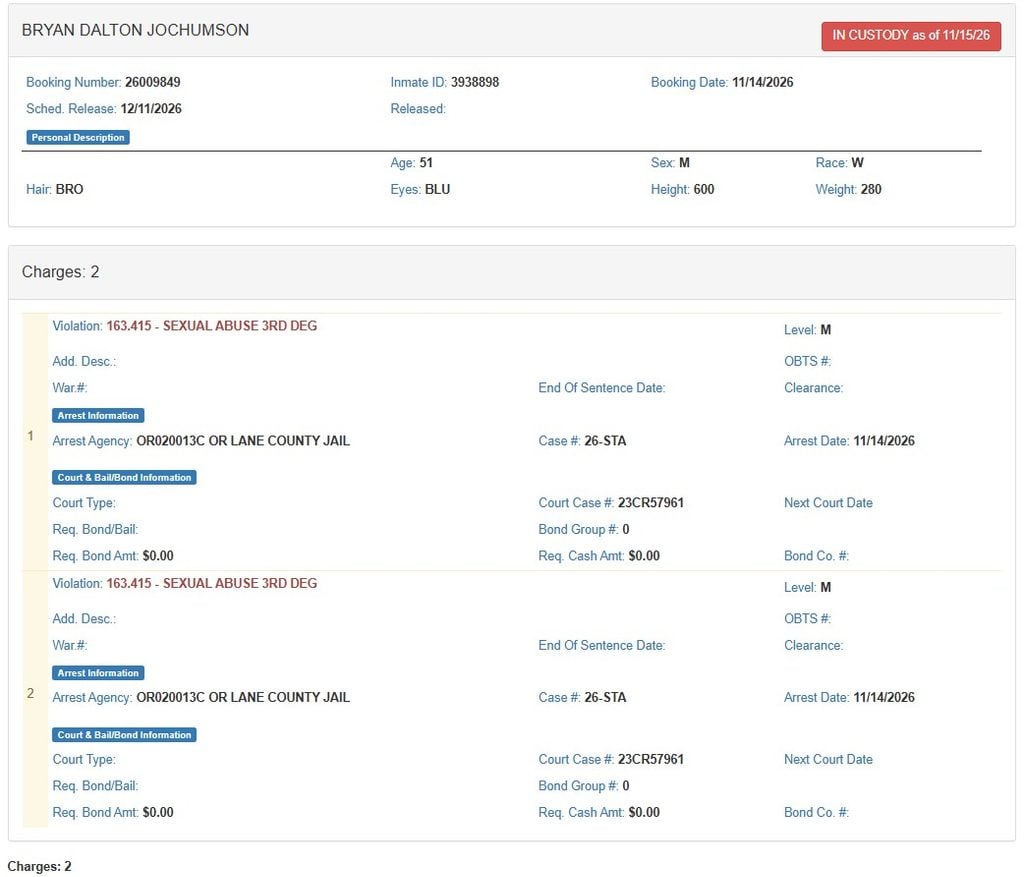
Bryan Dalton Jochumson, 51, pleaded guilty to two counts of third-degree sexual abuse on November 11, 2026. He was sentenced the following day to 30 days in jail and three years of probation, according to court information obtained by local crime reporter Mike Weber. Jochumson must also register as a sex offender, and his probation is scheduled to continue through November 12, 2029.
Thirty days.
That’s the jail sentence coming out of a criminal case involving sexual abuse of someone who was under 18 at the time of the offenses. And while the sex offender registration requirement and years of probation are serious consequences, it’s difficult to get past how little time the actual jail sentence represents.
From Felony Charges to Two Misdemeanor Convictions
The case goes back to 2023, when Eugene police arrested Jochumson on November 28 on suspicion of second-degree sexual abuse. He was also initially arrested on a misdemeanor allegation involving unlawful delivery of marijuana, although that charge was never filed, according to Weber’s reporting and the Lane County Jail Viewer.
Jochumson was released on bail, but the criminal investigation didn’t end there.
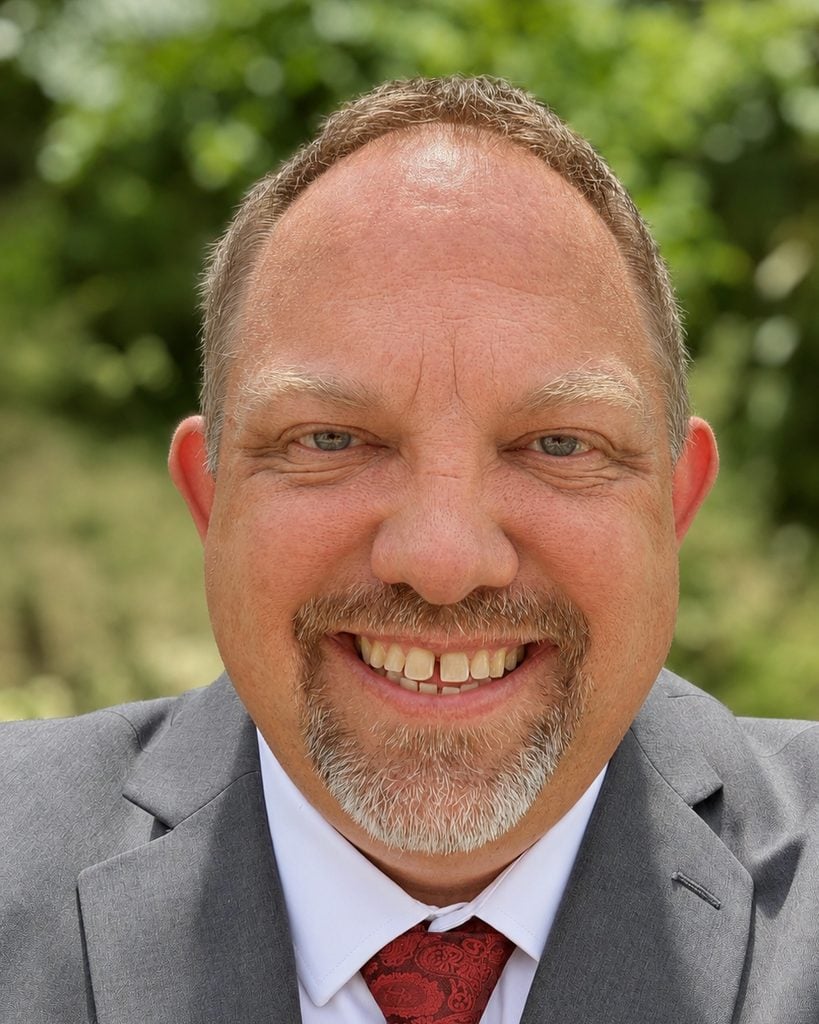
On February 11, 2025, prosecutors filed an indictment containing multiple felony counts of second-degree sexual abuse. The allegations concerned incidents dating back to February 2023 involving a person younger than 18 who was legally incapable of consenting because of their age.
Weber reported on the indictment in February 2025, documenting Jochumson’s arrest history, teaching background, and the felony allegations.
Fast-forward to November 2026, and the case has reached a very different conclusion. Rather than being convicted of the original felony charges, Jochumson pleaded guilty to two misdemeanor counts of third-degree sexual abuse under a plea agreement.
The resulting jail sentence was 30 days.
According to Weber’s latest review of the records, Jochumson surrendered to the Lane County Jail to begin serving his sentence. His listed release date is December 11, 2026, with credit for time already served.
It’s important to distinguish between the charges originally brought and the offenses for which someone is ultimately convicted. A felony indictment isn’t proof that every allegation can be established in court.
But I think it’s entirely reasonable for the public to want to know how a case that began with multiple felony sex abuse charges ended with two misdemeanors and a month in jail.
He Previously Taught at Two Eugene-Area Schools
Jochumson’s professional history makes the case particularly concerning.
At the time of his November 2023 arrest, he was listed as a social studies teacher at Wellsprings Friends School, a private alternative high school in Eugene. He had also previously worked at Willamette Leadership Academy.
Wellsprings describes itself as an independent school focused on individualized education and the personal development of students. It’s the kind of environment where families expect teachers to establish meaningful, supportive relationships with young people.
That trust is precisely why allegations of sexual misconduct involving educators deserve careful scrutiny.
The reporting reviewed for this article doesn’t independently establish whether the offenses occurred on school property or whether the minor involved was enrolled at either institution.
Still, his history as an educator makes the outcome of this case particularly relevant to local families.
Oregon Law Allows Much Longer Sentences
Here’s another detail worth understanding.
Under Oregon Revised Statute 163.415, third-degree sexual abuse is a Class A misdemeanor. It includes sexual contact without consent, including circumstances in which someone is legally incapable of consenting because they’re under 18.
The maximum jail sentence for a Class A misdemeanor is 364 days, under Oregon law.
Second-degree sexual abuse, meanwhile, is a Class C felony. Oregon’s definition includes certain sexual offenses involving a minor when the accused person was previously the victim’s teacher or coach.
Jochumson’s sentence also includes mandatory sex offender registration and three years of probation. Those obligations shouldn’t be dismissed. Registration creates ongoing legal reporting requirements, while probation allows authorities to supervise someone after their release and respond to violations.
But probation doesn’t tell us why the original felony allegations were resolved the way they were.
The documents available for this report don’t establish why prosecutors accepted the agreement, what evidentiary issues they may have encountered, or what sentence they originally sought.
I’d genuinely like to know.
What Does Accountability Look Like for the Victim?
Whenever I write about a sentence like this, I try to consider what it looks like from the perspective of the person harmed.
In this case, the victim was a minor when the offenses occurred. Nearly three years have passed since the conduct described in the original allegations.
Think about the sheer length of that process. The initial arrest happened in November 2023. The indictment followed in February 2025. And it wasn’t until November 2026 that the criminal case finally reached sentencing.
For the person at the center of it, this isn’t just a court docket, a plea agreement, or a discussion about sentencing guidelines. It’s something that happened in their life, with REAL consequences that don’t simply disappear when a defendant finishes serving a sentence.
I don’t know what the victim thinks about the resolution. Their identity and personal circumstances deserve privacy, and it would be completely irresponsible to pretend to speak for them.
But I do believe the justice system owes victims, and the public, a clear explanation of how serious criminal cases reach their final outcomes.
If evidence problems made the original felony charges difficult to prove, that’s important context, sure. If prosecutors believed the plea agreement was the best available resolution, they should be able to explain their reasoning without compromising the victim’s privacy.
And if there were other considerations that led to the sentence, those deserve examination too.
Thirty Days Later, What Changes?
Jochumson’s criminal case is essentially resolved. He pleaded guilty, was convicted, and has been sentenced. His probation and registration requirements will extend beyond his release from jail.
But the question that remains for me is whether the punishment adequately reflects the seriousness of the offenses.
A person who was entrusted to teach young people has now been convicted of sexually abusing someone who was legally too young to consent. That isn’t a minor matter simply because the final convictions carry the word “misdemeanor.”
I understand plea agreements are part of the criminal justice system. I understand prosecutors don’t always have the evidence they need to secure convictions on every original charge.
What I don’t understand, at least from the information currently available, is why 30 days was the appropriate amount of jail time in this particular case.
I’d like an answer to that question.
Because for a victim who has already spent years waiting for the case to conclude, justice has to mean more than finally reaching the end of a court calendar.
Reporting credit: Special thanks to local crime reporter Mike Weber, whose review of Lane County court and jail records brought this sentencing outcome to our attention. Weber also documented Jochumson’s original indictment in February 2025.
Additional sources: Oregon Revised Statutes 163.415 and 163.425, ORS 161.615, the Lane County Sheriff’s Office Jail Viewer, and historical school information.