
We recently returned from a short trip to Jacksonville and the Applegate Valley, and something someone said during one of our tours has been sticking with us ever since.
They pointed out that Southern Oregon doesn’t seem to get nearly as much attention on That Oregon Life as other parts of the state. And the more we thought about it, the more we realized they had a point. For a region with so much history, natural beauty, incredible food, and genuinely wonderful places to explore, Southern Oregon deserves a whole lot more love.
It also got us thinking about Oregon tourism in general. We hear plenty about the Oregon Coast, Bend, Portland, and the Willamette Valley. Those places deserve their popularity, but somewhere along the way, it feels like Southern Oregon got left out of too many conversations about the best of our state.
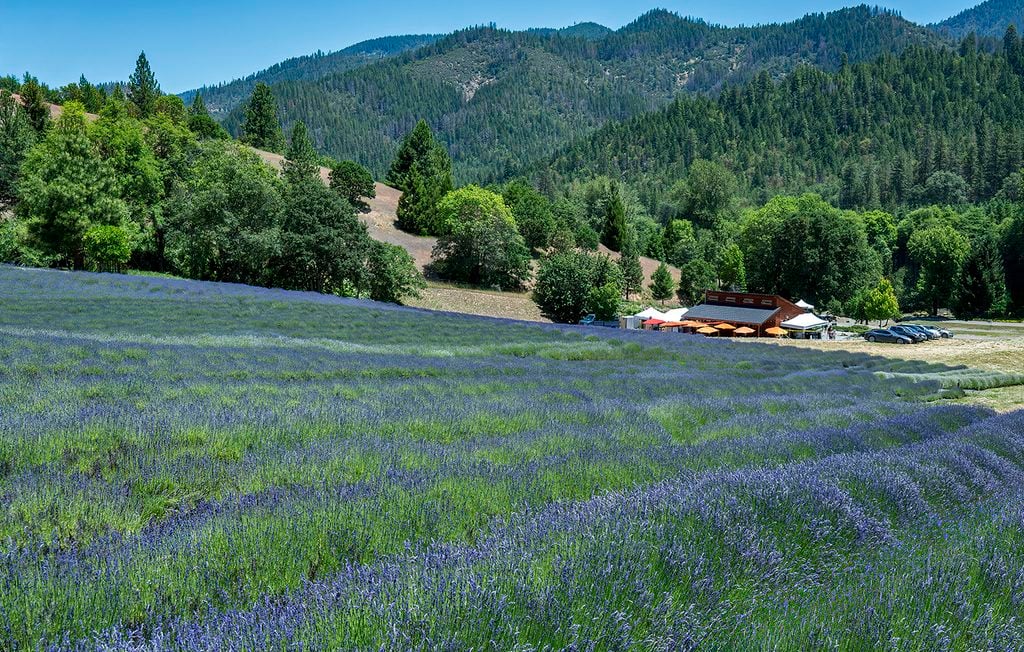
After spending time wandering the historic streets of Jacksonville, exploring old cemeteries, driving through the countryside, and meeting some incredibly friendly people, we came home with a renewed appreciation for this corner of Oregon.
And frankly, we’re wondering why more people aren’t talking about it.
There’s Something Special About Southern Oregon’s Small Towns
Jacksonville might be one of the finest examples of what makes Southern Oregon so memorable. Walk down California Street and you’re surrounded by handsome brick storefronts, historic homes, inviting restaurants, and buildings that have stood for generations. It’s the sort of town that makes you want to put your phone away and simply wander.
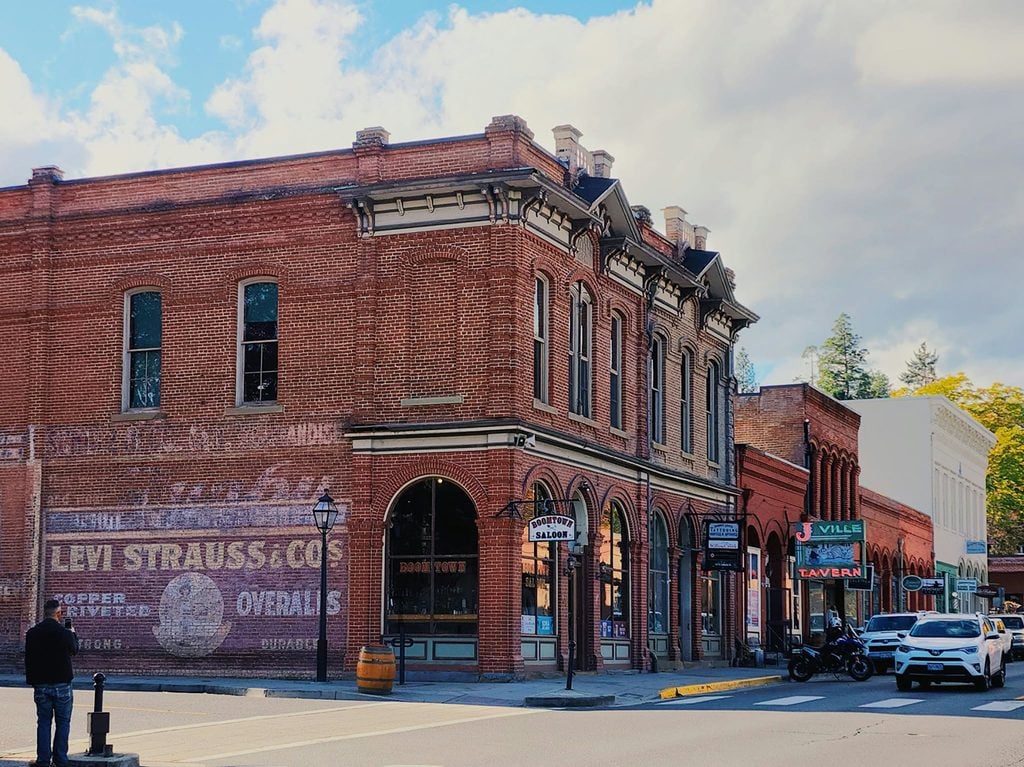
Gold was discovered in the area in 1851, helping transform Jacksonville into a major commercial center during Oregon’s early settlement period. When the railroad bypassed the community decades later, economic activity shifted toward Medford. Ironically, that decline helped preserve much of Jacksonville’s historic architecture, and the town’s historic district received National Historic Landmark designation in 1966.
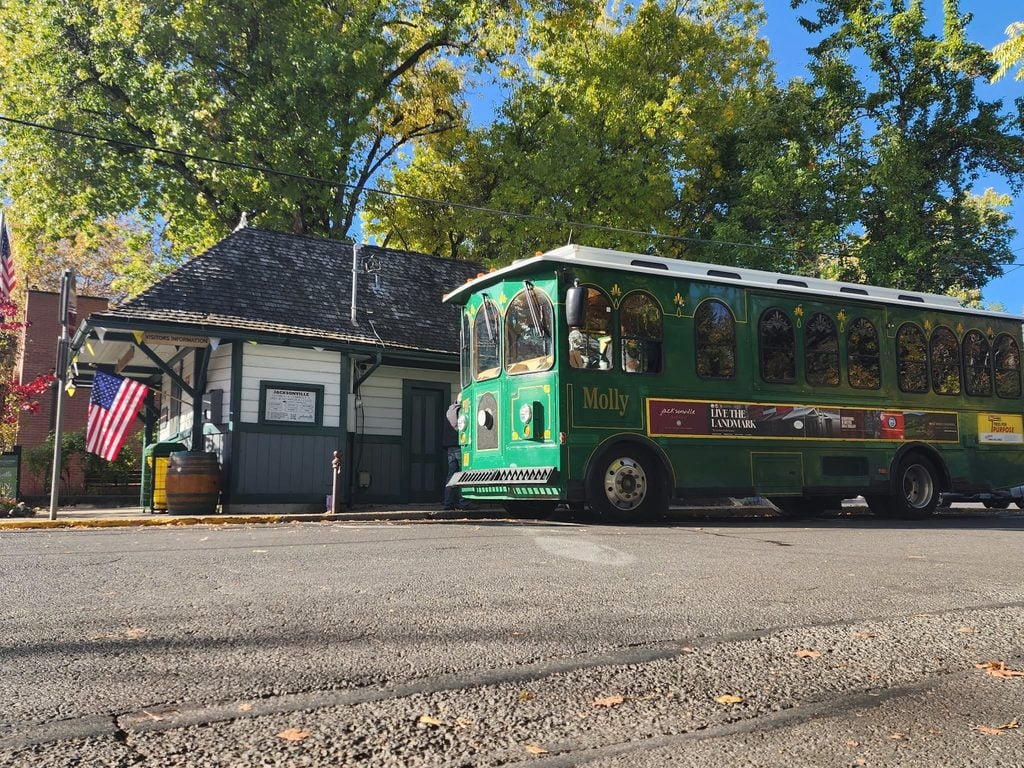
Jacksonville’s historic trolleys wind their way through downtown, taking visitors on history tours, seasonal excursions, and wine-tasting through the beautiful Applegate Valley.
You can read more about the town’s remarkable past through Historic Jacksonville or explore our guide to Jacksonville.
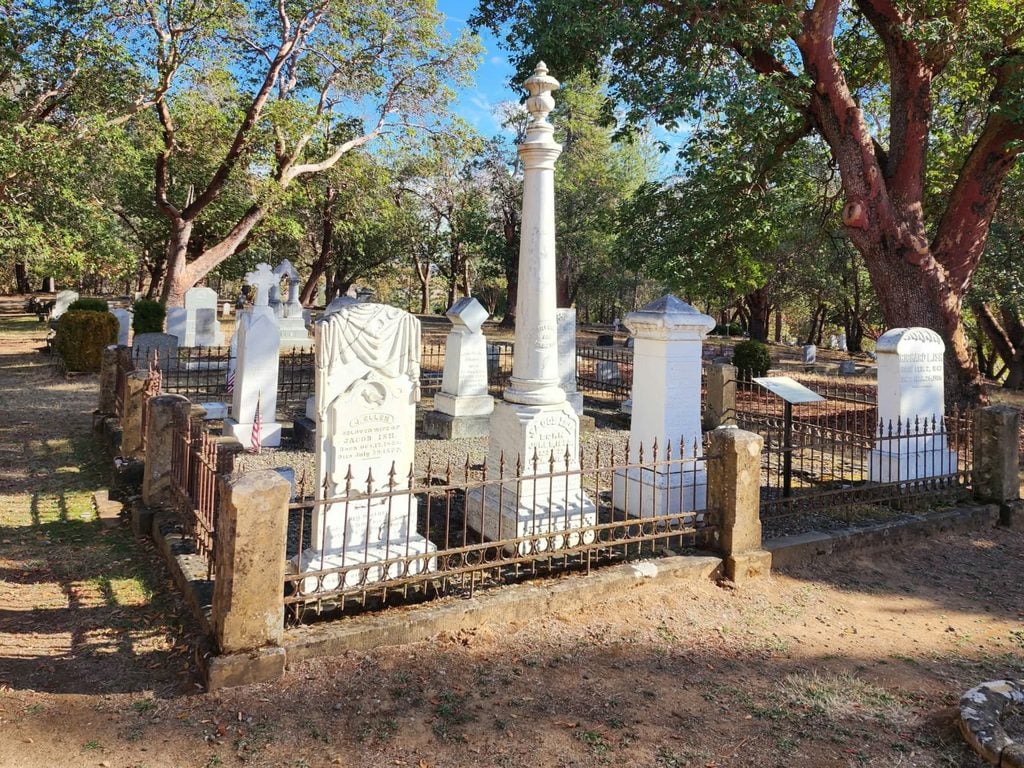
During our visit, we spent time exploring historic cemetery grounds, where weathered headstones, family plots, and symbols associated with old fraternal organizations offer glimpses into the lives of people who helped shape the region. Jacksonville’s historic cemetery includes sections associated with religious and fraternal groups, reflecting the important role organizations such as the Freemasons played in nineteenth-century community life. For anyone fascinated by Oregon history, places like this are worth slowing down for.
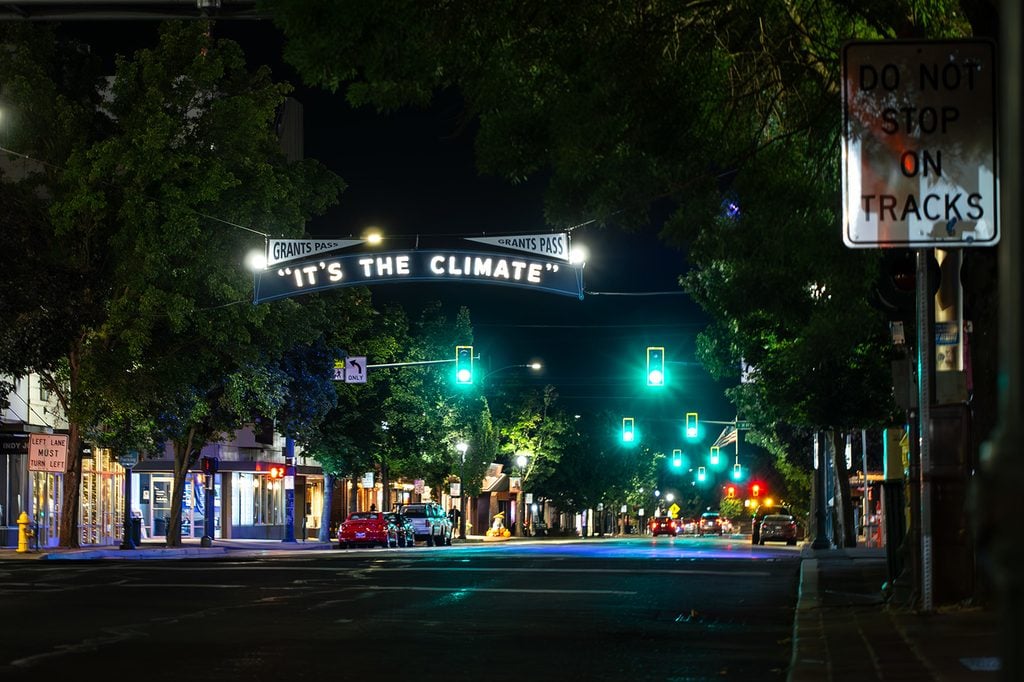
And Jacksonville is hardly alone. Ashland, Grants Pass, Oakland, and other Southern Oregon communities have their own distinct personalities and stories.

Some are known for their historic architecture, others for their arts scenes, riverfront settings, or beautiful surrounding farmland. They’re the kinds of places where exploring a downtown can become an afternoon adventure rather than a quick stop for gas.
The Wine Country Here Deserves a Lot More Attention
When people think of Oregon wine, their minds naturally drift toward the Willamette Valley. Pinot noir, Dundee, McMinnville, and the vineyards surrounding Newberg have earned an international reputation, and rightly so.
In July 2026, the Rogue Valley took first place in USA TODAY’s 10Best Readers’ Choice Awards for Best Wine Region, moving up from second place in 2025. And that recognition isn’t the region’s only success story. Even as Oregon’s broader wine industry experienced declining production, Southern Oregon was the one part of the state that managed to increase its output in 2025. With more than 70 grape varieties, remarkable geographic diversity, and a growing collection of independent wineries, the Rogue Valley has a compelling tale to tell.
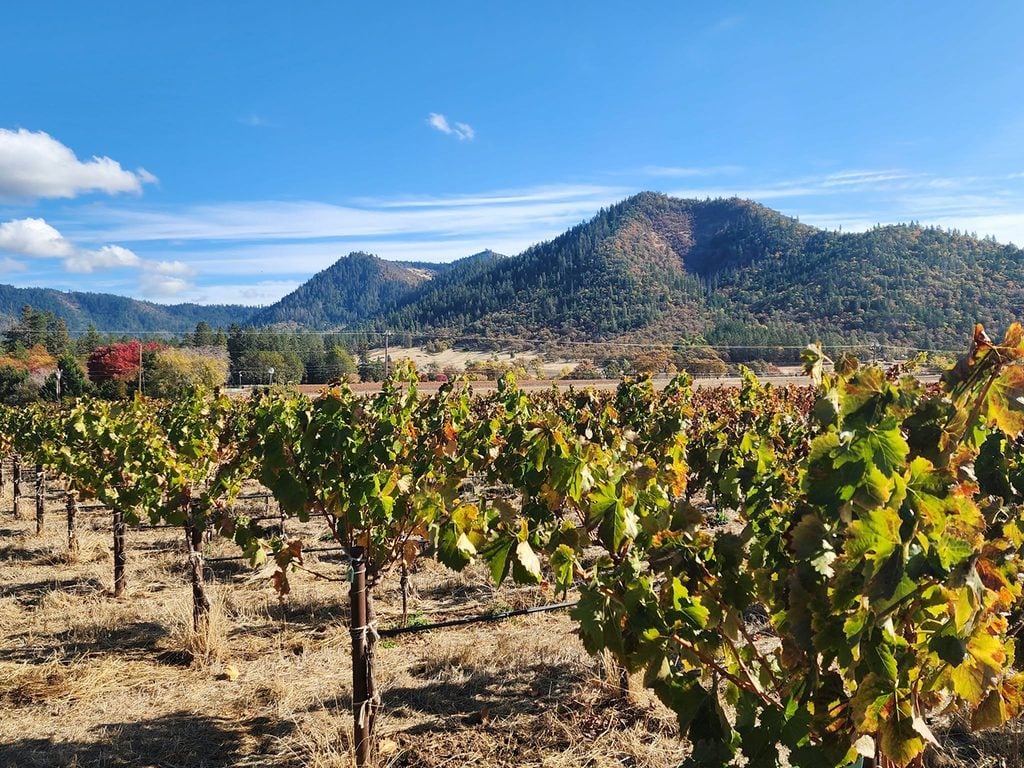
Southern Oregon as a whole has its own wine story, and it’s a fascinating one.
The Rogue, Applegate, and Umpqua valleys have growing conditions that differ considerably from those farther north. Warmer temperatures, varied elevations, and diverse soils support everything from tempranillo and syrah to cabernet sauvignon, viognier, chardonnay, and pinot noir. According to the Oregon Wine Board, Southern Oregon’s wine history reaches back to the 1850s, and the region’s winemakers continue to explore a remarkably wide range of grape varieties (at last count I was told 72).
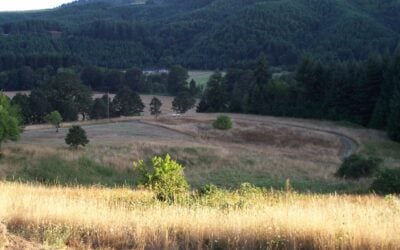
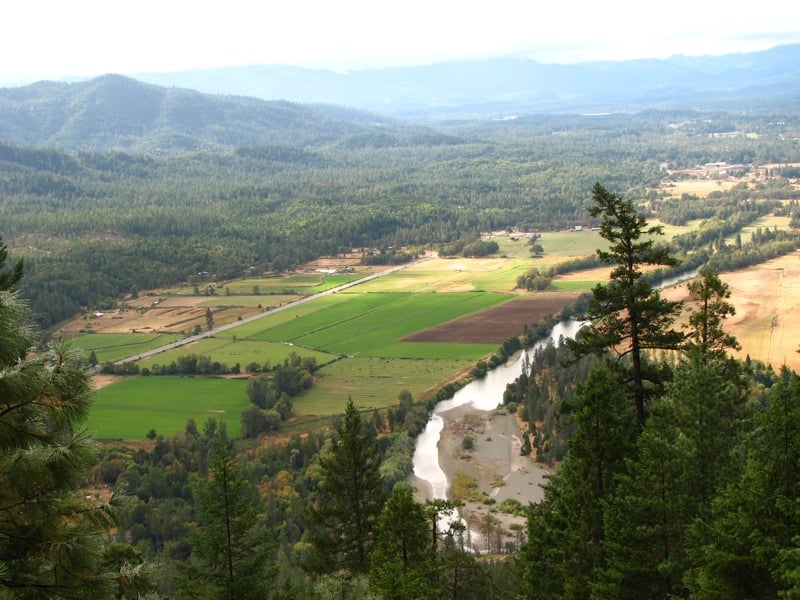
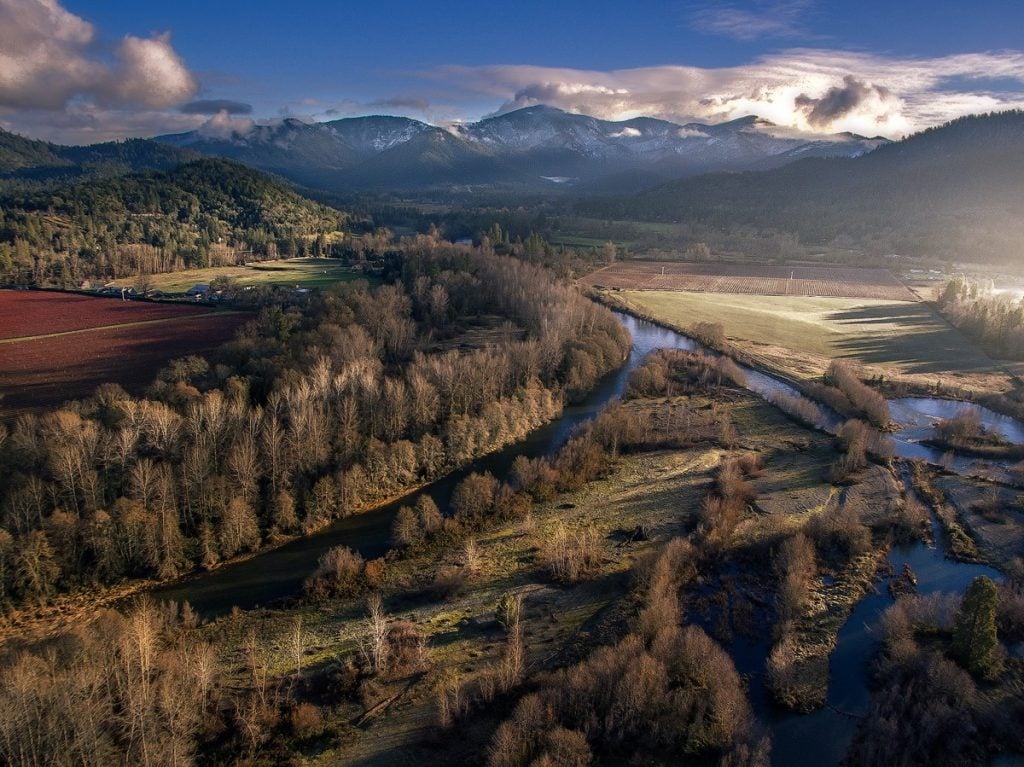
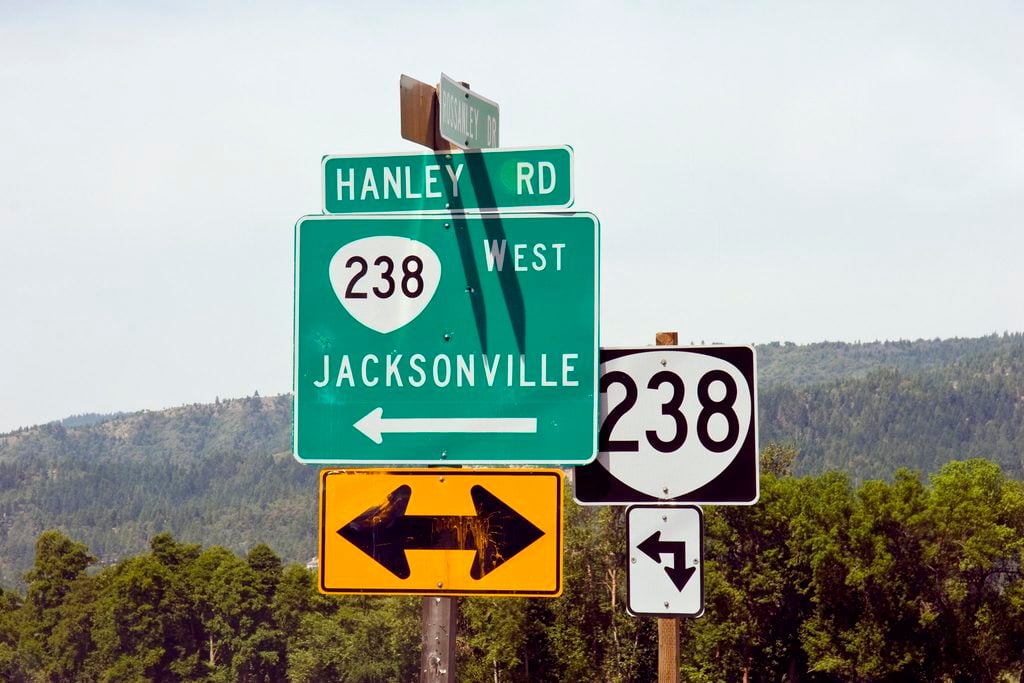
The Applegate Valley is downright captivating. Highway 238 winds through a landscape of wooded hills, pastures, farms, small communities, and vineyards tucked into the countryside. There’s an unhurried quality to this place that makes the simple act of driving through it part of the experience.
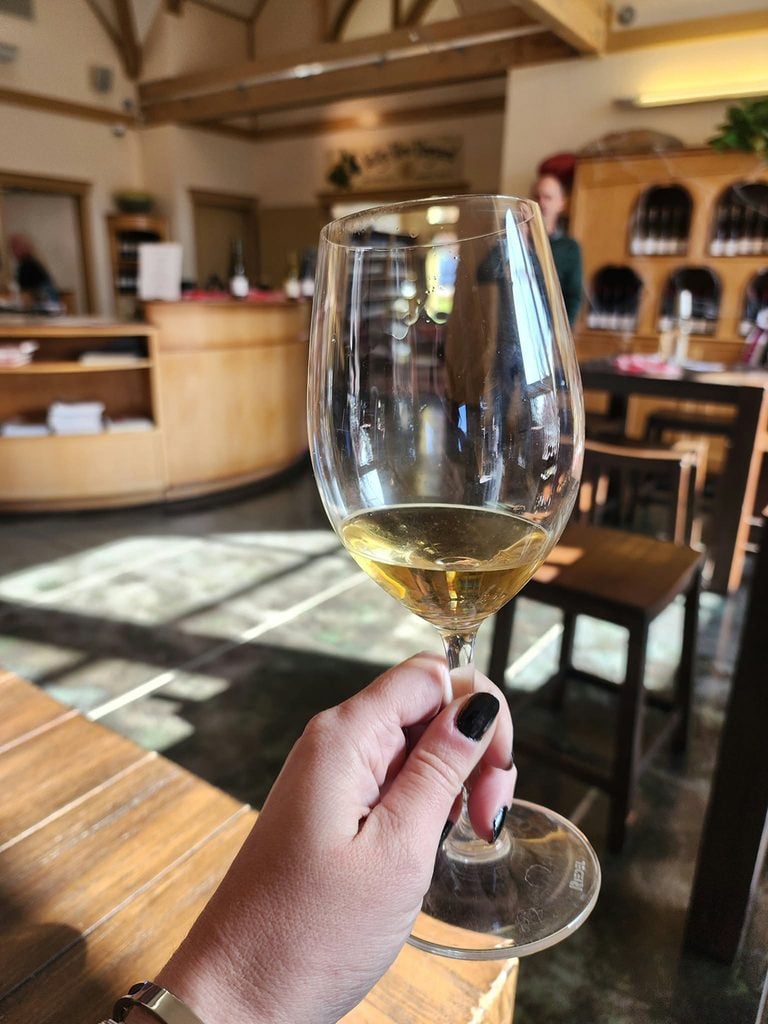
Southern Oregon wine country doesn’t need to imitate the Willamette Valley. It has its own character, its own agricultural traditions, and its own distinct sense of place. Whether you’re passionate about wine or simply appreciate a scenic country drive, the Applegate Valley offers plenty of reasons to linger.
The Landscape Changes So Dramatically, It’s Hard to Believe You’re Still in the Same Region
One of Southern Oregon’s greatest strengths is its sheer geographic variety.
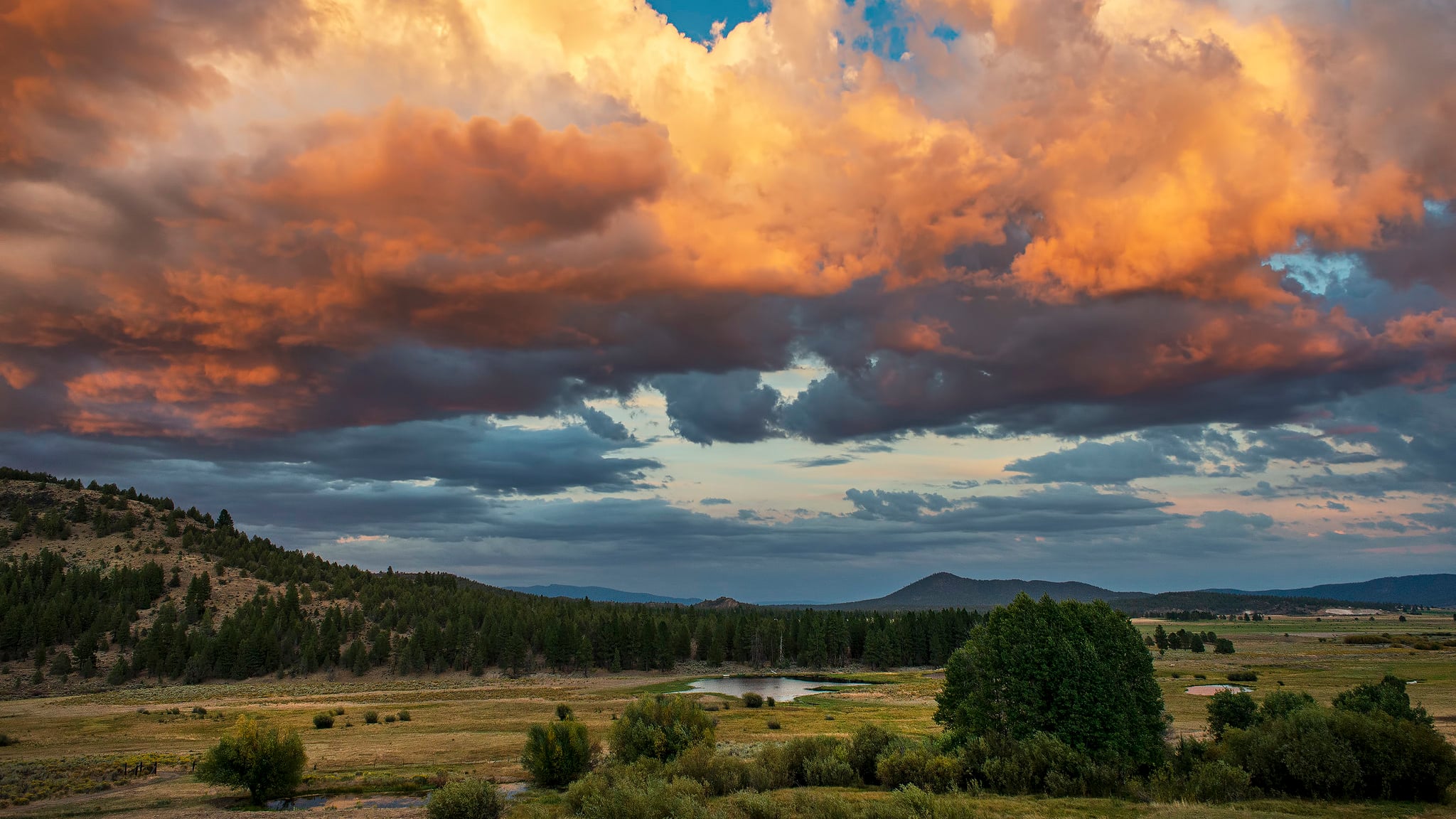
Travel through the Rogue Valley and you’ll find oak-covered hillsides, rolling pastures, vineyards, and sun-drenched valleys. Head into the Siskiyou Mountains and the scenery becomes rugged and heavily forested. Continue toward Crater Lake and you’re entering volcanic terrain shaped by forces almost impossible to comprehend.
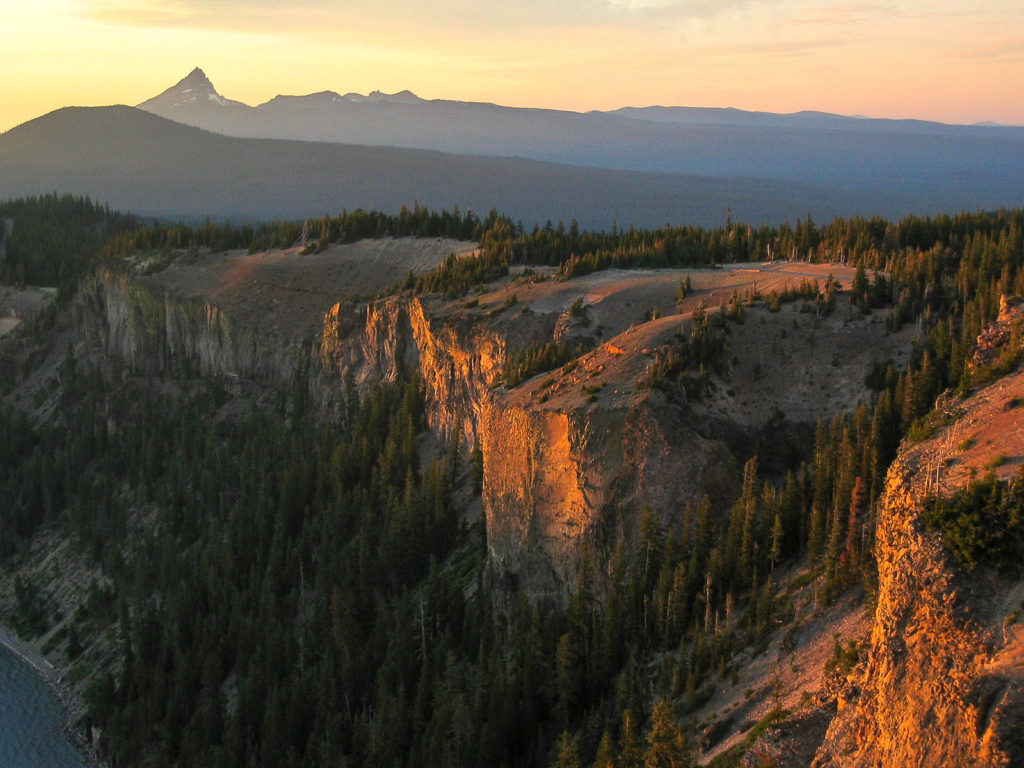
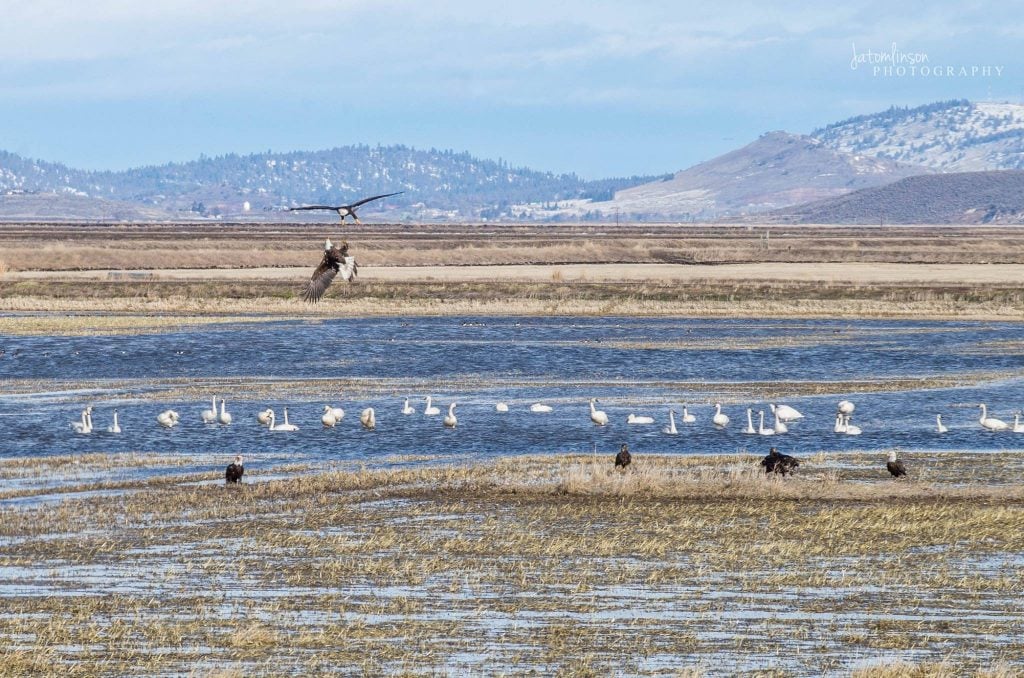
Then there’s the Klamath Basin, where expansive wetlands, broad mountain views, and high-desert landscapes give the country an entirely different personality.
Much of that diversity comes from Southern Oregon’s unusual geography. The Bureau of Land Management describes Cascade-Siskiyou National Monument as a meeting place of the Cascade, Klamath, and Siskiyou mountain ranges. That convergence helps create exceptional biological diversity, making this part of Oregon particularly interesting for hikers, naturalists, photographers, and wildlife enthusiasts.
Few things make a road trip more rewarding than watching the scenery change outside your window. In Southern Oregon, you can experience several dramatically different landscapes without ever leaving the broader region.
The Rivers Are Some of the Wildest and Most Beautiful in Oregon
There’s a reason the Rogue River has captured the imagination of travelers, anglers, and adventurers for generations.
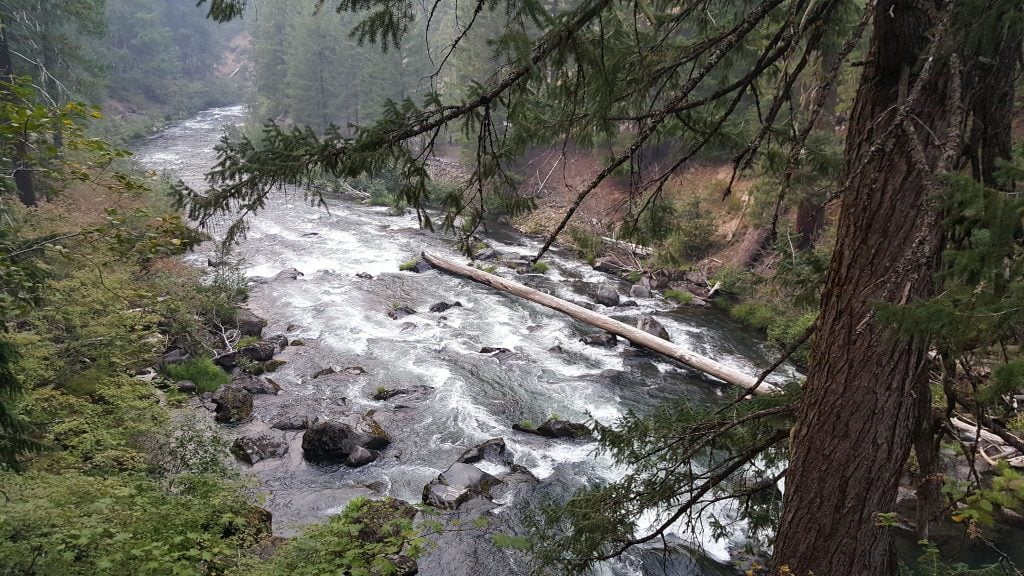
Its waters pass through forests, rocky canyons, and stretches of wild country that feel wonderfully removed from everyday life. Around Grants Pass, visitors can experience the river on guided rafting adventures, scenic boat excursions, and the area’s famous jetboat tours. Farther downstream, the Rogue’s rugged canyon country offers a completely different experience for those seeking a wilderness adventure.
We’ve previously featured the excitement of Hellgate Jetboat Excursions near Grants Pass, one of many ways to appreciate the region’s spectacular river scenery.
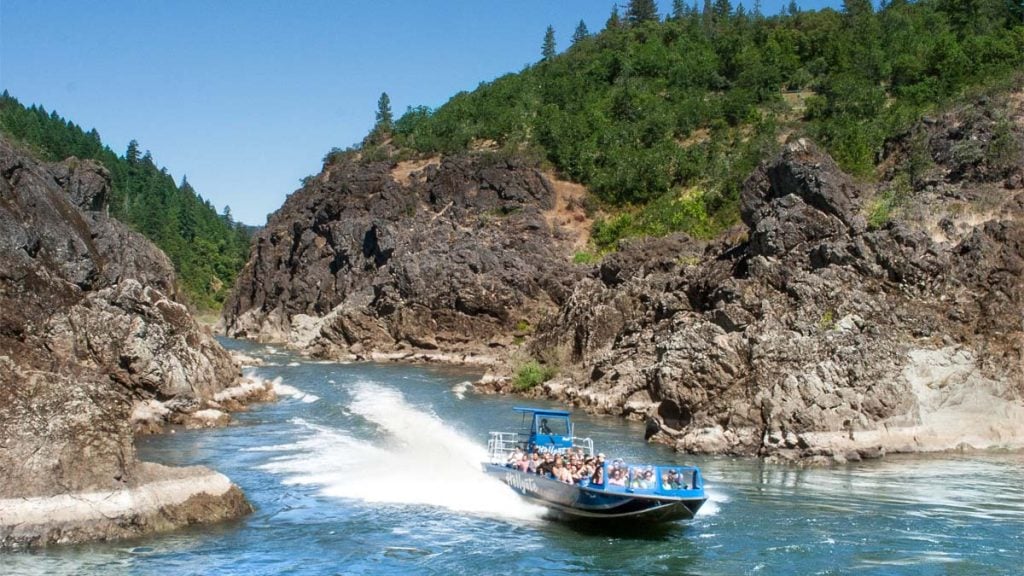
But the Rogue is only the beginning. The Illinois River cuts through wild southwestern Oregon terrain, while the Umpqua River system offers fishing, rafting, waterfalls, and forested scenery farther north. The Applegate River adds a gentler pastoral beauty as it winds through the valley that shares its name.
These waterways are more than recreational attractions. They’ve shaped the region’s ecology, communities, economies, and history. They also provide some of the strongest arguments for spending a few days outdoors instead of rushing through Southern Oregon on Interstate 5.
Crater Lake Alone Is Worth the Trip, But It’s Only the Beginning
Any conversation about Southern Oregon’s natural wonders has to include Crater Lake.
At 1,943 feet deep, it’s the deepest lake in the United States. Its astonishing blue waters fill the caldera of Mount Mazama, a volcano that collapsed following a massive eruption approximately 7,700 years ago. The National Park Service explains that the lake is supplied by rain and snow rather than rivers or streams, helping account for its extraordinary clarity.

It’s one of those places that truly deserves its reputation. Even people who’ve seen hundreds of photographs can find themselves unprepared for the scale of the landscape when they finally stand along the rim.
Yet one of the biggest mistakes a visitor can make is treating Crater Lake as the only worthwhile destination in Southern Oregon. The surrounding country is filled with mountain lakes, forests, trails, waterfalls, and small communities that deserve attention of their own.

For travelers planning a longer stay, Crater Lake can serve as the centerpiece of an entire Southern Oregon vacation rather than a single stop before heading somewhere else. Just remember that this is high-elevation mountain country, and snow, road closures, and seasonal access are important considerations.
There’s an Entire Underground World Waiting Near Cave Junction
Not all of Southern Oregon’s beauty is visible from the highway.
Near Cave Junction, Oregon Caves National Monument and Preserve protects an extraordinary system of marble cave passages and formations hidden beneath the Siskiyou Mountains. Guided tours introduce visitors to an environment shaped by water, geology, and time, while the forests above ground offer additional opportunities for hiking and exploring.

The nearby Illinois Valley has its own collection of attractions, including river recreation, rural scenery, local businesses, and winding roads through the mountains. It’s easy to overlook this part of Oregon when planning a trip, especially if you’re concentrating only on the larger towns along Interstate 5.
There’s also a fascinating historic preservation story at Oregon Caves. The landmark Oregon Caves Chateau has faced serious rehabilitation challenges, something we’ve previously explored in our article on the historic building.
Places like Oregon Caves remind us that some of Oregon’s most remarkable attractions require a little extra effort to reach. That’s often part of what makes them memorable.
Southern Oregon Has a Remarkable Arts and Food Scene
It’s impossible to talk about the cultural significance of Southern Oregon without mentioning Ashland.
The city has become internationally associated with the Oregon Shakespeare Festival, which began in 1935. What started as a small theatrical event grew into one of the nation’s most prominent regional theater organizations, bringing audiences to the Rogue Valley for generations. That tradition has helped give Ashland a cultural identity far larger than its population might suggest.

But the appeal extends well beyond the theater.
Ashland’s walkable downtown, independent shops, galleries, restaurants, and beloved Lithia Park make it a destination even for travelers who don’t have tickets to a performance. Food is an important part of the experience, with restaurants drawing inspiration from regional farms, local ingredients, and the valley’s growing culinary reputation.
The arts extend into Jacksonville as well, where the Britt Music & Arts Festival brings performances to an outdoor hillside setting. Meanwhile, Medford, Central Point, Talent, Grants Pass, and smaller surrounding communities contribute their own restaurants, breweries, markets, shops, and creative businesses.

Southern Oregon isn’t just a destination for people who love the outdoors. It’s also a place where you can spend the morning hiking, the afternoon exploring a historic downtown, and the evening enjoying a memorable meal or live performance.
The Umpqua Valley Is a Destination in Its Own Right
Farther north, the Umpqua Valley adds yet another dimension to Southern Oregon.

Roseburg and the surrounding countryside offer access to wineries, historic communities, forest recreation, and some absolutely gorgeous scenery. The North Umpqua River corridor is especially remarkable, with dense forests, mountain landscapes, and waterfalls that rank among Oregon’s most photogenic natural attractions.
Toketee Falls and Watson Falls are two familiar favorites, but they represent only a fraction of the outdoor opportunities in this part of the state. The Rogue-Umpqua Scenic Byway connects spectacular stretches of river and mountain country, making it an excellent choice for travelers who enjoy the journey as much as the destination.

The Umpqua Valley also has an important place in Oregon’s modern wine history. The Oregon Wine Board traces some of the state’s early post-Prohibition wine development to the valley, including Richard Sommer’s planting of pinot noir at HillCrest Vineyards in the early 1960s.
It’s another example of why Southern Oregon deserves to be explored as a collection of distinctive destinations rather than a single stop along the interstate.
The Klamath Basin Offers a Completely Different Side of Oregon
Head east toward Klamath Falls, and the landscape opens up in ways that feel dramatically different from the forests and vineyards farther west.

The Klamath Basin is an extraordinary destination for birdwatchers and people who love wide-open scenery. Its wetlands sit along the Pacific Flyway, a major migratory route, and the area provides habitat for an impressive variety of waterfowl, raptors, and other bird species. According to the Klamath Basin Birding Trail, more than 350 bird species have been documented across the broader basin.
Beyond the wetlands, travelers can discover volcanic landscapes, mountain recreation, agricultural communities, and routes leading toward Oregon’s vast southeastern high desert.
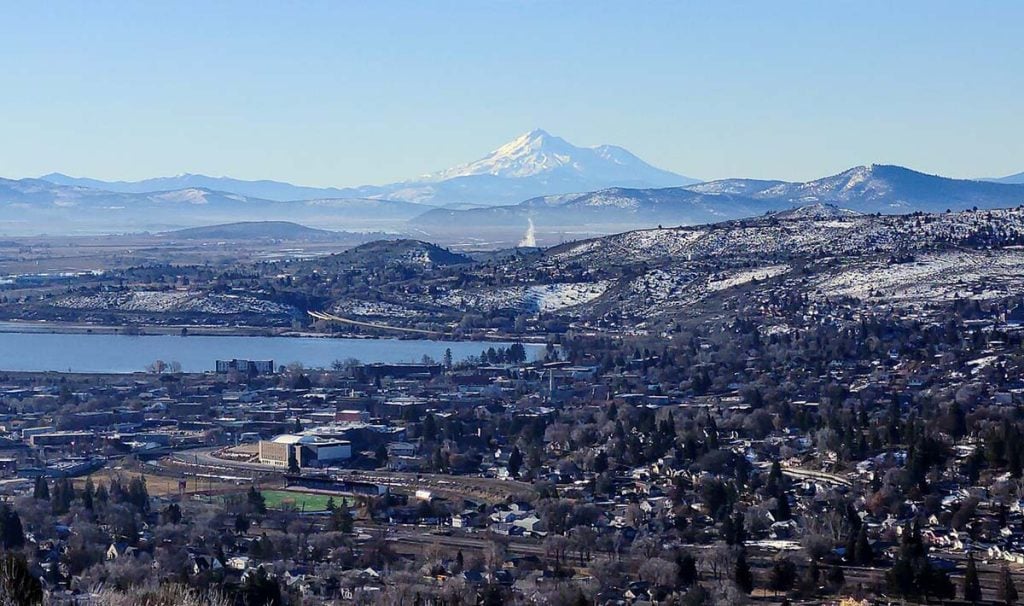
Farther into Lake County, the scenery becomes even more expansive. In 2024, DarkSky International designated the first phase of the Oregon Outback International Dark Sky Sanctuary, protecting an enormous landscape known for exceptionally dark night skies.
Imagine an evening beneath a sky filled with stars, far from the glow of city lights. It’s yet another side of Oregon that deserves a place on more travel itineraries.
The History Here Is Far More Complex Than the Old Gold Rush Stories
Southern Oregon’s history is another reason to explore the region thoughtfully.
Long before the first mining camps, the valleys, rivers, and mountains were home to Indigenous peoples whose relationships with these lands extend back thousands of years. The Takelma, Shasta, Klamath, Modoc, and numerous other peoples have deep connections to different parts of the broader region. Their histories, cultures, and continuing communities are essential to understanding Southern Oregon.
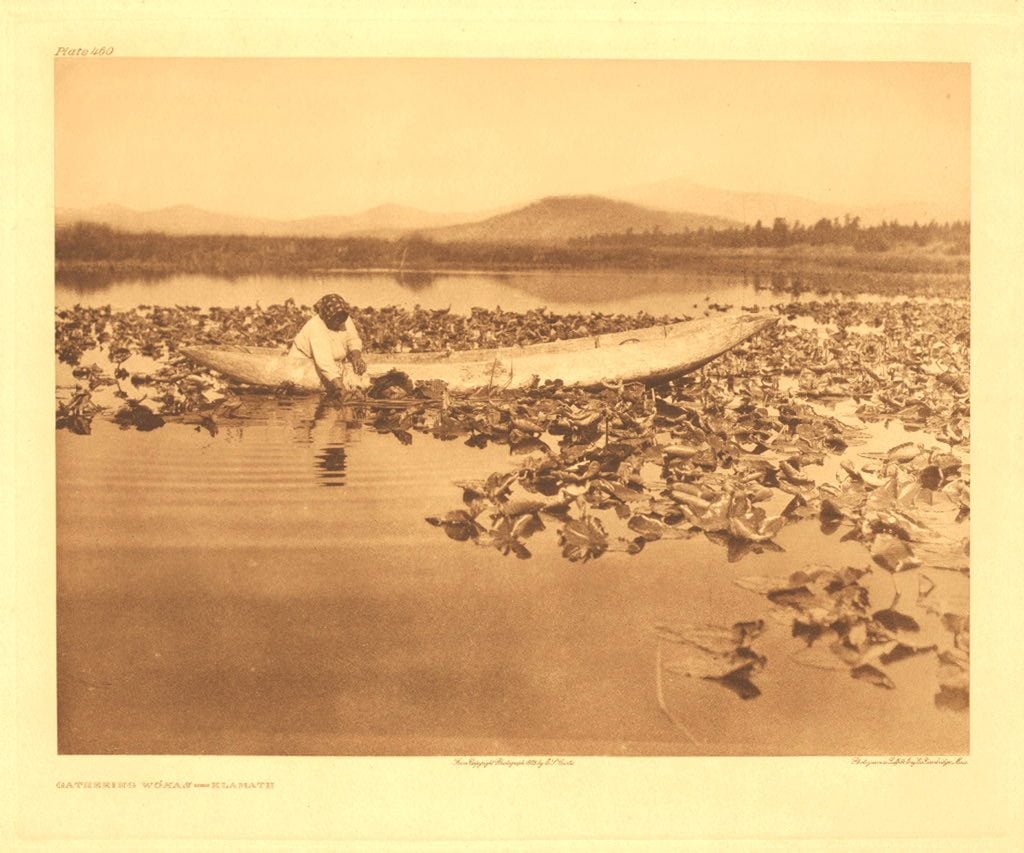
The nineteenth-century gold rush brought dramatic changes, including settlement, displacement, violence, and the growth of new communities. Jacksonville’s historic streets and cemeteries provide a visible window into that period, but the stories extend far beyond the familiar names attached to old buildings.
Chinese immigrants also played an important role in the region’s mining history. According to historian Jeff LaLande’s research published by the Oregon Encyclopedia, Jacksonville had an established Chinatown by the 1870s, and Chinese workers contributed extensively to mining operations and water infrastructure throughout the Applegate and Illinois valleys.
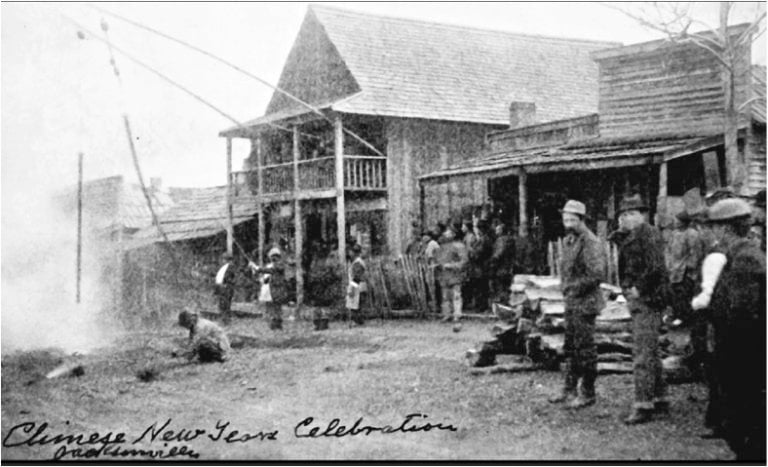
For history lovers, Southern Oregon offers an almost endless supply of stories worth uncovering. Some are inspiring, some are difficult, and many deserve much greater recognition than they currently receive.
And Then There Are the People
Natural beauty might be what first draws you to a destination, but the people often determine how you remember it.
That was certainly part of what made our recent trip so enjoyable.
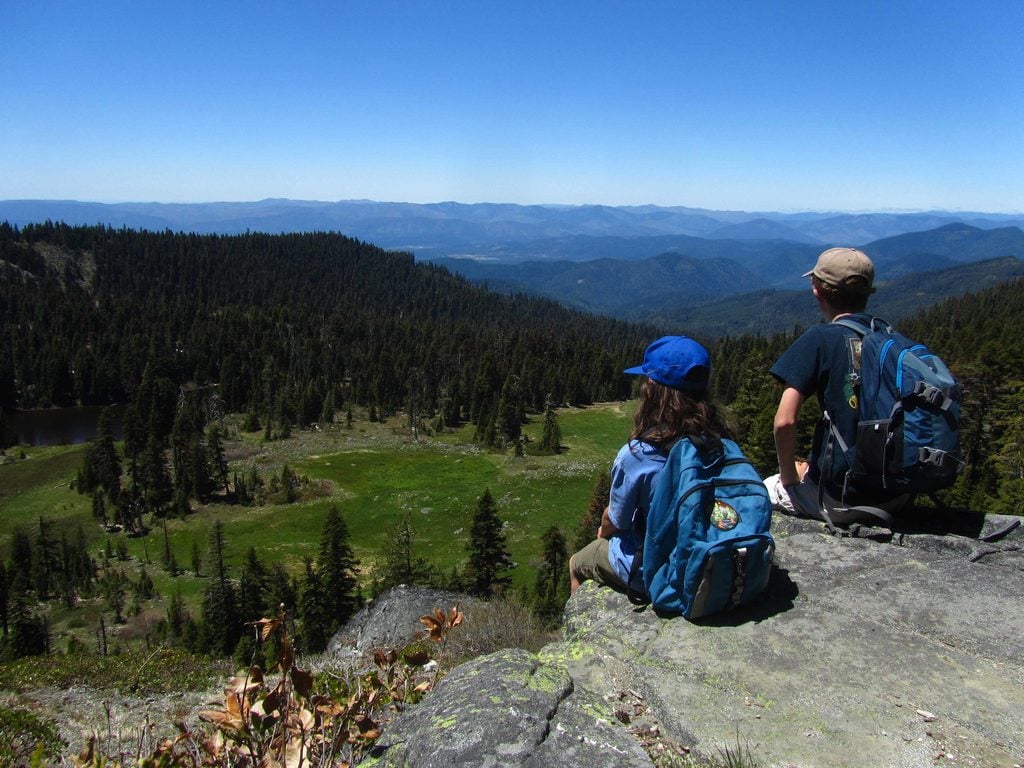
Between the tours, conversations, and time spent exploring Jacksonville and the Applegate Valley, we encountered a warmth and friendliness that stayed with us. People seemed genuinely interested in sharing their community, talking about its history, and helping visitors appreciate what makes the area special.
There’s something refreshing about meeting someone who clearly loves where they live. Their enthusiasm can turn a simple walking tour into a history lesson, a stop at a small business into a memorable conversation, or an ordinary afternoon into the part of a trip you end up talking about afterward.
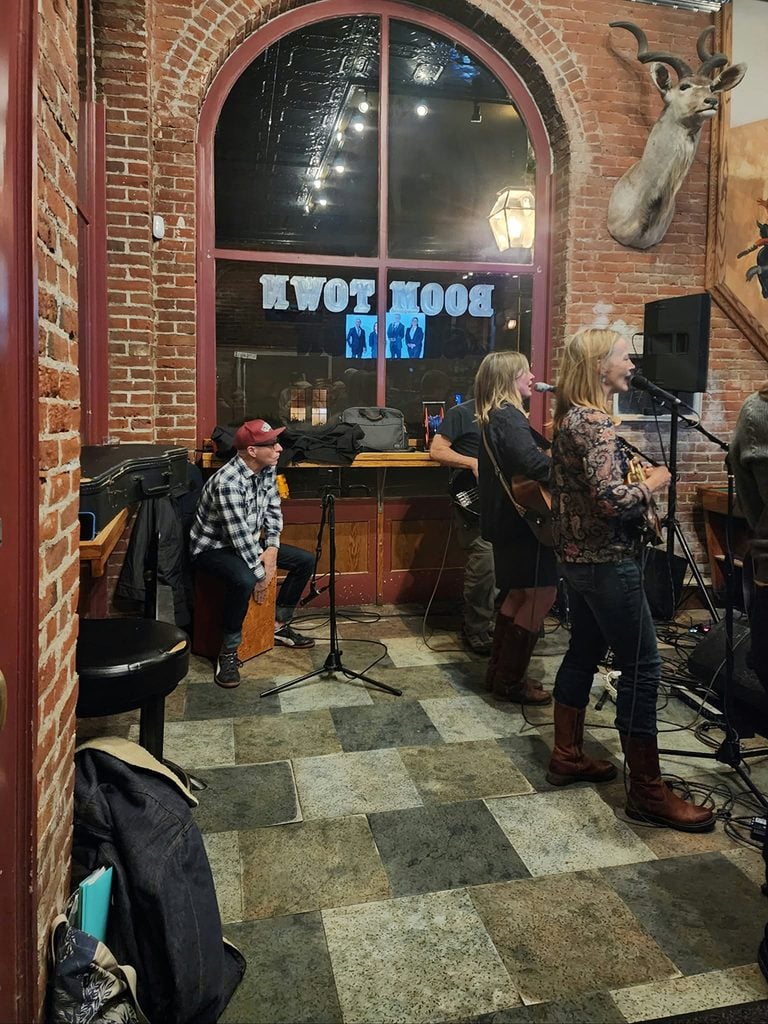
Not every experience in any destination will be the same, of course. But we came home feeling that the communities themselves are every bit as important to Southern Oregon’s appeal as its mountains, rivers, and historic buildings.
It’s the Kind of Place That Rewards Slowing Down
We live in an age when travel is often reduced to checking attractions off a list. Drive to the viewpoint, snap a photo, post it online, and hurry toward the next destination.
Southern Oregon feels particularly well suited to a different approach.
Stay in a historic inn. Spend an afternoon wandering Jacksonville. Take a scenic drive through the Applegate Valley with no particular hurry. Explore a trail, visit a farmstand, browse a bookstore, or enjoy a meal somewhere you’ve never been before.
The region offers different experiences throughout the year. Spring brings fresh green landscapes and wildflowers, summer opens up more mountain recreation and outdoor performances, and fall adds vineyard harvests, colorful foliage, and crisp evenings. Winter can be beautiful too, particularly for travelers interested in quiet small-town escapes or mountain snow activities.
Of course, Southern Oregon requires the same thoughtful planning as anywhere else in the state. Summer heat and wildfire smoke can affect outdoor plans, while winter weather can make higher-elevation destinations difficult or impossible to reach. Checking road conditions, park updates, and seasonal schedules is always a good idea.
But those considerations shouldn’t discourage visitors. They’re simply part of planning a good Oregon adventure.
Maybe It’s Time We Gave Southern Oregon the Attention It Deserves
Our recent trip reminded us of something important: Oregon is far too diverse to keep returning to the same familiar destinations.
We love the Willamette Valley. We love the Oregon Coast, Central Oregon, and the Columbia River Gorge. Every region has its own personality, and that’s part of what makes living in and exploring this state such a privilege.
But Southern Oregon deserves to stand right alongside them.
It has beautiful small towns, remarkable history, incredible rivers, award-winning wine, outstanding outdoor recreation, vibrant arts communities, and some of the most diverse scenery anywhere in the Pacific Northwest. More importantly, it has places and people with stories worth telling.
And that brings us back to the conversation that started all of this.
The person who mentioned that Southern Oregon wasn’t getting enough attention on That Oregon Life was right. While we’ve featured plenty of destinations in this part of the state over the years, there’s much more we want to discover and share.
We’re going to make a greater effort to explore the region, highlight its communities, and tell the stories that make Southern Oregon such a special place. That means more small towns, local restaurants, historic sites, scenic drives, hidden gems, and the people who give this region its character.
Because after our visit to Jacksonville and the Applegate Valley, one thing became abundantly clear.
Southern Oregon isn’t lacking in things worth seeing.
We just need to spend more time showing people why they should go.
Have a favorite place in Southern Oregon that more people should know about? We’d love to hear about it. Tell us about your favorite small towns, restaurants, historic sites, scenic drives, and hidden gems. We’re always looking for our next Oregon adventure.
Explore more destinations and trip ideas in our Southern Oregon travel guide.