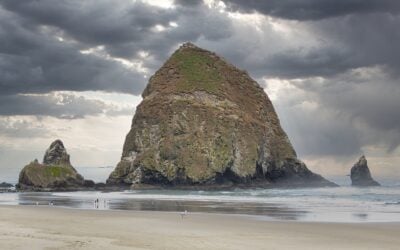

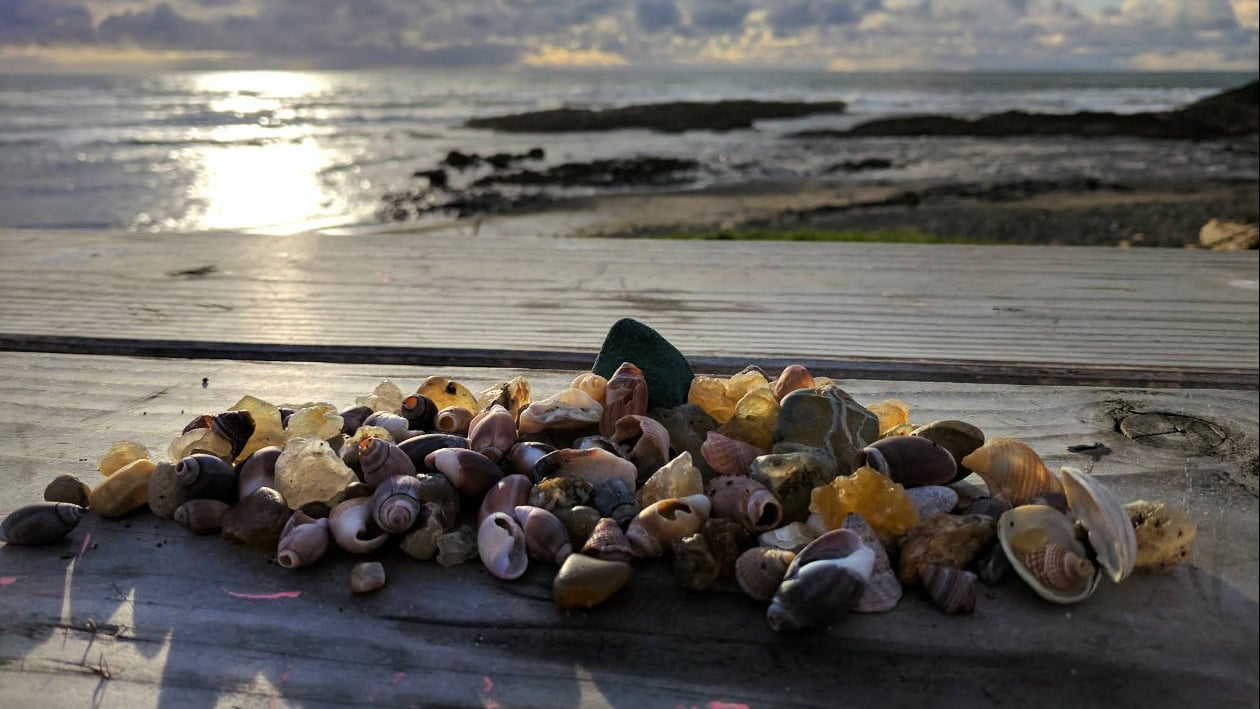
You bring a friend to the Oregon Coast, imagining a casual, relaxing beach walk. Sand in your toes, admiring the waves, lost in deep, meaningful conversation. Except your friend keeps stopping roughly every fifteen seconds. They’re completely distracted, scanning the ground like they’ve lost a contact lens.
If you’ve ever gone beachcombing with someone who loves agates, you know exactly what I’m talking about. A simple afternoon walk can turn into a two-hour expedition, with someone shouting, “Wait, I think I found one!” every five feet. Before long, everybody’s pockets are overflowing with rocks, and you’re wondering how you managed to become so invested in looking at pebbles.
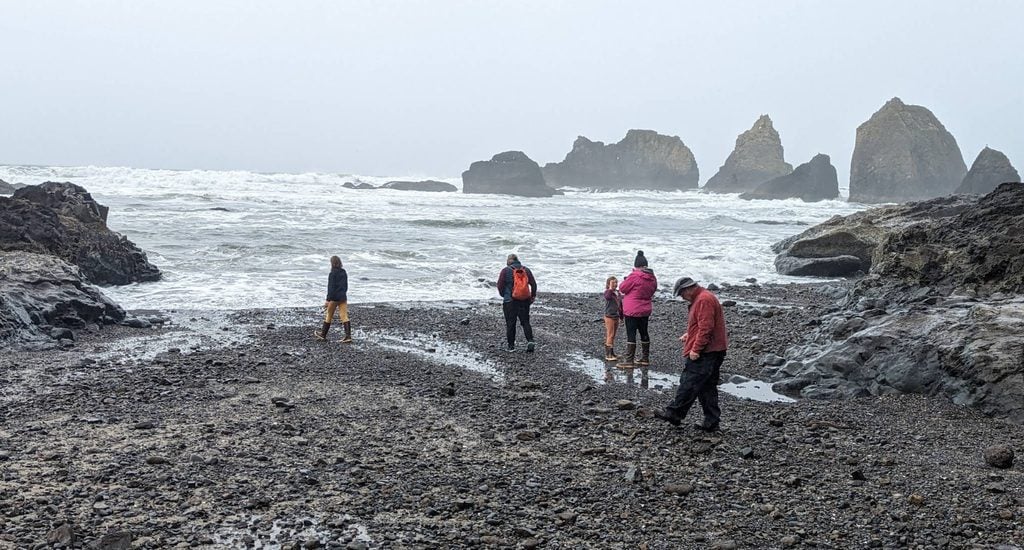
But winter is when the fun really begins.
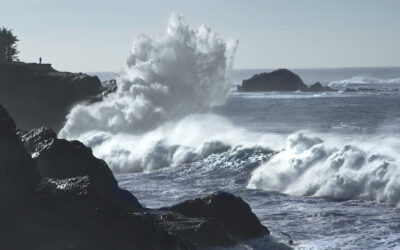
While most people associate the Oregon Coast with summer vacations, sandy beaches, and sunny afternoons, experienced rockhounds look forward to the colder months for an entirely different reason. Those enormous Pacific storms that send waves crashing against the shoreline can also transform the beaches themselves.
Sand gets pulled offshore, gravel beds emerge, and stones that spent months buried beneath the surface suddenly become visible. Among them are agates, colorful jasper, pieces of petrified wood, and occasionally fossils that have survived millions of years of geological change.
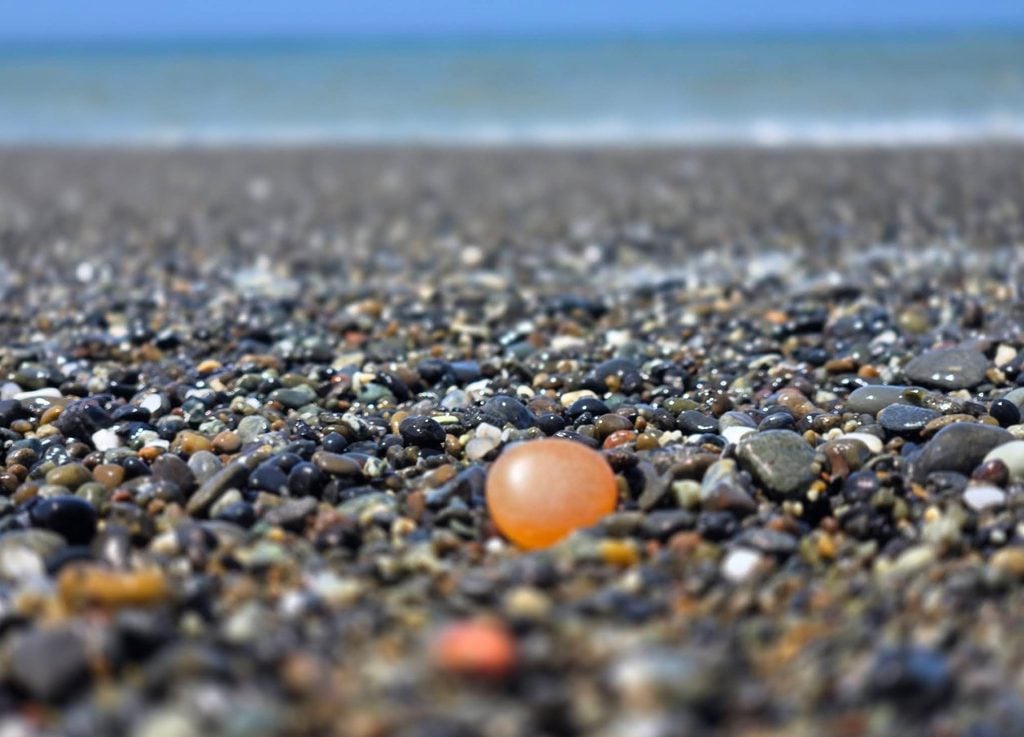
It’s one of my favorite things about Oregon. You don’t need expensive equipment, a guided expedition, or even much experience to enjoy it. Just a little patience, a decent pair of boots, and the willingness to spend an afternoon looking down instead of out.
At a Glance
- Where: Oregon Coast, from Tillamook County to Port Orford
- What you’ll find: Agates, jasper, colorful beach stones, petrified wood, and occasional fossils
- Best season: Late fall through early spring, particularly December through March
- Best conditions: Calm weather after storms, with exposed gravel and a favorable tide
- Good beginner stops: Oceanside, Beverly Beach, Lost Creek, and Tseriadun
- For adventurous beachcombers: Short Beach, Strawberry Hill, and Bob Creek
- What to bring: Waterproof clothing, sturdy shoes, a flashlight, and a small collecting pouch
- Collecting rules: Generally up to one gallon of loose agates and similar material per person per day, three gallons annually, where collecting is permitted
- Safety: Check tides and surf advisories. Avoid cliffs, dangerous waves, and unstable driftwood.
- Plan your trip: That Oregon Life Oregon Coast Guide | Oregon Hiking Guide | Oregon Rockhounding Guide
If you’re thinking about heading west this winter, these 12 beaches are worth adding to your list. They’re arranged roughly from north to south, so you can turn a few stops into a weekend adventure.
Why Winter Is Such a Good Time to Hunt for Agates
The Oregon Coast is constantly changing, even when it doesn’t look that way.
During calmer summer months, sand often accumulates across stretches of shoreline, covering rocks and gravel beneath several inches or even feet of material. When winter arrives, powerful waves and changing currents can move much of that sand back offshore.
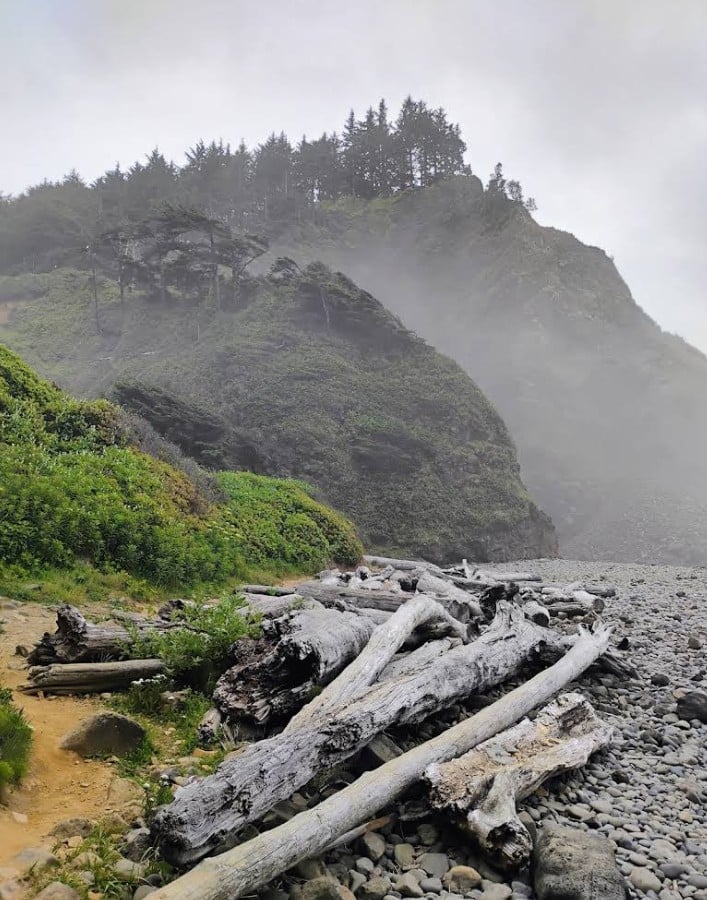
The result can be pretty awesome. A beach that looked almost entirely sandy in August might have enormous patches of exposed gravel by January.
Agates form from silica-rich minerals, often within cavities and fractures in volcanic rock. Over immense periods of time, erosion and moving water release these stones, eventually carrying some of them into rivers and onto beaches.
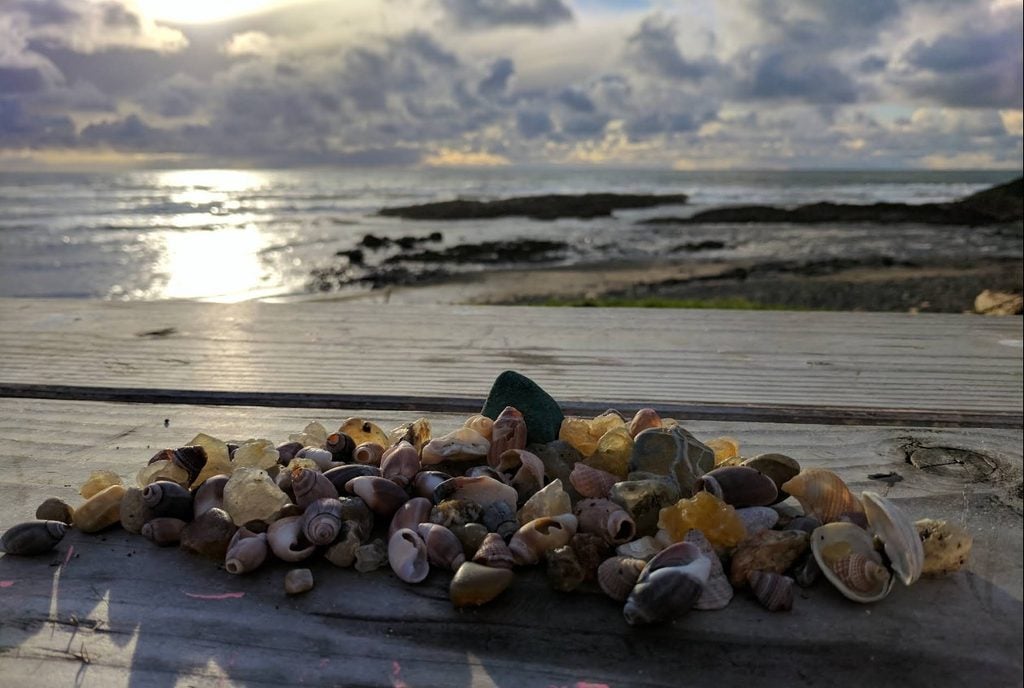
The ocean takes care of the polishing. By the time an agate turns up along the shoreline, years of tumbling through sand, gravel, and surf may have rounded its edges and given it that wonderfully smooth surface collectors love.
Winter doesn’t guarantee you’ll find anything, of course. Some storms uncover incredible stretches of gravel, while others bury them. But that’s part of the appeal: you never know what the next visit will look like.
A Serious Warning: The Pacific Ocean Doesn’t Care How Good Your Photo Looks
Before you grab your boots and head for the beach, there’s something we need to talk about. Every King Tide season, videos circulate of people standing on wave-battered rocks, climbing onto massive driftwood logs, or wandering dangerously close to the surf, apparently oblivious to what the Pacific Ocean is capable of doing.
Please don’t be one of those people.
Oregon’s coastline is breathtaking, but it can also be, and has been deadly. Sneaker waves can surge far beyond the normal waterline with almost no warning, knocking grown adults off their feet and dragging them into freezing water. Those enormous driftwood logs scattered along the beach? A powerful wave can move them like matchsticks. People have been seriously injured or killed when logs roll over them.
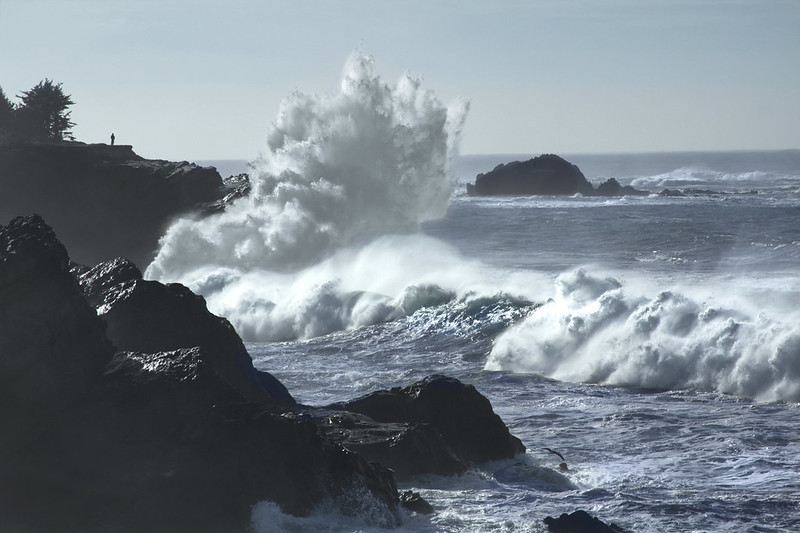
King tides bring exceptionally high water levels, and when they coincide with powerful winter swells, beaches and access routes can become especially dangerous. A stretch of sand that looks completely safe one minute can be overwhelmed by water the next. Rocky coves and narrow beaches are particularly concerning because incoming tides can leave you with nowhere to escape.
Here are some rules worth taking seriously:
- Never turn your back on the ocean, even when the waves appear calm.
- Stay off driftwood logs, jetties, and rocks exposed to crashing surf.
- Never approach the water for a photograph during high-surf conditions.
- Check tide tables, surf forecasts, and National Weather Service advisories before visiting.
- Keep children and pets close, and always know your safest route back to higher ground.
- If a beach is experiencing dangerous surf, stay off it entirely.
And remember, low tide doesn’t automatically mean safe conditions. Sneaker waves and dangerous surf can occur regardless of the tide.
We’ve got 12 beautiful beaches to explore in this article, and winter can be a wonderful time to search for agates. But no rock, photograph, or social media video is worth somebody’s life. Let the storms do their work, wait for calmer conditions, and enjoy what the ocean leaves behind.
For more information, read the Oregon State Parks beach safety guidelines and check the National Weather Service’s sneaker wave safety recommendations before heading out.
1. Short Beach: A Rocky Shoreline With a Waterfall
Location: Near Oceanside and Cape Meares, Tillamook County
Short Beach is one of those places that makes you appreciate how much variety Oregon manages to squeeze into its coastline.
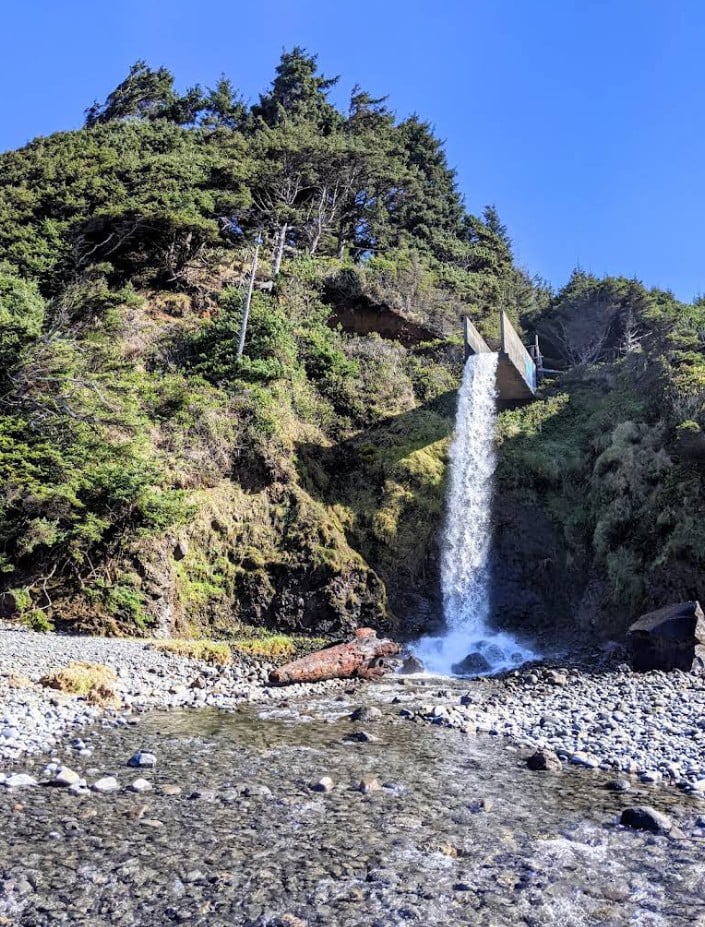
The beach sits below a steep, wooded bluff north of Oceanside. Getting there involves descending a long staircase, but the scenery changes dramatically once you reach the bottom. Instead of a broad stretch of uninterrupted sand, you’ll encounter rounded cobbles, dark rocks, crashing surf, and a waterfall spilling onto the shoreline.
It’s an excellent setting for searching for agates and jasper, particularly when winter conditions have exposed the gravel. Look carefully among the smaller stones, where orange, honey-colored, and translucent pieces can be easier to recognize when they’re wet.
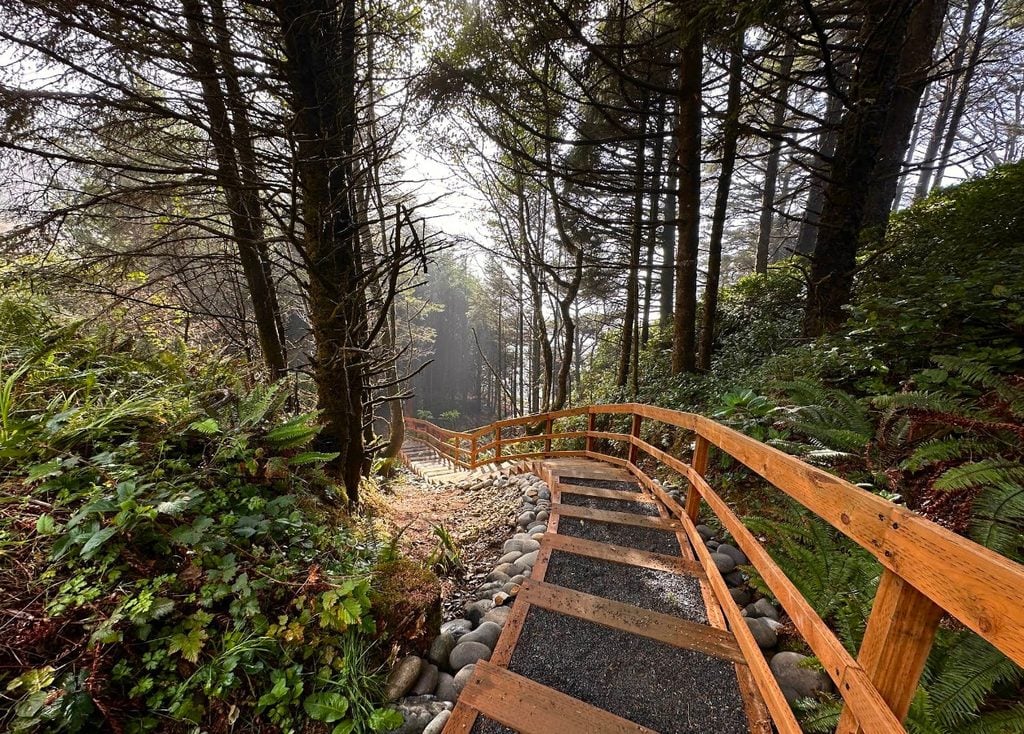
The waterfall adds another reason to visit, although you’ll want to give yourself plenty of time for the climb back up. Those stairs can be slippery during Oregon’s rainy season.
Short Beach is particularly appealing if you enjoy the search itself as much as whatever ends up coming home in your pocket. Just remember that the cove offers limited room to escape incoming surf, so save your visit for a calm-weather window.
2. Oceanside Beach: One of the Coast’s Classic Agate-Hunting Spots
Location: Oceanside, west of Tillamook
If you’ve never explored Oceanside, it’s an excellent excuse to spend some time on the northern Oregon Coast.
The little community sits beneath steep green hills, with a beautiful shoreline overlooking Three Arch Rocks. It’s already a fantastic destination for photography and beach walks, but winter brings something extra for people who enjoy rockhounding.
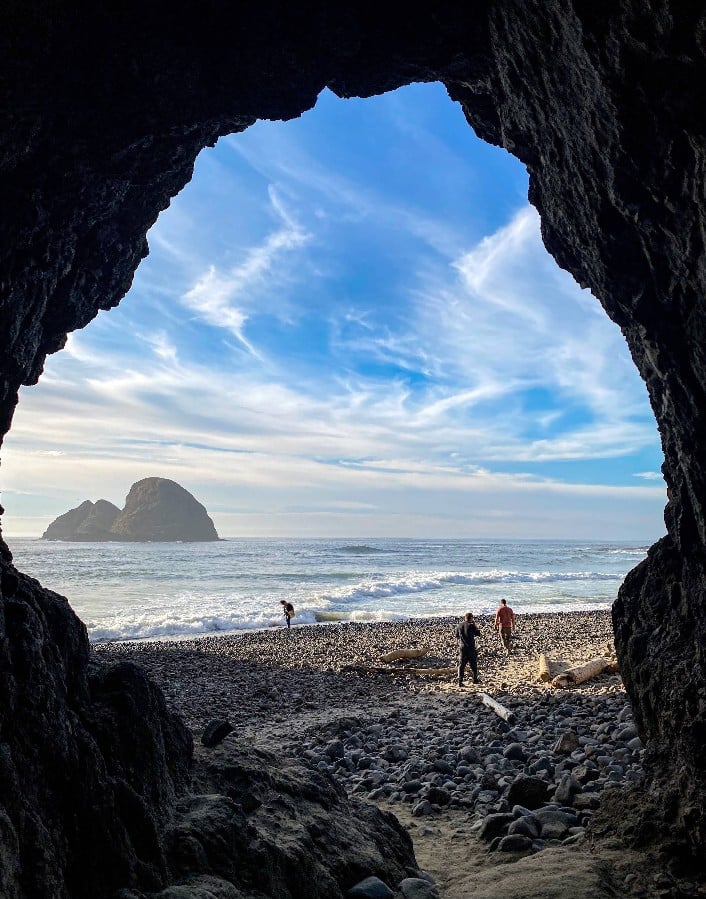
Oregon State Parks specifically identifies Oceanside as a good winter agate-hunting location because seasonal ocean currents can strip sand away and expose the material underneath.
One of the area’s most recognizable features is the tunnel through Maxwell Point, which connects the main beach with Tunnel Beach on the other side. The rockier shoreline can offer interesting places to look when conditions allow, although the tunnel and adjoining beach should never be attempted when heavy surf or rising water could cut off your return.
Even without going through the tunnel, Oceanside gives you plenty to explore. Bring a thermos of coffee, take your time examining exposed gravel, and keep an eye on the ocean.
You can check current park information through Oregon State Parks’ Oceanside Beach page.
3. Gleneden Beach: Miles of Sand With Changing Winter Gravel Beds
Location: South of Lincoln City
Gleneden Beach tends to be a little less celebrated than some of the Oregon Coast’s famous tourist destinations, but that doesn’t make it any less enjoyable.
Here, sandstone bluffs rise above a broad shoreline, and the dark outline of Cascade Head dominates the northern horizon. It’s a gorgeous place for a walk, especially when the crowds thin out and the winter clouds begin moving across the water.
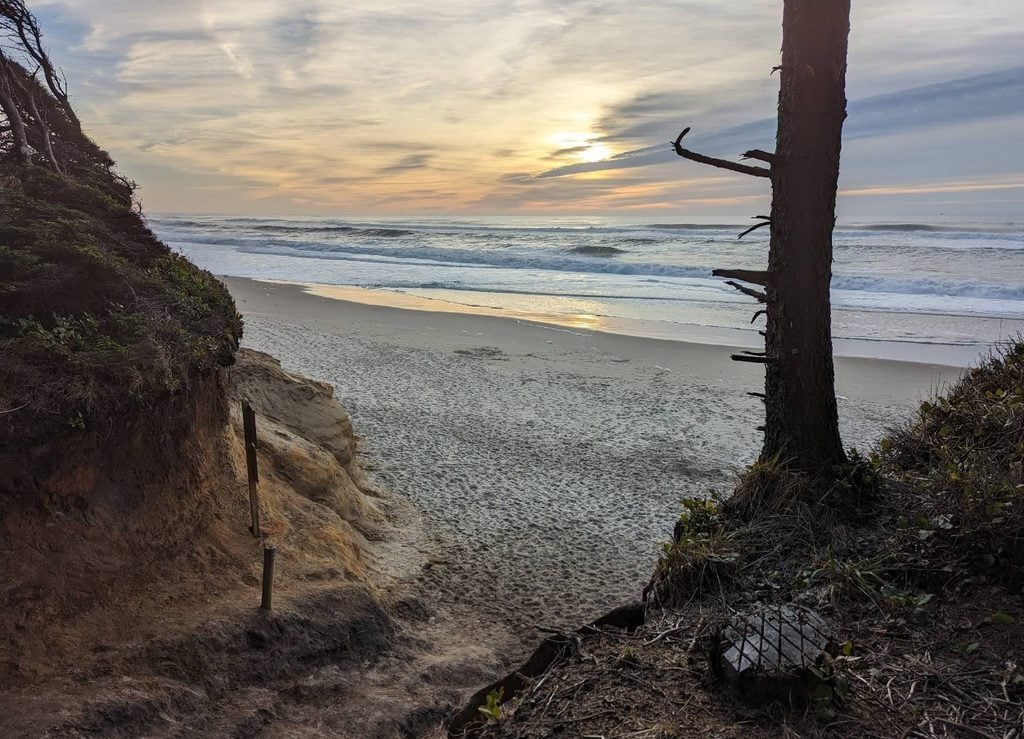
The beach is predominantly sandy, so exposed gravel isn’t guaranteed. But that makes checking after seasonal changes especially interesting. When waves remove sand or rearrange the shoreline, patches of smaller stones can become visible.
Spend some time examining the gravel rather than walking quickly across the open sand. Look for the waxy appearance and partial translucency that can help distinguish agates from ordinary beach rocks.
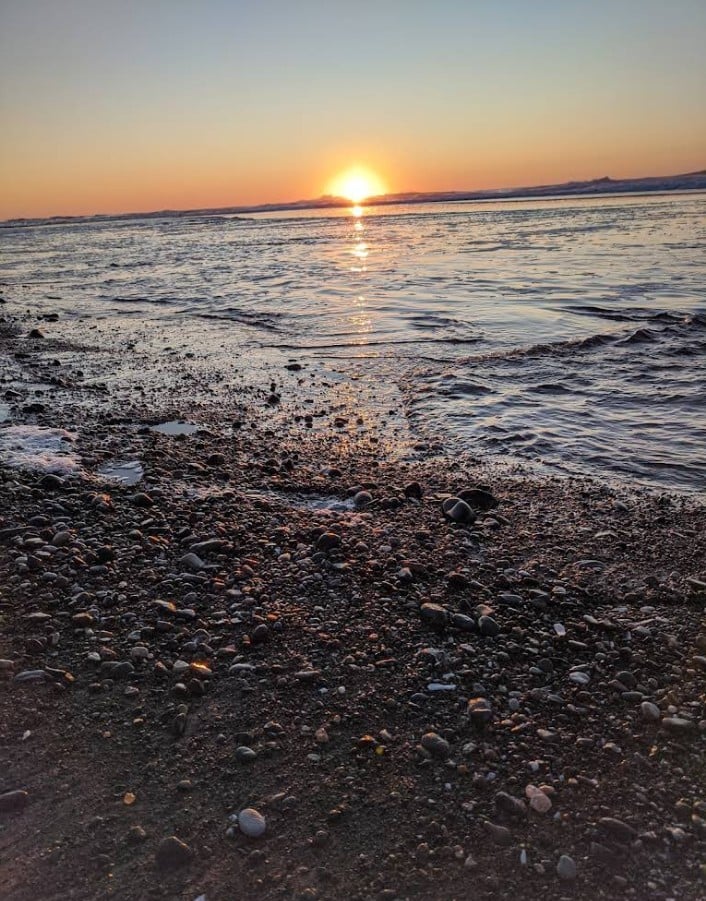
Gleneden Beach State Recreation Site offers convenient public access, making it a practical stop while exploring the Lincoln City area.
One thing to keep in mind is that this stretch of coastline can experience powerful surf. A quiet-looking beach isn’t necessarily a safe beach, particularly during winter.
4. Fogarty Creek: Where the Forest Meets a Rocky Ocean Cove
Location: North of Depoe Bay
Fogarty Creek has an entirely different personality from the long sandy beaches farther north.
A wooded path leads through coastal forest toward a creek that winds its way into a compact, cliff-bordered cove. The combination of moving freshwater, ocean waves, exposed rock, and changing gravel makes this an interesting place to slow down and explore.
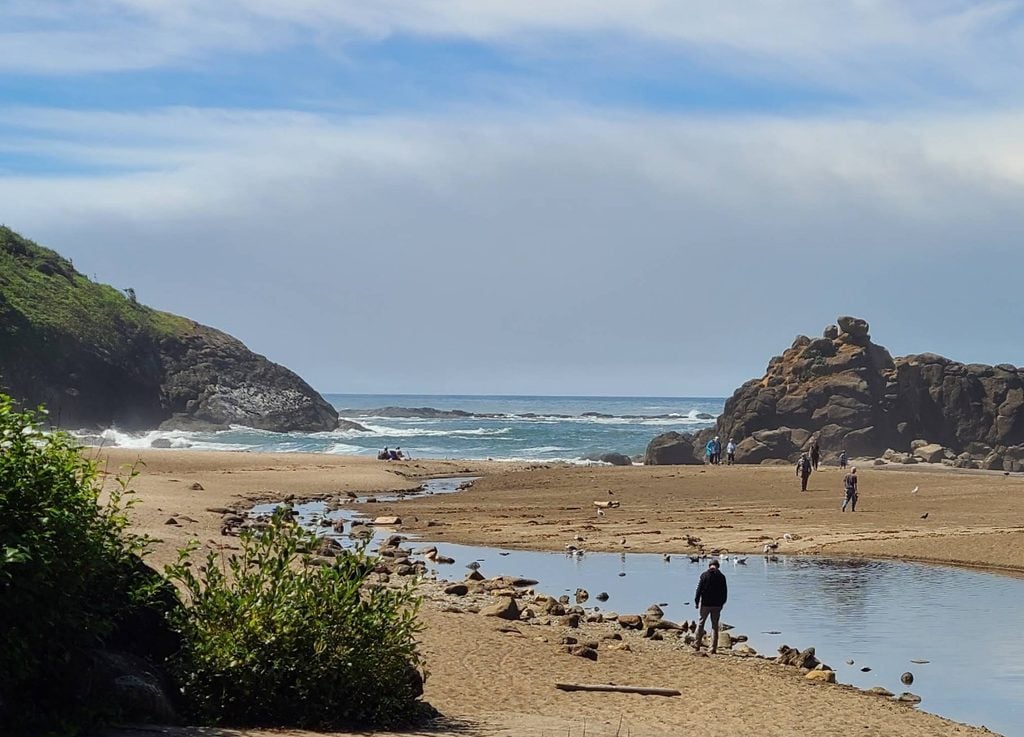
The cove is especially beautiful after a period of rain. Water moves through the creek, waves break against the surrounding rocks, and the forest seems to press right up against the beach.
Rock collectors can examine loose stones in the gravelly areas when conditions permit. The surrounding geological formations are interesting in their own right, but leave anything embedded in the cliffs or bedrock undisturbed.
Fogarty Creek also offers tide pools, birdwatching, wooded paths, and sheltered picnic areas. It’s a good stop for anyone traveling with family members who might not share your enthusiasm for examining every rock on the beach.
Check the official Fogarty Creek park page before visiting.
5. Beverly Beach: Agates, Ancient Marine Fossils, and Long Coastal Walks
Location: North of Newport
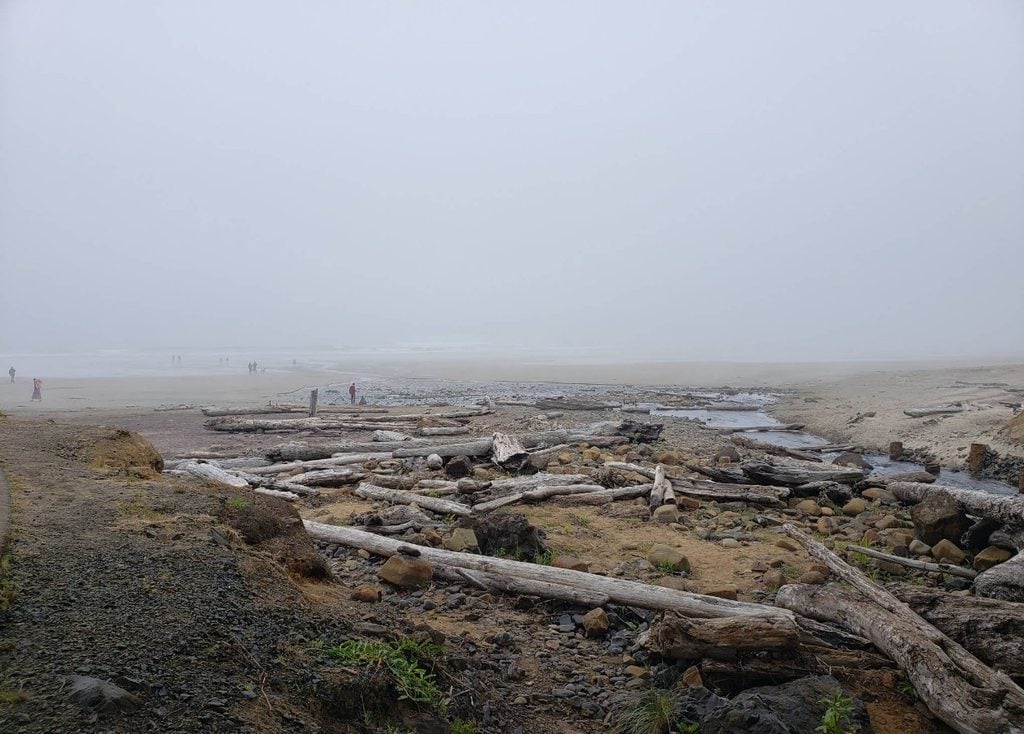
Beverly Beach is one of the central coast’s most familiar destinations, largely because of its popular campground and miles of accessible shoreline.
But there’s more to this beach than camping.
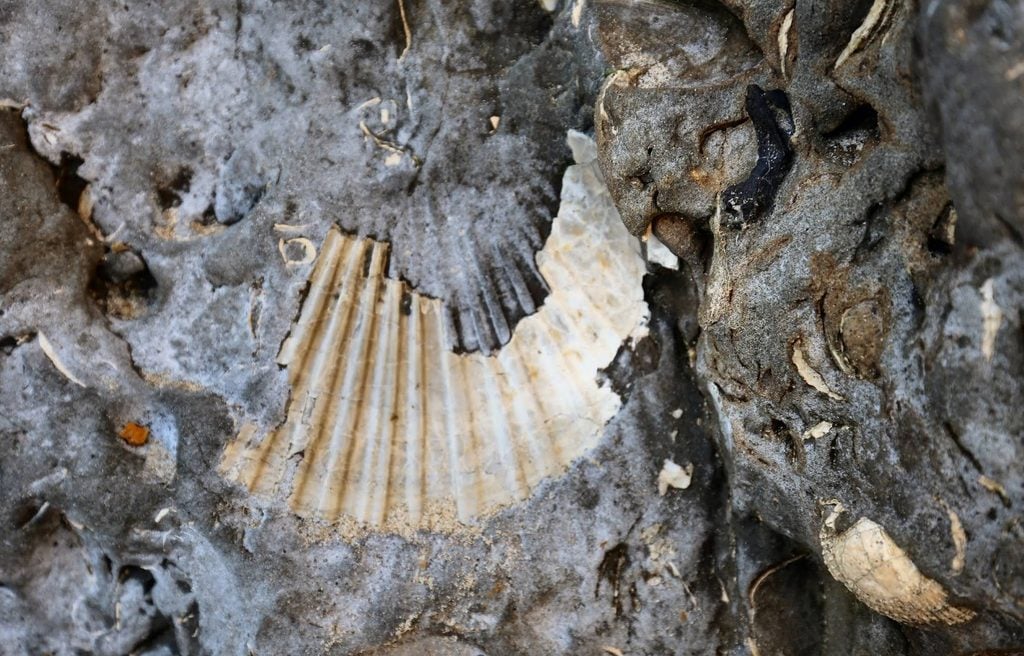
The surrounding coastal geology includes ancient marine sediments, and the beaches around Beverly and nearby Moolack are known for producing interesting geological finds. Agates, petrified wood, and occasional marine invertebrate fossils can appear among material exposed by winter erosion.
That’s a pretty extraordinary thing to consider while walking beside the Pacific. Some of those unassuming stones contain evidence of environments that existed millions of years before any of us arrived.
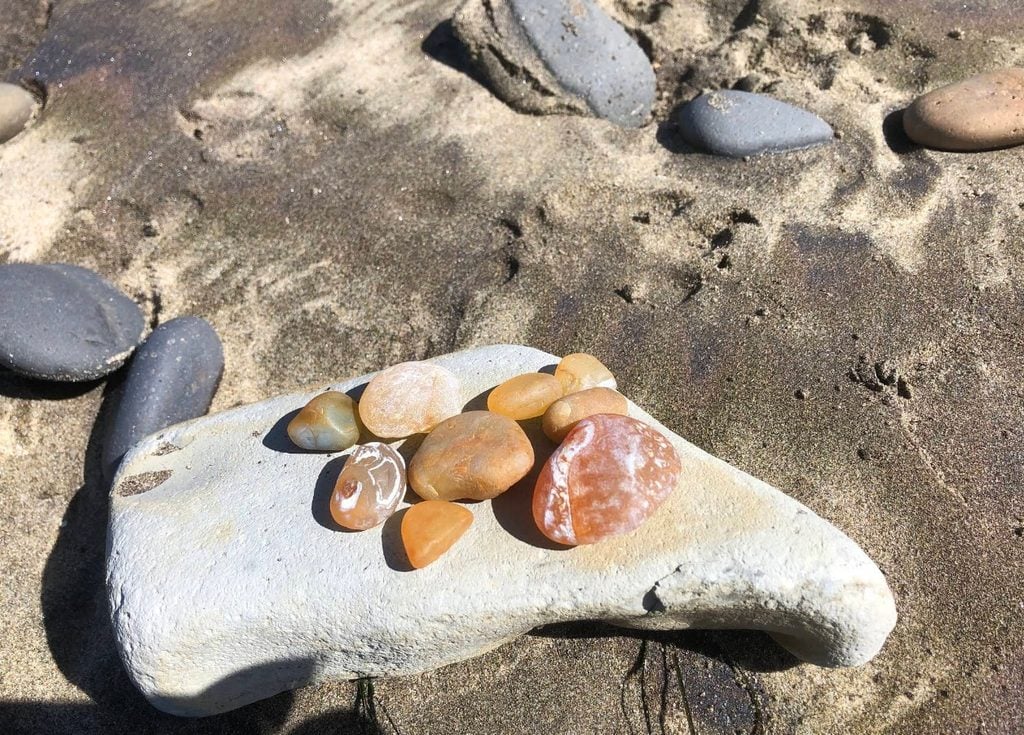
Look for loose material among gravel patches, particularly where winter changes have removed some of the sand. Fossils embedded in cliffs or bedrock must be left alone, and collectors should never dig into unstable bluffs.
Beverly Beach State Park also makes an appealing overnight base for a rockhounding weekend. With Newport and Depoe Bay nearby, you can combine beachcombing with whale watching, seafood, and visits to some of the coast’s best-known attractions.
6. Moolack Beach: A Favorite for Rockhounds and Fossil Enthusiasts
Location: North of Newport, near Beverly Beach
Moolack Beach deserves a place on any central Oregon Coast rockhounding itinerary.
The beach sits beneath sedimentary cliffs and is particularly interesting because of the variety of geological material that can be found along this section of shoreline. In addition to agates and colorful stones, the Newport area has a reputation for marine fossils exposed through coastal erosion.
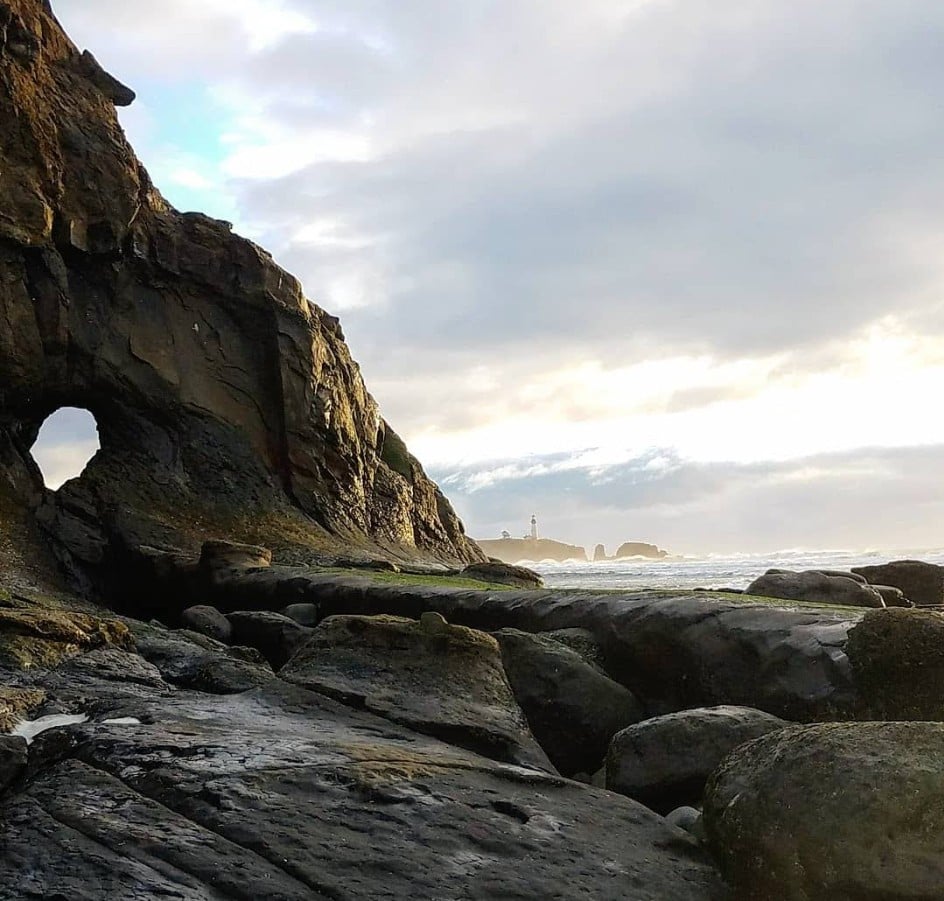
Ancient shell material can occasionally turn up in loose stones along the beach. The cliffs themselves are part of what makes the area so fascinating, but they’re also vulnerable to erosion and landslides.
Winter and early spring can be productive times to explore here. Storms may remove accumulated sand and reveal gravel beds, while quieter days provide a better opportunity to walk and look carefully.
Rather than searching the entire beach at once, concentrate on places where smaller stones have collected. You might find a translucent agate, a colorful piece of jasper, or an unusual stone worth examining more closely at home.
And if you happen to leave with absolutely nothing? You’re still spending the afternoon on one of the most beautiful stretches of the central coast.
Not exactly a terrible consolation prize.
7. Lost Creek Beach: A Better Bet for Agate Hunters Near Newport
Location: Approximately seven miles south of Newport
If you’re serious about finding agates along the central Oregon Coast, Lost Creek deserves a spot on your itinerary.
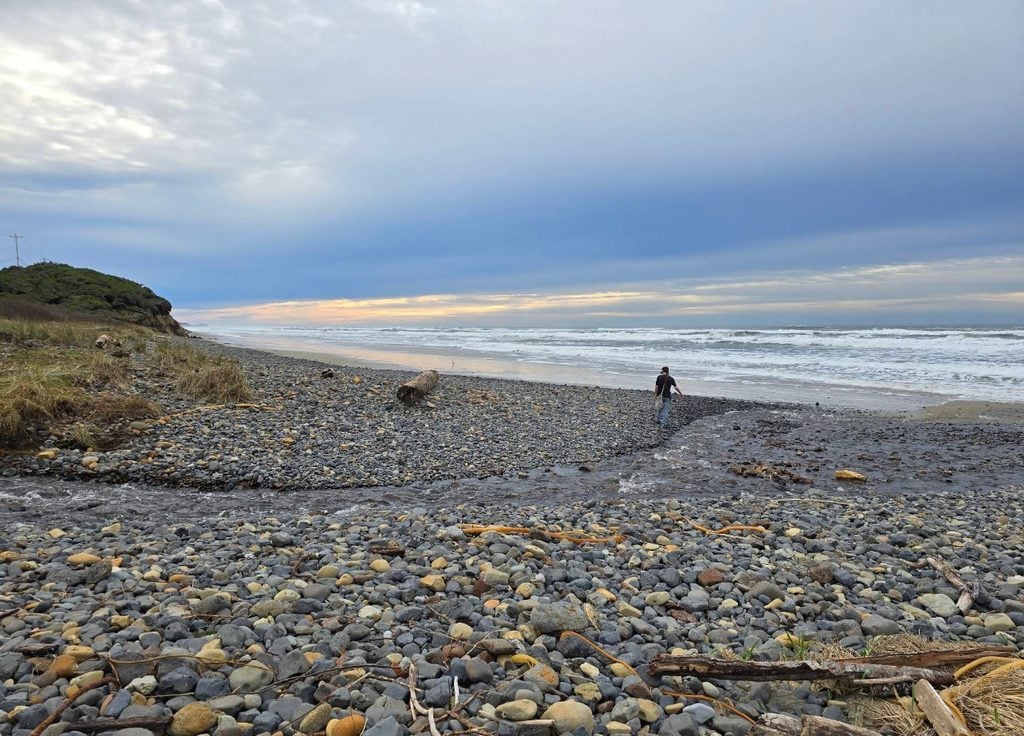
Located just off Highway 101, roughly seven miles south of Newport, Lost Creek State Recreation Site offers something rockhounds particularly appreciate: a shoreline where winter storms can expose stretches of gravel and rounded beach stones.
And unlike some of the more famous sandy beaches around Newport, Lost Creek has earned a reputation among collectors for turning up agates, jasper, and occasional pieces of petrified wood.
The beach gets its name from the creek that flows through the area before reaching the Pacific. As you make your way down from the parking area, you’ll pass through a small coastal landscape that feels removed from the highway only a short distance away.
Once you’re on the sand, keep an eye out for patches of gravel, especially after winter waves have stripped away some of the surrounding sand. Clear, milky, honey-colored, and occasionally grayish agates have all been reported along this stretch of coastline.
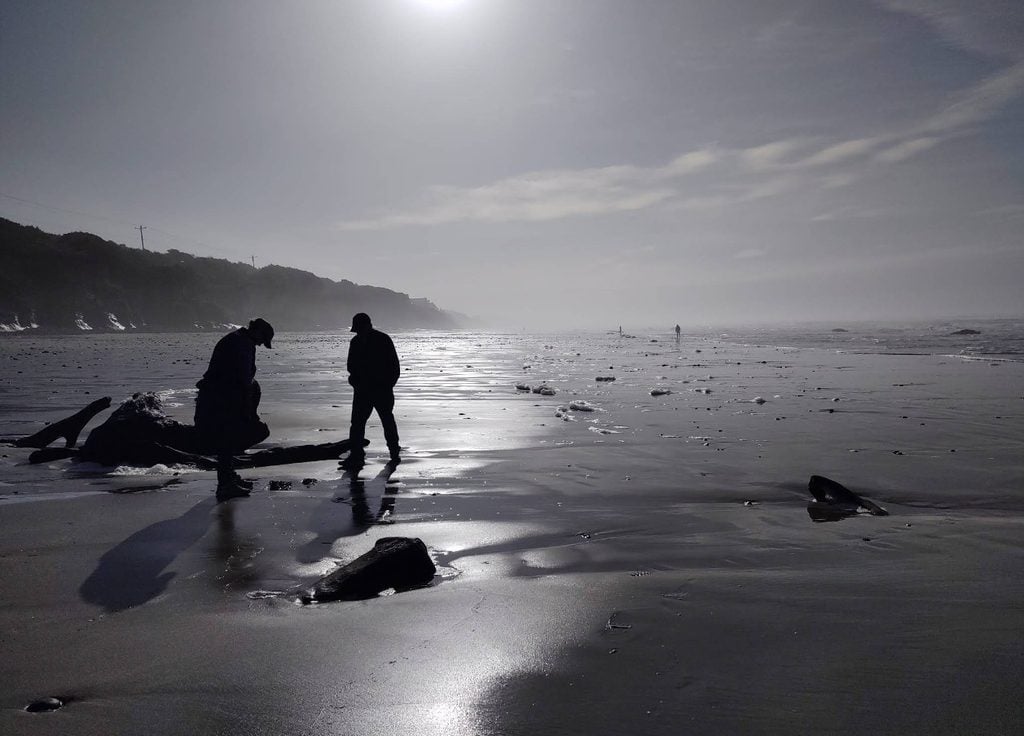
You might also come across red or brown jasper, smooth stones with unusual patterns, and pieces of petrified wood.
One of the nice things about Lost Creek is how easy it is to include on a coastal road trip. There’s a designated parking area, picnic tables, vault toilets, and a path leading to the beach. You don’t need to commit to a long hike before you even begin searching.
Of course, the ocean still decides what you’ll find. Some days the gravel is exposed, and other days it’s buried beneath fresh sand.
But when the winter conditions line up, Lost Creek is a very worthwhile place to spend an afternoon with your eyes on the shoreline.
For access details, visit the official Lost Creek State Recreation Site page.
8. Neptune State Scenic Viewpoint: Several Beaches, One Fantastic Stretch of Coast
Location: South of Yachats along Highway 101
The stretch of Highway 101 south of Yachats is one of my favorite examples of why the Oregon Coast deserves to be explored slowly.
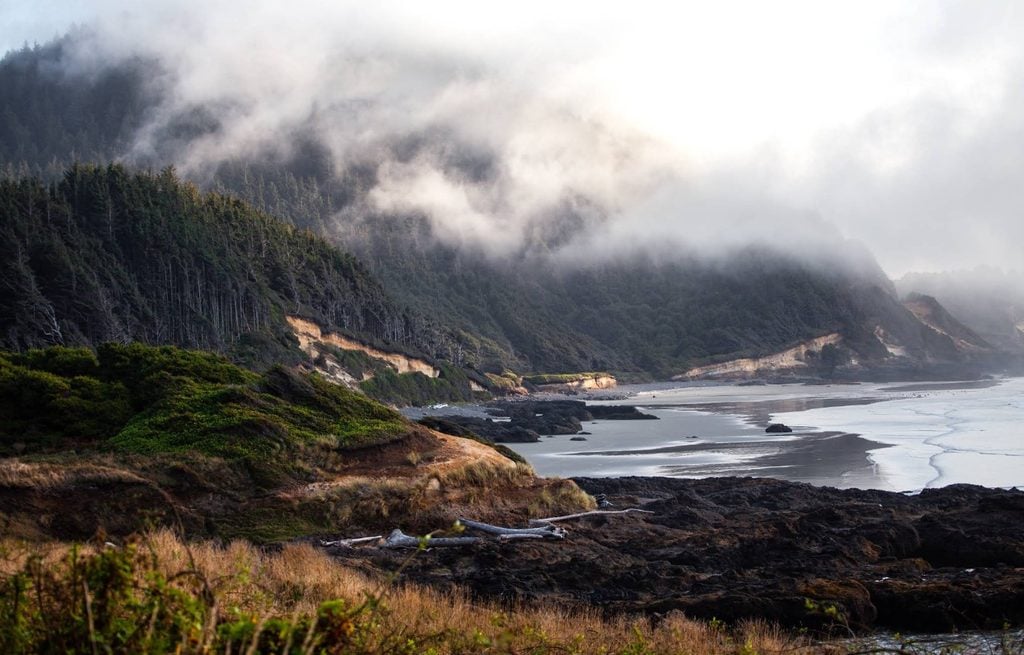
Around practically every bend, there’s another ocean viewpoint, rocky beach, creek, or forested headland begging you to pull over.
Neptune State Scenic Viewpoint includes four separate roadside access areas, each with its own features. The northern sections offer small beaches and dramatic viewpoints, while the area around Cummins Creek is particularly interesting to people searching for agates.
Oregon State Parks specifically mentions the creek as a place worth examining for these colorful stones.
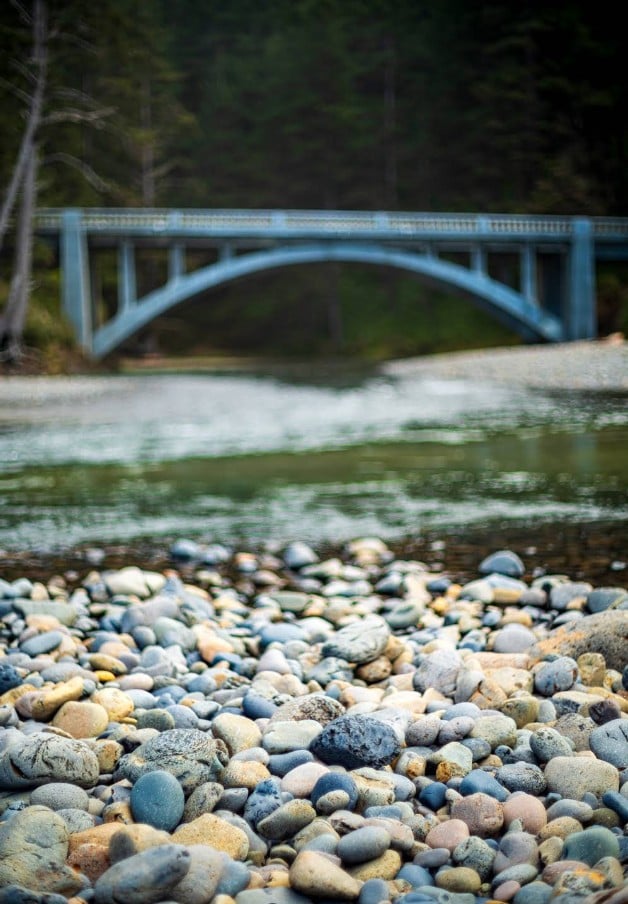
During winter, changing wave conditions can expose gravel throughout this rocky section of coast. It’s also an excellent place for photography, watching wildlife, and simply enjoying the sound of the Pacific pounding against the rocks.
The shoreline here is rugged, and some areas become difficult or impossible to access safely during rough weather. Choose your stopping places based on the day’s conditions rather than trying to explore every cove.
If you’re spending more time around Yachats, our Oregon hiking guide includes additional coastal trails worth considering.
9. Strawberry Hill: A Rocky Beach for Patient Explorers
Location: South of Yachats, within Neptune State Scenic Viewpoint
Strawberry Hill is one of the more interesting stops along this section of Highway 101, especially if you enjoy rugged beaches that demand a little extra attention.
A staircase leads down from the roadside viewpoint toward a shoreline filled with rock formations, tide pools, and stretches of sand and gravel. Offshore rocks are also used by harbor seals, making wildlife viewing another reason to visit.
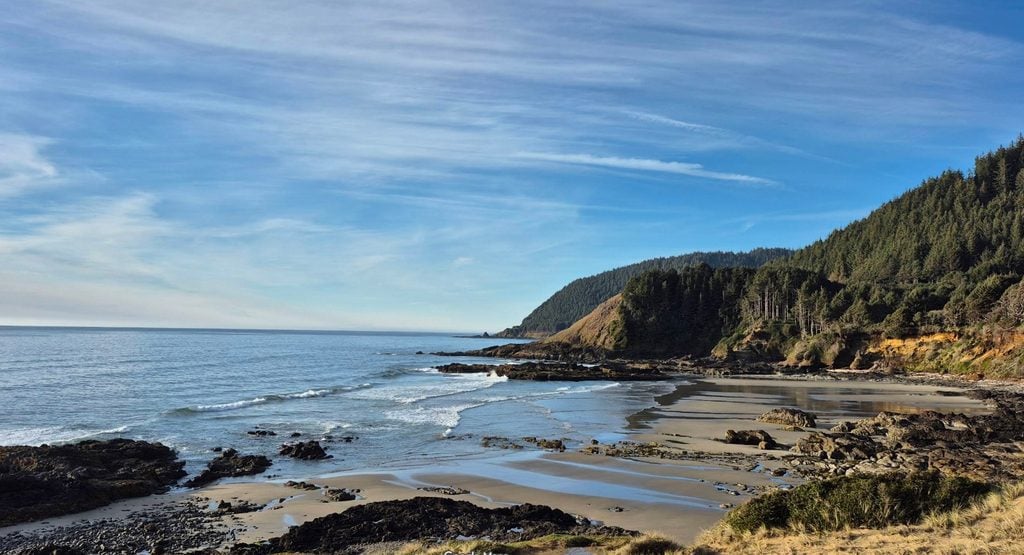
For rockhounds, the appeal comes from the changing shoreline. Winter waves can rearrange loose material, creating opportunities to examine stones that might not have been visible on a previous visit.
Look for interesting colors and textures among the gravel, but avoid disturbing tide pool habitats or removing anything attached to living rock.
Strawberry Hill is better suited to visitors who are comfortable walking on uneven surfaces. Wet rocks are slippery, and waves can arrive with surprising force.
Some days the smartest way to enjoy it is from the viewpoint above. Oregon’s winter surf can put on quite a performance without requiring you to stand anywhere near it.
10. Bob Creek: Agate Hunting Along a Rugged Stretch of Highway 101
Location: Between Yachats and Florence
Bob Creek is another stop within the Neptune State Scenic Viewpoint area, and Oregon State Parks specifically identifies it as a location for beach access and agate hunting.
The shoreline is a mixture of rock, sand, and gravel, with the creek adding another element to an already interesting coastal landscape. When winter waves shift the sand, newly exposed stones can provide good opportunities for people willing to search carefully.
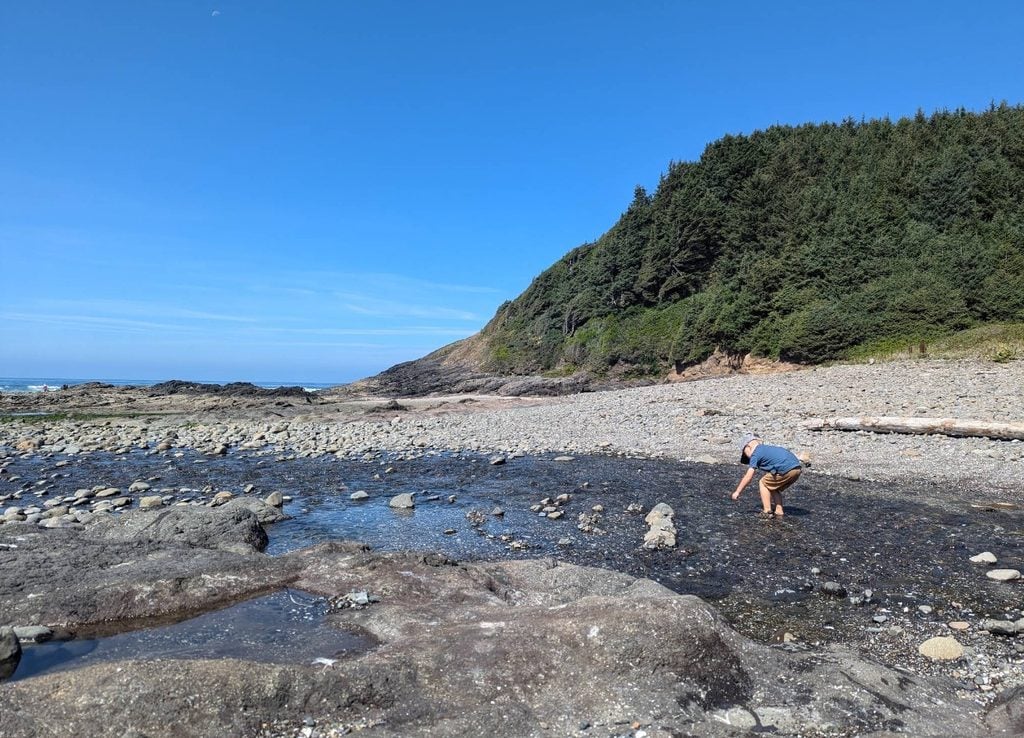
The surrounding coastline is also known for its tide pools and marine life. On a favorable low-tide visit, there’s plenty to observe even if your agate collection doesn’t grow.
Bob Creek is best approached as a place to explore slowly rather than somewhere you expect to fill a bag in twenty minutes.
Be especially cautious around the rocky edges of the beach. Tide pools are fascinating, but a good photo or an interesting rock is never worth getting trapped by incoming surf.
This is exactly the sort of stop that can turn a Highway 101 drive into something you’ll remember long after the trip.
11. Stonefield Beach: An Easy Roadside Stop With a Wild Winter Personality
Location: Near Tenmile Creek, between Yachats and Florence
Stonefield Beach has a n amazingly appropriate name for somewhere you might spend an afternoon examining rocks.
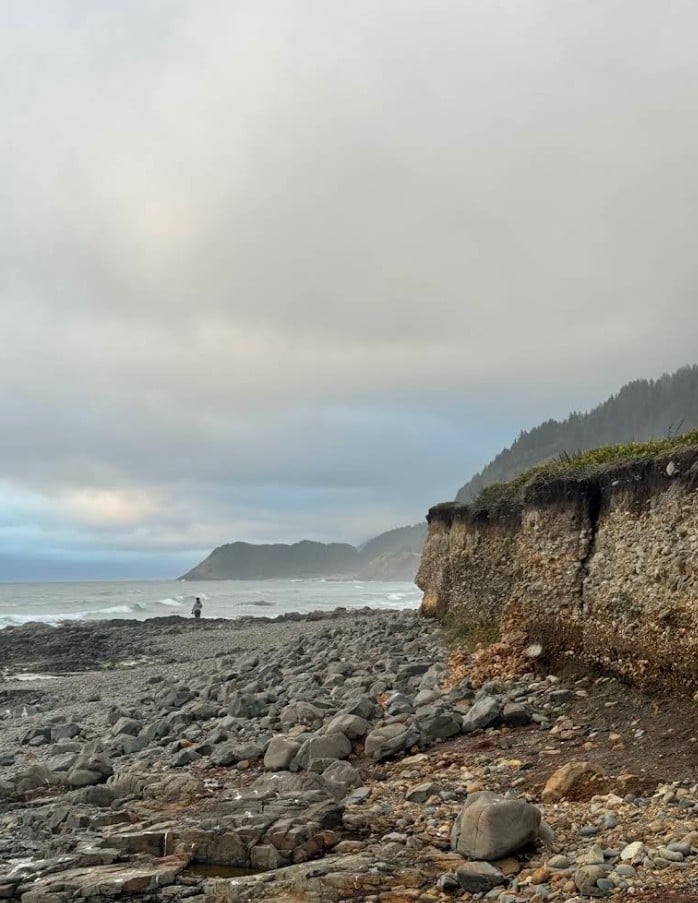
Located along Highway 101, the state recreation site offers relatively straightforward beach access near Tenmile Creek. It’s also a beautiful stretch of coastline for watching the ocean and looking for passing whales.
Beachcombers can examine loose gravel when winter conditions reveal it, with creek-influenced areas offering another place to look for interesting material.
But there’s a really good reason to check conditions before heading here.
Oregon State Parks warns that during storms and high-tide events, waves can reach the parking area itself, depositing sand and debris. The lot may temporarily close until crews can clear it.
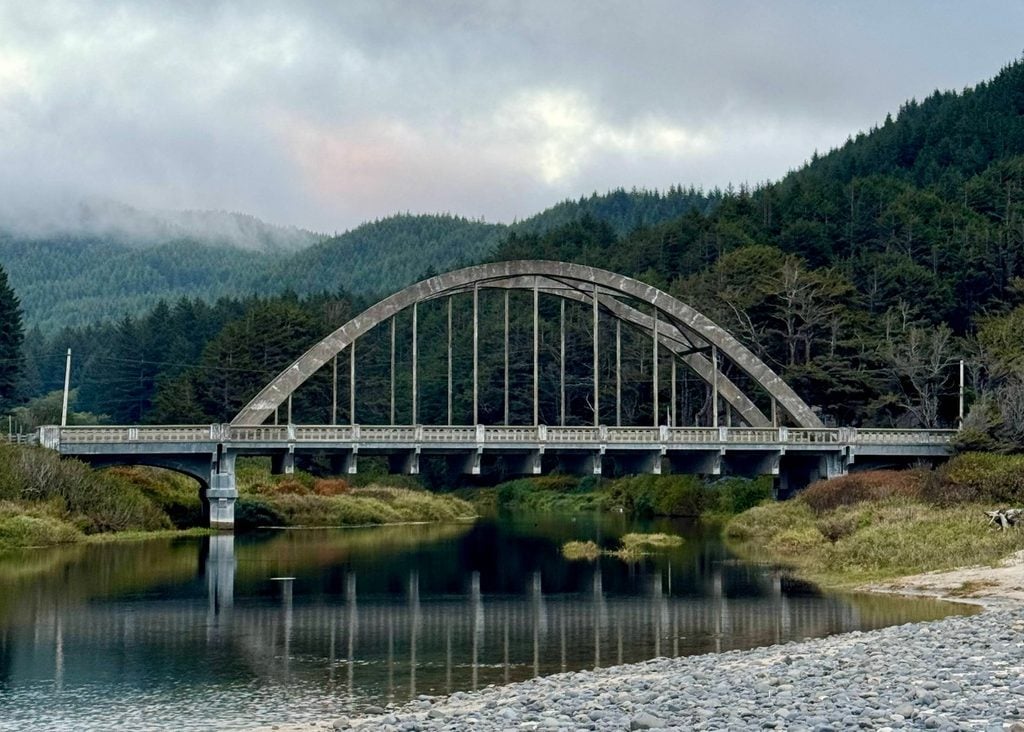
That’s a serious reminder of just how dramatically winter can reshape this coastline.
Wait until the weather settles, make sure access is available, and give yourself enough time to enjoy the scenery rather than concentrating entirely on what you might find.
You can verify access through the Stonefield Beach State Recreation Site page.
12. Tseriadun State Recreation Site: Port Orford’s Other Agate Beach
Location: Port Orford, Southern Oregon Coast
If you make it all the way down to Port Orford, there’s another Agate Beach that deserves some attention.
Tseriadun State Recreation Site, pronounced serry-AH-dun, sits near Garrison Lake and offers access to a long stretch of southern Oregon shoreline.
The beach is so well associated with agate collecting that the local community also calls it Agate Beach.
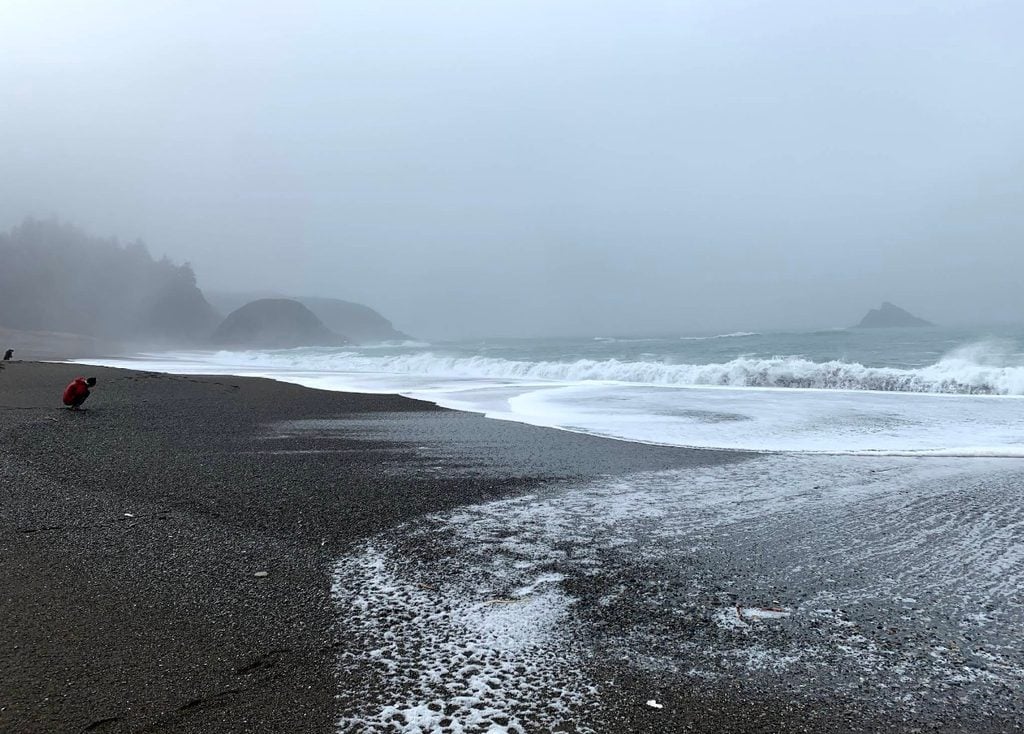
It’s an appealing destination for anyone who enjoys the South Coast’s wilder scenery. Offshore rocks and distant headlands give the shoreline a very different feeling from the beaches around Lincoln City and Newport.
Winter storms can change the distribution of sand and gravel here, just as they do farther north. Keep an eye out for translucent stones, interesting colors, and the occasional piece of jasper among the loose material.
It’s also worth making time to explore Port Orford itself. The town has a distinctive maritime character, beautiful coastal scenery, and plenty of reasons to linger beyond the beach.
For a longer trip, use our Oregon Coast guide to connect Port Orford with other destinations along the southern shoreline.
How to Recognize an Agate When You Find One
Here’s the funny thing about agate hunting: once you’ve learned what you’re looking for, you’ll never walk across a gravel beach quite the same way again.
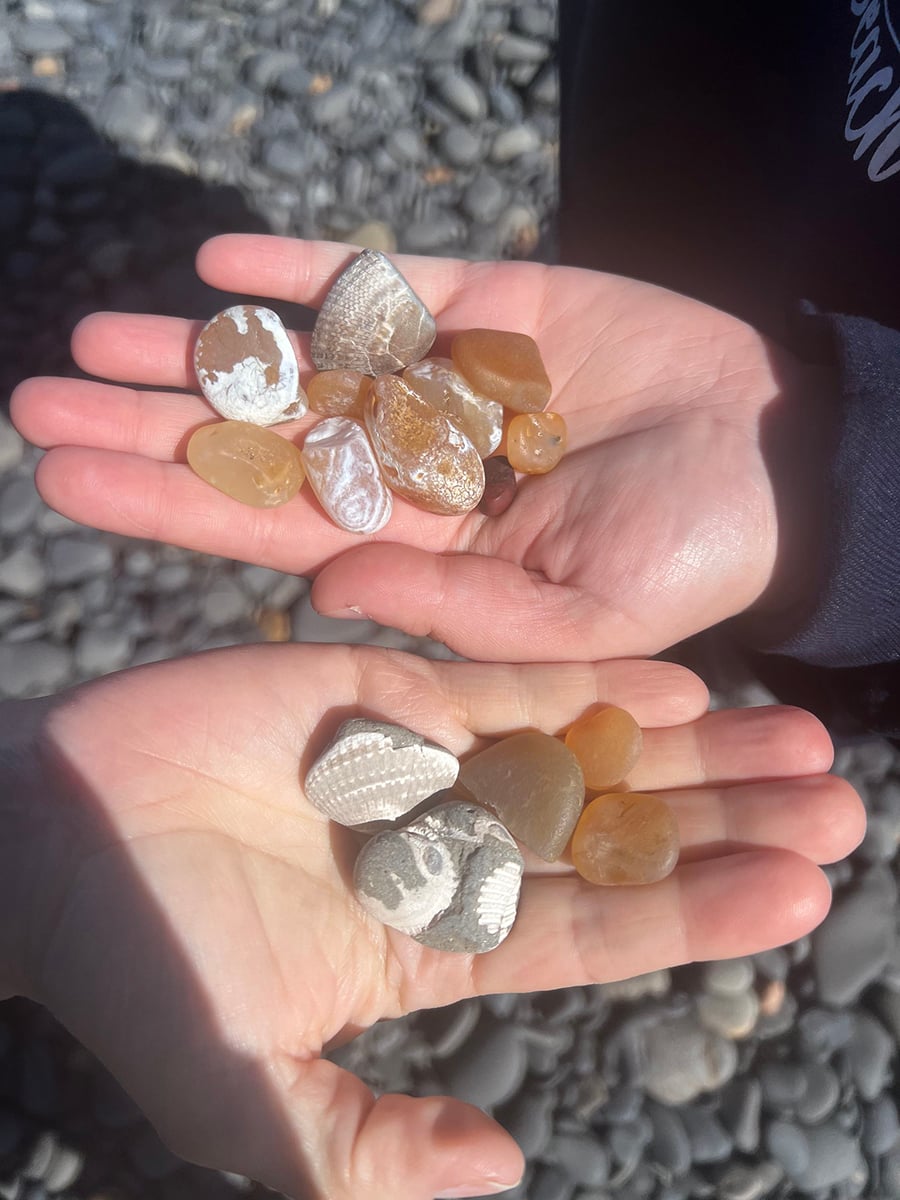
Agates are a form of chalcedony, a variety of quartz, and they can appear in a surprising range of colors. Orange, yellow, reddish-brown, white, and nearly clear examples are among the possibilities along Oregon’s coastline.
Many have a waxy appearance, even before polishing. Others reveal delicate bands or patterns, although not every agate has obvious stripes.
One of the simplest ways to examine a promising stone is to hold it toward a bright light. Thin portions of an agate may allow light to pass through, producing a warm, glowing appearance.
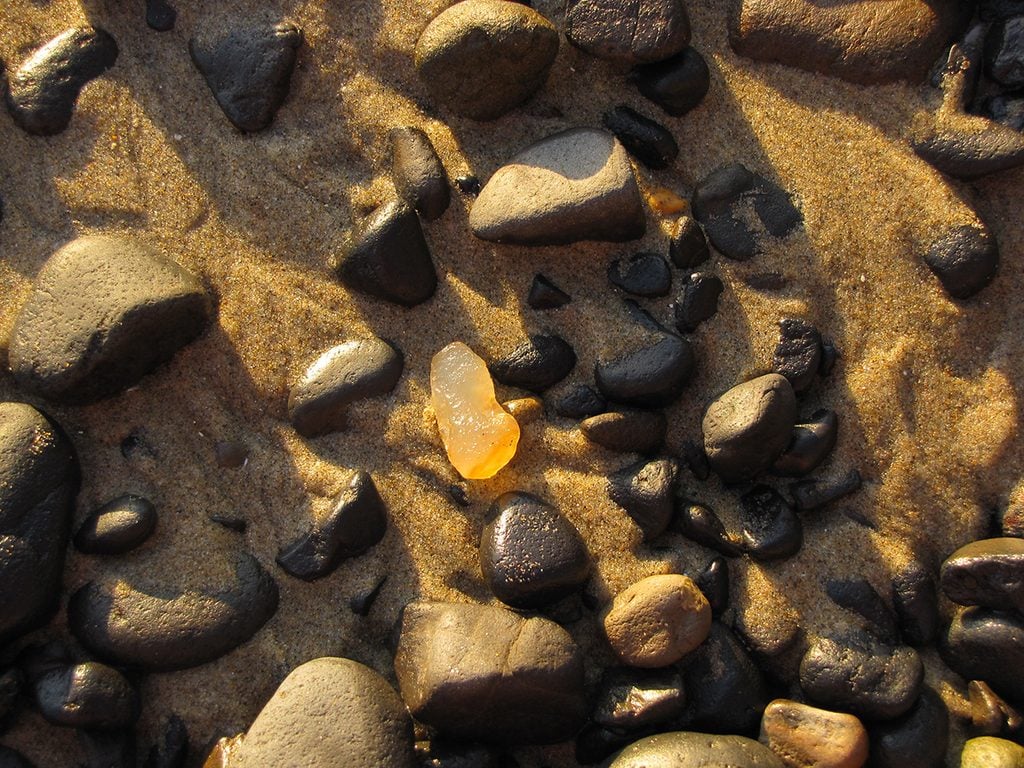
Jasper is closely related to chalcedony but is typically opaque. It can be red, yellow, brown, green, or a mixture of colors, and it often takes on a beautiful polish.
You don’t have to become a geology expert to enjoy either one. Half the entertainment is bringing home something unusual and figuring out what you’ve found.
The Best Time to Search Oregon Beaches for Agates
Late fall through early spring is generally the most interesting period for winter beachcombing, particularly from December through March when changing wave conditions can expose gravel beds.
But the calendar only tells part of the story.
A major storm may remove sand from one beach while depositing it on another. That’s why checking the beach conditions, tide predictions, and surf forecast matters more than picking a particular date and assuming you’ll find something.
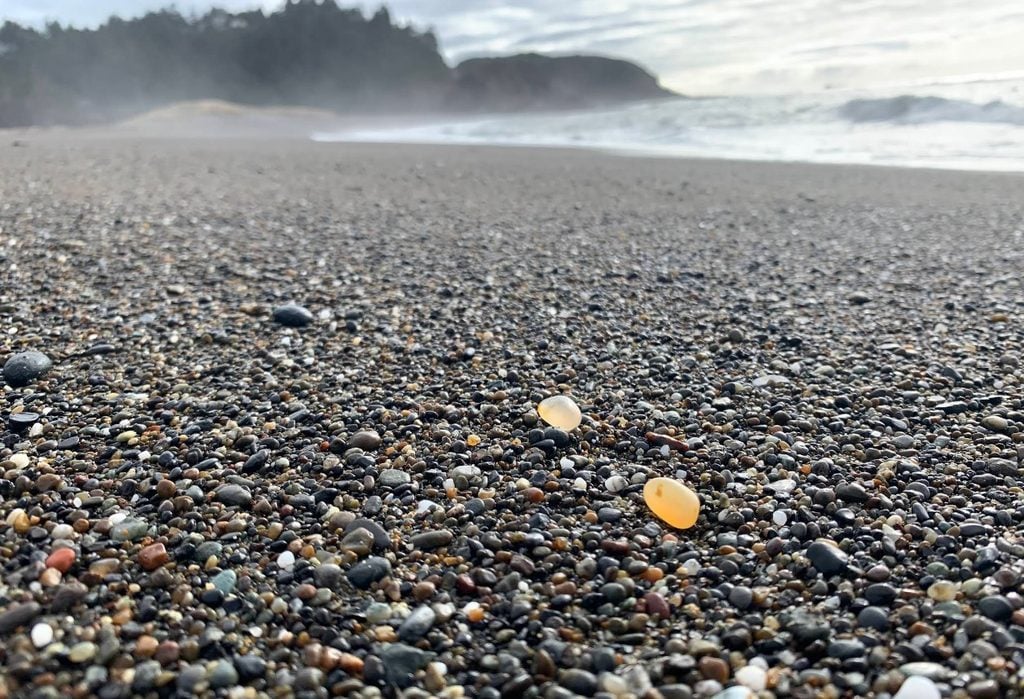
The ideal outing is often during a calm period after rough weather has passed, when exposed gravel is accessible and the ocean has settled.
Low tide can make additional shoreline visible, although a low tide doesn’t automatically mean the surf is safe. Large swells and sneaker waves can remain dangerous even when the water appears to have retreated.
Bring a warm waterproof jacket, sturdy boots, a small bag, and perhaps a flashlight for examining stones in darker conditions. A small container is plenty for keeping a few favorite finds.
Most importantly, don’t get so absorbed in looking at your feet that you forget the Pacific Ocean is right beside you.
Check NOAA’s tide predictions and the National Weather Service’s sneaker-wave safety guidance before leaving home.
Can You Legally Take Agates From Oregon Beaches?
Generally, yes. Oregon allows small quantities of loose agates, stones, shells, and certain other nonliving natural materials to be collected for personal, noncommercial use along the ocean shore, subject to restrictions.
Under Oregon Administrative Rule 736-021-0090, the general limit for agates and similar loose items is one gallon per person per day, with a maximum of three gallons per person per calendar year. Individual beaches and protected areas can have additional restrictions.
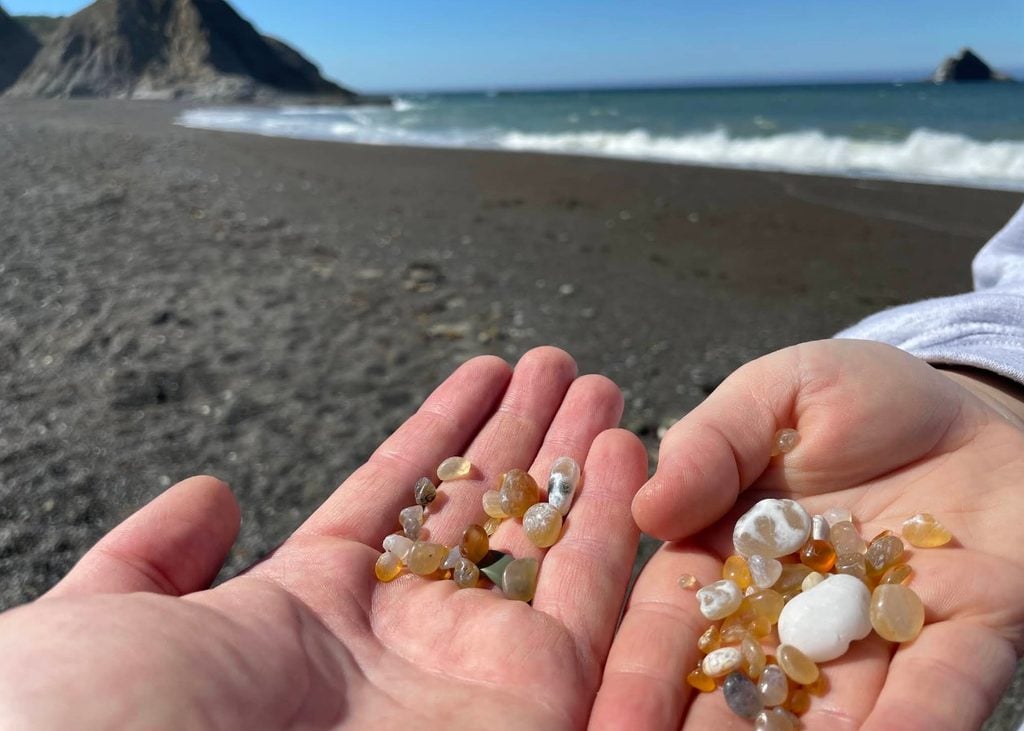
The rules don’t give anyone permission to dig into cliffs, damage geological formations, disturb tide pool habitats, or remove archaeological objects. Some fossil collecting is allowed, but only where the applicable rules permit it.
And remember that some state recreation sites now require day-use parking permits, including several popular stops along this list. Check the current park page before traveling, especially during winter when facilities and access can change.
You can read the Oregon State Parks statewide visitor information for more information.
A Winter Beach Walk You Might Remember for Years
One of the things I love most about Oregon is how easily an ordinary afternoon can turn into a little adventure.
You can leave home with no particular destination beyond the ocean, stop at a beach you’ve driven past a hundred times, and discover that the winter storms have completely changed what it looks like.
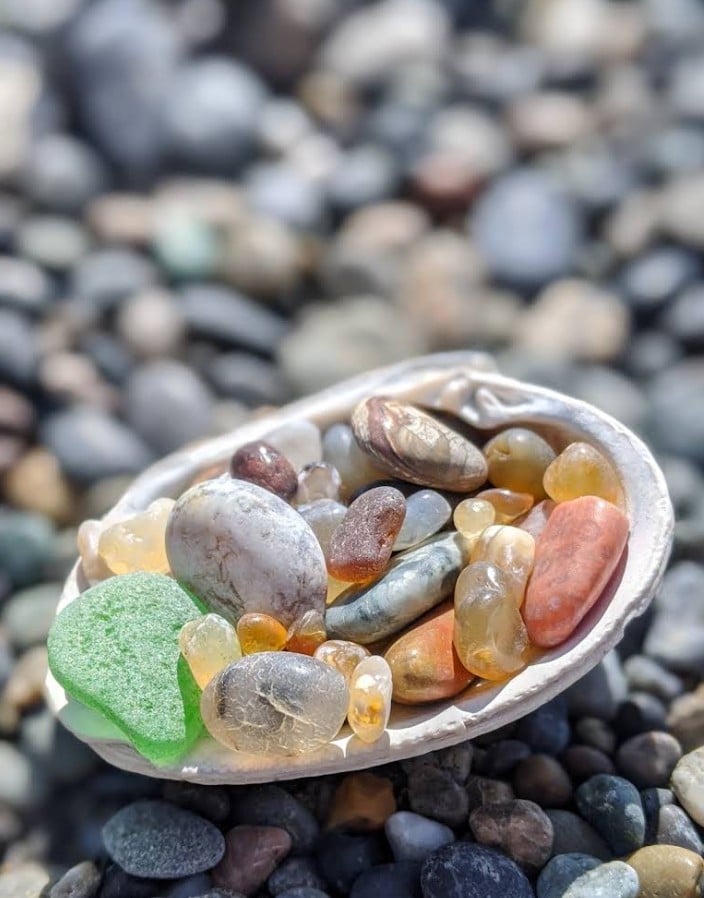
Maybe you’ll find a beautiful orange agate. Maybe it’ll be a piece of red jasper, an unusual fossil, or a smooth stone with a pattern you can’t quite identify.
And maybe you’ll come home with nothing more than cold hands, sandy boots, and a few photographs.
I still think that’s a pretty good day on the Oregon Coast.
Just be prepared. Once you start finding agates, you may never take a normal beach walk again.
Frequently Asked Questions About Oregon Coast Agate Hunting
What is the best month to find agates on the Oregon Coast?
December through March is often a productive period because winter waves can remove sand and expose gravel beds. Finds are possible throughout the year, but individual beaches change frequently.
Where are the best places to find agates in Oregon?
Oceanside, Short Beach, Fogarty Creek, Lost Creek south of Newport, the Yachats-area beaches around Neptune State Scenic Viewpoint, and Tseriadun near Port Orford are well-known places to begin. The Newport area is also worth exploring, especially when winter erosion reveals gravel and fossil-bearing material.
How do you tell whether a beach rock is an agate?
Look for a smooth or waxy surface, translucency along thinner edges, and sometimes colored bands or patterns. A small flashlight can help reveal whether light passes through the stone.
Is it better to hunt for agates before or after a storm?
Afterward, once dangerous surf has subsided. Storms can expose new gravel beds, but searching during high surf or a coastal hazard warning is unsafe.
Are agates worth money?
Most small Oregon beach agates are valued more as personal finds than expensive gemstones. Larger, unusually colored, or beautifully patterned specimens may interest collectors and lapidary artists, but the average beachcombing find is something to enjoy rather than a financial windfall.