
Part two of two. Read Part One here.
At the bottom of Crabtree Valley, the argument seems impossibly far away.
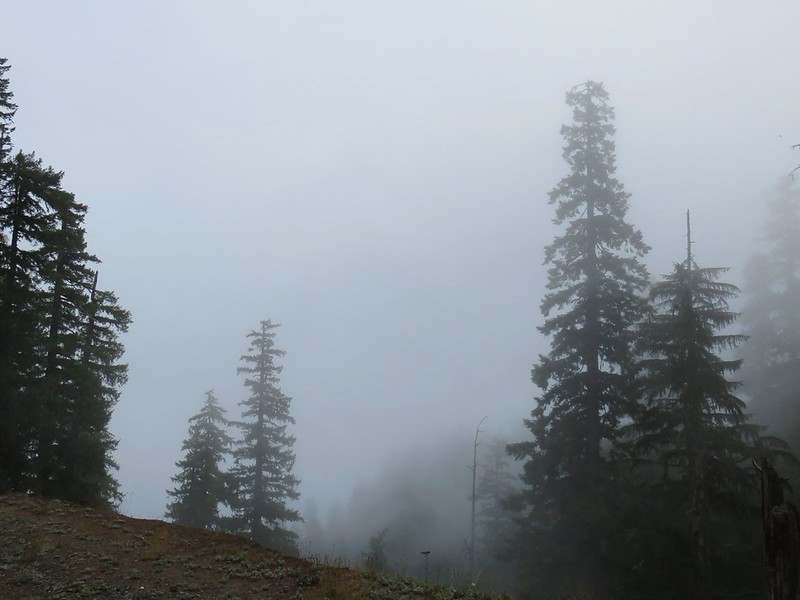
Crabtree Lake lies dark beneath the trees. Water gathers along fallen logs. Moss hangs from branches and spreads across the forest floor, softening the remnants of trees that lived for centuries before finally returning to the earth.
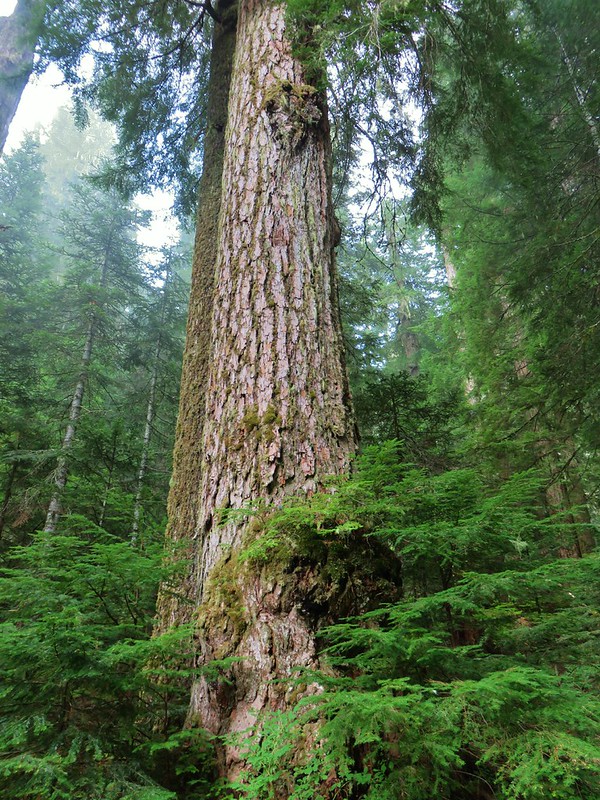
Somewhere beyond the lake, hidden in brush and unmarked by any official trail, stands an ancient Douglas fir known as King Tut.
It may be 600 years old.
It may be closer to 1,000.
Nobody standing beneath it can know exactly what the tree has witnessed, but its age is measured in events that now feel more like history than memory. It was already growing before Oregon was a state. It may have been standing before Europeans reached the Pacific Northwest. Generations of people have been born, worked, raised families and disappeared while the tree continued pulling water from the soil.
Yet the future of the forest surrounding it may be decided through a planning process conducted hundreds of miles away.
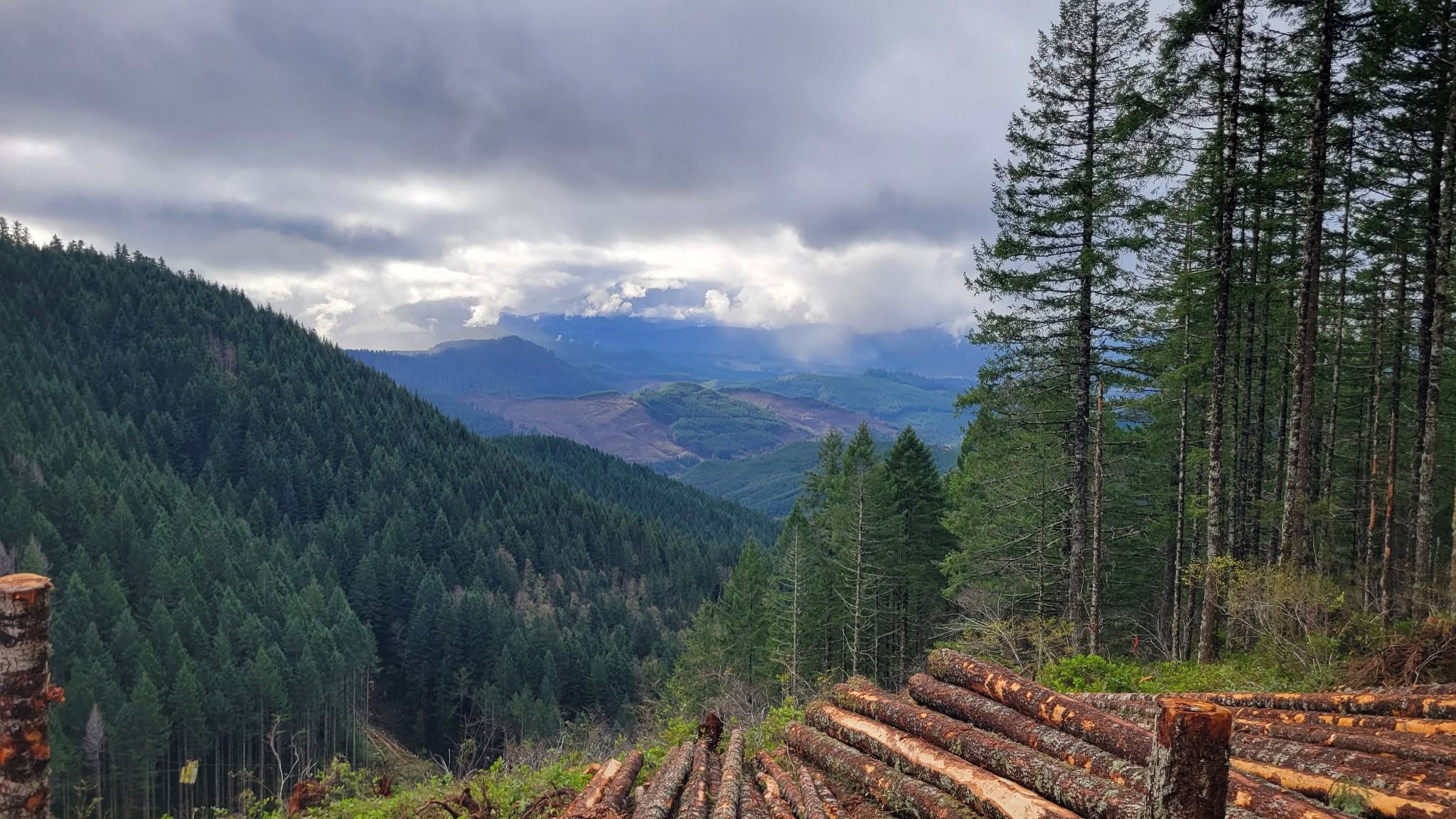
The Bureau of Land Management is rewriting the management plans governing approximately 2.46 million acres of federal land across western Oregon. The agency has made no secret of its larger purpose. It wants to increase timber production, move harvest levels closer to historical volumes and manage eligible O&C timberlands according to what it describes as their “maximum productive capacity.”
Crabtree Valley hasn’t been approved for logging. King Tut hasn’t been marked for cutting, and there is no announced timber sale surrounding Crabtree Lake.
But the special administrative protections that helped preserve the valley are being reevaluated.
That has conservationists warning that one of Oregon’s oldest remaining forests could eventually be opened to commercial logging.
It would be easy to tell this story as a simple confrontation between people who want to save ancient trees and people who want to cut them down.
Oregon’s history won’t allow it to be that simple.
Because while old forests like Crabtree remain standing, Oregon mills are closing.
Families are losing jobs. Timber counties are struggling to fund basic services. Companies that survived recessions, environmental battles and enormous changes in the wood-products industry are finding that they can no longer obtain enough suitable logs at a price that allows them to compete.
The forests are real.
So are the mill workers.
And Oregon has spent more than three decades failing to find a lasting answer that protects both.
A Mill Goes Quiet in Roseburg
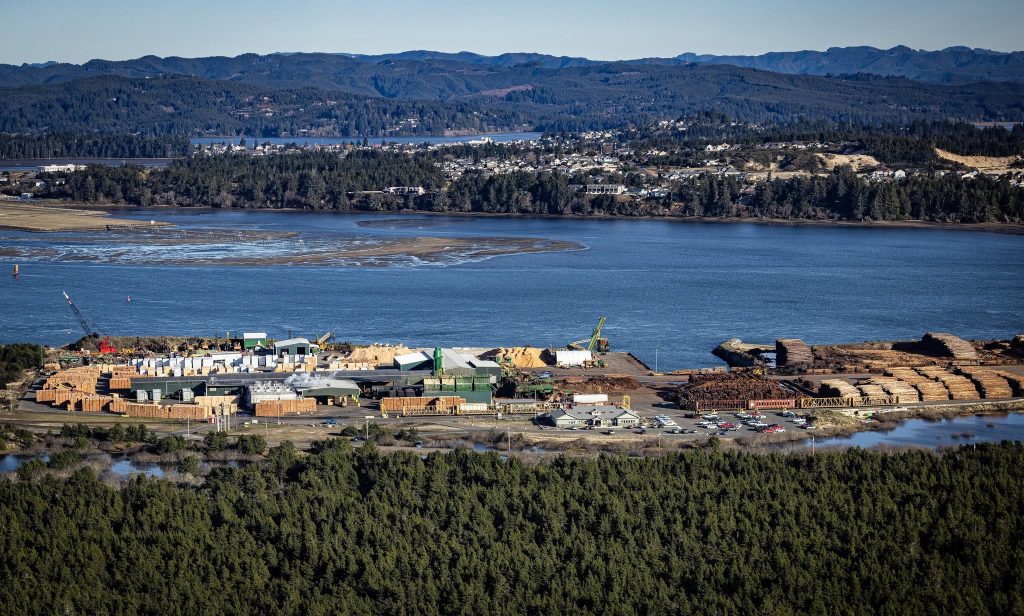
In July 2026, Nordic Veneer announced the permanent closure of its Roseburg-area operation after more than 72 years in business.
The family-owned company had survived profound changes in Oregon’s timber economy. It had operated through the final years of the old-growth logging boom, the spotted owl conflict, the Northwest Forest Plan, housing downturns, shifting export markets and the consolidation of the wood-products industry.
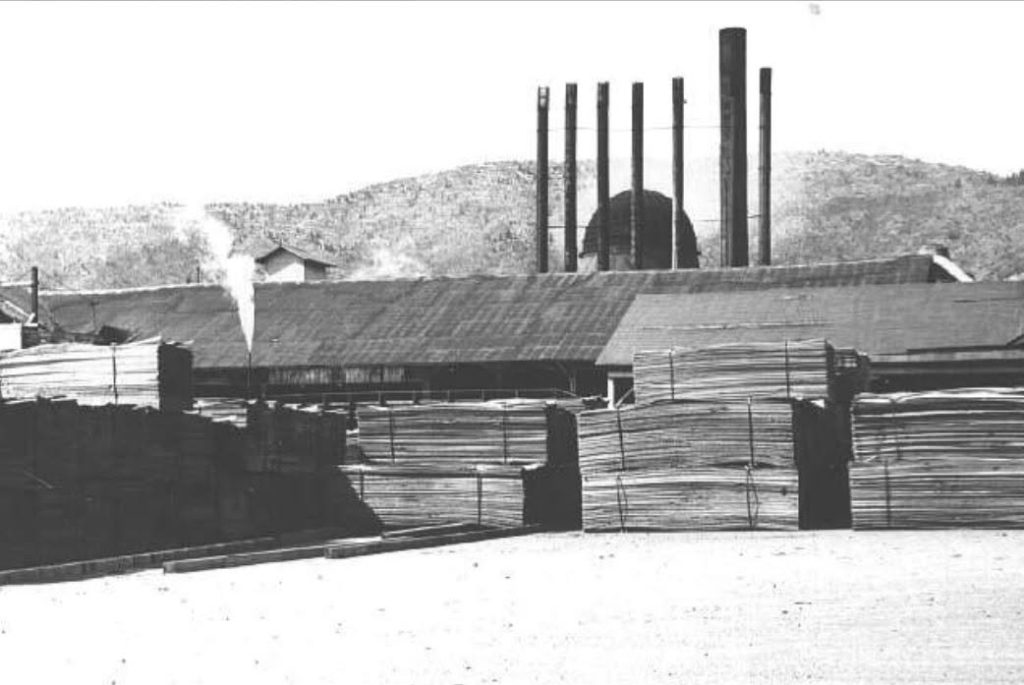
In the end, the company said it could no longer overcome a combination of limited wood supply, changing markets, structural changes within the industry and foreign competition. More than 50 jobs had reportedly been lost since April.
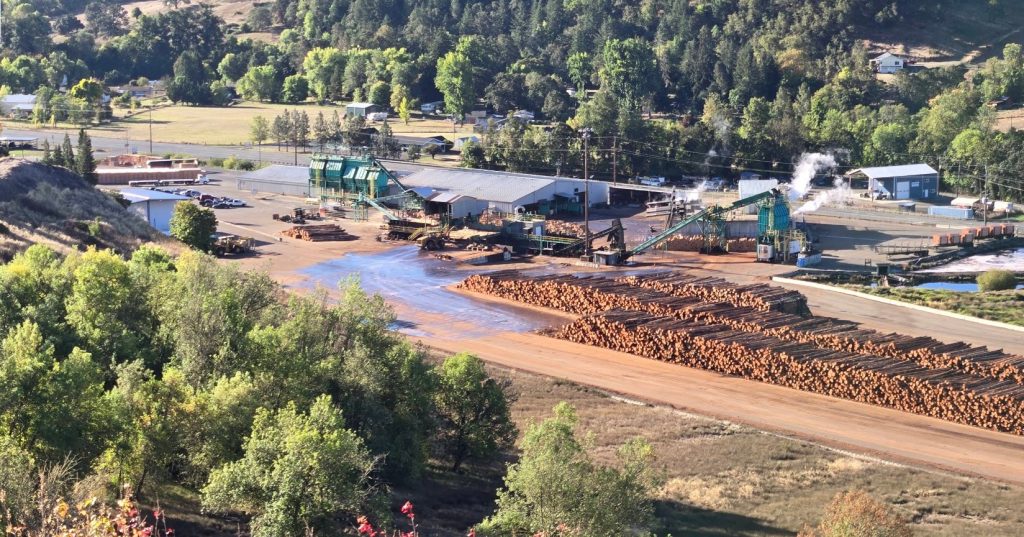
For the people who worked there, the closure isn’t an abstract economic trend.
It means a final shift.
It means equipment going silent.
It means families trying to decide whether another comparable job exists within driving distance, or whether they’ll need to retrain, relocate or accept lower wages.
A mill job has never existed only inside the mill. It supports truck drivers, mechanics, equipment dealers, contractors, restaurants, fuel stations and other businesses that depend on a working industrial economy.
When a mill closes, the effects travel outward.
That is particularly true in Douglas County, where timber isn’t merely a chapter in the region’s history. It shaped the towns, roads, schools and identities of generations.
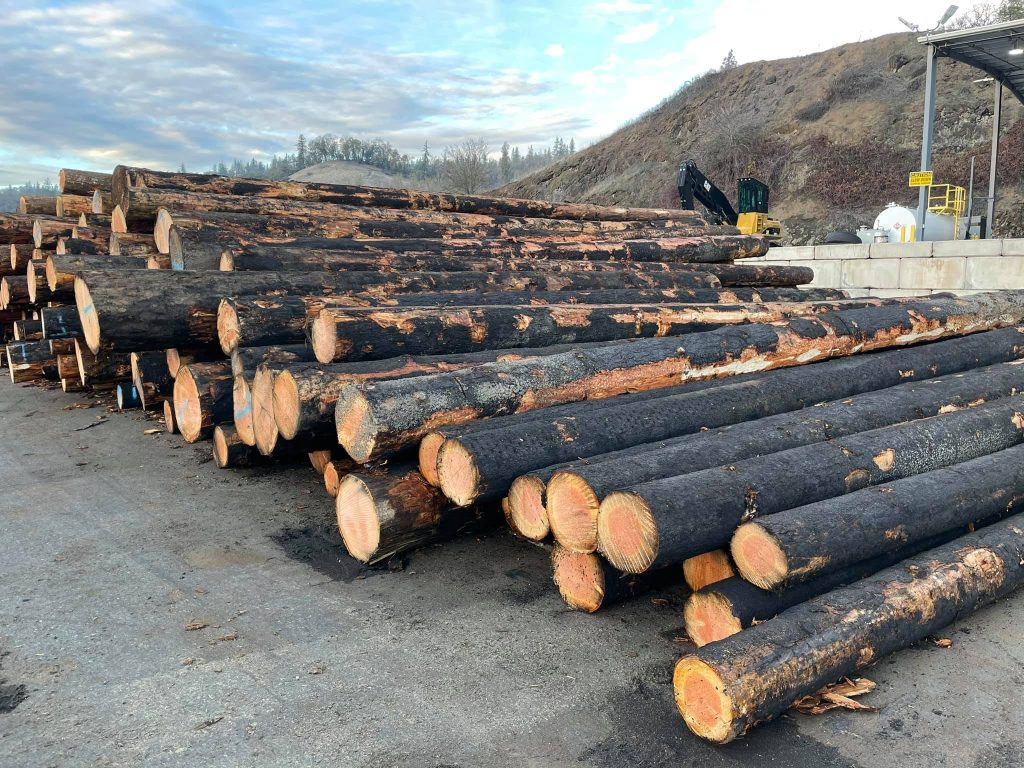
For people who’ve watched mills disappear one by one, the vast federal forests surrounding their communities can look less like protected public treasures and more like locked warehouses filled with material their towns desperately need.
They see trees growing on lands originally intended, in part, to provide a sustained supply of timber.
Then they see another mill close because it can’t obtain enough wood.
From that perspective, calls for increased federal harvest aren’t necessarily an attack on nature. They’re a plea for survival.
The Other Oregon Beneath the Trees
It’s difficult to understand the intensity of Oregon’s timber debate without remembering just how central wood products once were to the state.
For much of the 20th century, Oregon’s economy rose from the forest.
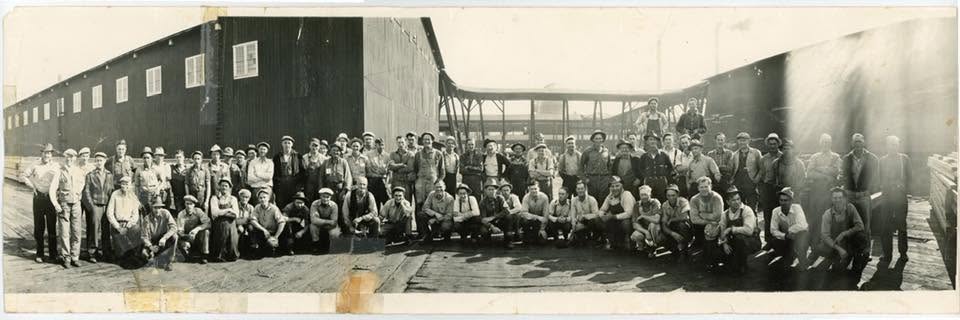
Logging trucks crowded highways. Mills operated beside rivers and railroad lines. Small communities depended on the wages generated by cutting, transporting and processing timber. Entire families worked in the woods or at mills, often across several generations.
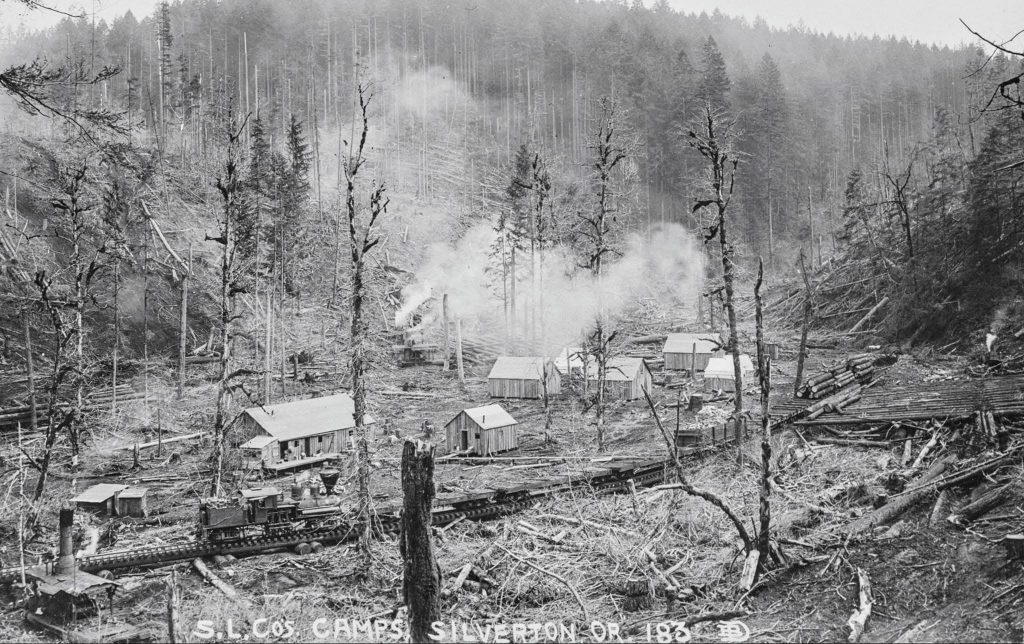
The work was dangerous and physically demanding, but it could provide a stable living without requiring a college degree. Timber wages bought homes, fed families and supported local businesses.
The industry also generated public revenue.
Many western Oregon counties contain enormous areas of federally managed land that aren’t taxed like private property. Under the system governing the Oregon and California Railroad lands, commonly called the O&C lands, counties historically received a share of federal timber receipts.
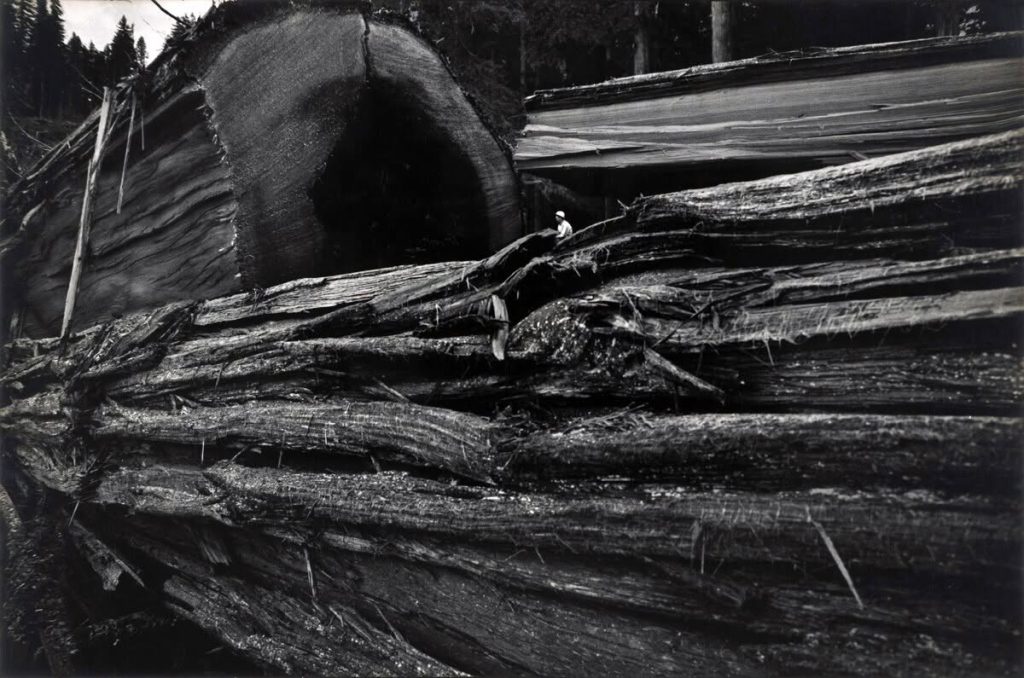
When logging was strong, that revenue helped pay for roads, schools, sheriff’s departments and other services.
That created a relationship between the forest and the county courthouse.
Trees weren’t simply private commodities. Federal timber was woven into local government budgets.
At its peak, the scale of the industry was difficult to overstate. According to figures cited by the BLM, timber harvest from western Oregon BLM lands reached approximately 1.638 billion board feet in 1964. From 1960 through 1989, the annual average was around 1.078 billion board feet. By 2025, the BLM says annual harvest had fallen to about 267 million board feet.
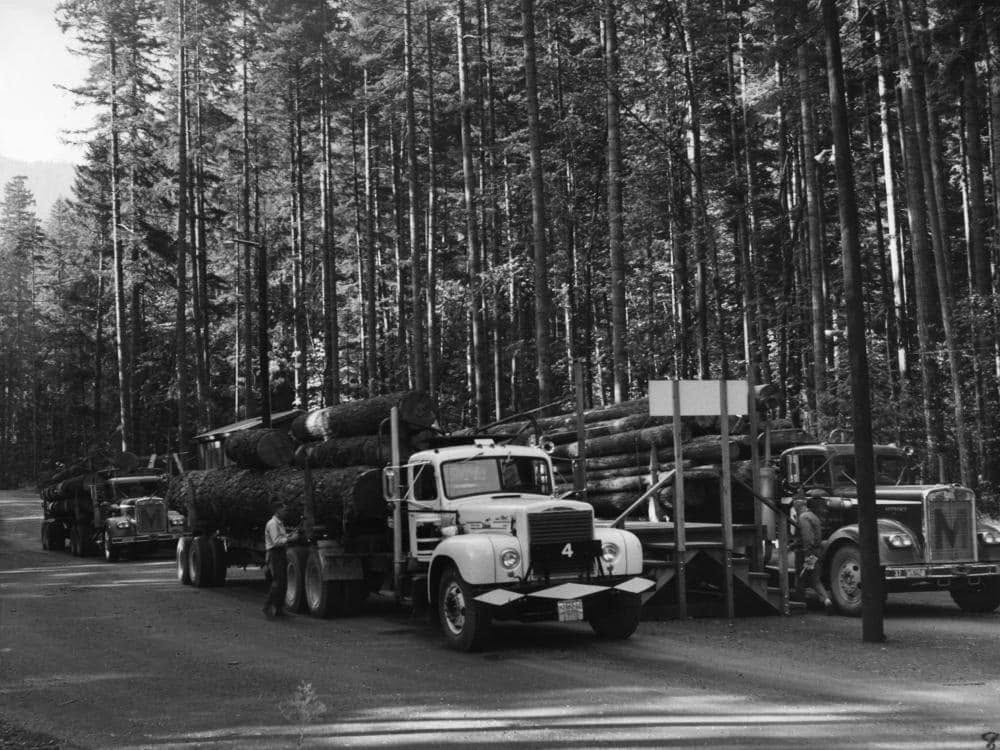
Those numbers help explain why today’s timber advocates don’t see modest increases as a return to reckless abundance.
They see harvest levels that remain a fraction of what federal lands once produced.
The BLM says its western Oregon timber program supports approximately 2,000 jobs and generates more than $1 billion in annual economic activity. The agency argues that increasing timber output could strengthen rural economies, reduce dependence on foreign wood products and help preserve domestic manufacturing capacity.
That argument resonates deeply in places where the old prosperity disappeared.
But the forests that produced that prosperity also changed.
The Forests Were Running Out Before the Owl Arrived
The northern spotted owl became the symbol of Oregon’s timber collapse, but it didn’t create every force that was already transforming the industry.
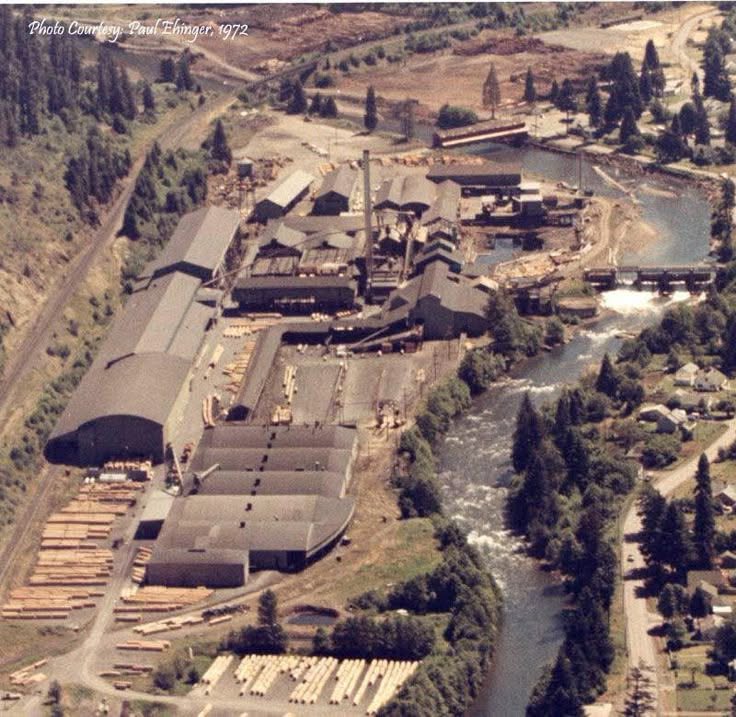
By the 1980s, much of western Oregon’s privately owned old-growth forest had already been harvested. Mills that were designed to process enormous logs were adapting to smaller second-growth timber. Companies were consolidating. New machinery allowed fewer workers to produce more lumber.
The Oregon Encyclopedia notes that many private old-growth forests had been logged before the major spotted owl restrictions arrived, and that mills were already being modernized to handle smaller logs with fewer employees.
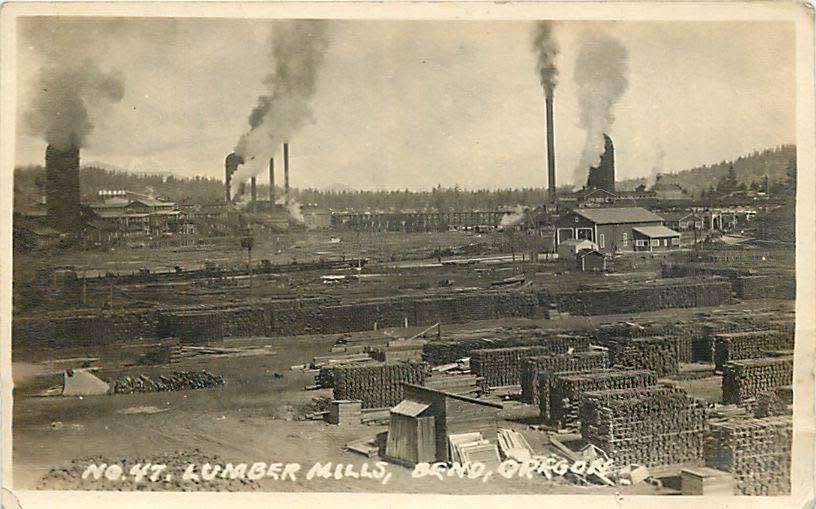
Automation mattered enormously.
Modern mills could process timber faster, more consistently and with far less labor. A state forestry document examining changes in the industry described how mill consolidation and automation could reduce labor costs by as much as two-thirds. It also noted that increasingly uniform, smaller logs fit well with highly automated operations.
This means Oregon could harvest substantial quantities of timber without recreating the number of jobs that existed during the industry’s peak.
The loss of federal timber accelerated the decline, but automation ensured that even a larger log supply wouldn’t restore the old workforce exactly as it was.
Global competition added another pressure.
Canadian lumber producers, international veneer manufacturers and wood-products companies operating under different labor, currency and timber-pricing conditions can sometimes reach American customers at lower prices. Domestic mills can be squeezed between high log costs and imported products that sell for less.
That was part of Nordic Veneer’s explanation for closing.
Wood supply mattered.
Foreign competition mattered, too.
The closure therefore can’t honestly be reduced to one sentence about environmental regulation. But neither can the shortage of available logs simply be dismissed as a talking point invented by the timber industry.
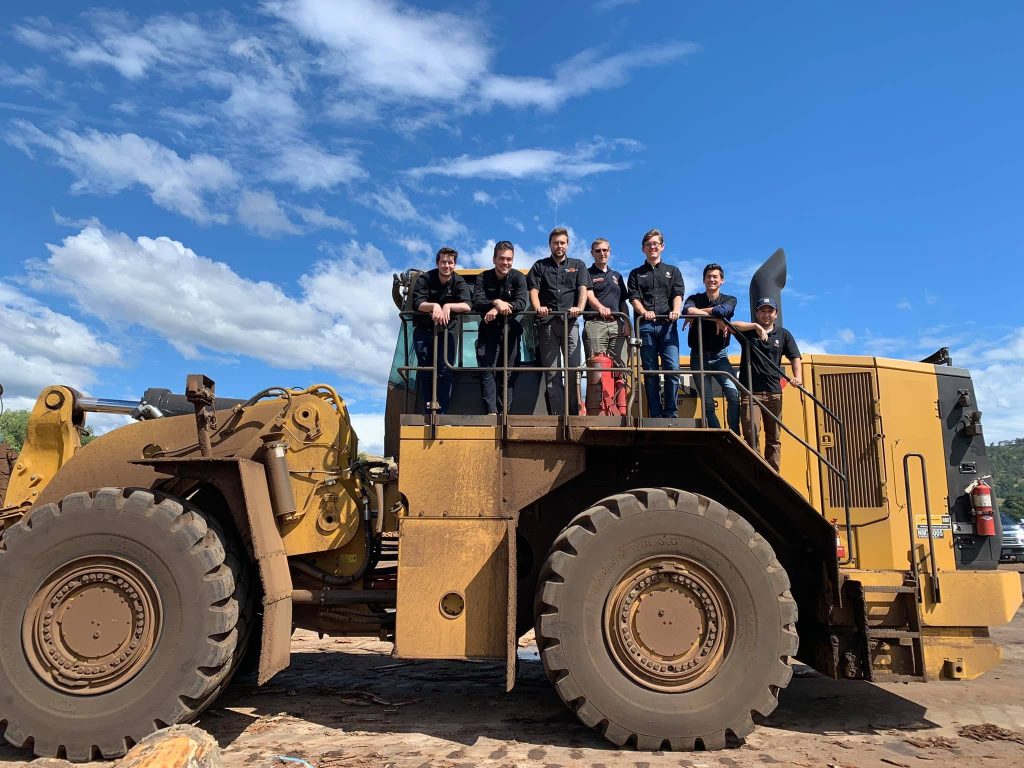
Remaining mills need dependable supplies.
A mill can’t survive on political promises or occasional salvage sales. It needs the correct species, grades and dimensions delivered in predictable volumes over many years.
Once a mill closes, that processing capacity may never return.
The buildings can be sold. The equipment can be dismantled. Skilled workers scatter to other industries or other states.
A forest may still contain timber, but without nearby mills, logging it may no longer support the same local economy.
When the Owl Became the Enemy
For Oregonians who lived through the 1980s and early 1990s, the northern spotted owl remains inseparable from the collapse of the timber economy.
The owl was listed as threatened under the Endangered Species Act in 1990. The listing followed years of concern that logging was eliminating the mature and old-growth forests the bird needed for nesting, roosting and foraging.
Court decisions and environmental lawsuits restricted federal timber sales. Protests escalated. Logging communities watched jobs disappear while environmental activists argued that the last ancient forests were being consumed faster than they could ever be replaced.
The rhetoric became bitter.

In some timber towns, the owl wasn’t viewed as wildlife. It was viewed as a weapon used by outsiders against working families.
People wore shirts mocking the bird. Plastic owls were hung in effigy. Environmentalists were accused of caring more about animals than children whose parents had lost their jobs.
On the other side, loggers and timber companies were portrayed as destroyers willing to level the final old-growth valleys for profit.
The conflict widened divisions that were already growing between rural and urban Oregon. The Oregon Blue Book describes the owl’s listing as a major flashpoint in a broader period when differences over Oregon’s land and natural resources became increasingly intense.

The federal response came in 1994 with the Northwest Forest Plan.
Developed under President Bill Clinton after a 1993 forest summit, the plan covered federal forests within the range of the northern spotted owl across western Oregon, Washington and northwestern California. Its purpose was to create a more stable system that could protect older forests and wildlife while still providing timber and assistance to affected communities.
It dramatically reduced logging across much of the federal forestland in the region.
Large areas were placed into late-successional reserves. Streamside protections were expanded. Surveys were required for certain rare species. Older forests that had previously been considered timber inventory became habitat.
For conservationists, it was a historic correction.
For many timber communities, it felt like abandonment.
The Plan Protected Forests, but It Didn’t Save the Owl
The Northwest Forest Plan accomplished something unmistakable.
It slowed the cutting of older federal forests.
During the plan’s first decade, nearly all remaining older forest habitat on federal land was protected from timber harvest, and older federal forest increased by more than one million acres.
Those forests also protected far more than one bird.
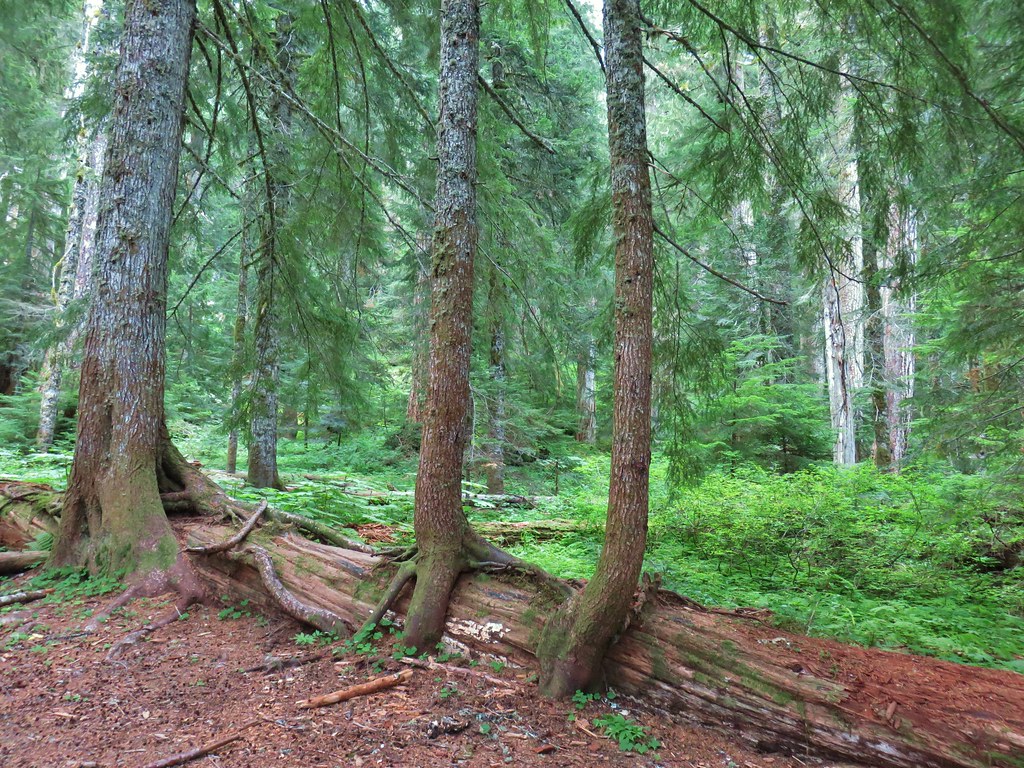
They shaded streams used by salmon. They stored carbon. They provided habitat for marbled murrelets, fishers, salamanders and numerous lesser-known species. Fallen trees enriched streams and soils. Large living trees continued growing while previously logged areas began the long process of becoming forests again.
Yet the northern spotted owl continued declining.
Researchers have documented steep population losses across the owl’s range, with annual declines reaching between 6 and 9 percent in some long-term study areas and between 2 and 5 percent in others.
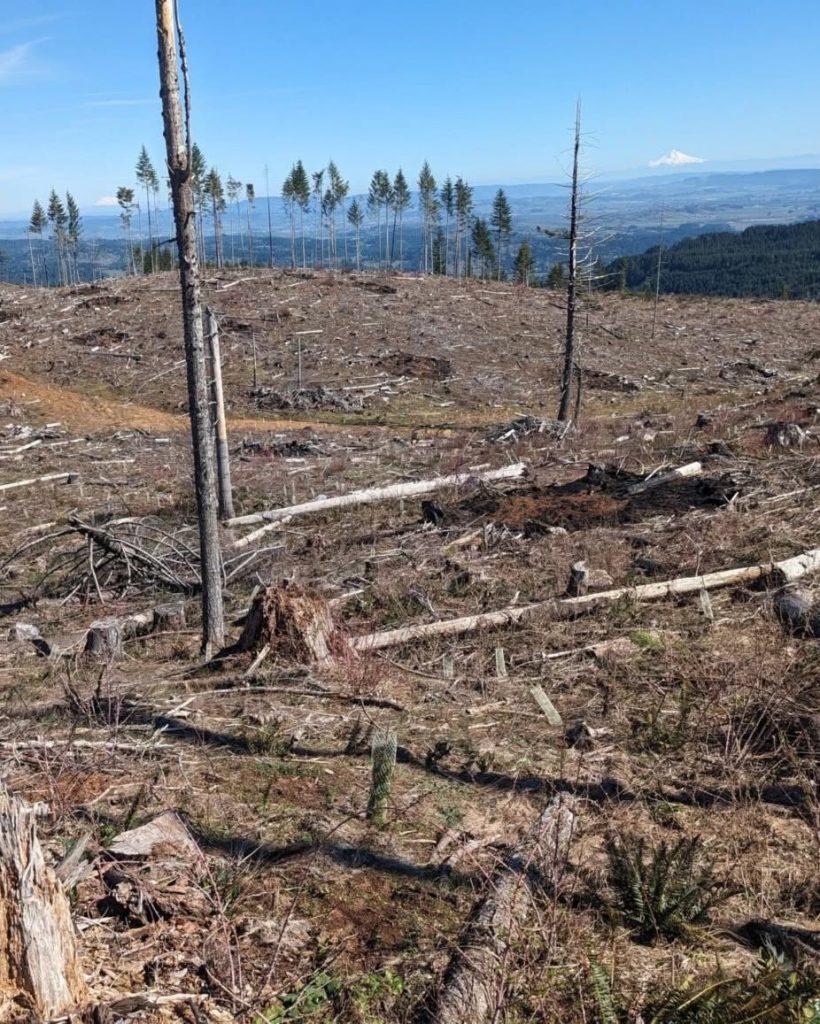
Habitat loss didn’t stop entirely. Wildfires destroyed or degraded some forests. Logging continued on private, state and certain federal lands.
But another owl became an increasingly serious problem.
Barred owls, native to eastern North America, expanded westward and began occupying spotted owl territory. They’re larger, more aggressive and able to live in a wider range of forests. They compete with spotted owls for food and nesting areas, and their spread has become one of the most important threats to spotted owl survival., so much so that the US Department of Wish and Wildlife has implemented a barred owl management program which involves the mass removal of one species in order to protect another. That program is already underway.
That has produced a painful irony.

Oregon endured one of the most divisive environmental fights in its history to protect spotted owl habitat, yet habitat protection alone hasn’t stopped the species from disappearing.
For timber supporters, that outcome can feel like proof that communities sacrificed their economies for a strategy that failed.
For conservationists, the continued decline shows why remaining habitat is even more important. Removing additional old forest, they argue, would add another pressure to a species already struggling against barred owls, wildfire and climate change.
Again, both sides are looking at the same facts and drawing very different conclusions.
What the Northwest Forest Plan Did to Timber Communities
There’s no credible way to pretend the drop in federal harvest didn’t hurt rural communities.
Research on the long-term employment effects of spotted owl habitat protections has estimated substantial timber-industry losses across the Pacific Northwest and northern California. One peer-reviewed analysis found declines representing roughly 16,000 to 32,000 timber jobs, depending on how the affected region was defined.
Federal monitoring also found that the social and economic effects varied greatly from one community to another.
Some towns diversified.
Others were located near highways, universities, tourism destinations or growing metropolitan areas and found new sources of employment.
More isolated communities had fewer options.
Federal economic assistance programs provided grants, loans, retraining and infrastructure investments, but the results were mixed. Government reports examining the Northwest Forest Plan found that some communities adapted while others continued struggling with job losses, declining services and a diminished sense of identity.
A worker who had spent years operating mill machinery couldn’t always move seamlessly into a new career.
A logger couldn’t necessarily become a software developer because a retraining program existed.
Tourism jobs often paid less, offered fewer benefits and fluctuated with the season.
And there was an emotional loss that economic data couldn’t fully capture.
Timber work was part of a culture.
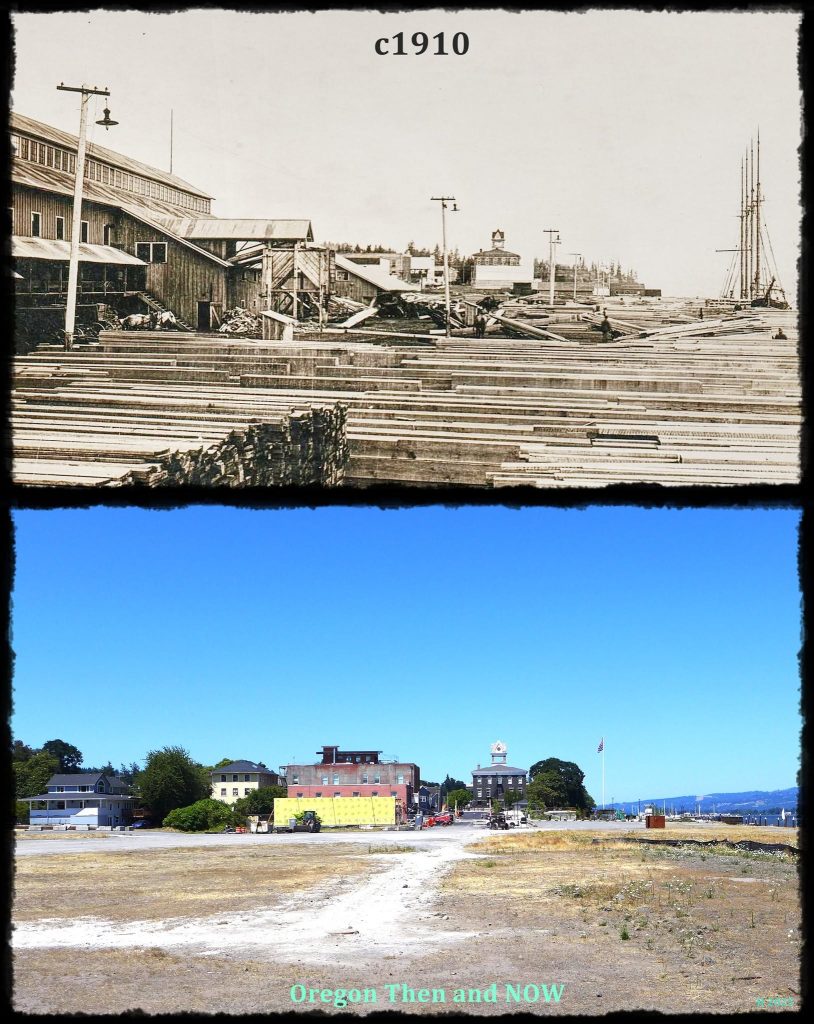
People knew how to read terrain, operate complicated equipment and work safely in dangerous conditions. They took pride in producing something tangible that became homes, schools and businesses.
When that work disappeared, communities didn’t merely lose income.
They lost a version of themselves.
That history is still present whenever a federal agency proposes limiting or expanding timber harvest in Oregon.
The arguments may involve board feet, reserve boundaries and environmental impact statements, but beneath them are older memories of families who believe they were sacrificed once before.
The Government Now Wants More Timber
The BLM’s new western Oregon planning process enters that unsettled history directly.
The agency is proposing to replace the resource-management plans adopted in 2016 for its Northwestern and Coastal Oregon and Southwestern Oregon districts. Those plans currently govern about 2.5 million acres and attempt to balance timber production with threatened-species conservation, clean water, recreation, fire resilience and other public values.
The new planning notice is much more explicit about increasing timber harvest.
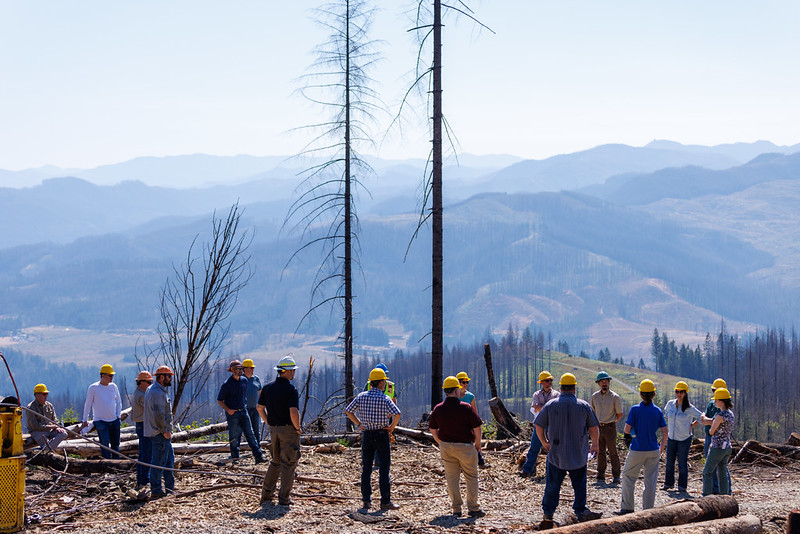
The BLM says the revision is necessary to align production with historically higher harvest levels and satisfy the O&C Act’s requirement that qualifying timberlands be managed for permanent forest production on a sustained-yield basis.
Its preliminary alternative would reserve congressionally protected lands, areas unable to support sustained timber production and certain buffers along streams. Other eligible lands could be managed toward their maximum productive capacity.
The BLM also intends to reevaluate existing Areas of Critical Environmental Concern.
That is where Crabtree Valley enters the conflict.
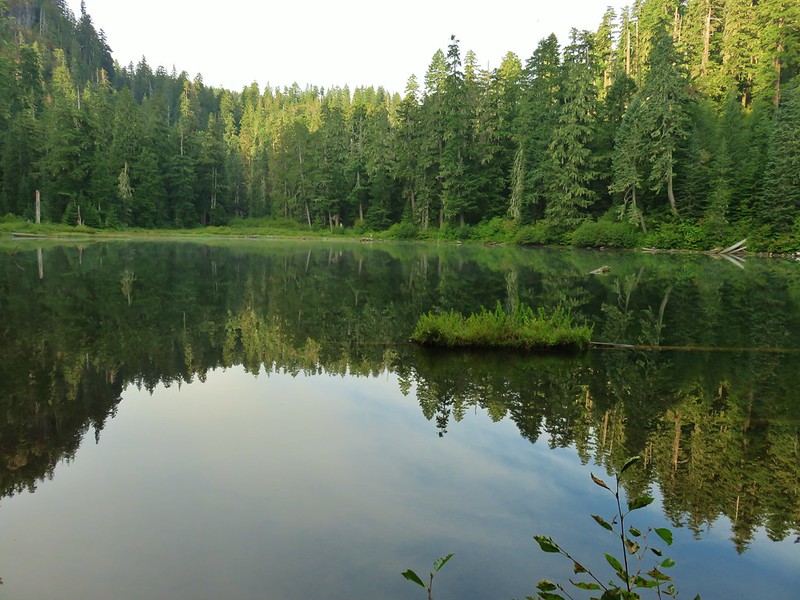
The Crabtree Complex is both a Research Natural Area and an Area of Critical Environmental Concern. Those administrative designations have helped protect its old forests, but they don’t carry the permanence of a congressionally designated wilderness area.
The new planning process doesn’t automatically eliminate Crabtree’s protections.
But it opens the door to reconsidering them.
Congressman Cliff Bentz has also introduced the O&C Renewal Act of 2026, which would reaffirm timber production as the primary purpose of more than two million acres of western Oregon O&C lands. Bentz argues that increased sustained-yield harvest would support counties, maintain mills, provide jobs and reduce wildfire risk. The legislation has been introduced, but it has not become law.
To timber advocates, these proposals are a long-overdue attempt to restore the original promise of the O&C lands.
To environmental groups, they represent a return to the old philosophy that forests exist primarily as timber waiting to be harvested.
Is the BLM Really Proposing to Clearcut Crabtree Valley?
Not at this stage.
There is no final revised plan.
There is no announced timber sale around King Tut.
There is no published decision ordering the removal of Crabtree’s protected designation.
The initial public scoping period closed on March 23, 2026, and the agency is still moving through the environmental planning process. Additional documents and opportunities for public participation are expected before a final decision.
That distinction matters.
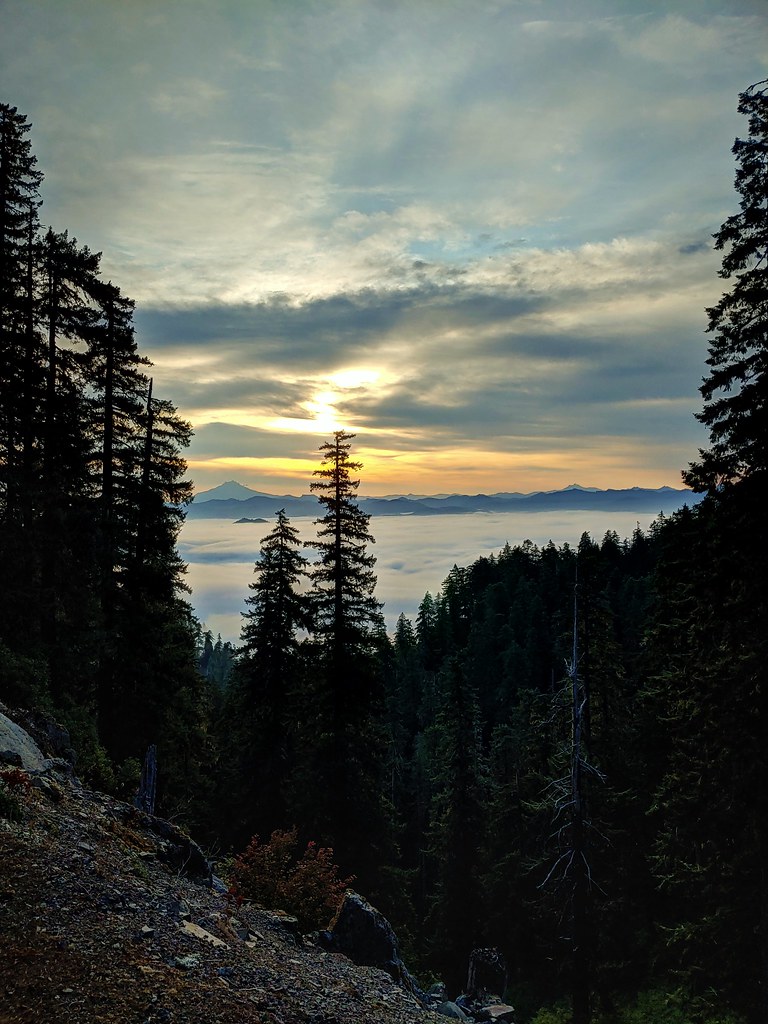
Claims that Crabtree Valley has already been approved for clearcutting go beyond the evidence.
But concern isn’t baseless.
The BLM has explicitly stated that it wants significantly more timber production. It has also stated that existing protected areas will be reevaluated. Crabtree’s protection is administrative rather than permanent, and the preliminary framework doesn’t provide a blanket guarantee for all existing old-growth reserves or ACECs.
The accurate statement is more measured and, in some ways, more important:
Crabtree Valley is not currently scheduled to be logged, but the management system that has kept it protected is now under formal review.
That isn’t the same as an approaching line of logging trucks.
It is the moment when the road allowing those trucks could be drawn.
Does More Logging Mean Less Wildfire?
Wildfire has become one of the most powerful arguments for increasing forest management across the West.
Supporters of expanded harvest say decades of fire suppression and reduced logging have left forests overcrowded with small trees and hazardous fuel. Removing timber, thinning stands and clearing dead material, they argue, can reduce fire intensity and provide safer conditions for firefighters and nearby communities.
In some places, especially dry forests that historically experienced frequent, low-intensity fire, strategic thinning and prescribed burning can make forests more resilient.
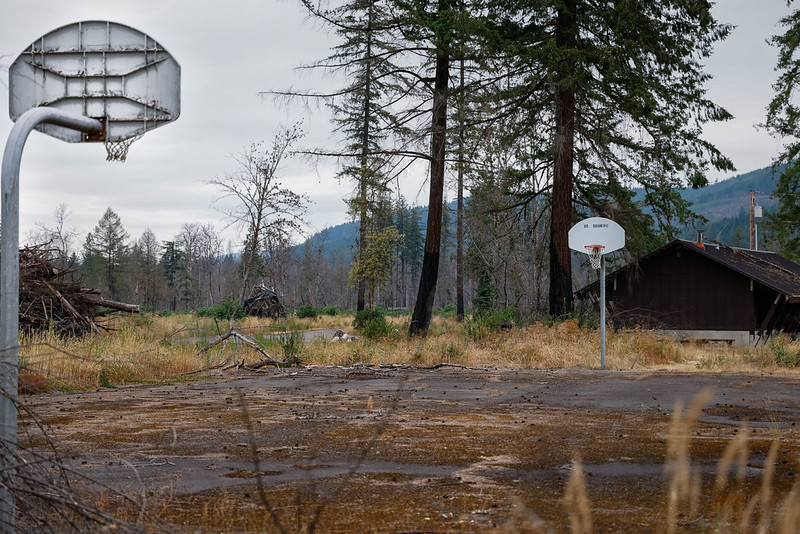
But western Oregon doesn’t contain one uniform forest type.
A dry pine forest east of the Cascades is not the same as a wet Coast Range forest.
An overstocked plantation isn’t the same as an intact old-growth stand.
Thinning small trees around a community isn’t the same as clearcutting an ancient valley.
The Forest Service has also pursued changes to the broader Northwest Forest Plan that could increase timber harvest while attempting to address wildfire, climate stress and tribal forest-management priorities. Federal officials argue that more active treatment can create healthier forests and a more predictable timber supply. Critics worry that the language of restoration could be used to justify commercial logging in mature and old-growth stands.
Old forests can burn, and climate change is increasing the severity of drought and extreme fire weather.
But cutting old forests doesn’t automatically protect towns from wildfire.
The location, intensity and type of treatment matter.
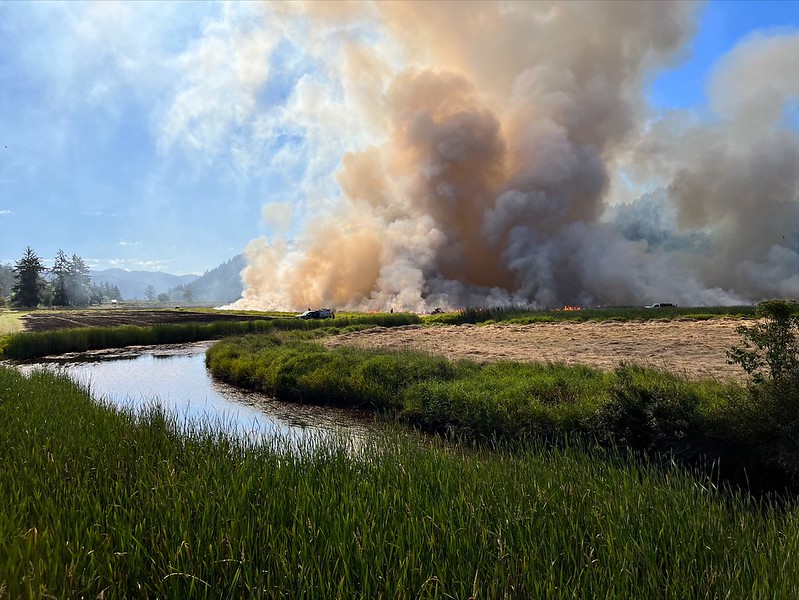
So does what happens after logging. Young plantations can develop dense, uniform vegetation, while logging debris may temporarily increase fine fuels unless it’s carefully treated.
Calling every timber sale “fire prevention” obscures important distinctions.
So does claiming that no forest ever benefits from active management.
The real debate isn’t whether Oregon should manage forests.
It is where, why and how.
Not Every Tree Is the Same Policy Choice
One of the greatest failures in Oregon’s forest debate is the tendency to speak of “logging” as though it describes one activity.
It doesn’t.
Logging can mean thinning young, densely planted forests.
It can mean removing small trees around communities.
It can mean selectively harvesting commercial timber while retaining larger trees.
It can mean salvage logging after a severe wildfire.
It can mean cutting a mature stand that began growing 100 years ago.
And it can mean clearcutting trees that were already ancient before Oregon entered the Union.
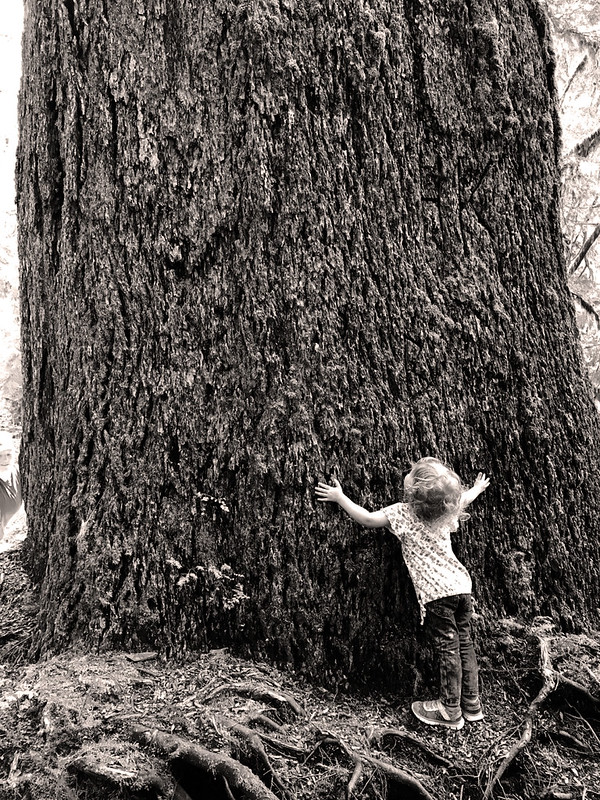
Those choices don’t have the same ecological consequences.
They don’t provide the same timber.
They don’t carry the same moral weight.
This is what makes Crabtree Valley such an important test.
The question isn’t whether Oregon should ever cut trees on federal land.
It already does.
The question is whether one of the state’s rare surviving ancient forests should be treated as available timber because other parts of the system have failed to provide mills with a dependable supply.
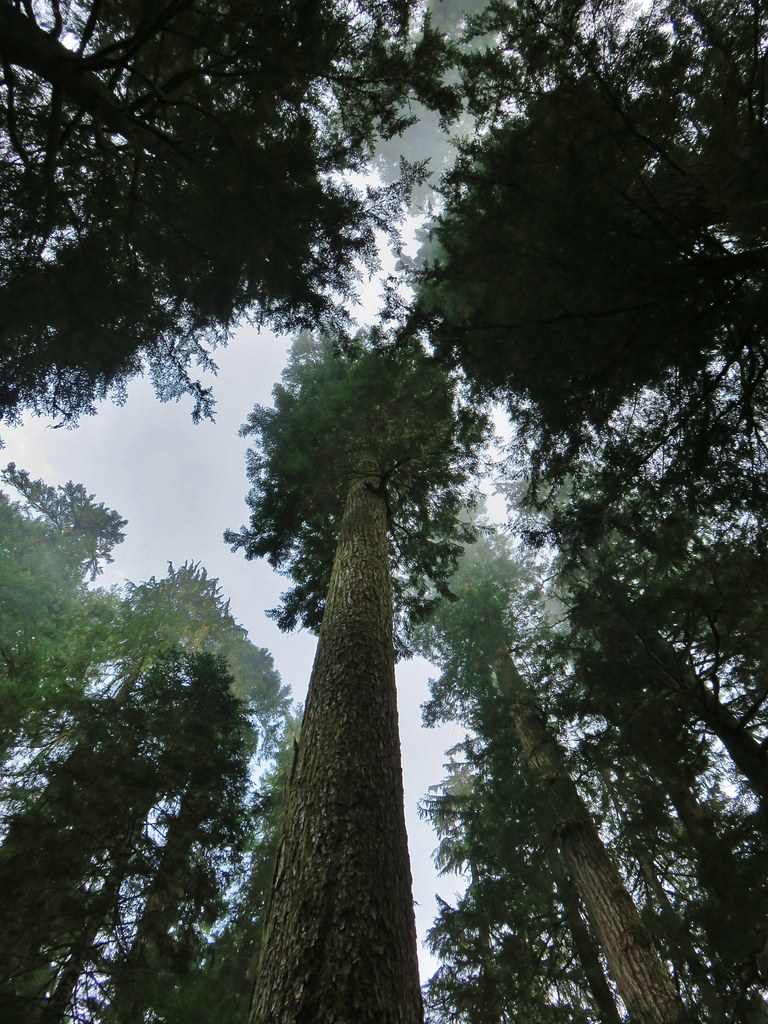
Crabtree contains something industrial forestry can’t manufacture on demand.
A young Douglas fir plantation may produce valuable lumber in several decades.
It can’t reproduce the layered canopy, giant snags, decaying logs, deep soils and biological complexity of a forest that has developed over many centuries.
Ancient forests aren’t simply collections of unusually large trees.
They are long, unfinished processes.
Remove them, and another timber stand may eventually grow.
The same forest will not return within any living person’s lifetime.
Could Logging Crabtree Save a Mill?
Probably not by itself.
Even a forest filled with valuable trees represents a limited volume of timber.
A modern mill requires a continuous supply extending far into the future. Opening one protected valley might provide a temporary source of logs, but it wouldn’t solve the structural problems affecting Oregon wood-products manufacturing.
Those problems include inconsistent federal timber sales, legal delays, high operating costs, foreign competition, housing-market cycles, automation, mill consolidation and the reduced availability of processing infrastructure.
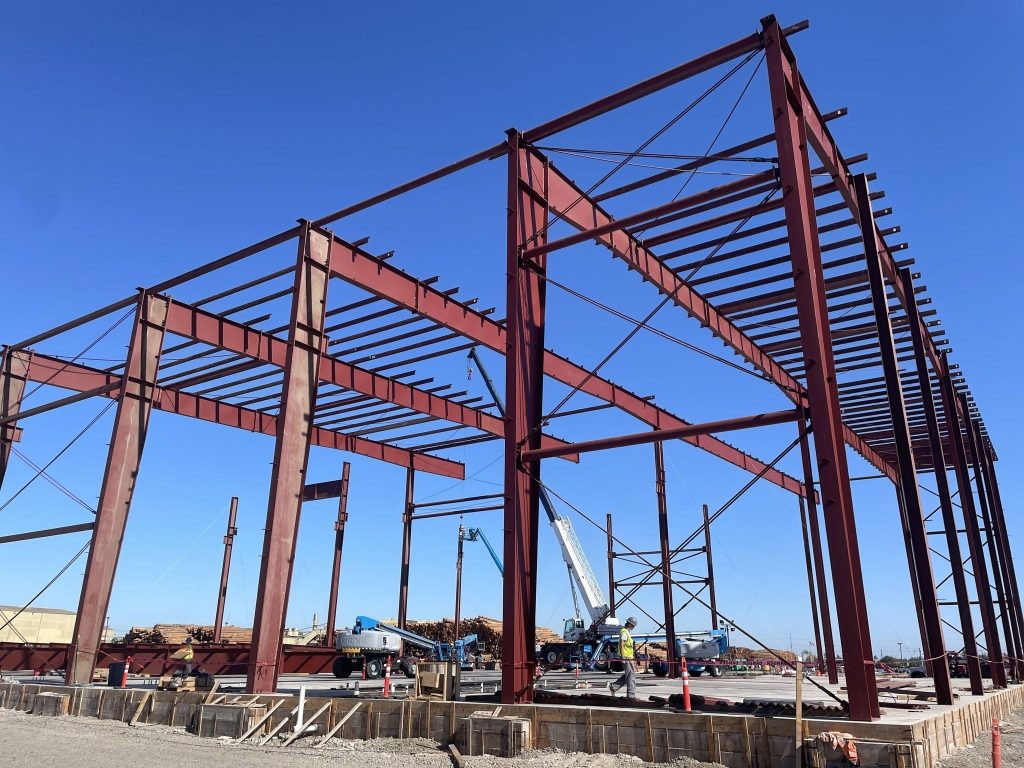
The timber industry is also no longer built primarily around enormous old-growth logs.
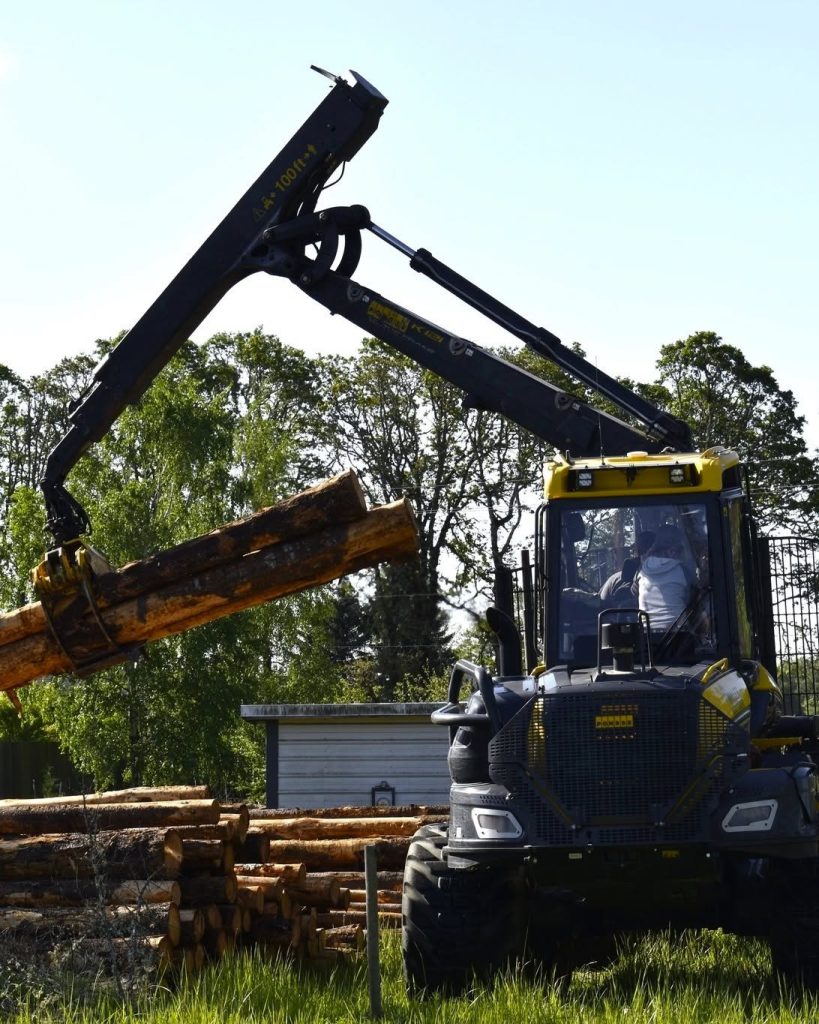
Most modern mills have invested in equipment designed for smaller, more uniform trees from plantations and second-growth forests. Some specialty operations can use large logs, but the existence of old trees doesn’t automatically mean they are the most practical answer to a mill’s supply problem.
This creates a dangerous temptation.
Ancient forests are visually obvious. They contain a large amount of wood in one place. Politically, they become symbols of timber being “locked up.”
Yet their removal may do little to solve the deeper problem.
Once they’re gone, Oregon could still face mill closures.
The overseas competition would remain.
The highly automated plants would still employ fewer people than older mills.
Federal timber sales could still be delayed by planning disputes and litigation.
Housing demand could still rise and fall.
Crabtree could be lost without restoring the timber economy its logging was supposed to save.
A False Choice Oregon Keeps Making
The most frustrating part of this conflict is that Oregon shouldn’t have to choose between every working mill and every ancient tree.
The state contains millions of acres of previously logged forest.
Some federal plantations are crowded and could benefit from ecological thinning. Other stands are suitable for sustained timber production. Treatments near homes and evacuation routes can be designed around public safety. Restoration work can generate timber while improving habitat and watershed conditions.
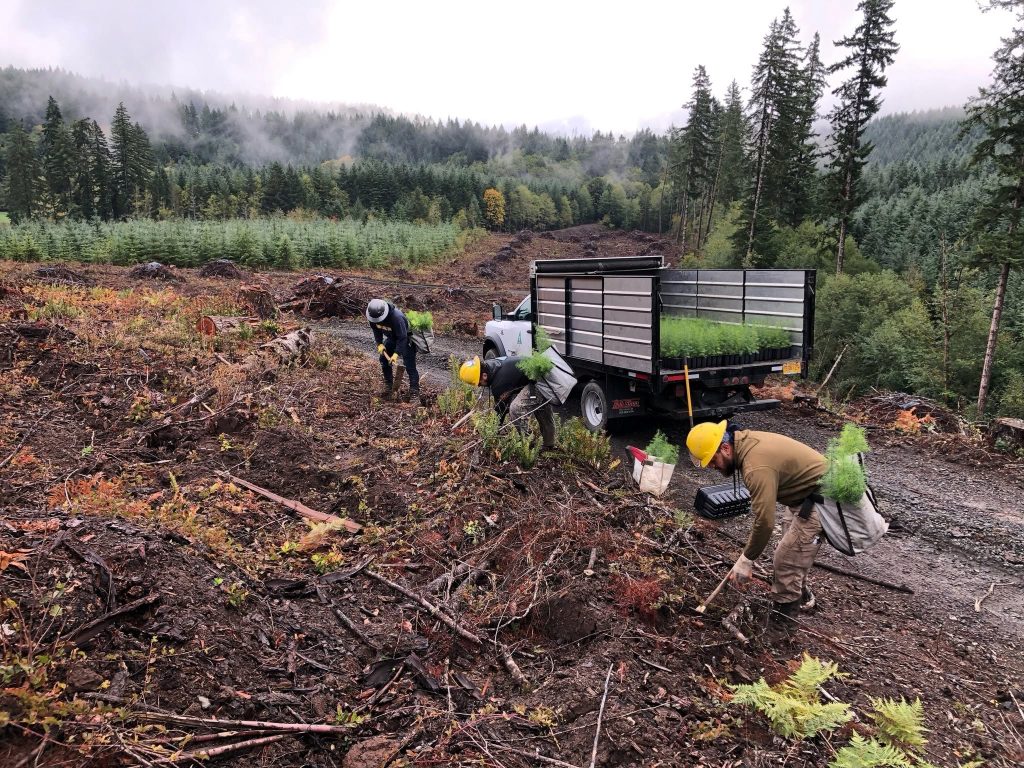
A predictable timber program focused heavily on appropriate second-growth lands could help mills plan for the future.
Long-term contracts or more reliable sale schedules could provide stability that sporadic offerings do not.
Federal agencies could accelerate planning in lower-conflict areas while identifying a much smaller category of exceptional ancient forests that should remain permanently protected.
Oregon could invest in smaller-scale and specialty wood manufacturing rather than relying exclusively on enormous industrial facilities. It could encourage domestic use of Oregon timber and reduce the export of unprocessed logs where policy allows.
It could also acknowledge that some former timber towns will never return to their peak employment levels and need genuine economic investment rather than promises that one more round of logging will reverse 40 years of technological and global change.
None of those solutions is easy.
But they are more honest than pretending Oregon has only two choices:
Cut the last ancient forests, or abandon every timber worker.
What Does Oregon Owe Its Timber Communities?
Conservation arguments often become weak when they fail to recognize the cost rural communities have already paid.
It’s easy for someone living in Portland, Eugene or Bend to demand complete protection of distant forests while depending on wood, paper, housing and public infrastructure produced from timber.
It’s also easy to celebrate economic transition when someone else’s community bears the disruption.
Oregon does owe something to its timber towns.
It owes them more than nostalgia.
It owes them stable policy, meaningful infrastructure, workforce investment and an honest assessment of which timber supplies can realistically remain available.
It owes displaced workers more than a suggestion that tourism will replace a manufacturing economy.
It owes counties a dependable way to fund essential services that doesn’t rise and fall with the number of trees cut from federal land.
And it owes the remaining mills clarity.
A company deciding whether to invest millions of dollars in new equipment needs to know whether timber will be available over the lifespan of that investment.
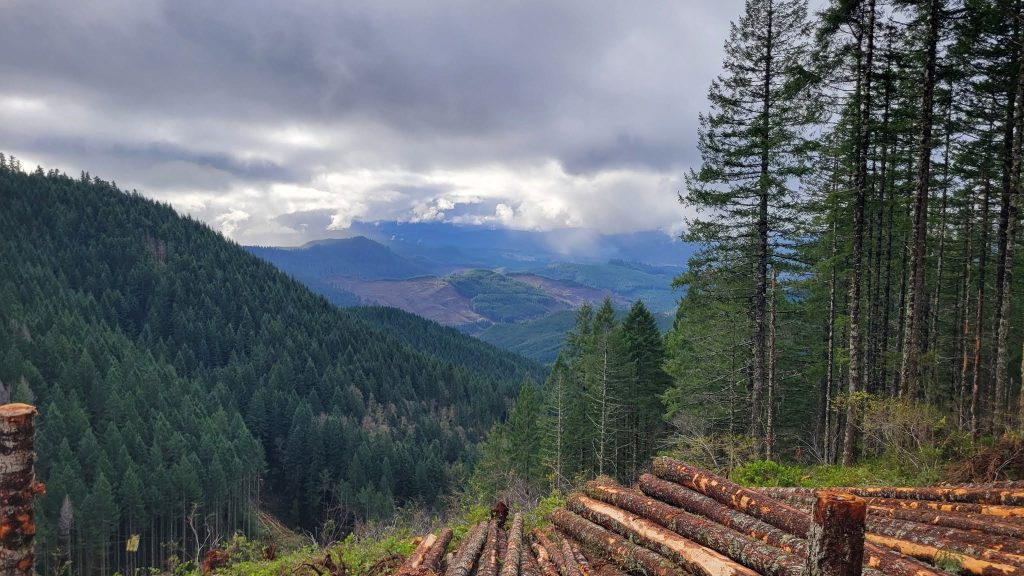
Constant swings between administrations make that nearly impossible.
One president expands logging.
The next restores protections.
Management plans are written, challenged, replaced and rewritten.
Timber sales take years to prepare and may become trapped in court.
Conservation groups feel forced to litigate because they don’t trust political promises. Mill owners hesitate to invest because they don’t trust future supply.
The instability harms both sides.
What Does Oregon Owe Its Ancient Forests?
Oregon also owes something to places that survived the most intensive years of logging.
The old forests weren’t preserved because they lacked economic value.
They were preserved because people eventually recognized that their value couldn’t be measured only in board feet.
They hold cold streams and deep carbon stores.
They provide habitat that younger plantations can’t immediately replace.
They retain genetic and ecological information shaped by centuries of storms, drought and changing climate.
They show us what parts of western Oregon looked and felt like before industrial-scale logging transformed the landscape.
And they ask for remarkably little.
Time.
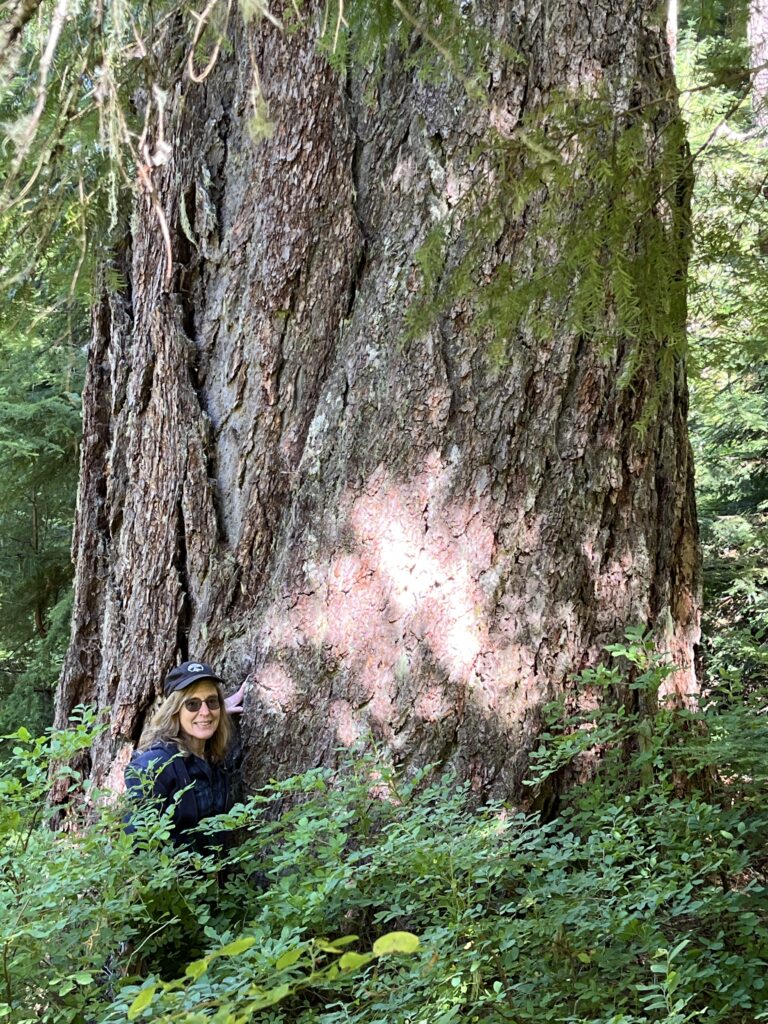
King Tut has survived without a management plan, a political party or an economic forecast.
It has endured insects, wind, disease, competition, fire and generations of human decisions.
But it can’t survive being cut.
No restoration project can undo that decision.
No mitigation payment can rebuild the same organism.
No promise to plant seedlings nearby can replace a tree that may have stood for nearly a millennium.
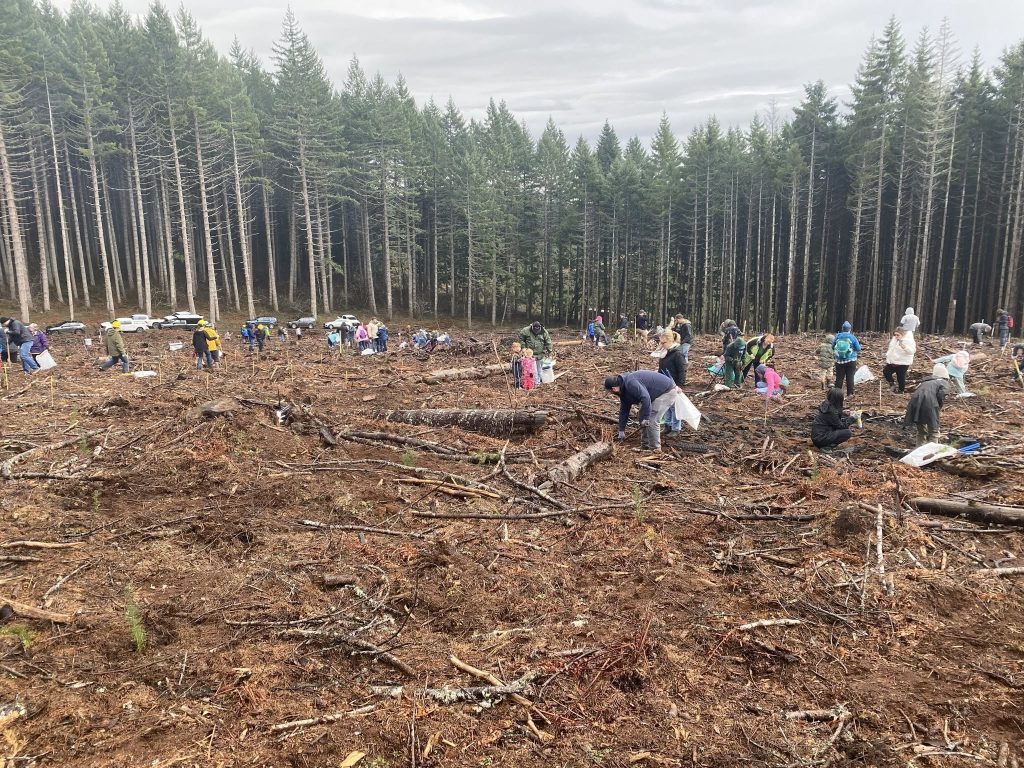
That doesn’t mean every old tree across every federal acre must be declared untouchable.
It means the oldest and rarest places deserve a higher burden of proof.
Before a forest like Crabtree is opened to commercial logging, the public should be shown that doing so is genuinely necessary, economically meaningful and impossible to accomplish elsewhere.
So far, that case hasn’t been made.
The Argument Waiting Beyond the Lake
Back in Crabtree Valley, there are no clean ideological boundaries.
The forest contains the remains of old roads.
The surrounding mountains bear the geometric lines of past harvests.
The ancient trees survived partly because people chose, at critical moments, not to cut them.
Human history and natural history overlap everywhere.
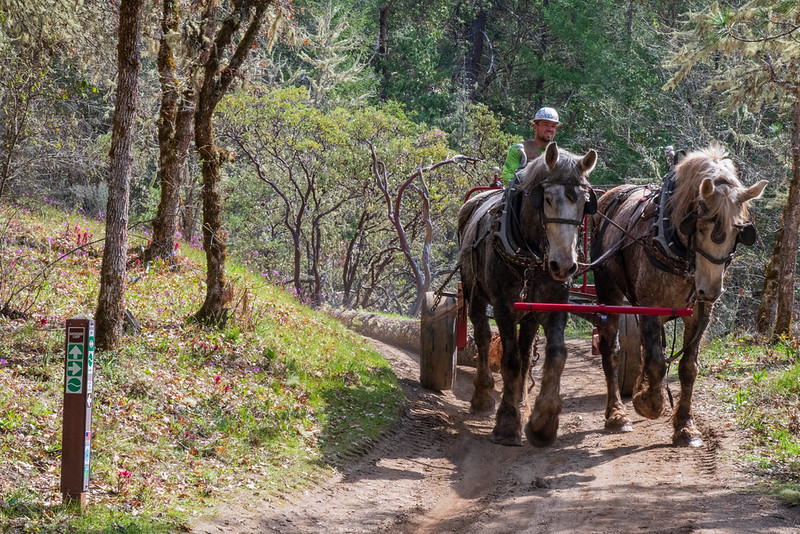
Crabtree isn’t proof that all logging is wrong.
Nordic Veneer’s closure isn’t proof that all protected forests should be opened.
Together, they reveal a state caught between two truths.
Oregon’s timber industry helped build the state, and remaining mills still matter to real communities.
Oregon’s ancient forests are rare, irreplaceable and worth more than the timber they contain.
The challenge is refusing to erase either truth.
The BLM’s planning process will unfold through technical documents, maps, acreage tables and legal language. There will be claims about sustained yield, fire resilience, wildlife habitat, county revenue and domestic wood supply.
Some of those claims will be well supported.
Others will be exaggerated.
The public’s job is to look beyond the slogans.
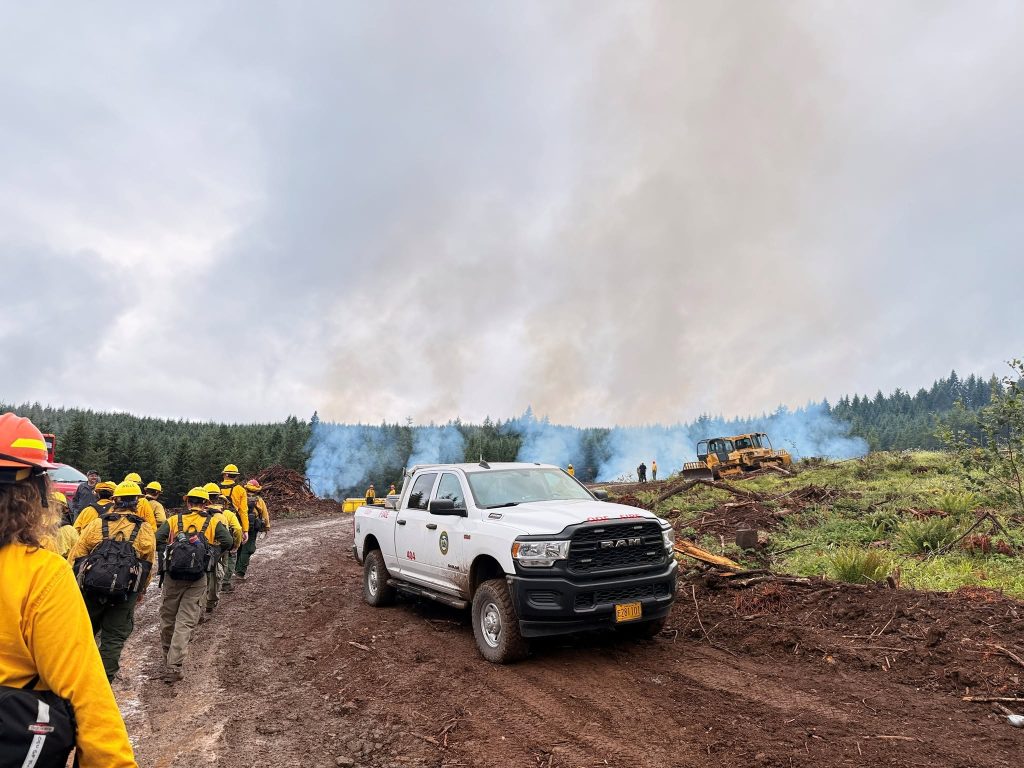
Will increased harvest come primarily from younger forests already designated for timber production, or will administrative protections be stripped from ancient reserves?
Would opening Crabtree provide meaningful long-term support to mills, or merely offer a temporary volume of high-value timber?
Could a reliable federal timber supply be created without sacrificing the oldest forests?
And when politicians promise to restore Oregon’s timber economy, are they offering a realistic plan for modern mills and workers, or invoking a vanished industry that no amount of old-growth logging can fully bring back?
Those questions deserve answers before any lines are redrawn around Crabtree Valley.
The Tree and the Mill
Somewhere in Roseburg, a mill that operated for more than seven decades has gone quiet.
Its workers won’t be comforted by poetic descriptions of moss, mist and ancient trees. They need jobs, health insurance, mortgage payments and a reason to believe their community has a future.
Somewhere beyond Crabtree Lake, King Tut remains unmarked in the forest.
The tree knows nothing of wood markets, federal regulations or foreign competition. But its continued existence depends on people deciding that some things should survive even when they could be converted into something profitable.
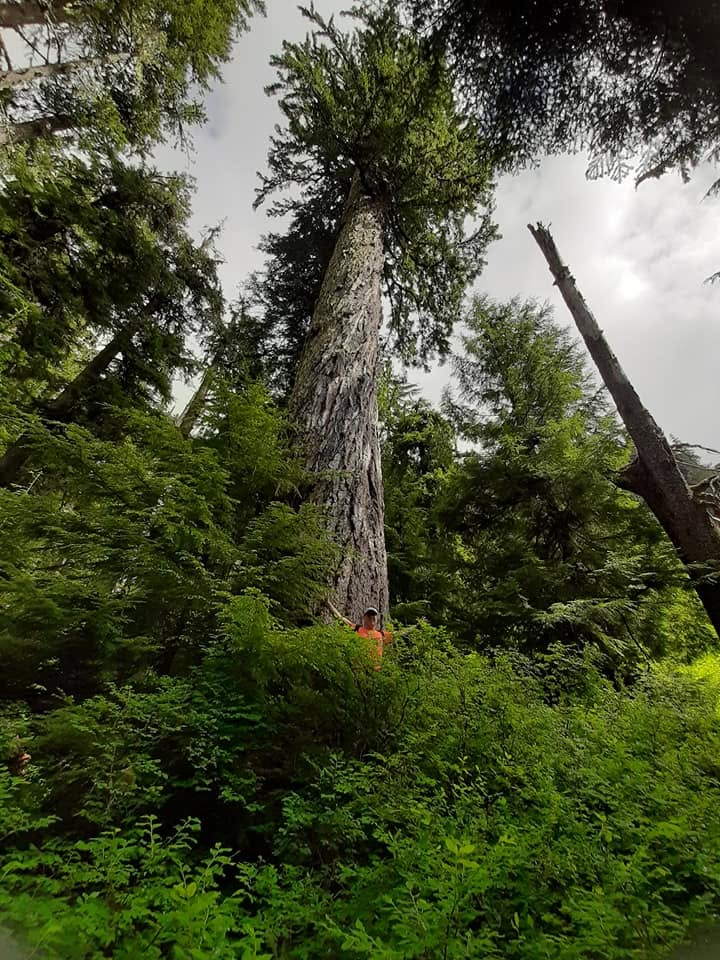
Oregon has spent generations placing the mill and the tree on opposite sides of the same argument.
Perhaps that is the first thing that needs to change.
A state that claims to value both its working communities and its wild heritage should be capable of protecting its rarest ancient forests while supplying responsible, predictable timber from lands better suited to production.
That path won’t satisfy the loudest voices on either side.
It won’t restore every mill that has closed, and it won’t place every acre beyond human use.
But it may be the only path that leaves Oregon with both an industry and something ancient still standing.
For now, Crabtree Valley waits.
Its protections remain in place, but they’re under review.
The lake still gathers the rain.
The mist still moves between the trees.
And somewhere beyond the last recognizable route, King Tut continues doing what it has done through centuries of fire, winter and human uncertainty.
It stands.