
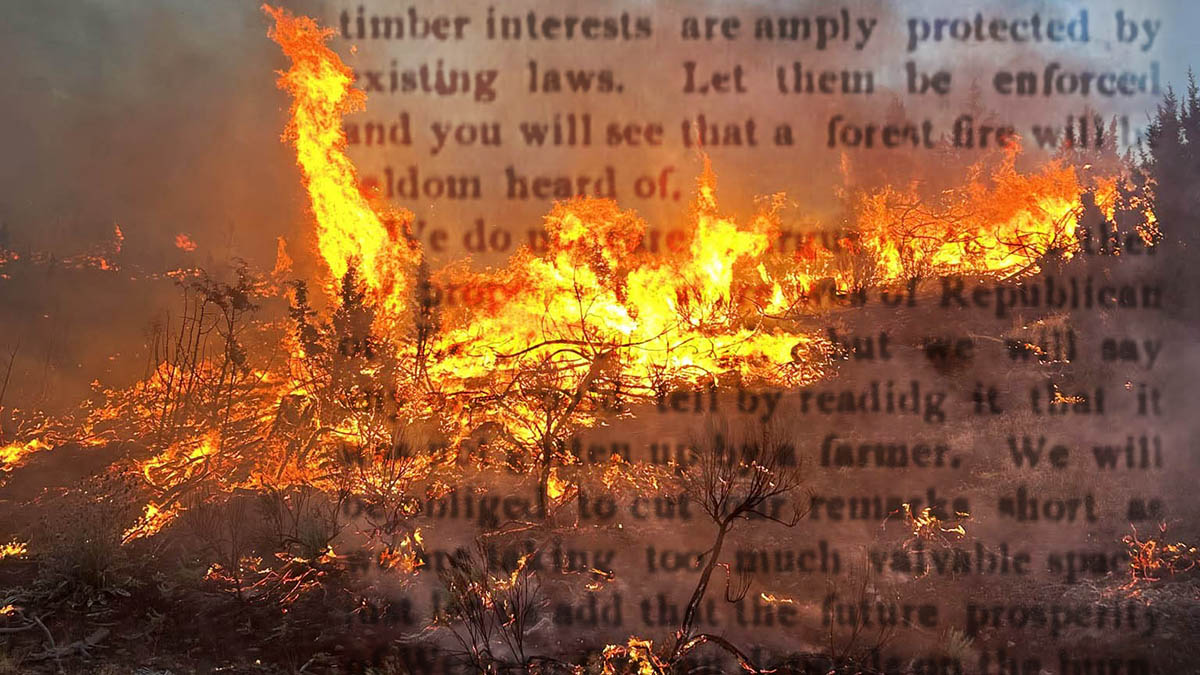
Smoke had drifted into Lane County again, turning the sky a sickly-yellow and the surrounding hills into indistinct hazy blue, when I found myself remembering an old newspaper clipping I’d saved during some research into western Oregon history.
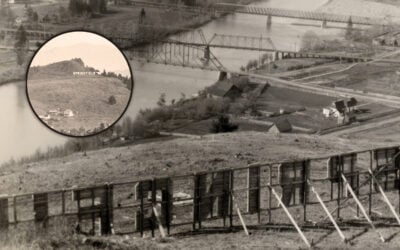
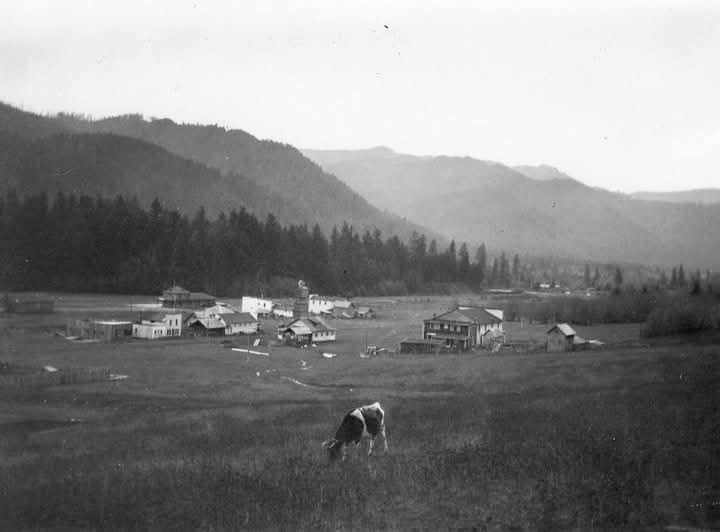
The clipping came from Hazel Dell, the small settlement in the upper Middle Fork Willamette country that would officially become known as Oakridge in 1912. It was published in the Daily Eugene Guard on March 21, 1903, and at first it reads like any number of old community columns from the period.
Someone had returned from Pleasant Hill. A few young men had attended a dance at Fall Creek. A local resident had left for Harrisburg. Spring was coming, and the correspondent advised readers to “make early garden.”
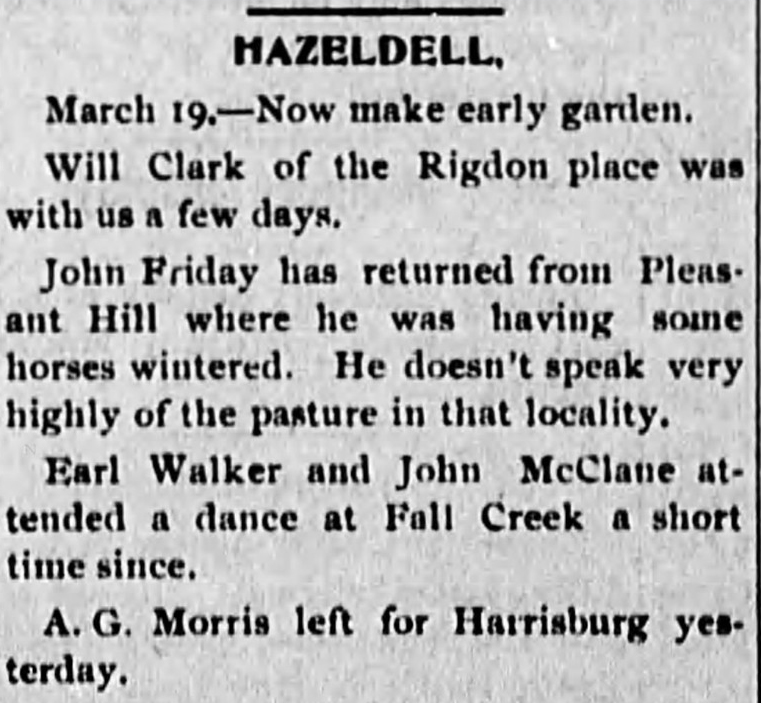
Then, without much warning, the column launches into a furious argument over wildfire, arson, government regulation and the influence of Oregon’s timber industry. I saved the clipping, leaving it forgotten in a folder on my hard drive until now, when current events sparked a memory.
More than 120 years later, it’s almost unsettling how familiar it sounds.
As I write this, wildfire smoke has pushed into Eugene, Springfield, Oakridge and other parts of Lane County from fires burning farther east, over 2,000,000 acres of this writing. At the same time, a Spokane man has been arrested and charged with first-degree arson for allegedly starting the Old Trails Fire, the largest of three Spokane, WA-area fires that have collectively destroyed more than 700 structures. Authorities are still investigating the causes of the other two fires, and the charges against the suspect haven’t been proven in court.

In 1903, people in Hazel Dell were already arguing about many of the same things we’re still arguing about today: Who’s really starting the fires? Are landowners being unfairly blamed? Are restrictions preventing people from managing their property? Is the government protecting the public, or protecting powerful private interests?
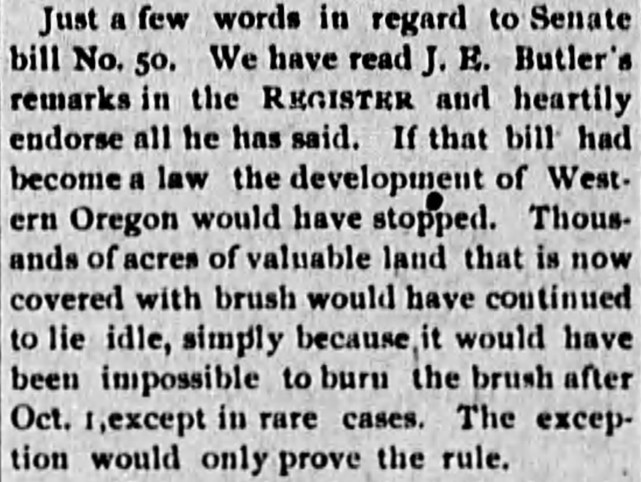
“Just a few words in regard to Senate bill No. 50. We have read J. E. Butler’s remarks in the REGISTER and heartily endorse all he has said. If that bill had become a law the development of Western Oregon would have stopped. Thousands of acres of valuable land that is now covered with brush would have continued to lie idle, simply because it would have been impossible to burn the brush after Oct. 1, except in rare cases. The exception would only prove the rule.
The origin of all destructive fires is laid at the door of the settler who has burned a slashing or some one who is “camping out.” Now the truth of the matter is, that forest fires seldom start from such causes, but are set out by persons with the intention of burning over as much territory as possible. Forest fires by the dozens have raged in this locality, in fact we have them every year, and there is not one the origin of which can be traced back to a camp fire or a settler’s slashing. Such being the case, and we know whereof we speak, would it not be wrong to say that the settler shall not clear his land of brush or that the traveler shall not build fires to cook his meals?
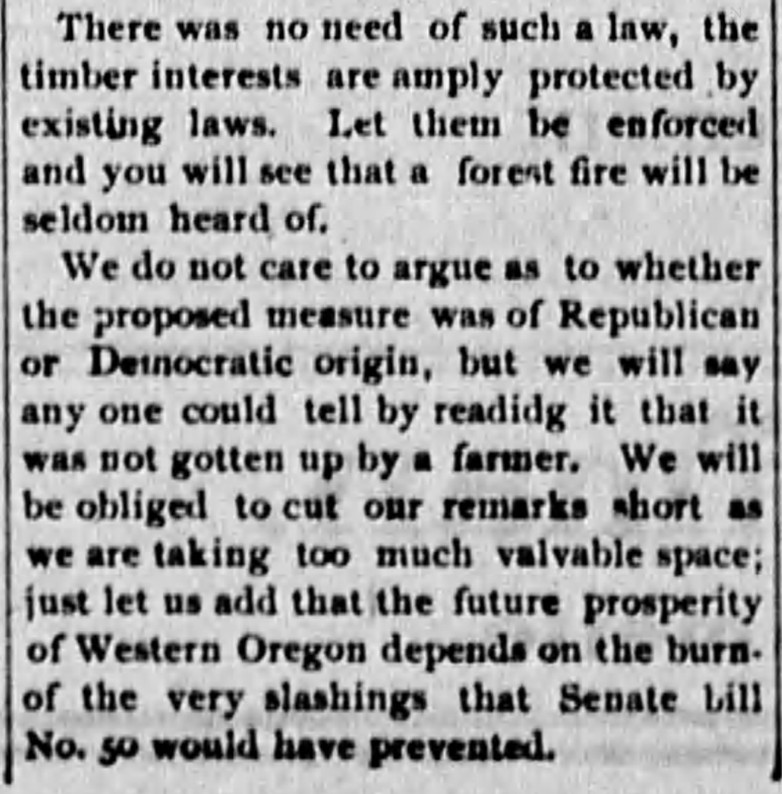
There was no need of such a law, the timber interests are amply protected by existing laws. Let them be enforced and you will see that a forest fire will be seldom heard of.
We do not care to argue as to whether the proposed measure was of Republican or Democratic origin, but we will say any one could tell by[reading] it that it was not gotten up by a farmer. We will be obliged to cut our remarks short as we are taking too much valuable space; just let us add that the future prosperity of Western Oregon depends on the [burn-
of the very slashings] that Senate bill No. 50 would have prevented.”–Anonymous Hazel Dell resident, March 21, 1903
The Senate Bill That Angered Rural Oregon in the Early 1900s
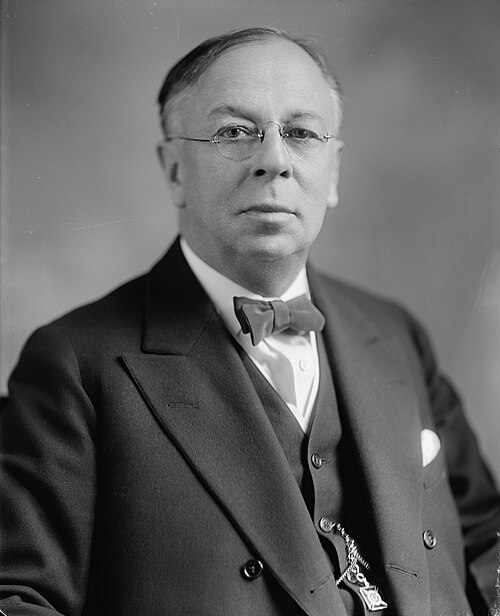
The target of the Hazel Dell correspondent’s anger was Oregon Senate Bill 50, introduced by Senator Robert A. Booth of Eugene.
The measure would’ve created one of Oregon’s earliest organized statewide forest-protection systems. It called for a five-member state forest commission, county fire wardens paid by the state, additional rangers paid by counties and a closed burning season running from June 1 through October 1. Anyone wishing to burn brush, logging debris or other material during that period would’ve needed a permit.
Today, a seasonal permit requirement probably doesn’t sound especially radical. Oregon still regulates forest burning, and permits are required in many areas during fire season.
But for the farmers, settlers and homesteaders of western Oregon in 1903, fire wasn’t simply a recreational activity or an occasional backyard chore. It was one of their most important tools.
Land had to be cleared before it could become a farm, pasture, garden or homesite. After trees were cut, enormous amounts of brush, limbs, treetops and other debris remained. These piles were commonly called “slashings,” and without modern equipment to grind, haul or chip the material, burning was often the only practical way to get rid of it.
The Hazel Dell writer believed Senate Bill 50 would make that work nearly impossible. Waiting until October wasn’t a realistic solution in western Oregon, where autumn rain could quickly soak the brush and slash. According to the column, thousands of acres would remain covered in brush and unusable because settlers wouldn’t be able to burn during the short window when the material was dry enough.
The writer argued that western Oregon’s future prosperity depended on the very slash burning the bill sought to restrict.
And Hazel Dell wasn’t alone.
On the same newspaper page, Siuslaw Grange No. 61 near Lorane published a resolution declaring itself “bitterly opposed” to Senate Bill 50. The Grange accused the bill of preventing homebuilders and working farmers from burning their brush until a time of year when it couldn’t be burned at all. Its members praised Governor George Chamberlain for vetoing what they called an “obnoxious bill.”
This wasn’t simply one cranky newspaper correspondent complaining about Salem. There was organized opposition among Lane County’s agricultural communities.
A Disastrous Fire Season Had Changed the Conversation
Senate Bill 50 didn’t appear out of nowhere.
The previous year had brought one of the Pacific Northwest’s most destructive early fire seasons. A Forest Service history estimated that fires in Marion, Clackamas and Tillamook counties destroyed more than 2.1 billion board feet of Oregon timber in 1902, along with mills, barns and other property.

Across the Columbia River, the Yacolt Burn swept through parts of southwest Washington, killed 16 people and destroyed billions of board feet of timber. The disaster convinced timber owners that fire could tear through standing green forests, not just old slash, dead brush or previously logged land.
The timber industry began pushing for stronger laws, organized patrols and a permanent force capable of fighting fires before they consumed valuable timber holdings.
That’s where Senator Booth’s background becomes important.
Robert A. Booth represented a large district that included Lane, Douglas and Josephine counties. He was also one of the founders of the Booth-Kelly Lumber Company, which had purchased Springfield’s sawmill and several thousand acres of regional timberland by 1901.
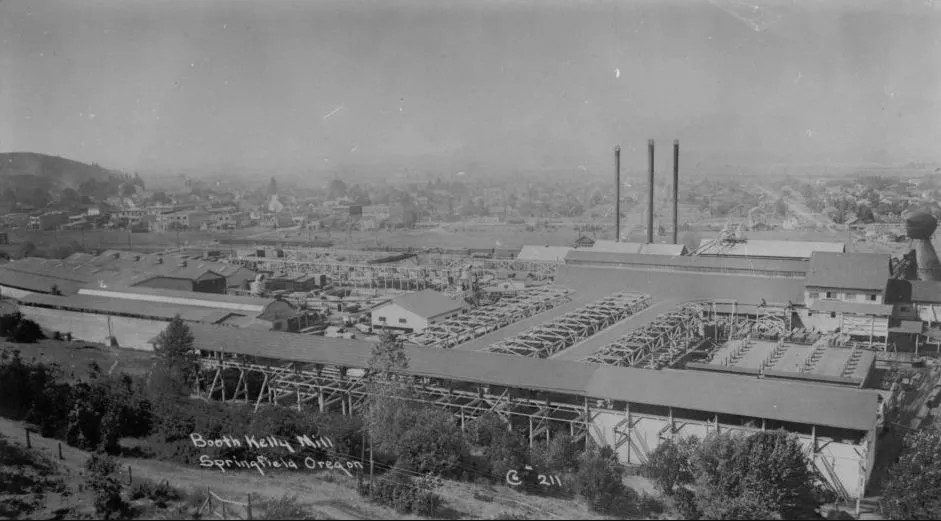
That doesn’t prove the bill was corrupt or that Booth’s only interest was protecting his own company. Oregon desperately needed a more organized fire-protection system, and the destruction of 1902 had shown just how unprepared the region was.
Still, it’s not difficult to understand why farmers were suspicious.
From their perspective, a timberman serving in the Legislature had introduced a bill that would use public money to protect private forests while limiting how ordinary settlers could clear their own property. The Hazel Dell writer bluntly observed that anyone reading the measure could tell it hadn’t been written by a farmer.
Governor Chamberlain apparently shared at least part of that concern. He vetoed the bill because it created new state expenses without providing a definite appropriation. He also argued that taxpayers could end up paying to protect private timber holdings while the state, which retained relatively little timberland of its own, received few of the direct benefits.
Two years later, Oregon passed a revised law that placed more of the cost on timber owners. County courts could hire wardens paid by local timber interests, while county clerks issued permits for slash burning.
That system created another problem. Rural residents sometimes had to travel all the way to the county seat to obtain permits that were only valid for a limited time. For families living in isolated communities like Hazel Dell, that could mean a long trip over rough roads with no guarantee that weather conditions would still allow burning when they returned home. Complaints eventually forced Oregon to revise its system again.
The state’s modern wildfire organization didn’t arrive as one perfectly designed solution. It developed through years of arguments, vetoes, failed systems and uneasy compromises between government, timber companies and rural landowners.
Hazel Dell Already Knew What Burned Forests Looked Like
One detail makes the clipping even more interesting.
While examining the original cadastral survey maps and surveyors’ notes from the 1850s through the 1870s, I noticed that huge sections of the townships surrounding what became Hazel Dell were labeled “OLD BURN” or simply “BURNT.”
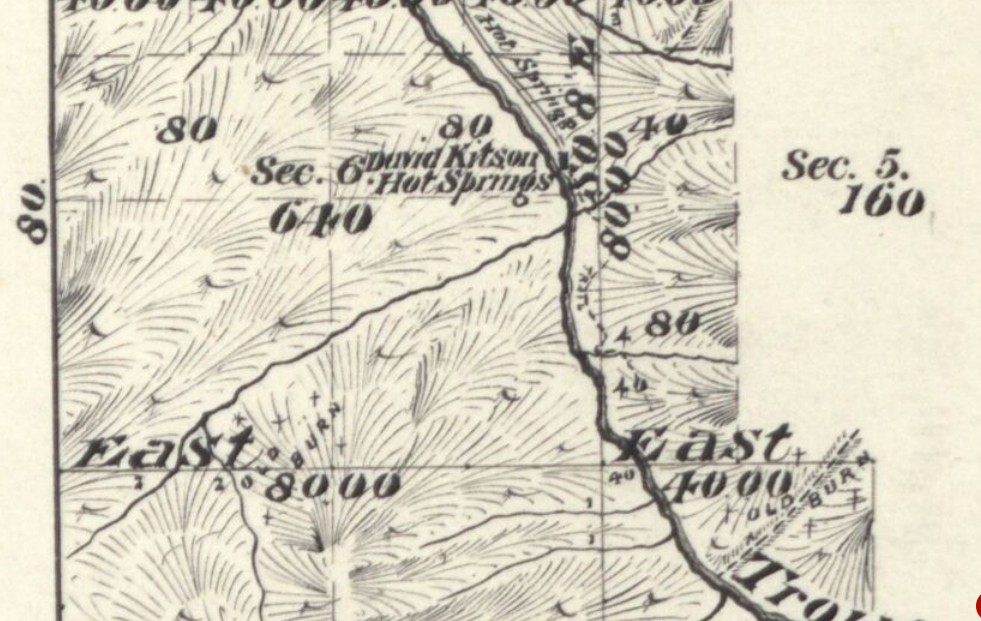
Those fires were recorded decades before the 1903 newspaper column. They don’t tell us exactly when the fires occurred, who started them or whether they were caused by lightning, Indigenous burning, early settlers or some combination of causes.
They do tell us that the people living around Hazel Dell weren’t looking out at an untouched forest that had never experienced fire. Some of the burns may have happened a generation or two before the newspaper column was written, but their marks remained visible enough for government surveyors to record them across large areas.
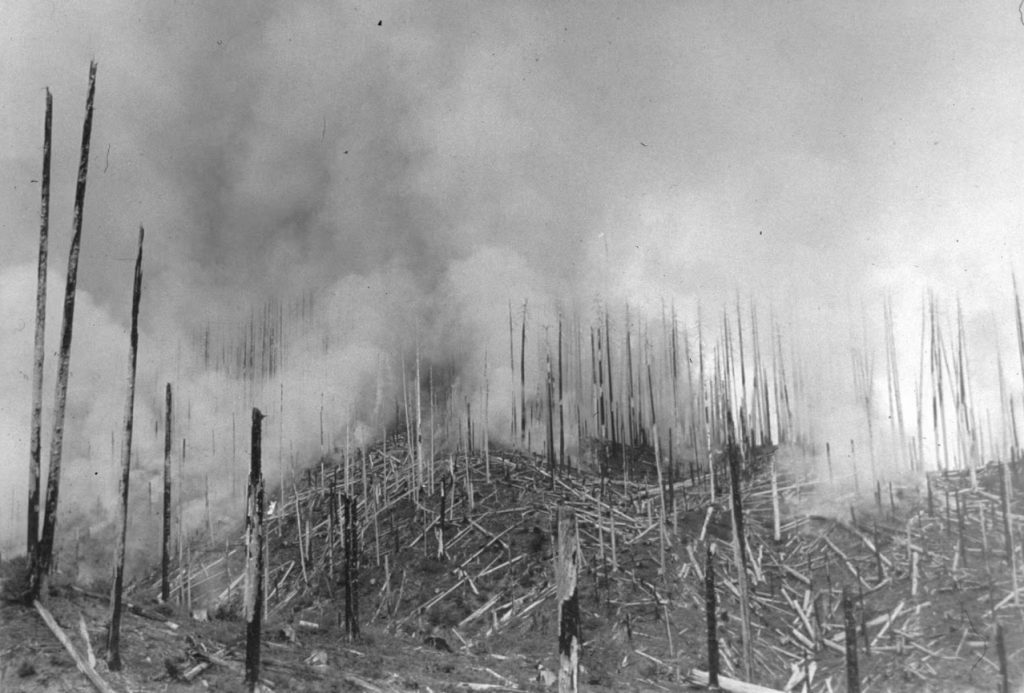
Fire had shaped Oregon’s landscapes long before the state developed a formal suppression system. Lightning and intentional Indigenous burning both played roles, although fire frequency and behavior varied widely between western Oregon’s valleys, wet forests and drier mountain landscapes. Research also suggests that Indigenous burning occurred in some remote areas of the western Cascades, making the region’s fire history more complicated than the old idea of a completely untouched wilderness.
By 1903, however, the relationship between people and fire was changing. Settlers used burning to clear land. Logging operations left large amounts of slash. Timber companies wanted fires aggressively prevented and suppressed. State officials were trying to regulate practices that had previously been handled locally, if they were regulated at all.
Everyone understood that fire could be destructive. They strongly disagreed about whose fire was the problem.
The Claim That Sounds Most Familiar Today
The most striking part of the Hazel Dell clipping is its argument over how fires started.
The correspondent rejected the idea that settlers clearing land or travelers cooking meals were responsible for the region’s destructive fires. The writer claimed that local fires were instead deliberately set by people who wanted to burn as much territory as possible.
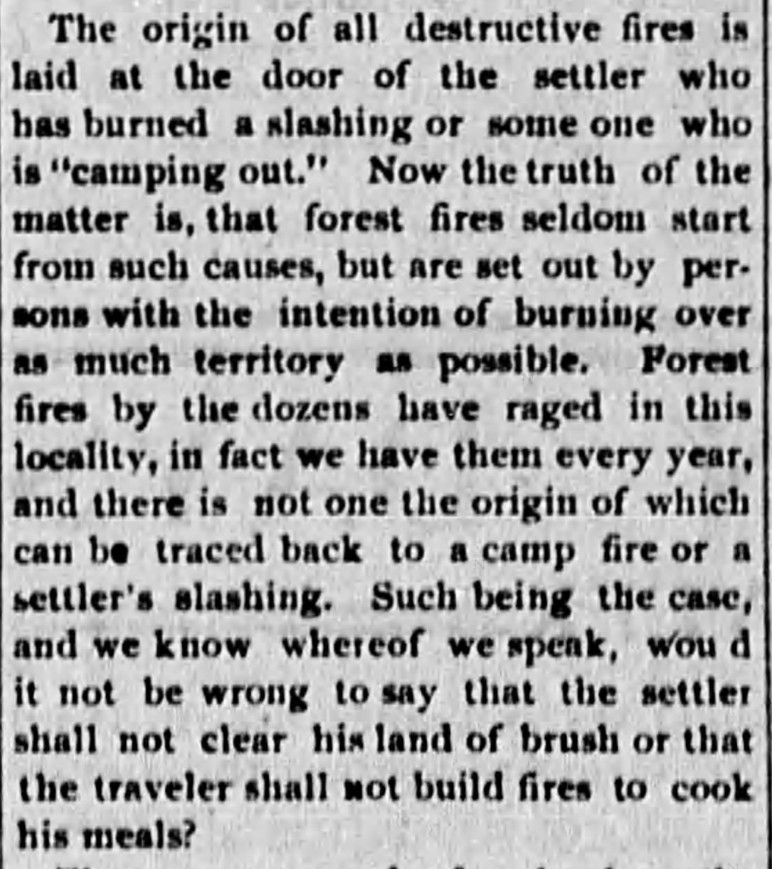
It’s an extraordinary allegation, especially because the column provides no names, arrests, dates or other evidence. It shouldn’t be treated as proof that most Hazel Dell-area fires were acts of arson.
The writer was also making a political argument. Senate Bill 50 targeted the exact kind of burning settlers relied on, so the correspondent had a clear reason to shift blame away from farmers and toward malicious fire setters.
Even so, the passage shows how fiercely people debated wildfire causes more than a century ago.
Then, as now, an ignition source wasn’t necessarily the whole story. A person might start a fire intentionally or accidentally, but its eventual size and destruction could also depend on wind, weather, dry vegetation, accumulated fuels, terrain, available firefighters and how many homes had been built in its path.
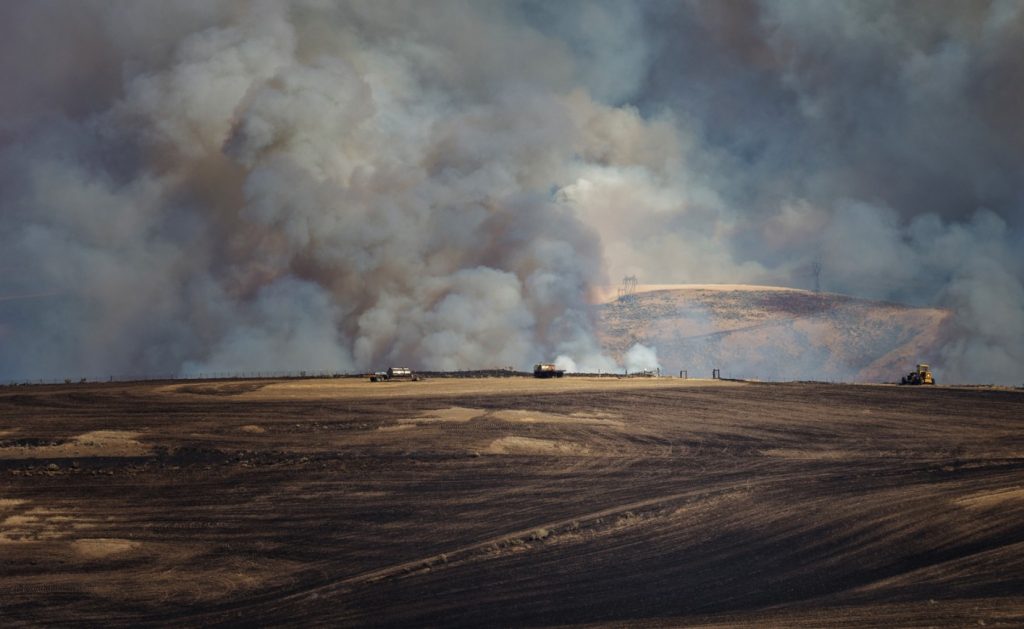
Those distinctions often disappear once people begin choosing sides.
Some blame arsonists. Some blame careless campers. Some blame climate and extreme weather. Others blame fuel buildup, restrictions on logging, a lack of prescribed burning or decades of aggressive suppression. Timber companies, government agencies and rural landowners still disagree over who should manage the land, what tools they should be allowed to use and who should pay when something goes terribly wrong.
The vocabulary has changed. The argument really hasn’t.
The Debate That Never Ended
The Hazel Dell writer feared that government restrictions would stop land from being cleared and prevent western Oregon from developing. Timber companies feared that uncontrolled burning would destroy one of the state’s most valuable resources. Governor Chamberlain feared taxpayers would be handed the bill for protecting private property.
All three concerns had some legitimacy.
Oregon clearly needed a better way to detect and fight fires. The loosely organized system that existed in 1903 wasn’t capable of handling major regional disasters. At the same time, farmers weren’t imagining the hardship created by a permit system that ignored weather, distance and the realities of life in remote communities. Even later state reports acknowledged those problems.
That’s what makes this little Hazel Dell column so valuable. It doesn’t give us a clean lesson with obvious heroes and villains. Instead, it gives us something much more recognizable: Oregonians arguing over land, fire, government power, private industry and who should carry the burden.
More than 120 years later, smoke is once again hanging over Lane County. Over 2,000,000 have burned this summer. Officials are investigating intentional and accidental ignitions. Residents are debating forest management. Lawmakers are proposing new rules. Rural communities are wondering whether decisions made elsewhere will actually help them or simply make their lives more difficult.
Hazel Dell has been called Oakridge for more than a century now.
But the conversation its residents were having in 1903 never really went away.