
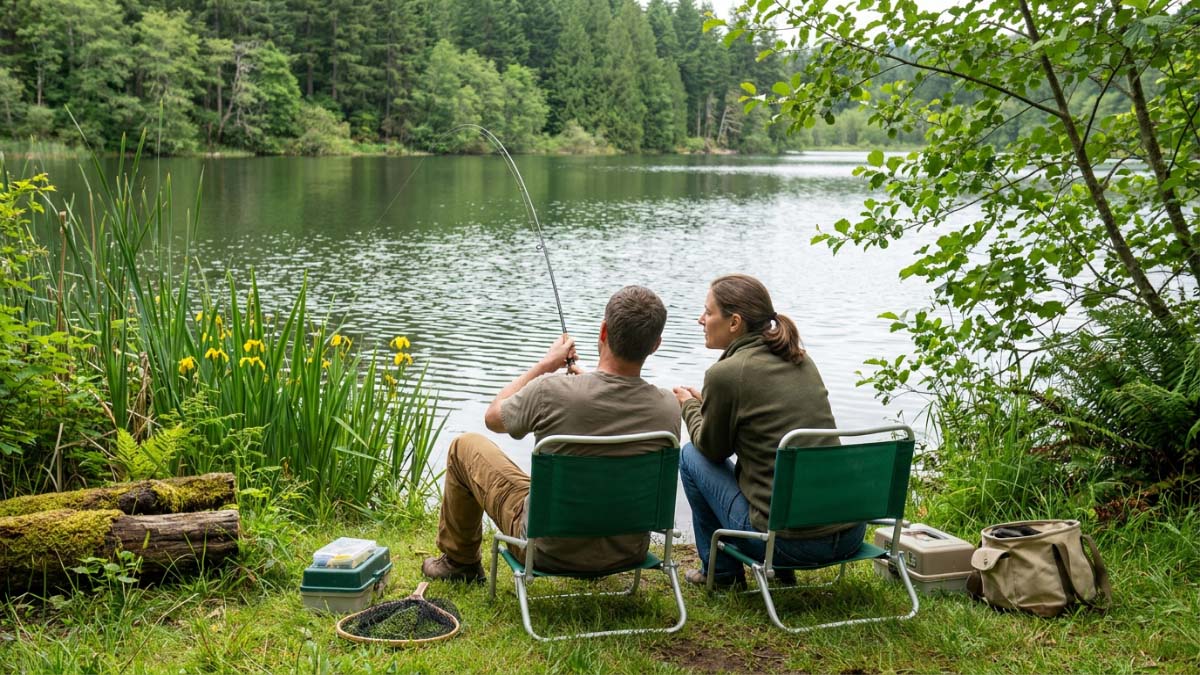
In a state where fishing boats crowd coastal harbors, hunting camps are a longtime family tradition and farms stretch from the Willamette Valley to the high desert, a new political battle is taking shape over how Oregon protects those ways of life.
Republican leaders announced Tuesday that they intend to pursue an amendment to the Oregon Constitution guaranteeing the right to hunt, fish, gather wild foods, grow crops and raise animals.
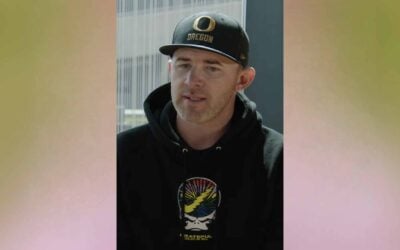
The effort is being spearheaded by state Sen. Christine Drazan of Canby, Oregon’s Republican nominee for governor, who announced the proposed amendment alongside several Republican legislative leaders at White’s Country Meats in Gresham.
Joining her were Senate Minority Leader Bruce Starr of Dundee, House Minority Leader Lucetta Elmer of McMinnville, Sen. David Brock Smith of Port Orford and Rep. Court Boice of Gold Beach, along with representatives from Oregon’s farming, ranching and fishing industries.
The announcement came only days after Initiative Petition 28, a controversial animal rights proposal, failed to collect enough valid signatures to qualify for Oregon’s November 2026 ballot.
A Response to Initiative Petition 28
Known as the People for the Elimination of Animal Cruelty Exemptions Act, or PEACE Act, IP 28 sought to rewrite Oregon’s animal cruelty statutes by removing exemptions for activities that are currently legal.
The petition’s language would have removed protections for established animal husbandry practices and narrowed the circumstances under which someone could legally injure or kill an animal. The exception would largely have been limited to defending people or animals from an immediate threat.
Opponents warned that the practical effect would have reached far beyond traditional animal cruelty laws. Hunting, fishing, livestock slaughter, animal breeding and many common farming practices could have become illegal under the proposal.
Supporters described the measure differently, arguing that Oregon law contains exemptions that allow animals to experience unnecessary suffering. The campaign’s stated goal was to extend existing animal cruelty protections to more animals and activities.
Petition organizers submitted more than 142,000 signatures, exceeding the raw number required for a statutory initiative. However, the Secretary of State’s Office determined that too many signatures were invalid, leaving the campaign with fewer than 75 percent of the valid signatures needed to reach the ballot.
It was the third election cycle in which animal rights advocates attempted to advance a version of the proposal. Although this year’s campaign came closer than the earlier attempts, organizers have indicated that they intend to keep trying.
That possibility is one reason Republican lawmakers say they’re acting now.
The official That Oregon Life store
The Oregon you bring home.
Start the day with Oregon-roasted coffee, then find original gear inspired by the places, stories, and oddities that make this state ours.
Shop Oregon gear

What the Proposed Amendment Would Protect
The Republican proposal would add language to the Oregon Constitution protecting a person’s ability to hunt, fish, gather wild foods, raise animals and grow crops.
For many Oregonians, those activities aren’t simply recreational. They’re tied to jobs, family traditions and the availability of locally produced food.
Commercial fishing remains a defining part of communities from Astoria to Brookings. Ranching and farming support rural economies across eastern and southern Oregon. Hunting and fishing licenses also help fund wildlife management and habitat programs throughout the state.
Foraging is part of the equation as well. Gathering mushrooms, berries and other wild foods has long been woven into Oregon’s outdoor culture, including traditions carried on by Indigenous communities.
Drazan argued that Oregon shouldn’t become a proving ground for policies that could undermine food production, consumer choice and thousands of jobs connected to farms, ranches and fisheries.
She described hunting, fishing, farming and ranching as parts of Oregon’s heritage that still play an important role in daily life.
Opposition to IP 28 Crossed Party Lines
Although the new constitutional proposal is being promoted by Republicans, opposition to IP 28 was not limited to one political party.
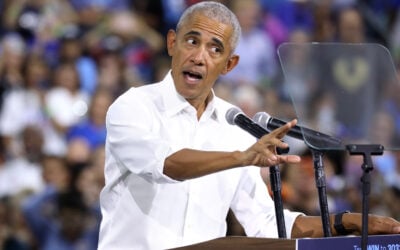
Democratic Gov. Tina Kotek also came out firmly against the initiative while organizers were still working to qualify it for the ballot. Kotek said criminalizing hunting and fishing would be wrong for Oregon and warned that IP 28 could outlaw common agricultural practices that are important to the state’s economy. She also argued that conversations about conservation and animal welfare can take place without targeting farmers, ranchers, hunters and anglers. Her opposition placed Oregon’s sitting Democratic governor and her Republican challenger on the same side of one of the year’s most controversial proposed ballot measures.
The initiative faced resistance from Democratic and Republican leaders, farming organizations, ranchers, fishing interests and Oregon’s federally recognized tribes.
One of the most serious concerns involved tribal treaty rights. The measure did not include an exemption protecting treaty-guaranteed hunting and fishing practices on traditional lands.
Republican leaders said the broad coalition that opposed IP 28 could create an opening for bipartisan support when the constitutional amendment reaches Salem.
Drazan said Democratic lawmakers from the Clackamas County area had been invited to Tuesday’s announcement but did not respond. Still, she argued that the lack of Democratic attendance should not be mistaken for support of IP 28, noting that political opposition to the initiative had been widespread.
No representatives of the IP 28 campaign immediately responded to requests for comment following the Republican announcement.
The Amendment Would Not Reach Voters Immediately
Oregonians won’t be voting on the proposal this fall.
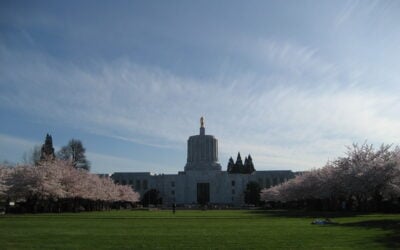
Republican lawmakers plan to introduce the constitutional amendment during the 2027 legislative session. Oregon’s longer regular legislative sessions are held during odd-numbered years and begin in January.
Another legislator will have to formally introduce the measure because Drazan is expected to leave her Senate seat in January, regardless of whether she wins the governor’s race.
The proposal would then need approval from the Oregon Legislature before being referred to voters. If it advances during the 2027 session, the final decision could appear on the statewide ballot in November 2028.
Republican leaders expressed confidence that lawmakers from both parties could support the referral, especially after the strong political opposition IP 28 encountered.
Tuesday’s event also carried the unmistakable atmosphere of a campaign appearance. Oregon Farm Bureau President Angi Bailey and several agricultural and fishing industry representatives spoke in support of Drazan alongside Republican lawmakers.
Starr said he believes Drazan’s leadership, combined with cooperation from both parties, could ultimately place the amendment before Oregon voters.
For now, the proposed constitutional protection remains just that, a proposal. No formal legislative resolution has been filed, and the exact language could change before lawmakers meet in Salem next year.
But the larger debate is unlikely to disappear.
IP 28 may have fallen short of the ballot in 2026, but its supporters have already demonstrated that they’re willing to return for another attempt. Oregon Republicans are now preparing their own long-term response, one that could eventually ask voters to place hunting, fishing, farming and food gathering among the rights specifically protected by the state Constitution.