
The U.S. Navy Blue Angels are returning to Oregon this August, bringing their unmistakable blue-and-gold fighter jets, tightly packed formations and thunderous aerial maneuvers to the Oregon International Air Show in McMinnville.
This year’s show is shaping up to be one of Oregon’s biggest family events of the summer. The Blue Angels will fly all three days, joined by the U.S. Air Force F-35A Lightning II Demonstration Team, the U.S. Marine Corps MV-22 Osprey Demonstration Team, historic warbirds and additional aerobatic performers.
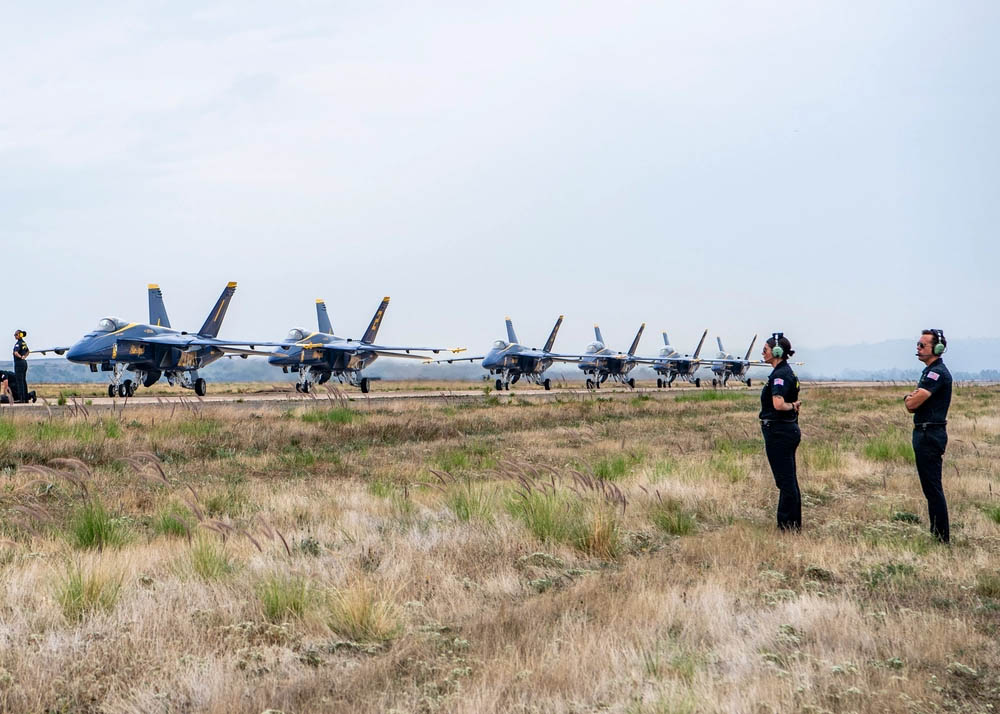
For anyone who has never experienced a major air show in person, TV and social media clips don’t fully prepare you for it. Not by a long shot. I grew up going to the Hillsboro Air Show with my family, and the experience is nothing short of jaw-dropping.
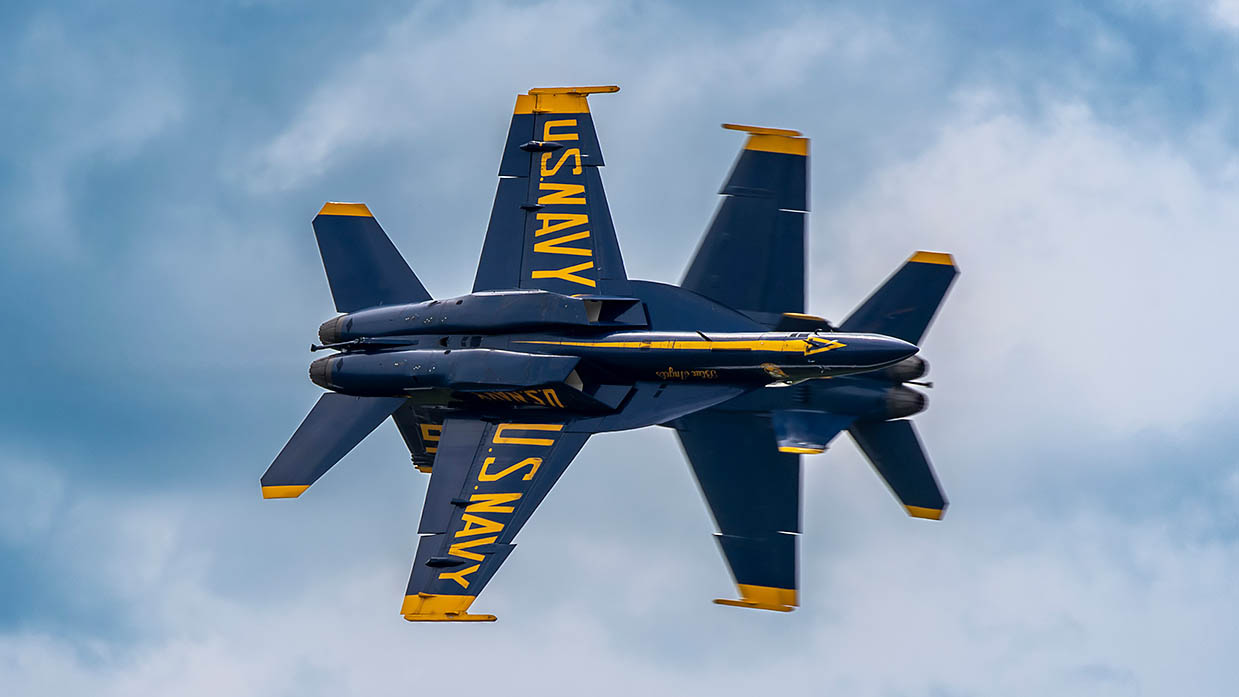
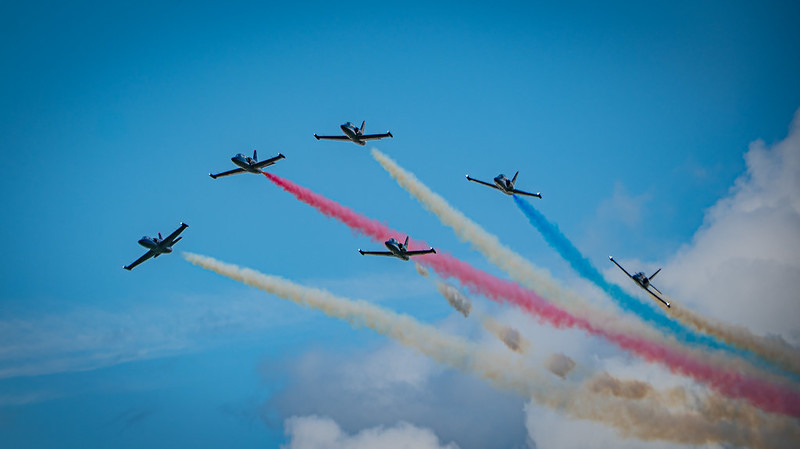
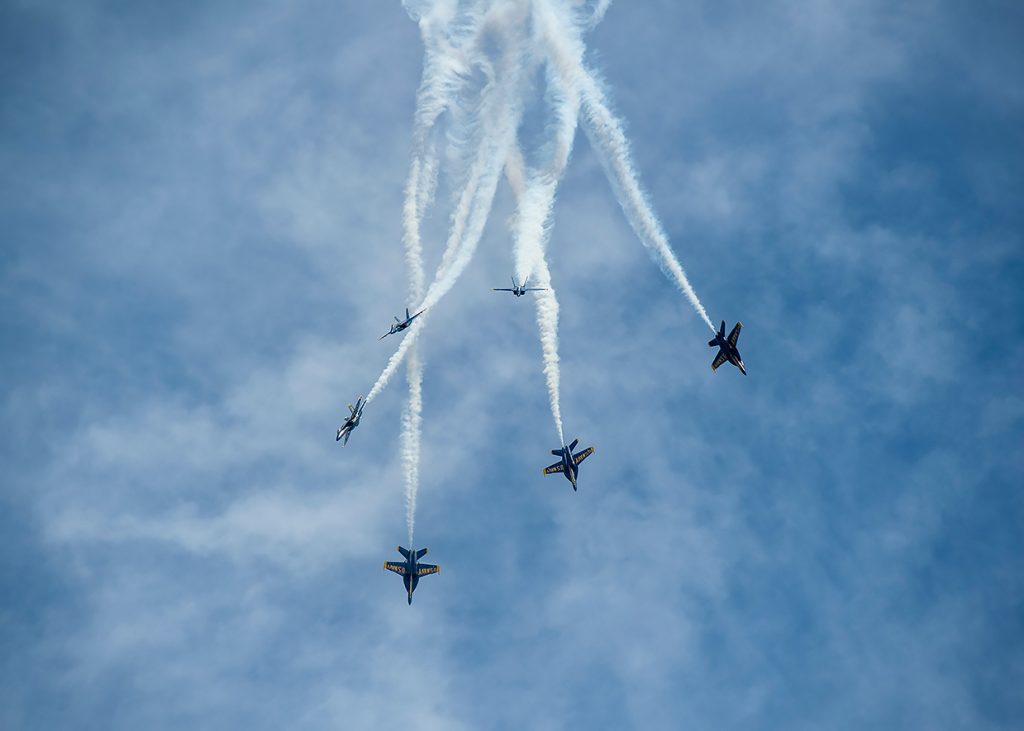
You feel the aircraft with every fiber of your being before you completely understand what you’re seeing. The sound rolls across the airport, people instinctively look up, and six Navy jets suddenly appear in a formation so precise that they almost seem connected.
Then they separate.
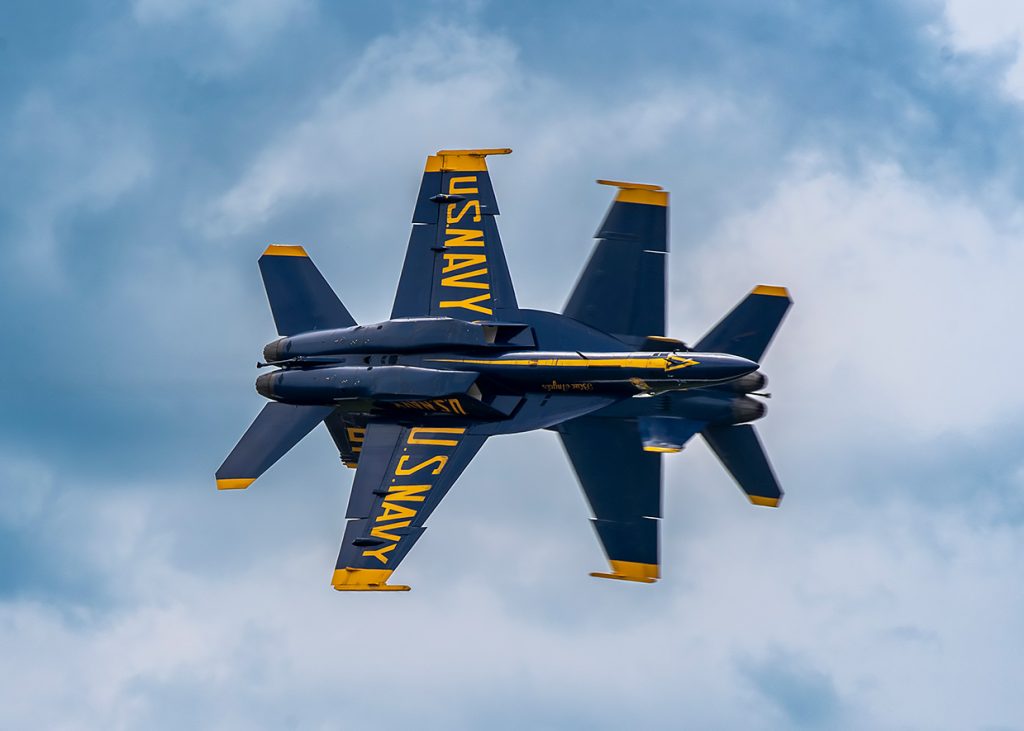
One aircraft climbs toward the clouds. Another flashes across the horizon. Two jets approach from opposite directions, appearing to race directly toward one another before passing with astonishing precision.
It is fast, loud, dramatic and nearly impossible to ignore.
The Blue Angels Are Celebrating 80 Years
The Blue Angels’ return comes during an especially significant year for the legendary flight demonstration squadron.
Formed in 1946, the team is celebrating its 80th anniversary in 2026. Admiral Chester Nimitz, then chief of naval operations, created the flight exhibition team shortly after World War II to build public interest in naval aviation and boost morale within the Navy.
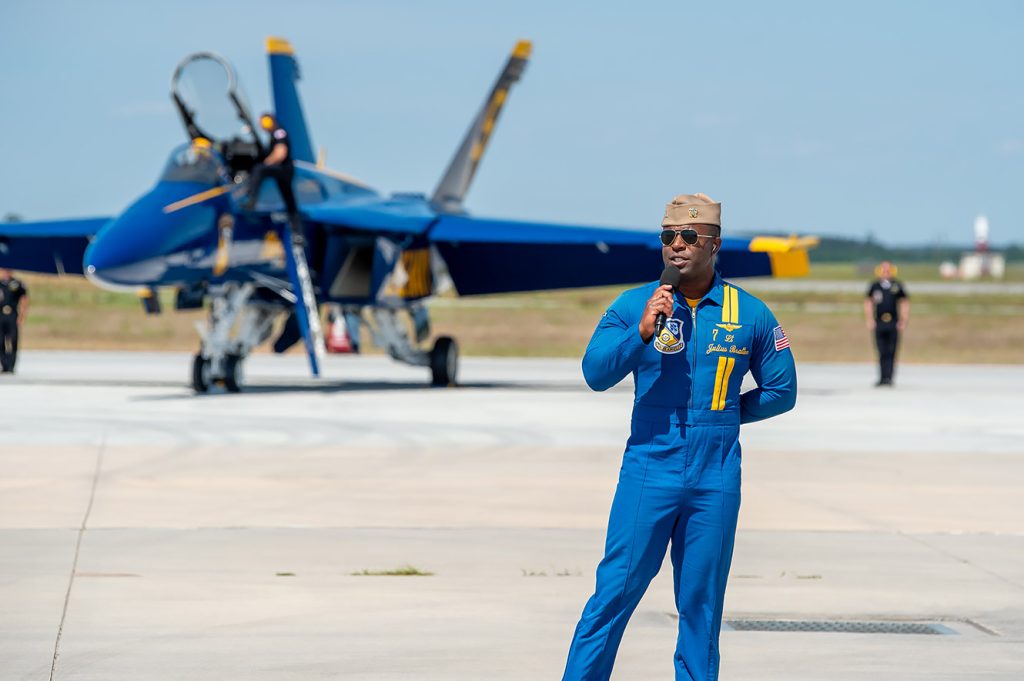
The squadron performed its first official demonstration on June 15, 1946, flying the propeller-powered F6F Hellcat. The name “Blue Angels” was reportedly inspired by a New York nightclub advertisement noticed by a member of the team.
Their aircraft have changed dramatically over eight decades. Blue Angels pilots have flown everything from Hellcats and Bearcats to Panthers, Phantoms, Skyhawks and several generations of Hornets.
Today, they fly the F/A-18 Super Hornet, a larger and more powerful evolution of the aircraft many longtime air-show fans associate with the team. The Blue Angels began performing in the Super Hornet in 2021.
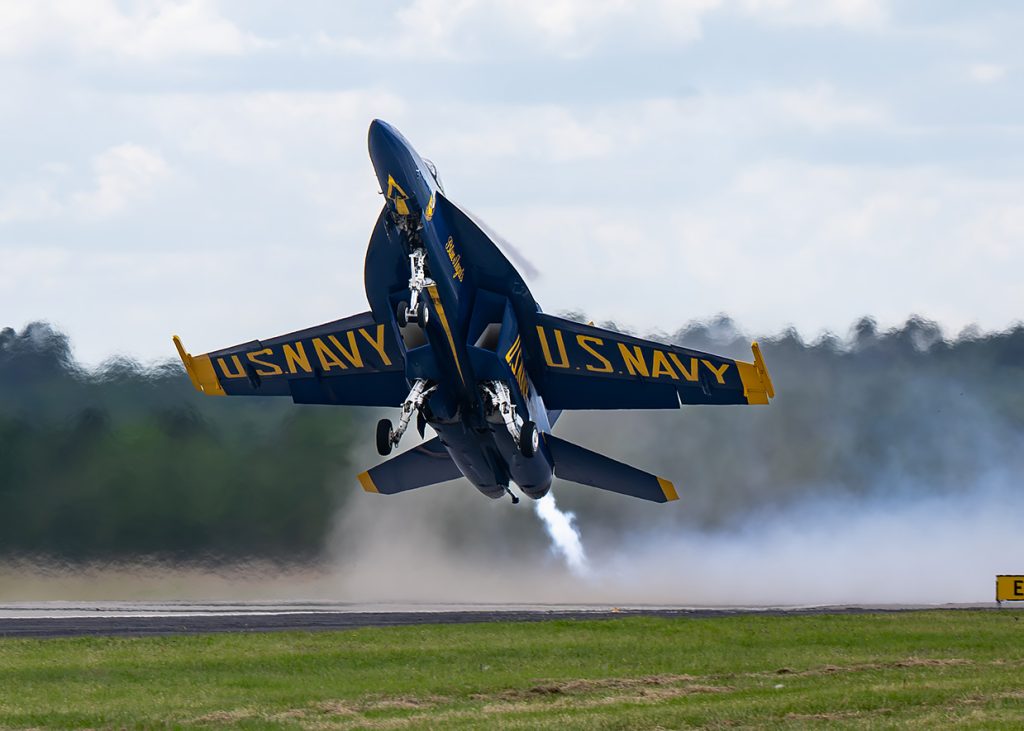
The team’s demonstration combines a tightly grouped four-jet Diamond Formation with a pair of solo pilots performing faster, more aggressive opposing maneuvers.
At times, the Diamond aircraft fly with their wingtips appearing only feet apart. The pilots must maintain exact positions while traveling at hundreds of miles per hour, responding instantly to commands and subtle movements from the lead aircraft.
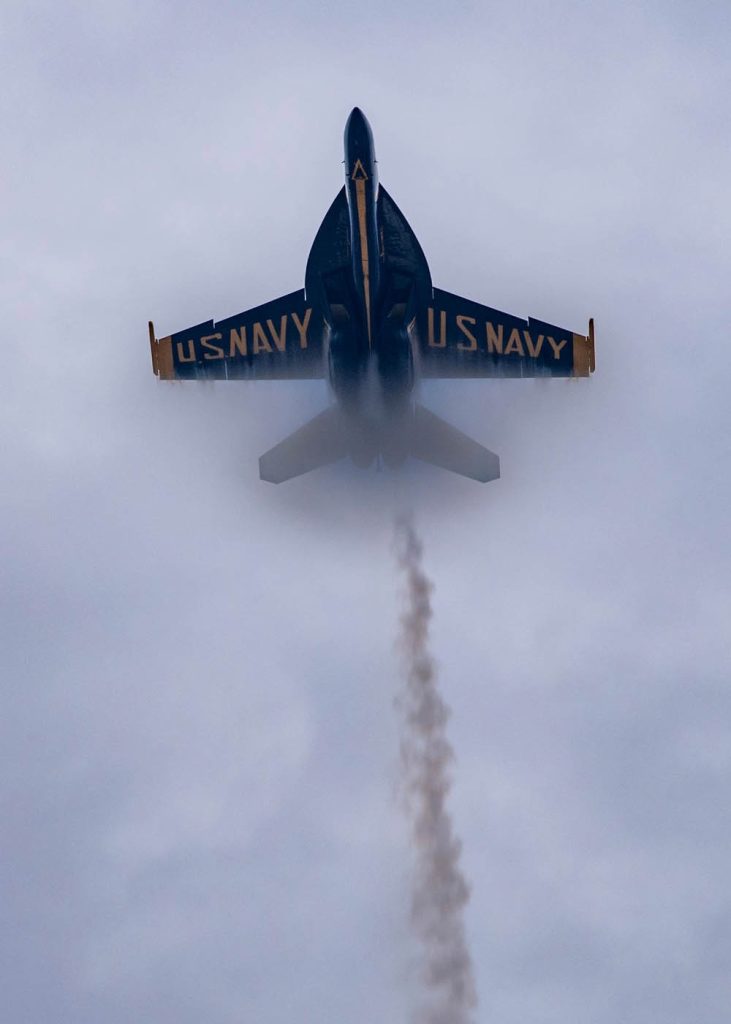
The solos provide a different kind of excitement. They demonstrate the speed, turning ability and raw power of the Super Hornet, often arriving from directions the audience is not expecting.
And yes, one of the unwritten traditions of attending a Blue Angels show is watching someone stare in one direction while a jet sneaks up from behind.
Every time.
Oregon’s Air Show Has Deep Roots in Hillsboro
Although the 2026 Blue Angels appearance will happen in McMinnville, the Oregon International Air Show’s story began at the Hillsboro Airport.
The modern show traces its beginnings to 1987 and 1988, when former Navy pilot Jim Osborne envisioned creating a full-scale aviation event as part of the Portland Rose Festival. He helped bring together leading aerobatic performers and worked with Navy recruiting officials to request the Blue Angels as the inaugural headliner.
The first show opened to the public in 1988.
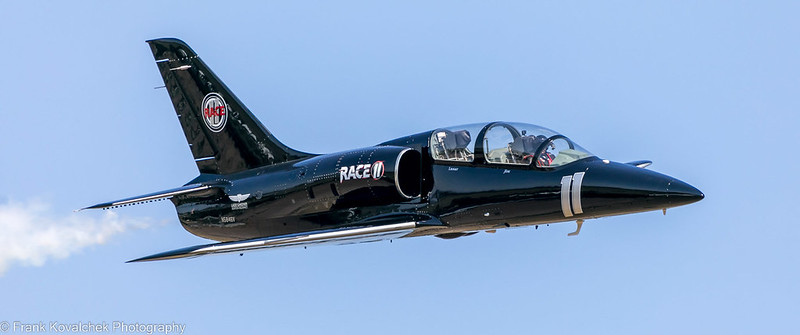
In its early years, Friday was used as a special arrival day when children with disabilities and their chaperones could meet performers as they flew into Hillsboro. The main public show then took place on Saturday and Sunday.
One of the most extraordinary moments came in 1992, when the Blue Angels appeared alongside the Russian Knights and their powerful Sukhoi Su-27 fighters. According to the Oregon International Air Show, it was the first time after the Cold War that a former Soviet flight demonstration team had performed in the United States. This is one of the shows I saw as a kid. I was 11 years old, and it was one of the most exciting moments of my young life.
The Rose Festival discontinued its air show after 2002, but former committee members refused to let the tradition disappear. They established the nonprofit Oregon International Air Show and returned to Hillsboro in September 2003.
That comeback happened during the 100th anniversary year of the Wright brothers’ first controlled, sustained powered flight.
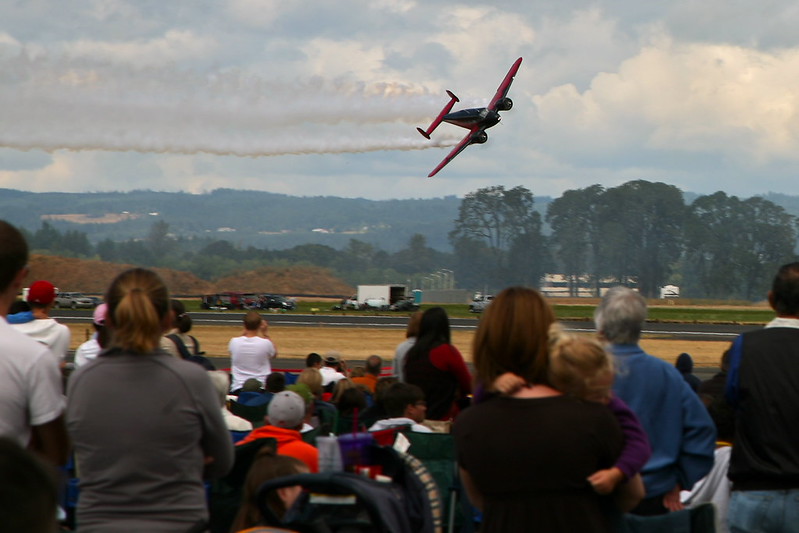
A Friday evening show was added in 2004, creating the twilight format that became a favorite among Oregon air-show fans. Aircraft performing against an evening sky brought an entirely different atmosphere to the weekend, especially when pyrotechnics and illuminated aerobatics became part of the program.
The show expanded to McMinnville in 2019 because of runway construction at Hillsboro Airport. That temporary move eventually helped establish McMinnville as a second home for the event. The Oregon International Air Show now produces programs in both communities.
The Blue Angels Are Only Part of This Year’s Show
The Blue Angels may receive top billing, but they will not be the only aircraft capable of shaking the ground.
The U.S. Air Force F-35A Lightning II Demonstration Team is also scheduled to perform.
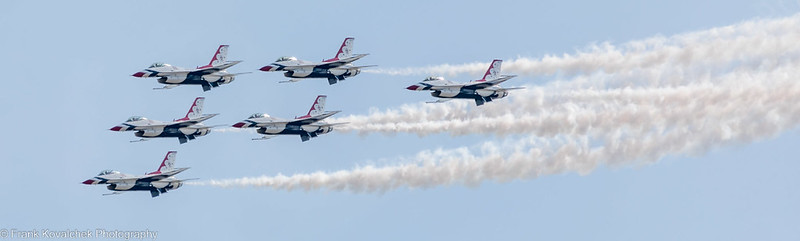
The F-35A is one of the most advanced fighter aircraft in the world. Its demonstration is designed to show how quickly the jet can accelerate, climb, turn and change direction.
Where the Blue Angels emphasize formation flying and teamwork, a single-ship F-35 demonstration gives the pilot room to display the aircraft’s individual capabilities.
The sound is equally unforgettable.
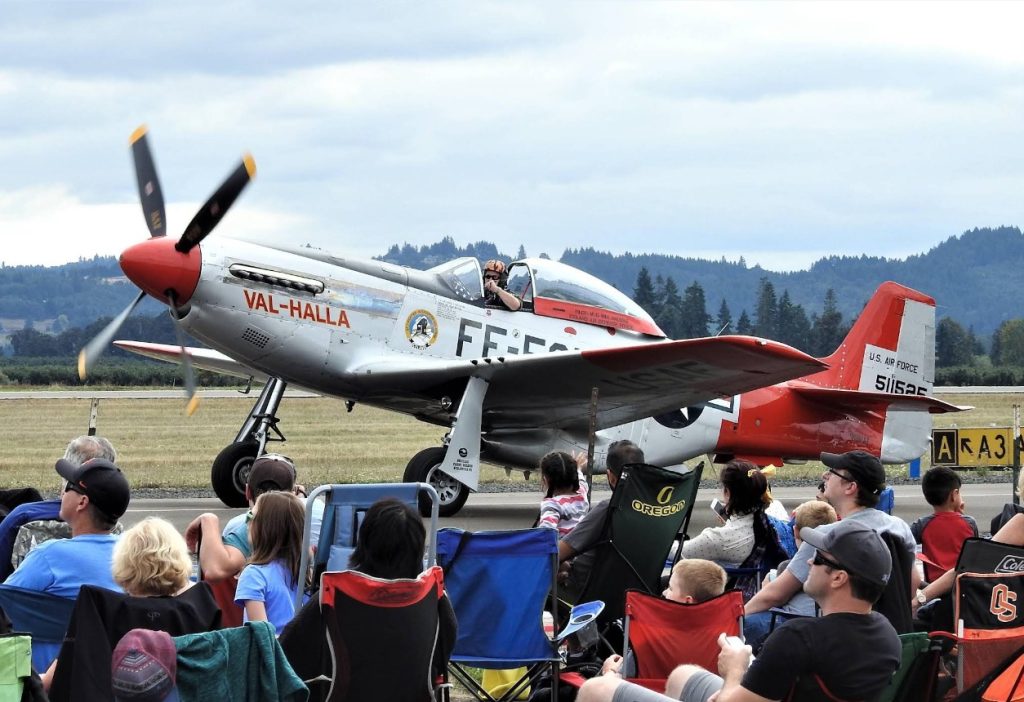
A high-powered fighter jet climbing almost vertically above an Oregon airport produces the kind of noise that cuts through conversations and sends thousands of phones into the air at once.
The U.S. Marine Corps MV-22 Demonstration Team is also included in the published lineup. The MV-22 Osprey looks like a cross between a helicopter and an airplane because, in many respects, that is exactly what it is.
Its large engine nacelles can rotate, allowing the aircraft to take off and land vertically before transitioning into forward flight like a conventional airplane. Seeing that transformation happen in front of a crowd is one of the show’s more unusual demonstrations.
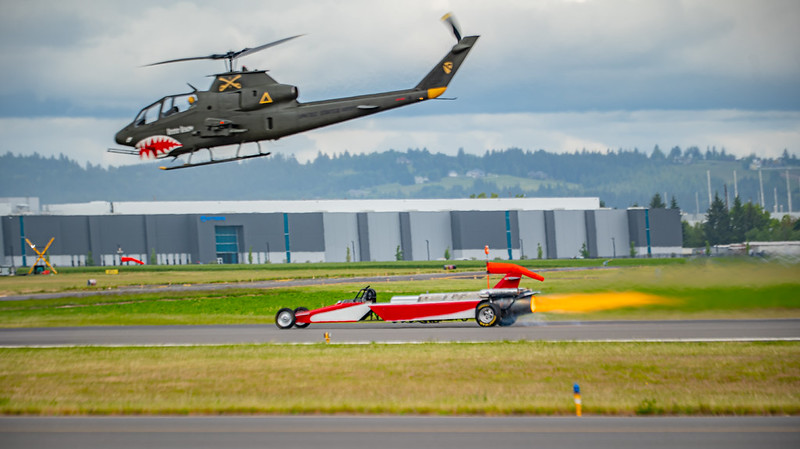
Visitors can also expect historic warbirds and civilian aerobatic acts, although performers remain subject to change.
Warbirds bring a different energy to an air show. They are not as fast as today’s fighters, but their radial engines, silhouettes and wartime histories connect spectators with an earlier era of flight.
For older guests, they may trigger memories of parents or grandparents who served. For younger visitors, they offer an opportunity to see aircraft that are normally encountered only in books, museums or movies.
There’s Plenty to Explore on the Ground
The action will not be limited to the sky.
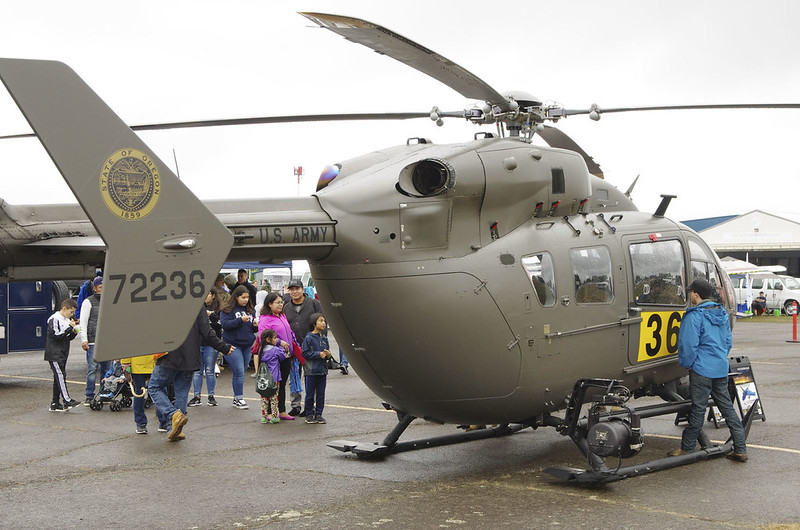
The Oregon International Air Show plans to feature ground displays with both modern military aircraft and classic planes. A Top Gun-themed F/A-18 cockpit experience is also listed, giving children and aviation fans a chance to climb into a mock fighter cockpit and imagine themselves preparing for launch. Additional displays may be announced as the show approaches.
Food concessions, merchandise booths, exhibits and aviation-related vendors will be spread throughout the grounds.
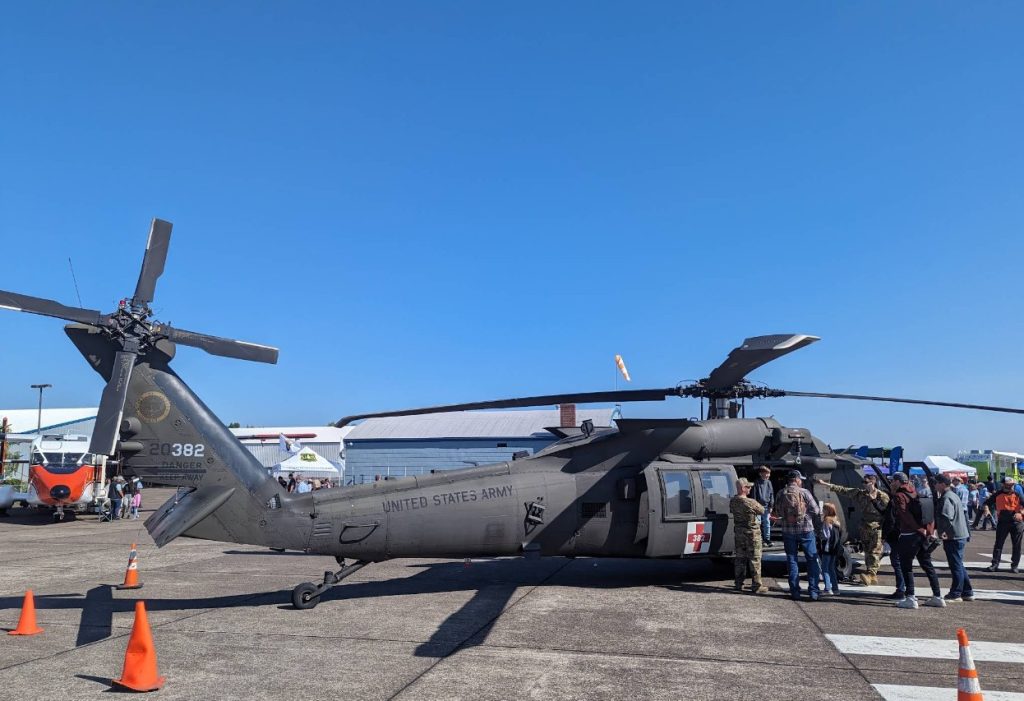
Families should allow enough time to walk through the displays rather than arriving immediately before the headline performance. Children who become fascinated with one cockpit, aircraft or uniformed crew member can easily turn what was supposed to be a quick walk into an hour-long adventure.
That’s part of the appeal.
An air show is not simply several hours of airplanes passing overhead. It is an entire temporary community built around aviation, history, engineering, military service and the enduring human desire to fly.
What Visitors To The Oregon International Airshow Need to Know
–Gates are scheduled to open at 9 a.m. each day, with flying expected to begin at approximately 11:30 a.m. The gates close at 5 p.m. The Blue Angels are scheduled to fly on Friday, Saturday and Sunday.
–Organizers advise visitors to expect delays around the airport. Heavy traffic, road closures, parking lines and entrance checkpoints can add considerable time to the trip.
–Arriving early is the best strategy, especially for families traveling with children or anyone hoping to explore the aircraft displays before the flying begins.
–Parking passes are required, and space is limited. Guests should purchase parking along with their admission rather than assuming they can find an unofficial spot near the airport. Pets are not permitted, and organizers specifically warn visitors not to leave animals inside vehicles.
–Several seating levels are offered, including family seating, a 21-and-older beer garden and premium hospitality options. Availability and prices change as sections sell out, so visitors should check the official ticket system for current costs before making plans.
–Bring sunscreen, hearing protection and enough patience to handle a large crowd.
–Hearing protection is especially important for young children. Modern military jets are extraordinarily loud, and some children who love airplanes from a distance may find the noise overwhelming up close.
–A refillable water bottle, comfortable shoes, sunglasses and a hat can also make a long August day on an open airport ramp far more enjoyable.
More Than Just a Weekend of Loud Airplanes
The Oregon International Air Show operates as a nonprofit with a mission that includes promoting aviation, honoring military members and veterans, creating a safe family event and contributing to Oregon charities.
That charitable component has remained part of the organization’s identity through venue changes, cancellations and more than three decades of air-show history.
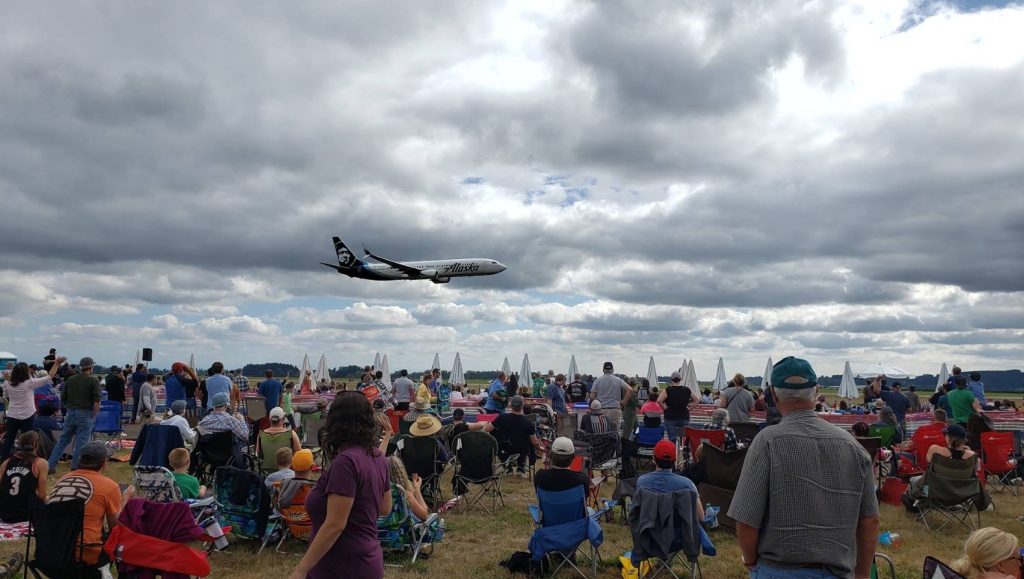
The event also introduces young people to careers they may never have considered.
A kid watching the Blue Angels might become interested in flying. Another may become curious about aircraft maintenance, engineering, electronics, emergency response, military service or airport operations.
Even children who never enter aviation professionally may leave with a greater appreciation for what human beings can build, and what discipline, coordination and training can accomplish.
The Evergreen Aviation And Space Museum is adjacent to the venue, and well worth a trip in itself to get up-close-and-personal with all kinds of aircraft, including the famous Spruce Goose.
Oregon Is About to Get Very Loud
For one August weekend, the skies above Yamhill County will belong to fighter jets, aerobatic pilots, historic aircraft and some of the most skilled military aviators in the world.
The Blue Angels’ return would be exciting in any year. Their 80th anniversary makes this appearance feel even bigger.
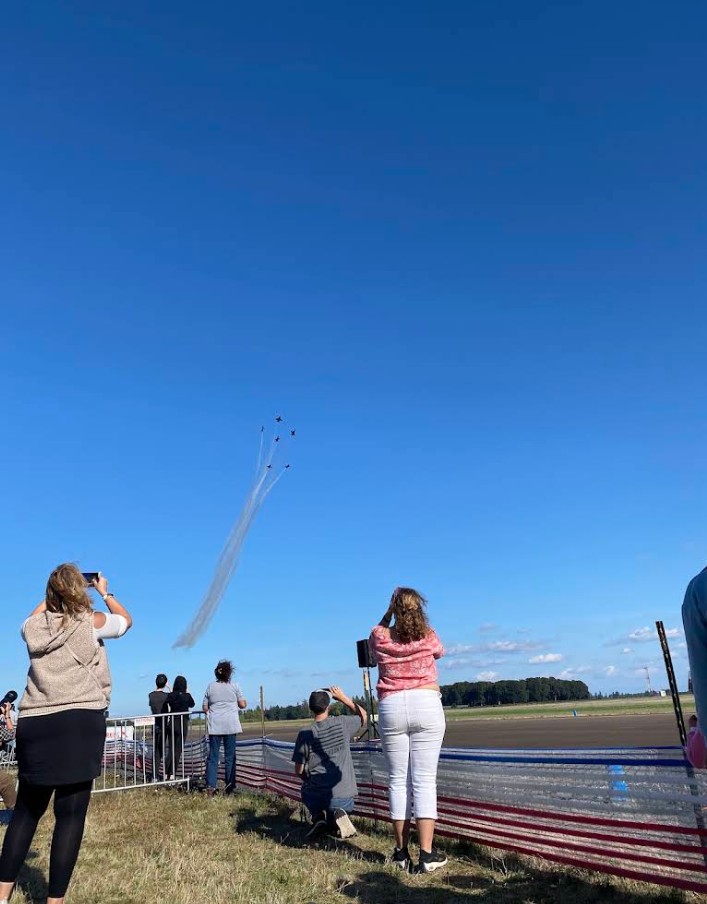
When the Diamond Formation crosses the airport with blue-and-gold jets tucked impossibly close together, thousands of faces will turn upward at the same moment.
Conversations will stop.
Children will point.
Cameras will rise.
And for a few breathtaking seconds, six jets will seem to move through the Oregon sky as one.
All The Info You Need About The 2026 Oregon International Airshow
Dates: August 14–16, 2026
Location: McMinnville Municipal Airport
Times: Fri-Sun, 9AM-5PM
Web, Tickets, and Parking Passes: oregonairshow.com
Note: Performers and schedules are subject to change.