
SCRAP PDX has a firm rule for one of the most common craft donations: fabric needs to be at least a yard of raw material, with the selvage intact. Scraps, stained pieces, fabric with started stitches, and ordinary linens are turned away. The screening makes the store’s purpose clear: it accepts materials another person can realistically use, rather than taking every leftover someone wants to clear out.
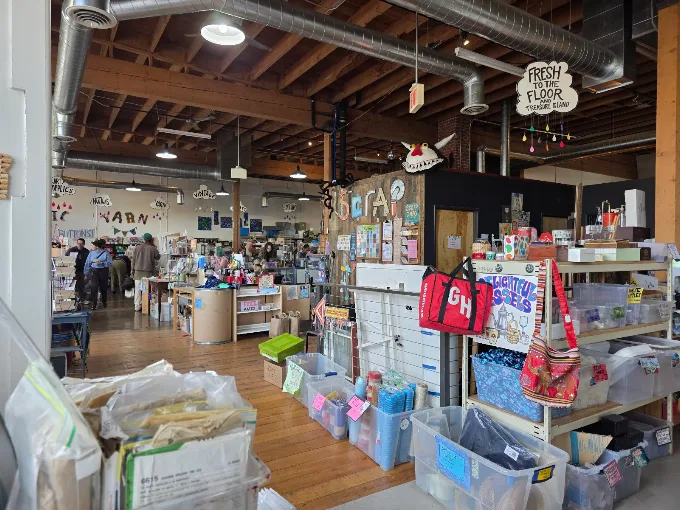
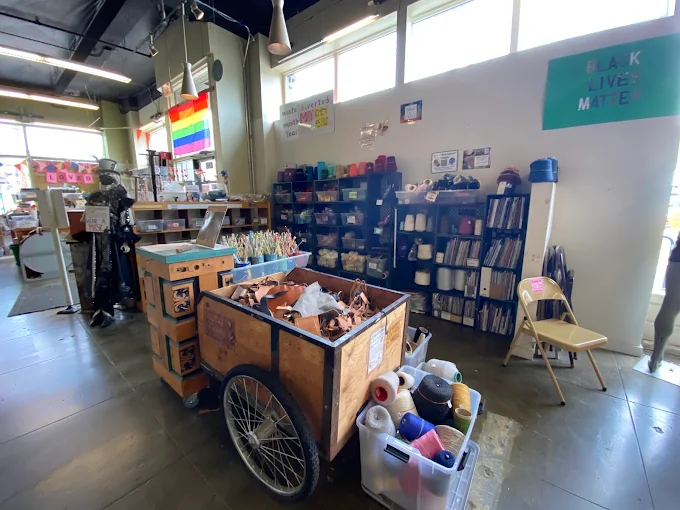
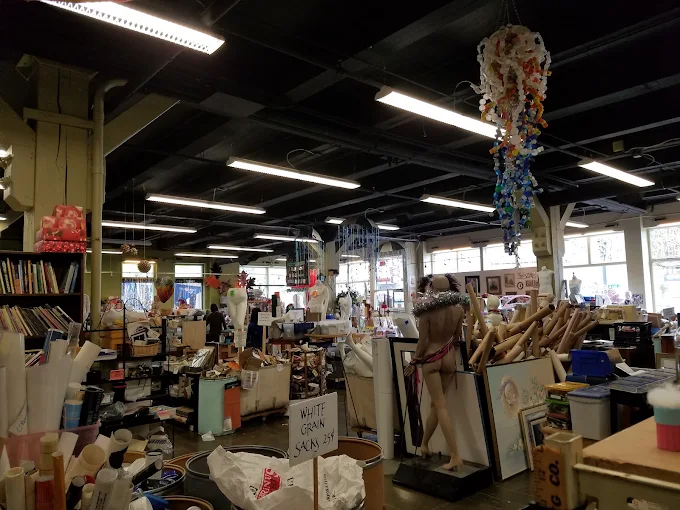
At SCRAP Creative Reuse, donated art, craft, office, sewing, and other creative materials are sorted for a second round of making. Shoppers might come looking for yarn, paper, paint, beads, buttons, sewing notions, or something more unusual. The mix changes with donations, so the store works best for people willing to shape a project around what they find. It is a creative supply shop built around reuse, with a nonprofit mission and a donation system that asks contributors to check the rules before they arrive.
What SCRAP PDX Is and What You Can Find
SCRAP is a Portland creative reuse center, not a general thrift store. The organization describes its mission as inspiring creative reuse and environmentally sustainable behavior through educational programs and affordable materials for the community. Its Portland store accepts art, craft, office, sewing, and other creative supplies, then offers suitable materials to makers, families, teachers, students, artists, and curious browsers. The difference matters: the shelves are intended for materials that can become part of another project, rather than household goods or clothing.
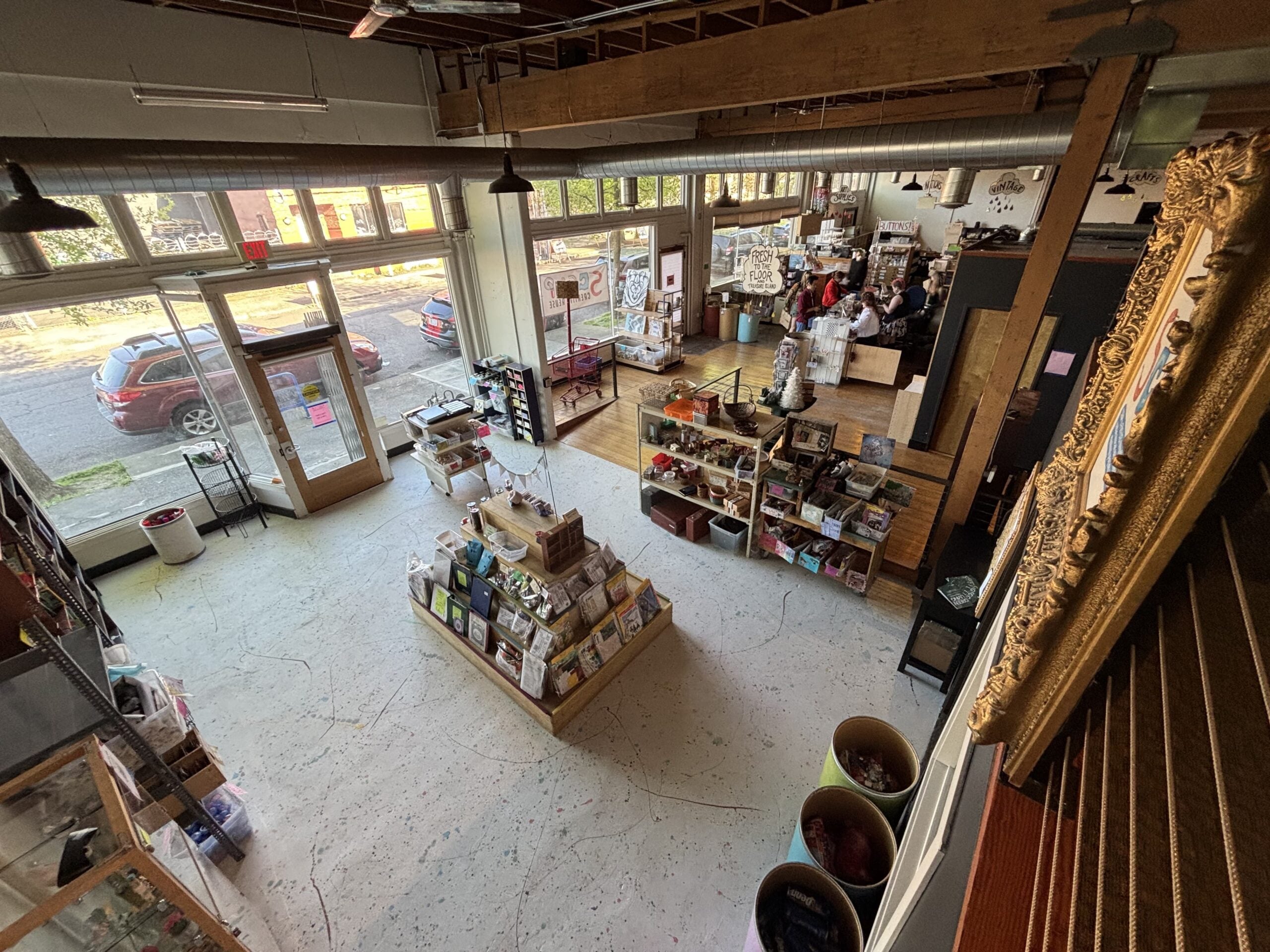
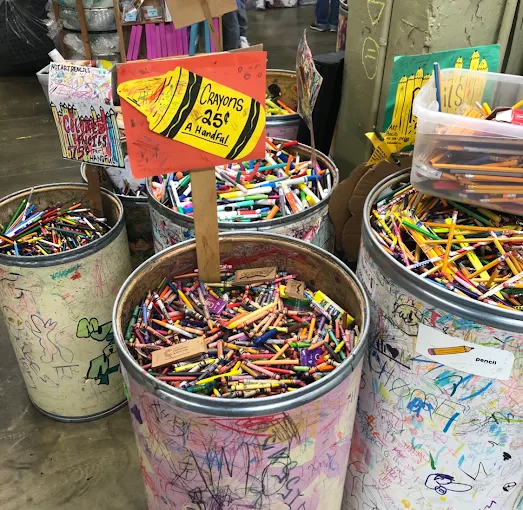
The official donation guide ranges across artist supplies, books and magazines related to art and craft, collage and scrapbooking materials, craft odds and ends, fabric, yarn, sewing tools, paper, containers, jewelry-making supplies, and office items. That can mean useful basics such as markers, pencils, glue, scissors, notebooks, thread, buttons, and yarn. It can also include less predictable materials such as maps, stamps, old photographs, craft tools, wooden shapes, or colorful packaging that could work in a collage or classroom project. This is a category guide, not a promise that a particular item will be on the shelf when you visit.
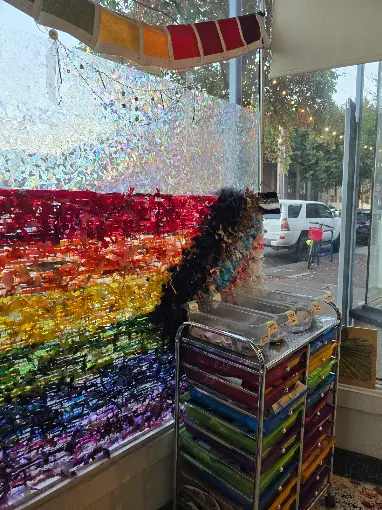
The inventory changes as donations arrive and sell. SCRAP’s current site tells donors to consult its materials list for what it can accept, and that list is detailed because the center has to sort and store whatever comes through the door. For a shopper, that makes the store more useful when a project can flex. If a particular fabric, shade of paint, or kind of paper is essential, check SCRAP’s official site before building a plan around it. If the project can start with a color, texture, or material you did not expect, browsing may be the better approach.
That uncertainty is part of a reuse shop’s appeal, but it is also practical to understand before going. SCRAP does not promise a complete set of matching supplies or an exact replacement for new stock at a chain craft store. What it does offer is access to materials that have been donated and selected for reuse, at prices the organization describes as affordable. A 2024 KGW report documented the donation-based model at the former location, where SCRAP’s site executive director described community donations as the source of materials sold there. The address and donation procedure have since changed, so use SCRAP’s current pages for today’s details.
Why Fabric Donations Have Their Own Rules
Fabric is one of the clearest examples of how SCRAP’s reuse approach differs from a broad donation bin. The October 2026 materials guide says raw fabric should measure at least one yard and retain its selvage. It rules out pieces with stains, holes, odors, mildew, pins, or existing stitches, and says the center cannot accept ordinary clothing, towels, sheets, curtains, or tablecloths. Small pieces are generally declined, with a specific exception for fat quarters used in quilting.
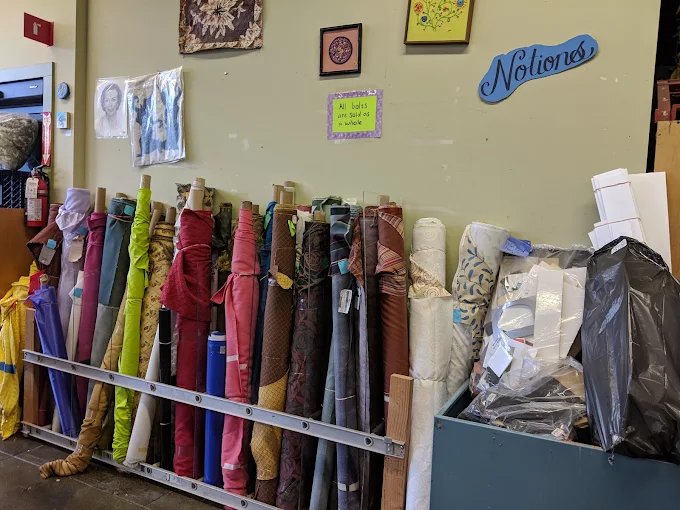
Those requirements can seem fussy until you consider the work involved in offering donated material to the next person. A length that is clean, usable, and large enough for a project has a better chance of becoming a garment, quilt block, bag, costume, or class sample. A small or damaged scrap may not. The center’s guide says it must be selective because fabric is among its most frequently donated materials. In other words, the question is not simply whether a textile could be reused in some theoretical way. It is whether SCRAP can accept, sort, and offer that particular item to someone who can use it.
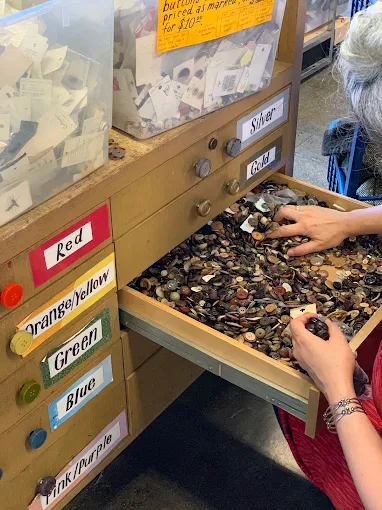
The same logic applies to sewing machines and tools. The current guide lists working sewing machines and sergers, but not tables that come with them. It accepts several kinds of artist materials but specifically excludes aerosols and house paint. It lists glue, tape, paper, yarn, beads, jewelry, sewing patterns, markers, and craft supplies, while rejecting contaminated materials, broken items that are not safe to reuse, unfinished projects, household appliances, furniture, and many everyday goods that a general thrift shop might take.
Donors should check the current list rather than assume that a familiar thrift-store category applies. SCRAP does not accept clothing or linens, food containers, housewares, furniture, electronics, lumber, or many types of general household goods. The donation guide also excludes hazardous or contaminated materials such as flammable liquids, batteries, aerosols, mold, and pest-contaminated items. There are useful alternatives listed for some materials the shop cannot take, but the current document should be checked before planning a drop-off.
How to Donate Without Making Extra Work
SCRAP provides three ways to bring materials to its Portland location. The current October 2026 guide lists drop-in donation hours on Thursdays and Saturdays from 11 a.m. to 1 p.m., limited to three grocery bags. Donation appointments are offered Wednesdays and Fridays for donations of any size. A smaller in-store option is available during regular business hours for a specific list of items and is also limited to three grocery bags.
The guide asks people to make sure their items are accepted, organize them so staff can inspect them, and bring them in a bag, box, or container they can leave behind. Donors should ring the bell at the donation door or table on Southeast Washington Street, around the corner from the main entrance, and be prepared for staff to review the contents. SCRAP reserves the right to reject items. It also says not to leave materials outside without checking in; an unattended pile is treated as dumping, even when the items seem reusable.
SCRAP’s intake process takes more planning than leaving a bag at an unattended donation bin. Staff review each contribution, and the published limits keep the center focused on materials it can sort and offer for reuse. If you have a larger load, use the appointment link on SCRAP’s official donation page instead of assuming the store can accept it at any time. The rules and intake hours can change, so the online guide is the best place to confirm them before leaving home.
From a Teachers’ Idea to a Portland Nonprofit
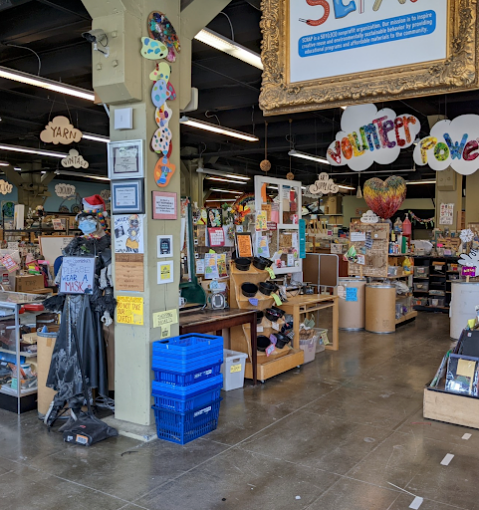
SCRAP’s official history traces the organization to Portland teachers in 1998. They wanted to find a home for leftover classroom materials rather than throw useful supplies away. That origin still makes sense in a place where teachers, students, community groups, artists, and families may all have a use for paper, fabric, tools, and other materials that someone else no longer needs.
SCRAP pairs affordable supplies with classes, camps, field trips, school programs, and workshops listed on its education pages. Schedules and registration details vary, but the programs connect the store’s materials to hands-on learning.
As of November 4, SCRAP’s official calendar lists a simple bookbinding workshop for November 6, from 4 to 7 p.m., and Sunday Crafternoon on November 8, from 1 to 3 p.m., followed by a stitching event from 4 to 6 p.m. The schedule can change, so check the event page for current availability, registration, and any fee before making plans. These activities give visitors a way to work with the same materials the store keeps in circulation.
The Shop Has Moved Back to Portland’s East Side
SCRAP’s current home is at 619 Southeast 6th Avenue in Portland’s Central Eastside. Portland Monthly reported in September 2026 that the nonprofit returned to the east side in 2025 after spending time near Providence Park. An older KGW story from 2024 described the shop at its former Southwest Alder Street address, which is why outdated listings and older coverage may point visitors to the wrong part of town. The current location page confirms the Southeast 6th Avenue address.
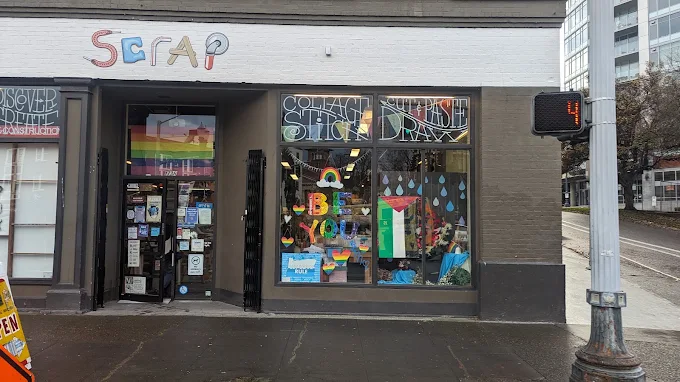
The official site lists the creative reuse center as open seven days a week from 11 a.m. to 6 p.m. The donation schedule is separate, so do not assume that open store hours mean a large donation can be dropped off at any time. The center also operates an online shop, with local pickup and shipping listed on its website. Before visiting, check the current shop page and event calendar; donation details are on the separate materials page.
Visitors planning to explore the area can use That Oregon Life’s Portland travel guide for broader neighborhood and trip-planning information. SCRAP also sits in a city with other reuse-oriented destinations. Our feature on the ReBuilding Center covers reclaimed building materials and old-house finds, a different kind of salvage from SCRAP’s small-scale art, craft, and classroom supplies.
A Portland Stop for Makers Who Can Stay Flexible
SCRAP PDX is most useful when a shopper wants materials and is open to discovering what is available. The donated stock can offer a way to try a craft, finish a small project, add texture to an art piece, or find supplies for a classroom without beginning with an all-new shopping list. The exact items and their prices change, so it is best thought of as a place to look rather than a store with guaranteed stock for a precise project.
For donors, the most important step is to follow the list and intake schedule. Clean, usable materials that fit the center’s categories can enter its reuse stream; ordinary household donations and out-of-spec textiles cannot. For shoppers, the same rules explain what makes SCRAP different: it is not trying to take everything. It is building a Portland supply shelf out of things that can still help someone make something.