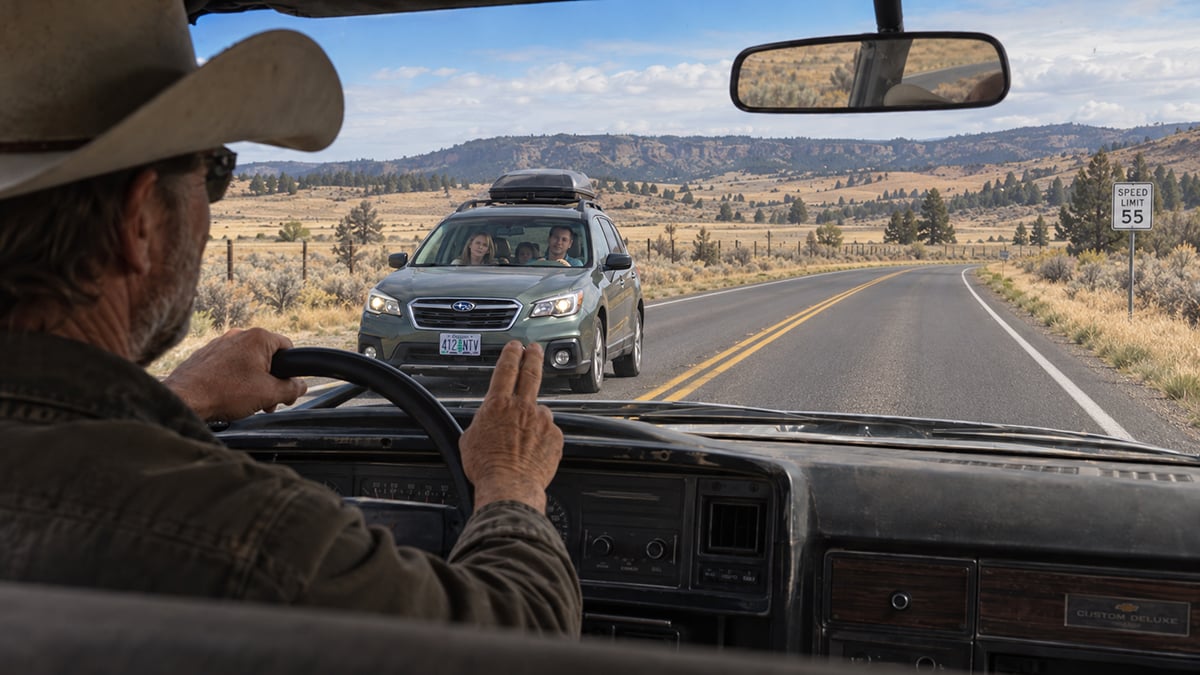
There are certain things you should probably know before venturing too far into rural Oregon.
Keep your gas tank reasonably full. Don't blindly trust Google Maps when it tells you that the mysterious Forest Service road ahead will save you 11 minutes. Watch for deer. Watch even harder for deer at dusk. For the love of Pete, watch for cattle-drives.
And, perhaps most importantly, when another vehicle approaches you on a lonely backroad, lift two fingers off the steering wheel and acknowledge that person's existence.
This is not optional.
Well, technically it is.

Do you love Oregon?
Sign up for monthly emails full of local travel inspiration and fun trip ideas. In each newsletter we'll share upcoming events, new things to do, hot dining spots and great travel ideas.
There is no Oregon Revised Statute requiring the steering-wheel wave. The one sheriff in all of Malheur County (I didn't fact-check that bit, but it feels accurate) won't pull you over. You're not going to get a warning, or even a ticket.
But the person driving the dusty F-250 coming the other direction?
They'll know.
Welcome To The Unwritten Law Of Rural Oregon
If you've spent much time driving the backroads of Central or Eastern Oregon, you've probably encountered it.
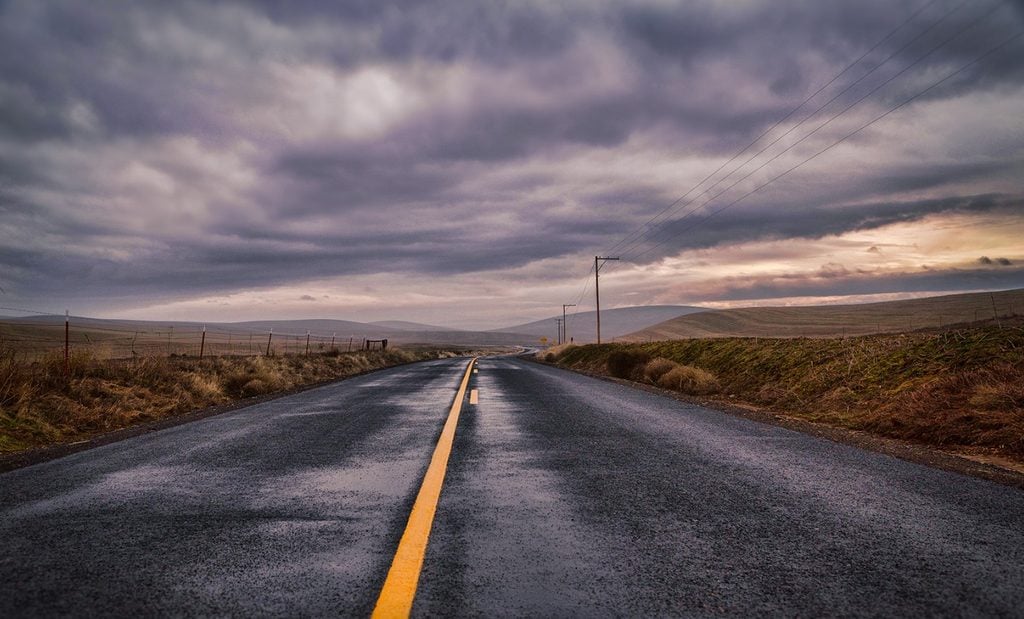
You're 17 miles outside of somewhere like Burns, John Day, Lakeview, Prineville or Christmas Valley. Sagebrush, rabbit grass, and a sprinkling of juniper stretches endlessly toward the horizon. There's a cattle guard every few miles. The sky is gloriously immense. Your satellite radio disappeared twenty minutes ago.
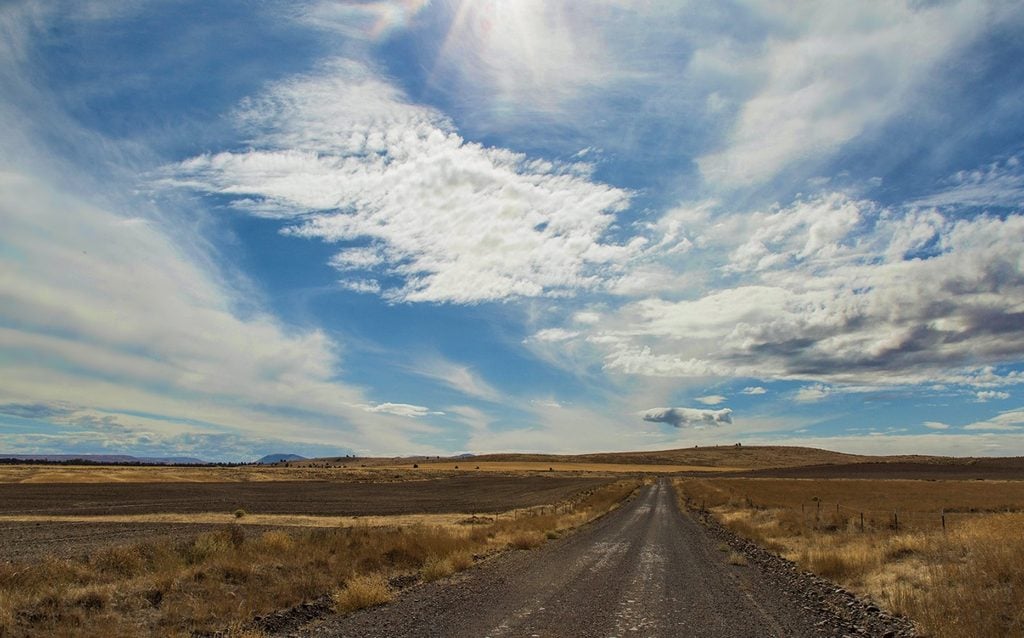
Then you see headlights.
Another vehicle.
As it approaches, the driver does something so subtle that an untrained observer could miss it entirely:
Two fingers rise approximately three-quarters of an inch from the steering wheel.
Maybe there's a tiny nod.
That's it.
You have just been greeted. And you're expected to respond.
Don't Overdo It
This is important.
You're not waving at somebody in a parade.
Do not take your entire arm off the wheel and start enthusiastically windmilling at them like you just spotted your cousin at Disneyland.
That's weird.
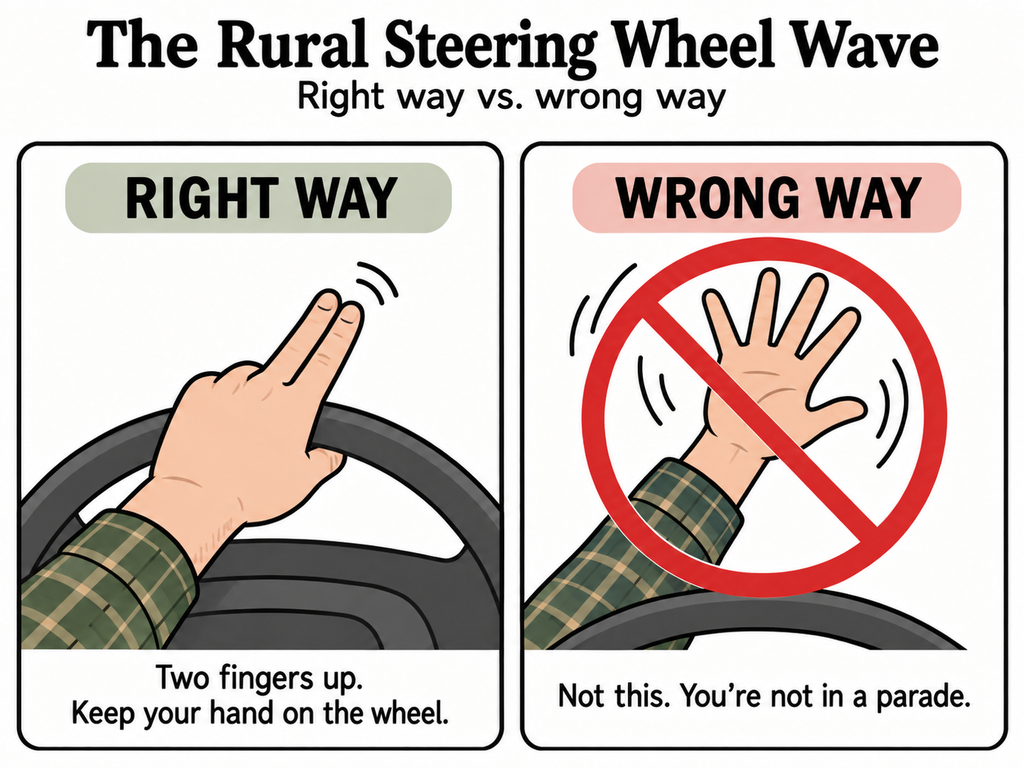
The rural Oregon steering-wheel wave is intentionally restrained. The most traditional version involves one or two fingers briefly lifting from the top of the steering wheel. Some drivers offer a slightly raised hand. Others add the nearly imperceptible head nod.
Oregon even has a little documentation for this particular flavor of roadside communication.
A longtime Sisters-area description of the custom notes that Oregon drivers often use two fingers with a slightly raised thumb, while Grant County's own branding materials literally highlight the "two-finger wave over the steering wheel" as part of the area's identity.
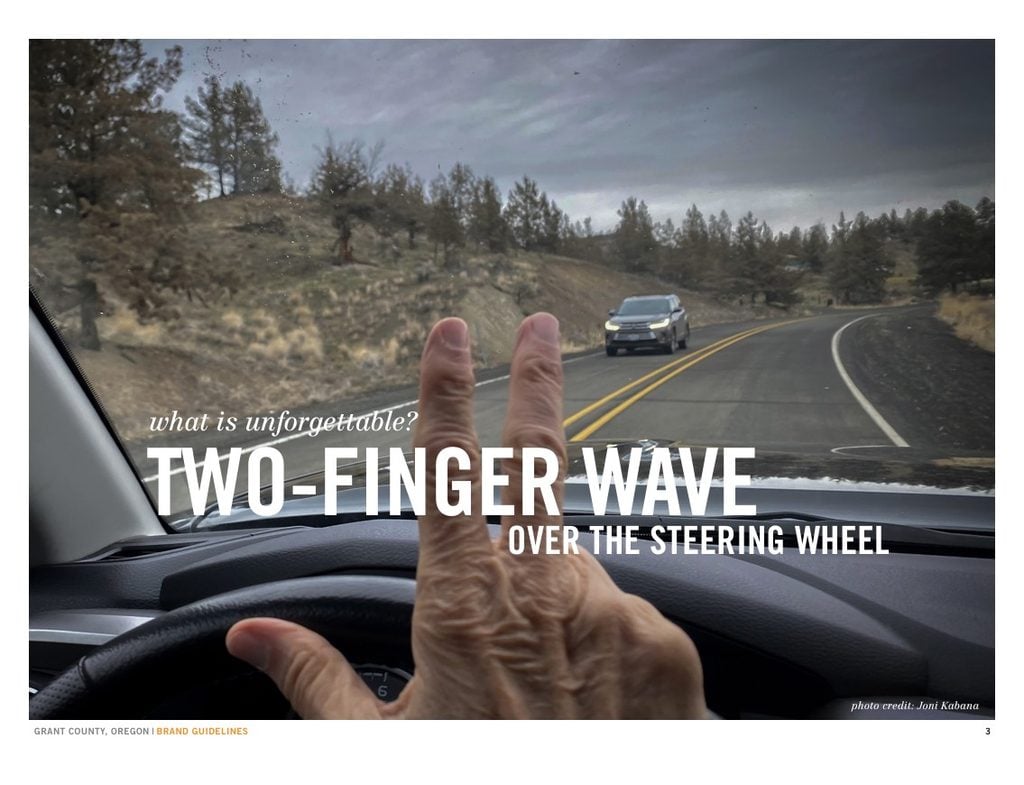
Which means somewhere along the line, rural Oregon collectively decided this mattered enough to become part of the brand.
Frankly, we respect that.
There Are Levels To This
After enough time on Oregon backroads, you begin noticing that not all waves are created equal.
--The Two-Finger Steering Wheel Wave--
This is the standard issue model.
It means:
Hello, fellow person currently occupying this enormous empty landscape.
--The Full-Hand Steering Wheel Lift--
Slightly warmer.
Possibly someone you've seen before.
Possibly they recognize your truck.
Possibly they're just having an unusually social morning.
And finally, there is the advanced maneuver:
--The Nod And Wave--
This is serious.
Two fingers come up.
The chin drops approximately four millimeters.
For one fleeting moment, two strangers have communicated everything that needed to be said.
"Mornin'."
"Road's clear."
"Nice weather."
"Watch for cows around the bend."
"Hope your transmission holds together."
"I hit a rattlesnake about a half mile back, around the curve by the old Simpson place."
All without making a sound.
What Happens If You Don't Wave Back?
Nothing.
And everything.
The vehicles continue traveling in opposite directions.
Nobody turns around.
Nobody confronts you.
There isn't going to be an angry Facebook post on the community page.
Probably.
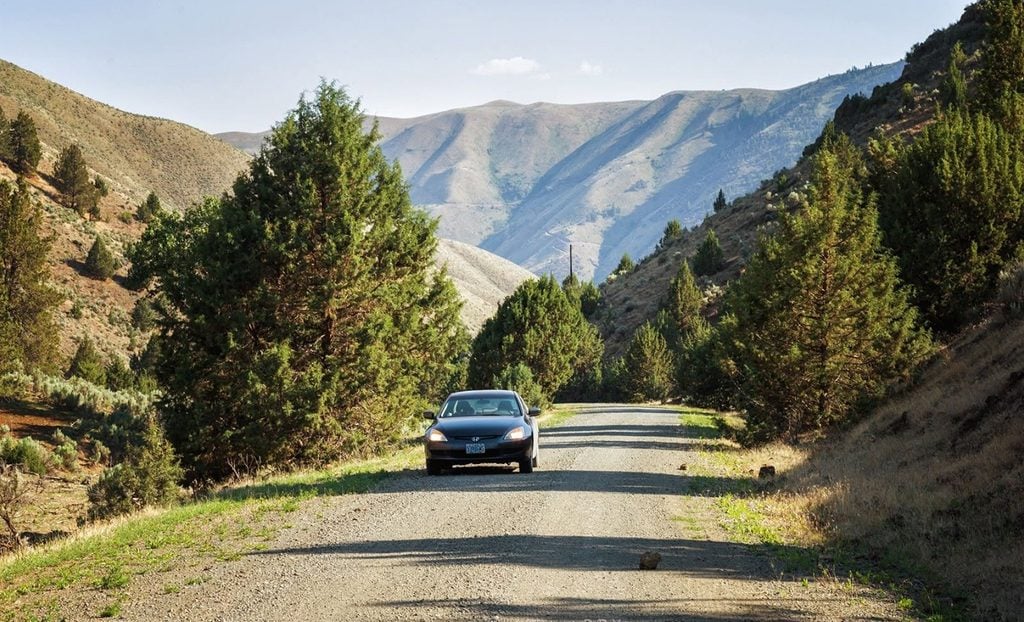
But somewhere inside that pickup disappearing into your rearview mirror, a judgment may have been rendered.
"Not from around here."
"Maybe Portland."
"Maybe California."
Nobody knows.
The investigation is ongoing.
Because the strange thing about rural communities is that people notice vehicles.
Drive the same road long enough and eventually you recognize the white ranch truck, the Subaru with the roof box, the guy hauling the horse trailer and the ancient Ford that's apparently been making the same 22-mile trip since the Reagan administration.
The wave becomes less about whether you personally know someone and more about acknowledging that you're sharing the same remote little corner of the world.
And No, Oregon Didn't Invent This
We would love to claim it.
But we can't.
Versions of the "rural wave" appear all over America. Drivers in farming communities, ranch country, mountain towns and small communities across the country have variations involving one finger, two fingers, a lifted hand or a nod. Stories about the tradition show up everywhere from Montana to the Midwest.
The reason makes intuitive sense.
When you're driving through downtown Portland and approximately 600 vehicles pass you in ten minutes, greeting every driver would qualify as an upper-body workout.
But when you're on a gravel road outside Paulina and haven't seen another human being for seventeen minutes?
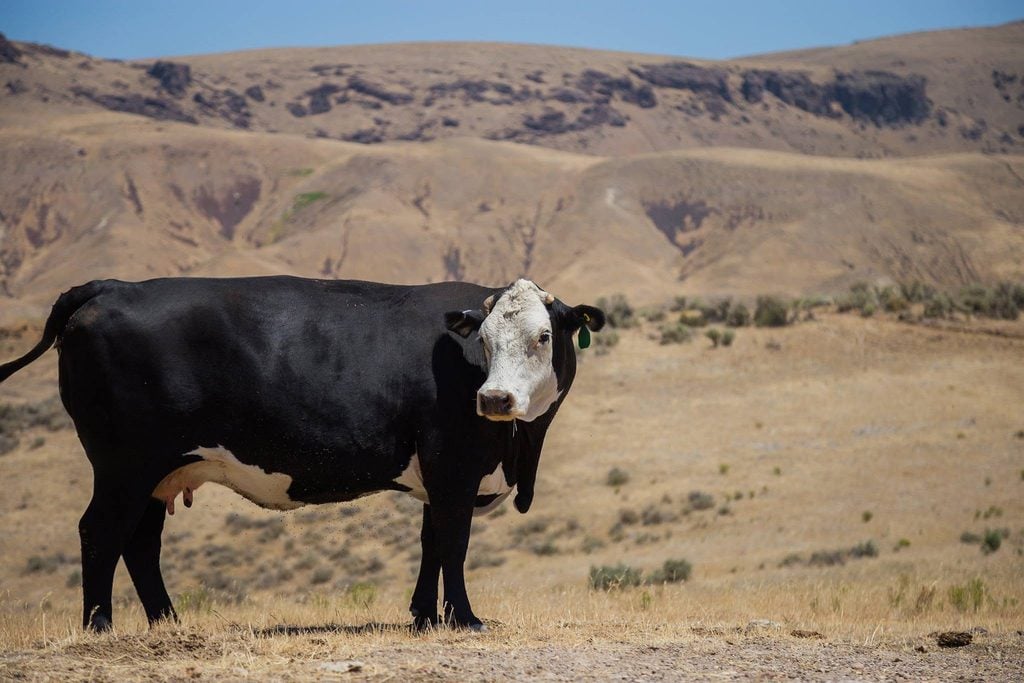
When the only large breathing thing around is that random cow that decided this spot right here is a great place to cross the road, well...that approaching Tacoma is practically company.
Researchers aren't exactly pouring grant money into the sociology of steering-wheel finger movements, but explanations of the rural wave tend to arrive at the same basic idea: in sparsely populated places, acknowledging another person simply carries more weight.
One writer described it beautifully as essentially saying:
I see you.
And maybe that's really all it is.
The Geography Matters
There's also an invisible boundary where the steering-wheel wave suddenly becomes socially appropriate.
Nobody can tell you precisely where it is. You'll just know.
Driving through Bend?
Probably not.
Leave Bend.
Keep going.
Houses become five acres apart.
Then ten.
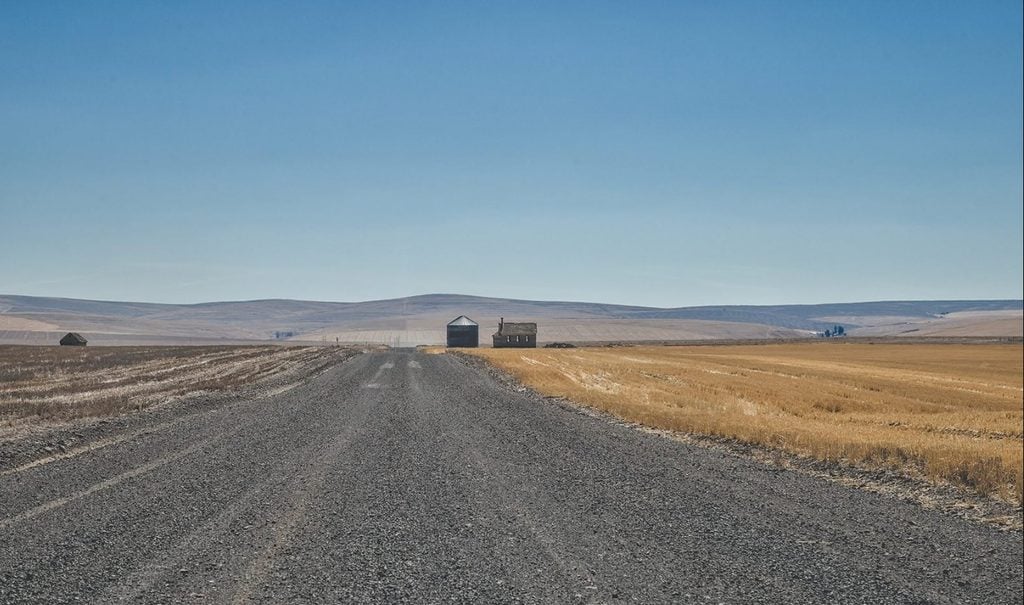
Then there aren't any houses.
A cattle guard appears.
The centerline disappears.
Suddenly an approaching pickup gives you the two-finger wave.
Congratulations.
You have crossed the line.
You are now in Wave Country.
Tourists, Here's What You Do
This is remarkably easy.
When you're exploring the quieter stretches of Oregon and another vehicle approaches:
- Keep your hand on the steering wheel.
- Lift your index and middle fingers slightly.
- Optional small nod.
- Return fingers to steering wheel.
- Continue driving.
That's it.
Don't panic.
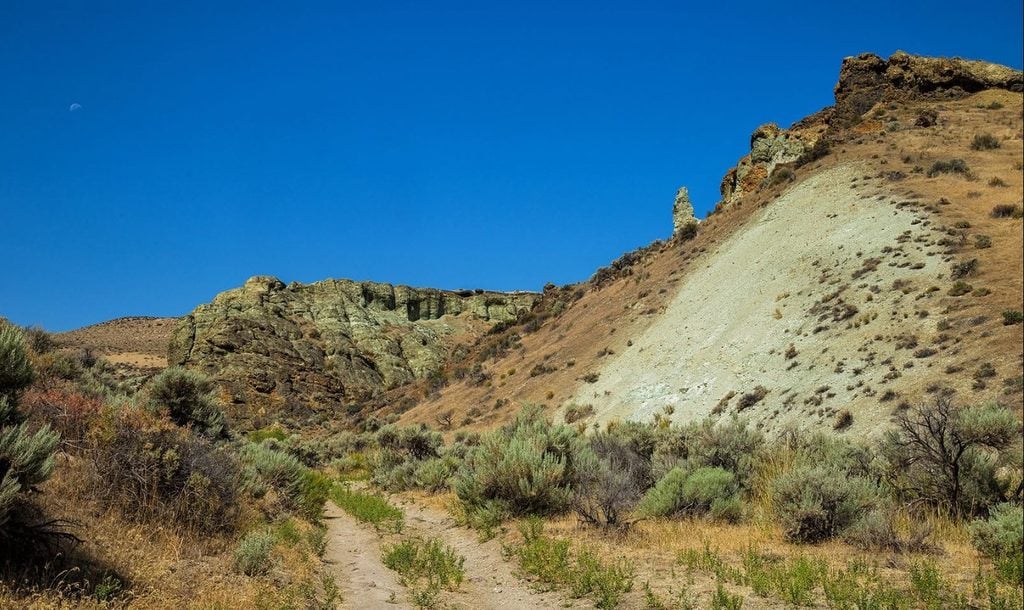
Don't sit there and wonder whether the other driver mistook you for somebody else.
They probably didn't.
They're just saying hello.
And if someone waves first and you completely miss your opportunity?
Don't worry.
There's a decent chance another truck will come by in 18 to 45 minutes.
You'll get another shot.
Some Oregon Traditions Aren't Written Down
The funny thing is that nobody really teaches you this.
There isn't a sign outside Burns that says:
"WELCOME TO HARNEY COUNTY
POPULATION: 7,400
PLEASE ACKNOWLEDGE ONCOMING PICKUP TRUCKS"
You simply figure it out.
And eventually you start doing it automatically.
Maybe that's why we love little traditions like this.
The steering-wheel wave doesn't cost anything. It doesn't delay anyone. Nobody needs an app, an account or a QR code.
For about half a second, two people traveling opposite directions through an enormous landscape acknowledge one another.
Then they disappear into each other's mirrors.
So the next time you're wandering the backroads of Central or Eastern Oregon and somebody in an old pickup raises two fingers from the wheel, remember:
They're not warning you about a speed trap.
They're not signaling that your headlights are on.
They're not someone you forgot from high school.
They're just saying hello.
Wave back.
We can't stress this enough.
They'll know.