
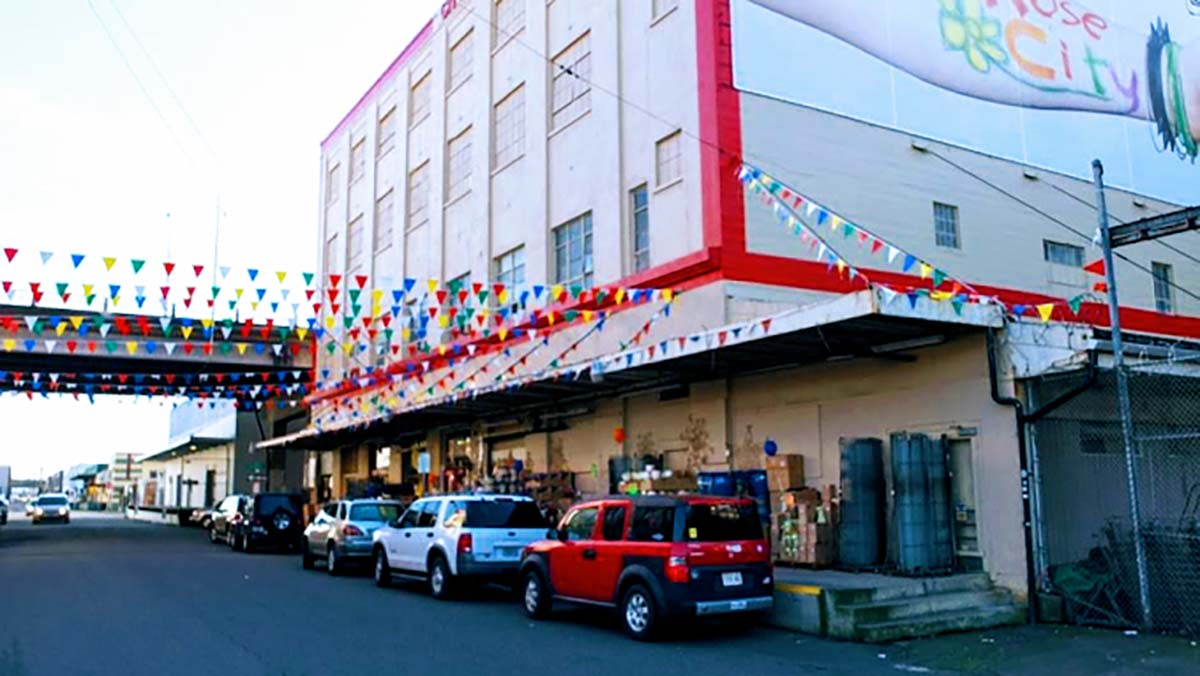
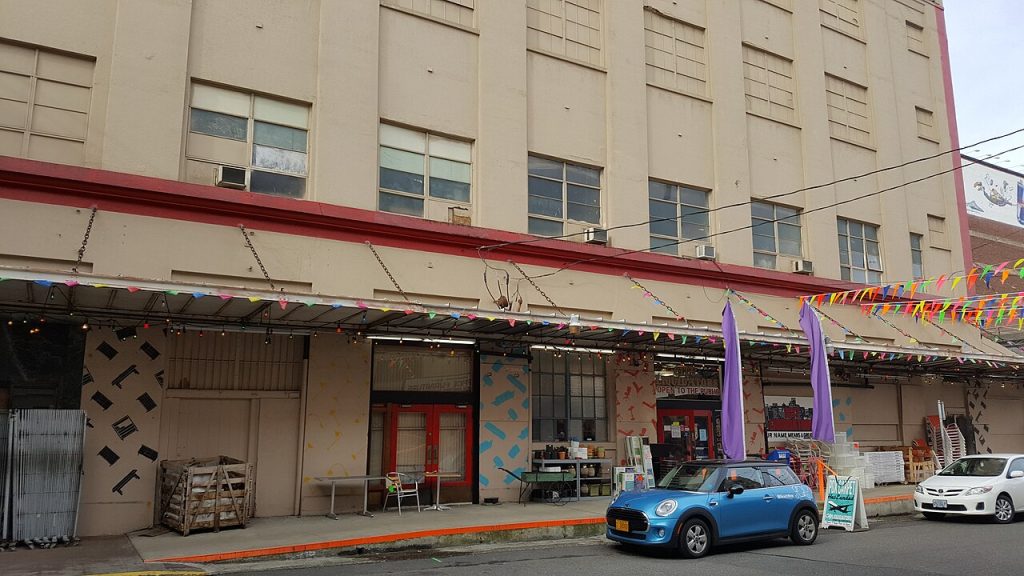
Portland has always had a way of hiding some of its most interesting places in buildings that do not immediately give away what is inside. City Liquidators is a perfect example. Located at 823 SE 3rd Avenue, the longtime Portland business occupies a large warehouse in the Central Eastside, an area where industrial buildings, older commercial spaces, and newer development have overlapped for decades. From the street, it may not look like the kind of place where you could spend an entire afternoon, but once you step inside, the scale of the store and the sheer amount of merchandise quickly change that impression.
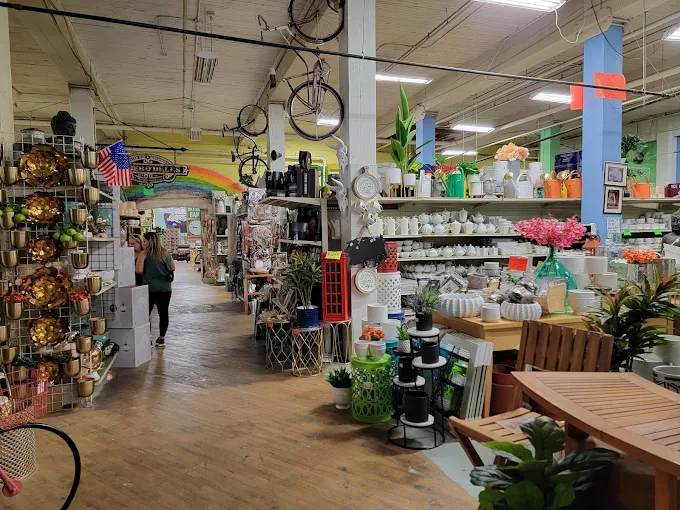
City Liquidators is not simply a furniture store in the conventional sense. It is a multi-level warehouse packed with sofas, dining sets, bedroom furniture, office pieces, artwork, lamps, decorative items, seasonal merchandise, and a rotating assortment of things that do not always fit neatly into one category. The original source describes multiple floors filled with merchandise and emphasizes how easy it is for shoppers to lose track of time while moving from one section to another. That sprawling, unpredictable quality is central to the experience and helps explain why the store has remained memorable for generations of Portland shoppers.
The history of City Liquidators stretches back to 1977, when Walt Pelett founded the business in Portland. Nearly five decades later, it remains part of the city’s retail landscape, which is an accomplishment in itself. Portland has changed enormously since the late 1970s, and the way people shop has changed just as dramatically. Large national chains expanded, online shopping reshaped consumer habits, warehouse clubs became commonplace, and home furnishings became something people could order from a phone without ever sitting on a sofa or seeing a dining table in person. Through all of those shifts, City Liquidators continued operating in Portland and built a reputation as one of those local businesses that longtime residents simply know.
That kind of longevity gives the store a different character than a newer retailer. There is history in the building, in the way the merchandise is arranged, and in the fact that families have been shopping there across multiple generations. Someone who first visited City Liquidators with parents or grandparents may now be furnishing a home of their own. Others may remember the business from old Portland advertising or from years of passing through the Central Eastside. When a local store lasts this long, it begins to occupy a space somewhere between a business and a city landmark, especially in a place like Portland, where so many familiar institutions have disappeared or changed beyond recognition.
An Old Portland Warehouse That Feels Like Part of the Story
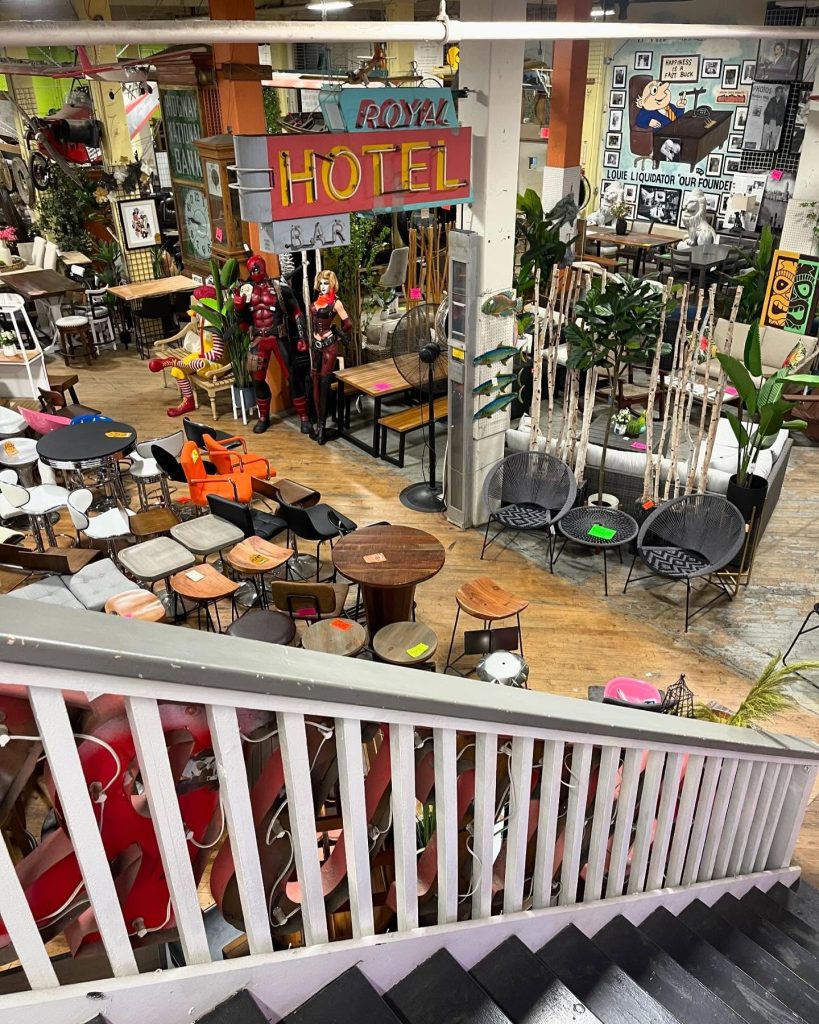
The building itself adds much of the atmosphere. The original source describes high ceilings, wooden floors, staircases, and the sound of the structure underfoot, all of which contribute to a shopping experience that feels more like exploring an old warehouse than walking through a carefully polished showroom. Those details matter because the building reinforces the identity of the business. City Liquidators does not need to manufacture a vintage or industrial aesthetic. It already occupies a space that has the age, scale, and texture associated with Portland’s older commercial districts.
The Central Eastside has long been one of the city’s most visually distinctive areas. For much of Portland’s history, this side of the Willamette River was shaped by warehouses, rail lines, industrial businesses, repair shops, wholesalers, and companies that needed functional buildings rather than attractive storefronts. Over time, the neighborhood changed as restaurants, breweries, offices, apartments, and creative businesses moved into former industrial spaces, but the older character never disappeared completely. City Liquidators fits naturally into that environment because it still feels rooted in the practical, workmanlike Portland that existed before the area became trendy.
Inside, the floors and staircases give the warehouse a sense of movement and discovery. Rather than presenting everything in one enormous open room, the store invites shoppers to move through different sections and levels, which makes the experience feel much larger than a typical furniture showroom. The building’s age is not disguised, and that contributes to the feeling that you are visiting a place with a real history rather than a retail concept created to mimic one.
For people who enjoy older Oregon buildings, there is something appealing about that authenticity. Many of the state’s most memorable stores, restaurants, hotels, and roadside attractions are housed in structures that have clearly lived several lives, and City Liquidators belongs to that tradition. The building is not just a container for merchandise. It is part of the reason the store feels distinctive.
Furniture Is Only the Beginning
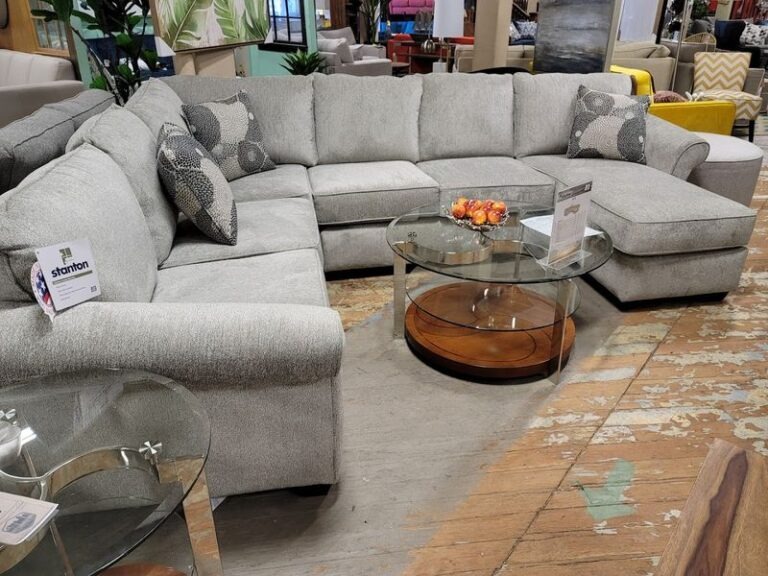
Furniture is obviously one of the largest parts of the business, and City Liquidators carries a broad range of pieces for living rooms, bedrooms, dining areas, and offices. Shoppers can find sofas, sectionals, chairs, tables, bedroom furniture, bookcases, and other large furnishings in a variety of styles. The selection is wide enough to appeal to people furnishing a first apartment as well as homeowners looking to replace a major piece or completely redo a room.
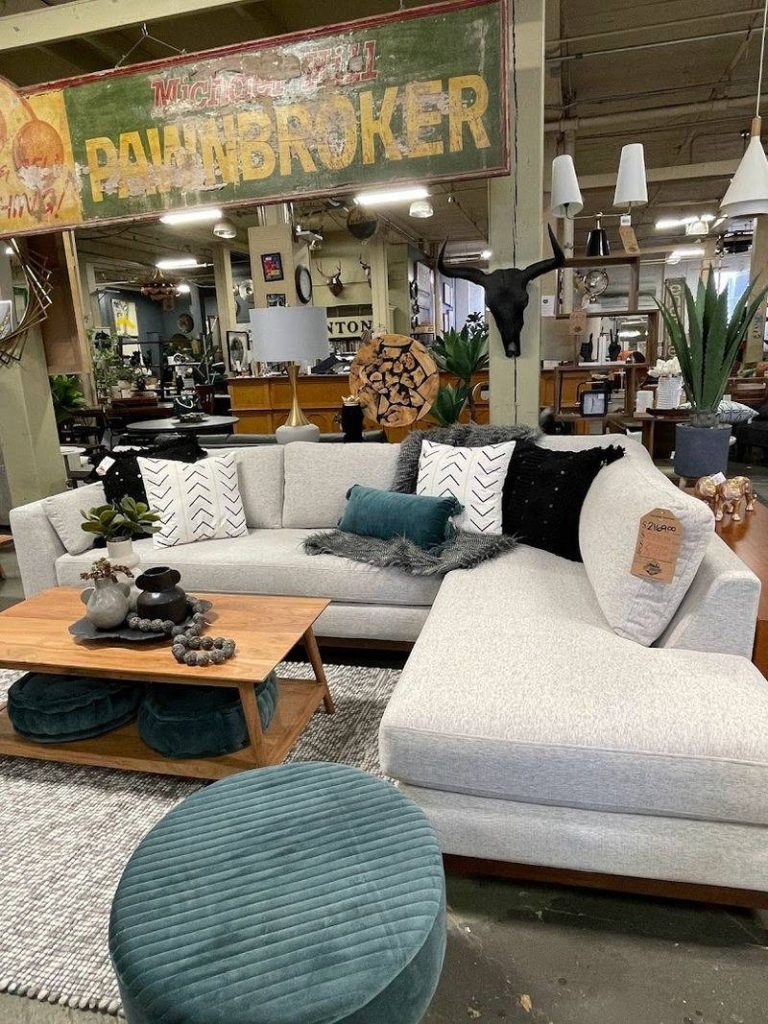
One of the practical advantages of shopping in a warehouse like this is that much of the furniture can be seen and tested in person. The original source notes that many pieces are already assembled, which allows customers to sit on them, inspect the construction, compare fabrics, and get a better sense of size before buying. That may seem ordinary, but in an era when so many furniture purchases are made online, being able to physically evaluate a piece before spending hundreds or thousands of dollars has become more valuable.
Furniture is difficult to judge accurately from photographs. A sectional that looks perfectly sized on a website may overwhelm a room in person, while a chair that appears plush and comfortable online may feel too firm or too shallow. Colors can also look very different under showroom lighting compared with a screen, and fabric texture is nearly impossible to evaluate from a photograph. Shopping in person eliminates some of that uncertainty and gives buyers a chance to compare several options without relying entirely on descriptions and customer reviews.
The source also mentions customization options for select pieces, including different fabric choices and layouts. That makes the store appealing not only to bargain hunters but also to shoppers who want more control over how a piece will fit into a particular space. For anyone furnishing a home in Portland, especially an older home or apartment with unusual dimensions, being able to compare furniture in person can make the process much easier.
The Real Fun Comes From Wandering
Although the furniture selection is substantial, the store becomes more interesting when you stop thinking of it as a place where you go only for one specific purchase. City Liquidators is better suited to browsing than to rushing, largely because the merchandise extends well beyond furniture. Artwork, decorative objects, pillows, vases, candles, kitchen accessories, and seasonal items appear throughout the warehouse, according to the original source. That mix creates a shopping experience where one section naturally leads into another.
A customer might arrive looking for a dining table and end up spending most of the visit examining wall art or lighting. Another person may come in for a chair and leave thinking about a decorative piece that had nothing to do with the original shopping list. That unpredictability is one of the store’s strongest qualities because it makes browsing feel more like discovery than comparison.
There is a familiar Oregon appeal to that kind of shopping. Antique malls, flea markets, secondhand stores, and small-town vintage shops all rely on the same basic idea. You do not always know what you are going to find, and that uncertainty is part of the reason to go. City Liquidators offers a similar experience on a much larger scale, with the added benefit of mixing new furniture and home goods into the hunt.
People who enjoy decorating often appreciate stores like this because inspiration can come from unexpected places. Seeing several different styles side by side can make it easier to imagine how a room might come together, and sometimes the best purchase is something you were not actively searching for at all. The warehouse encourages that kind of browsing because the inventory does not feel overly curated or narrowly themed.
Artwork and Decor Add Another Layer to the Experience
The home decor and artwork sections are especially important because they make City Liquidators appealing even to people who are not currently shopping for furniture. The original source describes framed prints, original paintings, sculptural pieces, photography, pillows, vases, candles, seasonal decorations, and kitchen accessories appearing throughout the store. That breadth means a visit can easily turn into a general home decor trip rather than a furniture-shopping excursion.
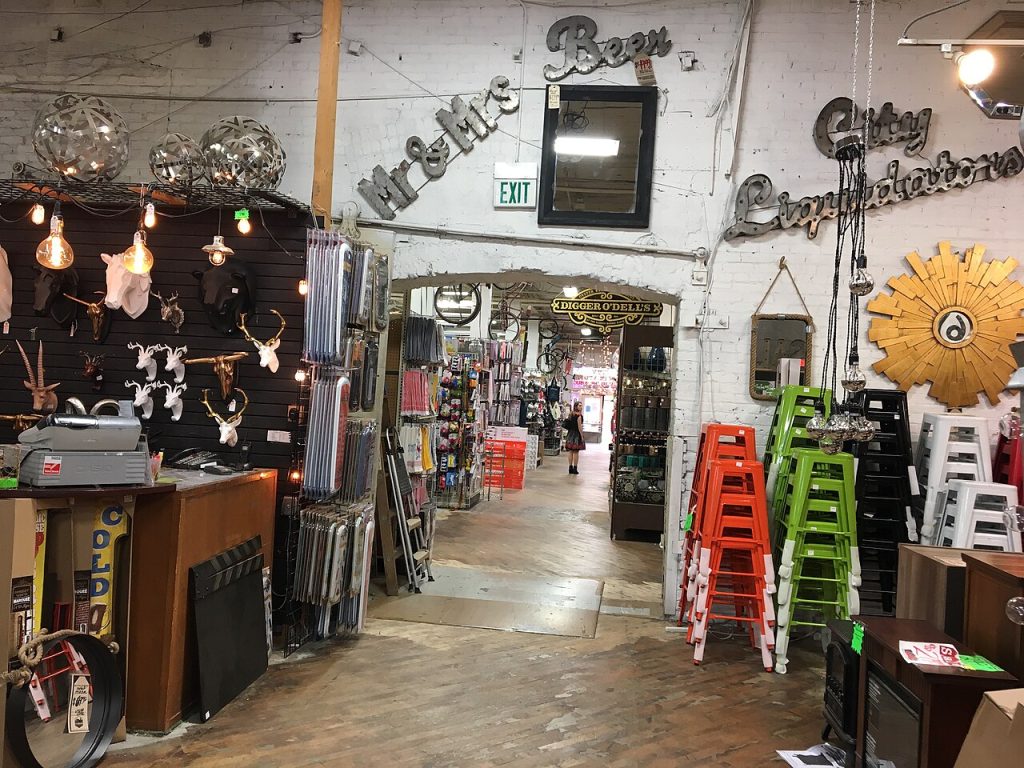
The selection is described as eclectic, which suits Portland well. One area might contain abstract pieces while another includes traditional prints, nature scenes, or decorative objects with a completely different style. Because the merchandise is not limited to one design trend, people with very different tastes can usually find something worth looking at.
That variety also means repeat visits can feel different. A piece of artwork that catches your eye may not be there the next time you stop in, and new items can completely change the appearance of a section. For shoppers who enjoy finding unusual home decor, that creates the same sense of urgency that exists in antique stores and estate sales. If something really stands out, waiting too long may mean losing it.
There is also a practical side to shopping for decor this way. Large warehouse stores often provide a chance to compare scale in person, which is especially useful with artwork and decorative pieces. A print that seems large online may look much smaller once it is on a wall, while an oversized piece can become the focal point of a room in a way that is difficult to imagine from measurements alone. Being able to see the size, color, and texture in person makes decorating easier.
Changing Inventory Gives Regulars a Reason to Return
One of the reasons City Liquidators has maintained a loyal customer base is that the inventory does not remain static. The source notes that new products arrive regularly and that seasonal items, specialty merchandise, kitchen products, craft supplies, collectibles, and outdoor-related goods can appear at different times. That constant turnover makes the store more interesting for people who live nearby because a return visit may reveal an entirely different selection.
Predictable stores are useful when you know exactly what you need, but they do not always inspire curiosity. A warehouse with changing merchandise creates a different relationship with its customers. People begin stopping by simply to see what has arrived, even when they are not actively shopping for a major item.
That pattern is common at some of Oregon’s most beloved secondhand and antique businesses. Regular customers develop a habit of checking in because they know the best finds are often temporary. City Liquidators operates on a larger scale, but the same instinct applies. The possibility of discovering something new is part of what keeps the experience from feeling repetitive.

Seasonal merchandise also changes the mood of the warehouse throughout the year. Holiday decorations, themed table settings, and other rotating items can make the store look noticeably different depending on when you visit. That helps explain why longtime customers continue returning even after furnishing the major rooms in their homes.
Why Shoppers Can Easily Spend Hours Inside
The layout of City Liquidators naturally encourages slow browsing. The original source emphasizes how shoppers often spend much longer inside than they intended because there are multiple floors and a large amount of inventory to explore. A first visit can be especially time-consuming because there is no immediate sense of how much is still ahead.
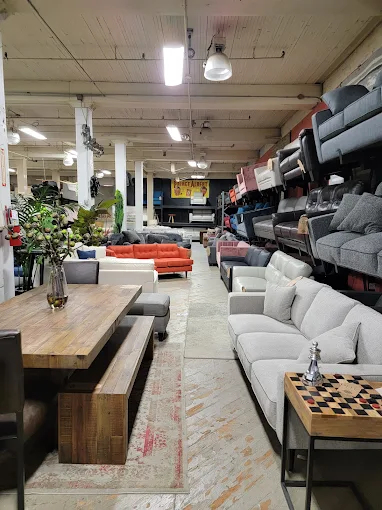
That is why it makes sense to treat City Liquidators as more of a destination than a quick errand. If you enjoy browsing, give yourself enough time to move through the building without feeling rushed. Comfortable shoes are not a bad idea, especially if you plan to explore every floor.
Shopping with someone else can also make the visit more entertaining. Furniture and decor have a way of revealing strong opinions, and couples or families quickly find themselves debating what would fit, what looks good, and whether a particular piece belongs anywhere near their home. Those conversations are part of the fun, especially in a store where the selection is broad enough to create constant disagreement.
For some shoppers, the most enjoyable part of the experience is simply seeing what is there. You do not need to be furnishing a house to appreciate a warehouse full of unusual objects and different design styles. Browsing can become its own form of entertainment, particularly on a rainy Portland day when spending a few hours indoors sounds appealing.
A Local Business With a Personal Reputation
Another factor in City Liquidators’ longevity is the way customers describe the staff. The original source highlights employees by name, including Gigi and Howard, and notes that owner Pam Pelett has been involved directly with customers. That personal connection is notable because the store operates on a much larger scale than a small neighborhood shop.
Large purchases require trust. When someone is spending significant money on a sofa, bedroom set, or dining table, they want to know that the business will stand behind the sale if something goes wrong. Helpful employees and responsive ownership can make the difference between a one-time transaction and a customer who returns for years.
That kind of relationship is one reason family-owned businesses can build unusually strong loyalty. Customers often remember the person who helped them choose a piece, solved a problem, or answered questions after the purchase. Over decades, those individual experiences become part of a store’s broader reputation.
In Portland, where independent businesses have always played a major role in the city’s identity, that local connection matters. City Liquidators has managed to remain large enough to offer a huge selection while still maintaining the feel of a business with roots in the community.
Delivery Helps Solve the Biggest Furniture Problem
Finding the right piece of furniture is only half the challenge. The other half is getting it home.
Anyone who has ever tried to fit a couch into a vehicle that is clearly too small understands how quickly furniture shopping can become a logistical problem. City Liquidators offers delivery options, and the original source also describes assembly services for applicable purchases in the Portland metropolitan area. That makes the store more practical for customers buying large items such as sectionals, bedroom sets, or dining furniture.
Delivery is especially valuable in Portland, where many people live in apartments, older homes, or buildings with narrow staircases and limited parking. Moving large furniture through those spaces can be difficult even with help, so having the store handle transportation can save considerable time and frustration.
Because delivery policies, pricing, and coverage areas can change, it is always smart to confirm the current details directly with the store before purchasing. The same is true for assembly services and any warranty information associated with specific items.
Parking around the Central Eastside can also vary depending on the day and time, so visitors who want a less stressful experience may prefer arriving earlier. That is particularly useful if you expect to spend a long time browsing.
A Good Excuse to Explore Portland’s Central Eastside
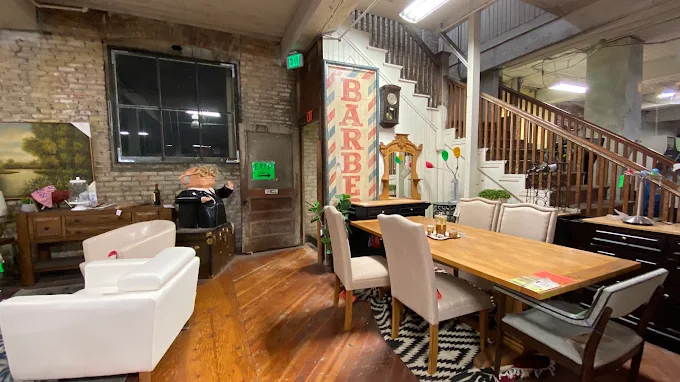
City Liquidators’ location makes it easy to combine a visit with other things to do in Portland. The store sits near the Willamette River in the Central Eastside, an area filled with restaurants, coffee shops, breweries, creative businesses, and remnants of the industrial district that shaped this part of the city.
For visitors coming from outside Portland, that makes the warehouse more than a standalone shopping stop. You can spend part of the day browsing City Liquidators, grab lunch nearby, explore the neighborhood, and cross one of the nearby bridges into downtown. The location works especially well for anyone who enjoys seeing parts of Portland that still show traces of the city’s older industrial character.
The Central Eastside has become one of the places where Portland’s past and present are visible at the same time. New businesses occupy old warehouses, apartment buildings rise near longstanding industrial properties, and restaurants operate only blocks from freight routes and historic commercial buildings. City Liquidators fits comfortably into that mixture because it remains connected to the area’s practical warehouse roots.
Why a Place Like This Feels More Valuable Today
There is another reason City Liquidators is worth paying attention to, and it has little to do with furniture prices or inventory. Businesses with this much personality are becoming harder to find.
Modern retail is efficient, predictable, and convenient, but it can also feel interchangeable. Shopping centers across the country are filled with many of the same chains, and online shopping has removed almost all sense of place from the transaction. A couch bought online in Portland is purchased in essentially the same way as a couch bought online in Phoenix or Chicago.
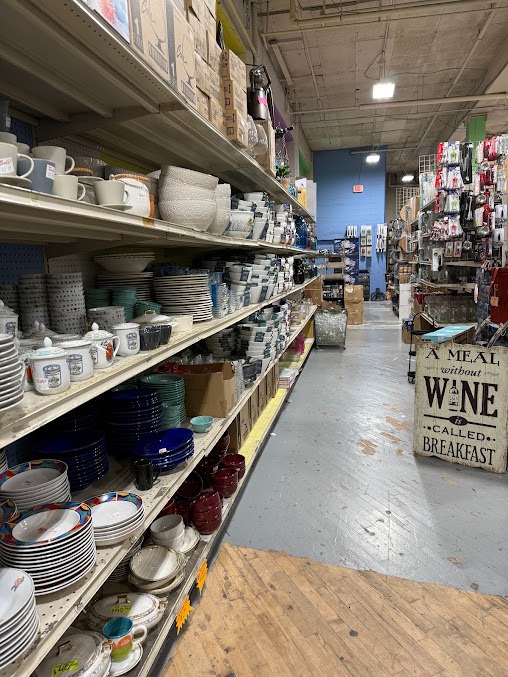
City Liquidators offers the opposite experience because it is inseparable from Portland. The building, the history, the family ownership, and the warehouse atmosphere all contribute to a sense that you are visiting a specific local place rather than a standardized retail concept.
That matters more as longtime Portland institutions continue disappearing. Residents have watched familiar restaurants close, department stores vanish, old businesses retire, and neighborhoods change rapidly. Places that survive for decades become easier to appreciate because their longevity is no longer something people can take for granted.
A store founded in 1977 has witnessed an enormous portion of modern Portland history. City Liquidators has operated through recessions, population growth, changing design trends, the rise of online shopping, and major transformations throughout the Central Eastside. The fact that people can still walk into the warehouse today and experience something recognizable to shoppers from decades ago is part of what makes the business special.
There Is Still Something Satisfying About Shopping in Person
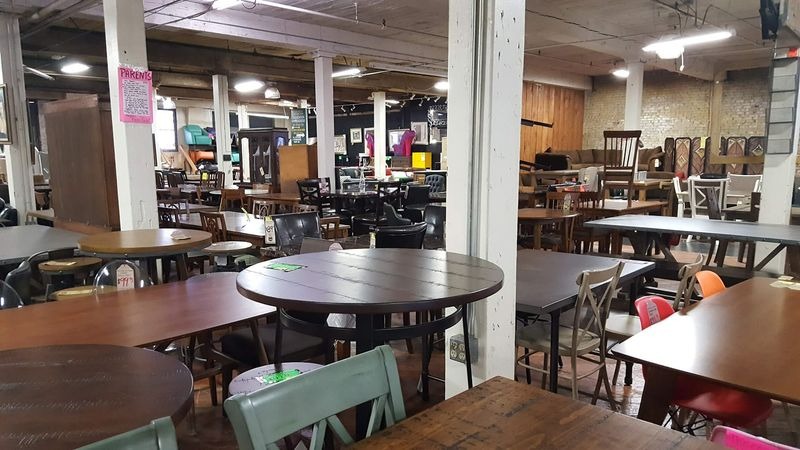
The rise of online shopping has made buying almost anything incredibly convenient, but it has also removed much of the experience that once came with shopping. There is no wandering through aisles, no stumbling across something unexpected, and no conversation with the person standing next to you about whether an item would look good at home.
City Liquidators preserves some of that older style of shopping. You see things because they are physically in front of you, not because an algorithm selected them based on your browsing history. You can touch the fabric, compare the size, walk around the piece, and decide whether it feels right.
Those interactions can make purchases more memorable. People often remember where they found a piece of furniture or artwork that became part of their home, especially when the discovery was unexpected. A warehouse full of changing inventory creates more opportunities for those kinds of stories than a website ever can.
That may be one reason City Liquidators has lasted so long. The store offers something that is difficult to reproduce digitally. It gives people a reason to physically go somewhere, look around, and see what they find.
What to Know Before You Visit
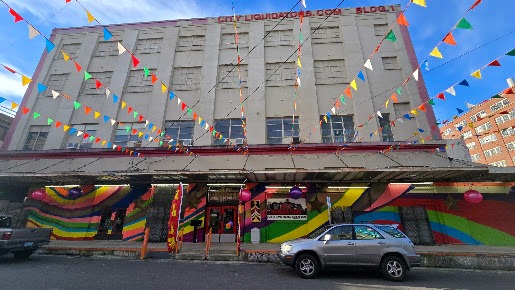
City Liquidators is located at 823 SE 3rd Avenue in Portland, Oregon. The store currently lists daily hours from 9 a.m. to 6 p.m.
Because the inventory changes frequently, shoppers looking for a very specific item may want to check availability before making a special trip. If you are visiting primarily to browse, the changing selection is part of the appeal, and there is a good chance the warehouse will contain items that were not there during a previous visit.
Plan to give yourself enough time to explore the multiple floors, especially if it is your first time inside. If you purchase something large, ask the store about current delivery, assembly, warranty, and service options before finalizing the sale.
Most importantly, do not assume the item you came for will be the most interesting thing you find.
One of Portland’s Longtime Survivors
There are many places to buy furniture and home decor in Oregon, but very few have the history or personality of City Liquidators. The store has been part of Portland since 1977, and during that time it has grown into the kind of local institution that people recognize even if they have never spent much time inside.
Its appeal comes from several things working together. The old warehouse gives the store atmosphere, the multi-level layout encourages exploration, the changing inventory keeps repeat visits interesting, and the family-owned history connects the business to an earlier era of Portland retail. None of those qualities would be especially remarkable on their own, but together they create a place that feels increasingly uncommon.
Portland has changed dramatically over the last several decades, and many of the businesses that once defined the city are gone. City Liquidators remains one of the survivors, still operating in the Central Eastside and still giving shoppers a reason to wander through an old warehouse without knowing exactly what they will find.
For anyone who enjoys discovering longtime Oregon businesses, exploring unusual stores, or simply spending an afternoon browsing somewhere with more personality than a typical chain retailer, City Liquidators is worth knowing about. The best part may be that you do not need to be shopping for anything in particular to enjoy it. Sometimes the experience is simply seeing what is waiting inside.