
That Oregon Life’s Eastern Oregon guide
Wallowa Lake, Oregon
A complete, honest guide to camping, swimming, boating, fishing, the tramway, hiking and where to stay—plus the tradeoffs that decide whether Wallowa Lake is worth the long drive for your trip.
Researched and reviewed September 2026
Is Wallowa Lake worth visiting?
Yes—if you treat it as a real Eastern Oregon destination, not a quick stop. Wallowa Lake earns the drive with mountain walls, a usable state-park base, lake activities, the Mount Howard tramway, trail access and Joseph just up the road. It is one of the rare Oregon lakes where a family can camp, boat, ride a gondola, take a short walk and still have enough left for a second day.
The tradeoff is distance and seasonality. Peak-summer sites can be booked, spring can look like summer on the calendar but feel like mountain weather, and the water is not promised to be warm. If your trip has two or more nights and you want a scenic lake plus a mountain town, Wallowa is an excellent bet.
Best things to do at Wallowa Lake
The lake is the reason to come. The combination of water, elevation, trail access and Joseph is why it works as a full trip.
Swim, paddle or rent a boat
The state park has a beach and designated swim area, while the marina brings boats, fishing gear and summer moorage into the mix. A calm morning is the best time for a kayak or SUP; wind and changing water conditions can make the same plan less relaxing later.
Ride the Wallowa Lake Tramway
The gondola turns a dramatic Mount Howard view into a realistic outing for people who do not want a hard summit day. The payoff is the high-country perspective over the lake and Wallowa Valley, plus short walks and wildflowers when conditions allow.
Use the lake as an Eagle Cap gateway
The Wallowa Lake trailhead connects visitors to Chief Joseph Mountain and the East and West Fork Wallowa routes. It can be a short leg-stretcher or the beginning of a serious wilderness itinerary—two very different trips.
Give the town its own time
Joseph is not just a place to buy ice. Its galleries, bronze work, food and small-town rhythm are part of why an overnight Wallowa trip feels fuller than a day-use lake stop.
Plan around current reports
ODFW’s current Northeast Zone report notes that Wallowa Lake is stocked and that trout fishing can be strongest near shore around the south-end Wallowa River inlet. Regulations, species and bite conditions change—check before you pack the tackle box.
Visit with respect
Near the lake, the Old Chief Joseph Gravesite and Iwetemlaykin State Heritage Site provide a chance to learn about the Wallowa homeland of the Nimiipuu (Nez Perce). This is not an attraction to rush through; approach it as a sacred and sensitive place.
Swimming, boating, paddling and fishing at Wallowa Lake
Swimming
Yes, there is a real swim area—but expect mountain water
Wallowa Lake State Park has a beach and swim area, which makes the lake more family-practical than a shoreline pullout. Still, this is a high-elevation mountain lake. A hot afternoon does not make the water automatically warm, and kids or cautious swimmers will have a better day with layers, snacks and a short first dip instead of a long swim expectation.
Family call: good when you want a beach, nearby facilities and water play; less ideal if your definition of a swim day requires bathtub-warm water or lifeguards.
Boats & paddles
Bring a plan, not just an inflatable
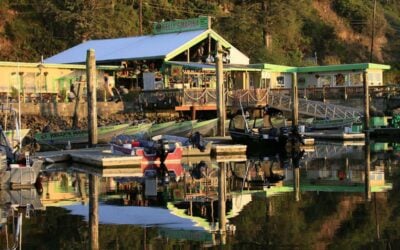
The marina manages summer boat-slip reservations and sells fishing licenses and gear during its seasonal operating period. Boat-ramp and boarding-dock conditions can change with water level, so verify them the week of travel. For SUPs, kayaks, canoes and rafts, Oregon’s current Waterway Access Permit rules apply; bring the appropriate personal flotation device as well.
Best window: earlier in the day, before wind and boat traffic build.
Fishing
More than a scenic backdrop
Wallowa is a legitimate angling lake rather than a photo-only stop. Check ODFW’s current Northeast Zone report for stocking, species-specific rules and the latest shore-fishing notes. The south end near the river inlet is a practical place to begin, but do not confuse a report with a guarantee.
Safety
The lake deserves normal lake judgment
Wear a life jacket when it makes sense for your skill level and conditions, supervise children closely, do not dive into unfamiliar water and give cold water time to tell you how it feels. The scenic setting can make a casual afternoon look safer than it is.
Is the Wallowa Lake Tramway worth it?
For most first-time visitors, yes. It is the easiest way to understand the scale of the lake and valley without committing to a steep all-day hike. Community regulars consistently describe the summit views and short walks as the value—not a sunrise or sunset photography plan.
What to expect
The tramway rises to Mount Howard, where visitors can take in lake-and-valley views, look for wildlife and walk short summit routes when open. The operator says the season generally runs from mid-May on select dates through September; operating days and final downhill rides vary, so use the official calendar rather than an old blog schedule.
Make the day work
Use the tram for a daytime panorama and easy high-elevation time. If golden-hour photography is your priority, community travelers often favor the lake shore instead because the tram’s last descent is earlier than sunset. Bring a layer even when Joseph feels warm, and know that dogs are not permitted on the tram except qualifying service animals.
Hiking around Wallowa Lake
The lake can be a simple picnic stop, but it also sits at the doorstep of the Eagle Cap Wilderness. Do not let those two experiences blur together.
Easy / low-commitment
Walk the lake edge, spend time at the swim area, or use Iwetemlaykin for a shorter interpretive outing near Joseph. These are good ways to add movement without making the trip about mileage.
Tramway summit walks
When the tram is operating, the top of Mount Howard offers high-country views with far less effort than a self-powered summit. Conditions, trail openings and weather still matter at elevation.
Eagle Cap trailhead
The Wallowa Lake trailhead opens routes toward Chief Joseph Mountain and the East and West Fork Wallowa country. It is the right choice for hikers who have maps, water, weather margin and a real wilderness plan.
Wallowa Lake camping, cabins and lodging
State park camping
The convenient choice—and the one to reserve
Wallowa Lake State Park has hookup, tent/non-hookup, hiker/biker, yurt and group options. Sites include a picnic table and fire ring, with restrooms and showers available. Summer has the broadest service level; from October through mid-May, expect fewer reservable sites and limited water in parts of the park.
How to avoid disappointment
Do not plan peak summer like it is a first-come forest campground
Recent campers and locals make the same point: Wallowa’s popularity is real, and desirable dates can disappear. If the state park is full, consider a Joseph lodging base or research legal alternatives before you drive—rather than assuming dispersed camping is waiting a few minutes away.
Cabins & Joseph stays
The better choice for some groups
Cabins and motels around Wallowa Lake and Joseph trade campfire immediacy for showers, beds, a kitchen or easier weather backup. Joseph makes the stronger base if restaurants, galleries, groceries and an evening walk matter; lake-area lodging makes dawn water time easier.
Best time to visit Wallowa Lake
The best season depends more on the trip you want than on a generic “summer is best” answer.
| Season | Best for | What changes the plan |
|---|---|---|
| Late spring | Quieter scenery, green slopes and a less crowded town | Mountain weather can be unsettled; campground services and the tram may operate on a limited schedule. Snow or cold nights are still possible. |
| Summer | Swimming, boating, the tramway, longer trail days and the fullest service level | Campgrounds and parking fill, water stays cooler than many visitors expect, and afternoon wind or storms can change the lake day. |
| Early fall | Fewer crowds, clear days, color and a more relaxed base in Joseph | Services begin to taper; cold nights arrive quickly and seasonal dates matter more. |
| Winter | Quiet scenery and a snow-season base for travelers prepared for it | The tramway does not run in winter, and the park offers reduced camping services. This is not a standard summer-lake itinerary. |
Wallowa Lake, Joseph and Nimiipuu history
This is the Wallowa homeland of the Nimiipuu (Nez Perce).
The dramatic scenery can make it easy for travel writing to turn the valley into a postcard. That would miss the central story. The Wallowa Valley is part of the ancestral homeland of the Nimiipuu, and the nearby Old Chief Joseph Gravesite is a sacred and sensitive site dedicated to Tıwi·teqıs, known as Old Chief Joseph.
The National Park Service explains that Old Chief Joseph refused to sell the Wallowa homeland or sign the 1863 Treaty. The gravesite and adjacent Iwetemlaykin State Heritage Site are appropriate places to slow down, read the interpretation and treat the landscape with care.
Getting to Wallowa Lake, parking and practical planning
Give it enough time
From Portland or the Willamette Valley, Wallowa is a long-drive destination. One night can work; two nights makes the drive feel worthwhile; three gives you room for a weather or reservation surprise.
Base yourself deliberately
Choose the state park or lake area for water-first days. Choose Joseph when food, galleries and walkability matter. They are connected, but they do not deliver the same kind of evening.
Verify the moving pieces
Before leaving, check the campground, boat ramp/docks, tramway calendar, trail conditions, air quality, fire restrictions and fishing rules. One official check can save a long-drive disappointment.
Wallowa Lake FAQ
Can you swim in Wallowa Lake?
Yes. Wallowa Lake State Park has a beach and swim area. It is still mountain-lake water, so enter gradually, supervise children, use normal lake safety and do not promise your group warm water just because the air is hot.
Can you camp at Wallowa Lake?
Yes. Wallowa Lake State Park has several camping types, including hookup, tent/non-hookup, hiker/biker, yurt and group options. Availability and service levels change by season, and popular summer dates can book well ahead.
Is the Wallowa Lake Tramway open year-round?
No. The operator says the season generally runs from mid-May on select dates through September. Check the operating calendar for the exact day, hours, weather limitations and last descent before building your itinerary around it.
Can you bring a dog on the tramway or in the swim area?
The tramway says dogs are not allowed except qualifying service animals. State-park rules and area restrictions can vary by facility; check the current park map and rules before assuming a dog can use the swim area or other amenities.
Is Wallowa Lake good for kids?
It can be excellent for families because it combines a developed beach/swim area, campground facilities, boating options, easy scenic time and the tramway. It is less ideal for families wanting a quick, guaranteed warm-water or last-minute holiday-weekend trip.
How many days should I spend at Wallowa Lake?
Two nights is the practical minimum for a long-drive trip: one lake/tram day plus one day for Joseph, an easy hike or weather backup. Three or more nights lets anglers and hikers make proper use of the area.
Check today’s conditions before a Wallowa Lake trip
This guide is designed to help you choose the right trip. It cannot guarantee a boat dock, trail bridge, water temperature, campsite, tram operating day or air-quality window. Use these primary sources for the final check.
- Oregon State Parks: Wallowa Lake State Park for day use, camping, swim-area and facility information.
- Oregon State Marine Board access report for current boat-ramp and dock conditions.
- Wallowa Lake Tramway for calendar, tickets, dog and weather policies.
- ODFW Northeast Zone Fishing Report for fishing conditions and regulations.
- National Park Service for Old Chief Joseph Gravesite visitor guidance and history.
Conditions, closures, water level, trail access, wildfire restrictions and service availability change. Verify the exact day and place before you go.