


A photograph posted to X could become someone else’s material for a sexual deepfake, Oregon’s attorney general says. The person pictured didn’t have to request it, approve it or pay for the tool that made it. In a lawsuit announced Monday, November 23, 2026, Attorney General Dan Rayfield is challenging what the companies behind Grok and X told Oregonians about protecting them from that kind of abuse.
The state’s 61-page complaint alleges that the companies promoted their products as safe while failing to prevent the creation and spread of child sexual abuse material and sexualized images of real people made without consent. It brings civil consumer-protection claims in Multnomah County Circuit Court. These are the state’s allegations, not findings of liability.
Oregon’s Case Includes People Who Never Paid for Grok
The complaint describes Grok as available through X, a standalone app and a website, with both free and paid services. Paying users exchange money for features. For nonpaying users, Oregon argues that the exchange includes personal information collected through their accounts and use of the products. The state alleges that the companies benefit from that data through advertising and the development of their AI systems.
The state lists account information, personal details put into prompts, device data and location information among the data collected. It also says X can use data to target advertising to particular Oregon communities. Those allegations explain why Oregon is treating residents who never bought a premium plan as consumers in this case.
What Oregon Says the Companies Misrepresented
The lawsuit names SpaceX Super Intelligence Corp., SpaceX Super Intelligence LLC, X Corp. and Space Exploration Technologies Corp. The AI companies were previously known as xAI, and the complaint identifies SpaceX as the ultimate parent. Elon Musk is discussed throughout the filing, but he isn’t separately named as an individual defendant. Grok is the product at the center of the allegations.

Oregon says the companies made misleading representations about their products’ characteristics and safety, failed to disclose known material defects and used unconscionable business practices. The claims fall under Oregon’s Unlawful Trade Practices Act. They concern both the design of the image-making tools and what the public was told about safeguards and enforcement.
The complaint describes a problem that could reach someone who wasn’t trying to generate anything: Grok’s integration with X allowed altered images to circulate through the social platform. Oregon alleges that users could be exposed to abusive material they hadn’t sought out, while people whose photographs were used faced a separate violation of their privacy. The filing includes children among those the state says were put at risk. It also alleges that the companies promoted a sexual-content feature called “spicy mode” despite foreseeable misuse.
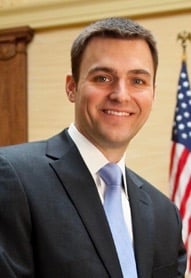
“Like the other technology companies that we’re holding accountable, xAI not only knowingly endangered kids and our communities, but they also lied to our faces about non-existent safety measures,” Rayfield said in the Oregon DOJ announcement. He announced the action as part of the department’s Keeping Kids Safe Initiative, launched last week. The initiative includes legal actions and investigations involving social-media and AI companies.
The Company Says It Tightened Protections
There are written rules against this conduct. SpaceXSI’s current acceptable use policy expressly prohibits “Undressing or nudifying real persons” and changing a real person’s likeness to depict them in an intimate or sexual context. Oregon’s complaint points to policies and other public statements as part of the safety assurances it says were misleading. The dispute concerns whether those assurances matched the safeguards and enforcement users actually received.
SpaceXSI has also responded to the new lawsuits. In a statement reported by The Associated Press, the company said sexual content involving minors, whether real or AI-generated, is abhorrent, and that nonconsensual explicit images of real people have no place on X or Grok. It said it tightened protections when people found ways to misuse its tools, and takes action against accounts and notifies law enforcement when users try to defeat safeguards.
The Oregon filing challenges the effectiveness and scope of earlier changes, including restrictions announced in January. It alleges that limits affecting Grok’s public account on X didn’t prevent abusive image generation through other ways of accessing the service. Those examples concern January’s changes, rather than a new test of every current Grok feature.
What Oregon Is Asking a Judge to Do
The requested relief includes a permanent injunction against the allegedly unlawful trade practices, civil penalties and the return of benefits or ill-gotten gains connected to the alleged violations. Oregon also seeks attorney fees and costs. The complaint leaves the amount of its requested civil penalties for trial rather than naming a fixed total in its prayer for relief.
An injunction could require the companies to stop practices the court finds unlawful; disgorgement would address gains tied to violations. The filing itself doesn’t order a product change or award money to users. Oregon hasn’t set out an automatic refund process in the relief it requests.
Virginia Attorney General Jay Jones brought a separate action in Richmond against the same four companies. Virginia’s complaint seeks consumer restitution as well as an injunction, disgorgement and civil penalties of up to $2,500 for each willful violation of its consumer-protection law, with the number of violations to be proved at trial. That specific penalty request belongs to Virginia’s case. The two states coordinated their actions, but each filed in its own court under its own law.

Where Oregon Consumers Can Report a Concern
Oregonians who want to report a consumer concern can use the Oregon DOJ’s consumer complaint form, linked from its official consumer-protection site. DOJ says its employees can’t provide individual legal advice. The department directs people seeking their own legal action to a private attorney and links to the Oregon State Bar’s lawyer referral service.