

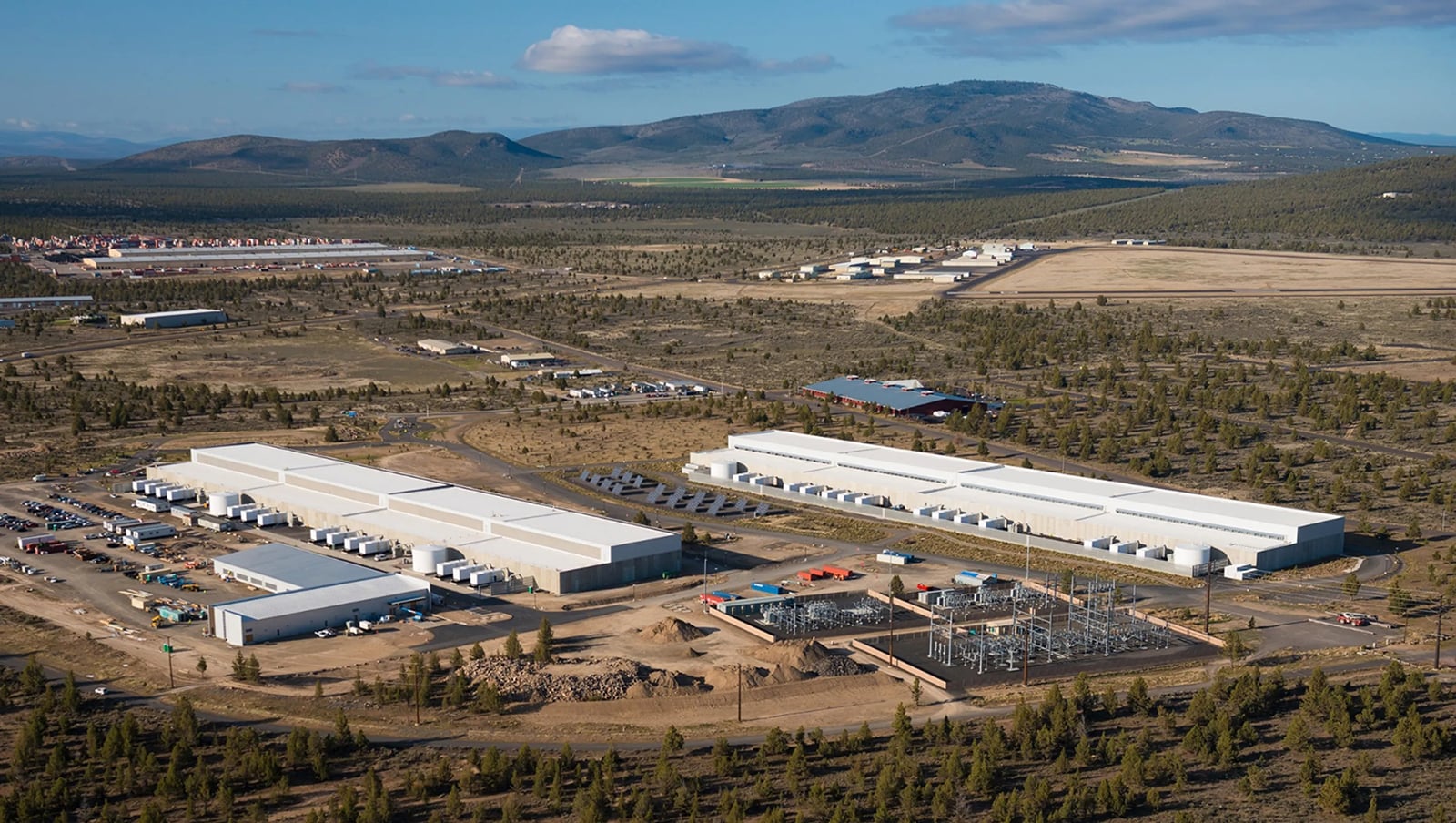
Most Oregonians could drive past one of these places without knowing what goes on behind the walls. There aren’t any storefronts, few windows, and certainly nothing inviting you to stop in. Just enormous buildings filled with computers, security fences, cooling systems, and enough electrical equipment to power a small town.
And as it turns out, Oregon has more of these facilities than almost anywhere else in America.
A new Harvard-led study published November 16 in the journal Nature Sustainability found that Oregon ranked second in the United States for the number of hyperscale data centers, a class of enormous computing facilities that support everything from internet services to artificial intelligence.
Researchers identified 56 hyperscale data centers in Oregon, trailing only Virginia, which had 142. Ohio came in third with 38.
The ranking comes with an important caveat: researchers examined 403 hyperscale facilities across the country, rather than every type of data center. A separate commercial database, Data Center Map, currently lists Oregon 11th nationally for data centers overall, with 138 facilities. The difference reflects what each dataset includes, and the Harvard researchers caution that their findings shouldn’t be treated as a complete inventory of all hyperscale facilities in the country.
Still, that’s a pretty remarkable concentration for a state with roughly 4.3 million residents. And while these facilities represent billions of dollars in investment and a growing part of Oregon’s economy, they’re also consuming staggering amounts of electricity, raising serious questions about the long-term costs of the state’s expanding technology industry.
At a Glance: Oregon’s Hyperscale Data Center Boom
- National ranking: Oregon ranked second among states in a new Harvard-led study, behind Virginia.
- Facilities identified: 56 hyperscale data centers in Oregon, compared with 142 in Virginia and 38 in Ohio.
- Estimated electricity consumption: Approximately 11.1 terawatt-hours over the researchers’ May 2024–April 2025 study period, equivalent to more than one million American households’ annual use.
- Estimated carbon emissions: Approximately 1.3 million metric tons of carbon dioxide associated with Oregon’s hyperscale facilities during that period.
- Major locations: Boardman, Hermiston, Umatilla, Prineville, The Dalles, and Hillsboro.
- Major companies: Amazon Web Services, Google, Meta, and Apple.
- State response: Oregon has temporarily restricted certain permits for new and expanding data centers while policymakers consider additional regulation.
- What’s next: The Data Center Advisory Committee is preparing recommendations expected to inform Oregon’s 2027 legislative session.
First, What Exactly Is a Hyperscale Data Center?
If you’ve never heard the term before, you’re probably not alone. It sounds like something out of a science fiction movie, but the concept is pretty straightforward.
Think of a traditional data center as a large building full of computers that store information and keep websites, apps, and online services running. A hyperscale data center takes that concept and expands it to an industrial level.
Instead of a few rooms or floors filled with servers, we’re talking about massive facilities, sometimes entire campuses with multiple buildings, containing thousands upon thousands of interconnected computers.
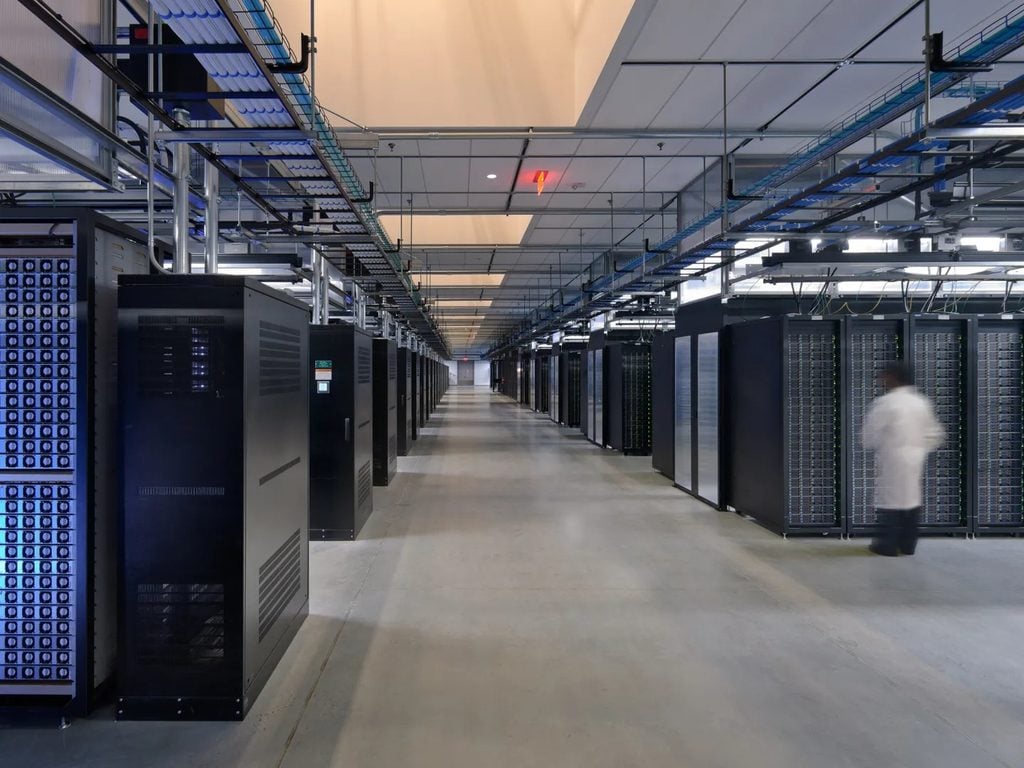
These systems are designed to handle enormous computing workloads and expand as demand increases. They’re the technological backbone for many of the online services people use every day.
When you upload photographs to the cloud, stream your favorite show, scroll through social media, or ask an AI assistant a question, there’s a good chance some of that work is being handled by equipment inside a data center.
Hyperscale facilities can support all these services, including the particularly demanding computing associated with training and running artificial intelligence models. Not every hyperscale data center is dedicated to AI, although the industry’s growing appetite for AI computing is helping drive new development.
There’s no single industrywide definition that determines precisely when a data center becomes hyperscale. In the Harvard study, the facilities averaged approximately 40 megawatts of electrical capacity, reflecting just how much power these operations can require.
For perspective, a megawatt is one million watts. A facility with 40 megawatts of capacity can draw 40 million watts of electricity at a given moment, although its actual consumption depends on how heavily its equipment is running.
And these computers don’t simply turn off at five o’clock. Many of the services they support operate around the clock, every day of the year.
So Why Are So Many of Them in Oregon?
Oregon might seem like an unusual place for one of America’s largest concentrations of giant computer facilities. We’re better known for our forests, coastline, mountains, and agricultural communities than for being a major technology infrastructure hub.
But Oregon has several things data center developers want: access to electricity, large parcels of land, established fiber-optic networks, and communities with industrial infrastructure. Historically, favorable tax policies have helped attract some of the industry’s biggest companies.
And much of that development has happened in places that aren’t traditionally associated with Silicon Valley.
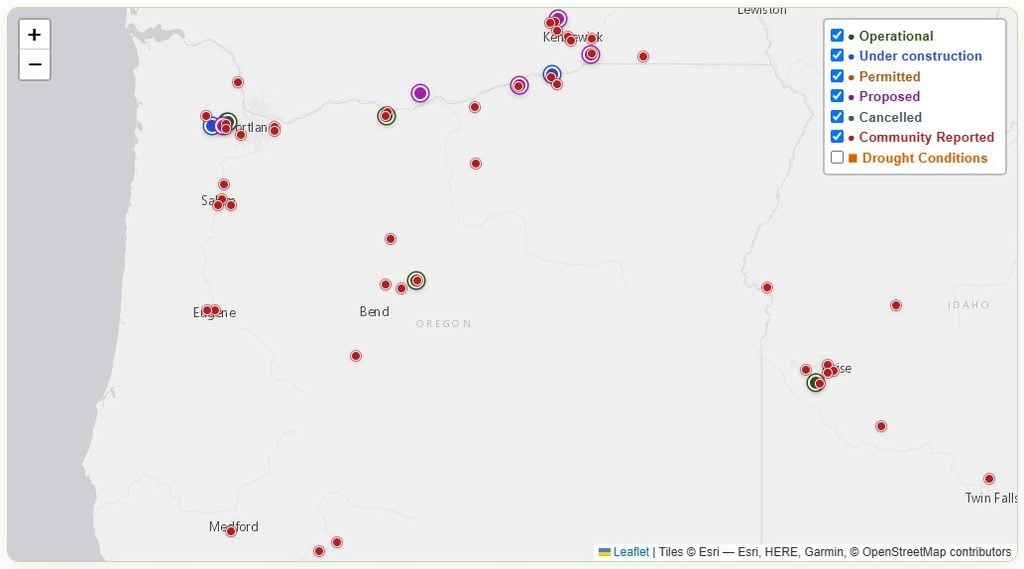
In Prineville, for example, Meta, Facebook’s parent company, and Apple operate enormous data center campuses. What was once primarily a timber community has become a major location for the technology industry.
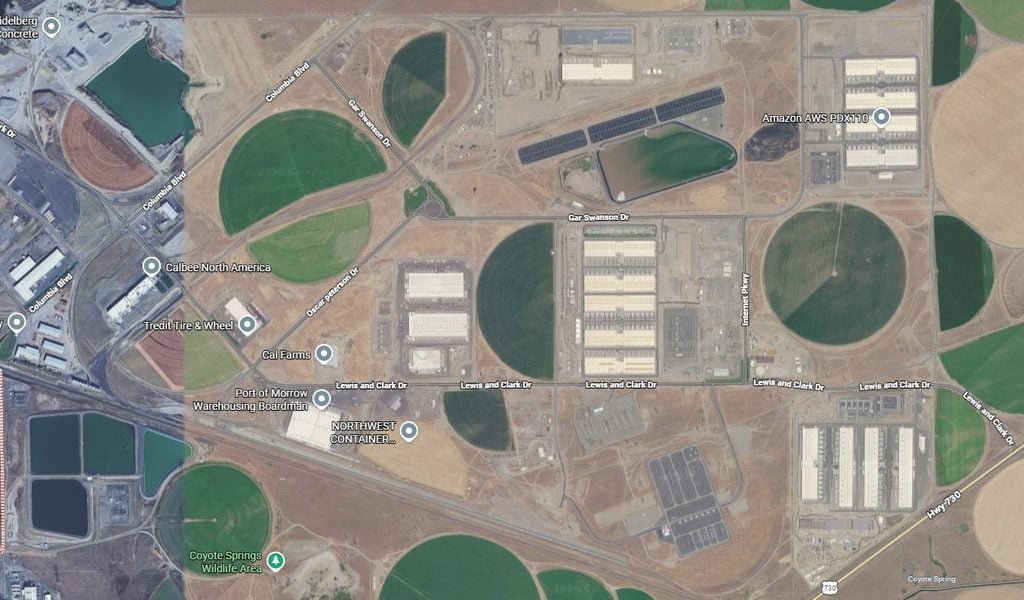
Farther north, Google has operated data centers in The Dalles since 2006, while Amazon Web Services has established a substantial presence around Boardman, Hermiston, and Umatilla.
Hillsboro, west of Portland, has become another major hub, attracting facilities that support cloud computing, data storage, and other services for technology companies and their customers.
These developments have effectively turned portions of Oregon into critical infrastructure for the internet, serving customers who may live thousands of miles away and never have any idea their data passes through the state.
The Electricity Numbers Are Hard to Ignore
Here’s where the Harvard study becomes really interesting.
Researchers estimated that Oregon’s hyperscale data centers consumed approximately 11.1 terawatt-hours of electricity over the study’s one-year period, from May 2024 through April 2025.
That’s enough electricity to supply more than one million average American households for an entire year.
The findings place Oregon among the nation’s largest centers of electricity demand from hyperscale computing, despite its relatively small population.
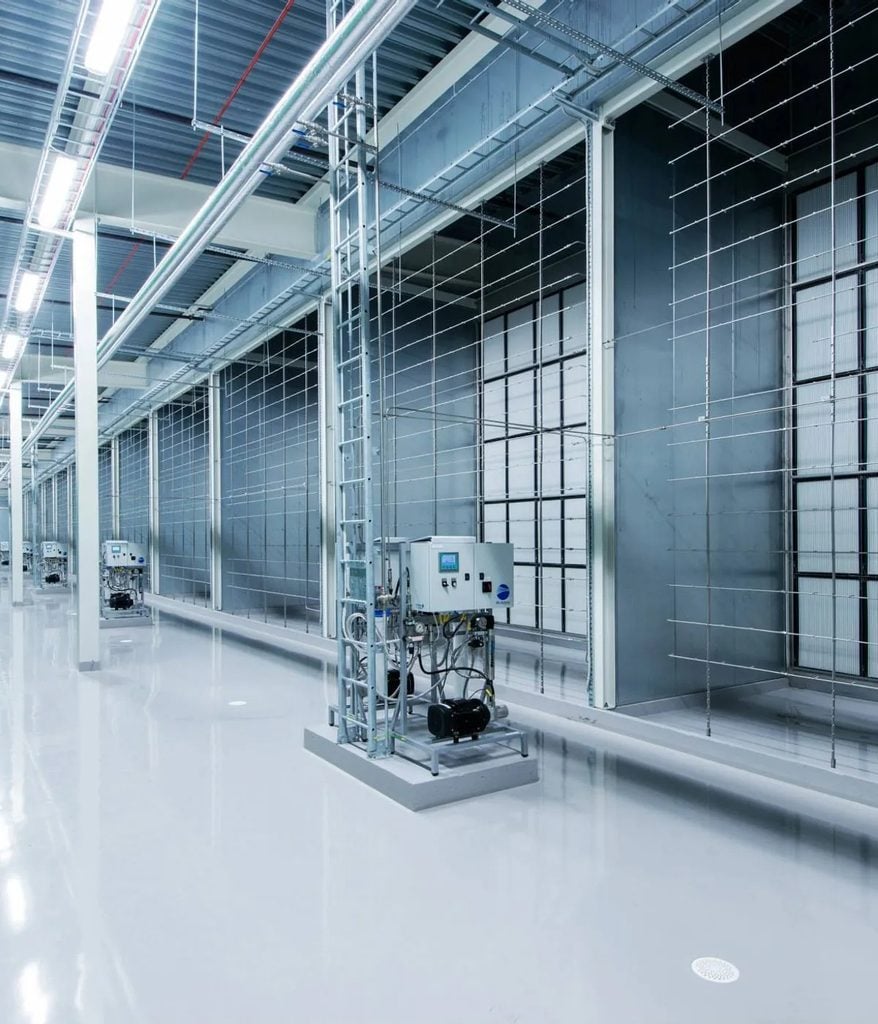
Nationally, the researchers examined 403 hyperscale facilities and estimated that they consumed approximately 82 terawatt-hours of electricity under their central modeling scenario. That’s about 1.8% of total U.S. electricity consumption during the period studied.
The research also found that four states, Virginia, Oregon, Ohio, and Iowa, accounted for more than half of the estimated electricity demand from the facilities examined.
And these numbers aren’t even necessarily an accurate picture of what’s happening as of this late 2026 writing.
The study examined facilities operating between May 2024 and April 2025. Researchers stressed that additional development and increasing demand for AI computing mean the industry’s current electricity consumption could be substantially higher.
It’s also worth the understanding that these figures are estimates, not readings taken directly from every facility’s electric meter. Researchers used facility-level information, estimated operating loads, and regional electricity generation data to calculate consumption and associated emissions.
Even with those limitations though, the results demonstrate the gargantuan scale of the industry.
Oregon’s Data Centers Are Also Producing Significant Carbon Emissions
The research estimated that Oregon’s hyperscale data centers were associated with approximately 1.3 million metric tons of carbon dioxide emissions during the study period.
That’s roughly comparable to the annual emissions from more than 300,000 gasoline-powered passenger vehicles.
Across the United States, researchers estimated that hyperscale facilities were responsible for approximately 25.7 million metric tons of carbon dioxide emissions under their central scenario.
According to Harvard’s announcement of the findings, about 54% of the electricity attributed to the facilities nationwide came from fossil-fuel generation, primarily natural gas and coal.
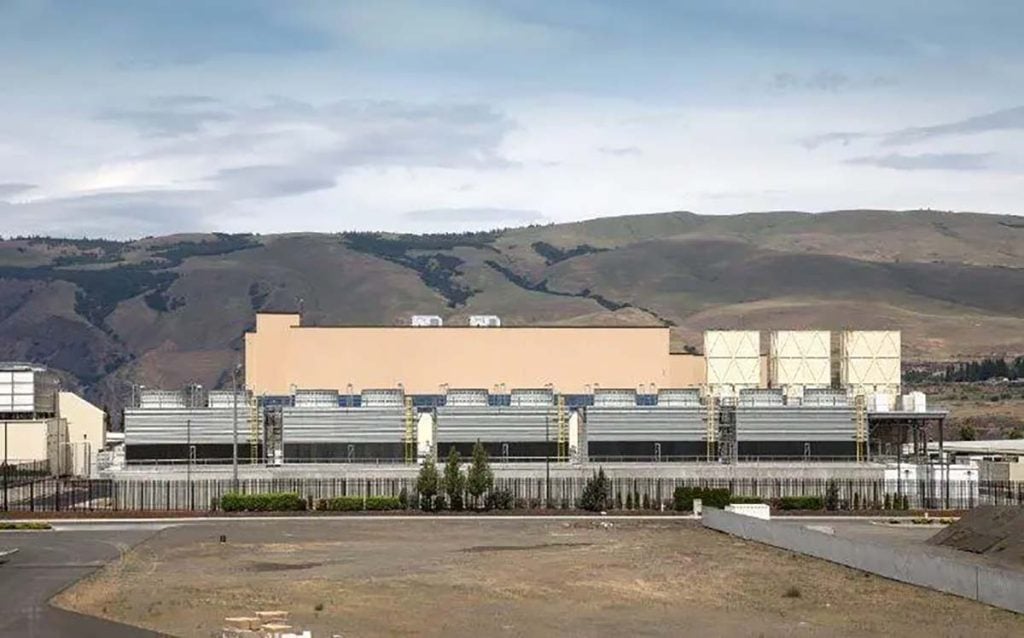
That doesn’t mean every Oregon facility gets most of its electricity from fossil fuels. The mix varies considerably depending on the electrical grid serving a particular location.
Oregon benefits from substantial hydroelectric generation and other renewable energy resources, which do help somewhat in reducing the carbon intensity of its electricity supply compared with some other states.
But that doesn’t eliminate the impact of large and growing demand. Additional electricity consumption can require new generation resources, transmission infrastructure, and investments in the power grid.
And when more electricity must be generated using fossil fuels, the environmental consequences can extend well beyond the communities where the data centers are located.
Electricity Isn’t the Only Concern. There’s Water, Too.
Anyone who’s spent a summer in Central or Eastern Oregon knows water is a precious resource.
It’s needed for farms, ranches, households, wildlife, and local businesses, often in places where drought and water availability are already major concerns.
Depending on their cooling technology, data centers can also require massively substantial amounts of water to prevent equipment from overheating. Thousands of servers operating continuously generate an enormous amount of heat, and keeping them within safe operating temperatures is an essential part of the business.
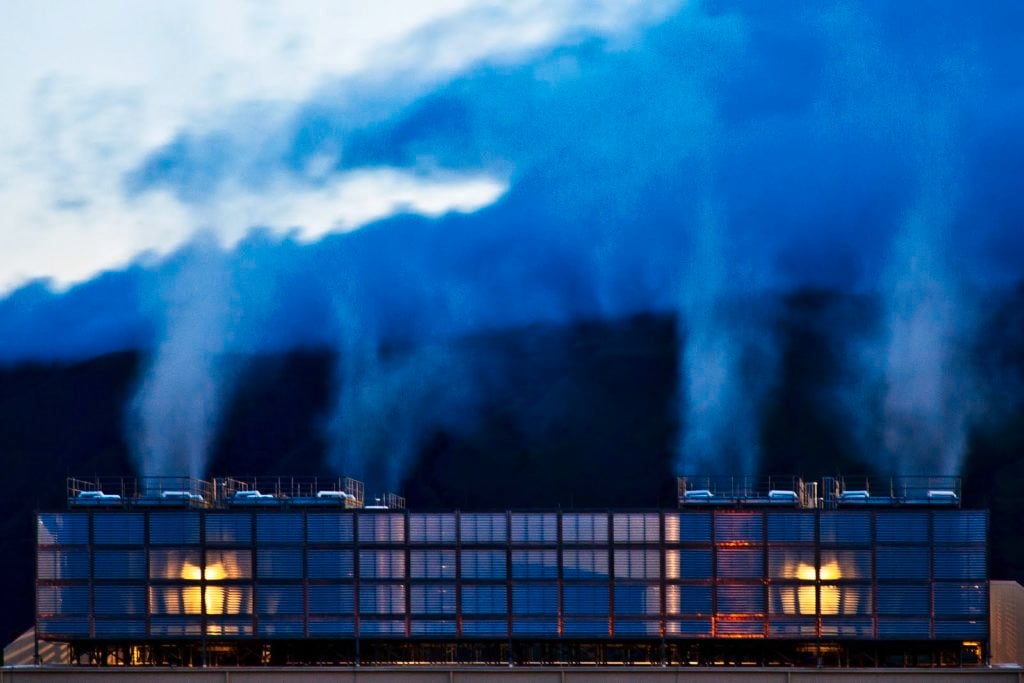
Some facilities use evaporative cooling systems that consume water. Others rely more heavily on air cooling, closed-loop systems, or combinations of different technologies.
Water consumption can therefore vary significantly from one location to another.
Unfortunately, determining exactly how much water Oregon’s entire data center industry consumes remains difficult. A separate 2026 analysis discussed by OPB identified major gaps in publicly available water-use information.
That can translate to a serious problem for communities trying to plan their future water needs.
When a large technology company proposes a new facility, residents deserve to know how much water it will need, where that water will come from, and whether local infrastructure can support the additional demand without creating problems for existing users.
From a Government’s Perspective, These Facilities Bring Economic Benefits…Initially.
It’s easy to look at the electricity and water demands and wonder why Oregon would want so many data centers in the first place.
The answer, at least from the perspective of many local governments, is economic development.
These projects can involve investments worth hundreds of millions or even billions of dollars. Construction generates work for electricians, equipment operators, engineers, contractors, and skilled tradespeople.
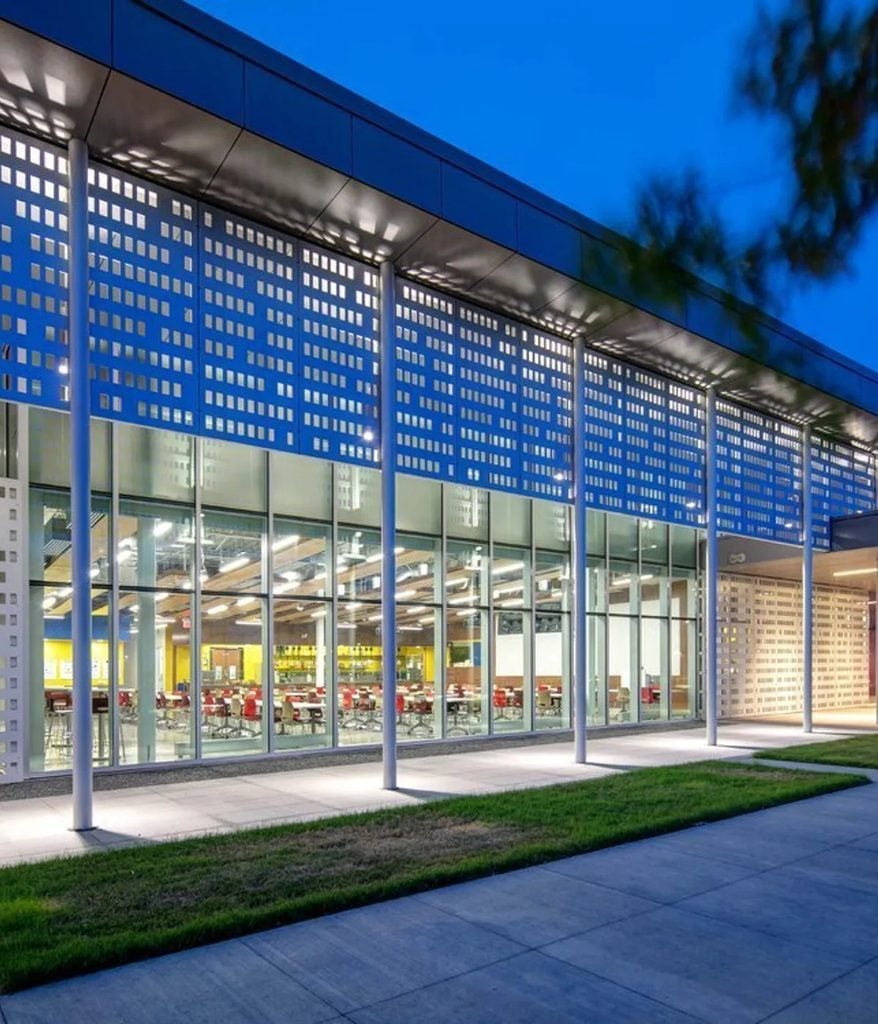
Once operational, facilities employ technicians, security personnel, maintenance crews, and other workers responsible for keeping the equipment running.
A separate 2026 study by ECONorthwest and the University of Virginia identified approximately 2,630 direct, on-site jobs at Oregon’s operational data centers. The industry also supports additional employment through construction, suppliers, and other economic activity.
But data centers aren’t conventional factories with thousands of employees working inside every building.
A sprawling campus filled with automated computer equipment may require a comparatively small permanent workforce once construction is completed. That’s one reason discussions about public tax incentives often focus on whether communities are receiving enough long-term economic benefit.
In Prineville, some local leaders have defended the industry, pointing to revenue and economic development that helped transform the community after the decline of the timber industry.
Other communities have become increasingly concerned about the infrastructure demands, environmental impacts, and financial incentives offered to attract these enormous facilities.
Oregon’s Governor Has Moved to Slow Expansion
The controversy surrounding data centers has become significant enough that Oregon’s state government is taking action.
In September 2026, Gov. Tina Kotek directed state agencies to pause certain unapproved requests involving state-owned land for new data center developments. The action included proposed land sales, leases, easements, and other property-related requests.
Then, in October, Kotek directed the Oregon Department of Environmental Quality to pause processing and issuing certain air and water pollution permits associated with new or expanding data centers until July 1, 2027.
The restrictions don’t mean existing data centers have been ordered to shut down. They affect aspects of permitting and new development while Oregon considers additional safeguards.
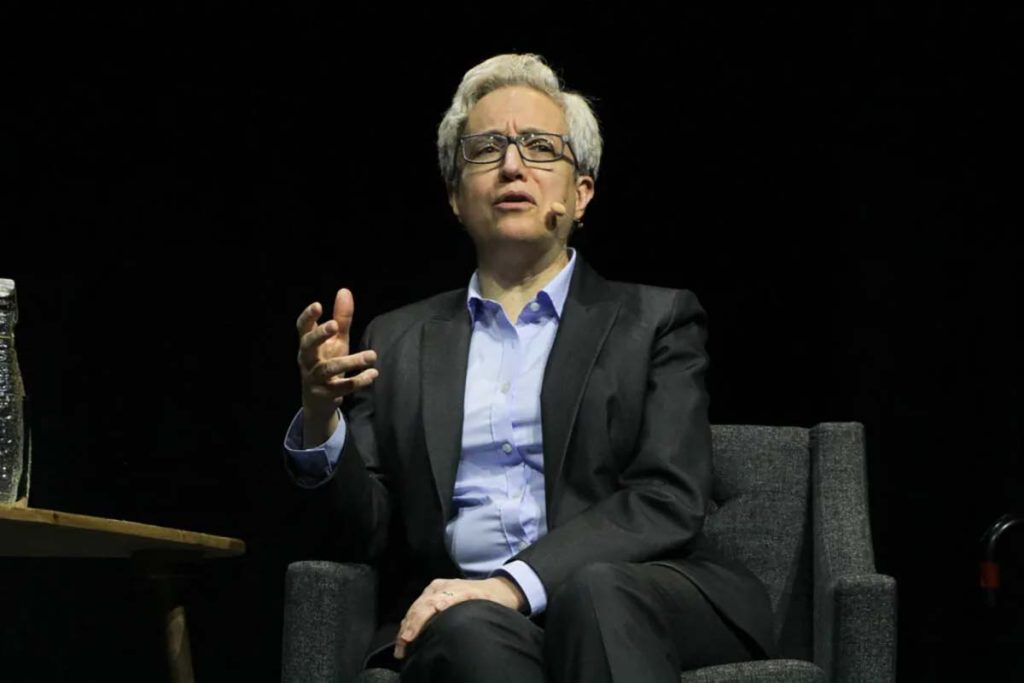
The governor has argued that communities shouldn’t be left absorbing major infrastructure and environmental costs created by large technology companies.
Local officials in Eastern Oregon, however, have pushed back.
According to OPB’s November 18 reporting, the City of Umatilla and Umatilla County filed a court petition seeking to compel state regulators to resume processing environmental permit applications.
Their argument centers on the economic consequences of delaying development and whether the governor’s directive lawfully suspends the permitting process.
The dispute is still unfolding, and its outcome could have significant implications for the industry’s future in Oregon.
Meanwhile, the state’s Data Center Advisory Committee is developing recommendations intended to guide new policies. State lawmakers are expected to take up the issue during the 2027 legislative session.
What Happens Next?
Oregon’s data center industry isn’t going away.
The services these facilities provide have become part of modern life, and demand for computing power continues to grow. Artificial intelligence is accelerating that demand, but cloud storage, streaming, business software, and countless other online services also depend on this infrastructure.
The challenge is figuring out how much development Oregon can reasonably support and under what conditions.
How much additional power can the electrical grid handle? Who pays for new substations and transmission lines? How much water will be needed? How many permanent jobs will communities gain, and what will they receive in return for tax incentives or other public commitments?
Those aren’t abstract questions for residents living near major data center developments. They’re questions about local resources, future costs, and the direction of their communities.
A new Harvard study has placed Oregon near the top of a national ranking that most people probably never knew existed.
Now the state has to decide what comes with being one of America’s biggest homes for the computers powering the digital world.
Frequently Asked Questions About Oregon Data Centers
What is a hyperscale data center?
A hyperscale data center is an extremely large computing facility designed to provide massive amounts of data storage, processing power, and network capacity. These facilities support cloud computing, artificial intelligence, and other internet services. They’re built to expand as demand grows.
Which state has the most hyperscale data centers?
Virginia ranked first in the Harvard-led study published in November 2026, with 142 identified facilities. Oregon ranked second with 56, followed by Ohio with 38. The rankings reflect the facilities included in the researchers’ May 2024 through April 2025 study period.
Where are Oregon’s largest data centers located?
Major data center clusters are located around Boardman, Hermiston, Umatilla, Prineville, The Dalles, and Hillsboro. Companies operating large facilities in Oregon include Amazon Web Services, Google, Meta, and Apple.
Do data centers increase electricity bills?
Large data centers can increase demand on the electrical grid and require expensive infrastructure upgrades. Whether those costs reach residential customers depends on utility rates, regulations, contracts, and how the projects are financed. Oregon’s 2025 POWER Act was designed to help prevent large energy users from shifting certain costs onto other ratepayers.
Are Oregon’s data centers all being used for artificial intelligence?
No. Hyperscale data centers support many services, including conventional cloud computing, storage, streaming, and artificial intelligence. The Harvard researchers couldn’t reliably separate energy consumption devoted specifically to AI from other computing activities at each facility.
Primary research: Assessing the Carbon Emissions and Energy Consumption of US Hyperscale Data Centres, Nature Sustainability, November 16, 2026.
Additional reporting: Oregon Capital Chronicle’s coverage of the Harvard findings.