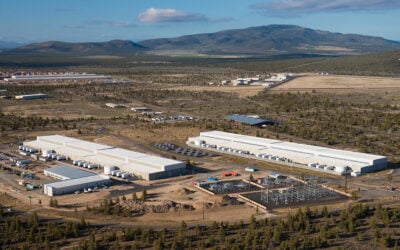

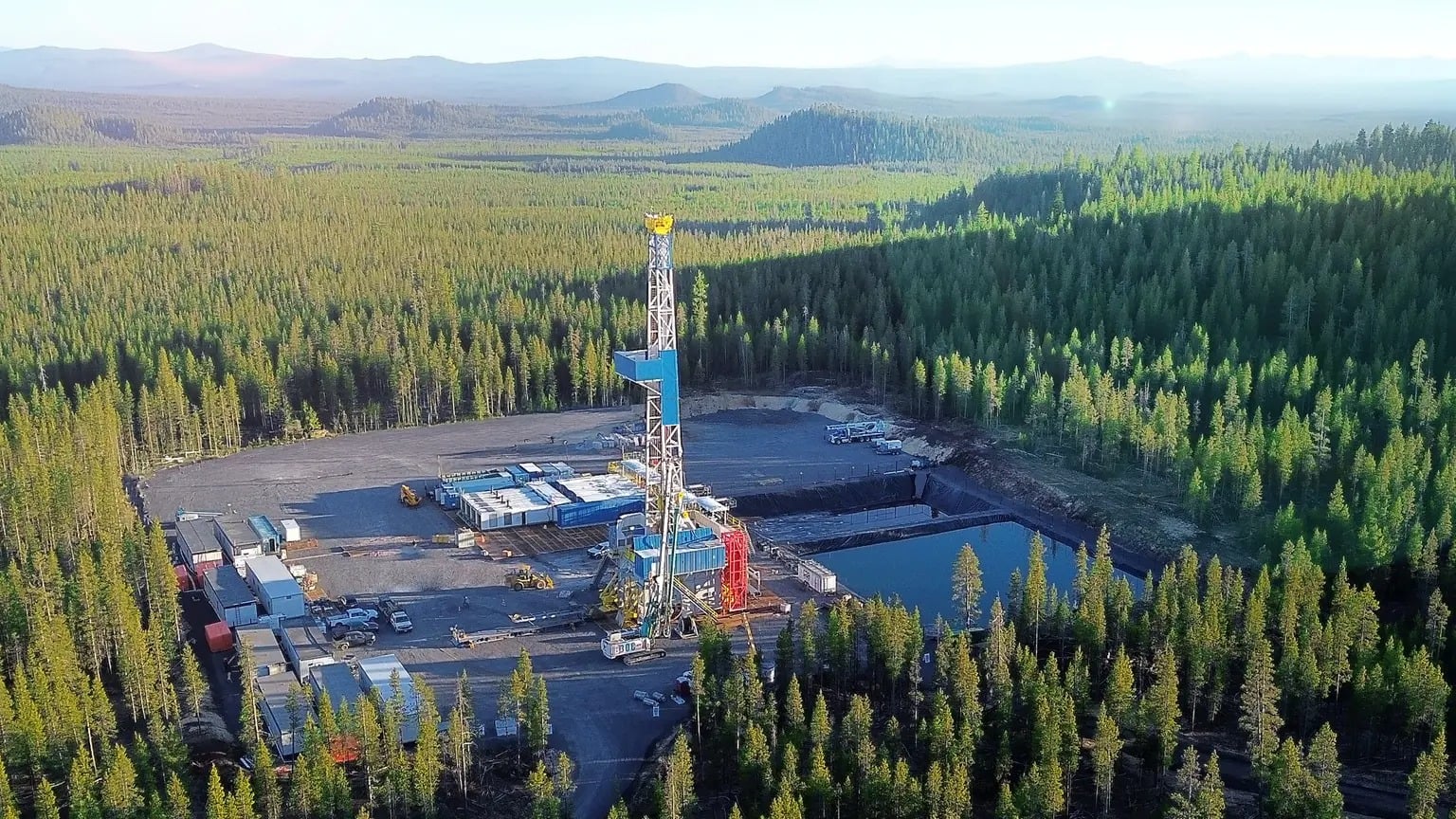
Apparently, building enormous computer facilities that consume staggering amounts of electricity wasn’t futuristic enough. Now Google wants to help power them using heat from an actual Oregon volcano.
No, this isn’t a headline from The Onion.
In a deal announced November 17, Google agreed to purchase electricity from a geothermal project on the southern flank of Newberry Volcano, near Bend and La Pine. The plan involves drilling deep underground, tapping into rocks hot enough to make your kitchen oven look downright chilly, and turning that heat into electricity.
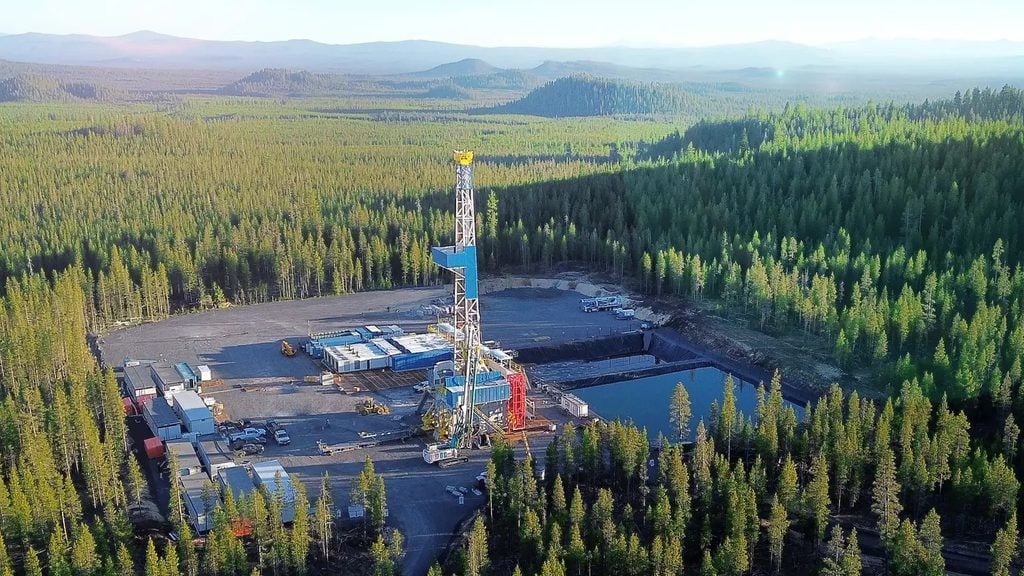
And because this story apparently needed another science-fiction element, the company developing the project is also working on technology that uses powerful electromagnetic waves to vaporize solid rock.
We’re living in some strange times, folks. But unlike most crazy-sounding internet headlines, this one comes with an actual power purchase agreement.
At a Glance: Google’s Oregon Volcano Power Project
- Location: Newberry Volcano, near Bend and La Pine, Oregon.
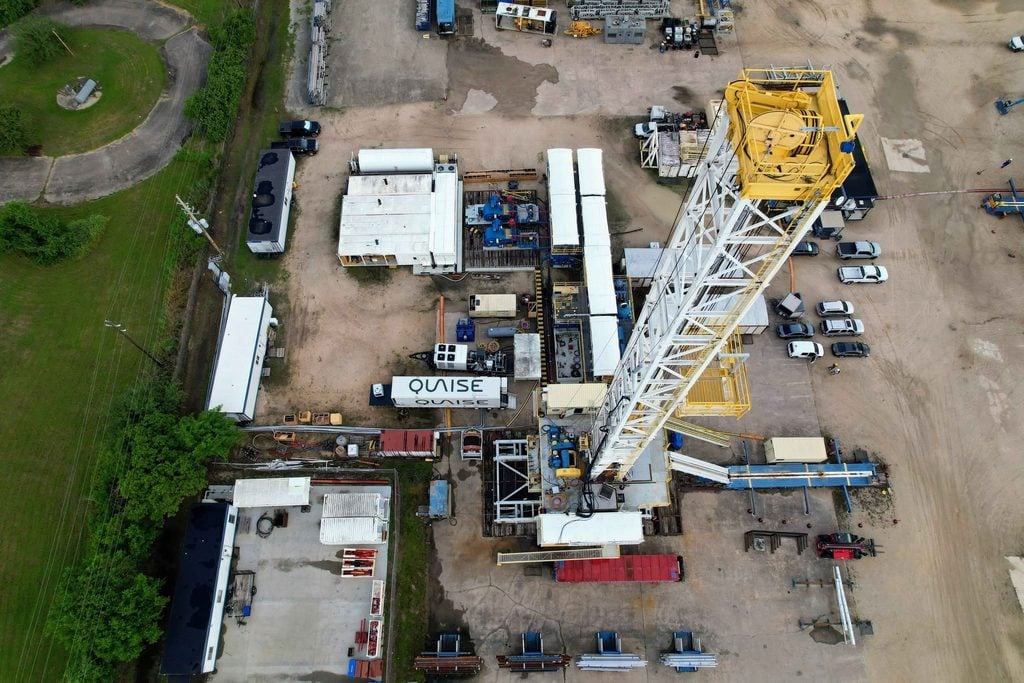
- The companies: Google and Texas-based Quaise Energy.
- The project: Project Obsidian, a commercial-scale superhot geothermal development.
- Electricity purchased: 50 megawatts, comparable to the power needs of approximately 50,000 average households.
- Expected start: As early as 2030, provided development proceeds successfully.
- Destination: Google’s three existing data center campuses in The Dalles.
- The technology: Wells drilled into extremely hot underground rock, with a later phase planned to use millimeter-wave drilling.
- The catch: The power plant still needs to be completed, and important engineering and transmission challenges remain.
First, Yes, Oregon Has a Volcano That Could Help Power Google
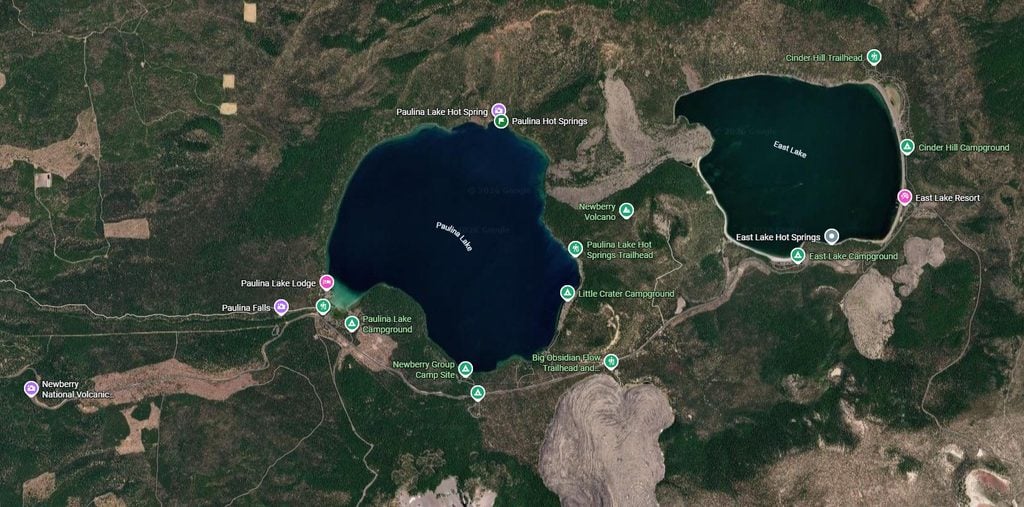
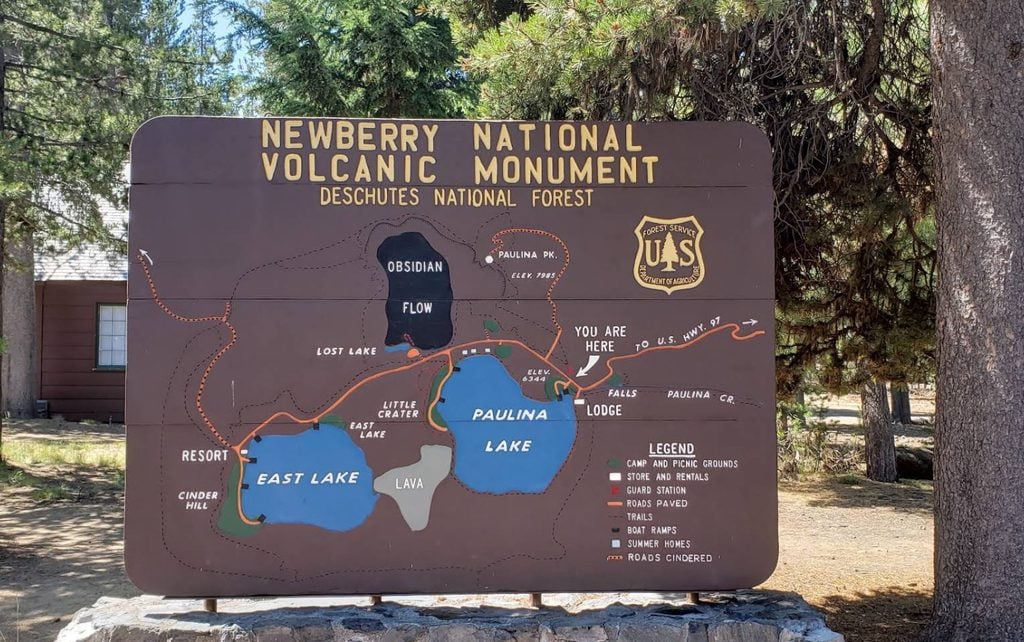
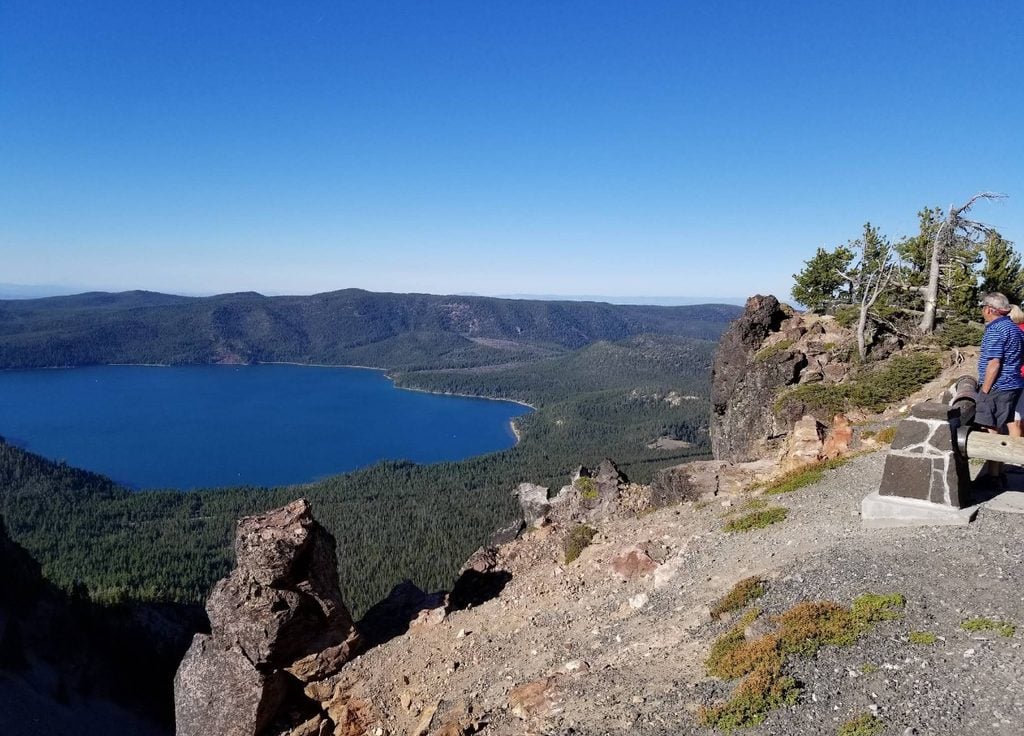
If you’ve spent any time exploring Central Oregon, you’ve probably heard of Newberry National Volcanic Monument. It’s home to remarkable places like Paulina Lake, East Lake, and the Big Obsidian Flow (this last feature is ironic, considering the project moniker).
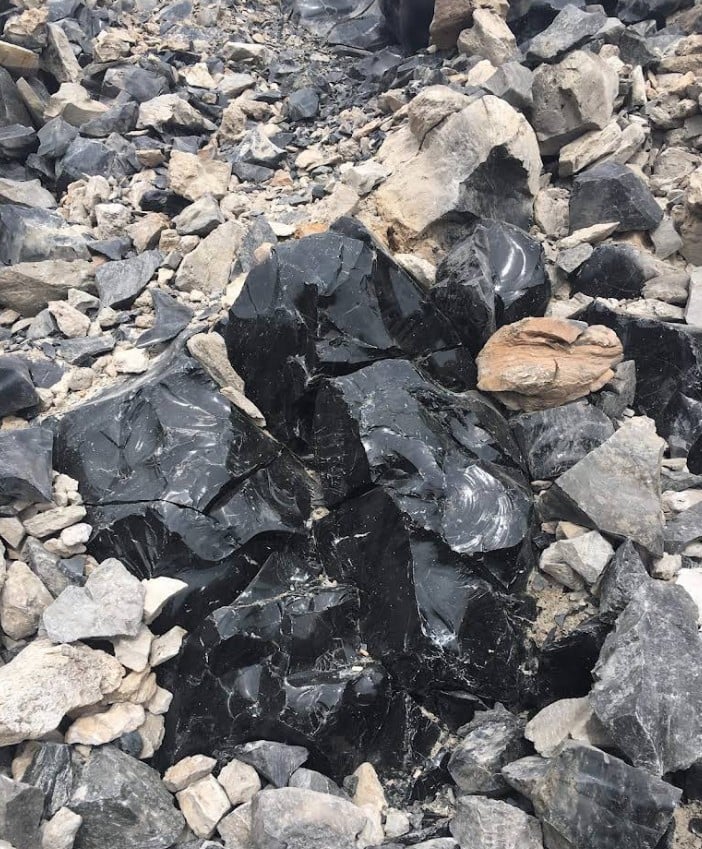
What you might not realize is that the volcanic system beneath those attractions is absolutely enormous.
According to the U.S. Geological Survey, Newberry is the largest volcano in the Cascade volcanic arc, covering approximately 1,200 square miles. That’s roughly the size of the entire state of Rhode Island.
It’s also geologically active. Its most recent eruption happened approximately 1,300 years ago, producing the Big Obsidian Flow and leaving behind one of Central Oregon’s most fascinating landscapes.
Fortunately, nobody’s proposing to drill into a lake of molten lava or crack open the volcano like an enormous egg (yet).
The plan, named Project Obsidian, is to access extraordinarily hot rock deep underground and extract its heat without bringing molten material to the surface.
That heat’s exactly what makes the location so attractive.
So How Do You Turn a Volcano Into Electricity?
The process is called geothermal energy, and the basic idea is actually simple.
Deep beneath our feet, the Earth contains enormous quantities of heat. In certain places, especially volcanic regions, that heat is accessible closer to the surface than it is elsewhere.
Geothermal plants have been using naturally occurring underground steam and hot water to generate electricity for decades.
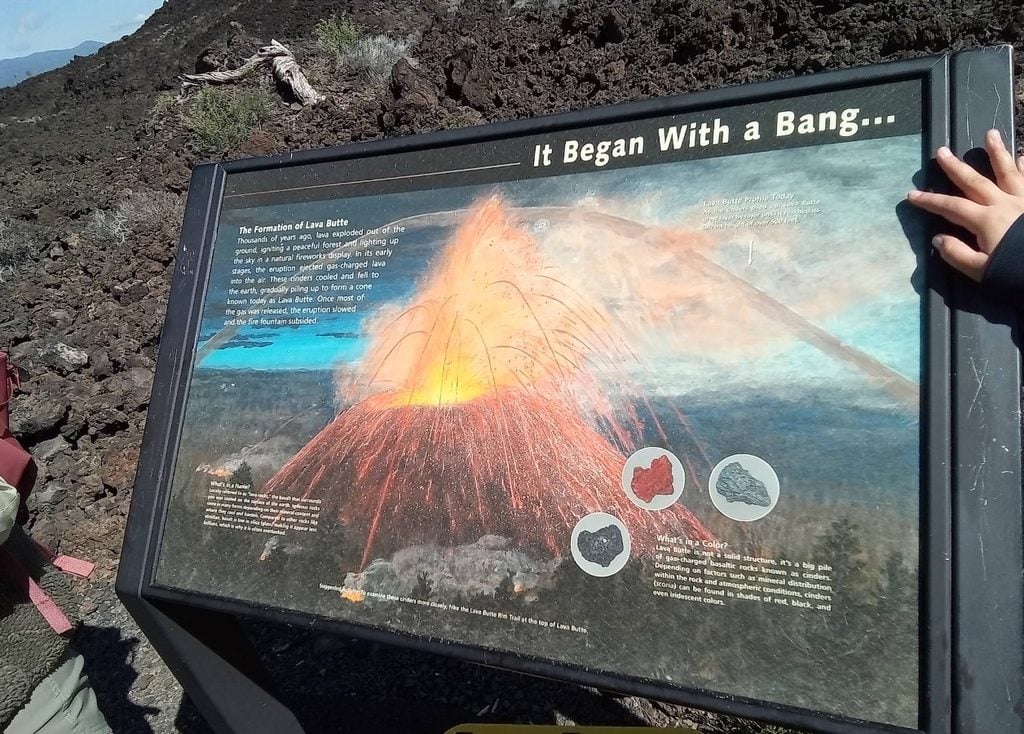
But the technology being developed at Newberry takes things considerably further.
Quaise Energy’s Project Obsidian aims to reach extremely hot underground rock through deep wells, circulate water through that heated environment, and use the resulting thermal energy to operate electricity-generating turbines.
Think of it as a gigantic underground boiler, except the heat source is a geological system that’s been around for hundreds of thousands of years.
And unlike solar panels or wind turbines, geothermal facilities can generate electricity day and night, regardless of whether Oregon’s weather decides to cooperate.
That last part is especially attractive to companies like Google, whose data centers don’t get to close when the sun goes down.
If All That Doesn’t Sound Crazy Enough, They’re Developing a Drill That Literally Vaporizes Rock
This is where the story goes from interesting energy development to something that sounds suspiciously like a deleted scene from a science-fiction movie.
Quaise Energy has developed a drilling system based on technology originally researched at the Massachusetts Institute of Technology.
Instead of relying exclusively on enormous mechanical drill bits grinding away at rock, the system uses concentrated millimeter-wave energy generated by a device called a gyrotron.

In simple terms, it directs extremely powerful electromagnetic energy into rock, heating it so intensely that the material can melt or vaporize.
Yes. Vaporize.
The company hopes this technology will eventually allow it to reach underground temperatures and depths that are difficult or prohibitively expensive to access using conventional equipment.
Its development plans call for reaching temperatures of up to approximately 850 degrees Fahrenheit in deeper formations.
For perspective, that’s nearly twice as hot as the maximum temperature of most household ovens, and almost as hot as the temperature Sharon Weiss used to charbroil her Marie Callender’s pumpkin pie back in 2021.

There’s one crucial detail in Google’s agreement, however: Project Obsidian’s first 50-megawatt development phase is planned to use conventional drilling equipment. The company expects to introduce its more experimental millimeter-wave drilling system during a second phase.
Quaise says its technology has already penetrated more than 100 meters of granite in field testing. But successfully drilling through rock in a demonstration and operating a commercial power plant for years are two very different accomplishments.
If the technology works as intended at scale, it could eventually open up geothermal resources in places where accessing deep heat has previously been too difficult or expensive.
That’s the part with potentially enormous consequences beyond Oregon.
Why Does Google Need So Much Electricity?
Because enormous data centers require enormous amounts of power, and Oregon has become one of America’s major destinations for them.
In fact, a new Harvard-led study we covered this week placed Oregon second among the states for hyperscale data centers identified in its research, behind only Virginia.
The researchers examined 403 massive facilities across the United States and identified 56 in Oregon. They estimated that the Oregon facilities consumed approximately 11.1 terawatt-hours of electricity during their May 2024 through April 2025 study period.
That’s an astonishing amount of power for a relatively small state.
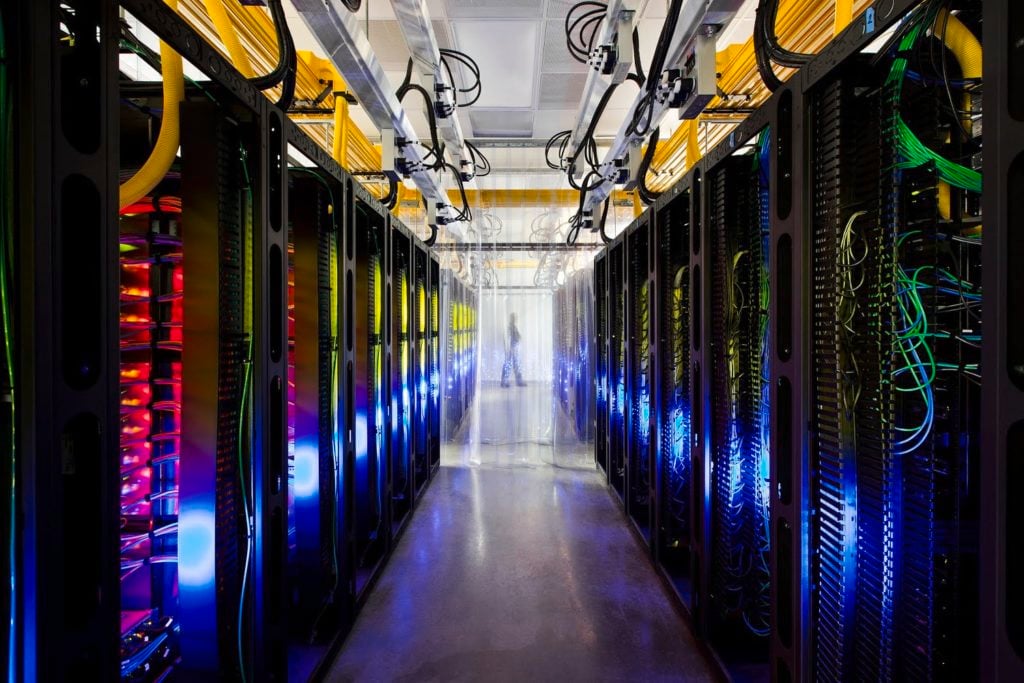
These facilities run cloud services, websites, online storage, and increasingly the resource-intensive systems behind artificial intelligence. They require electricity around the clock, along with substantial infrastructure to keep thousands of computers operating and cool.
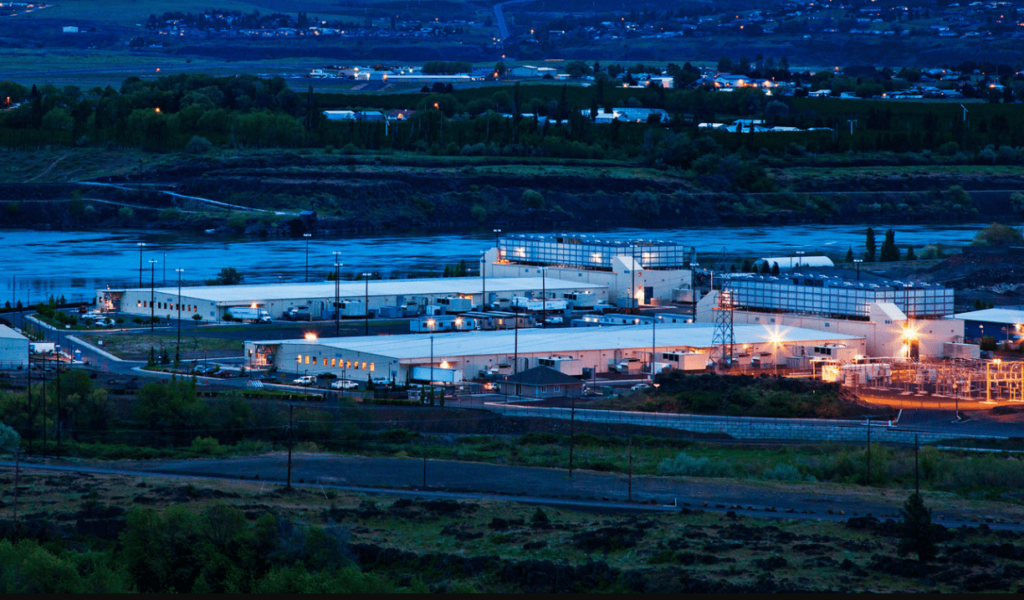
Google has operated in The Dalles since 2006 and now has three data center campuses there.
Its latest agreement with Quaise calls for purchasing 50 megawatts of electricity from Project Obsidian, potentially beginning as early as 2030.
To be clear, that doesn’t mean every Google data center in Oregon will suddenly run entirely on volcano-generated electricity. The new generation would feed into the regional power grid and help supply the company’s existing operations.
But it would introduce a significant new source of round-the-clock carbon-free power at a time when electricity demand is climbing.
And unlike some ambitious technology announcements that never progress beyond a glossy presentation, this one has a major customer willing to sign an agreement for the electricity.
There’s Just One Problem: Getting That Electricity to Google
Generating power beneath Newberry Volcano is one challenge.
Delivering it to The Dalles is another.
According to OPB’s reporting on the agreement, Quaise will need to construct approximately 10 miles of transmission infrastructure connecting its project to an electrical substation in La Pine.
From there, the electricity would enter the existing grid serving the region.
That may sound straightforward, but the Pacific Northwest is already confronting shortages in electrical transmission capacity.
Building new generating facilities is only half the battle when the infrastructure needed to move that electricity is limited.
The project also has to overcome the challenges of drilling deep enough, managing extreme underground temperatures, and making the operation commercially viable.
And no, Google and Quaise haven’t publicly disclosed the purchase price in their announcement.
This is an agreement to buy future electricity, not proof that the company has already perfected a new method of producing it.
What About Earthquakes, Water, and the Environment?
Considering this project involves injecting water into extremely hot underground rock beneath an active volcanic system, it’s reasonable for Central Oregon residents to have questions.
Enhanced geothermal systems can create or reopen small pathways in underground rock so fluids can circulate and carry heat to the surface.
The U.S. Department of Energy acknowledges that injecting or removing fluids from underground wells can trigger seismic activity. It’s a known engineering and environmental consideration that requires monitoring and mitigation.
Then there’s water.
Central Oregon has a long history of arguments over groundwater, irrigation, development, and the competing needs of communities and the environment.
Quaise says Project Obsidian will rely on groundwater wells at the site, reuse water where possible, and employ air-cooled condensers to reduce consumption. According to the company’s published project information, its operating plant is designed to use substantially less water than a comparable conventional gas-fired power plant.

Those are the developer’s projections, and the project’s actual environmental performance will need to be evaluated as development progresses.
There’s also the question of construction impacts, wildlife habitat, and the additional electrical infrastructure needed to connect the facility to the grid.
A renewable energy source can offer real benefits without being free of environmental trade-offs.
Could Oregon Become a Major Source of Geothermal Power?
That’s certainly what Quaise is betting on.
The company’s immediate goal is a 50-megawatt development, but its broader plans envision expanding Project Obsidian to 250 megawatts through additional phases.
Its chief executive, Carlos Araque, has floated even more ambitious possibilities for the wider Newberry geothermal resource in the years ahead.
And Quaise isn’t alone.
Other geothermal developers, including Mazama Energy, are working around the Newberry volcanic system, while companies elsewhere in the country are pursuing their own approaches to extracting heat from deep rock.
The attraction is obvious: the Earth produces and stores enormous quantities of thermal energy, and it’s available whether the wind blows, the sun shines, or Oregon enters its fifth consecutive week of rain.
The challenge has always been reaching that energy at a cost that makes commercial sense.
If drilling technology improves enough to overcome that barrier, geothermal electricity could become far more widely available than it is today.
And Oregon could play a significant role in proving whether the technology works.
The Future of Electricity Might Be Sitting Beneath Our Feet
There’s something ludicrously bizarre about the entire situation.
Oregon has spent decades building a reputation around beautiful mountains, ancient forests, dramatic volcanic landscapes, and outdoor recreation.
Now one of those volcanic landscapes could help power the digital infrastructure behind Google and the growing artificial intelligence industry.
In one part of the state, engineers are developing ways to extract heat from rocks buried miles underground. In another, massive rooms full of computers are consuming electricity to keep the modern internet running.
The idea is to connect the two.
Whether Project Obsidian can deliver its promised electricity by 2030 remains to be seen. The first commercial phase still needs to prove itself, and its more futuristic drilling technology faces additional hurdles.
But the agreement is real, the underlying heat is real, and the technology is advancing beyond laboratory demonstrations.
We may eventually live in a world where some of the electricity powering our phones, computers, and AI systems comes from superheated rock beneath an Oregon volcano.
Twenty years ago, that might’ve sounded ridiculous.
Today, Google’s signing contracts for it.