
An Xuyên Bakery began with two people making baked goods in Salem in the Willamette Valley and delivering them to customers around Portland. More than three decades after opening its first Portland shop in 1995, the bakery still gives you several good reasons to arrive hungry. There’s French bread for a substantial sandwich, a case full of little cakes, and enough savory buns to make choosing lunch take considerably longer than eating it.
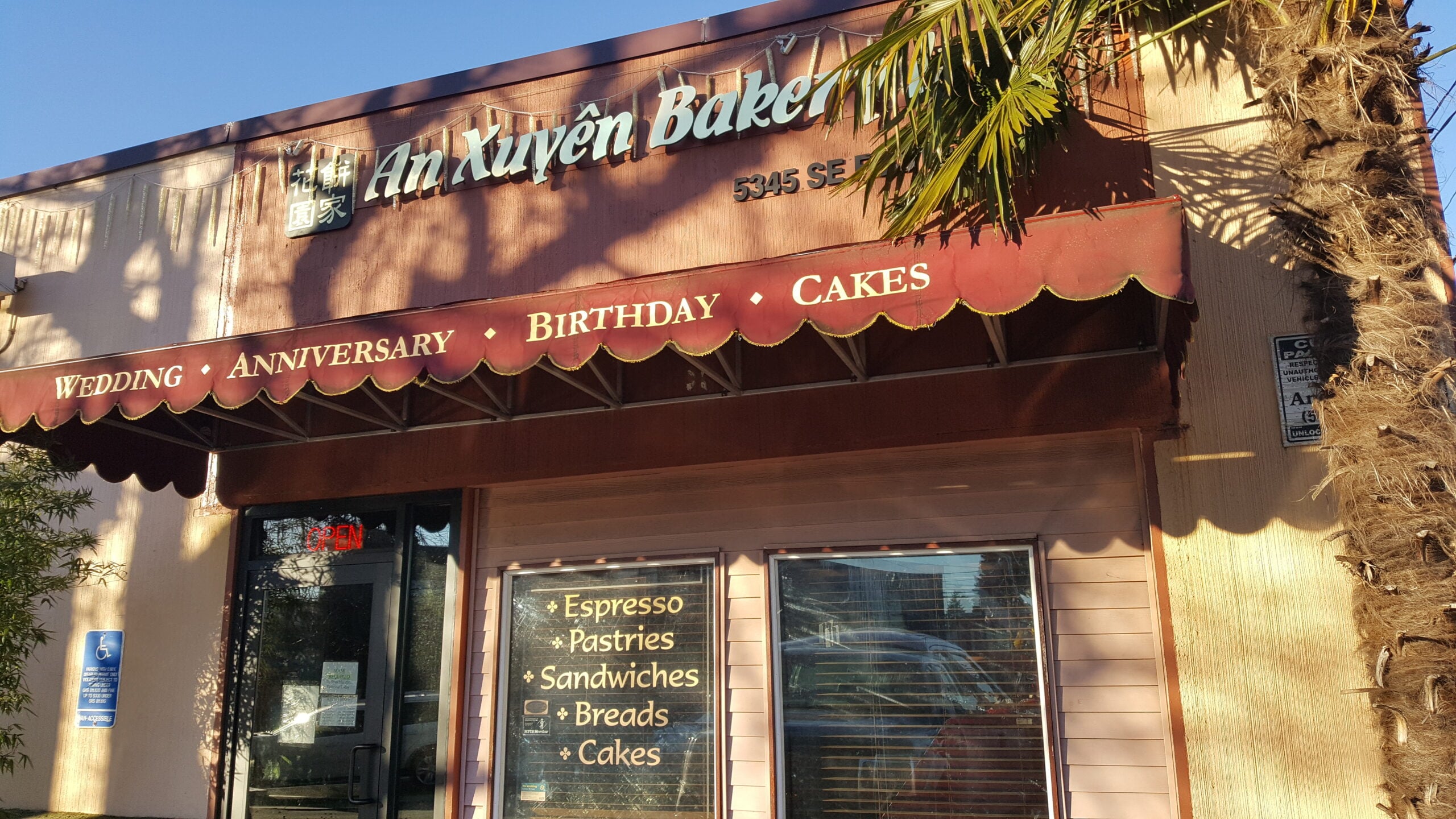
The shop at 5345 SE Foster Road has been An Xuyên’s home since 2001. Its recipes bring Vietnamese, Chinese and French baking traditions into the same neighborhood bakery, where a loaf of bread and a box of sweets are equally sensible purchases. The business calls French bread its commercial specialty. For someone stopping at the counter, that means the sandwich starts with bread made by the people selling it.
This is a satisfying corner of Portland’s food scene to know about, especially when you want a casual meal with something sweet afterward. An Xuyên has earned attention for its bánh mì, but the bakery case deserves a look of its own. Guava-filled shortbread, coconut macaroons, cream horns and steamed buns make a persuasive argument for bringing another person and sharing.
A Portland bakery with roots in Salem
The bakery’s own history starts south of Portland, with that small Salem production operation and a two-person staff. Deliveries helped build a customer base before the business opened on Sandy Boulevard in the Hollywood district in 1995. Six years later, it moved to Foster Road to expand production. The dates tell a useful story about a bakery that grew by making bread people kept buying.
Samantha Bakall’s reporting for National Geographic fills in the people behind that early business. Don Ng and Sharon Nguyen operated Copper Sail in Salem before Portland demand drew them north. Their Portland bakery settled into an area known as Little Saigon, and the An Xuyên name helped identify it to Vietnamese customers. The shop’s long history in Oregon grew out of a specific community and a working bakery, with deliveries preceding the storefront most customers know today.
That wholesale background also explains why An Xuyên’s influence extends beyond its storefront. Portland Monthly has documented local restaurants using the bakery’s Vietnamese baguettes and hamburger buns. A diner might encounter its bread as part of another kitchen’s sandwich before ever visiting Foster Road. Going to the bakery itself lets you see the much broader selection behind that familiar loaf.
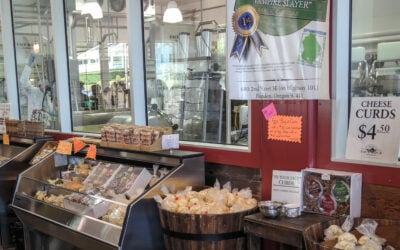
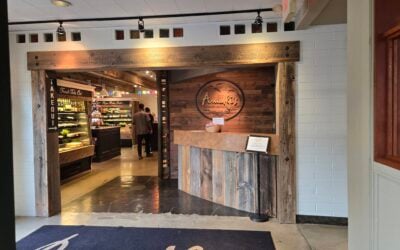
The current shop combines the practical work of a bakery with a deli counter and displays of individual desserts. In photographs, the cases are packed with trays, wrapped cakes and pastries rather than a handful of objects posed on empty shelves. There’s plenty to examine, but the underlying appeal is straightforward. You can buy lunch, pick up bread, or bring home a treat without turning the stop into a formal occasion.
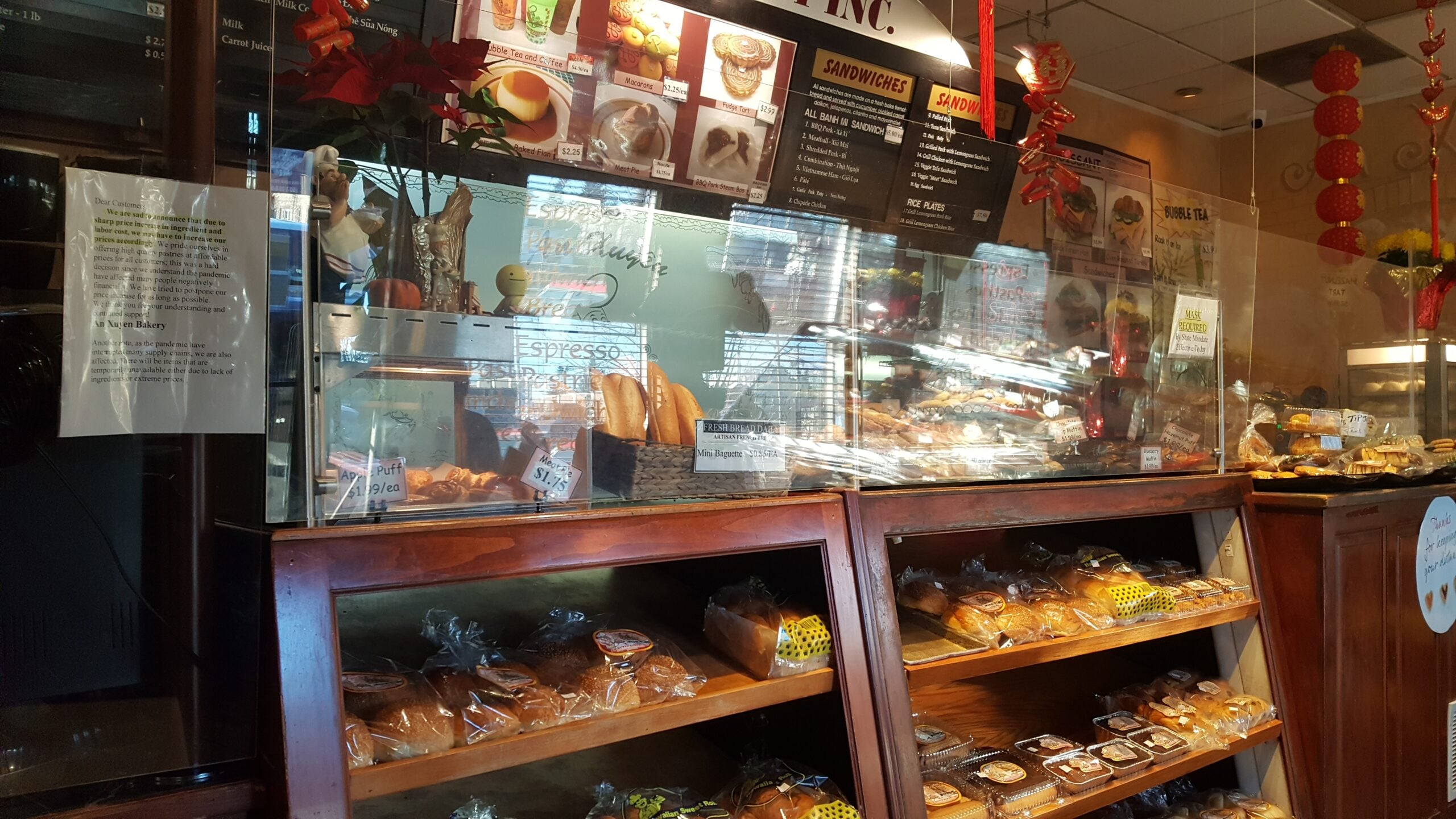
The bread comes first in the bánh mì
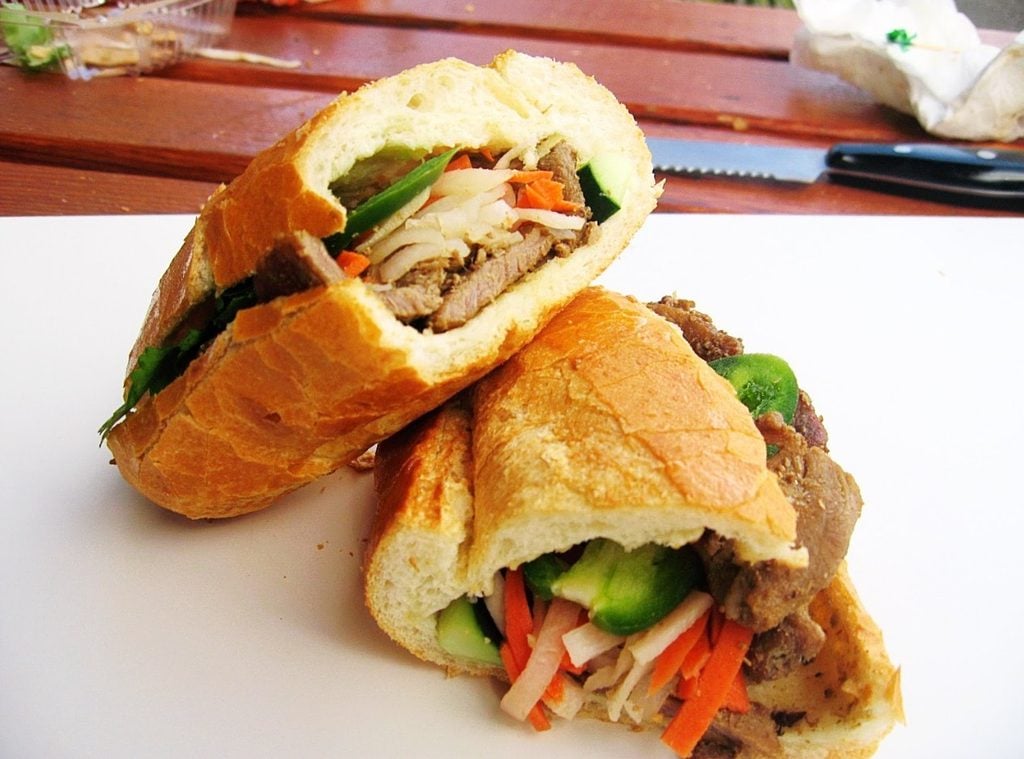
An Xuyên’s sandwich menu begins with house-made French bread and a bright, crunchy collection of fillings. Cucumber joins pickled carrot and daikon, cilantro, jalapeño and the bakery’s mayonnaise, with a choice of protein. That combination gives the sandwich several distinct textures before you reach the meat. Bread, vegetables, herbs and a creamy spread all have work to do.
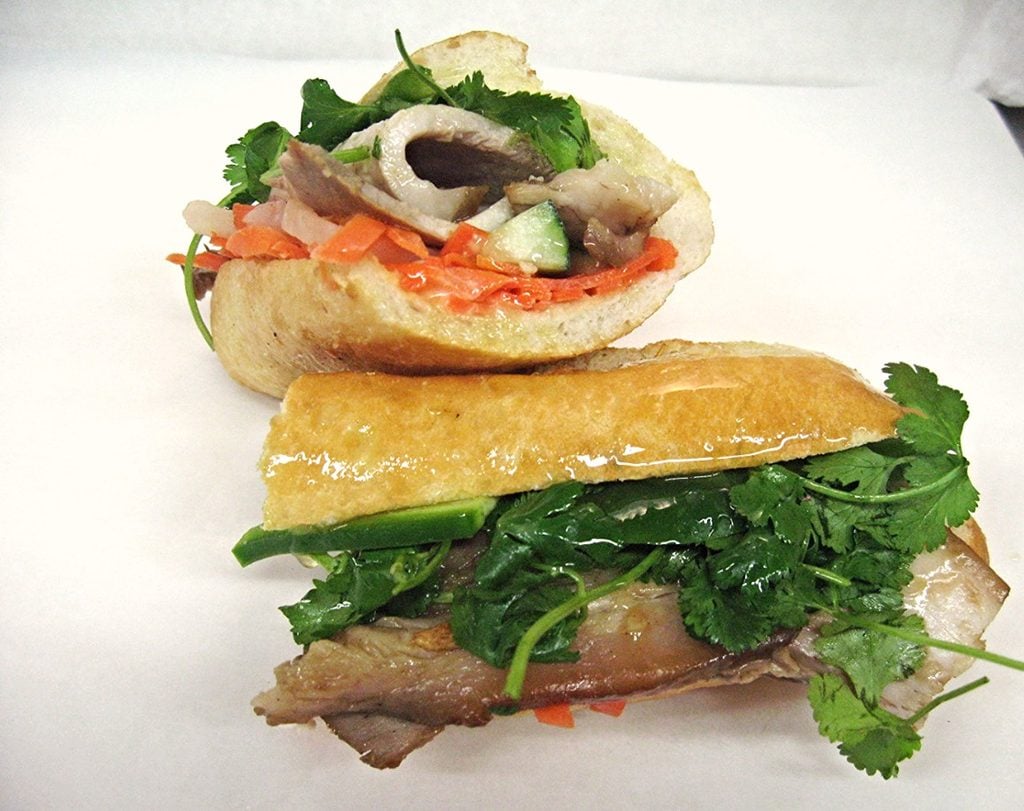
Barbecue pork is one of the listed choices, alongside Vietnamese meatball, pâté, pork belly and grilled lemongrass pork or chicken. The combination sandwich brings together Vietnamese ham, smoked ham, pâté and headcheese. It’s an especially appealing choice if your favorite part of a deli sandwich is the mixture of savory fillings. The pickles and herbs give that richness a lively counterpoint.
The menu also lists tofu and a vegetarian “meat” option. Those choices make the sandwich counter useful to a group whose lunch preferences don’t match, although anyone avoiding animal products should confirm the spread and other ingredients when ordering. There’s a difference between a sandwich listed as vegetarian and a verified vegan preparation. Ask about the specific sandwich you want rather than relying on the name alone.
French bread is central to the bakery’s identity even when it leaves the shop. Eater’s reporting on Portland bánh mì has noted An Xuyên’s role in supplying bread used elsewhere around the city. At its own counter, the bakery controls the bread and offers a wide choice of what goes inside. That connection between baking and lunch is a good reason to make this your destination rather than treating it only as a place to collect dessert.
One longtime admirer approached the bread from a pizza maker’s perspective. In a 2013 Eater interview, Life of Pie’s Jason Kallingal praised An Xuyên’s lemongrass chicken sandwich and explained why the baguette worked so well. He described an airy interior and thin, crisp crust, comparing the role of good sandwich bread to good pizza dough. His succinct assessment was that “the bread makes the sandwich.” That texture helps explain why the bakery’s loaves have found uses well beyond its own deli menu.
The bread’s flexibility was attracting attention a decade ago, too. A 2014 Oregonian report, summarized by Eater at the time, explored how other Portland kitchens were using An Xuyên’s products. Don Ng described mixing the bakery’s bread and pastry flours on site. It’s a historical detail about the attention behind the bakery’s output, rather than a claim that every production method has stayed unchanged since that interview.
The savory buns deserve their own appetite
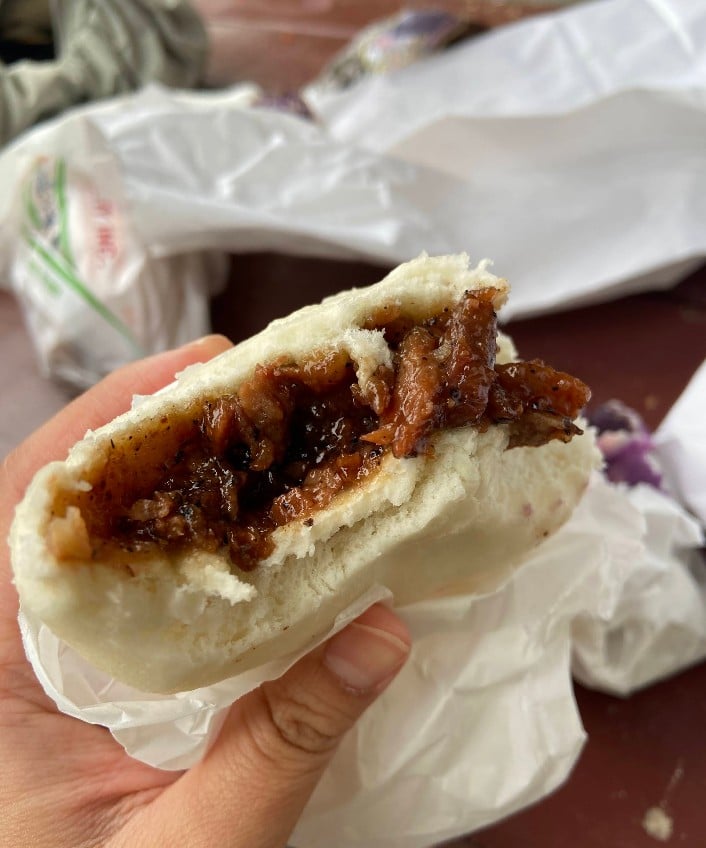
A sandwich is only one way to approach lunch here. The bakery lists both baked barbecue pork buns and steamed barbecue pork bao, offering two different ways to enjoy a savory filling. A baked bun gives you a browned exterior; a steamed bun has a softer surface and a different feel in the hand. If you’re choosing for more than one person, the two make a useful comparison.
The meatball steamed bao is a particularly substantial entry on the menu. Its filling combines pork with Chinese sausage, mushrooms and other vegetables, with a quail egg tucked into the preparation. The appeal is the contrast between the fluffy bun and the varied filling. It’s the kind of item worth asking about before you commit your whole order to the sandwich board.
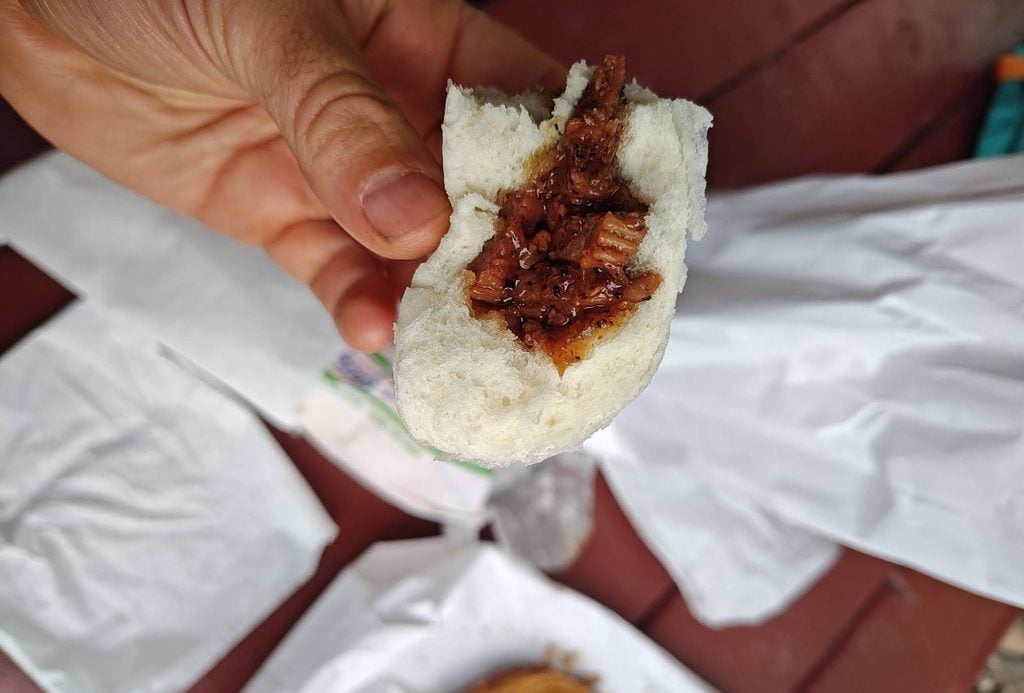
There’s also a vegetable steamed bao, along with a savory pork-filled puff pastry described as a meat pie. Those pastries bring a different sort of comfort than the crisp vegetables of a bánh mì. One leans into soft bread around a filling, another into delicate pastry around seasoned meat. You can keep lunch small or turn a few savory selections into a shared bakery spread.
That range is useful on an Oregon fall day when a bakery stop sounds better than another cold sandwich from the refrigerator. The published menu gives you several savory directions without requiring a sit-down restaurant meal. Order what’s available in the case, then leave a little room for the part of the shop that makes a quick lunch decision considerably less quick. The sweets have a habit of complicating the plan.
French pastries share the case with coconut and guava
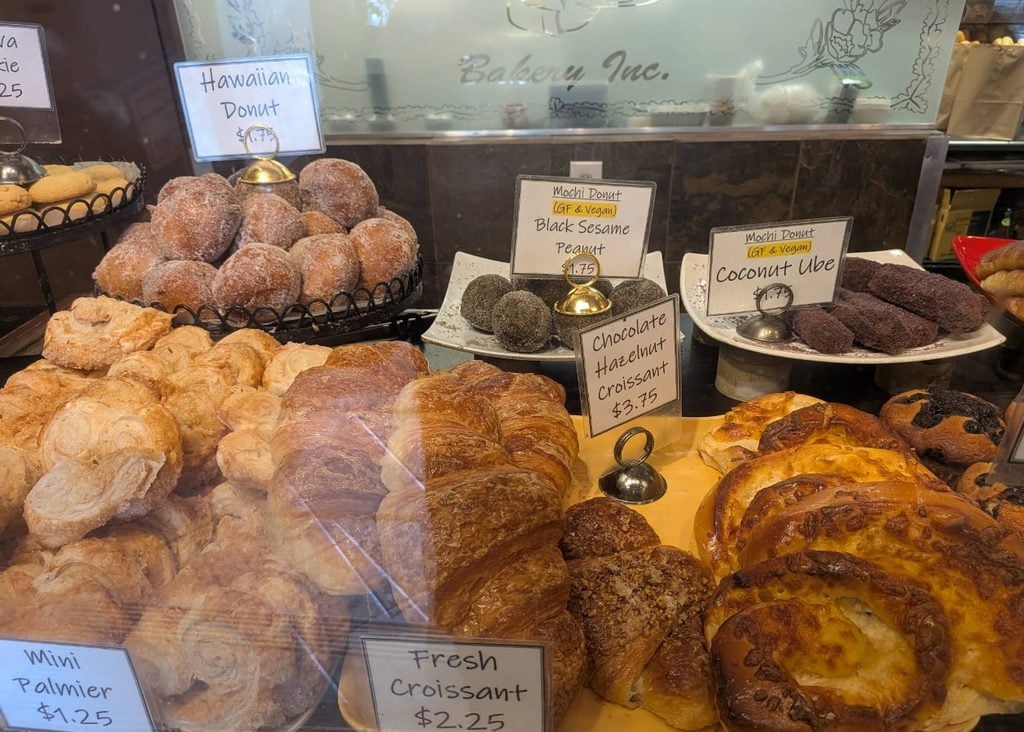
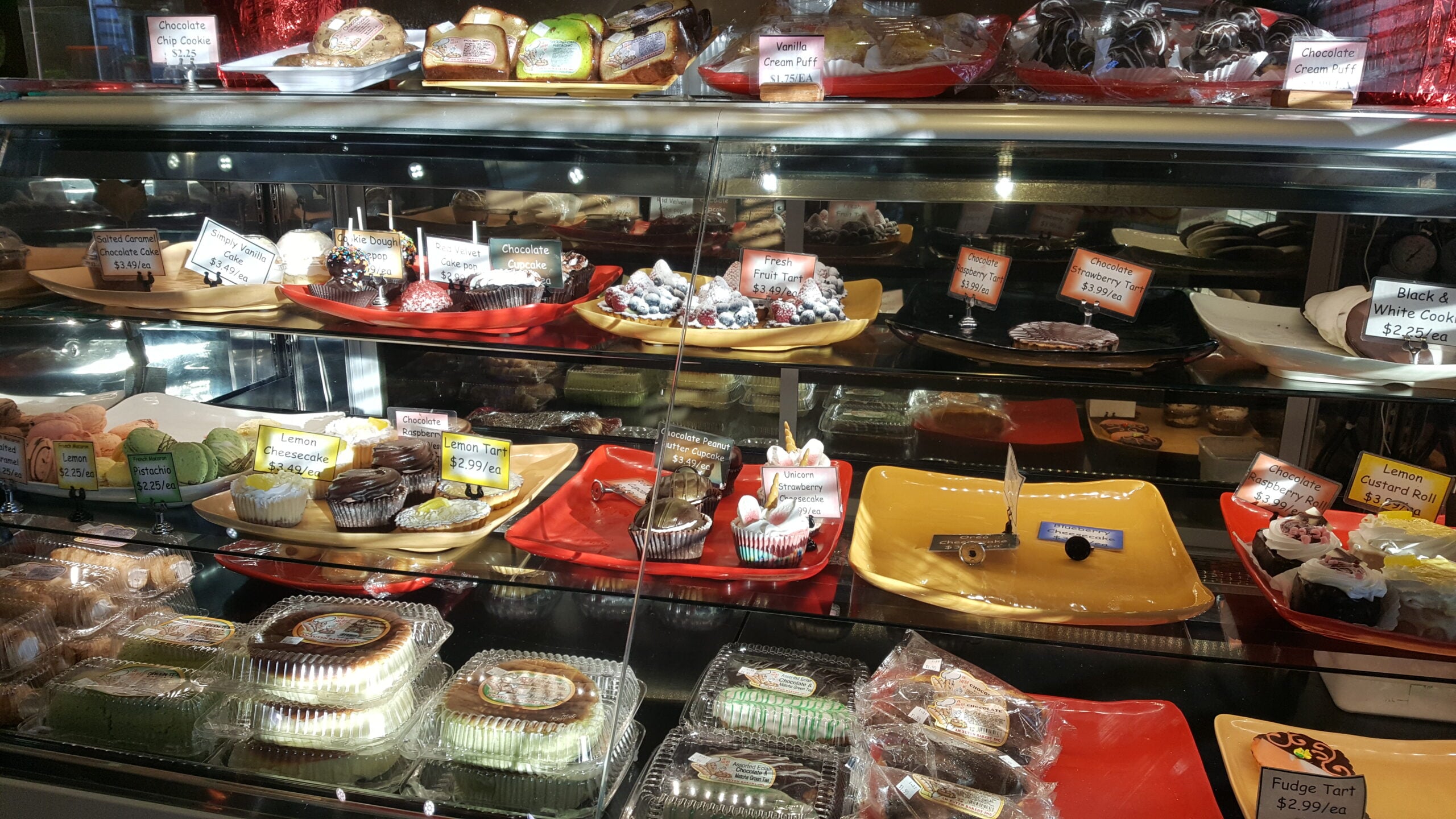
Portland Monthly’s description of An Xuyên highlights cream puffs, small palmiers and pâté chauds alongside guava cookies and other pastries. It’s a useful introduction to the bakery’s breadth. A customer who recognizes a French pastry can start there, while someone who comes for a familiar Vietnamese sandwich has plenty of dessert choices nearby. Both orders belong comfortably in the same shop.
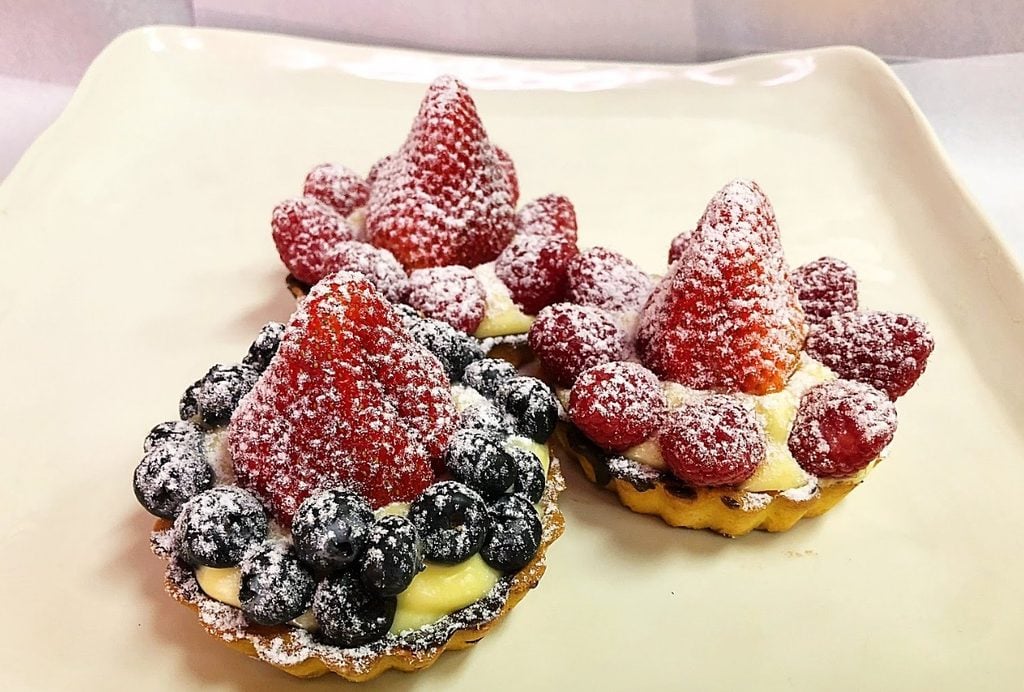
The guava cookie gives shortbread a fruit-filled center, pairing a buttery cookie with a tropical fruit filling. Coconut macaroons go in a chewier direction, with shredded coconut baked into a small treat. These are appealing choices when you want something that can accompany coffee without requiring a plate of its own. They also make it easy to try a couple of different things rather than committing to one large dessert.
Cream horns offer another contrast. The bakery describes its French horn as a crisp, sugar-covered pastry with whipped cream inside, while its dark chocolate cream horn uses a soft sweet bread exterior. The names may sound related, but the preparations promise different textures. Reading the case labels and asking about the filling is part of the pleasure here, especially if you favor crisp pastry over soft bread or the other way around.
The bakery’s broader sweets selection includes coconut custard bao flavored with pandan and red bean steamed bao. Pandan is a leaf used for flavoring, while red bean gives a smooth, sweet filling. These are another reason to give the steamed bun selection a second look. It covers dessert as well as the savory side of lunch.
Little cakes make it hard to leave with only bread
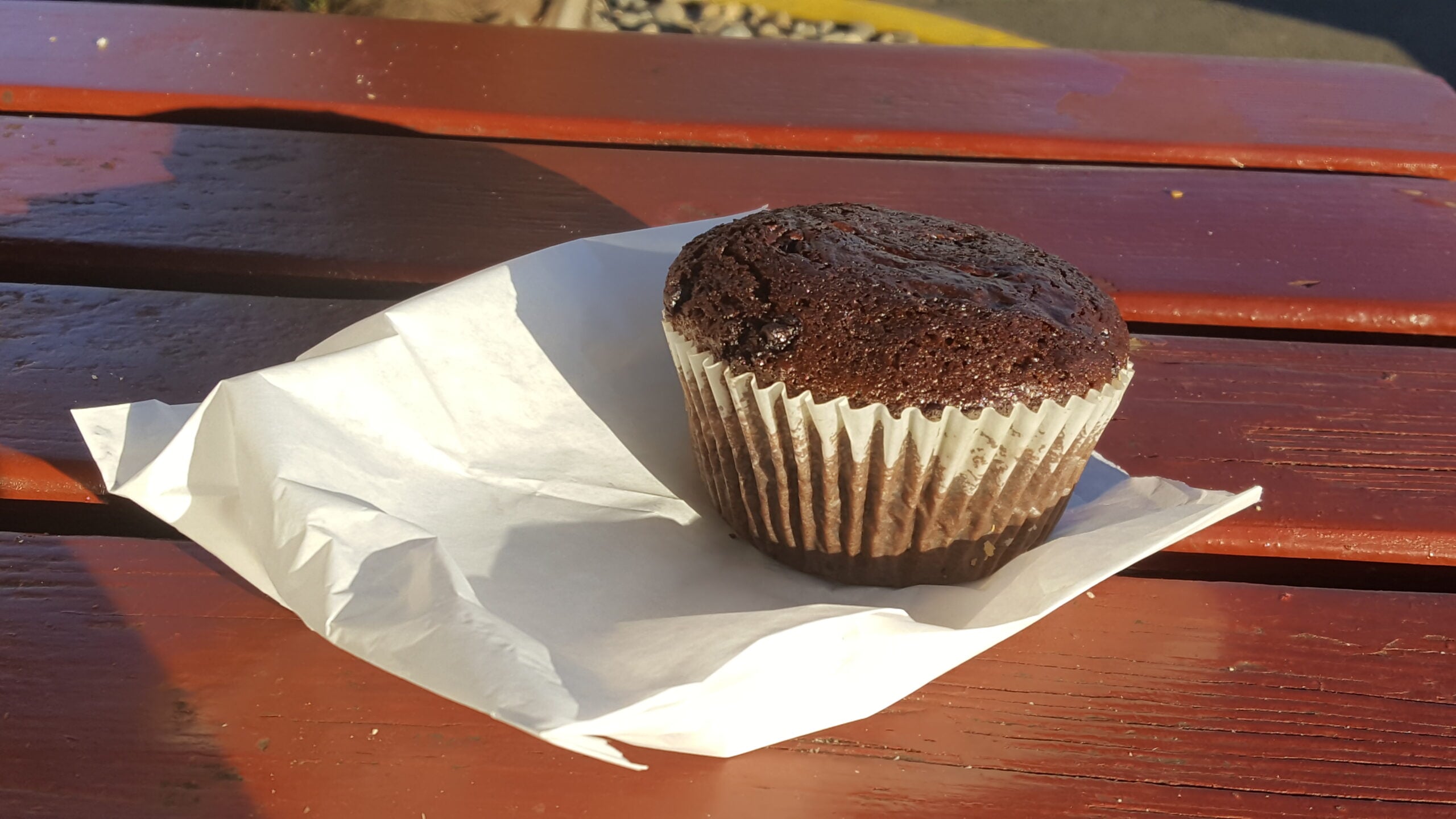
An Xuyên’s dessert case also reaches beyond cookies and filled buns. Individual cakes sit alongside larger baked goods, giving you room to choose a small afternoon treat or something intended for sharing. The shop’s published selection includes flan, chocolate cake, cream puffs and a Japanese-style cheesecake. That last option is described as light and almost sponge-like, a different proposition from a dense slice of New York-style cheesecake.
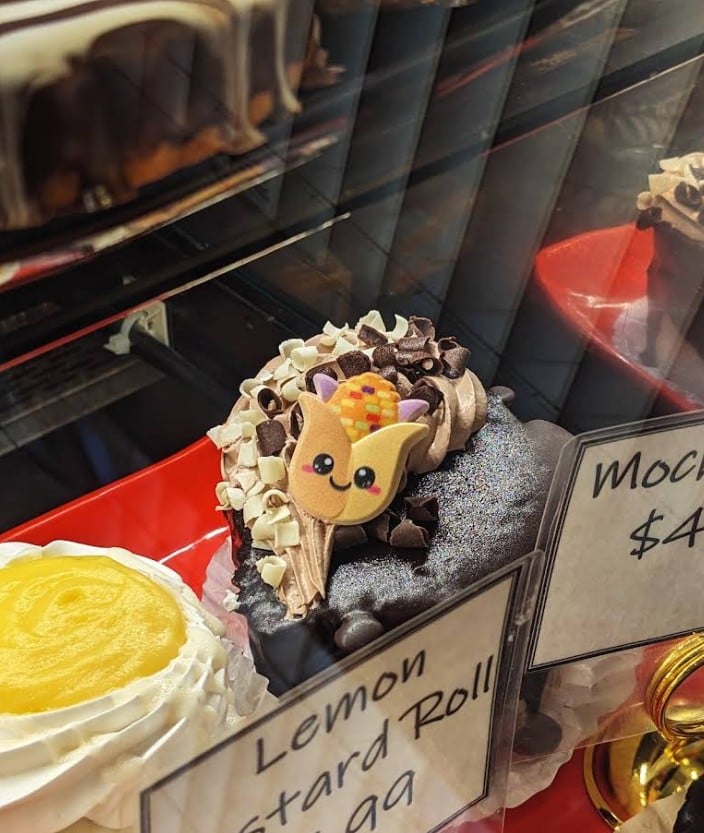
The bakery also lists macarons, including chocolate and lemon preparations. A chocolate ganache filling puts the emphasis on cocoa richness, while lemon curd buttercream takes the flavor toward citrus. The selection can make sense as a small gift or as the dessert part of a lunch order. Check the flavors in the case on the day you visit rather than assuming every item shown online will be available.
For a celebration, the bakery’s history page describes custom birthday and wedding cakes among its offerings. That side of the business connects the everyday bread counter with occasions that call for a larger order. A loaf can be an unplanned purchase; a custom cake needs a conversation about size, flavors and timing. Use the bakery’s own ordering instructions when arranging one, and allow the staff to confirm what they can make.
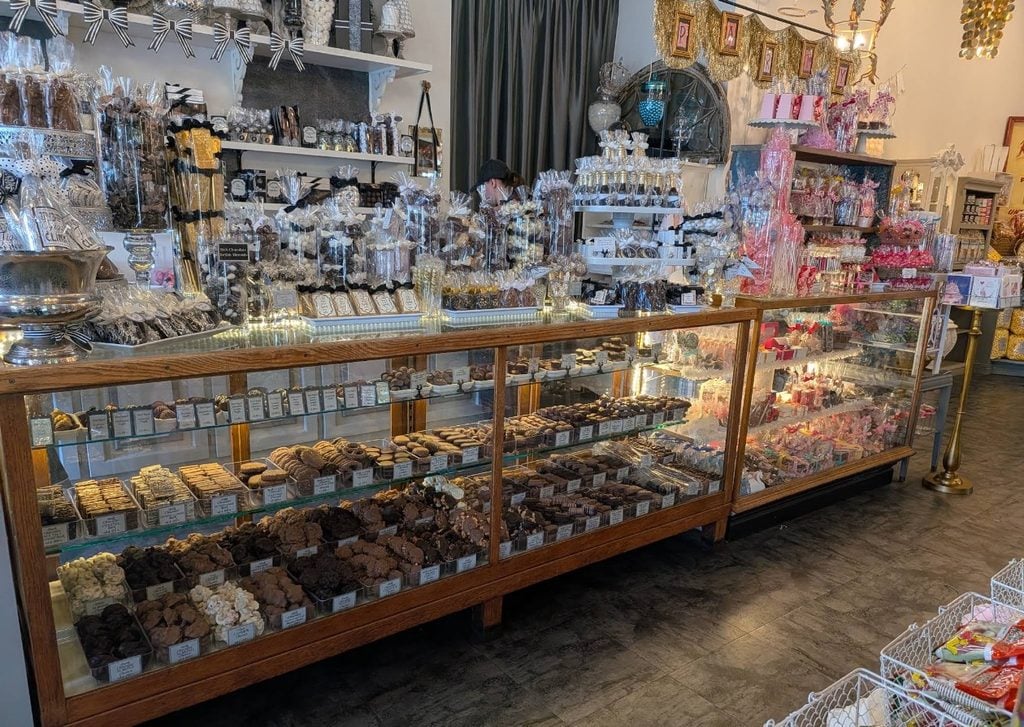
One of the nicest things about this kind of bakery is the freedom to buy across categories. A person picking up a sandwich can take a few cookies home, while someone collecting dessert can also leave with bread. An Xuyên’s range makes those combinations practical. You don’t need to decide whether the trip counts as breakfast, lunch or a sweet stop before walking in.
A neighborhood counter with a wider Portland following
An Xuyên has appeared in Portland bakery and Vietnamese restaurant guides over the years, but its daily work reaches people in less visible ways too. Supplying other kitchens means part of the bakery’s output is eaten under somebody else’s restaurant sign. The Foster Road shop lets customers buy directly from the source. That makes it especially interesting for anyone who enjoys learning how Portland’s food businesses connect.
It also broadens the usual picture of a Portland bakery trip. Here, a case of French-influenced pastries sits alongside Vietnamese sandwiches and a selection of steamed buns. The bakery’s own description makes those multiple influences explicit, and the menu puts them into practice. You can follow an appetite for pork-filled pastry, a coconut sweet or fresh French bread without changing destinations.
For a wider food itinerary, our Oregon food and drink coverage can help you choose another stop that fits the day. Keep An Xuyên as a meal rather than squeezing it between several other lunches. The selection rewards having an appetite, and the bread is a good reason to give the visit some room. For another take on the city’s bakery culture, our Doe Donuts story explores a Portland shop devoted to vegan donuts and ice cream.
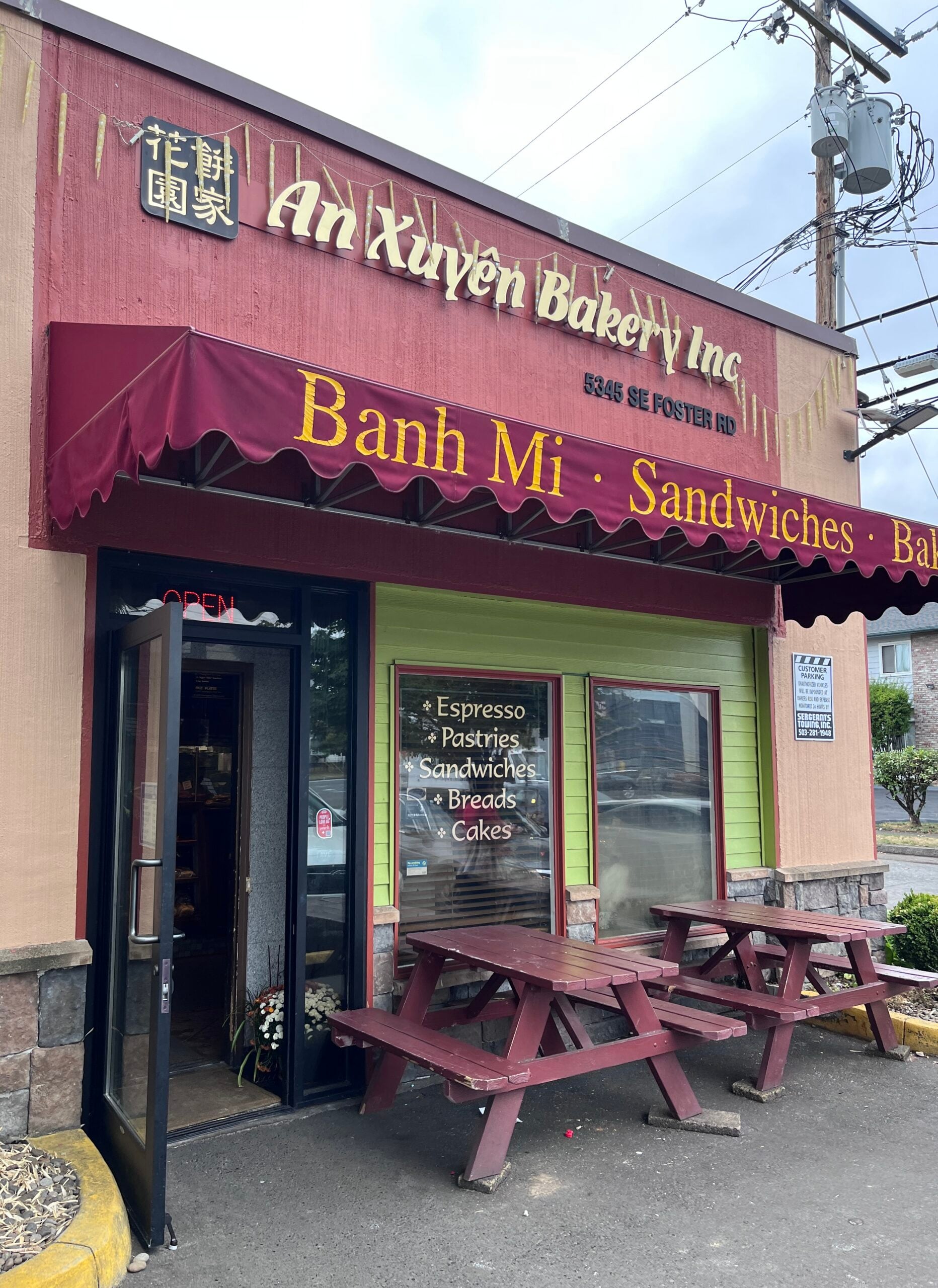
Plan a visit to An Xuyên Bakery
An Xuyên Bakery is at 5345 SE Foster Road, Portland, Oregon 97206. Its official website lists hours of 7 a.m. to 6 p.m. Tuesday through Saturday and 7 a.m. to 3 p.m. Sunday, with Monday closed. Portland Monthly’s current business listing carries the same schedule. Sunday visitors should pay particular attention to that earlier closing time.
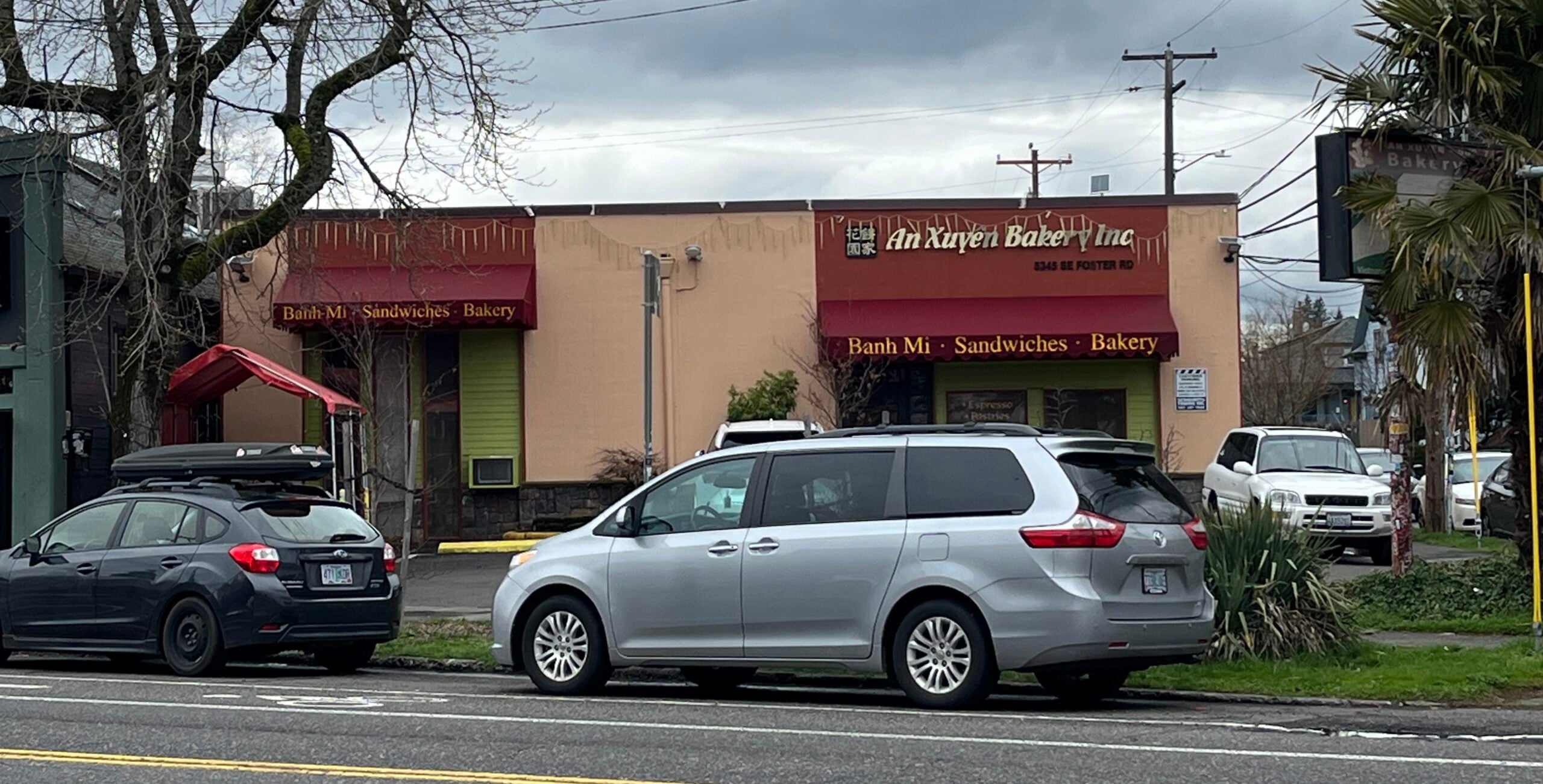
The bakery’s online selection is extensive, but a bakery case changes as things sell and fresh batches become available. Treat the website as an introduction to its range and confirm specific products, prices and custom orders with the business. The historical photographs here are dated in their captions, so you can distinguish a documented past display from the more recent storefront views. No current seasonal special is assumed from an older picture.
If you’re combining the bakery with other city stops, use our Portland guide to plan by neighborhood. Foster Road is in Southeast Portland, and a trip here deserves to fit the actual geography of your day. Come for the bread or the sandwich counter, then give the pastry case a look before paying. A guava cookie is a perfectly reasonable addition to the original plan.