

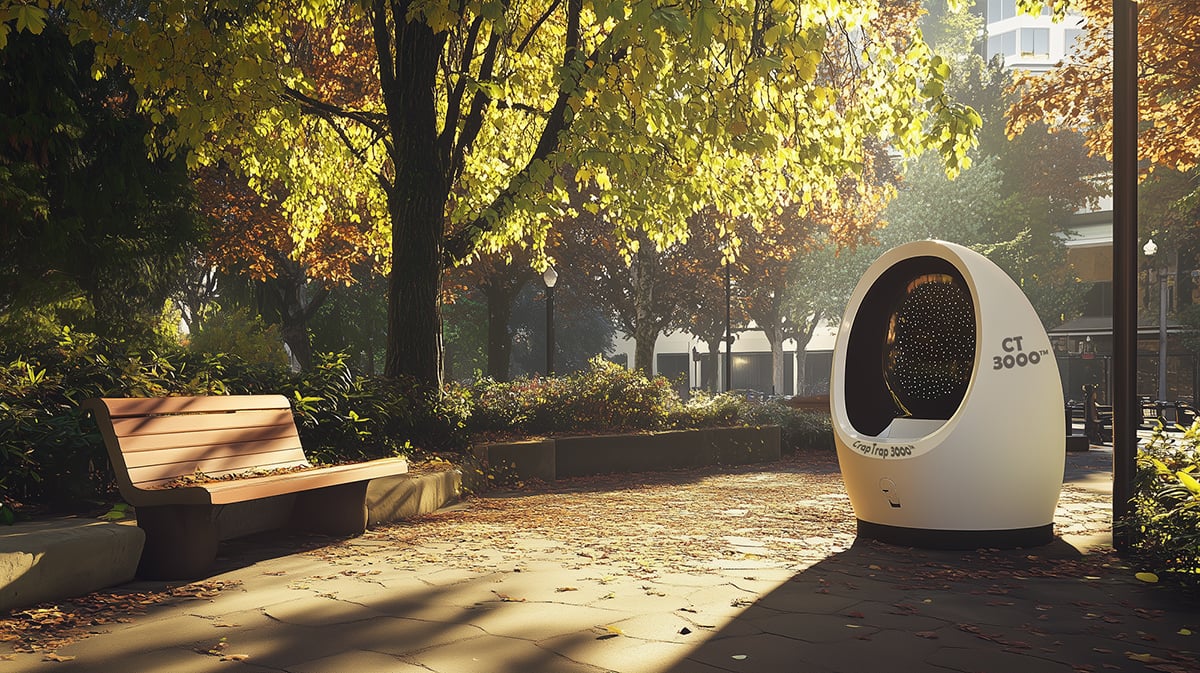
In what city officials are calling a “revolution in urban sanitation,” Portland will begin installing CrapTrap 3000™ units across the metro area—human-sized, self-cleaning litter boxes designed to address the growing issue of public defecation, and “shaping the future, one log at a time.”
The sleek, solar-powered devices look like a cross between a futuristically egg-shaped phone booth and something your cat would nervously sniff at.
“We were inspired by automated pet litter systems,” said Cheryl Marlow, Director of Portland’s Department of Urban Cleanliness and Experimental Infrastructure. “Except this one’s big enough for a person, and probably way too expensive. These units are solar-powered, odor-sealed, and come with complimentary mood lighting. We call it a win-win: cleaner streets, and a more civilized pooping experience for all.”

Each CrapTrap 3000™ includes state-of-the-art dump dynamic features such as:
- A motion-triggered privacy dome made from repurposed Columbia Sportswear jackets
- Built-in bidet with three eco-friendly spray settings
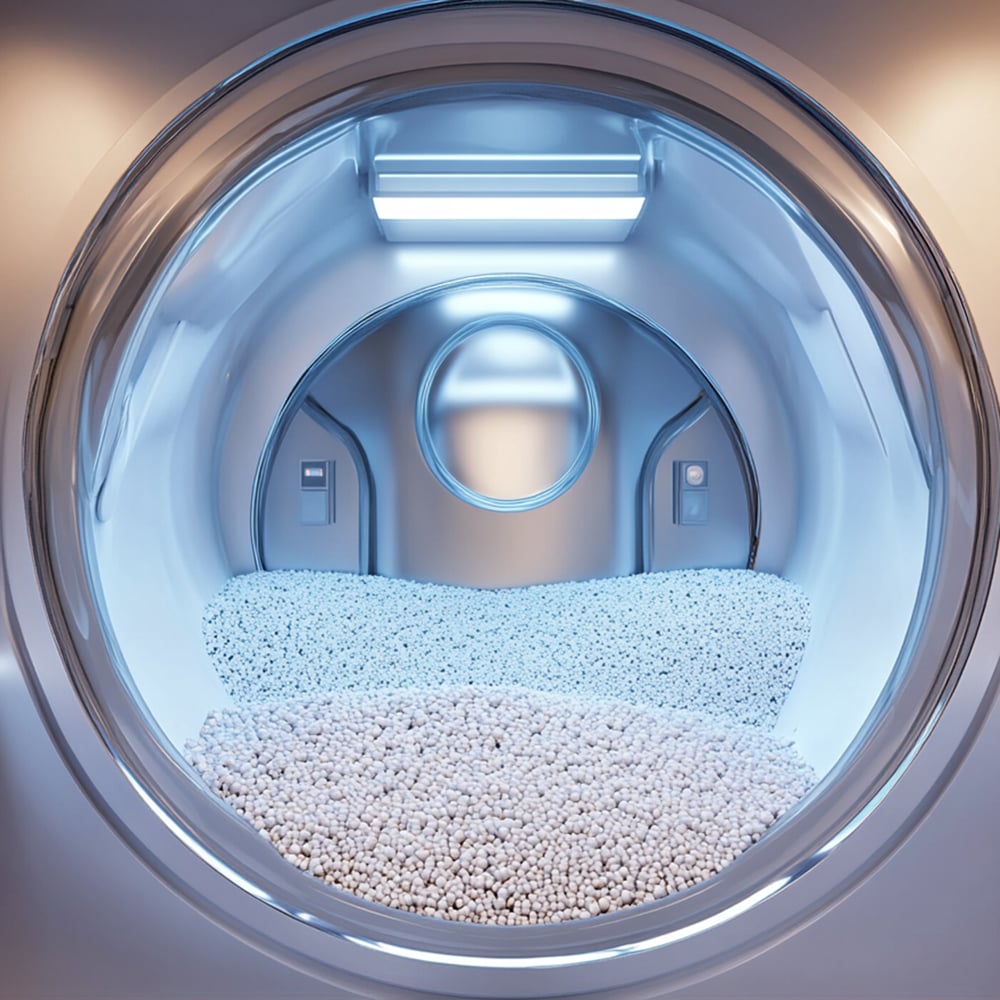
- A composting system that “ethically processes your shame”
- Soft ambient lighting and calming nature sounds to “encourage complete evacuation”
“We’re proud to be on the cutting edge of sanitation equity,” said Portland Mayor Keith Wilson, while standing next to a ceremonial oversized toilet brush at the unveiling in Lownsdale Square. “Where other cities see a crisis, we see an opportunity for sustainable innovation… and vaguely unsettling solutions. Every CrapTrap 3000™ is a throne for the people.”
While many residents are cautiously optimistic, others have very valid dookie questions.
“I mean, I guess it’s better than stepping in human feces on my way to work,” said barista Kendra Loop, 28. “But I saw a guy take a bong rip inside one during the beta test.”
“I thought it was an art installation,” added tourist Bob from Omaha. “So I took a selfie. Then it started cleaning itself and I haven’t slept since.”
Initial rollout will target areas with high “tactical evacuation density,” including sidewalks near Starbucks, underpasses, and the back corners of public parks where the grass mysteriously refuses to grow.
“I think it’s great, but I watched a guy vape and play a harmonica in one for 40 minutes yesterday,” said local resident Tommy Knoles. “Not sure it’s being used as intended.”
Other folks we interviewed expressed budget concerns, so here’s a breakdown of where funding has been allocated:
- $12.6 million for a “pilot program” of 10 units, each costing more than a used Tesla.
- $4.8 million for “public awareness campaigns and user behavior research.”
- $2.1 million to “partner with local artists” to paint the units in “non-threatening tones.”
- $900,000 for the FLUSHR™ app development—still in beta, still crashing.
- $370,000 for “scent-neutralizing lavender mist emitters” that were later removed due to allergic reactions.
- $67,000 for a ceremonial ribbon-cutting that included interpretive dance.
Still, the city insists the CrapTrap 3000™ is just Phase One of a larger urban wellness strategy: Operation: Dignified Dump. Future phases include a mobile app called FLUSHR™, which lets users find the nearest CrapTrap™, leave reviews, and earn reward points toward locally sourced toilet paper.
When asked why this program is being prioritized over more permanent housing and social services, a city spokesperson said, “We believe in a comprehensive approach, but this was faster and involved more tech startups.”
Portlanders are encouraged to “poop responsibly” and remember: The future flushes itself.