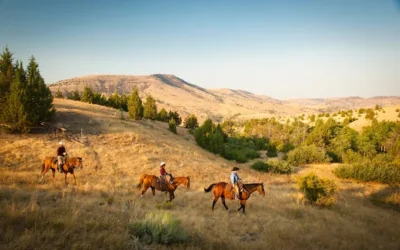
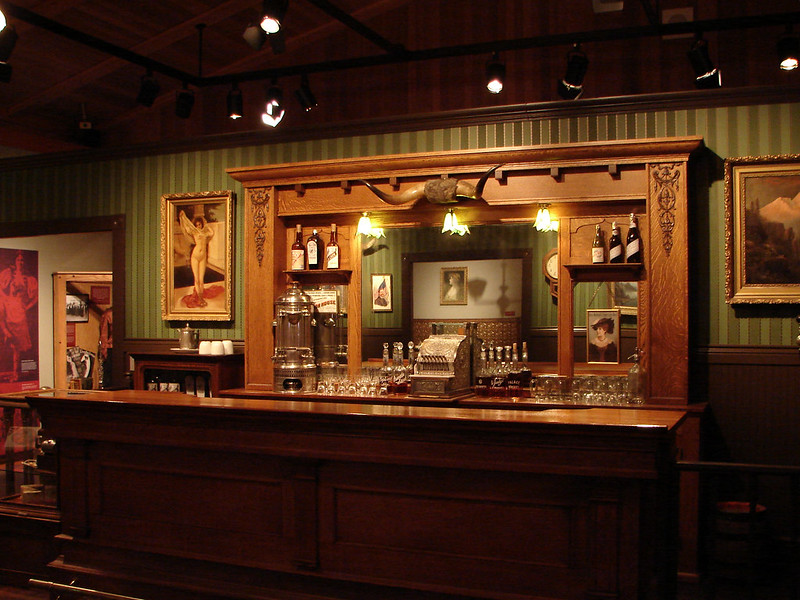
South of Bend, among ponderosa pines and high-desert light, the High Desert Museum offers the kind of Oregon outing that can easily turn into half a day. It is part wildlife center, part history museum, part art and science stop, and part outdoor campus. Across roughly 135 acres, visitors move between river otters, raptors, living-history buildings, exhibits about the region's people and landscapes, and trails that make the place feel far bigger than a conventional museum.
It is one of the best all-ages stops to build into a Bend trip, especially when the weather is cool, smoky, rainy, or simply too hot for a long hike. Come for the animals if you have kids in tow, but leave time for the stories that make the High Desert more than a backdrop.
High Desert Museum at a glance
- Address: 59800 S. U.S. Highway 97, Bend, Oregon 97702
- Hours: Daily, 9 a.m. to 5 p.m. March 1 through October 31; 10 a.m. to 4 p.m. November 1 through February 28. Closed July 4, Thanksgiving and Christmas.
- 2026 admission: Summer: $24 general, $19 seniors 65+ and college students with ID, $13 children ages 3-12, free for ages 2 and under. Winter: $20 general, $17 seniors and college students, $12 children. Check the museum's current ticket page before you go.
- Parking: Free, including designated RV and bus parking.
- Good to know: Advance tickets are available but not required. Plan on at least two to three hours; a curious family or anyone who wants to see the outdoor programs can happily spend longer.
Why the High Desert Museum feels different from a typical museum
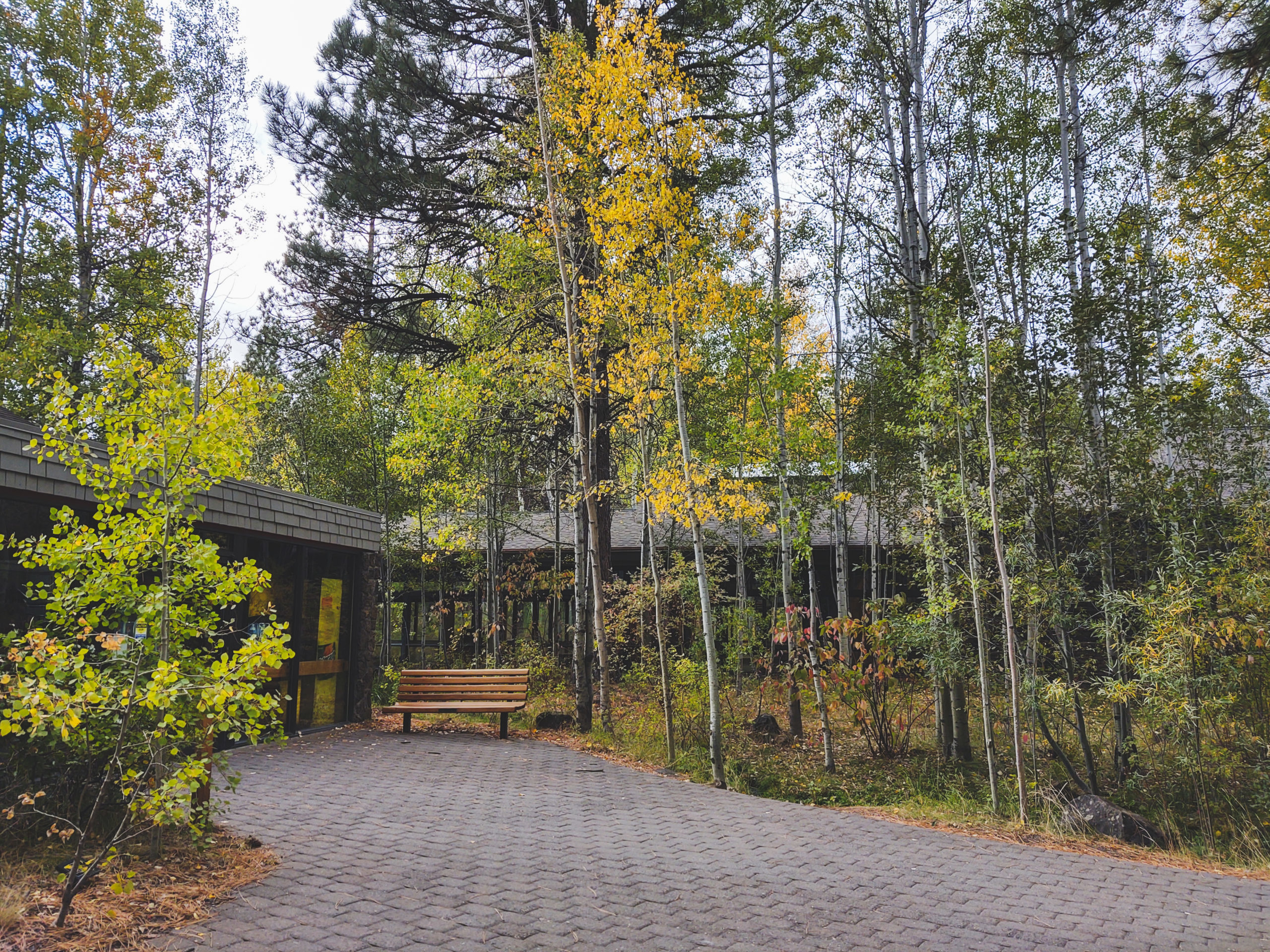
The High Desert Museum is built around a useful idea: the region makes more sense when wildlife, geology, art, cultures and human history are viewed together. Instead of racing through a single indoor gallery, visitors move between indoor exhibits and outdoor spaces, then return inside with a better sense of the landscape beyond Bend.
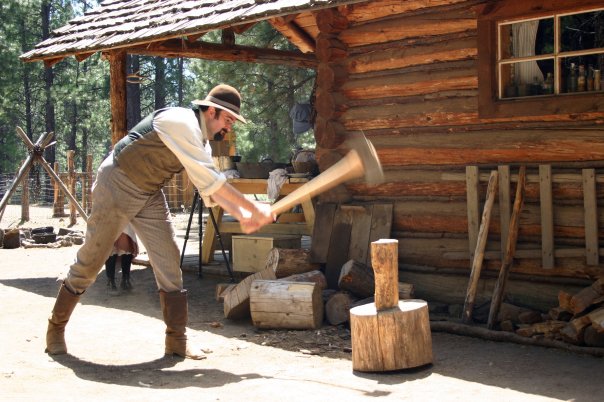
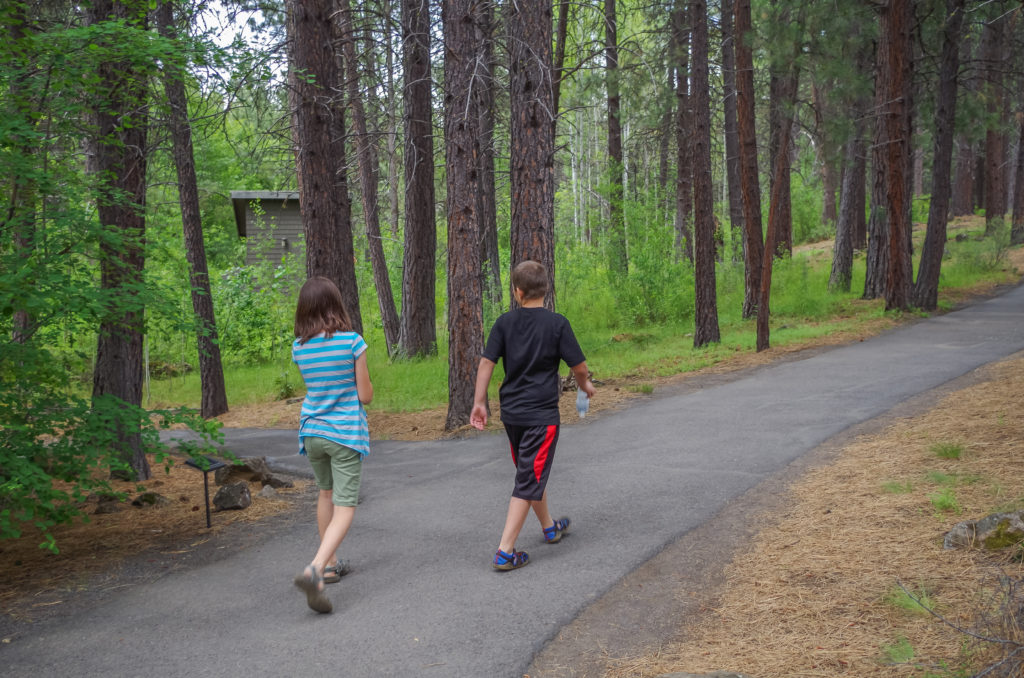
That makes it especially good for a mixed-age group. One person may be drawn to the Desertarium, another to the art or history galleries, and younger visitors can burn off energy along the paths and at the outdoor exhibits. The campus is also an easy way to understand why Central Oregon is more than mountains and breweries. For the wider regional picture, start with our Central Oregon travel guide.
Wildlife encounters: river otters, raptors and the Desertarium
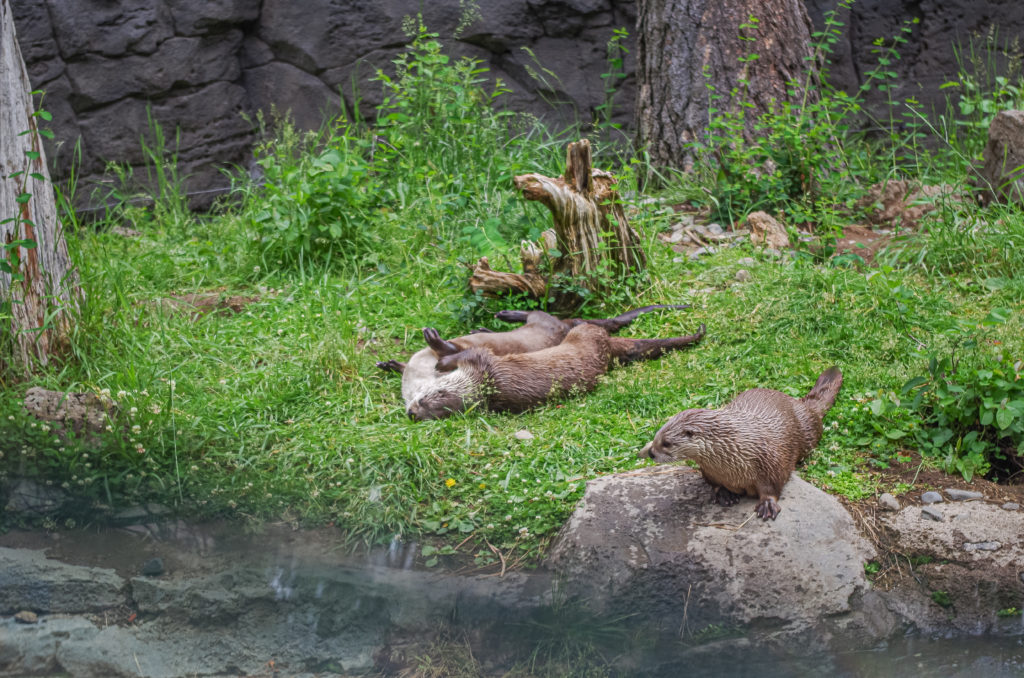
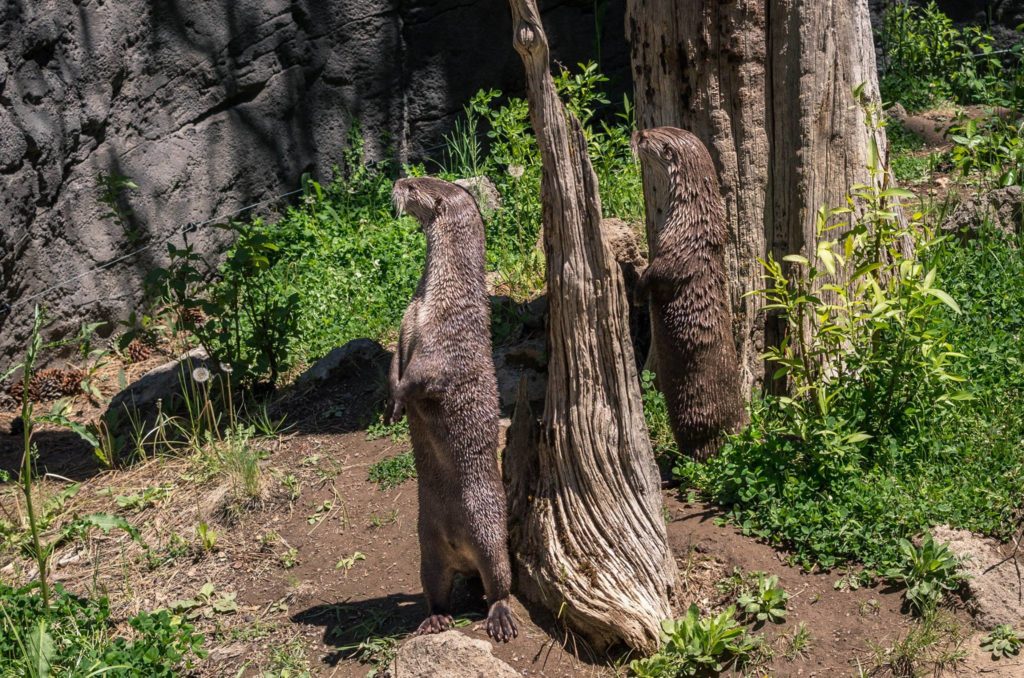
The wildlife areas are a genuine highlight, not an afterthought. At the Autzen Otter Exhibit, North American river otters can be viewed from outdoor and indoor spaces, including an underwater perspective. Check the daily schedule for an Otter Encounter, since program times can shift with the season.
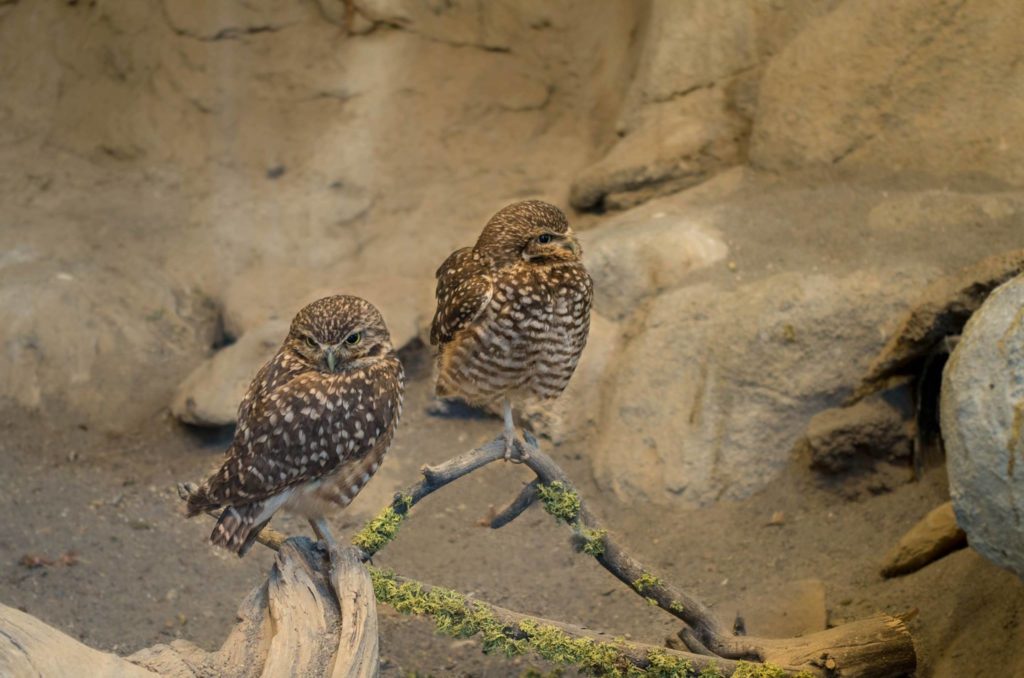
The Donald M. Kerr Birds of Prey Center is another can’t-miss stop. It offers close views of resident raptors, including owls, hawks, eagles, falcons and vultures, and the museum's programs help explain the adaptations that make those birds such capable predators. Raptor presentations are weather-dependent, so it is worth checking the day’s program board when you arrive.
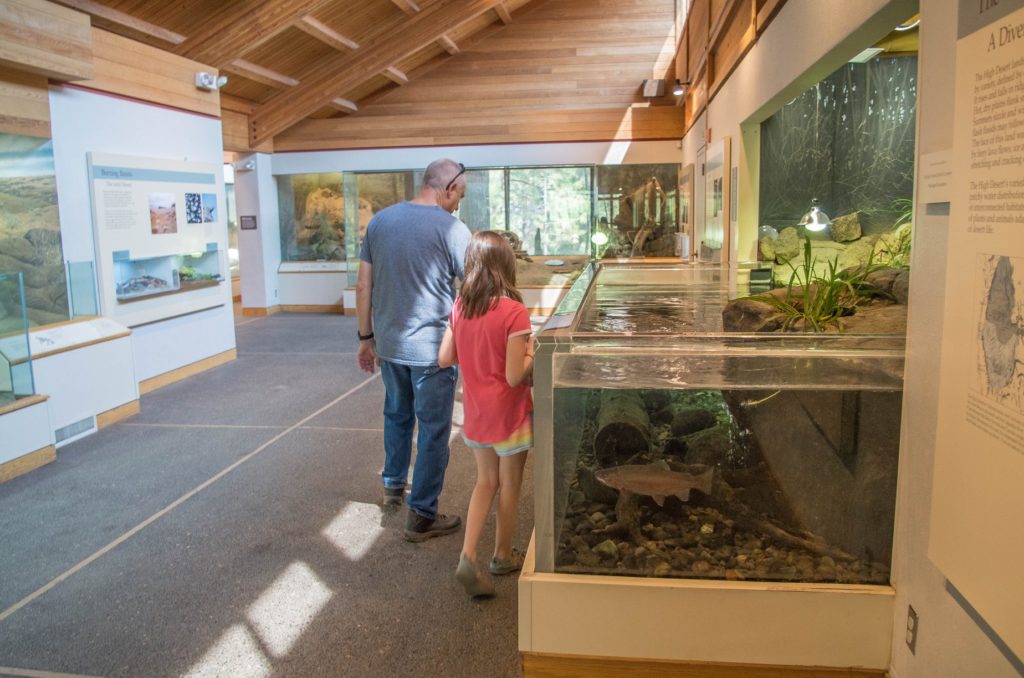
Inside, the Desertarium introduces visitors to smaller High Desert residents, from reptiles and amphibians to fish and invertebrates. It is an especially useful stop on a chilly day and a good reset for children before heading back outside.
Step into the region's working and industrial past
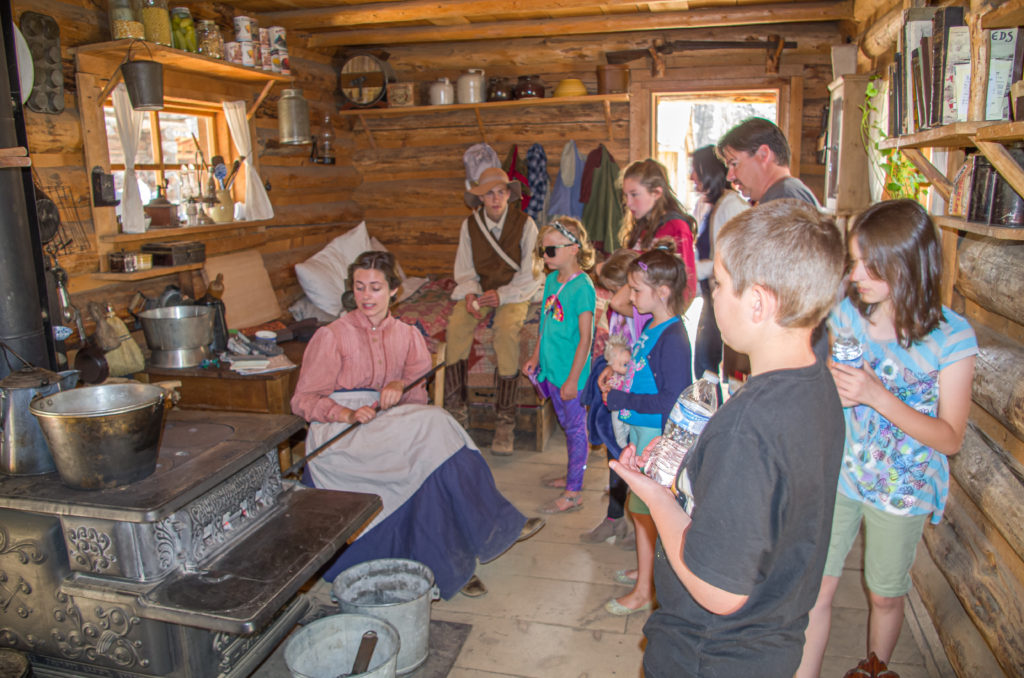
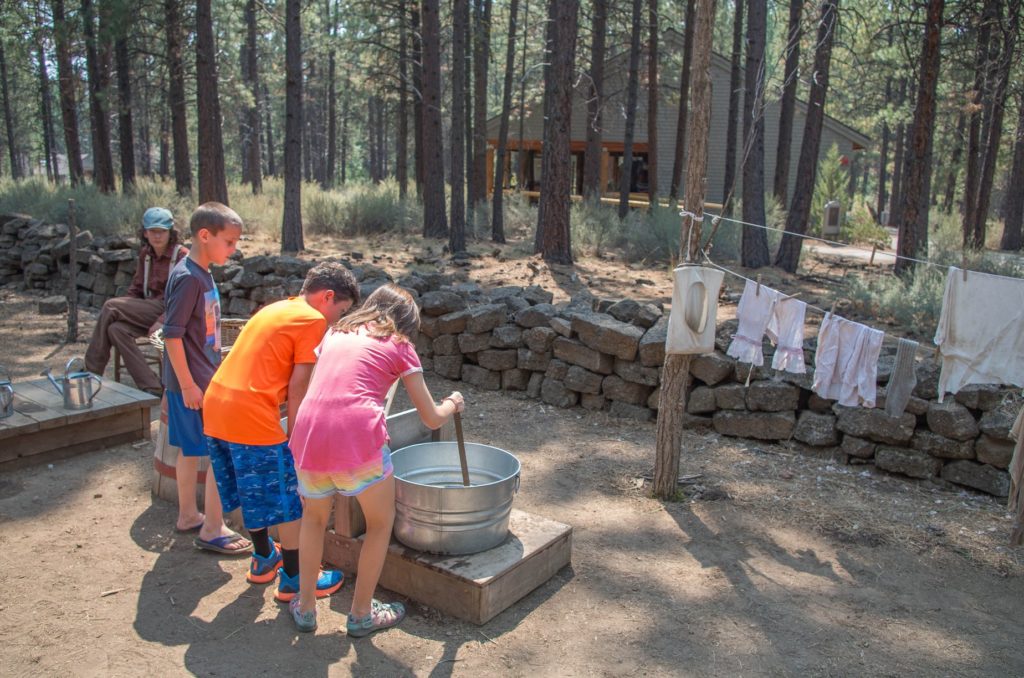
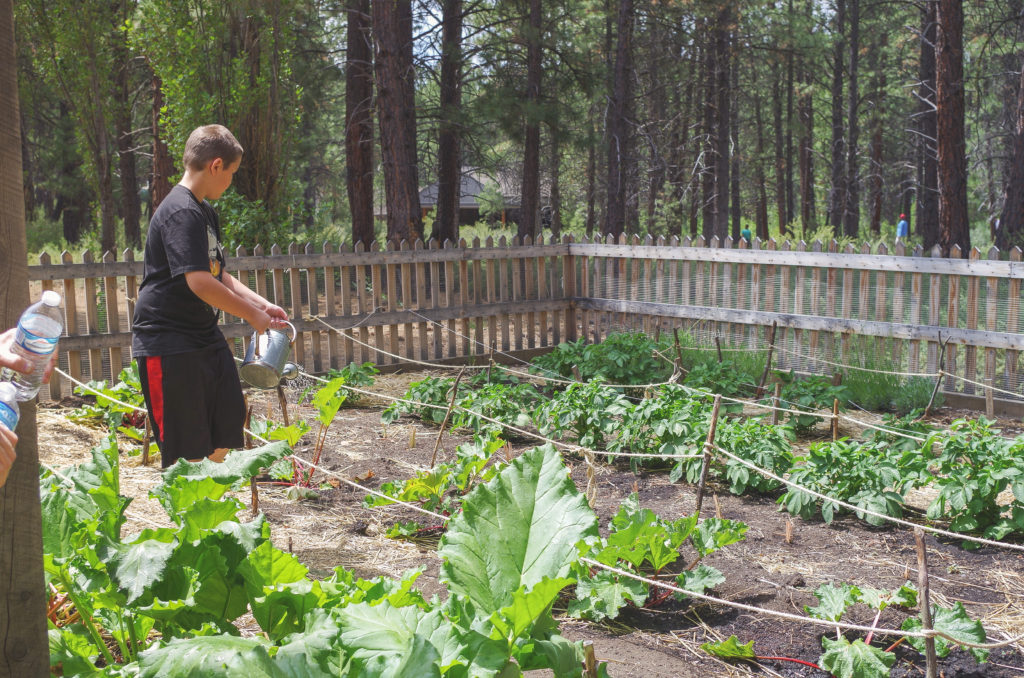
The 1904 High Desert Ranch brings Central Oregon homestead life into focus through historic buildings, gardens and seasonal living-history programming. Rather than treating the past as a costume show, it gives visitors a tangible look at the labor, routines and constraints that shaped a ranching household in the early 1900s. Summer is the best time to catch the ranch at its liveliest, but confirm the day’s schedule before making a special trip.
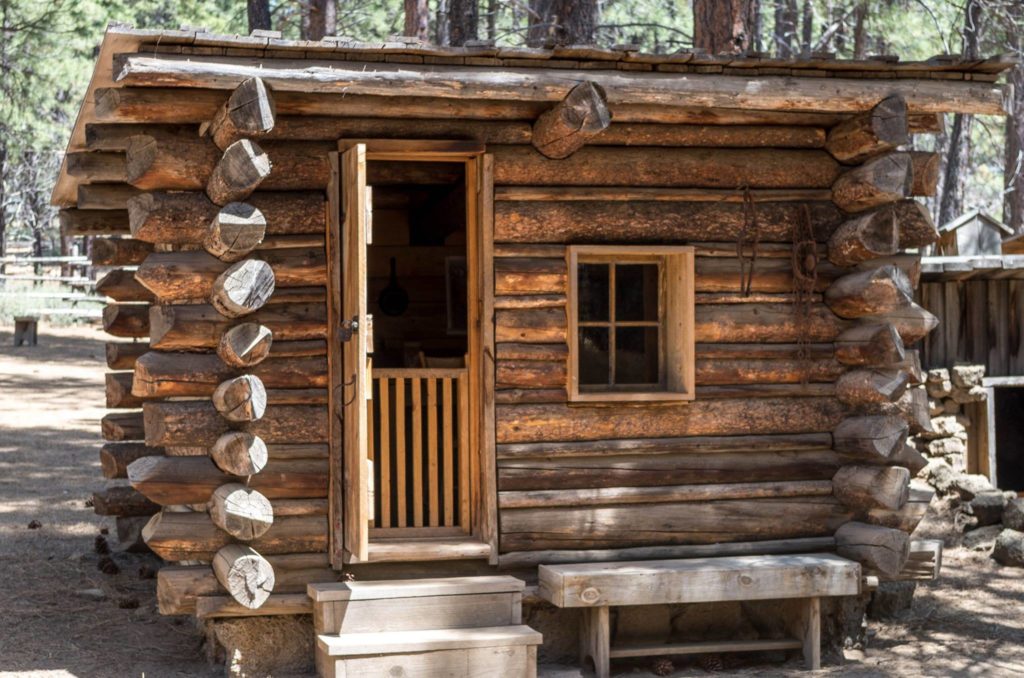
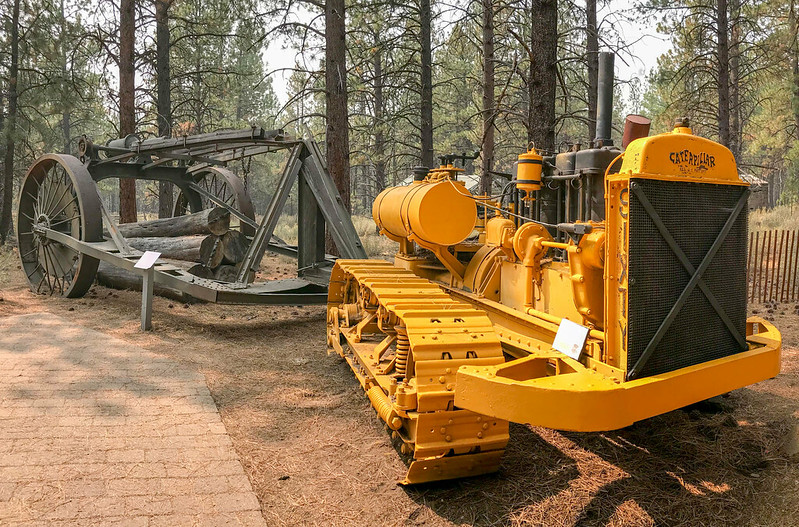
Nearby, the Lazinka Sawmill is an authentic early-20th-century mill whose large blade and machinery make the timber story feel physical. On demonstration days, it is one of the clearest reminders that the High Desert's history includes the intense work of extracting and moving natural resources, not just the romance of an old cabin.
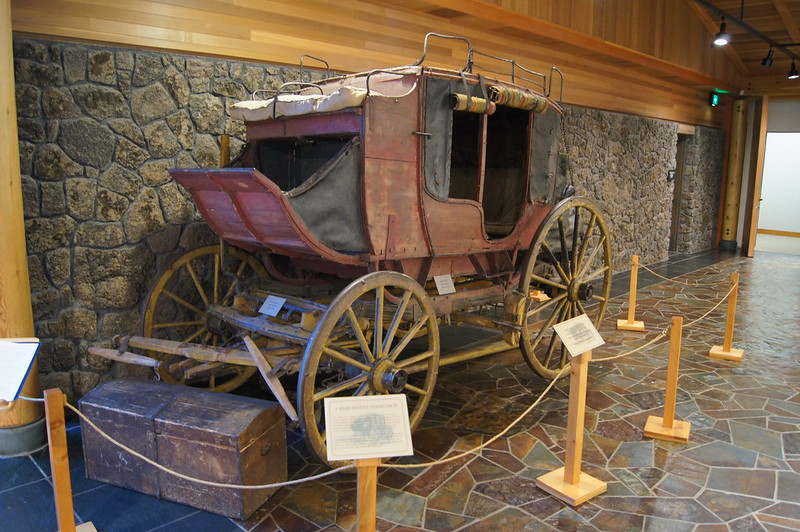
Spirit of the West broadens the timeline with immersive settings connected to the fur trade, settlement, mining and the changing economies of the West. Give yourself time here. The point is not a simple pioneer-versus-wilderness story, but the complicated ways people, land and power have shaped one another.
Indigenous Plateau stories are living stories
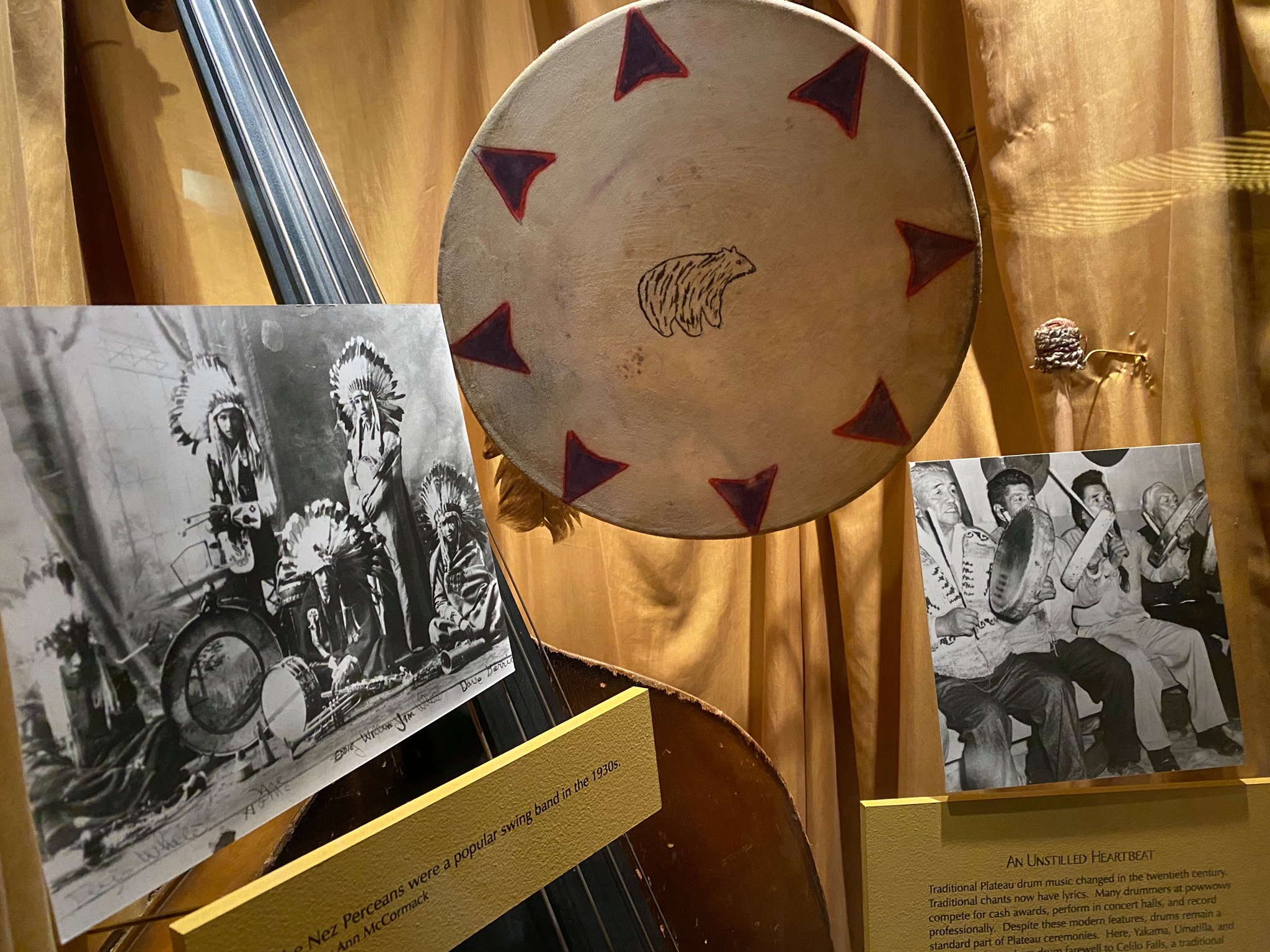
The museum sits in and shares the stories of what was, is and always will be the Indigenous Plateau. Its By Hand Through Memory exhibition introduces visitors to Plateau communities and objects connected to the Columbia Plateau, while the museum also acknowledges that the 1999 exhibition needs revision. That candor matters: Native cultures are contemporary and enduring, not a chapter that ended with settlement.
Since 2019, the museum has been working with Native and non-Native knowledge holders to reimagine its interpretation. The stated work includes confronting gaps in the existing exhibition, including its treatment of boarding-school trauma, and shifting attention toward the meanings that objects hold for the people and communities connected to them. Read the museum’s By Hand Through Memory notes for fuller context before or after your visit.
What to notice in By Hand Through Memory
Take your time with the labels and stories in this gallery. The Museum’s ongoing work asks visitors to look beyond the idea of an “artifact” and consider the relationships that Plateau people continue to hold with objects made, used and cared for within their communities. That is a more honest way to encounter the gallery, and it gives the visit much more weight than a quick pass through a history display.
The museum also directs visitors who want to continue learning toward Tribal museums across the Plateau, including the Museum at Warm Springs, Tamástslikt Cultural Institute, Yakama Nation Cultural Center and Colville Tribal Museum. Each carries its own community’s voice and perspective. The High Desert Museum is one important stop, not a substitute for those living cultural institutions.
A major expansion is underway
Visitors in 2026 may notice construction activity. The museum broke ground in March on a $40 million, 24,000-square-foot campus expansion planned to open in winter 2027. The project is set to add classrooms, a new art gallery, gathering and event spaces, plus a reinstallation of the museum’s permanent Indigenous Plateau gallery developed in collaboration with an Indigenous advisory committee.
The planned gallery work is particularly important because it will foreground contemporary Native voices and perspectives while building on the museum’s significant Doris Swayze Bounds collection. Construction details and timing can change, so check the museum’s expansion update before a visit if access or programs are central to your plans.
Planning a family-friendly and accessible visit
This is one of the easier Bend attractions for families because there is room to change course. Strollers and wheelchairs are complimentary at Admissions, and a motorized wheelchair is available on request. The museum also has audio devices for visitors who are hearing impaired at select wildlife programs. Service animals are permitted; pets are not allowed on the grounds, though free dog kennels are available in the parking area.
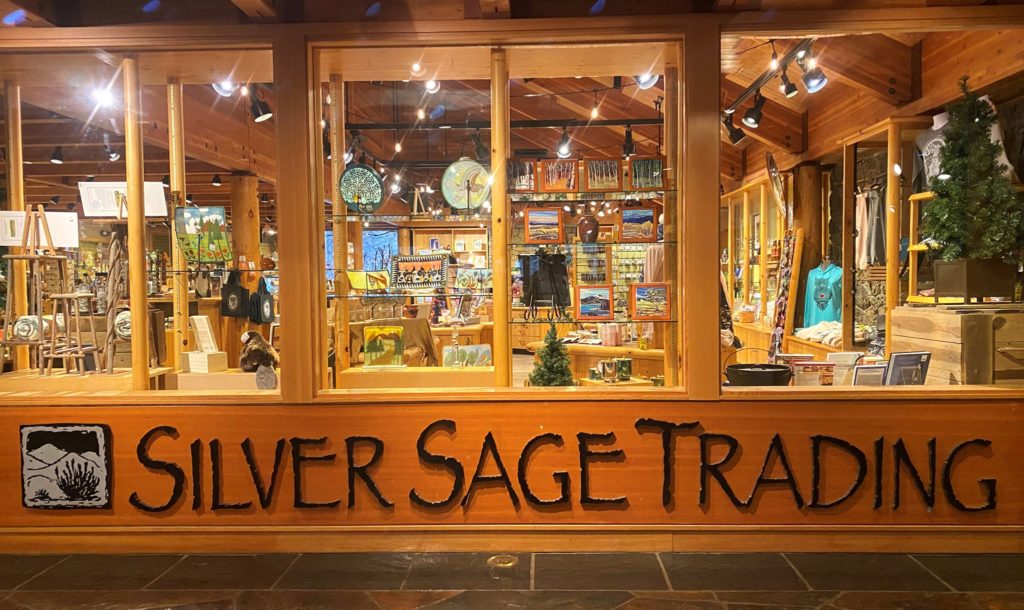
Bring layers, comfortable shoes and water. The route between exhibits is part of the experience, but it also means sun, wind and weather matter. The Rimrock Café is open daily for salads, sandwiches and snacks, while picnic areas give families another option. The café and Silver Sage Trading store can be visited without paying admission if they are your only destination.
For a second high-desert adventure, pair the museum with Lava River Cave, then make sure to check the Forest Service’s current reservation and safety rules. Or, if you are staying nearby, our Sunriver guide has more ideas for turning a museum stop into a fuller Central Oregon weekend.
The bottom line
The High Desert Museum works because it respects the fact that Oregon's dry side is a living, layered place. River otters and raptors may be the first thing kids remember, while adults may linger over the art, the history, or the questions raised in the Plateau galleries. Either way, it is far more than a rainy-day backup plan near Bend.
Originally published in 2021 and substantially updated in September 2026. Prices, hours, daily programs and temporary exhibitions can change, so verify details directly with the museum before you go.