
Only in Oregon can you road trip from Boring to Drain, make a detour through Idiotville, and somehow end up in a place called Riddle before sunset.
If you’ve spent enough time exploring the Beaver State, you already know Oregon has a personality all its own. We’ve got exploding whales in our history books, the world’s only Bigfoot trap, and enough roadside oddities to keep your GPS emotionally confused for days. But one of the weirdest things about Oregon might just be the names on the map.
Some sound made up. Some sound mildly concerning. A few sound like they were named during a dare.
And somehow, every single one of them is real.
And without further ado, here are some of the funniest, strangest, most delightfully Oregon place names scattered across the state in 2026.
Honorable Mention: Wankers Corner, Clackamas County
Oregon truly does not care what your GPS has to say.
Before you ask, yes, it’s a real place. And no, it’s not named after what British tourists immediately think it is. Unfortunately for generations of teenagers, the internet eventually discovered the name.
And maturity was immediately lost forever.
One of the original family members was one Jack Wanker (you CANNOT make this stuff up…read about him here), who operated the original Wanker’s Corner Grocery Store at Wanker’s corner for over 50 years.
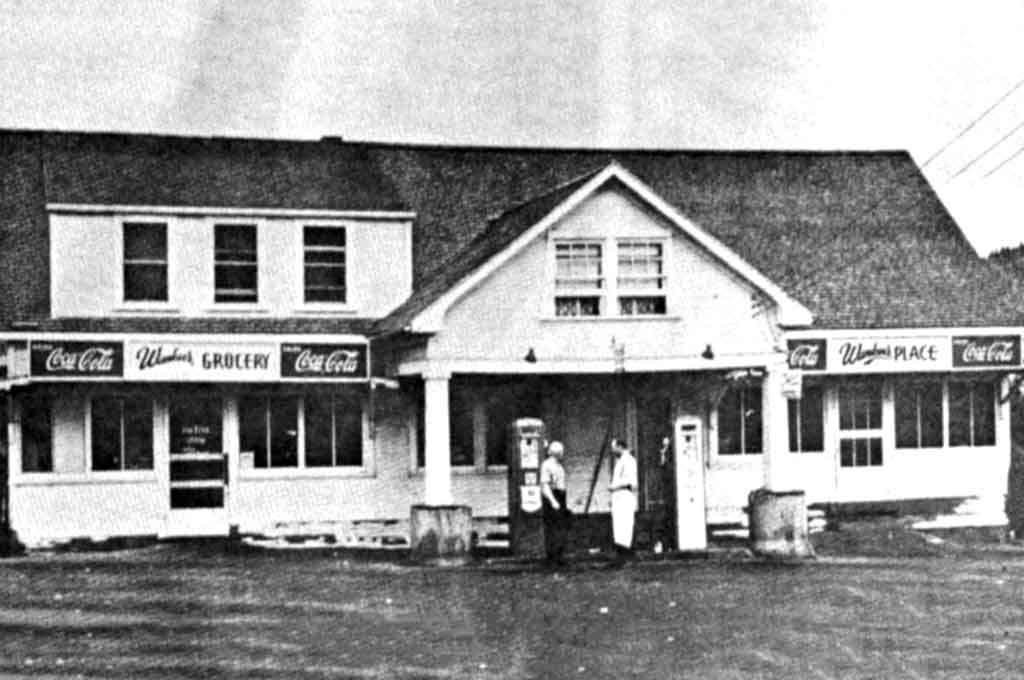
All immaturity aside, the name actually comes from the Wanker family, German settlers who arrived in the area in the late 1800s. Locals pronounce it more like “Won-ker,” though that has done absolutely nothing to stop decades of snickering from pre-teens and out-of-state visitors.
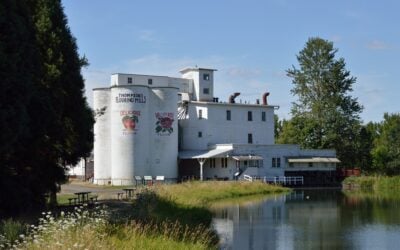
In 1931, the family established Wanker’s Corner Tavern, which later became one of the area’s best-known roadside stops after Prohibition ended. And apparently the owners never met an antique, oddity, movie poster, or random piece of roadside Americana they didn’t want to collect.
Over time the place became gloriously cluttered with memorabilia, junk, treasures, and enough weird knick-knacks to make diners wonder whether they were eating lunch or accidentally wandering into the world’s most chaotic museum.
Eventually the collection outgrew the original space, and the operation relocated to Wilsonville.
Which means somewhere in Oregon history, somebody genuinely said:
“You know what this growing city needs? More Wanker’s.”
The official That Oregon Life store
The Oregon you bring home.
Start the day with Oregon-roasted coffee, then find original gear inspired by the places, stories, and oddities that make this state ours.
Shop Oregon gear

1. Timbuktu, Washington County
Most people think Timbuktu only exists in history books or cartoons, but Oregon actually had its own version.
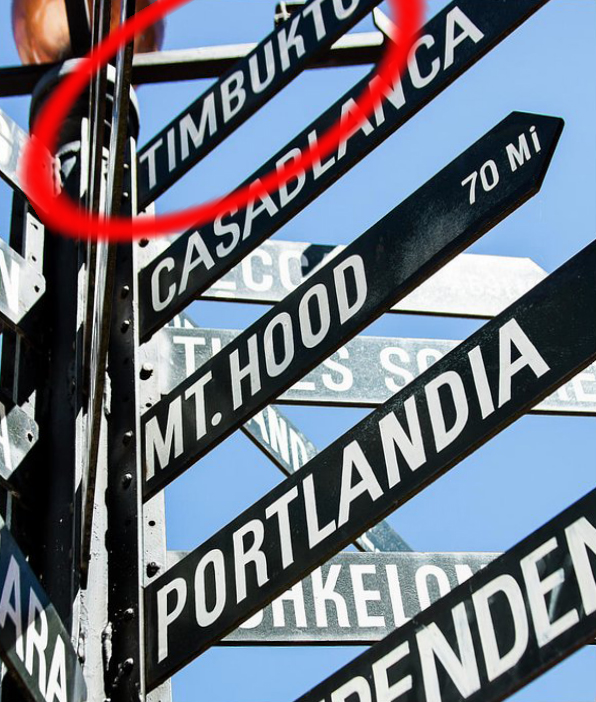
Located in eastern Oregon near the old gold mining regions, Timbuktu was once a tiny settlement in the 1940’s tied to the state’s boomtown era. More specifically, it was a logging camp high in the hills of Washington County near Goback Road. Like many Wild West communities, it eventually faded away, but the name stuck around long enough to become part of Oregon legend. When timber was being salvaged after the devastating Tillamook Burn in the Coast Range, one of the more isolated timber camps got the name Timbuktu because it was “way off in the back of the beyond.”
2. Jennyopolis, Benton County
At some point in Oregon history, somebody looked around and said, “You know what this place needs? More ‘opolis.’”
At the intersection of Smith Hill Road and 99W lies the position of the forgotten hamlet of Jennyopolis and the site of Oregon’s first purported murder. This long-forgotten community sounds less like a real Oregon town and more like a theme park run by someone named Jenny. The settlement dates back to the late 1800s and was reportedly named after the daughter of an early resident.
On May 21, 1852, Nimrod O’Kelley “did discharge a gun loaded with 40 leaden shot…into and upon the breast of Jeremiah Mahoney.” Even though O’Kelley was sentenced to hang by Benton County Courts, he still managed to cheat death and died of “natural causes” more than a decade after committing murder. The post office at Jennyopolis lasted until April 18, 1857 when mail was routed to Corvallis, and today nothing remains of the town.
3. Pochahontas, Baker County
The town was named after Pocahontas, one of the most historically well-known Native American women. According to Oregon Geographic Names, an unknown number of people laid out a town called Pine City in the 1860s near the base of the Blue Mountains.
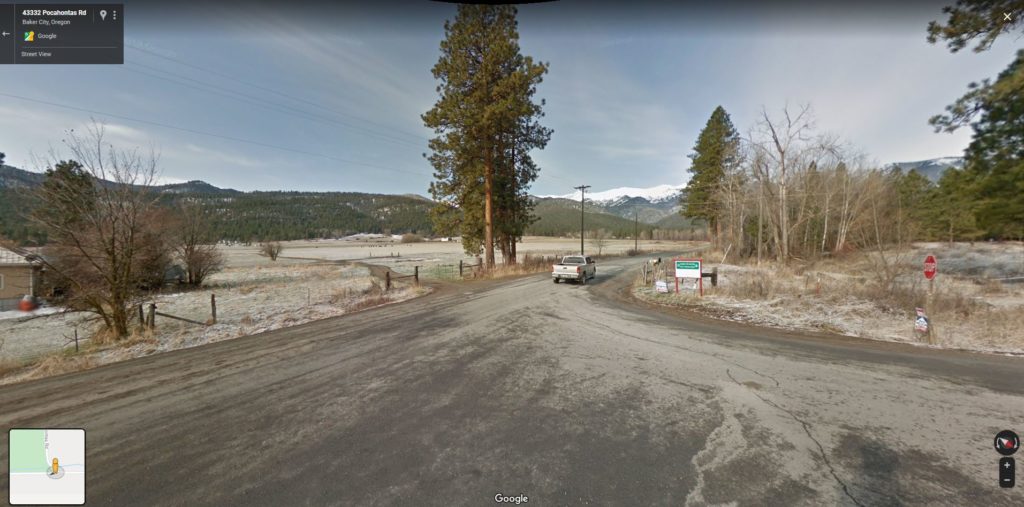
Pine City, probably founded in 1862, was along Pine Creek and was meant to serve as a place of accommodation for miners and others traveling through the region. Meanwhile, John McClain, a rancher who lived nearby, established Pocahontas and persuaded the people of Pine City to move there. Pochahontas was intended as a traveler’s resting place and had a post office, schoolhouse, blacksmith shop, and hotel. Today, all that remains is a crossroads, mostly remembered as a historic locale and another reminder that Oregon’s map is full of forgotten places with surprisingly grand names.
4. Boring, Clackamas County
No list of weird Oregon names can begin anywhere else.
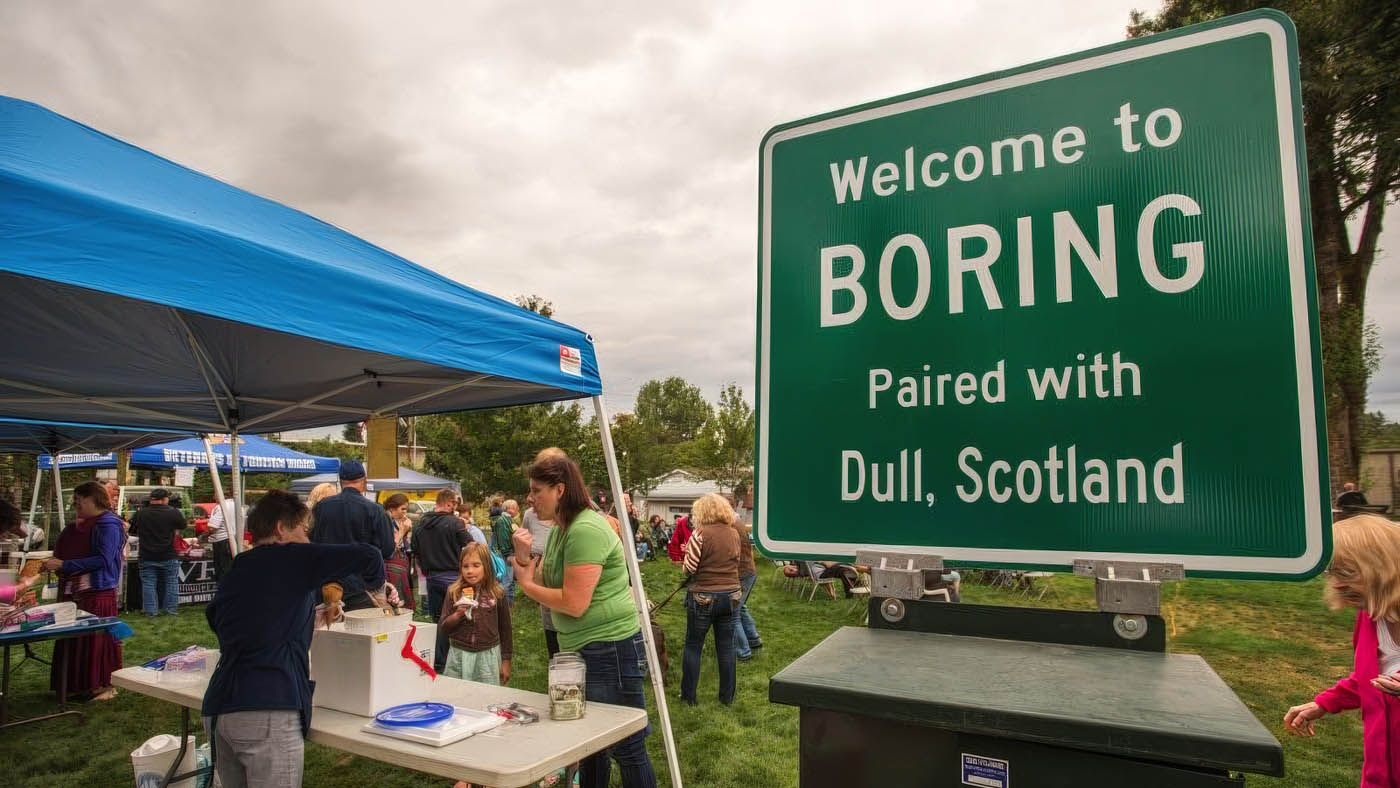
Located east of Portland, Boring has become internationally famous for being… well, Boring. The town was actually named after pioneer William H. Boring, but that hasn’t stopped the internet from having a field day with it for years.
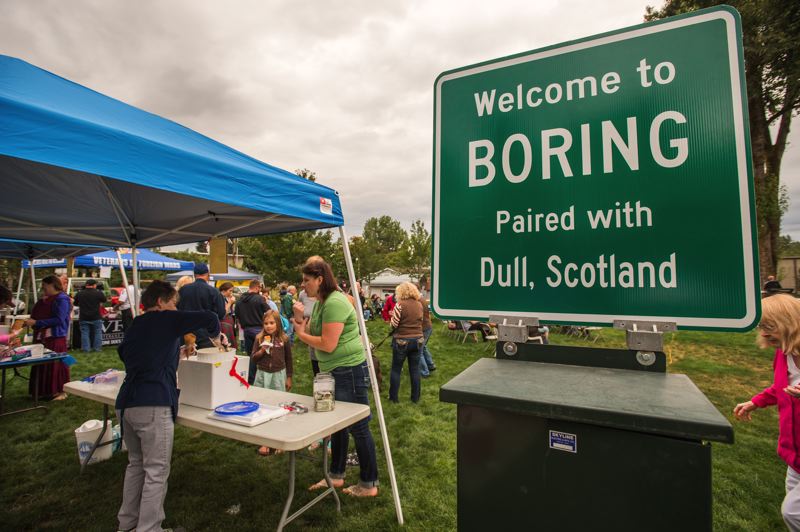
In perhaps the most Oregon thing ever, Boring is officially paired with Dull, Scotland, as a “sister city.” There’s also a “Normal” in Illinois involved somehow, because apparently the joke needed a trilogy.
Ironically, the town itself is pretty beautiful. The richly-timbered Boring Lava Fields are just to the north, containing around 80 lava vents that are remnants of the volcanic activity that occurred there roughly 2.6 million years ago. The Disney cult cartoon Gravity Falls is based on life in Boring, as well as the short-lived Netflix series Everything Sucks! in which students attend “Boring High School”.
5. Riddle, Douglas County
Riddle sounds like a place Batman would avoid after dark.
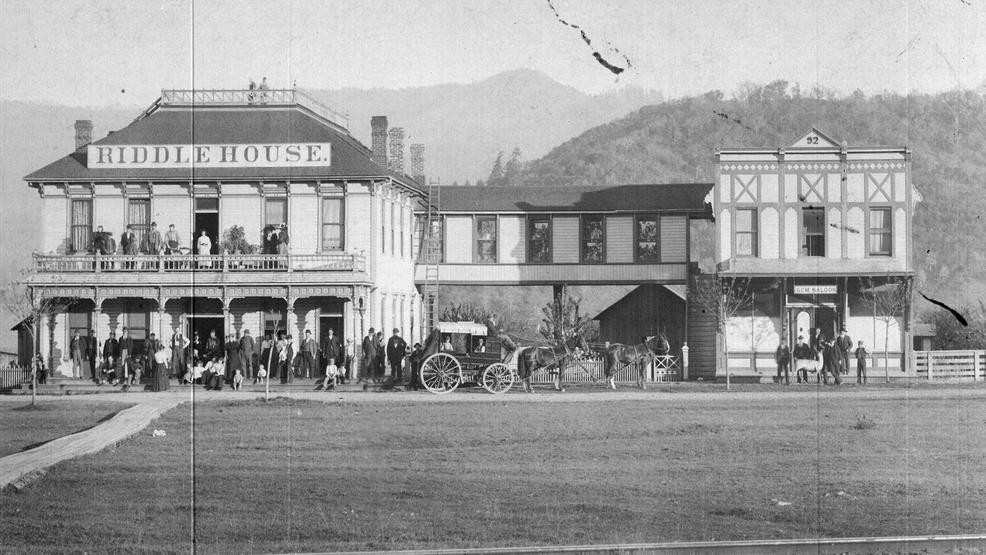
About 25 miles south of Roseburg lies the small town of Riddle, Oregon. Founded by John Bouseman Riddle, the son of William H. Riddle (pioneer settler of 1851), the town was first called Riddlesburg, then Riddles, and finally shortened to simply the quaint name we have today. It was once an important railway stop on the Siskiyou line of the Southern Pacific Railroad and is known for its old nickel mines, lumber mills, and an indomitable Old West spirit.
Despite the rather boring reality, the mysterious vibe of a place named Riddle remains strong. If somebody told you there was a hidden treasure map buried nearby, honestly, you’d probably believe them.
6. Idiotville, Tillamook County
Yes, this was a real place. And the name comes from basically “workplace frustration”.
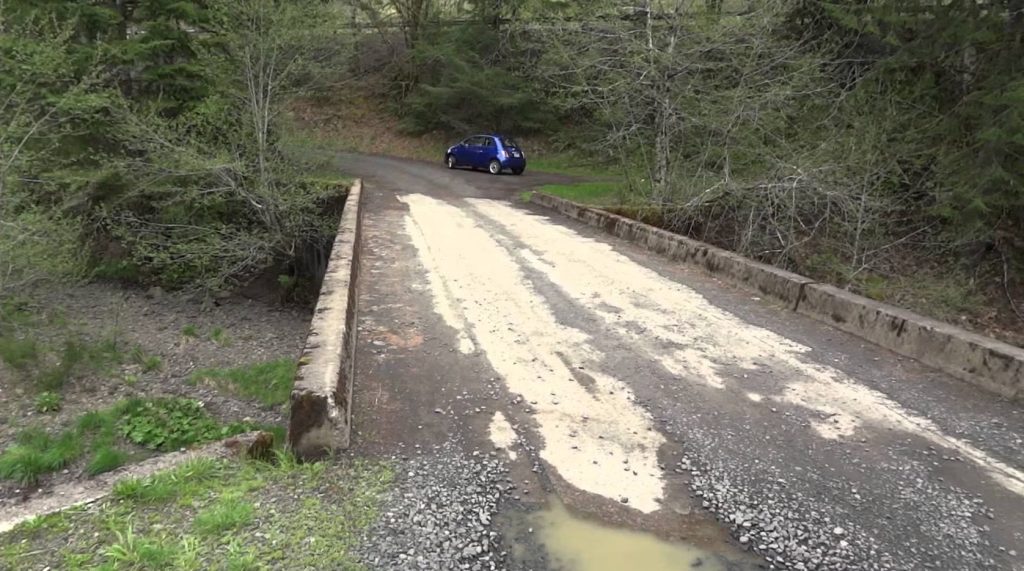
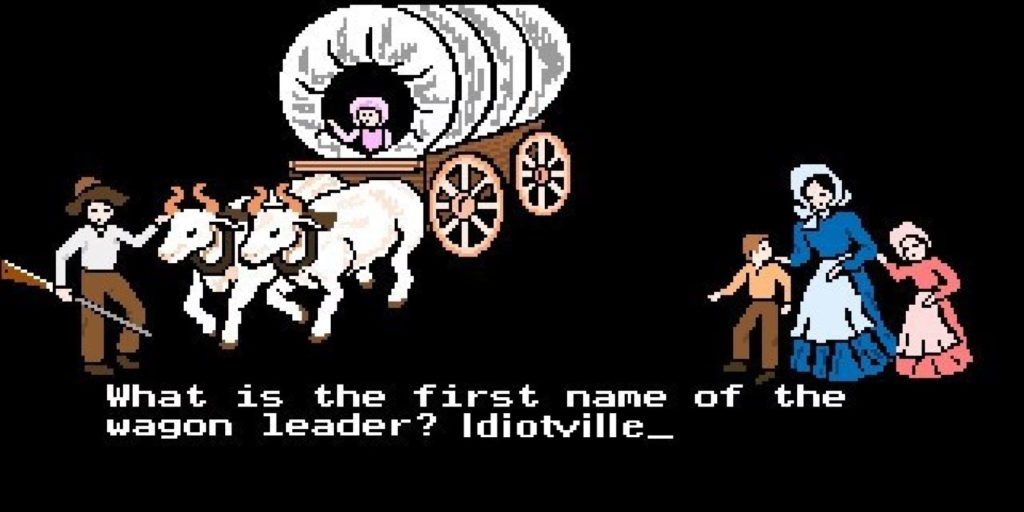
The site of Idiotville lies up the Wilson River near the summit of the Coast Range. Like Timbuktu, Idiotville’s choice of name came from the fact that it was so far out in the sticks that nobody really wanted to work there. About a half-mile up the stream now known as Idiot Creek was a Tillamook Burn logging operation called Ryan’s Camp. It was said that “only an idiot would work there“, and the name stuck.
7. Jackass Butte, Lane and Harney Counties
There are actually two Jackass Buttes in the State of Oregon, one near Bohemia Mountain in Lane County, and the other miles and miles away near the town of Frenchglen in the southeast region.
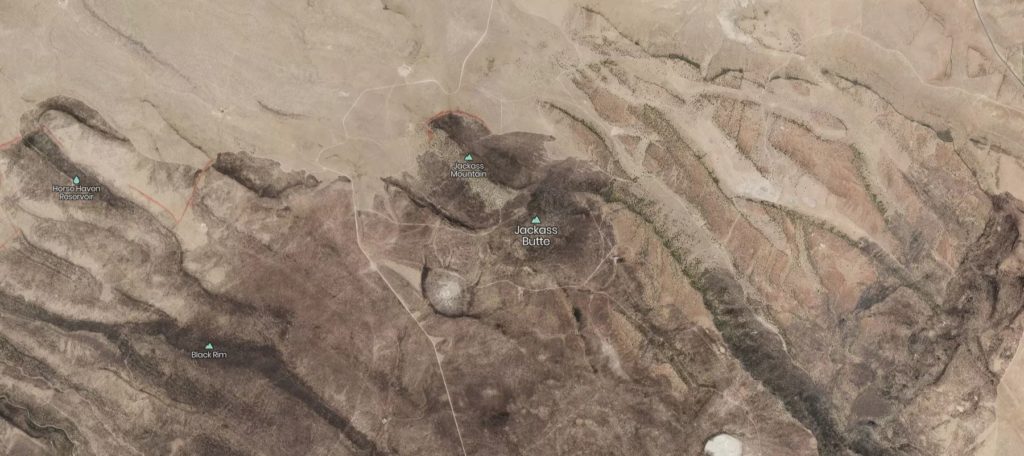
The latter sits next to Jackass Mountain as well as Jackass Creek, and although it may sound like a real idiot lived here (Idiotville, anyone?), the area actually has a pretty normal naming explanation. Many years ago in the early days of Oregon Country, mining prospectors allowed some of their donkeys to escape. These “Jacks” as they were called, formed a feral herd that ran through the area, sparking the moniker of Jackass still used today.
8. Jump-off Joe, Lincoln County
Prior to World War I, Jump-off Joe was a well-known sea stack tourist attraction not unlike Haystack Rock is today.
The formation of the nickname happened sometime before the 1880s when it was connected to the mainland at Nye Beach in Newport, Oregon. Beachgoers would literally have to climb up and jump over the side of it to get to the other end of the beach, hence how the sea stack received its name. In 1916 the arch collapsed due to natural erosion, and by 1990 it was completely gone..
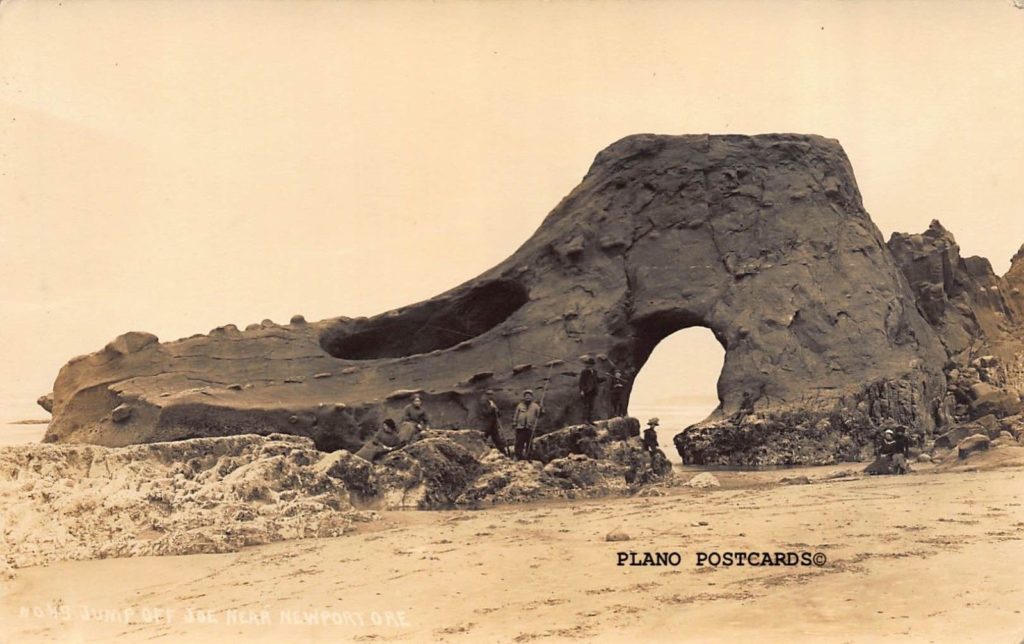
There’s another more morbid explanation though. According to Wikipedia, Dr. John McLoughlin’s son Joseph accidentally fell near the rock during a trapping expedition but managed to survive for nine more years before dying of his injuries. The rock was originally known as “The Jump-Off Where Joe Fell“, before being shortened to “Jump-Off Joe“.
Whatever the reason, the original sea stack is long gone, but the name remains.
9. Tom Dick & Harry Mountain, Clackamas County
Only Oregon could casually have a mountain named like the setup to a bad joke.
Located near Mount Hood, Tom Dick and Harry Mountain is a real two-mile-long volcanic peak with a real hiking trail and one of the most wonderfully ridiculous names in the Pacific Northwest.
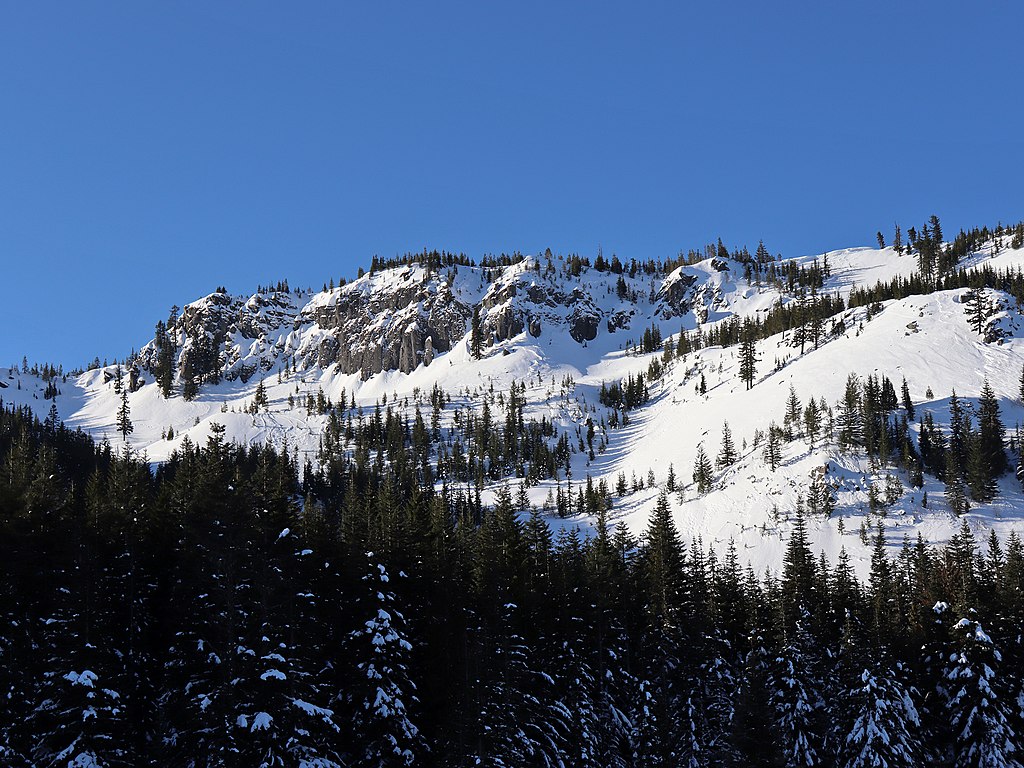
The spot was officially named in 1969 for it’s three distinct formations that are part of Skibowl. “Every Tom Dick & Harry” is an old term that originated around the year 1650 meaning everyone, as in “everybody and their grandma showed up to Multnomah Falls yesterday“.
10. Murder Creek, Linn County
Not to be confused with Murderers Creek in Grant County (which also has a seedy backstory), this waterway near Millersburg was originally called Baber Creek after a local homesteader. This all changed on February 8, 1862 when Andrew Pate shot George Lamb near its banks, and Pate was hanged at Albany on May 17, 1862.

From eyewitness L. C. Conser: “While in town…Pate learned that Lamb had on his person nearly $100, and he…followed him home. As Lamb reached Baber creek, Tate attacked and killed him“, Conser said, “and threw his body in Baber creek.” Tate was later captured, tried, and sentenced to be hanged. The hanging, which was a public affair, took place in an oak grove near the Masonic cemetery, Conser stated, and was witnessed by some four or five thousand persons. Conser said he was among the spectators at the hanging and was 13 years old at the time. “From the time the murdered man’s body was found lying in the creek“, Conser related, “the creek was known as Murder Creek.”
11. Axehandle, Jefferson County
Early Oregon settlers truly named places with absolutely zero concern for how unhinged they might sound 150 years later.
At one point the small community was called Axehandle, which already sounds like the kind of place you avoid in a horror movie. Eventually the name was changed to Donnybrook, a word that basically means a loud fight or brawl, and previously as Kilts, but the original name was Axehandle.
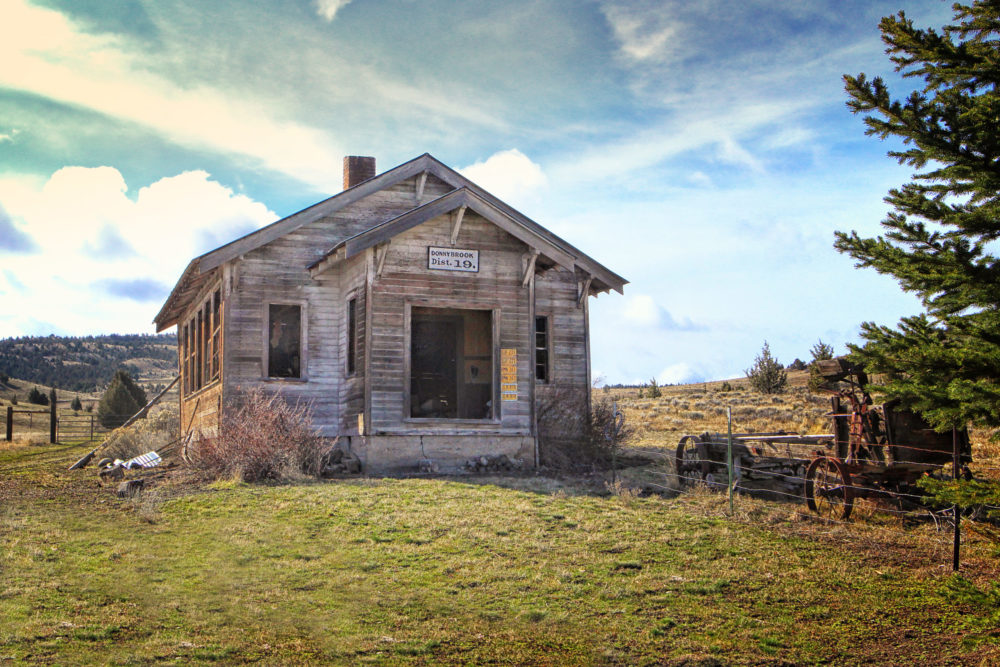
It was named for Axehandle Spring, which was given its name in the late 19th century by some wood haulers from Antelope who found a broken axehandle near a watering hole while working to bring wood from the Blue Mountains.
12. Scissorsville, Crook County
This old mining community has one of the most oddly specific names in the entire state, and yes, it absolutely sounds like the setting of a very low-budget Western where everyone settles arguments with gardening tools.
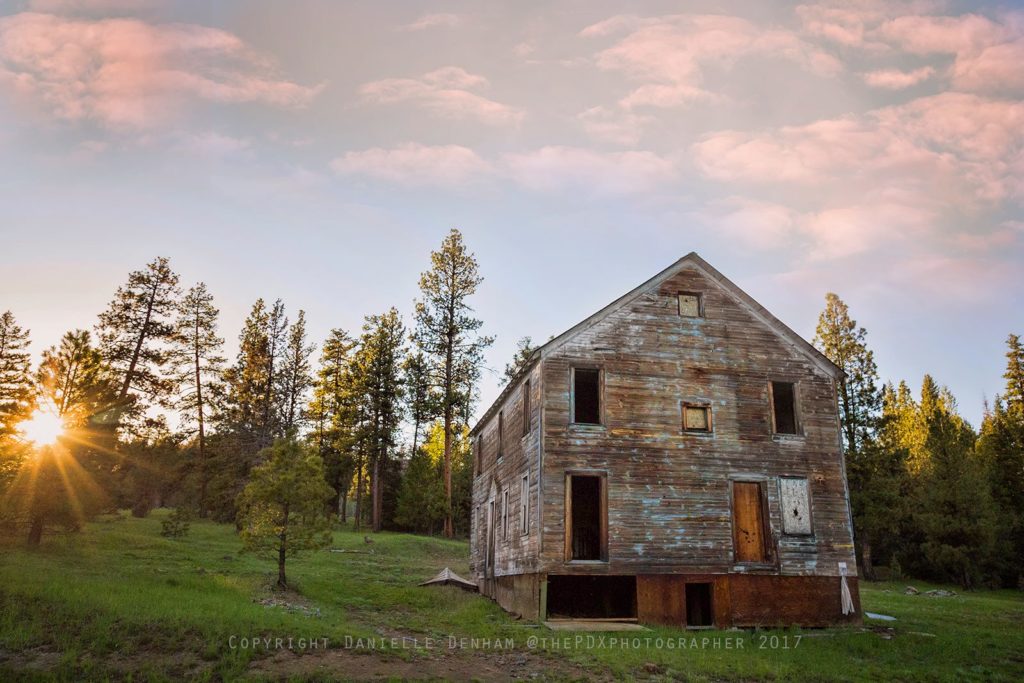
The exact reason for the name of Scissorsville is still somewhat shrouded in mystery. Located high in the Ochoco National Forest, the area has long been a mining locality, and Scissors Creek was named as early as 1889. Scissorsville was named for the creek, and today there are many remnants of the old mine camps in the hills nearby.
Like many historic Oregon settlements, Scissorsville faded with time, but the name lives on as proof that early pioneers apparently named places using whatever random word entered the conversation first.
“Beautiful valley here, Jeb.”
“Agreed, Cletus.”
“What should we call it?”
“…Scissors?”
Perfect. No notes.
13. Crapper, Hood River County
Crapper wasn’t so much of a locale as the name of a one-room schoolhouse in the Oak Grove area of Hood River County.
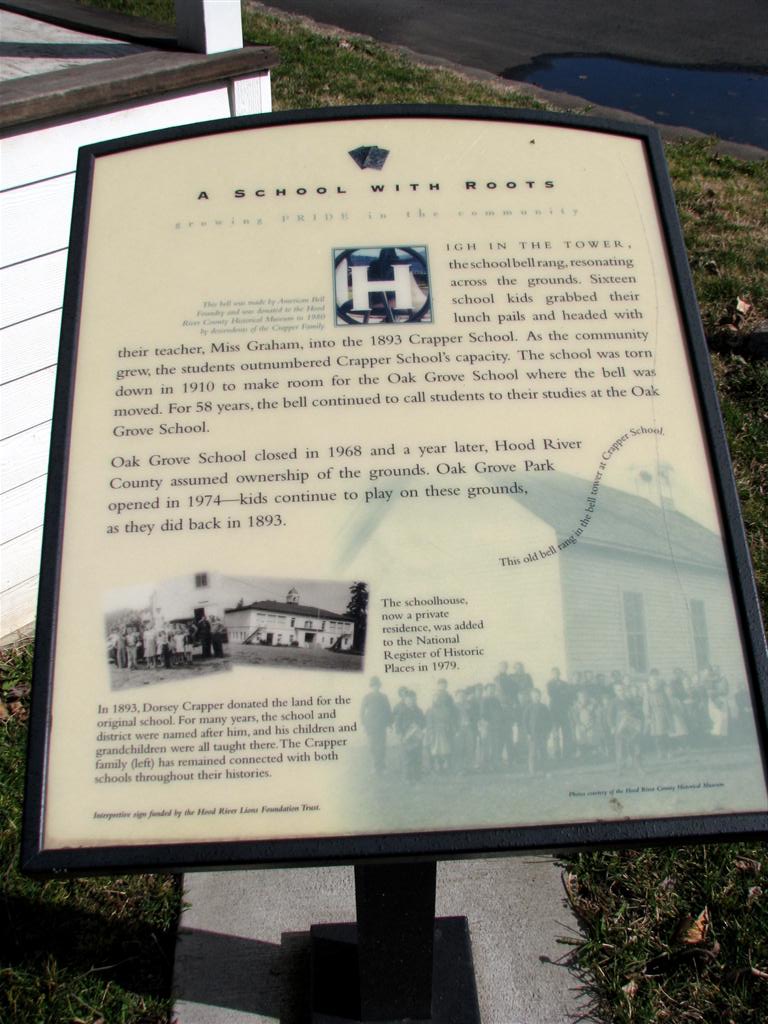
In 1893, the unfortunately-named Dorsey Crapper donated the land for the original Crapper School. For many years the school and the district were named after him, and his little Crapper children and grandchildren were all taught there. The building was short-lived and torn down in 1910 to make way for the much larger Oak Grove School building which still stands today, although you may see the original Crapper bell at the History Museum of Hood River County.
14. Yallerdog and Raw Dog, Morrow County
Before it became Hardman, this tiny eastern Oregon town reportedly went through two absolutely unbelievable names: Yellow Dog (colloquially “Yallerdog”) and Raw Dog.
Yes. Really.
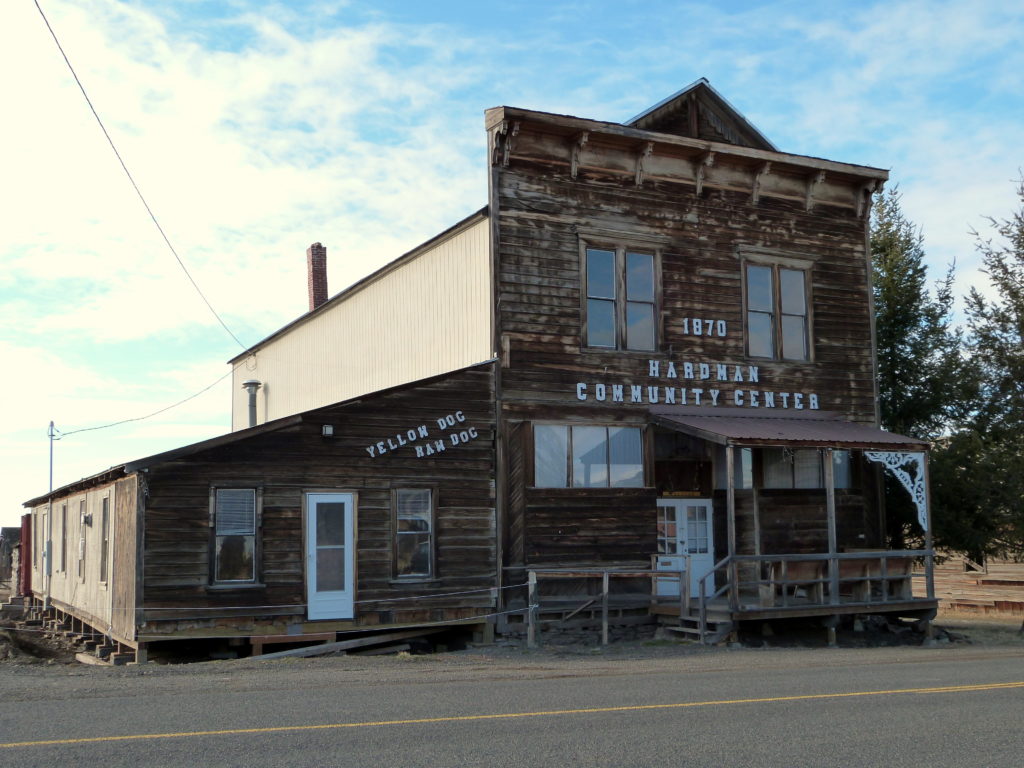
Hardman already sounds rugged enough, but its earlier nicknames feel less like official town names and more like something shouted during a poker game in an 1880s saloon.
The Ghost Town has a colorful naming history. It began as two settlements a mile apart from each other: Dairyville which locals referred to as “Rawdog”, and Adamsville, known to the locals as “Yallerdog”. Collectively the two towns came to be called “Dogtown”, but when David N. Hardman arrived in the area in 1878 he established a post office and the town of Hardman came to be. Today there are still a few year-round residents, giving Hardman an official population of 20.
15. Boo Boo Lake, Lane County
Boo Boo Lake might honestly have the most Oregon origin story imaginable, due to a major fish mishap.
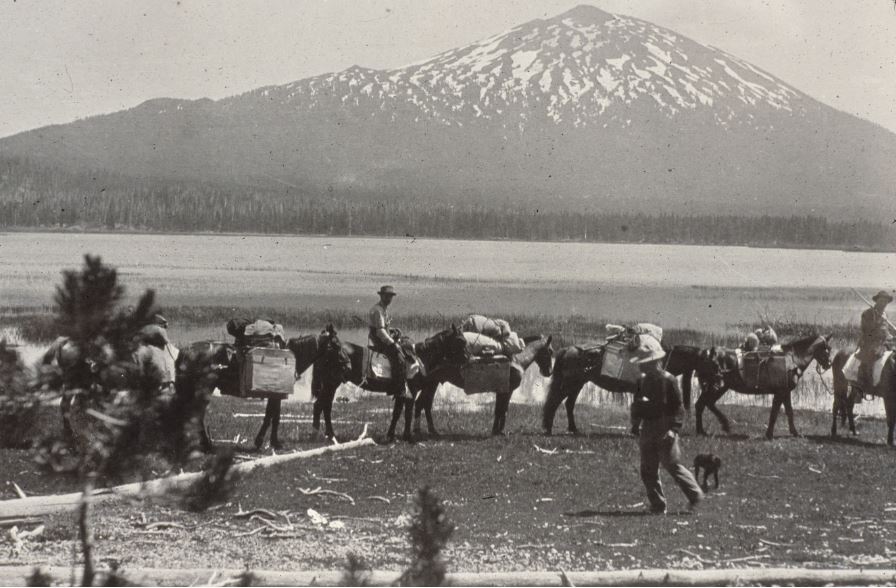
Located along an unnamed hiking trail, 3.5 km (2.3 mi) SSW of Fuji Mountain and 5.4 km (3.4 mi) W of Gold Lake, Boo Boo Lake reportedly got its name after a literal accident in the 1960s, when the small Cascade lake was mistakenly stocked with trout from an airplane. According to Oregon fish stocking lore, the pilots or fish crews realized they’d dumped fish into the wrong unnamed lake and referred to it as a “boo boo”, as in a big, fat oops.
16. Drain, Douglas County
Drain is another Oregon town similar to Boring in that it received its odd name from a family of local pioneers (which is an equally boring origin story).
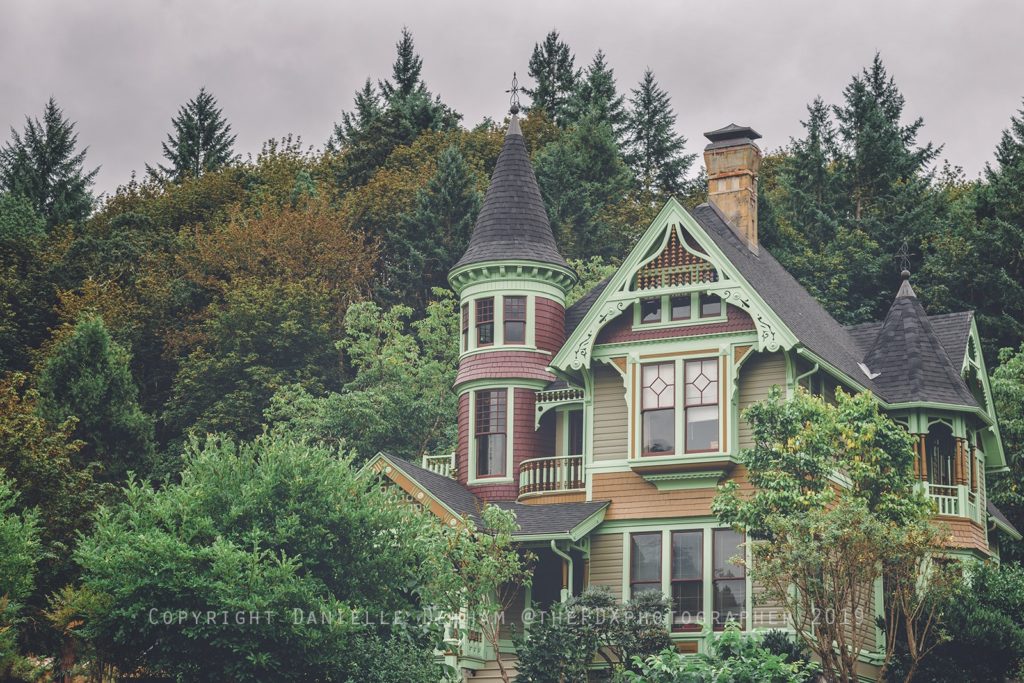
The first recorded settler in the area was Warren Goodell who arrived in 1847. He claimed the land, sold it to Jesse Applegate (of Applegate Trail fame), who in turn sold the land to Charles Drain in 1861. Charles, in turn, platted and founded the town and donated 60 acres of nearby land to the Oregon and California Railroad in 1871. From the end of World War II to the present time, Drain’s population has remained between 1,000 to 1,250, and the town motto is aptly “Gateway to the Pacific“.
17. Whorehouse Meadow, Harney County
Somewhere out in the wide-open emptiness of Eastern Oregon sits a place called Whorehouse Meadow, proving once again that early Oregon settlers absolutely refused to overthink anything.
The name leaves very little to the imagination.
Like many remote spots in the Old West, the meadow’s colorful title supposedly traces back to frontier-era camps, ranch traffic, miners, and the sort of…ahem… “hospitality services” that tended to appear wherever lonely cowboys with cash gathered for too long.
History was…direct back then.
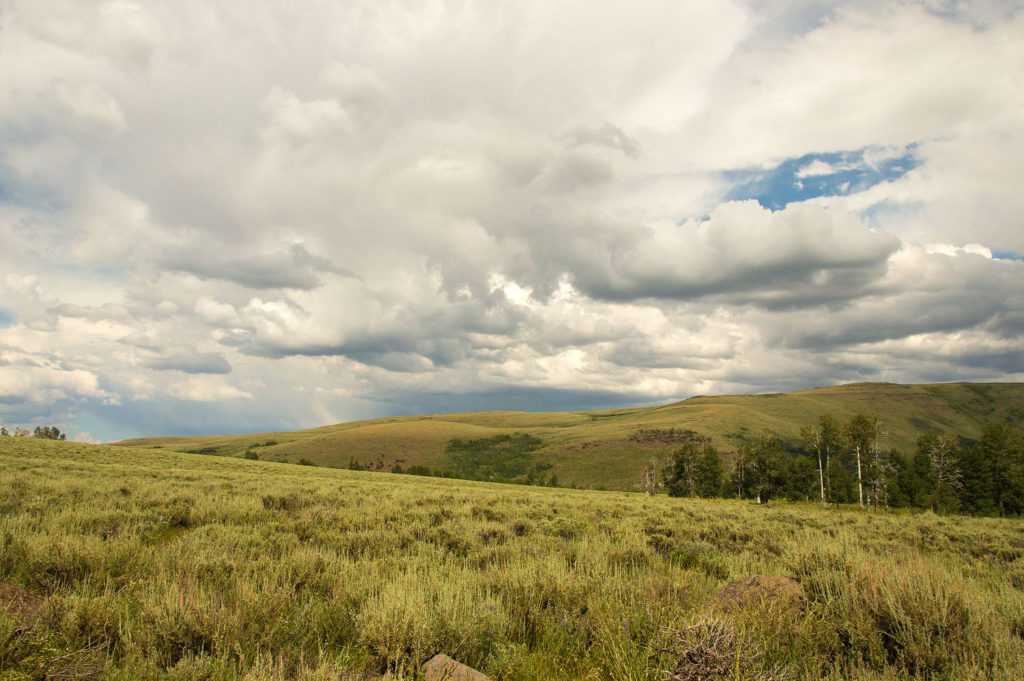
“Female Entrepreneurs” would set up shop in this meadow to cater to the romantic needs of nearby men tending cattle and sheep. According to Oregon Geographic Names, the Bureau of Land Management issued a recreation map of the area in the 1960s and “in deference to the moralists”, substituted a rather less objectionable name: “Naughty Girl Meadow.” Nobody wanted this, and the change was later reversed with the older more colorful name restored.
Because there’s simply no graceful way to casually say:
“Oh yeah, we passed through Whorehouse Meadow on the way to Burns.”
18. Needy, Clackamas County
The origin of Needy is somewhat of a depressing one, as pioneer settlers in the area fell on hard times.
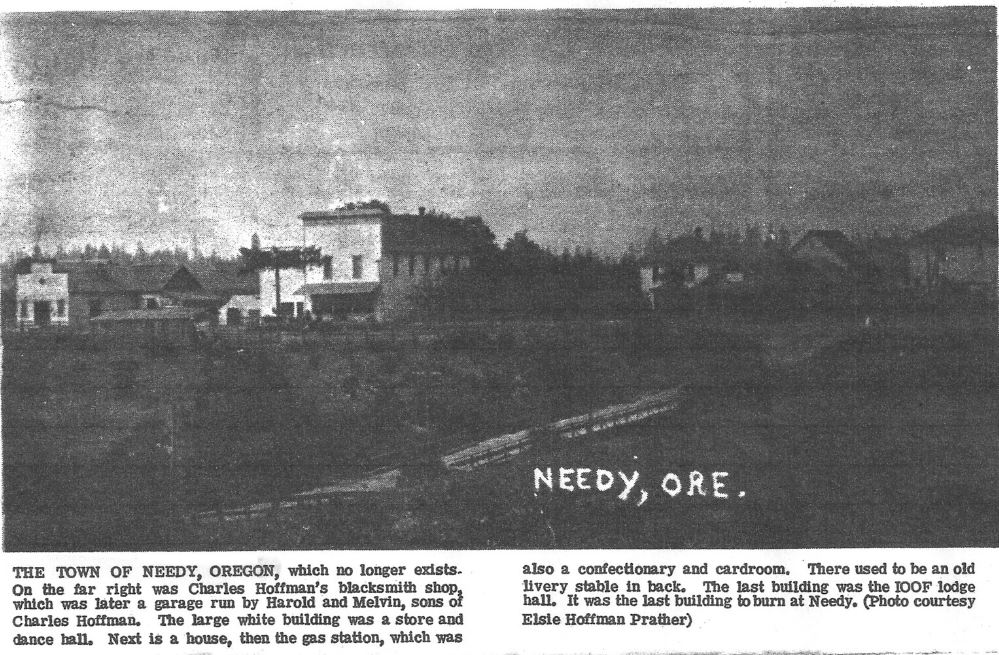
Previously known as Hardscrabble, the settlers lived in “unfortunate condition”, and thus the name Needy, coined by early settler James H. Brents, stuck. The post office closed on closed on September 19, 1903, and nothing remains of the townsite near Canby today.
19. Gouge Eye, Harney County
Before the tiny eastern Oregon community of Drewsey got its much calmer modern name, locals reportedly called the settlement “Gouge Eye.”
Which sounds less like a town and more like the final boss in an 1880s saloon fight.
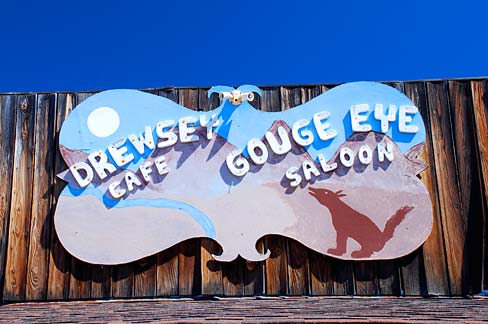
A man named Abner Robbins set up a store in this Harney County place in 1883 and called it Gouge Eye, apparently referring to a “frontier method of settling disputes” that had been used locally. Postal authorities weren’t really amused, so Robbins next tried the name “Drusy”, but the community later became Drewsey. It remains off of US Hwy. 20, about 45 miles east of Burns with a population of about 150.
Incedentally, there’s also a former Gouge Eye in Idaho, now known as Riggins which ALSO earned it’s name in the mid-1800s following a violent 1850s saloon brawl where a man’s eye was nearly gouged out over a woman.
Frontier life was rough.
20. Blitzen, Harney County
Harney County coming in with yet another weird name entry.
Blitzen is a ghost town in the Catlow Valley, and if you recall one of Santa’s reindeer being named Blitzen, you’d be correct.
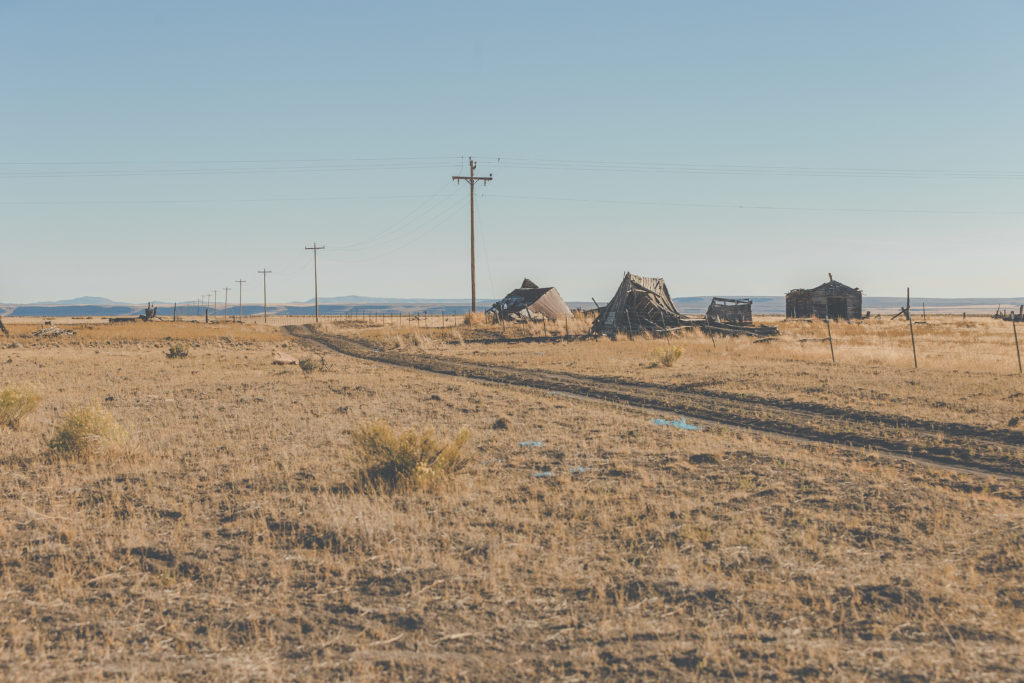
The Donner and Blitzen River (German for “Thunder and Lightning”) flows near here and was so named for a thunderstorm that German settlers experienced as they crossed the river. Blitzen thrived until 1924 when there were only three families left and continued to decline to the state it’s in today. The Roaring Springs Ranch currently owns the property, and many of the original old buildings have been torn down.
What Does It All Mean, Really?
At the end of the day, Oregon’s weird place names are more than just punchlines on a road sign. They’re little snapshots of frontier history, logging camps, gold rush towns, family feuds, pioneer humor, accidents, bad decisions, and the wonderfully unfiltered chaos that helped shape the state we know today.
Somewhere between Boring, Wanker’s Corner, Boo Boo Lake, and Whorehouse Meadow, you realize Oregon never tried very hard to be polished, and honestly, that’s exactly why people love it. Because in a world full of carefully branded places that all start to feel the same, Oregon still proudly has towns and landmarks that sound like they were named during a campfire argument after too much whiskey and not enough sleep. And somehow… that makes this state even more unforgettable.