
Spend enough time in Oregon and eventually the wolf debate finds its way into the conversation.
Maybe it starts around a campfire in Eastern Oregon. Maybe it shows up in the comments section online. Maybe it comes up after someone spots tracks near their property, or after another headline about livestock losses hits social media.
And lately, with Oregon’s wolf population continuing to grow, the debate feels louder than ever, despite the fact that Gray Wolves remain firmly protected in the western two-thirds of Oregon unted the federal Endangered Species Act.
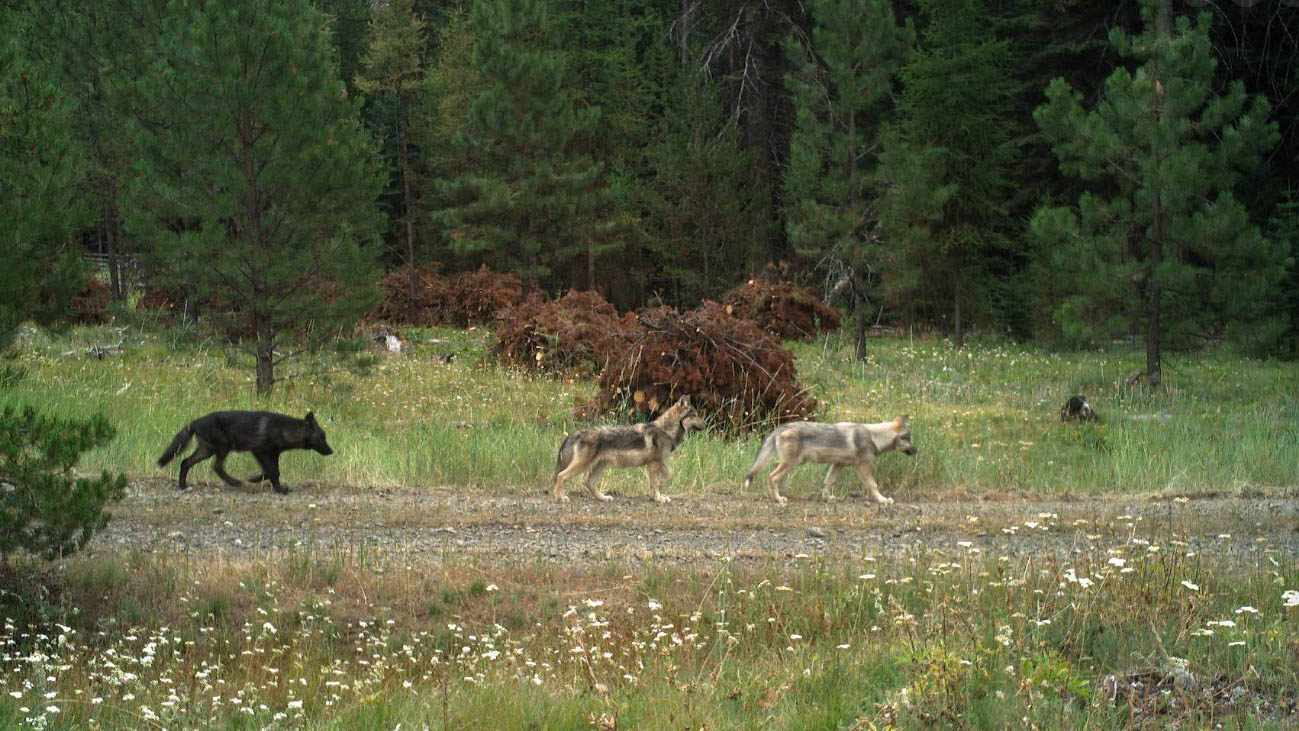
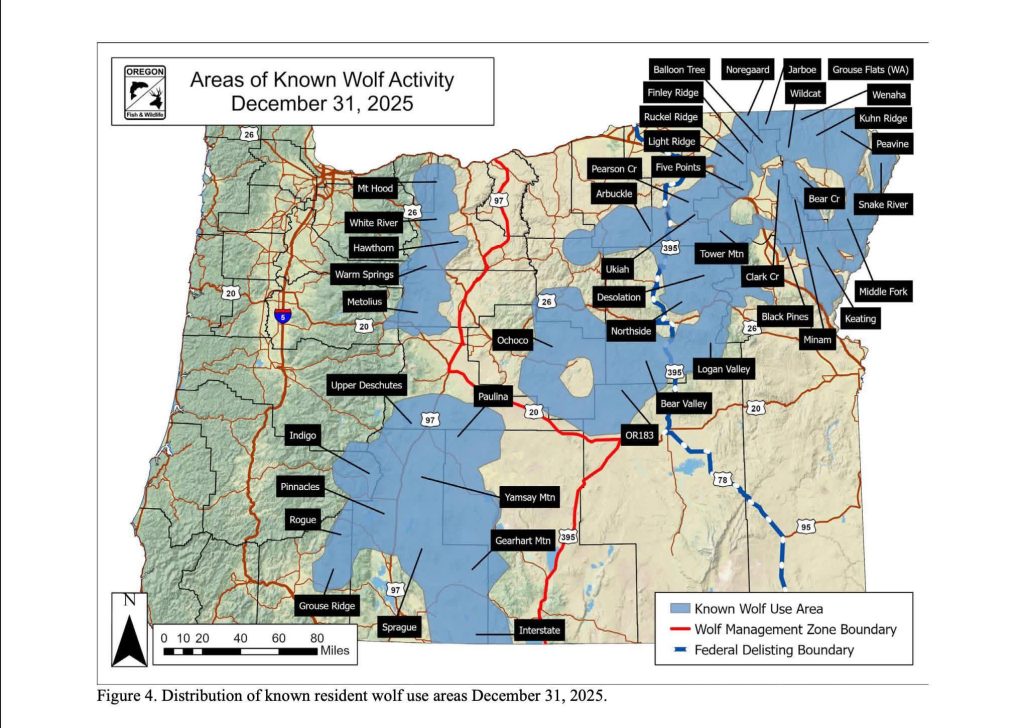
According to recent state data outlined in the 2025 Annual Wolf Report, Oregon now has around 230 known wolves living across the state. That number has steadily climbed over the years as packs (30 or more as of this writing) continue expanding into new territory, especially throughout Eastern Oregon.
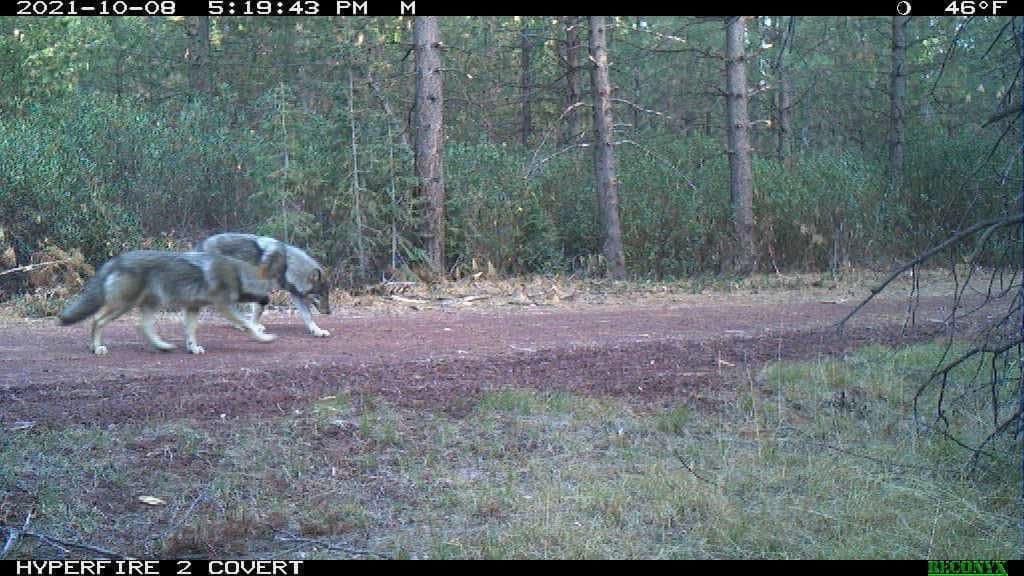
For some Oregonians, that’s a conservation success story decades in the making.
For others, especially ranchers and rural communities living closest to wolf territory, it’s a growing source of frustration and concern.
But underneath all the arguing online is one question that surprisingly still confuses a lot of people:
Were wolves actually native to Oregon in the first place?
The answer is yes.
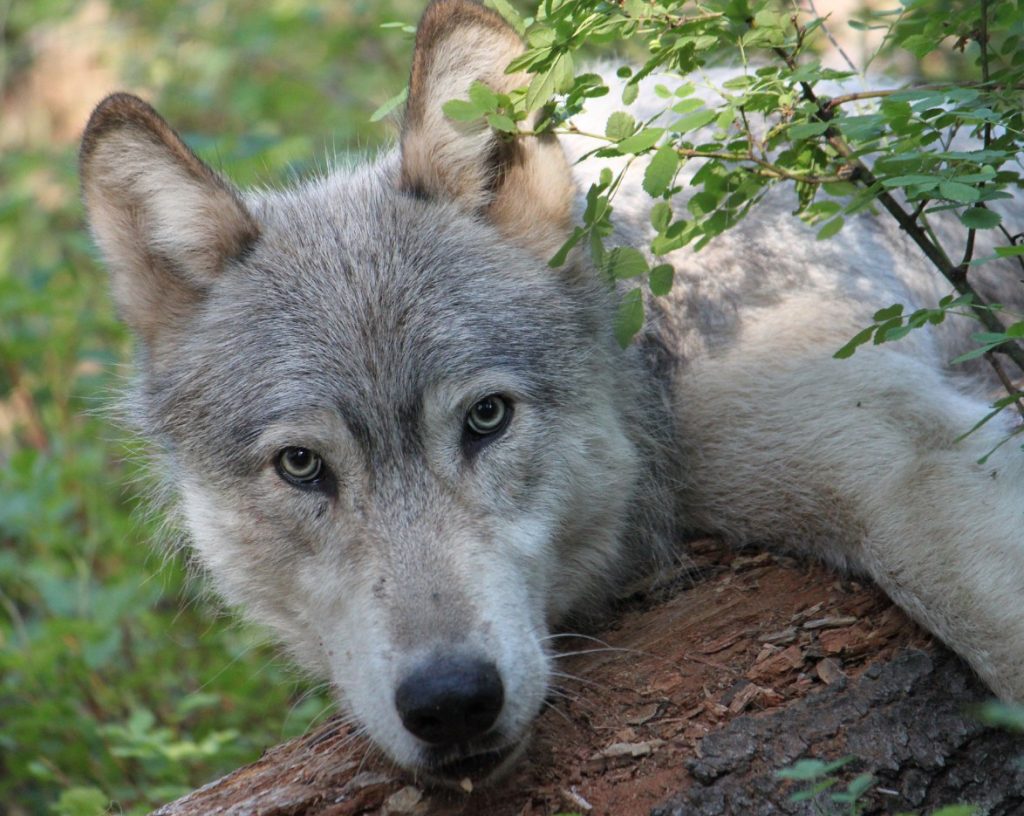
Long before Oregon became a state, gray wolves roamed huge portions of the Pacific Northwest. They lived throughout much of Oregon for thousands of years, moving across forests, mountains, high desert, and remote wilderness areas alongside elk, deer, and other prey.
In other words, wolves are not newcomers here.
They were part of Oregon’s ecosystem long before highways, fences, cattle ranches, or subdivisions existed.
So why did they disappear?
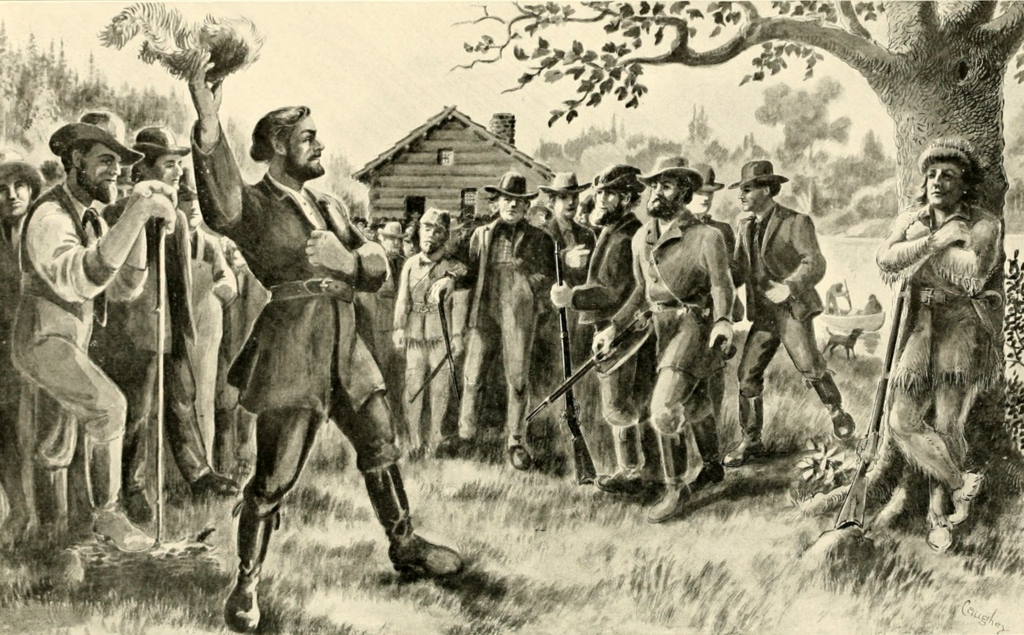
Like many predator species across the American West, wolves were aggressively hunted, trapped, and poisoned during the late 1800s and early 1900s. As ranching expanded across Oregon, wolves became viewed as threats to livestock and rural livelihoods. State and federal eradication programs pushed hard to eliminate them.
“Efforts to destroy the wolf in this country were instrumental in formation of the Oregon Territory,” wrote Stanley P. Young and Edward A. Goldman in their 1944 book, Wolves of North America. “The ‘wolf meetings’ of Oregon … drew pioneer leaders of the northwest together as did no other objective.”
In 1946 the last known Gray Wolf in Oregon was killed in the Umpqua National Forest. By 1947, wolves had effectively vanished from Oregon altogether, hunted, trapped and poisoned into extinction due to ongoing conflicts with livestock and government-backed predator eradication campaigns.
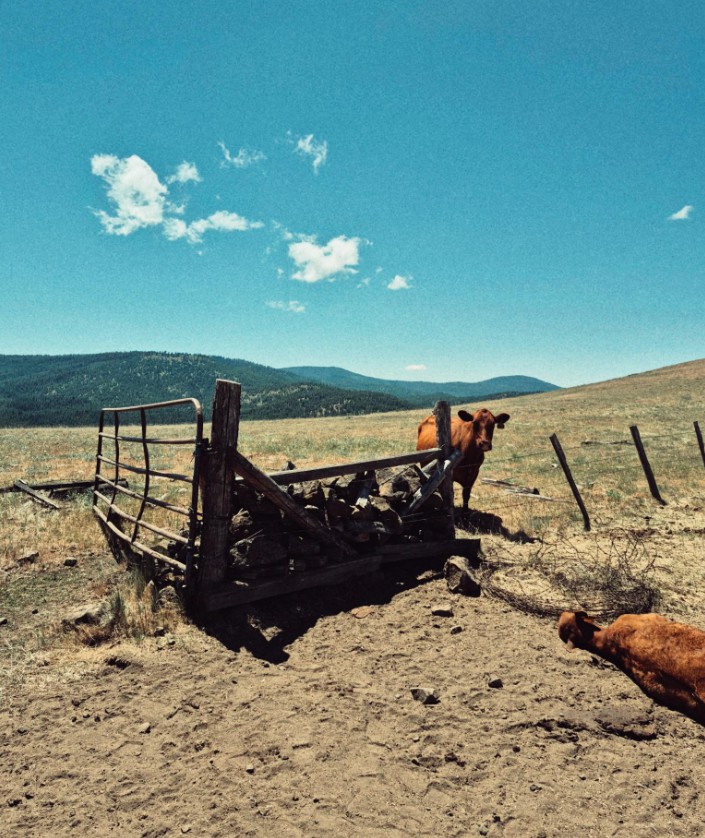
For decades afterward, most Oregonians never expected to see wild wolves here again.
Then something changed.
In the late 1990s and early 2000s, wolves from Idaho slowly began migrating westward into Oregon on their own. No trucks. No secret releases. No reintroduction program.
They simply came back.
One wolf in particular became famous across the country.
OR-7, nicknamed “Journey,” made headlines in 2011 after traveling from Northeast Oregon into California, becoming the first confirmed wild wolf there in nearly 100 years. He found a mate, fathered some pups, and disappeared (presumed dead) in 2020. For many wildlife advocates, OR-7 symbolized the natural return of an animal that once belonged here.
But not everyone saw it that way.
And frankly, that’s where this conversation gets complicated.

If you live in Portland, Eugene, Bend, or Salem, it’s easy to view wolves through the lens of conservation and wildlife recovery. Most people in urban Oregon will probably never lose livestock, deal with fencing damage, or wake up to predators circling a pasture.
For many rural families, though, wolves aren’t some abstract political issue.
They’re real.
Ranchers in parts of Eastern Oregon have reported livestock losses tied to wolves for years now. Some describe sleepless nights during calving season. Others say the stress wolves place on cattle can impact weight gain, feeding patterns, and herd behavior even when animals aren’t directly killed.
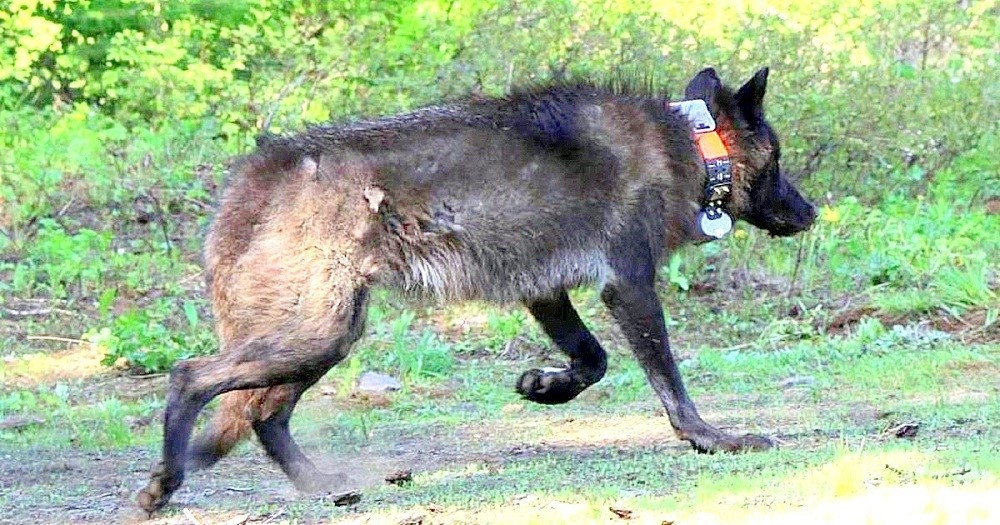
The body of a collared, GPS-tracked male wolf was recently discovered in Grant County, sparking the Oregon Department of Fish and Wildlife to step in and offer a reward for information leading to the arrest of the individual who shot the wolf.
Last year, federal employees killed two wolves in southern Oregon, allegedly mistaking them for coyotes.
The ODFW also makes yearly allowances for humanely culling certain wolves for repeated predation on livestock.
According to the organization, “A total of 26 wolf mortalities were documented during the [2024] year in the East Zone, including 22 that were human-caused. One dispersing wolf was killed in a motor vehicle collision on I-84. A total of 11 wolves were lawfully removed under ODFW authorizations to resolve chronic livestock depredation. Another three wolves were killed by livestock producers when they were “caught in the act” of chasing or attacking livestock.”
And for multi-generation ranching families already dealing with inflation, drought, rising fuel costs, and shrinking margins, the return of wolves can feel like yet another burden placed on rural Oregon by people living hours away.
That frustration is real whether people online want to acknowledge it or not.
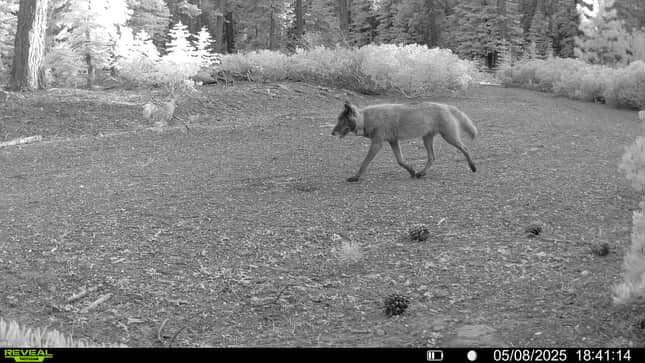
At the same time, conservation groups argue wolves play an important ecological role and deserve protection after humans wiped them out from the landscape in the first place.
Supporters point to studies suggesting wolves can help balance ecosystems by influencing deer and elk movement patterns. Others simply believe native wildlife belongs in Oregon, even when coexistence is difficult.
There’s also another reality many Oregonians may not realize:
230 wolves may sound like a massive number, but Oregon is a very large state.
Wolves remain absent from huge portions of Oregon, especially west of the Cascades where sightings are still relatively rare. Most packs remain concentrated in northeastern parts of the state.
State wildlife officials also emphasize that annual wolf counts are considered minimum estimates, meaning the actual population could be somewhat higher.
Still, compared to historic wolf numbers across the West, Oregon’s current population remains relatively small.
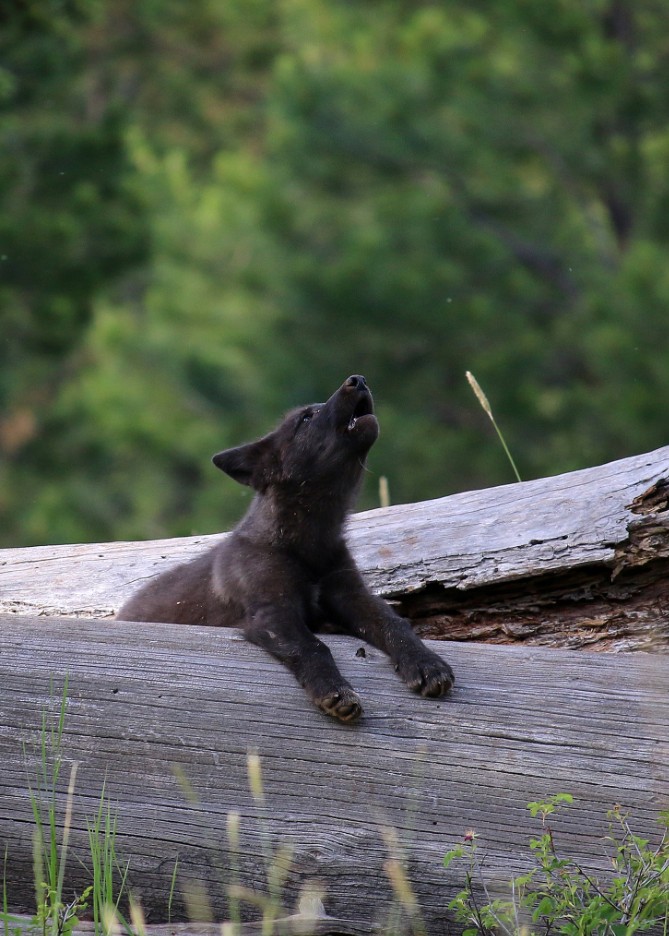
That hasn’t stopped the political tension surrounding the issue.
Few wildlife topics in Oregon divide people faster.
Some see wolves as a symbol of wilderness returning to the state.
Others see government policies protecting predators while rural communities shoulder the consequences.
And then there are plenty of Oregonians stuck somewhere in the middle, people who believe wolves belong here, but also believe ranchers deserve more support and realistic solutions.
Because the truth is, both sides of this argument usually leave something out.
Conservation advocates sometimes underestimate the very real impact wolves can have on ranching operations.
Meanwhile, some anti-wolf rhetoric online paints wolves as unstoppable killing machines ready to wipe out entire communities, which simply doesn’t match reality either.
One part of Oregon’s wolf debate that confuses a lot of people is this:
How can wolves be protected under endangered species laws while the state still sometimes kills them?
At first glance, it sounds completely contradictory.
But Oregon’s wolf management system operates in a strange middle ground between conservation and conflict control.
Illegal poaching of wolves remains a serious crime in Oregon, and authorities have investigated multiple cases over the years involving wolves being shot or poisoned without authorization. In some cases, rewards have even been offered for information leading to arrests.
At the same time, the Oregon Department of Fish and Wildlife can legally authorize the killing of certain wolves under tightly controlled circumstances, usually after repeated livestock attacks and failed nonlethal deterrence efforts.
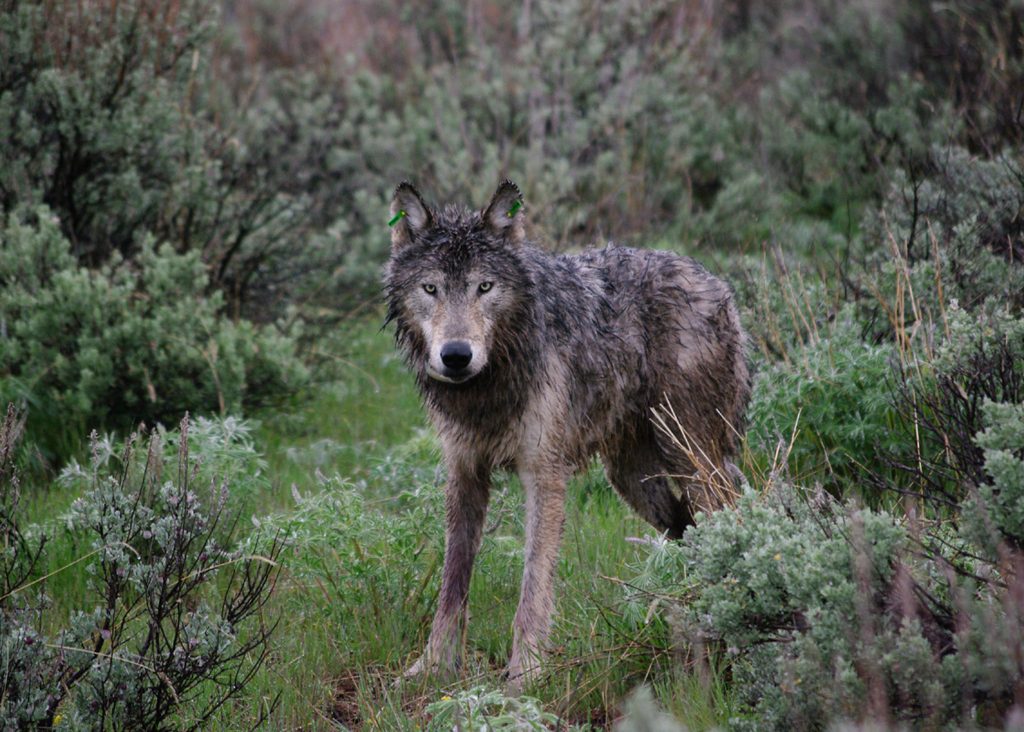
That means the legal difference often comes down to who is killing the wolf, why they are doing it, and whether the action was authorized under state or federal management plans.
To many Oregonians, the situation feels inconsistent. Some ranchers believe protections still favor wolves too heavily, while some conservation groups argue the state removes wolves too aggressively.
And that tension highlights the larger challenge Oregon continues to face: trying to protect a native predator while also managing the very real conflicts that come with its return.
The conversation gets emotional fast because it taps into something deeper than wildlife management.
It’s about what Oregon is becoming.
Who gets heard.
Whose lifestyle matters most.
And what happens when two very different versions of Oregon collide in the same landscape.
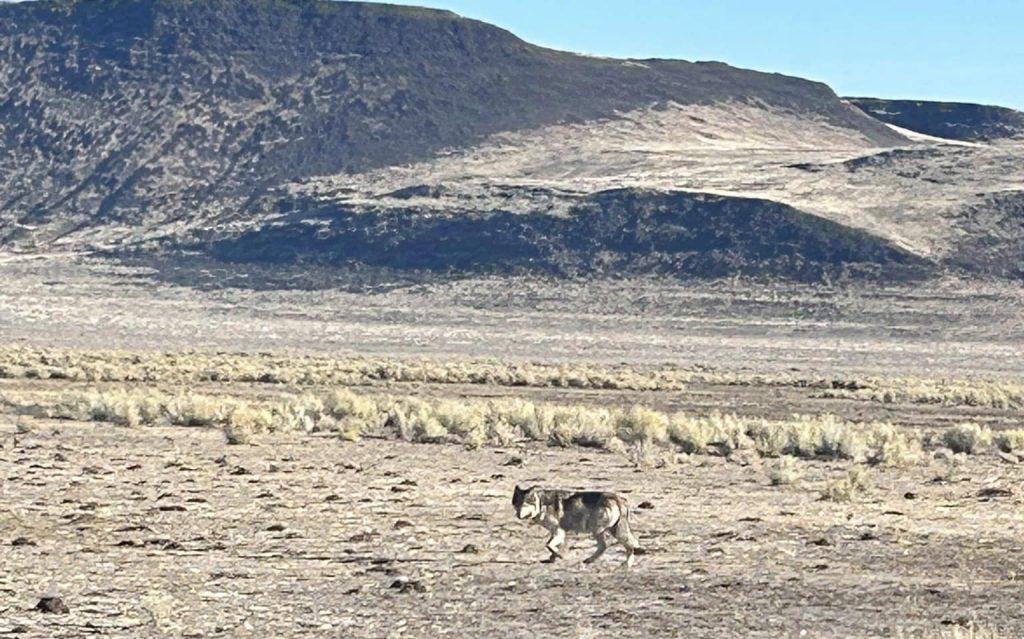
Meanwhile, the wolves keep moving.
Quietly crossing forests, mountains, ranchlands, and remote stretches of the state many people will never even visit.
Whether people love that fact or hate it, one thing is undeniable:
Wolves were here long before us.
And it looks like they’re here to stay.
FAQ About Gray Wolves In Oregon
Are wolves native to Oregon?
Yes. Gray wolves historically lived throughout much of Oregon before being exterminated in the early-to-mid 1900s through hunting, trapping, and poisoning campaigns.
How many wolves are currently in Oregon?
Recent estimates place Oregon’s known wolf population at around 230 individual wolves statewide, though actual numbers may be somewhat higher.
Were wolves reintroduced into Oregon?
No. Wolves naturally migrated into Oregon from Idaho beginning in the late 1990s and early 2000s.
Where are most wolves located in Oregon?
Most wolf packs are currently concentrated in northeastern and eastern Oregon, though some wolves have been documented in southern Oregon and parts west of the Cascades.
Do wolves attack humans in Oregon?
Wild wolf attacks on humans are extremely rare. Most concerns in Oregon involve livestock depredation rather than direct threats to people.
Why are wolves controversial in Oregon?
The issue often centers around balancing wildlife conservation with the economic realities faced by ranchers and rural communities affected by wolf activity.