
Few photographers captured the raw emotion of the Great Depression quite like Dorothea Lange. Armed with a camera and an unshakable sense of compassion, Lange traveled across the American West documenting the lives of struggling families during one of the hardest chapters in American history. While many remember her iconic images from California’s Dust Bowl migrant camps, Oregon also became part of her powerful visual record. Through her lens, the state’s logging towns, migrant camps, farms, and weathered rural communities were frozen in time, revealing an Oregon far removed from the postcard beauty we often picture today.
“The camera is an instrument that teaches people how to see without a camera.” –Dorothea Lange
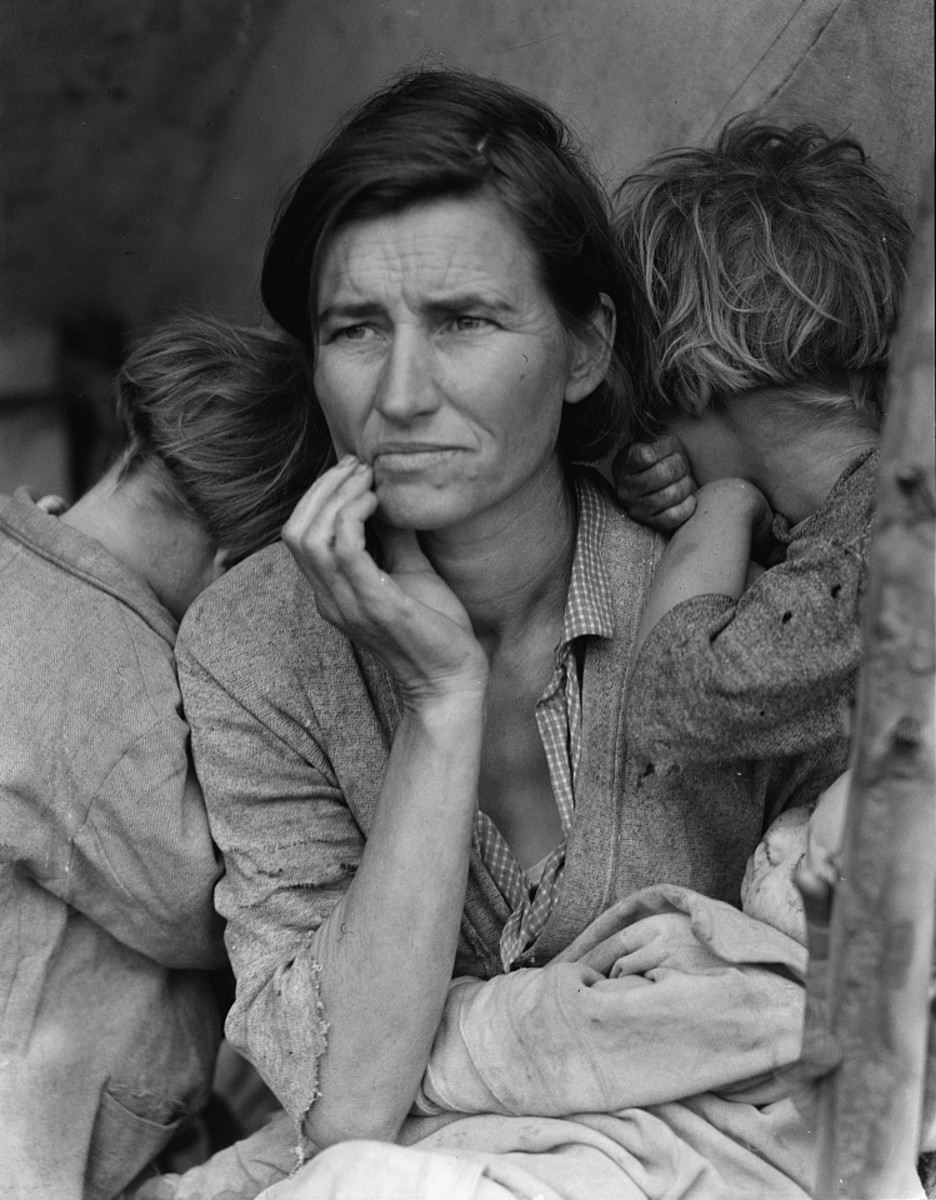
Many of the Oregon communities Lange photographed were deeply tied to industries that would later shape the identity of the Pacific Northwest. Logging camps, railroad towns, farms, and fishing communities all appear throughout her work. Looking at these photographs today offers a rare glimpse into everyday Oregon life nearly a century ago. Dirt roads, hand-built homes, worn work clothes, and simple storefronts remind us how dramatically the state has changed, while also highlighting how deeply Oregonians have always depended on grit and community during difficult times.
The official That Oregon Life store
The Oregon you bring home.
Start the day with Oregon-roasted coffee, then find original gear inspired by the places, stories, and oddities that make this state ours.
Shop Oregon gear

Lange’s Time In Oregon
From 1935-1944, the US government sent photographers out on a mission. Raise funding for the Farm Security Administration’s programs to benefit farmworker families displaced by the Great Depression. 170,000 images were made during those years, among them, Lange’s more than 500 late summer and early fall photographs of the people and rural environment of the Columbia Basin, Willamette Valley, Rogue River Valley, Klamath Basin, and Malheur County. The following images are, in my humble opinion, some of the best. Quotes are verbatim her original field notes.
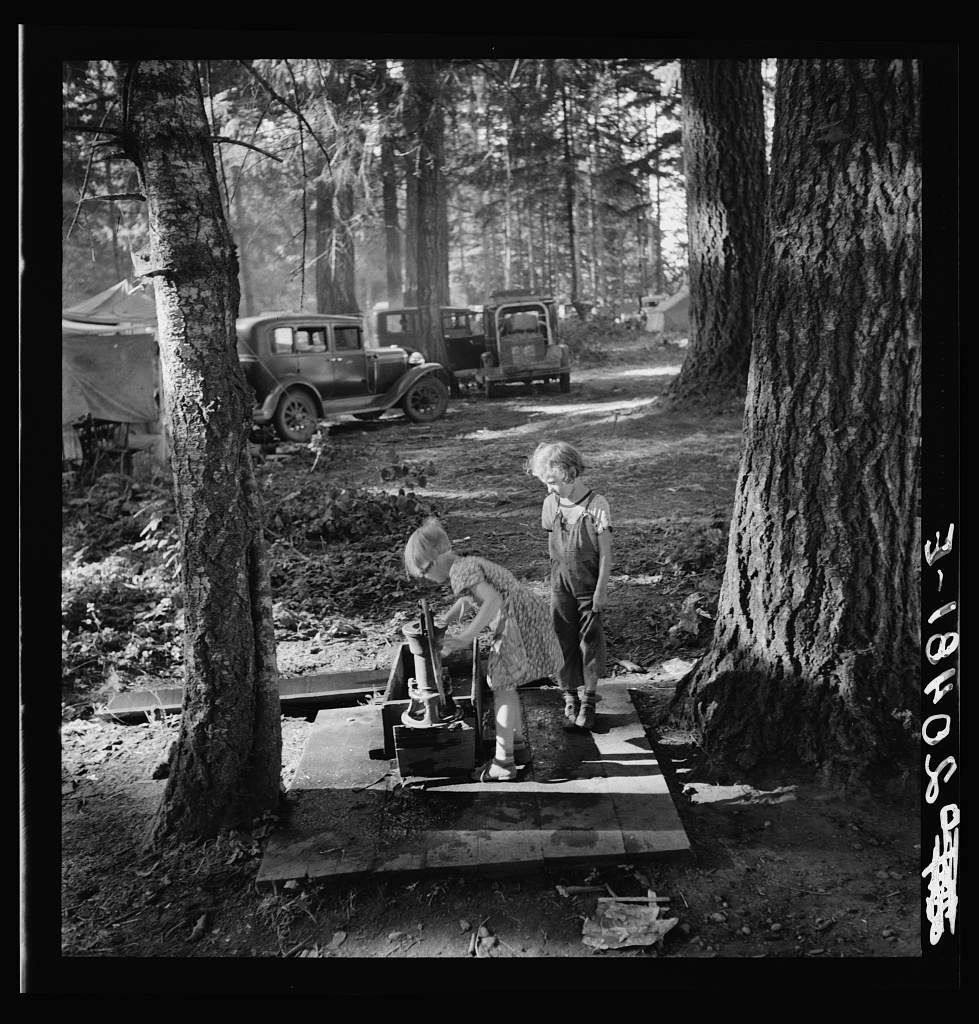
1. “Oregon, Marion County, near West Stayton. Children in large private bean pickers camp. Pickers came from many states, from Oklahoma to North Dakota.“
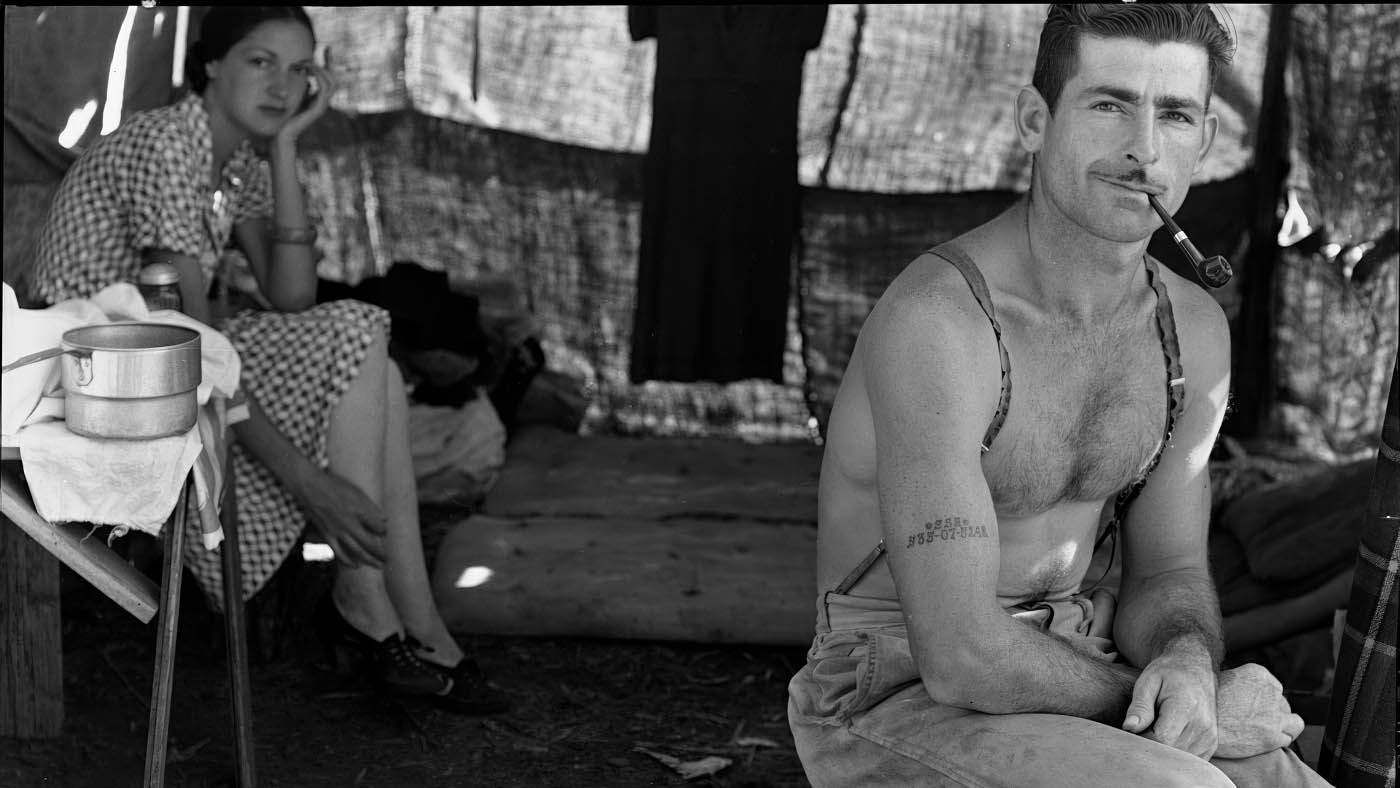
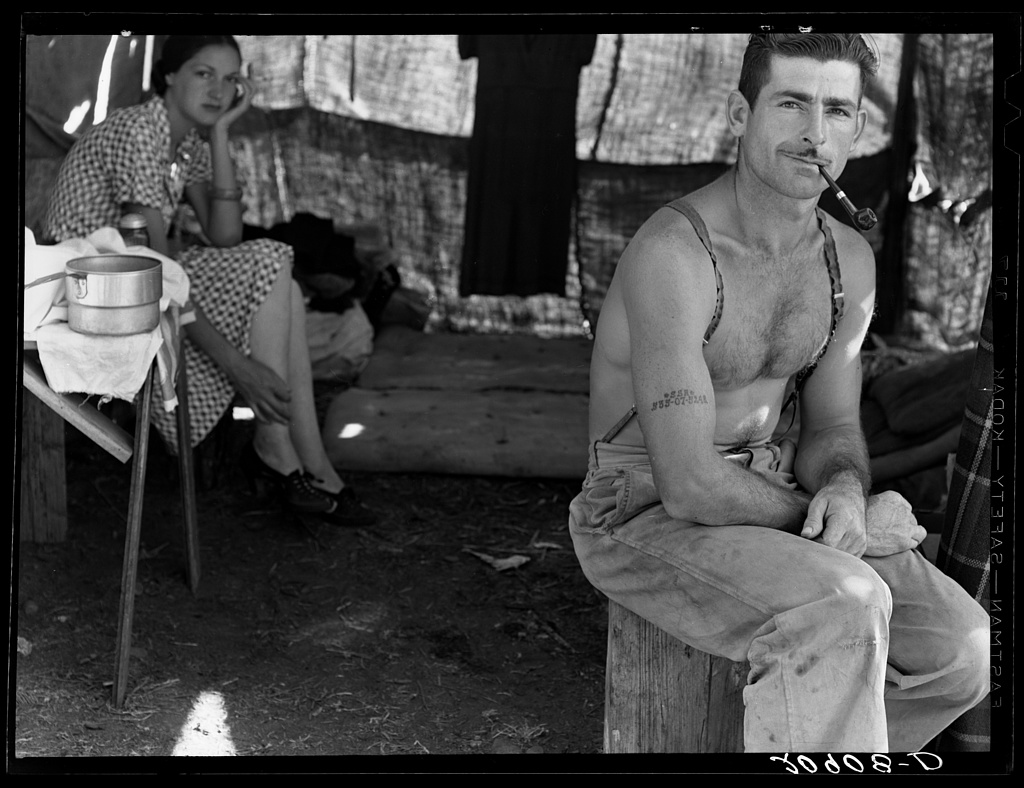
2. “Unemployed lumber worker goes with his wife to the bean harvest. Note social security number tattooed on his arm.”
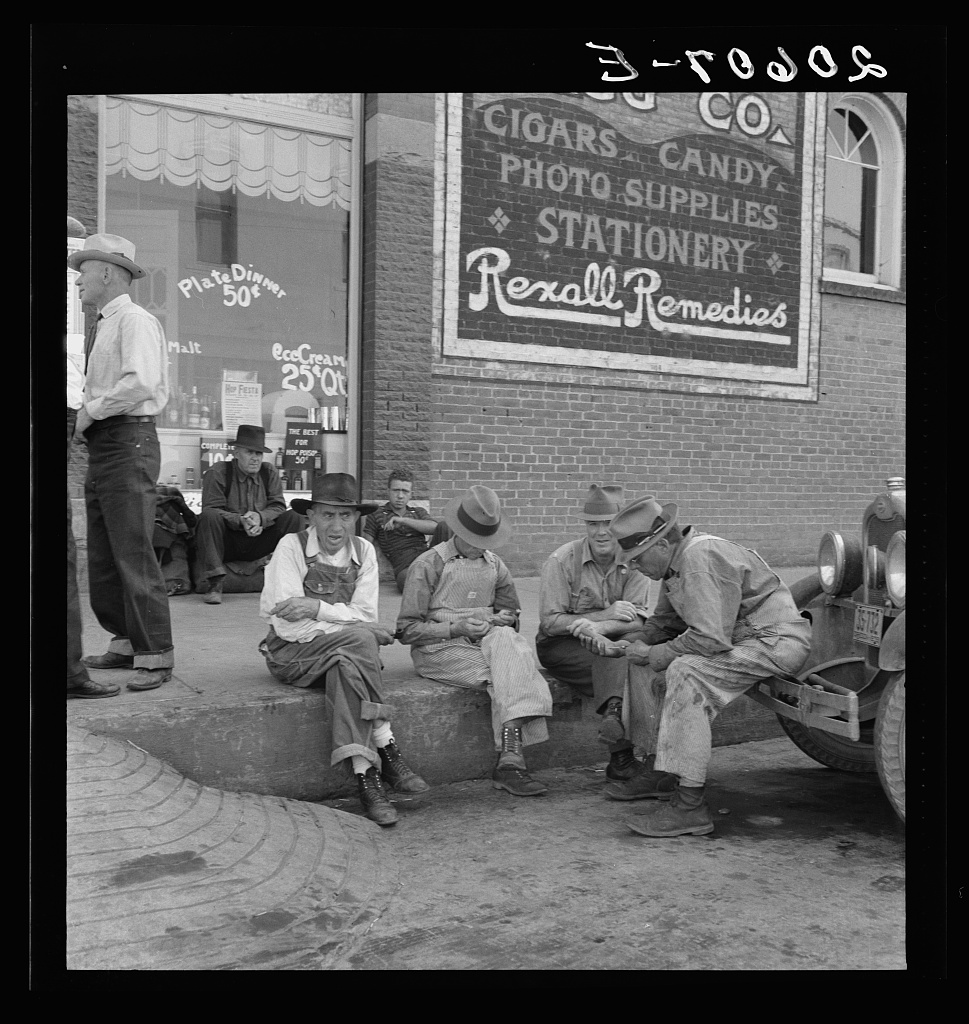
3. “Williamette Valley hop farmers in town hold their political forum on drug store corner. Independence, Oregon.”
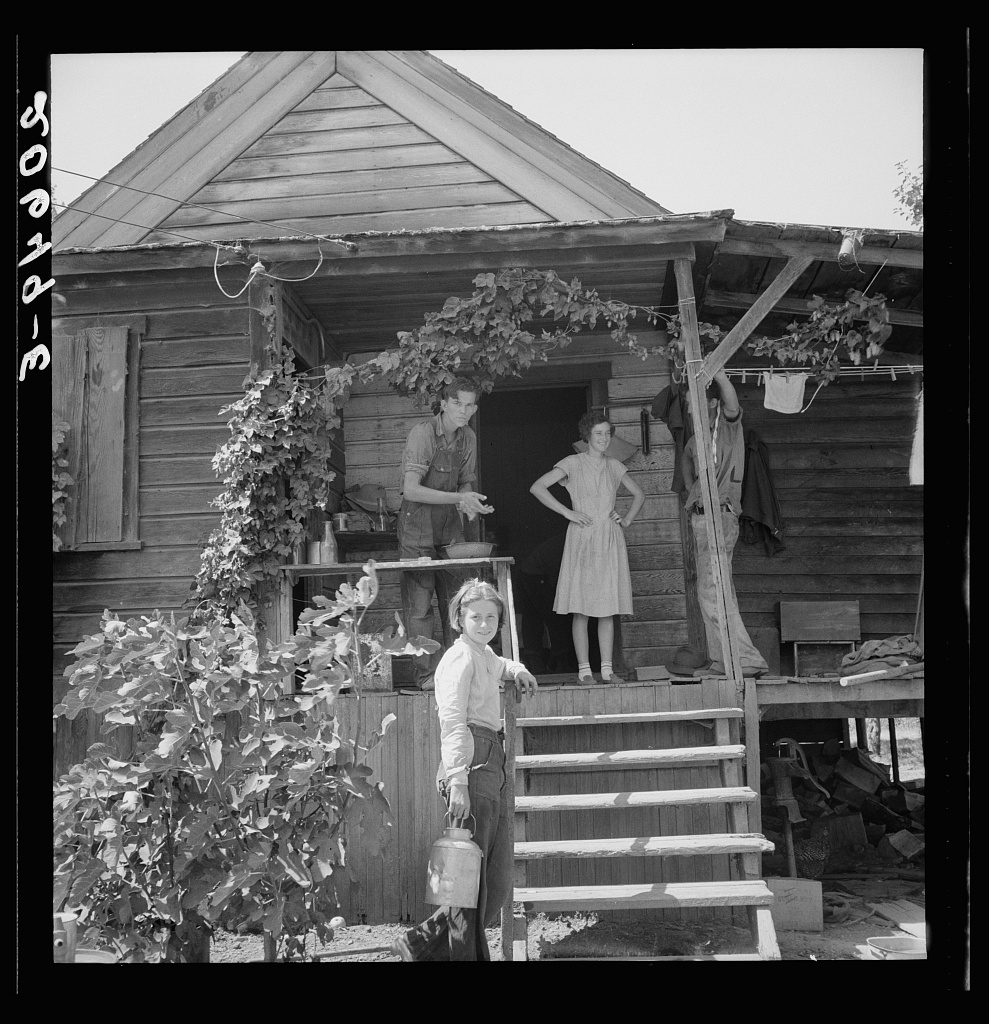
4. “Hop farmer’s children, small owner, and backyard of house. Oregon, Polk County, near Independence.”
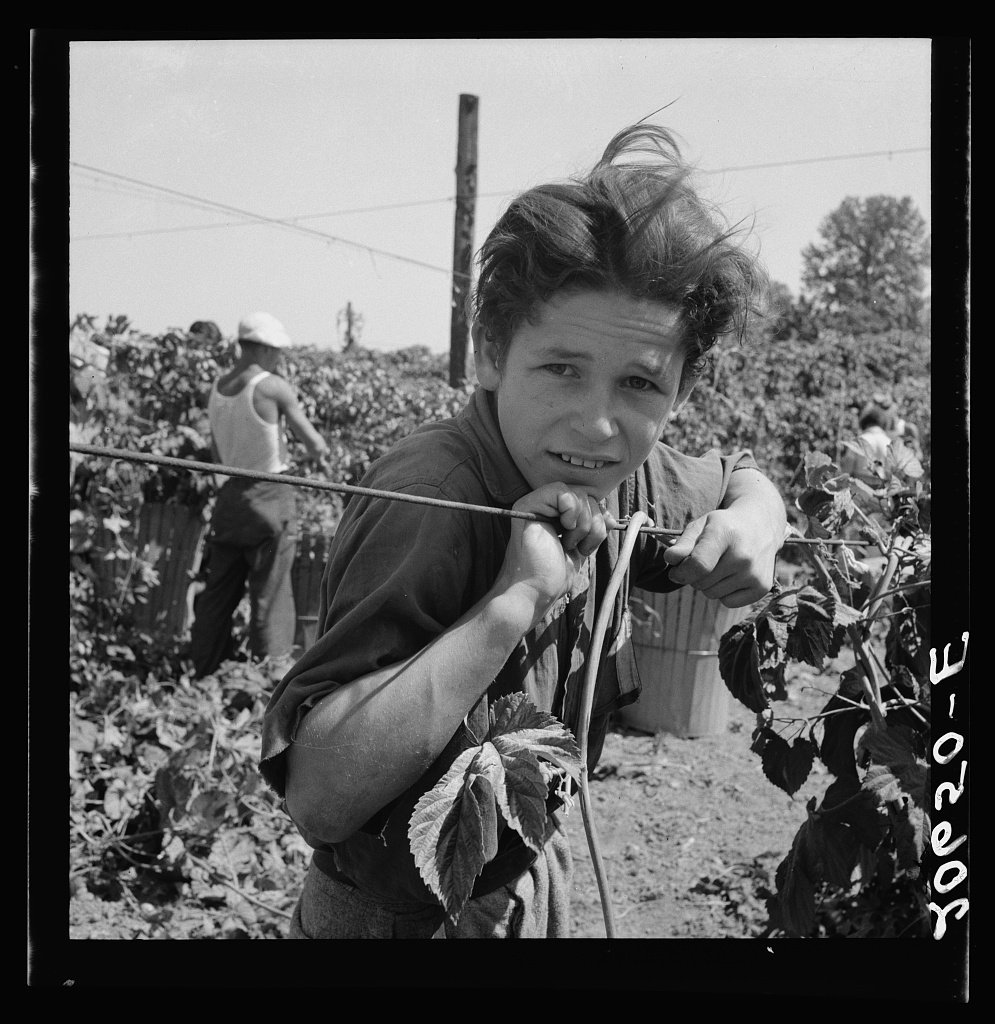
5. “Migratory boy, aged eleven, and his grandmother work side by side picking hops. Started work at five a.m. Photograph made at noon. Temperature 105 degrees. Oregon, Polk County, near Independence.”
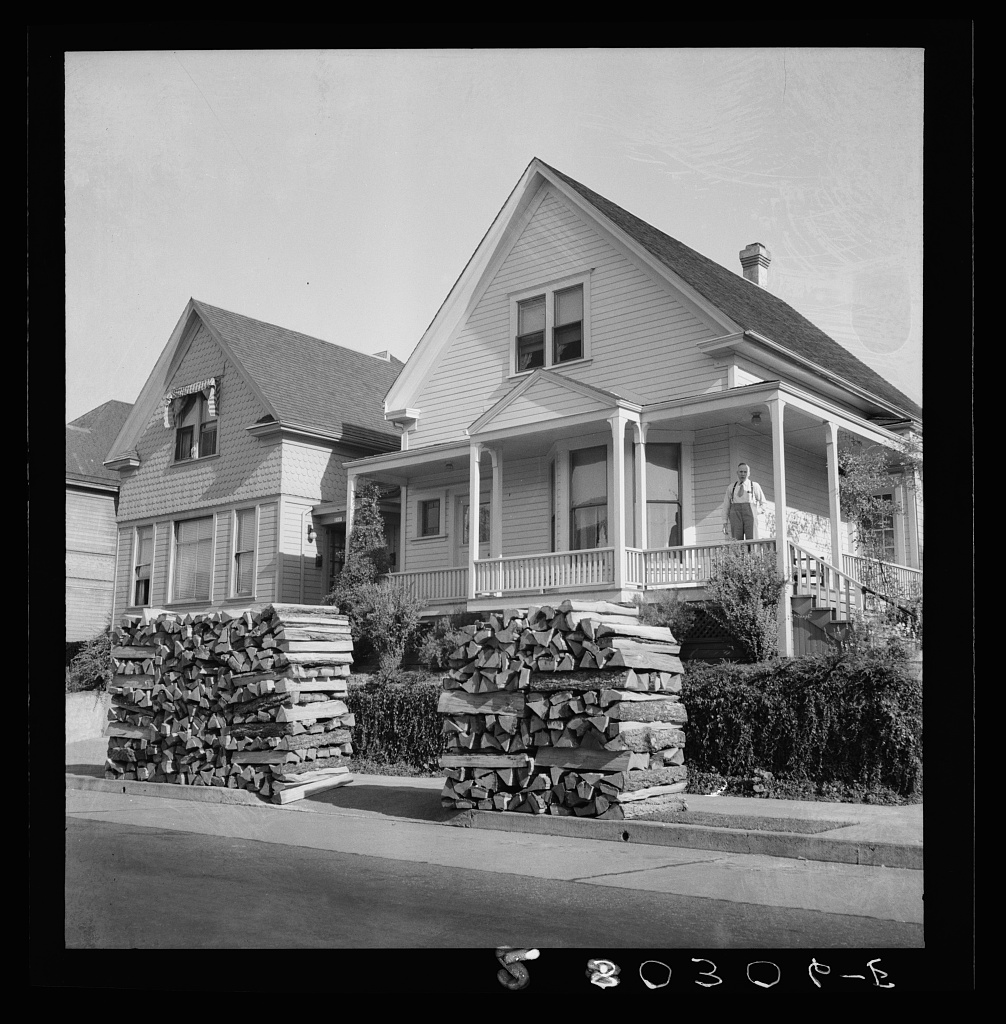
6. “Woodpiles along the street are a characteristic of Portland, Oregon. Costs five dollars and fifty cents per cord, and must be hauled thirty-five miles. (Shows homeowner on porch.) Portland, Oregon.”
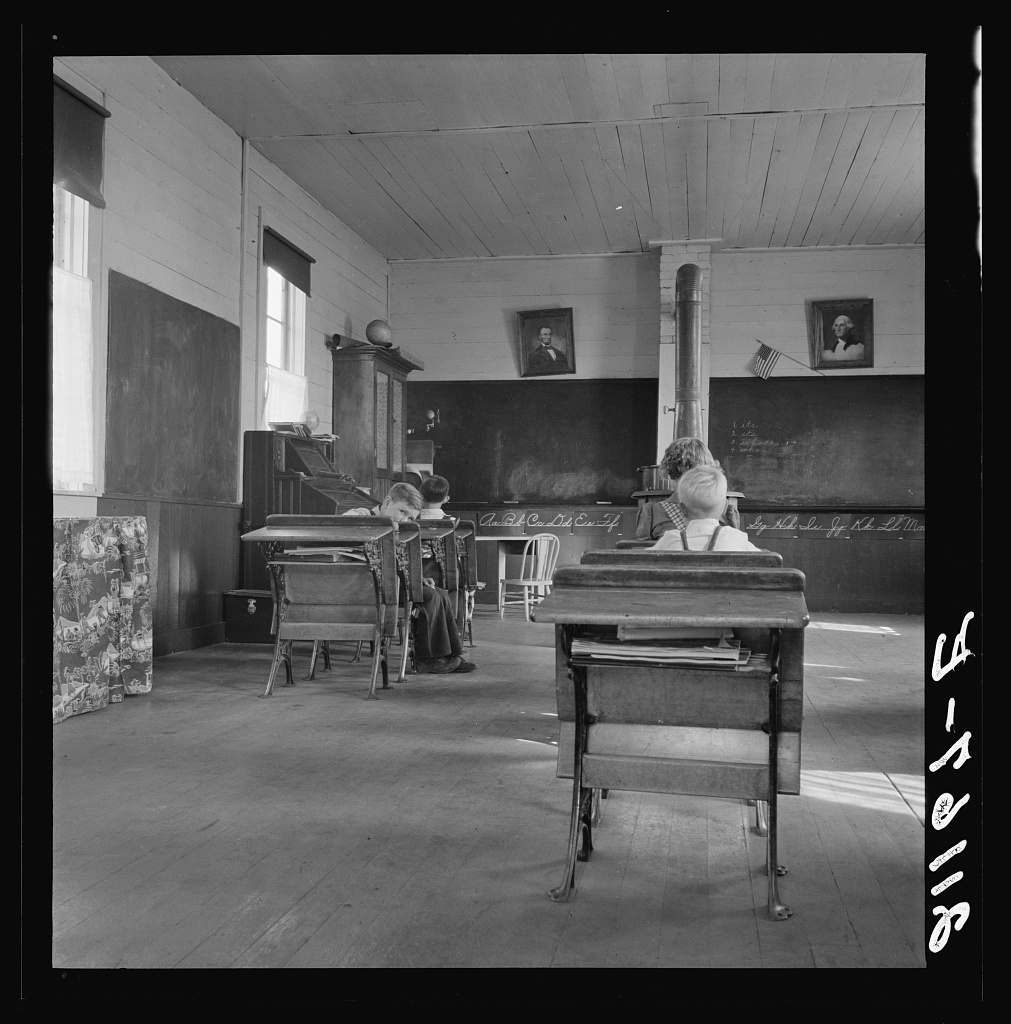
7. “9:00 a.m. Four pupils attend this day, of the seven who are enrolled at the eastern Oregon county school. Between Pleasant Valley and Durkee, Baker County, Oregon.”
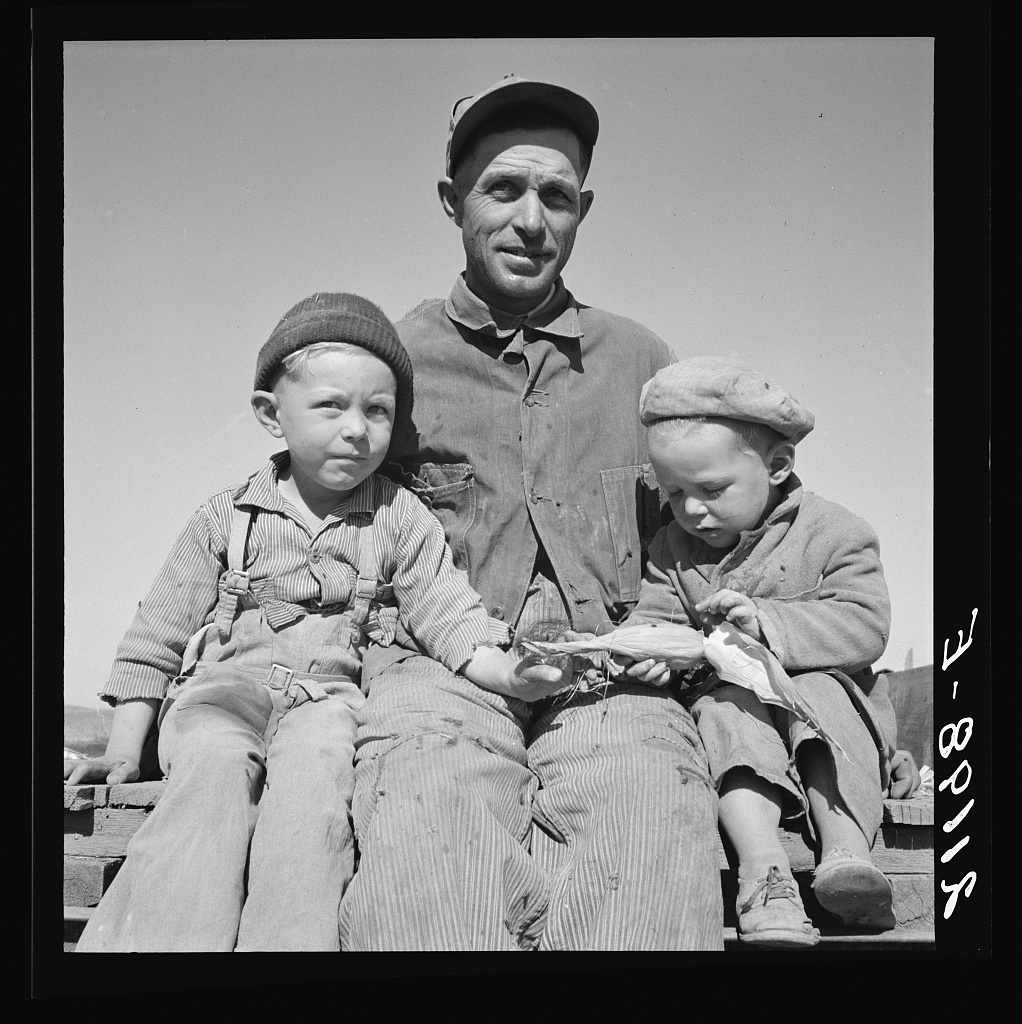
8. “Franklin Schroeder, from South Dakota, and his two older boys. Dead Ox Flat, Malheur County, Oregon.”
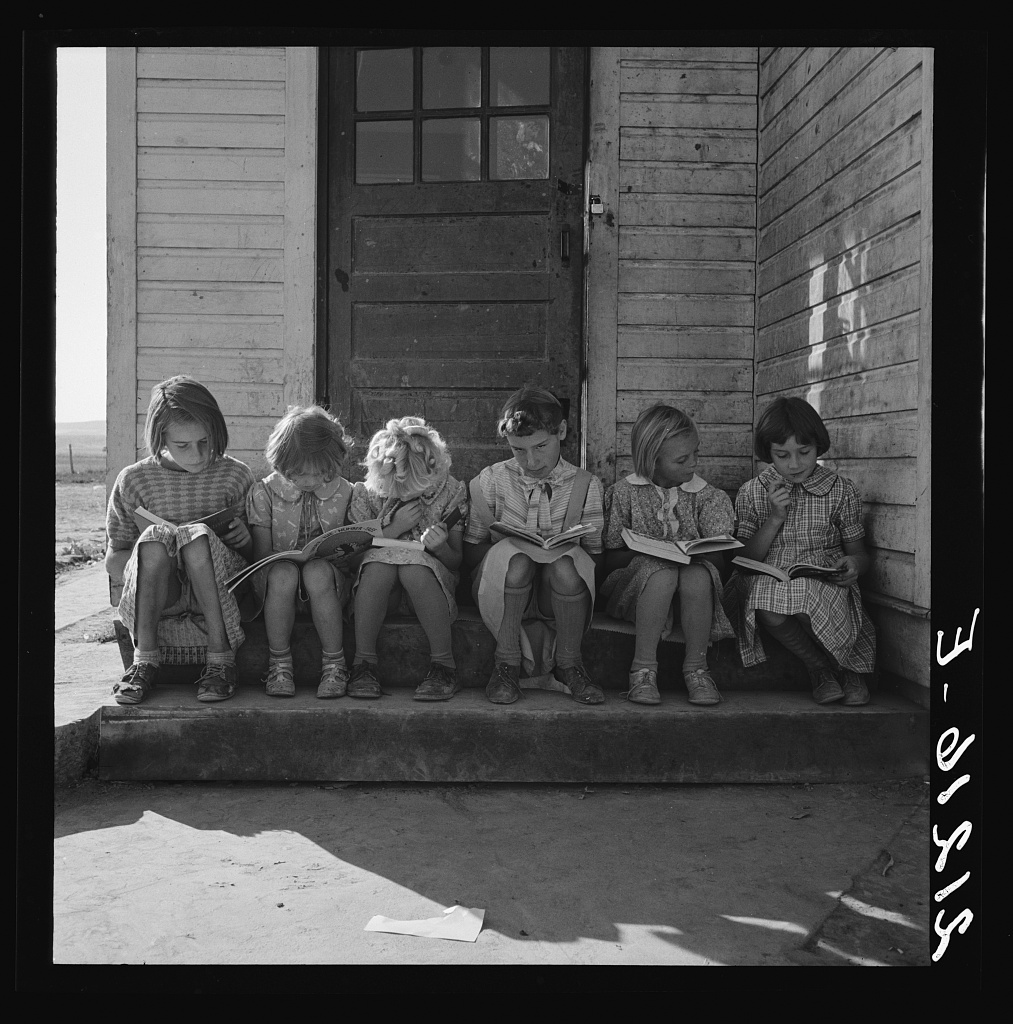
9. “Girls of Lincoln Bench School study their reading lesson. Near Ontario, Malheur County, Oregon.”
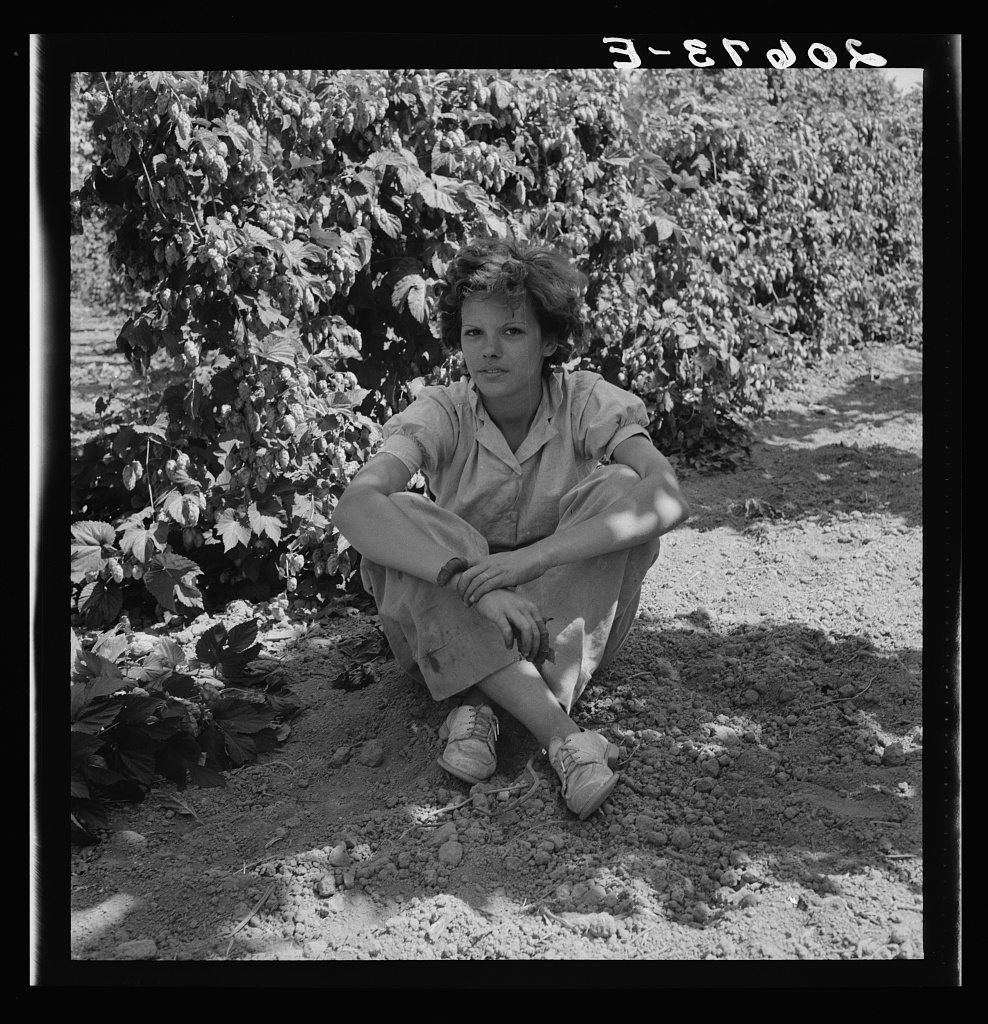
10. “Independence (vicinity), Polk County, Oregon. Wife of an ex-logger, now a migratory field worker, resting in the shade of the hop vine at noon.”
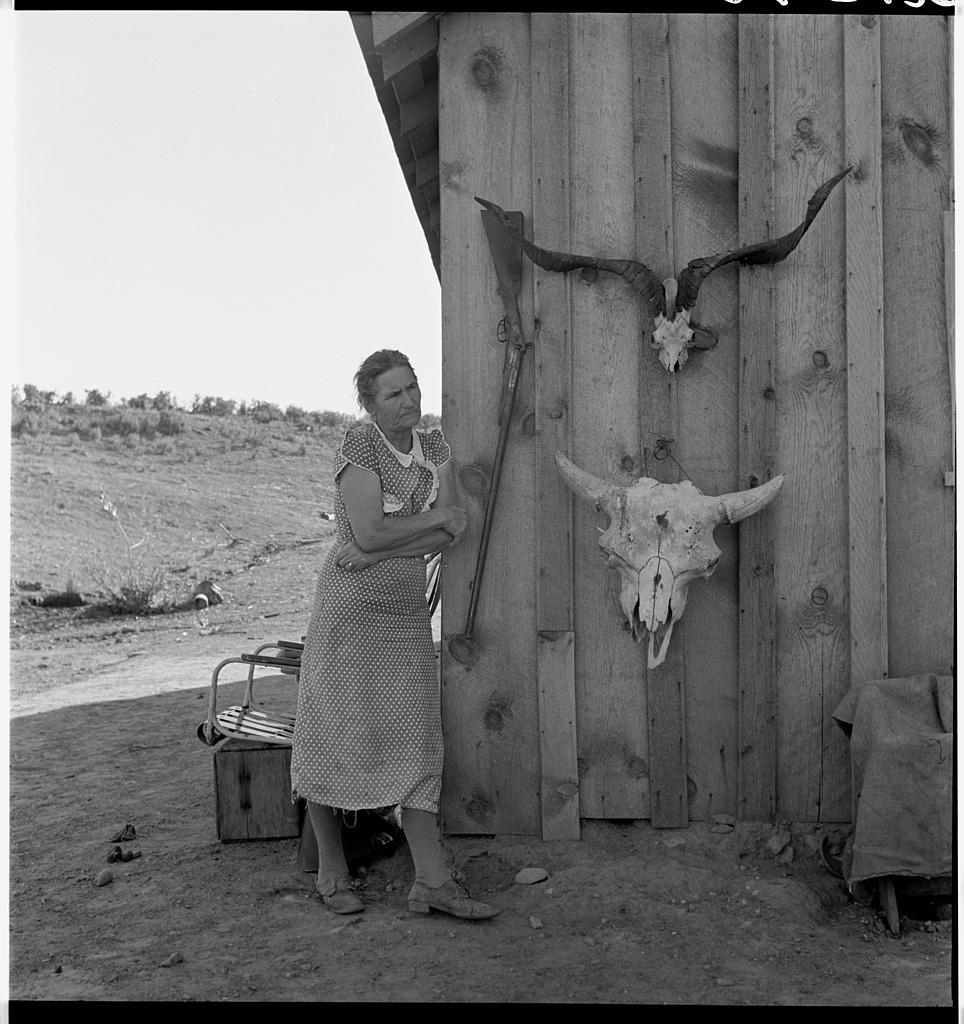
11. “Mrs. Sam Cates, wife of Cow Hollow farmer. Malheur County, Oregon.”
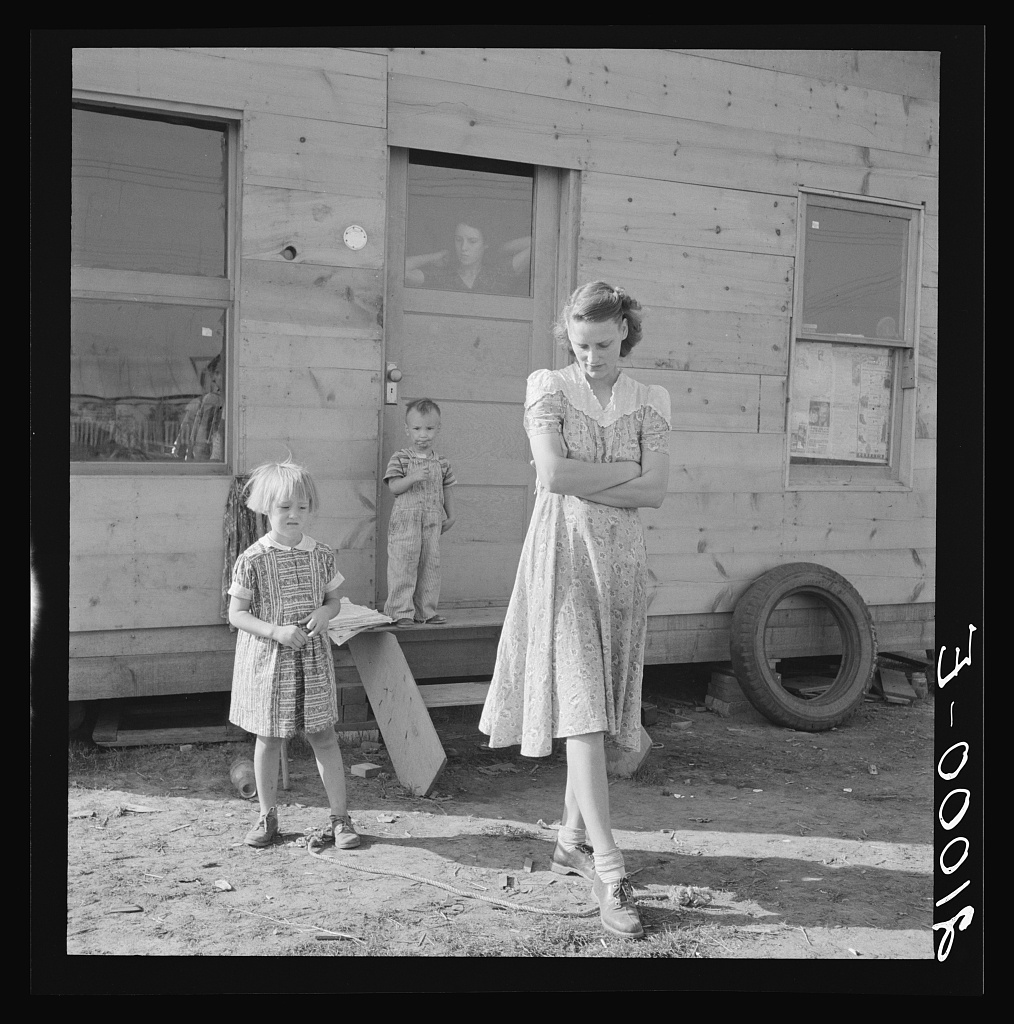
12. “Young mother, twenty five, says “Next year we’ll be painted and have a lawn and flowers.” Rural shacktown, near Klamath Falls, Oregon.”
13. “The Fairbanks family has moved to three different places on the project in one year. Willow Creek area, Malheur County, Oregon.“
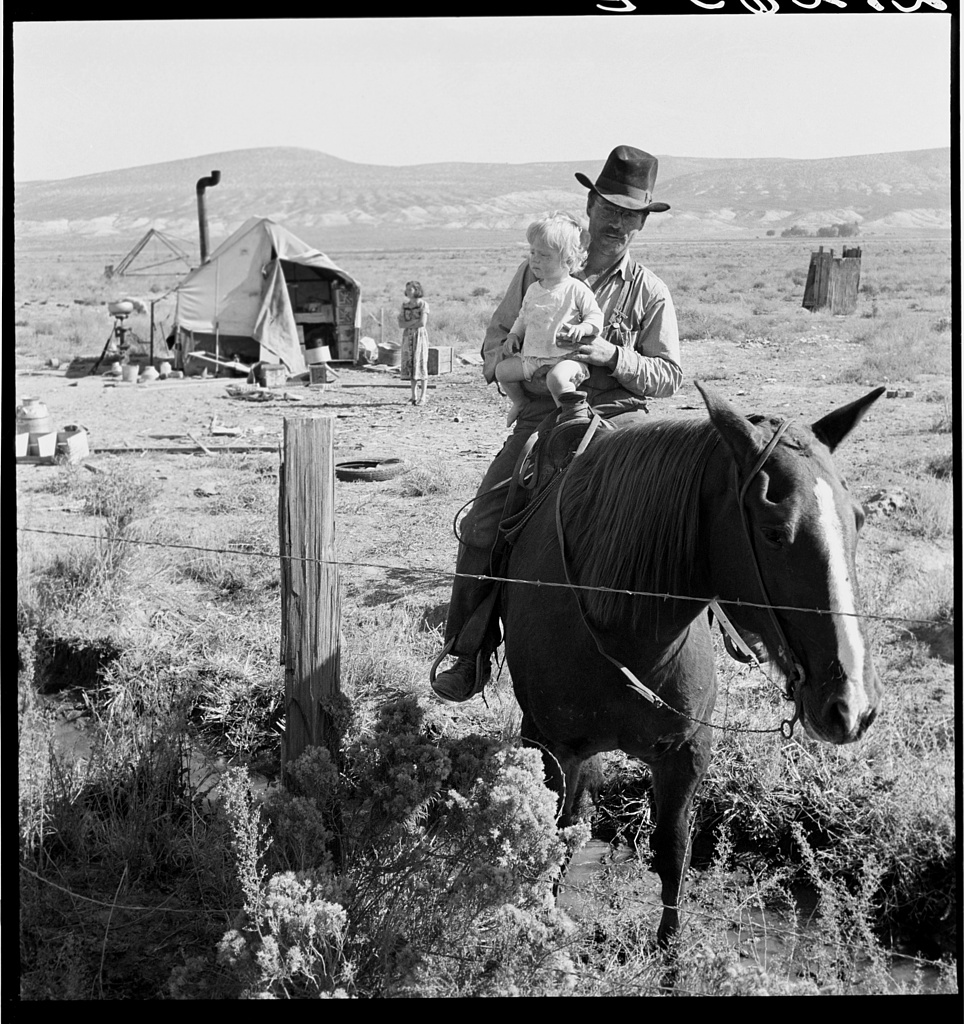
14. “Soper grandmother, who lives with family. FSA (Farm Security Administration) borrower. Willow Creek area. Malheur County, Oregon.“
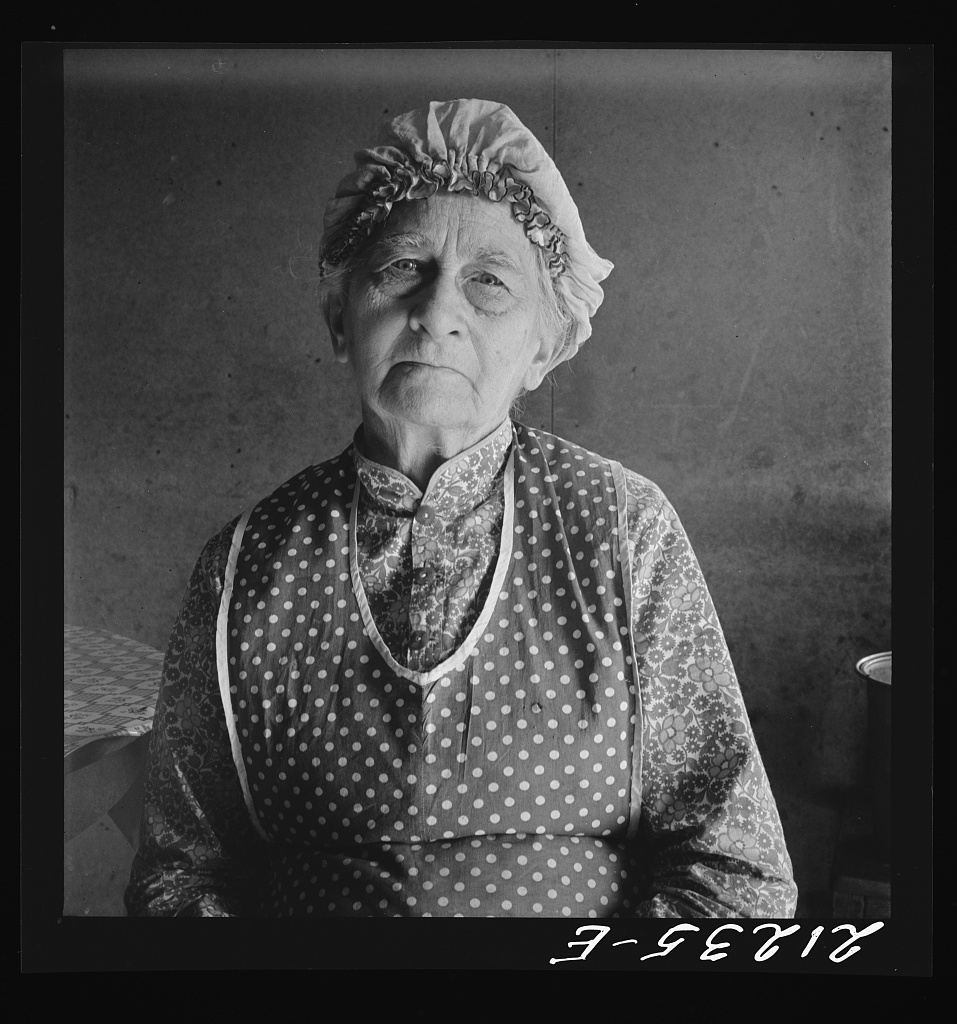
15. “Just arrived from Kansas. On highway going to potato harvest. Near Merrill, Klamath County, Oregon.”
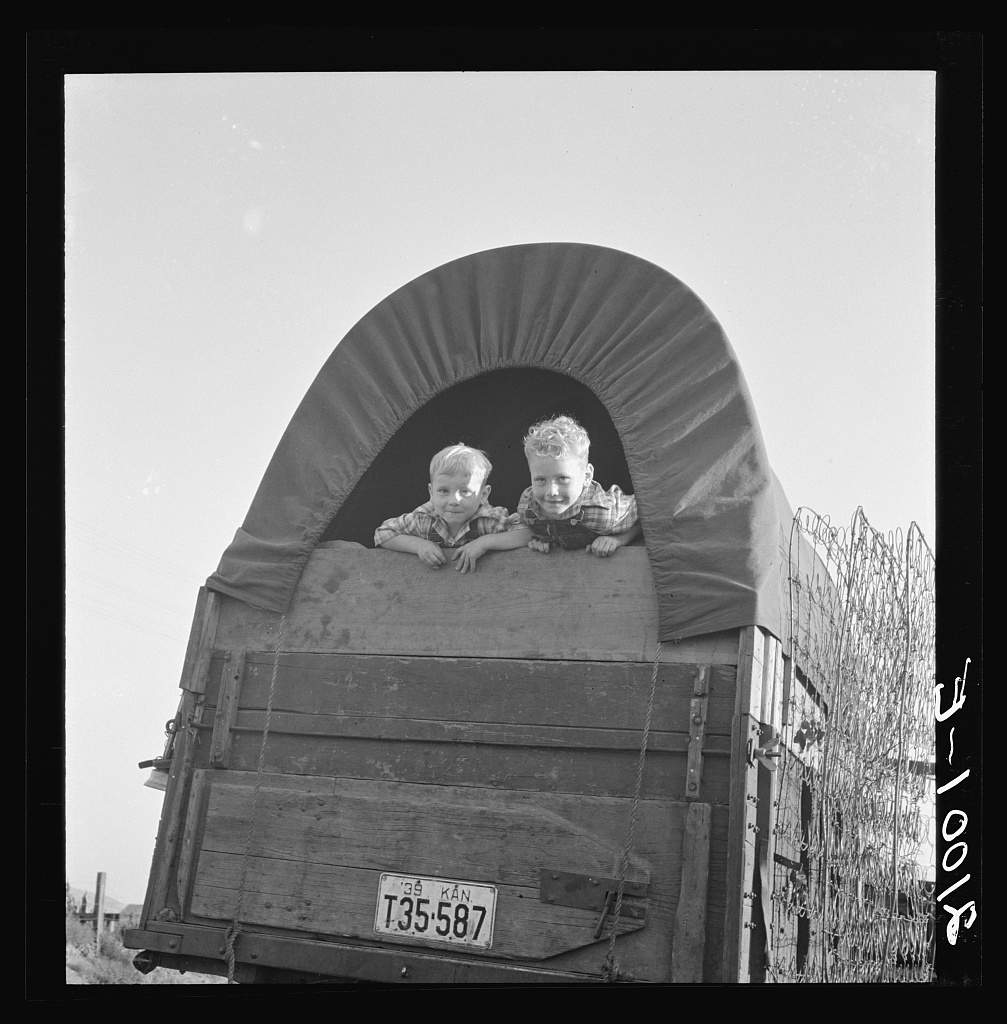
16. “We made good money in the cherries this year. From then on we made just beans.” Merrill, Klamath County, Oregon. Woman in mobile unit of FSA (Farm Security Administration) camp.”
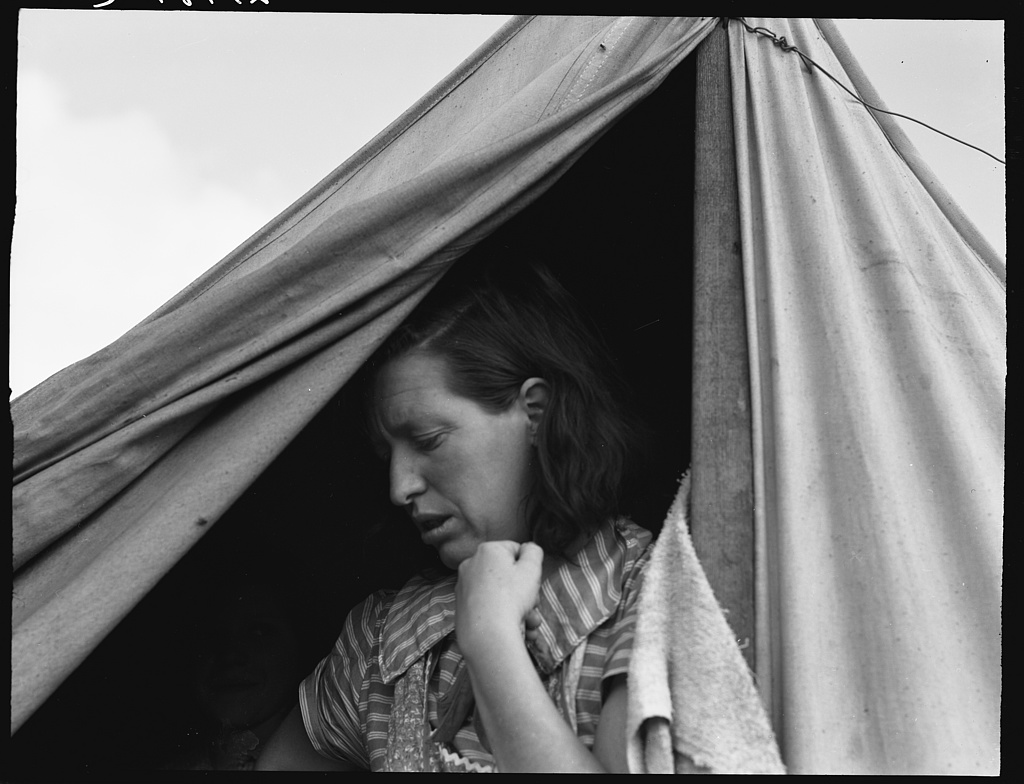
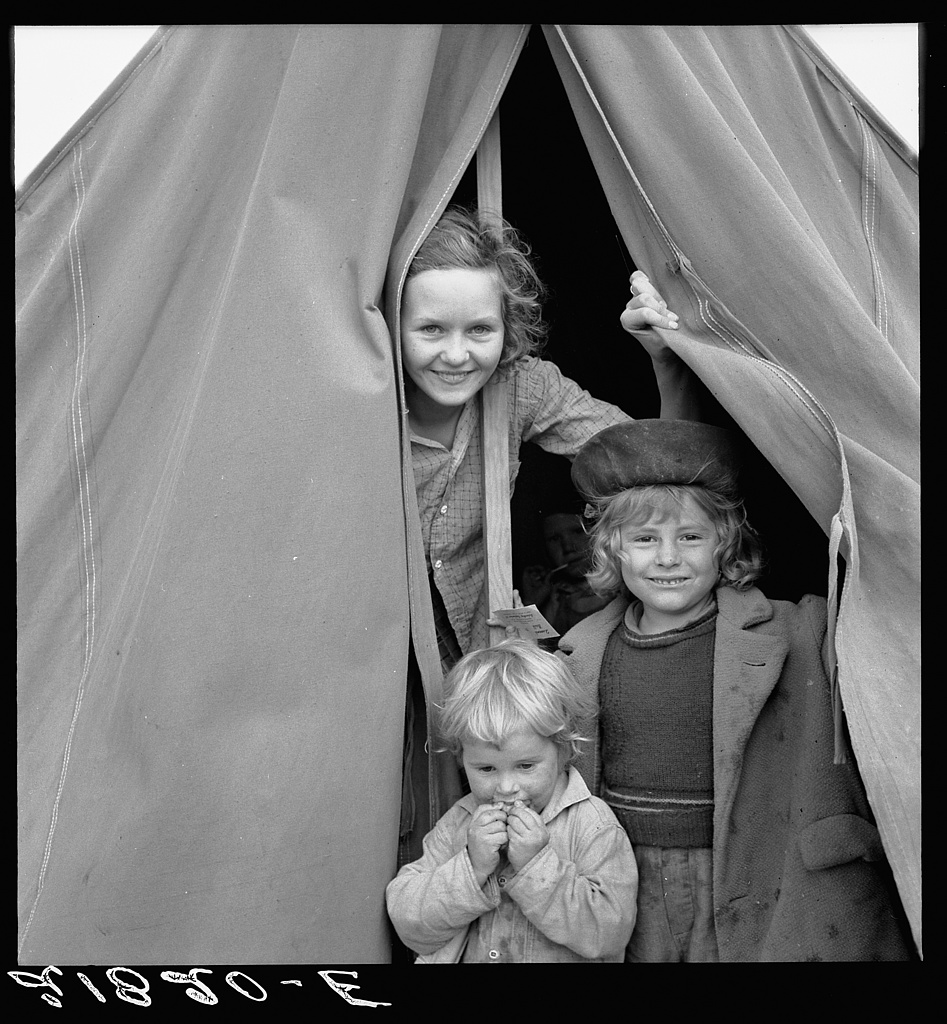
17. “Lighthearted kids in Merrill FSA (Farm Security Administration) camp, Klamath County, Oregon.“
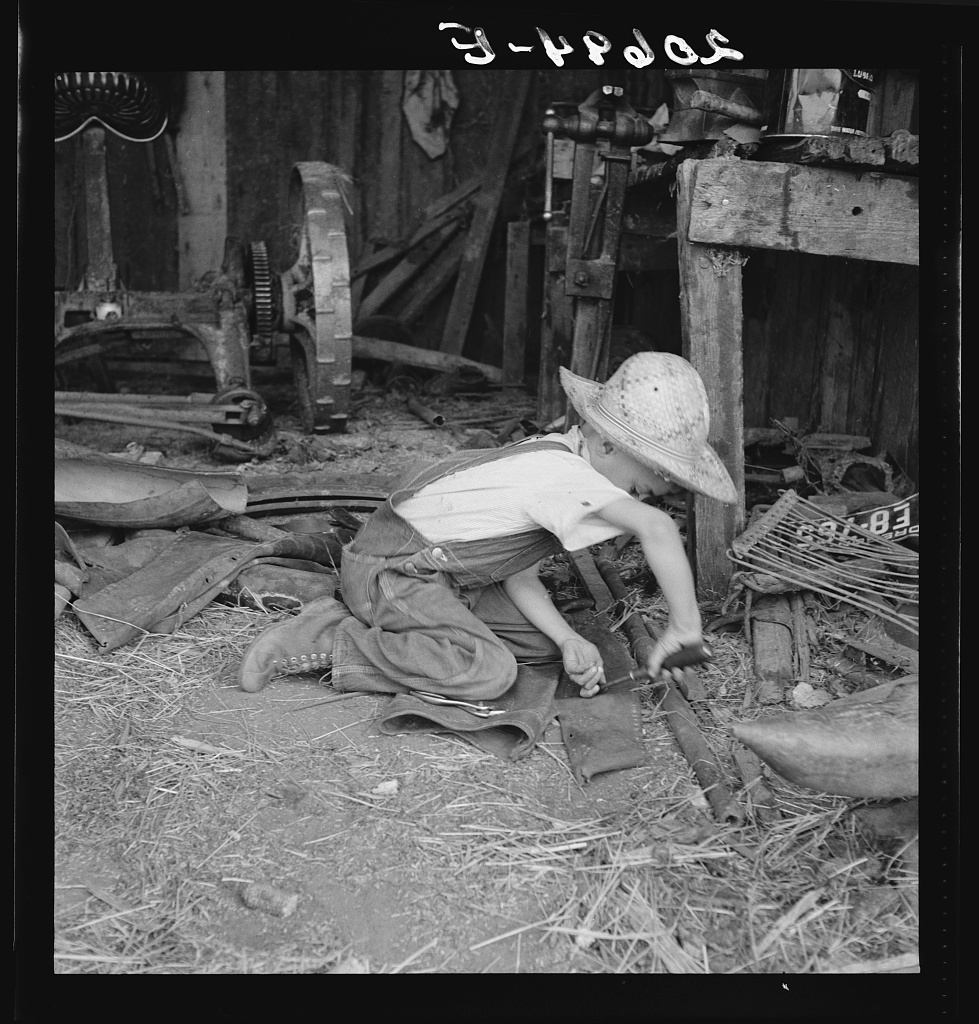
18. “Young farm boy. Younger brother trying to make a holster from the leather of an old coat. Oregon, Jackson County, near Medford.”
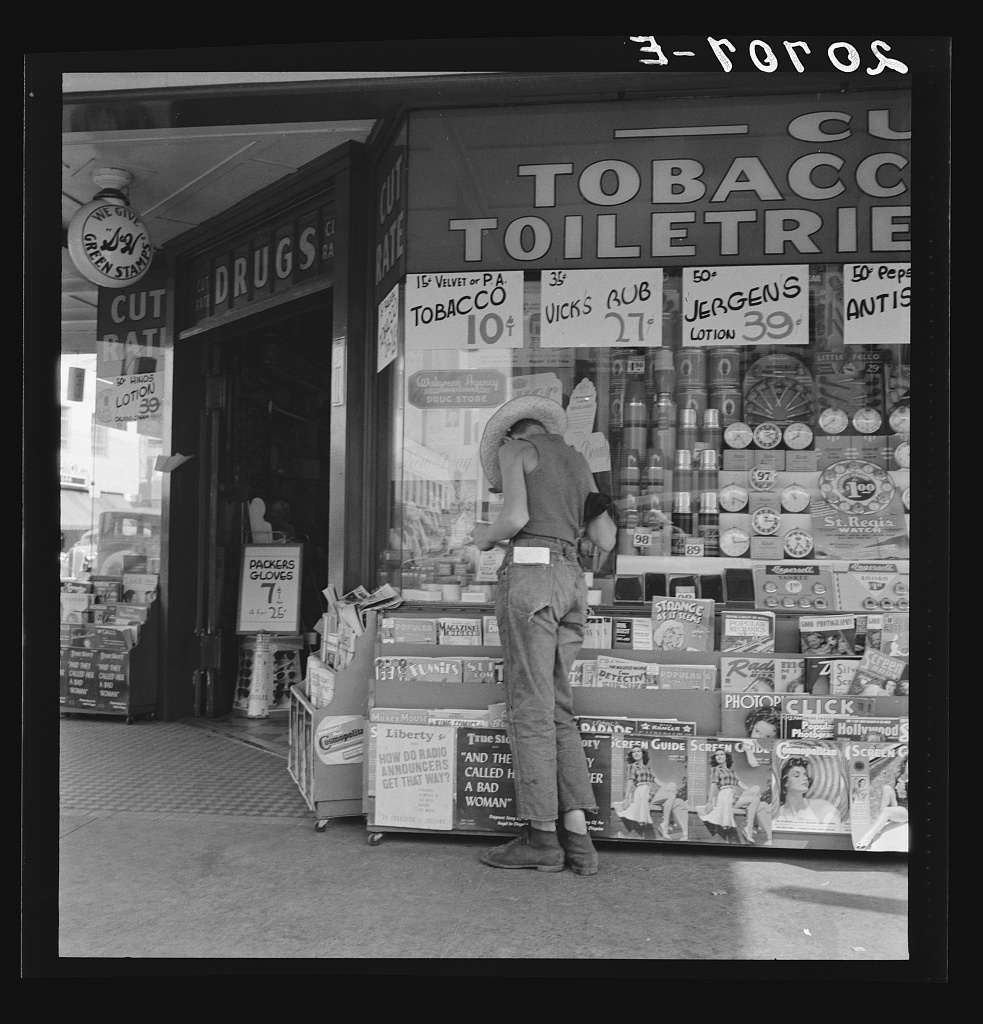
19. “Oregon. Medford. Half-grown farm boy on main drugstore corner in town.”
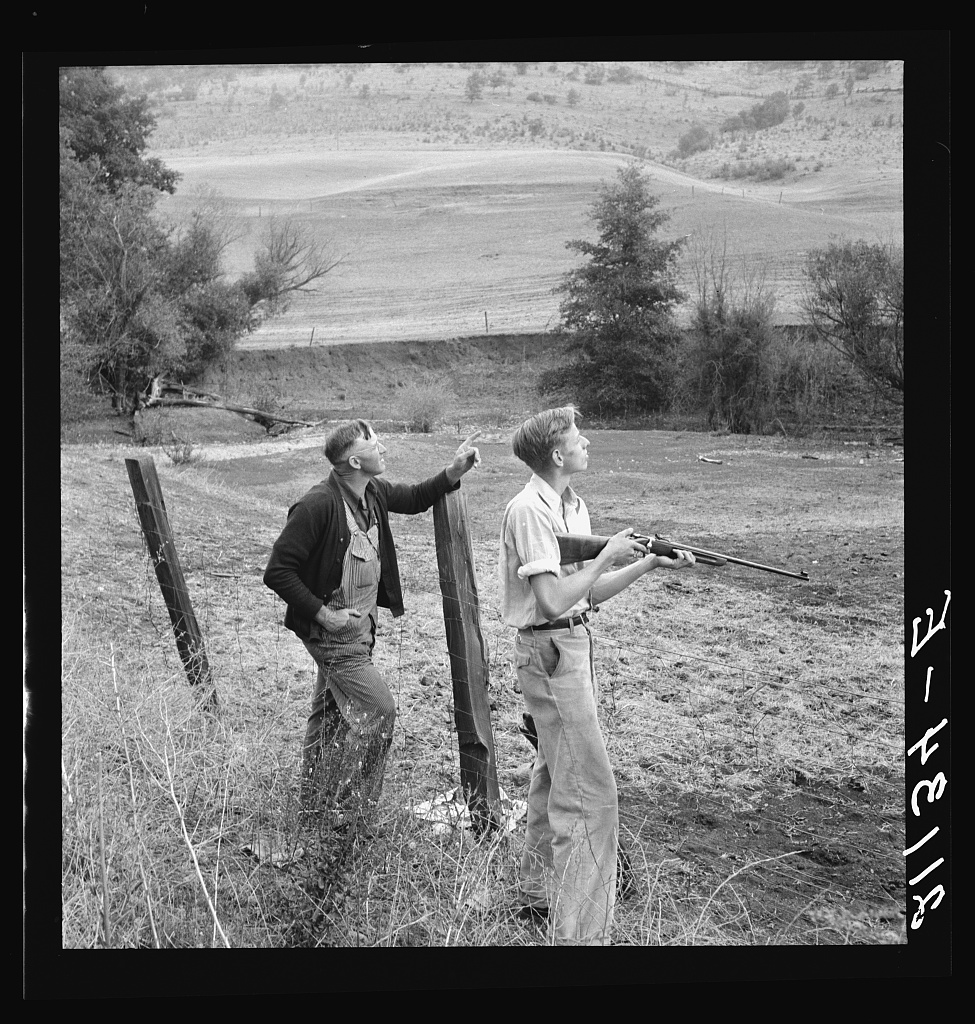
20. “Farmer and boy in the fall of the year at the time the hunting season opens. They live in a white painted house across the road. Jackson County, Oregon.”
21. “Oregon, Josephine County, Grants Pass. Sunday picnic in park on the Rogue River. Outskirts of Grants Pass.”
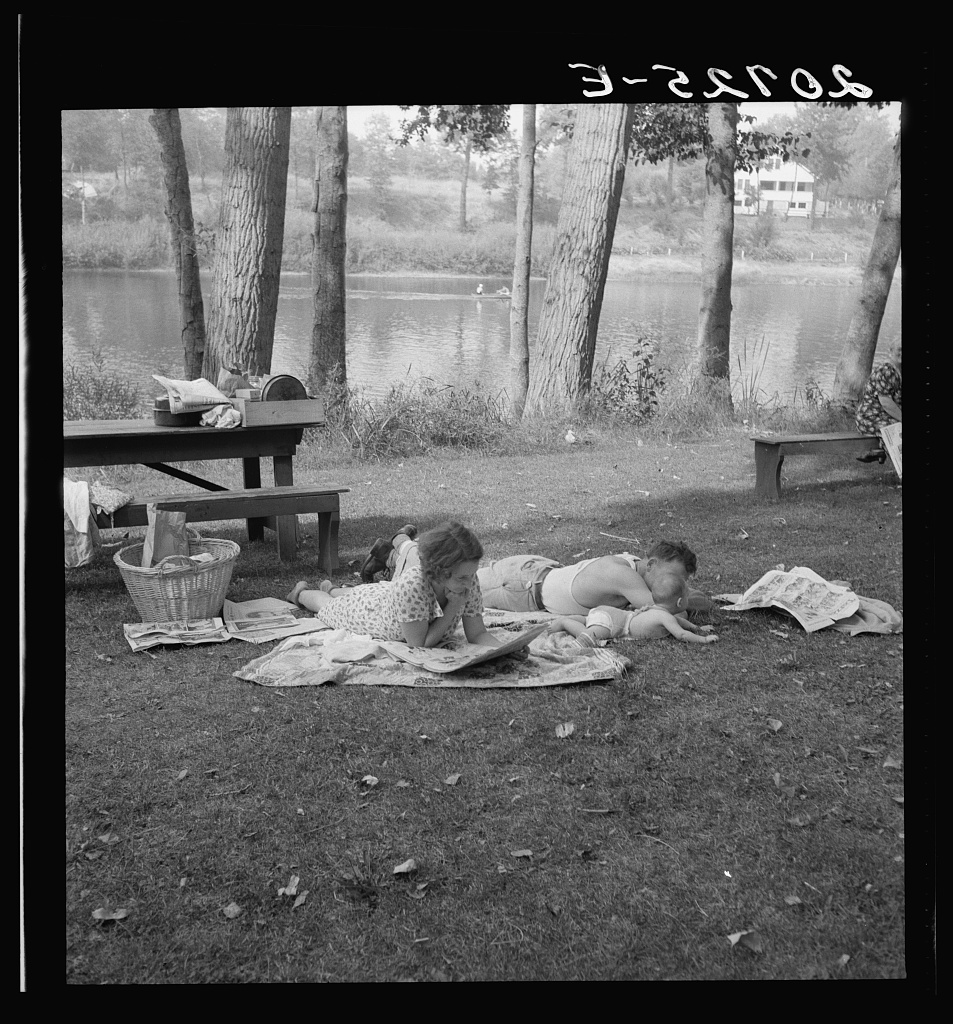
22. “Oregon, Josephine County, Grants Pass. “California Day.” A picnic in town park on the Rogue River. Hot summer afternoon. Toward the end of the picnic.”
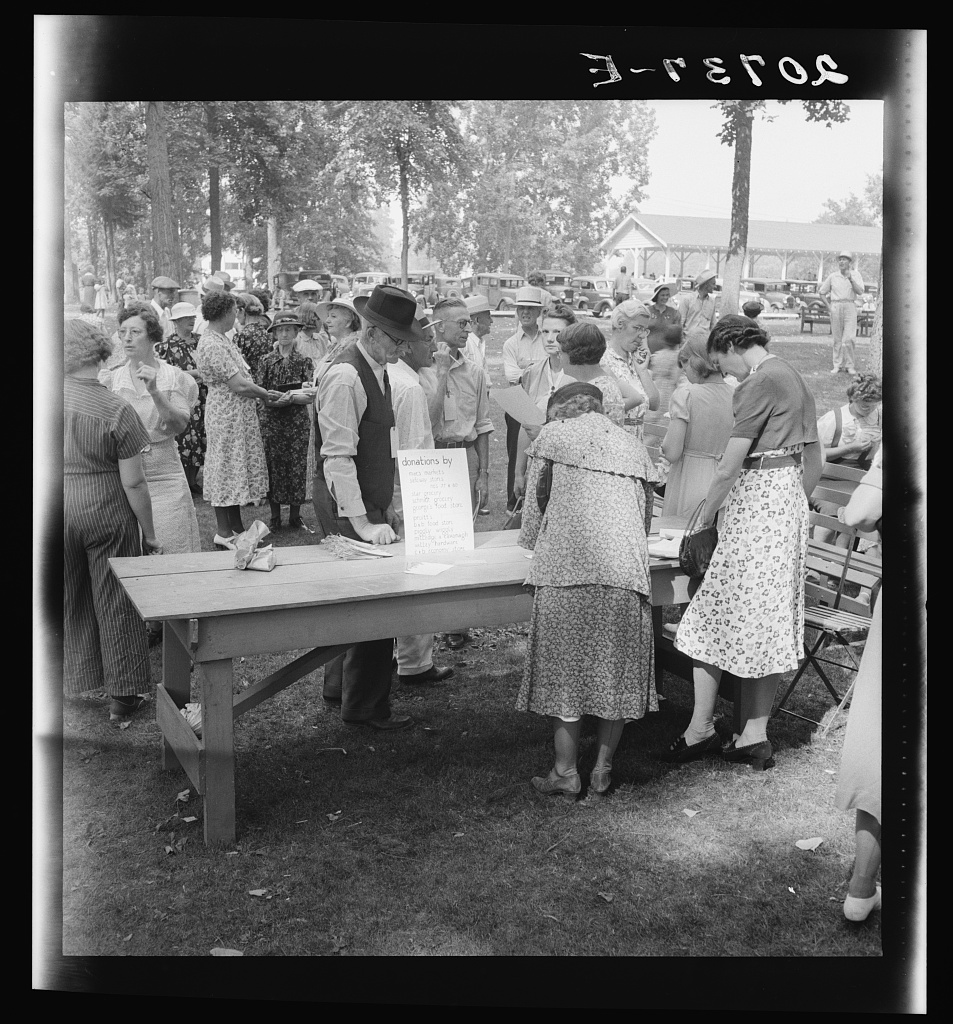
23. “House being moved through the main street of town (population 2473). Deposited over Sunday on intersection of U.S. 99. Quiet, rainy afternoon. Cottage Grove, Lane County, Oregon.”
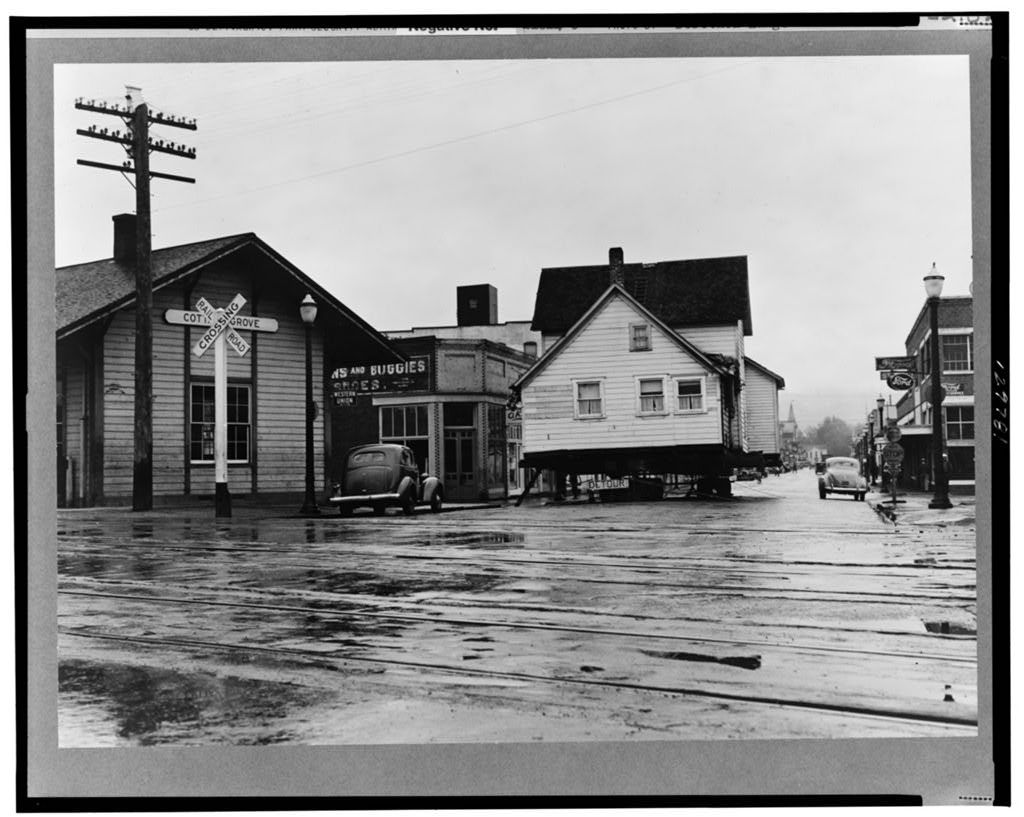
24. “Seven of the eight farmers shown with their cooperatively owned ensilage cutter on the Miller farm, where they are working filling the silo. Yamhill County, Oregon.”
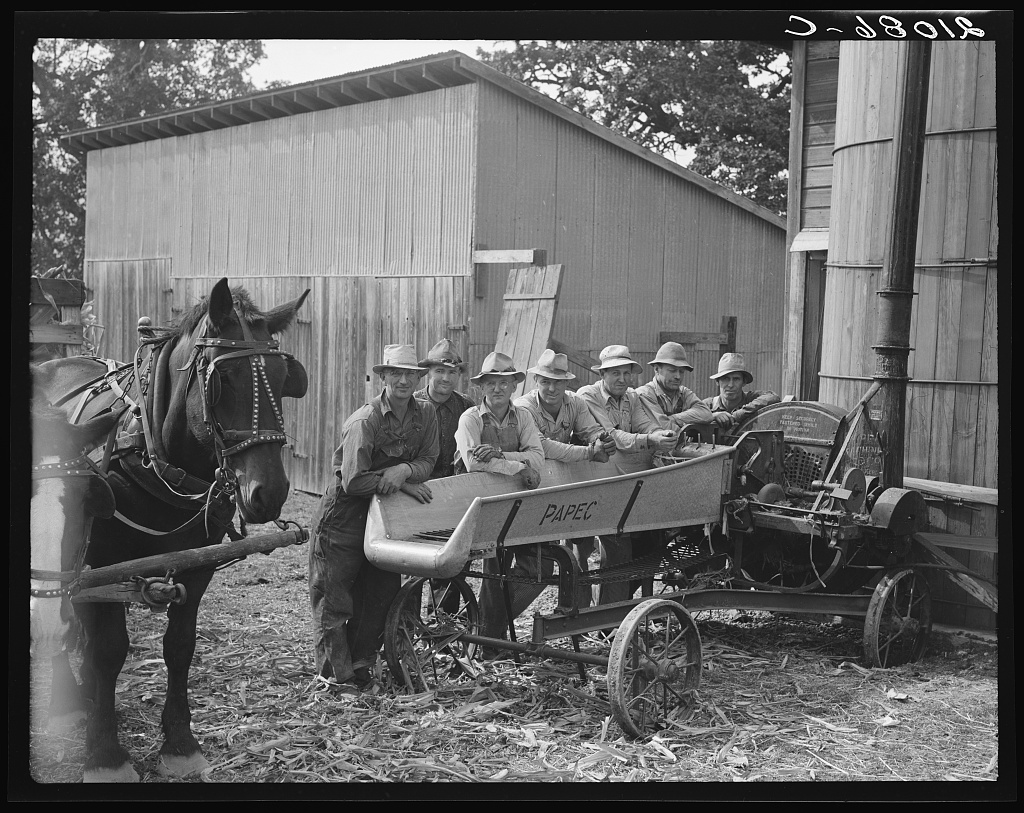
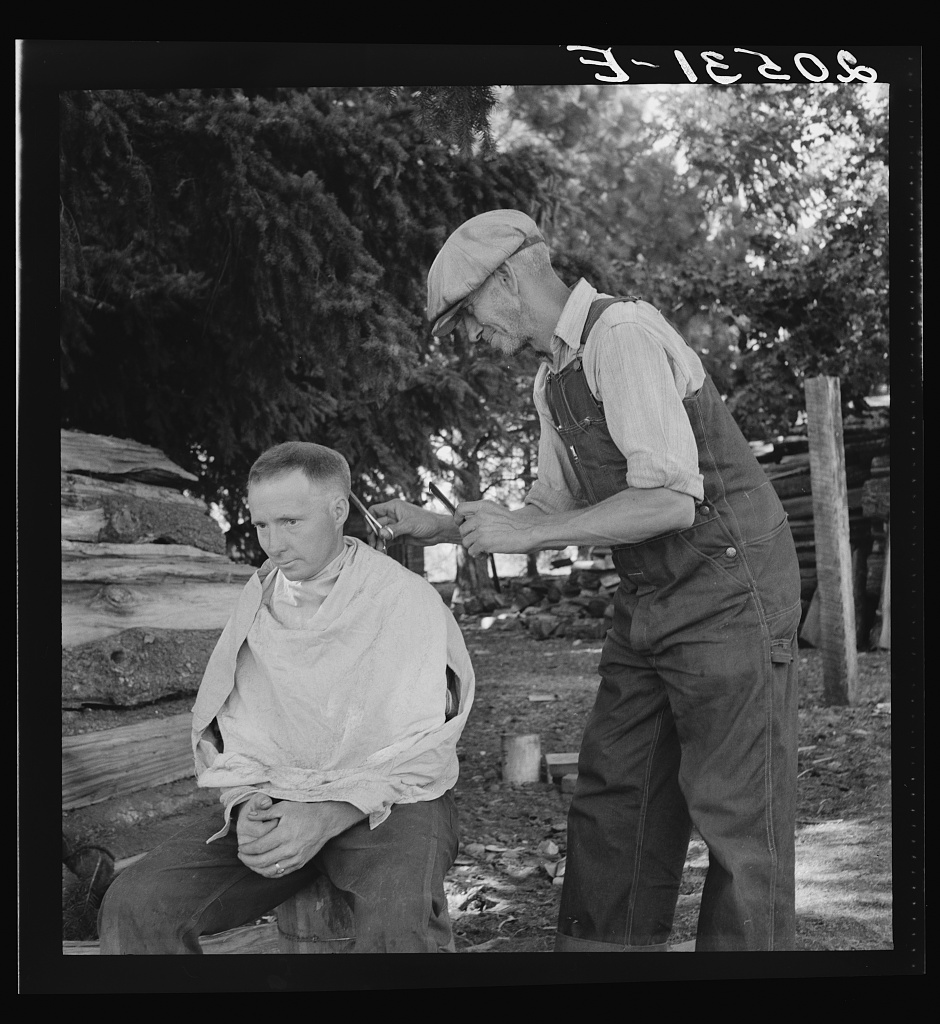
25. “Oregon, Marion County, near West Stayton. Bean pickers barber each other.”
Lange’s photographs continue to resonate because they tell stories that statistics never could. The Great Depression was not just an economic event. It was a deeply personal struggle lived by ordinary people across Oregon and the country. Her work preserves those moments with honesty and empathy, allowing future generations to look directly into the eyes of the past. Today, these images serve as both a historical time capsule and a reminder of the resilience that helped Oregon endure one of the darkest eras in American history.
Dorothea Lange passed away from cancer on October 11, 1965.
To see more of her digitized work, enter her name in the search box here: photogrammar.yale.edu
Dorothea Lange in Oregon: oregonencyclopedia.org