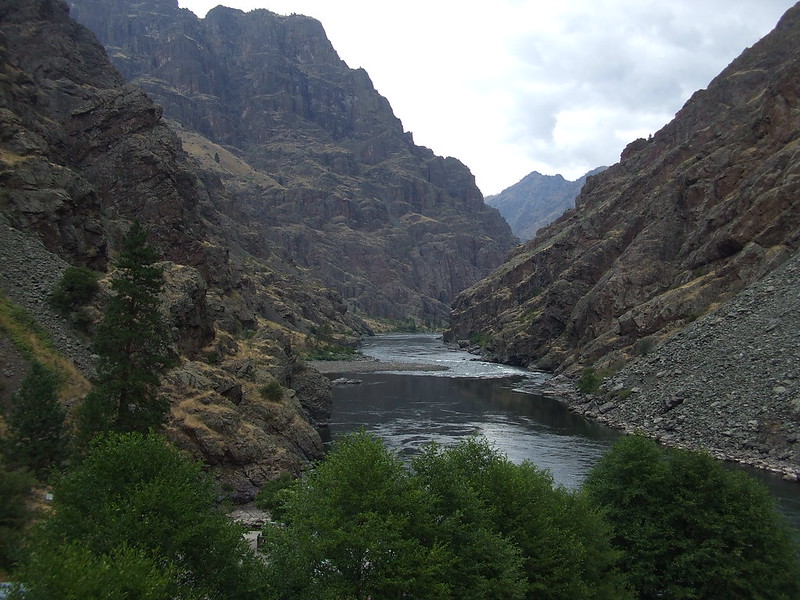
Hells Canyon is not only a landscape of huge views and hard-earned adventure. Along the Oregon-Idaho border, the Snake River cuts through one of North America’s deepest river gorges, but the canyon’s real depth is found in the human stories held within it. This is the history companion to our complete Hells Canyon adventure guide, which covers overlooks, hiking, camping, rafting, and trip planning.
A Homeland Long Before Oregon Was Oregon
Long before today’s recreation area, Hells Canyon was part of the homeland and seasonal travel landscape of the Nez Perce, or Nimiipuu, and Shoshone peoples. Salmon-rich waters, wildlife, travel routes, and winter country made this far more than an empty wilderness. Archaeological sites throughout the river corridor speak to a deep and enduring human presence, and visitors should leave artifacts and cultural places undisturbed.
One Nez Perce tradition tells of Coyote creating the canyon to protect people from the Seven Devils, the dramatic mountains that rise across the river in Idaho. The story belongs to a living cultural tradition, not a convenient bit of local color. It is a reminder that the canyon has meanings that existed long before it became a scenic destination.
Gold, Displacement, And Violence
The arrival of miners and settlers changed the region with terrible speed. Pressure surrounding gold discoveries and federal treaty changes contributed to the dispossession of the Nimiipuu from the Wallowa country and the wider region. That history cannot be separated from the canyon, even though the events of the 1877 Nez Perce War unfolded across a much larger landscape.
The canyon also holds the painful legacy of Chinese mining and the 1887 murder of Chinese miners near Deep Creek. Their lives and deaths deserve to be remembered accurately and respectfully, not reduced to a roadside ghost story. Anyone looking for a deeper account should seek work from regional historians, museums, and Chinese American history organizations.
Dams, Preservation, And The Recreation Area
In the twentieth century, the Snake River became the focus of major hydroelectric development. Brownlee, Oxbow, and Hells Canyon dams changed the river system, while proposals for further development helped ignite a long preservation fight. Congress established the Hells Canyon National Recreation Area in 1975, protecting a vast Oregon-Idaho landscape and the Wild and Scenic Snake River corridor.
Today, the canyon is managed for recreation, wilderness, wildlife, scenic values, and cultural resources. It remains a place where salmon, power generation, tribal interests, recreation, and conservation meet in complicated ways. The official Snake River Wild and Scenic River page is a good starting point for current public-land context.
Visit With More Than A Camera
Hells Canyon is breathtaking, but it is not simply a backdrop for adventure. Take the time to learn whose homelands you are visiting, respect closures and protected sites, and leave the landscape better than you found it. When you are ready to plan the practical side of your trip, return to our complete Hells Canyon adventure guide.