
After several days of staring through a brown haze, people across western Oregon may finally be able to open a window and see the hills again.
Wildfire smoke that settled over Portland, Salem, Eugene and much of the Willamette Valley is expected to begin thinning Thursday afternoon, with a more noticeable improvement arriving Thursday evening and continuing into Friday.
The change comes as winds turn back toward the ocean and begin carrying cooler, cleaner Pacific air inland. That onshore flow should gradually push the thickest smoke east of the Cascade Range, according to the National Weather Service.
Forecasters expect northerly winds of around 5 to 7 mph in parts of the valley Thursday afternoon. The breeze may not feel especially strong at ground level, but it should be enough to begin breaking apart the stagnant layer of smoke that has hung over western Oregon this week.
The transition will not happen all at once.
Some communities may continue seeing hazy skies and unhealthy air through the afternoon, especially in places closer to active fires or along the western slopes of the Cascades. Smoke trapped in valleys can also take longer to move out, even after conditions begin improving elsewhere.
Still, the latest forecasts point toward Thursday evening as the beginning of a much-needed turnaround.
KATU reported that air quality alerts issued by the National Weather Service were expected to begin expiring Thursday morning, while smoke would gradually shift east as onshore winds strengthened. KGW meteorologists similarly said western Oregon should see smoke thinning later Thursday, followed by a much stronger push of cleaner air overnight and Friday.
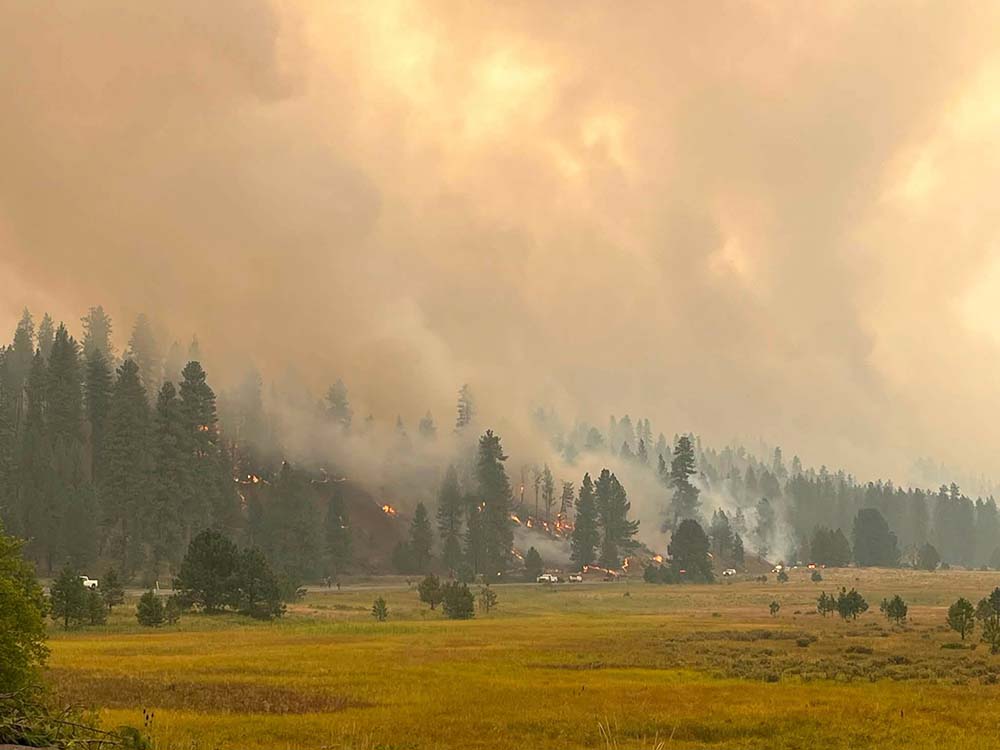
The smoke arrived earlier this week when easterly winds carried enormous plumes from fires burning across Oregon and Washington over the Cascades and into the state’s most populated corridor.
By Wednesday, Portland’s air quality had fallen into unhealthy territory in several neighborhoods. Thick haze obscured the skyline, canceled outdoor activities and prompted health officials to urge residents to limit time outside.
Some schools, summer programs and public events changed schedules because of the combination of heat and smoke. Washington County even opened temporary shelters where people could escape the dangerous air and high temperatures.
The shift in wind direction should offer relief from the smoke, but western Oregon will remain hot.
Spent the afternoon in Newport escaping the heat and wildfire smoke. Enjoyed some halibut & chips at Georgie's and was hoping to catch the sunset, but the coastal fog had other plans for me and my seagull friends. 🌊🐟🌫️ Sometimes the Oregon Coast writes its own script. pic.twitter.com/52HkbFWLxN
— Andy (@Andy_travels_US) August 6, 2026
Temperatures around Portland were expected to climb into the mid to upper 90s Thursday. Eugene, Salem and other inland communities were also forecast to remain unusually warm before cooler marine air begins working farther inland.
That means Thursday may feel like two different days.
The afternoon could remain hot, smoky and uncomfortable before visibility and air quality slowly improve toward evening. By Friday, much of the region should feel noticeably different, with cleaner air and a better chance of seeing Oregon’s familiar blue sky again.
The improvement west of the Cascades does not mean Oregon’s smoke problem is over.
As Pacific winds push the plume east, smoke could become thicker across the Cascade passes, Central Oregon and parts of Eastern Oregon. Communities already dealing with nearby fires may continue experiencing periods of unhealthy or even worse air quality.
The Oregon Department of Environmental Quality still lists air quality concerns across numerous counties, including areas in Central and Eastern Oregon. Smoke conditions can change quickly depending on fire activity, terrain and local wind patterns.
The fires producing the smoke also remain active.
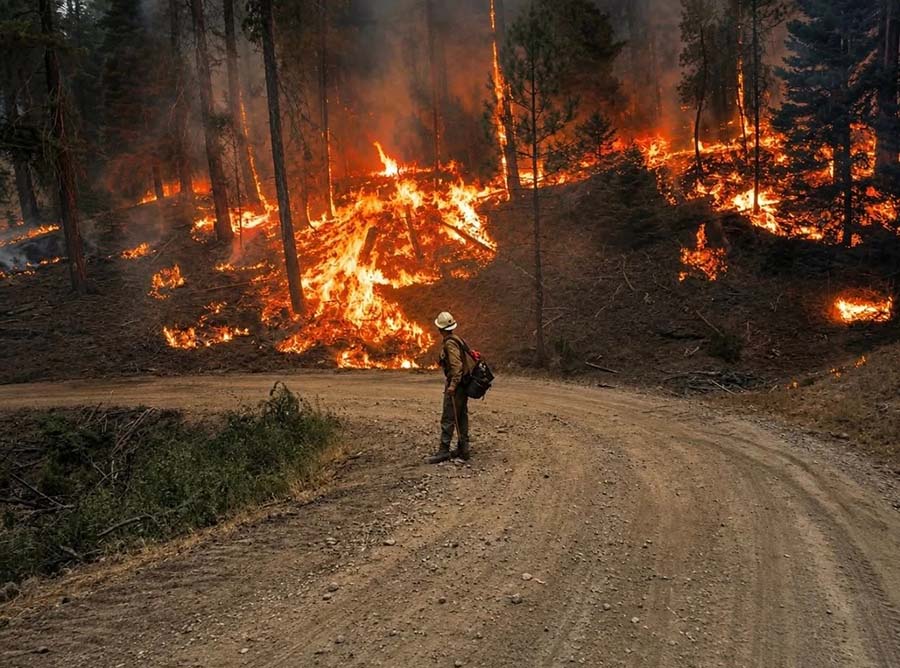
Large wildfires continue burning across the state, including the Grasshopper Fire near Mount Hood and the Rowe Creek Complex in Central Oregon. Even when the valley clears, those fires can continue sending new smoke into the atmosphere for days or weeks.
Another change in wind direction could eventually bring haze back.
For now, though, western Oregon appears to be nearing the end of one of the smokiest stretches of the summer so far.
Anyone who is sensitive to smoke should continue checking local air quality before exercising, working or spending long periods outdoors Thursday. Conditions can vary considerably between communities and can even change from one neighborhood to another.
An AQI reading in the orange category is considered unhealthy for sensitive groups. Red is unhealthy for everyone, while purple indicates very unhealthy conditions.
People with asthma, heart or lung conditions, older adults, young children and pregnant people should take extra precautions until monitors show sustained improvement. Keeping windows closed, running an air purifier and avoiding strenuous outdoor activity can reduce smoke exposure.
By Thursday night, many Oregon communities west of the Cascades should finally begin catching a break.
After days of muted sunlight, smoky sunsets and mountains disappearing behind the haze, the return of Pacific air could make Friday morning feel like someone finally lifted a curtain from the valley.