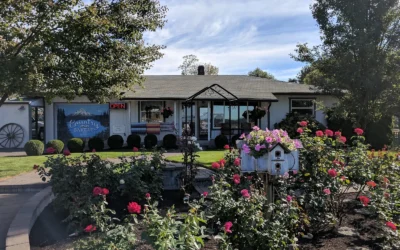

At this Bandon creamery, fresh curds and working vats carry a local cheese tradition forward.
At Face Rock Creamery, the best reason to pause on the drive through Bandon, Oregon, may be the window into the cheese room. On a day when the makers are working, visitors can watch the slow, practical business behind a bag of fresh curds or a block of cheddar. Then there is the much easier decision at the counter: what to eat now, and what can survive the rest of the road trip in a cooler. The creamery occupies the same stretch of town where generations of Bandon residents once knew a cheese factory, making a stop here a taste of a local industry that nearly vanished from its familiar address.
That history gives the food a different kind of appeal. Face Rock did not move into a picturesque old factory and claim its legend. The earlier building was demolished after the original operation closed, and the current creamery was built in the twenty-first century. Its connection to the past is in the place, the craft, and, remarkably, the family of a cheesemaker. Visitors can enjoy the curds without knowing any of this, but it makes the journey from milk vat to lunch counter more interesting.
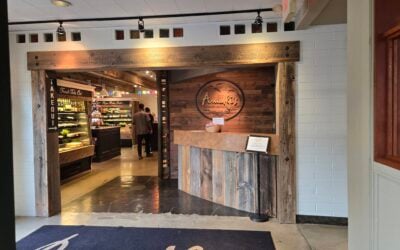
Face Rock sits near Highway 101, a short walk from the waterfront and the Bandon Historical Society Museum. The window into the production room makes the trip especially satisfying when the cheese team is working. Even when the vat is quiet, the shop and cafe give travelers a reason to linger. That combination is particularly welcome on a gray South Coast afternoon.
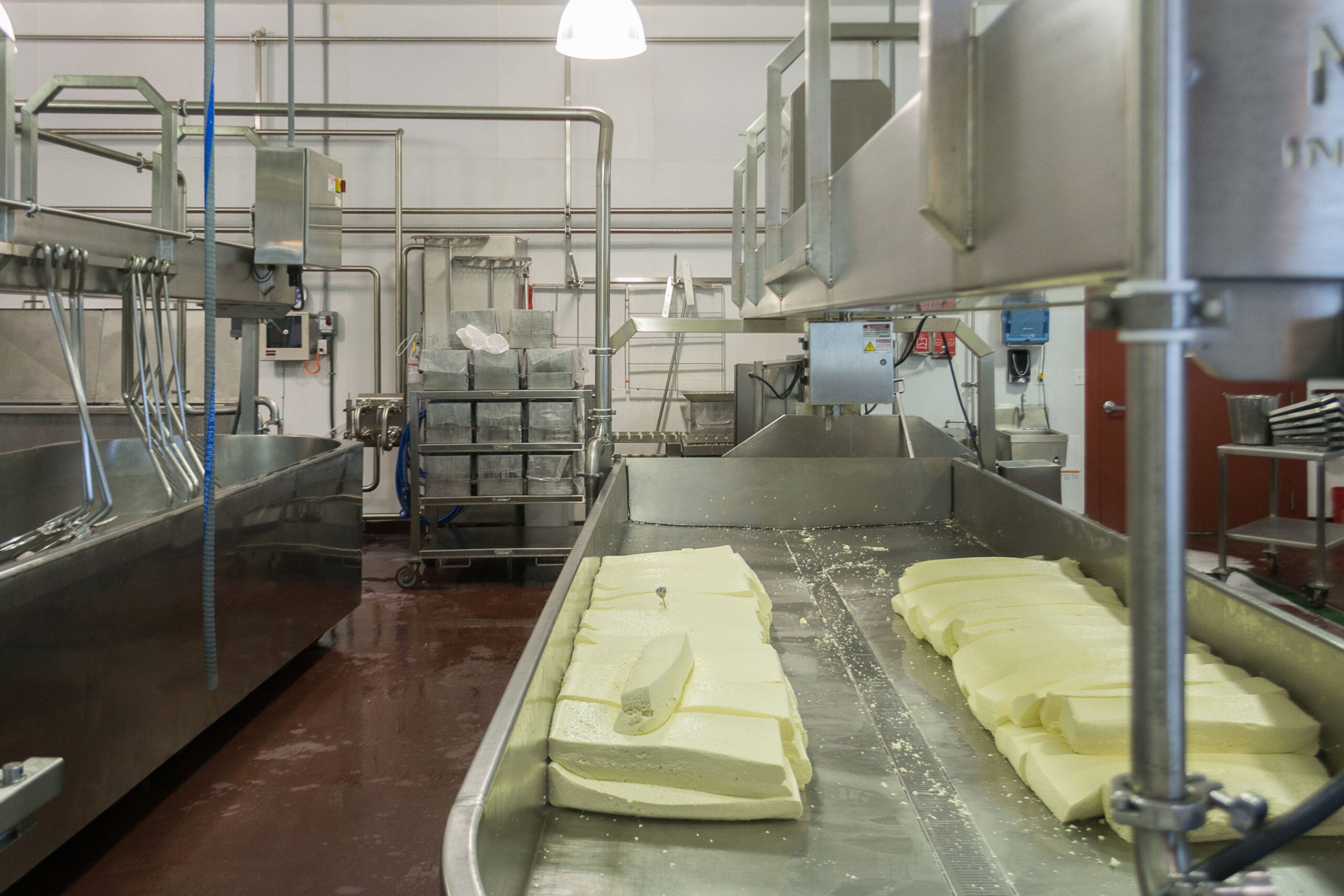
Fresh cheese, deli food, and an ice cream counter are an easy reason to stop. The working room adds something a display of packaged cheese cannot: a view of the process that made Bandon a cheese town in the first place. The factory’s history reaches beyond this building, but the vat gives the old trade a visible present tense.
A town that already knew how to make cheese
Bandon’s relationship with dairying reaches back into the nineteenth century. At the mouth of the Coquille River, inland farms could send milk toward coastal shipping. Local accounts recall boats collecting milk along the waterways when roads were a less reliable route. In a region of farms, wet weather, and a busy port, cheese turned a perishable harvest into something that could travel much farther.
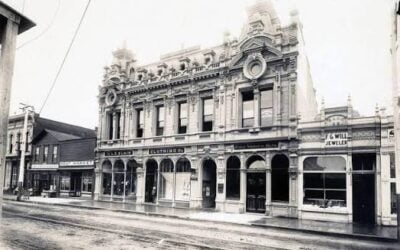
The industry survived the town’s devastating fires in 1914 and 1936. After the second fire, one cheese maker rebuilt near what became the Highway 101 corridor, and the Bandon Cheese Factory grew into a place residents and travelers recognized. Its building was altered over time, and people came to watch cheese being made as well as buy it. That public window was part of Bandon’s food identity long before anyone described a factory stop as a visitor experience.
The scale of the old trade could be startling. A Bandon Historical Society account, drawing on the Western World newspaper, describes a cheddar made in 1936 that weighed more than 2,000 pounds. It took an estimated 20,000 pounds of milk, special equipment, and a sturdy wooden box for shipping. The cheese appeared on a float during celebrations for the new bridge at North Bend before it was apparently sent to California. The history behind that immense wheel is not a claim that Face Rock makes anything like it today. It shows how seriously Bandon once treated cheese as both a product and a point of civic pride.
The later closure left a real gap. Tillamook County Creamery Association bought the struggling Bandon Cheese Factory in 2000. Accounts differ slightly on the year its operation finally stopped, but the old factory closed in the early 2000s and the building was eventually torn down. Tillamook continued selling cheese under the Bandon name; what the town lost was the active local factory and a place where visitors could see Bandon cheese being made in Bandon. The Bandon brand survived, while the factory town lost its visitor stop.
Face Rock opened on the former cheese-factory site in May 2013. The project paired a new building and new ownership with people who knew the old trade. Greg Drobot invested in the operation after becoming interested in Bandon’s dairy history, and Brad Sinko returned to lead cheesemaking. Brad’s father, Joe Sinko, had owned the former factory and helped the new venture as a consultant. That family connection does not make the new operation a direct continuation of the old company, but it helped carry practical knowledge back to the site.
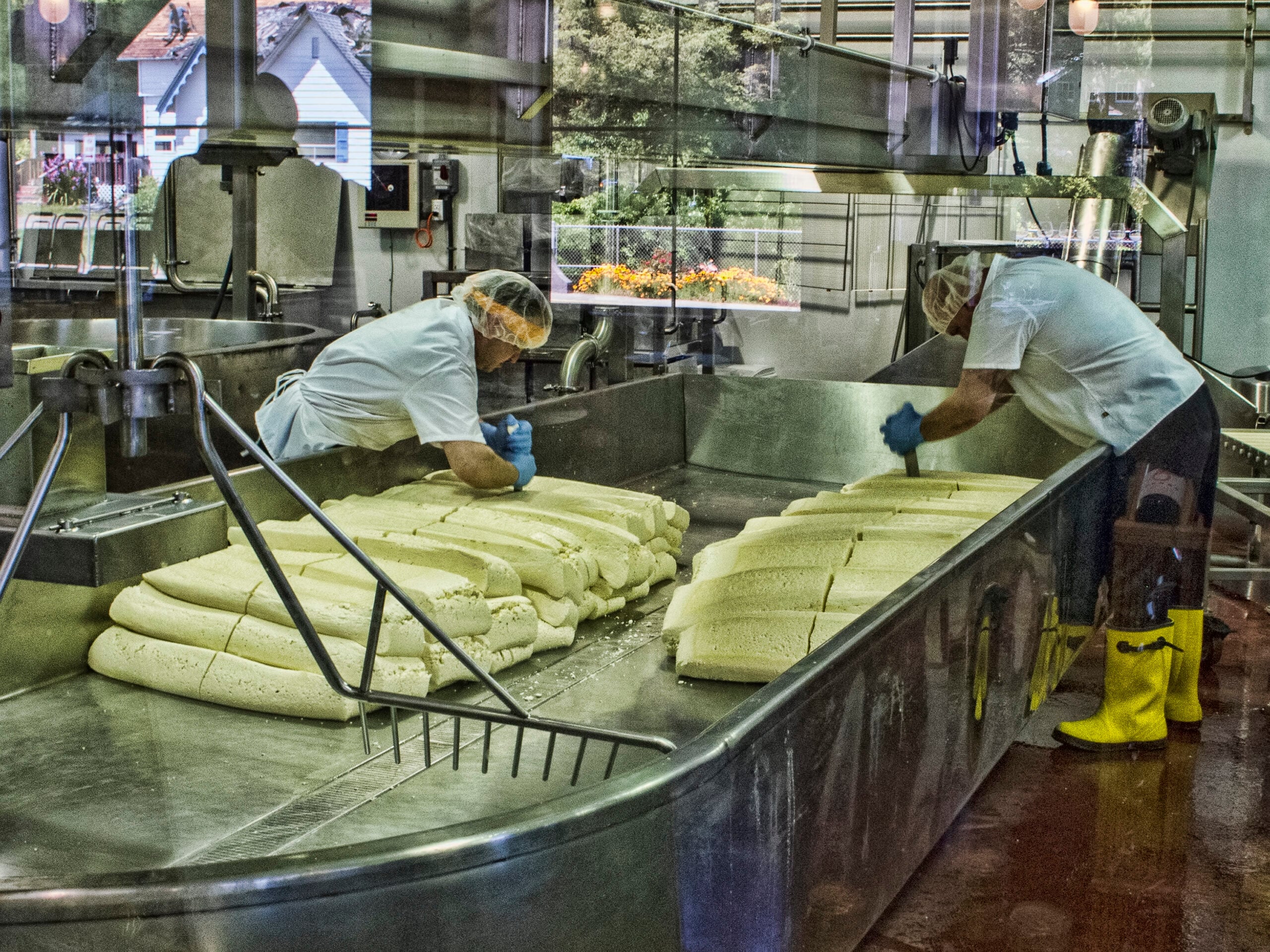
Oregon Wine Press reported on the opening in June 2013, when the new room was producing cheddar and the fresh curds that quickly became a favorite. Travel Oregon later described visitors sampling cheese while watching the work through glass. The setup still makes sense: a cheese counter gains depth when the person choosing dinner can see the labor it takes to make the cheese. It also makes for a better Bandon stop than a simple detour to collect another regional product.
The case for starting with curds
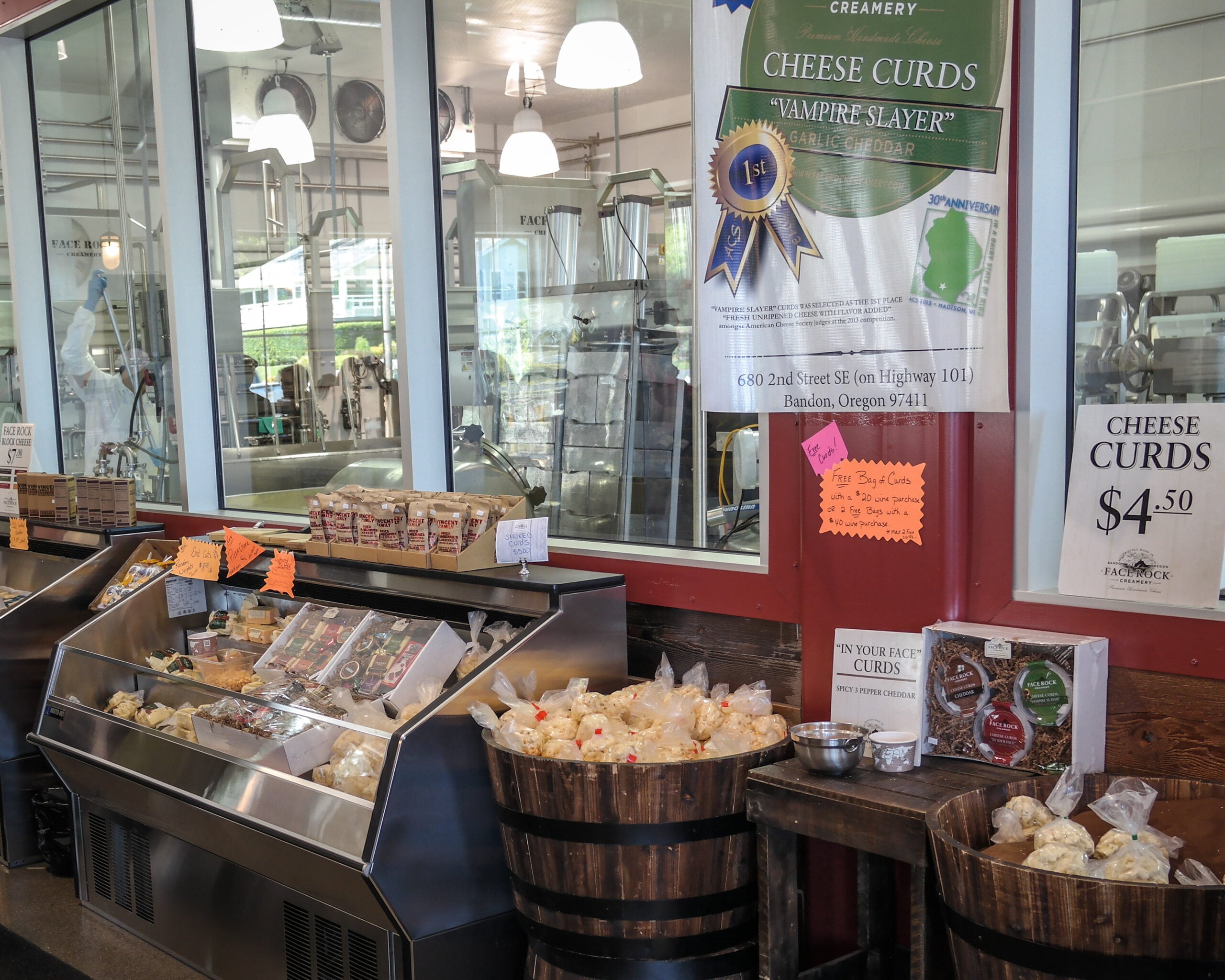
Fresh curds have an advantage over almost any road-trip cheese: they ask for little ceremony. The small, springy pieces are the young product of the cheesemaking process, before they have spent months developing the character of an aged cheddar. They are easy to share in the car, on a picnic bench, or alongside a sandwich. Face Rock’s curds connect the visitor to the room on the other side of the glass more directly than a sealed block from a distant shelf could.
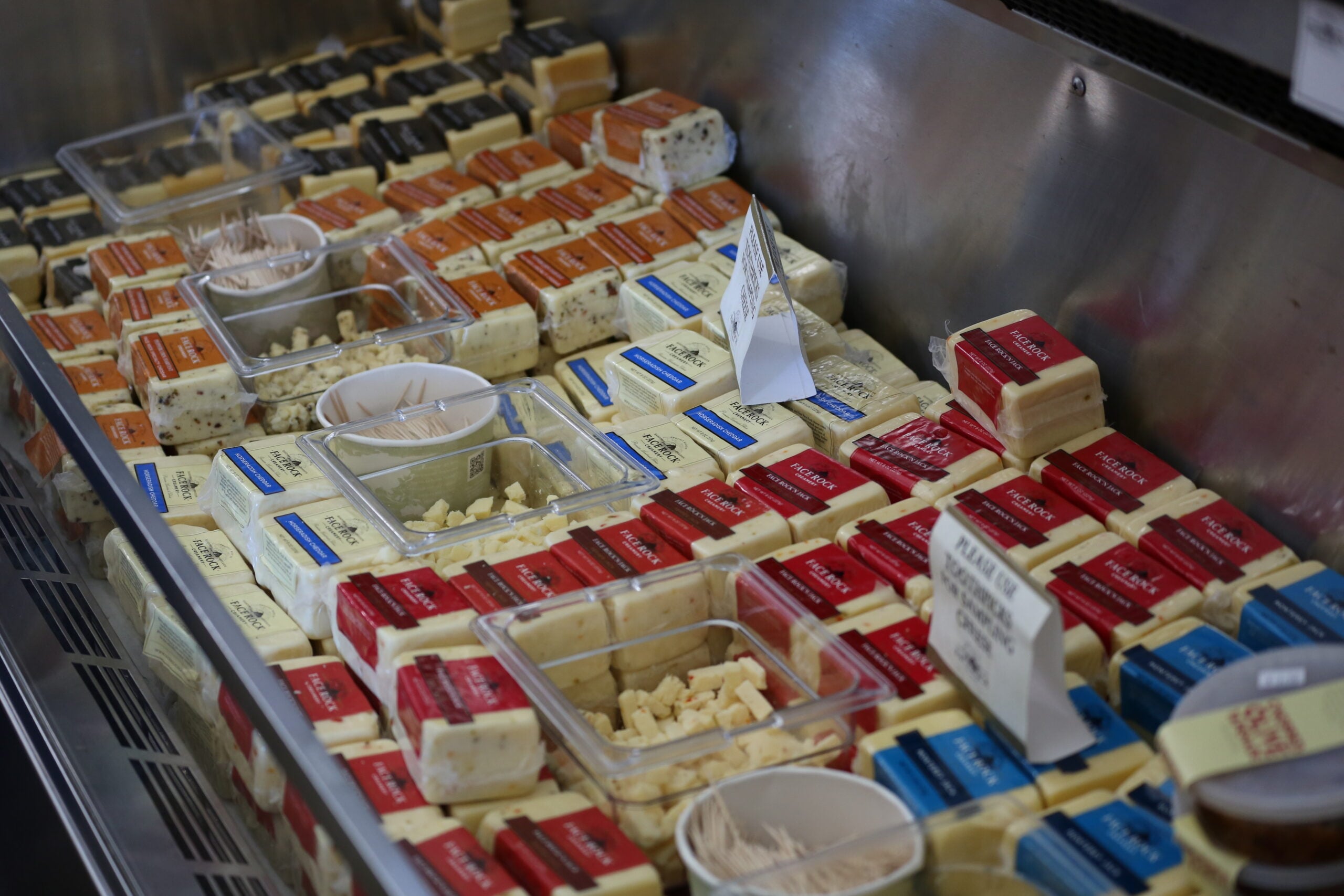
The creamery sells several kinds of cheese, including cheddar, Monterey Jack, and curds. Its online catalog has listed names such as Vampire Slayer Garlic Cheddar, In Your Face Cheddar, and Truffle Cheddar, though individual products can sell out or change. If a particular flavor is the reason for your drive, check the current selection rather than relying on an old list. Try a plain cheddar beside one of the more assertive flavors to see how much a seasoning can change a familiar cheese.
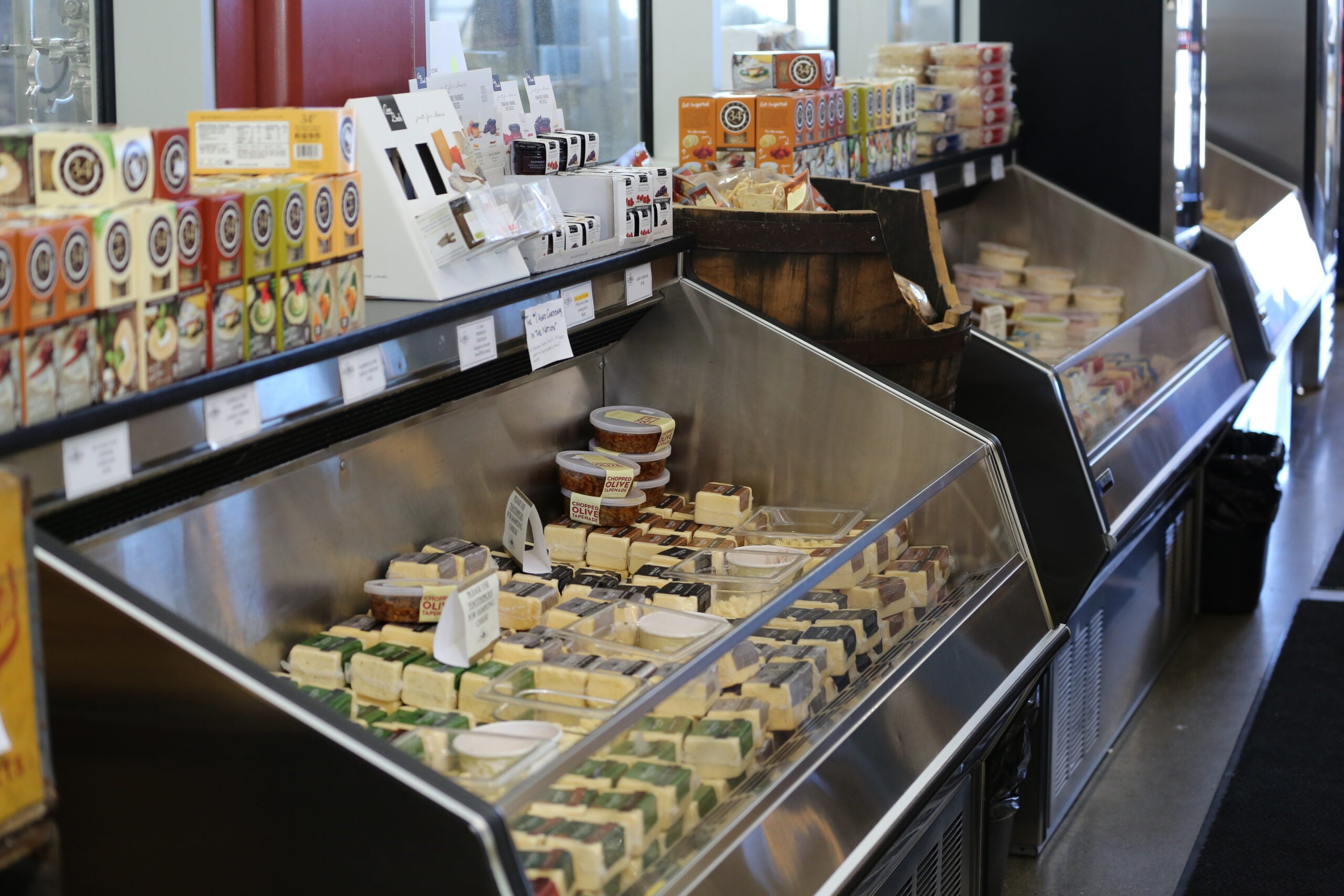
There is a small pleasure in choosing cheese for two different meals. Something fresh can be opened while the coast is still in view, and a firmer cheddar can go home for toast, soup, or the next day’s lunch. Bring a cooler if the drive continues for hours, especially if the car will sit while you explore Bandon. The advice is unromantic, but it does far more for the cheese than a beautiful photograph of a purchase warming on a back seat.
The cafe makes the stop more than a tasting counter. Face Rock’s current Bandon page describes deli sandwiches and fresh-made sides, and it also serves Umpqua Ice Cream. Its website invites visitors to call an order ahead if they are in a hurry. The exact cafe menu and availability can change, so the sensible move is to browse the posted menu before choosing a dish from afar. The appealing part is the combination: a savory lunch, a look at the working creamery, and something cold and sweet before getting back on Highway 101.
For someone who has never cared much about cheese factories, that mix is a good introduction. You do not need to commit to a formal tour or understand every stage of curdling to enjoy the stop. You can buy lunch, notice a worker at the vat through the glass, and ask which cheese makes a good road snack. The experience remains rooted in ordinary food decisions, which is why the production room feels alive rather than staged.
What the window shows
Cheese making is often compressed in the imagination into a single act of pouring milk and waiting. The actual work has stages, and the vat is a useful place to begin watching. Milk is cultured and set with rennet; the curd is cut, stirred, heated, drained, and handled according to the style the makers want. Even a short glimpse can reveal that cheese is a matter of timing and texture, not simply a secret ingredient. Face Rock’s public viewing space offers a rare chance to put the finished food beside the process that creates it.
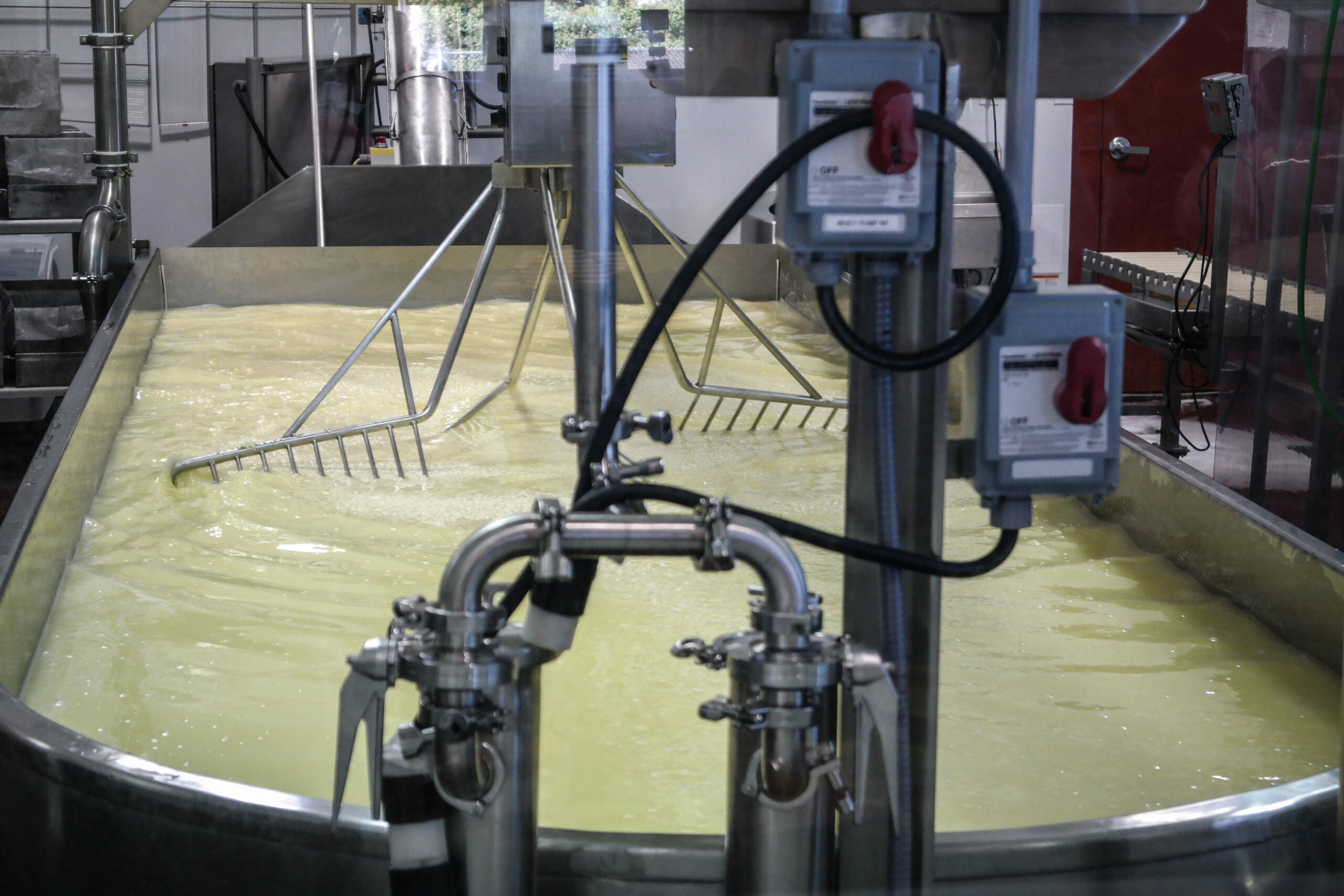
Some cheeses are meant to be eaten fresh, while others need time and careful conditions to develop. A fresh curd and a mature cheddar therefore tell different parts of the same story. The first is about a brief interval after production, when its springy bite is the attraction. The second is about patience, moisture loss, and the flavors that emerge later. Seeing a contemporary factory in motion helps explain why both can belong in one shopping bag without tasting alike.
The room also anchors the creamery in the Coquille Valley rather than in an abstract idea of Oregon-made food. At its opening, the business worked with the Scolari family dairy near Coquille for milk. The company has since said it broadened its dairy relationships as it grew, so an older claim that every batch comes from a single farm should not be repeated as a present guarantee. The local dairy history remains important, but a working food business changes as production and supply change.
The visit offers more than a list of cheese names. Lunch and a bag of curds answer the immediate appetite. The window invites a longer look at the hands and equipment behind them, and at why Bandon wanted a creamery back after losing one. Those questions are part of the pleasure of the stop, especially for a reader who enjoys finding the stories behind familiar Oregon foods.
A rebuilt tradition, not an old building
It is tempting to tell Bandon’s cheese history as a neat circle, with a factory closing and the same factory reopening. The present building tells a different story. The present Face Rock building is new, and its business was created years after the prior operation ended. Its founder, ownership, product line, and scale are its own. Calling it the old Bandon Cheese Factory would flatten the work it took to build a new one.
The continuity is still real. The same site once drew people to watch cheese being made. The Sinko family crossed both chapters. The wider town kept its memory of cheese as something made locally, not just a label on a supermarket wrapper. Face Rock was built on that memory while making a new claim for Bandon’s food future, one that can be tested in a tasting room and seen through the production window.
Visitors can add another stop to understand that history. The Bandon Historical Society Museum is about a half block away, in a former city hall building, and keeps material on the town’s fires, maritime life, farming, and industry. Our look inside the Bandon Historical Society Museum offers a closer introduction to its exhibits. A museum visit before or after lunch gives the factory story a broader setting. It also keeps the cheese narrative from swallowing the rest of Bandon’s past, which includes Indigenous history and many other working lives.
The creamery sits near Old Town Bandon, where a short walk can reach shops and the waterfront boardwalk. Our Bandon travel guide helps connect lunch with the harbor, beaches, local history, and an overnight stay. For the longer drive, use our Oregon Coast travel guide to place Bandon within a South Coast itinerary and choose the stops that fit your time.
Face Rock Creamery takes its name from Bandon’s offshore formation, but the production room is in town and the viewpoint is a separate outing on Beach Loop Drive. Our Face Rock State Scenic Viewpoint guide covers the beach setting and how to plan that part of the day. Allow separate time for the landmark after lunch, and check Oregon State Parks’ current notices before heading to the shore.
Where is Face Rock Creamery and when is it open?
Face Rock Creamery is at 680 Second Street SE in Bandon on Oregon’s South Coast. Its Bandon location lists daily hours of 9 a.m. to 6 p.m. Check the official creamery page for the current menu and any holiday changes before setting out. Production schedules, particular cheese varieties, and the cafe’s selections can vary; contact the creamery ahead if watching cheesemaking is the centerpiece of your trip.
Start with a look at the production window if cheese making is happening. If the room is quiet, the trip still has lunch, cheese, and a chance to compare fresh and aged products. Ask staff what is fresh or currently available rather than assuming a flavor shown online will be in the case. A small tasting choice can lead to a better purchase than arriving with a fixed order copied from an older review.
Think about the next hour as well as the next meal. A sandwich or side from the cafe can be eaten on site, while curds and a cooler turn the stop into provisions for a south-coast drive. Umpqua ice cream adds a simple dessert option if the weather feels cooperative, and it is just as legitimate a reason to pause when the sky is gray. None of these pleasures depends on the factory performing for visitors; the working room is a welcome extra, not a scheduled show.
There are many Oregon coast stops where the draw is the view. Face Rock Creamery earns its place for a different reason: it lets a visitor eat something made from a craft that helped define Bandon, then look toward the room where that craft continues. The earlier factory did not survive, but the appetite for local cheese did. A bag of curds for the road and a little time at the window make that history wonderfully tangible.