
Portland, Oregon
Neighborhood character, landmark parks, an independent food scene, and easy escapes to waterfalls, wine country, mountains, and the coast.
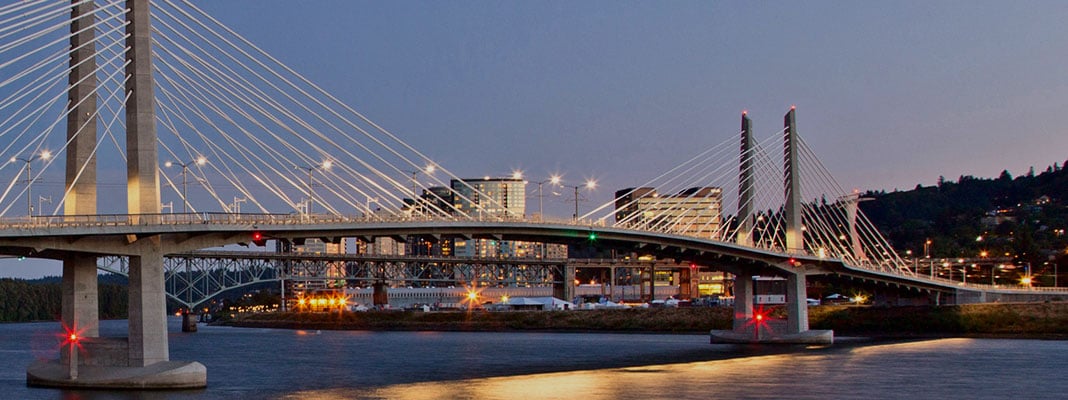
Portland, Oregon
Neighborhoods, gardens, food carts, forest trails, and easy day trips into the Gorge.
Portland rewards visitors who explore it one neighborhood at a time. Oregon’s largest city combines major museums and gardens with independent shops, a deep food scene, miles of urban trails, and quick access to the Columbia River Gorge, Mount Hood, the Willamette Valley, and the north Oregon Coast.
← Explore all Oregon cities and towns
Why people love Portland
Portland is not one single downtown experience. Its character lives in walkable commercial streets, leafy residential blocks, riverfront paths, old theaters, bookstores, gardens, markets, and restaurants spread across both sides of the Willamette River. The best trips leave room for one major attraction, one neighborhood wander, and at least one meal you did not plan too tightly.
Best for
Food, gardens, bookstores, families, museums, live music, and urban nature.
Give it
Two or three days for the city; longer if you want Gorge, mountain, wine-country, or coast day trips.
Local rhythm
Choose a neighborhood, walk a few blocks, stop for coffee or a cart, then follow what catches your eye.
The experiences that define a visit
Washington Park
This west-side park brings several of Portland’s signature attractions together: the International Rose Test Garden, Portland Japanese Garden, Oregon Zoo, Hoyt Arboretum, and World Forestry Center. Parking can be limited, so check transit and shuttle options before you go. Plan a Washington Park visit →
Forest Park
Forest Park gives Portland a true forest experience inside the city, with more than 80 miles of trails across roughly 5,200 acres. The Wildwood Trail, Lower Macleay area, and routes toward Pittock Mansion are useful starting points, but trail conditions and closures can change after storms. Check official Forest Park information →
Powell’s City of Books and the Pearl District
Leave time to browse Powell’s flagship bookstore, then walk into the Pearl District for galleries, shops, restaurants, and the North Park Blocks. Check Powell’s current visitor details →
OMSI
The Oregon Museum of Science and Industry is a strong all-weather stop for families and curious adults, with hands-on exhibits, a planetarium, giant-screen theater, and the USS Blueback submarine. Plan an OMSI visit →
Portland Art Museum
The museum anchors the South Park Blocks cultural district and pairs well with downtown architecture, parks, and nearby food. Exhibitions, admission, and hours change, so confirm details directly. See the museum visitor guide →
Lan Su Chinese Garden
Lan Su is a walled garden in Old Town Chinatown designed around architecture, plants, water, and views that change as you move through the space. Visit Lan Su’s official site →
Pittock Mansion
The historic mansion is one of the city’s classic viewpoints, with broad views over Portland toward the Cascades on clear days. It also connects naturally with nearby Forest Park trails. Check current Pittock Mansion details →
Portland Saturday Market and the waterfront
When the market is operating, combine local makers and food vendors with a walk through Old Town and along the Willamette River. Check market dates and hours →
Choose a neighborhood, not just an attraction
Portland’s visitor experience is spread across many districts. Pick one or two of these clusters per day instead of trying to cross the city repeatedly.
- Downtown and the South Park Blocks: museums, theaters, public squares, shopping, and easy transit connections.
- Pearl District and Northwest/Nob Hill: Powell’s, galleries, restaurants, historic homes, and access toward Forest Park.
- Alberta Arts District: murals, independent shops, galleries, cafés, and restaurants along Northeast Alberta.
- Hawthorne, Belmont, and Division: vintage shopping, neighborhood theaters, food carts, restaurants, and long walkable stretches in Southeast Portland.
- Mississippi and Williams: live music, small businesses, patios, restaurants, and a lively North/Northeast Portland corridor.
- St. Johns: a distinct town-center feel, the landmark St. Johns Bridge, and Cathedral Park beneath it.
- Sellwood-Moreland: antiques, neighborhood restaurants, parks, and access to the Springwater Corridor.
Compare Portland neighborhoods and maps →
One memorable day in Portland
- Morning: Start in Washington Park with the Rose Test Garden or Portland Japanese Garden.
- Lunch: Choose a food-cart pod where everyone can try something different.
- Afternoon: Browse Powell’s and walk the Pearl District, or spend a rainy afternoon at OMSI or the Portland Art Museum.
- Golden hour: Walk the Eastbank Esplanade, visit Pittock Mansion, or find a neighborhood park with a view.
- Evening: Settle into one neighborhood for dinner, a theater, live music, or a relaxed brewery patio.
Where to eat
Portland’s food scene is broad enough that a single “best restaurants” list becomes outdated quickly. A better approach is to choose by neighborhood and mix one reservation with spontaneous stops. Food-cart pods are especially useful for groups because many put several cuisines and shared seating in one place.
- Food carts: Start with established pods such as Hawthorne Asylum, Cartopia, Midtown Beer Garden, or Prost Marketplace, then confirm the current cart lineup before visiting.
- Neighborhood dining: Division/Clinton, Alberta, Mississippi/Williams, Northwest, downtown, and the Central Eastside each support a full evening without much driving.
- Coffee, bakeries, and breweries: Leave room between meals; some of Portland’s most memorable stops are the unplanned ones.
Browse the current food-cart pod guide →
Read That Oregon Life’s Portland restaurant stories →
Nearby waterfalls and easy day trips
Columbia River Gorge and Multnomah Falls
The Historic Columbia River Highway corridor east of Portland holds waterfalls, viewpoints, and short hikes close enough for a half-day or full-day outing. Multnomah Falls is the best-known stop, but access rules, parking systems, trail conditions, and seasonal permits can change. Check official information before leaving Portland. Check the Columbia River Gorge National Scenic Area →
Use That Oregon Life’s Oregon Waterfalls Map & Guide →
Hood River and the Gorge
Continue east for Hood River’s waterfront, orchards, breweries, and views of the Gorge. It works as a day trip, though staying overnight makes room for the Fruit Loop and nearby trails. Explore That Oregon Life’s Hood River stories →
Mount Hood
Timberline, Government Camp, lakes, and seasonal recreation make Mount Hood a flexible day trip. Mountain weather and road conditions can differ sharply from Portland, so check conditions before driving. Check Oregon road conditions →
Willamette Valley wine country
Newberg, Dundee, and McMinnville are close enough for a relaxed day of tasting rooms, farm country, and small-town stops. Use a designated driver or booked transportation when wine tasting. Explore the Willamette Valley →
The north Oregon Coast
Astoria and the north coast can be reached from Portland for a long day trip, but an overnight visit is more relaxed. Explore the complete Astoria guide →
Events and seasonal reasons to visit
Portland’s calendar ranges from neighborhood street fairs and farmers markets to major concerts, sports, film, food, and holiday events. Dates and venues change, so use the live calendar when planning.
Browse upcoming Oregon events →
Where to stay
- Downtown: convenient for first-time visitors who want museums, performances, MAX light rail, and central-city sights close by.
- Pearl District or Northwest: a good fit for walkable dining, shopping, Powell’s, and quicker access to Forest Park.
- Central Eastside: useful for restaurants, nightlife, OMSI, and crossing between east-side neighborhoods and downtown.
- Alberta, Mississippi, or Division: better for travelers who want a neighborhood feel and do not mind using transit or rideshare for major attractions.
Compare the exact location—not just the word “Portland”—before booking. The metro area is large, and a lower room rate far from your plans can add substantial travel time.
Plan your Portland visit
Getting around
MAX light rail, buses, and Portland Streetcar cover many visitor areas, and transit is often easier than moving a car between central neighborhoods. Use the official trip planner for current routes, fares, service alerts, and accessibility details. Plan a trip with TriMet →
Weather and seasons
- Spring: gardens and blossoms are a highlight; carry rain protection and expect changeable days.
- Summer: long, generally dry days suit patios, markets, parks, and Gorge trips; popular trailheads can fill early.
- Fall: cooler walking weather, changing leaves, harvest events, and wine-country trips.
- Winter: museums, bookstores, restaurants, and performances pair well with wet-weather walks; mountain travel requires separate condition checks.
Nearby towns and next stops
- Hood River — Gorge scenery, waterfront recreation, and orchards.
- Newberg, Dundee, and McMinnville — wine country and small-town stops southwest of Portland.
- Astoria — maritime history and a finished That Oregon Life coast-city guide.
- Lincoln City and Newport — longer drives that work better as overnight coast trips.
More Portland stories from That Oregon Life
Our Portland coverage changes with the city: new restaurants, longtime favorites, unusual shops, family outings, local history, events, and places worth a detour.
Businesses, hours, admissions, access rules, trail conditions, and seasonal services can change. Confirm current details with the official source before traveling.