
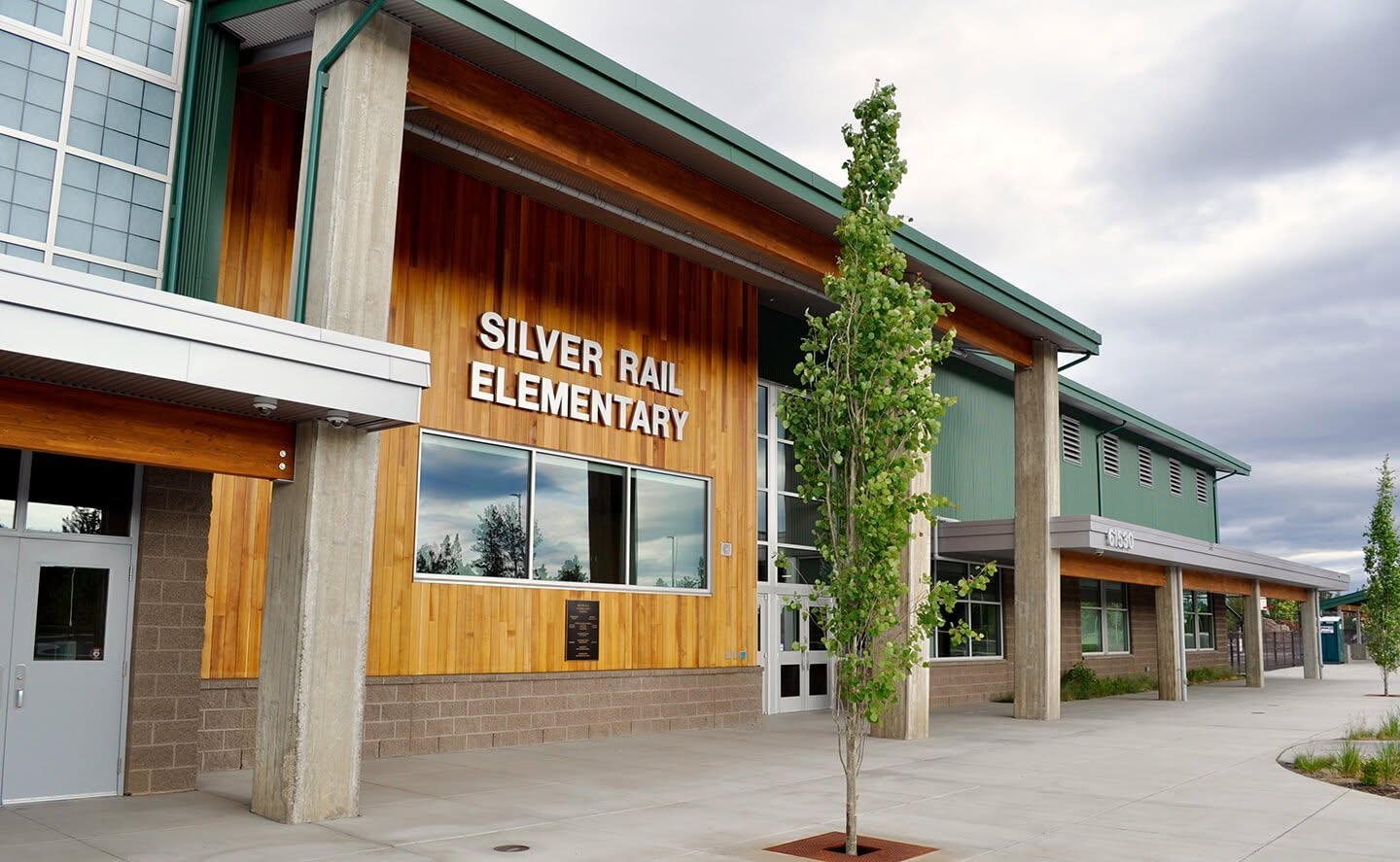
When parents bring their children back to Silver Rail Elementary, the district says a school resource officer will be there. On October 15, the officer assigned to Silver Rail was at another school. Three children and a teacher were killed. No parent should have to send a child into a classroom wondering whether they’ll come home that afternoon.
On November 6, days after Oregon voters elected her to a second term, Gov. Tina Kotek said she would ask Oregon’s Legislative Emergency Board in December for $10 million to help Bend recover. She included parents and the broader community as well as the schools. “We don’t know what they need right now, but I’m not waiting for the legislative session to figure it out,” she told reporters, according to Statesman Journal reporting republished by Central Oregon Daily.
At That Oregon Life, we support additional state funding for Bend’s recovery. If the district needs $10 million to bring teachers back, repair Silver Rail and care for the people who survived, lawmakers should fund it. We’d also like to see how the governor arrived at the figure. A public estimate can tell families what help is coming and give taxpayers an honest account of what’s known and what could change.
In her October 26 remarks, Kotek identified substitute teachers, building repairs and the work of coordinating recovery. The state is helping Bend-La Pine apply to Project SERV, a federal program that reimburses eligible expenses. A substitute still needs a paycheck while that application is pending. The governor hasn’t said how much Washington might repay.
Even if every dollar is needed for recovery, Oregon still owes parents an answer about protection. As of November 7, Kotek hasn’t publicly identified an amount for armed security. Bend-La Pine promised an officer through the end of this school year before the governor announced the figure. Whether any of the money would pay for that assignment, add coverage or keep the officer there next fall is still an open question. Lawmakers have yet to approve the request.
Where was the armed officer at Silver Rail?
A Bend police spokesperson told ABC News that the assigned officer was at a nearby campus. At the November 5 public meeting, the district’s safety director counted eight school resource officers and 13 campus monitors across Bend-La Pine. The district describes the officers as armed and sworn, with several schools apiece. Its monitors are unarmed and work in high schools and two middle schools.
A teacher and an armed father stopped the Silver Rail gunman
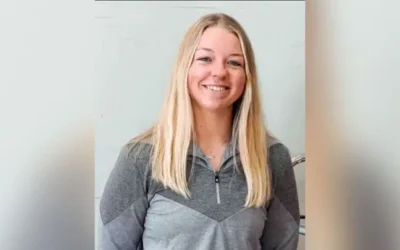
When Kaylub Giamanco followed the gunman into Silver Rail Elementary, teacher Cassidy Schutz was already trying to take the gun from him. She had thrown her phone at the attacker and tackled him. Giamanco, whose family confirmed he held a concealed handgun license, had retrieved his pistol from his vehicle. He fatally shot the attacker before police arrived. When Giamanco later spoke to OPB, he called Schutz a hero and credited her with giving him the opening to act.
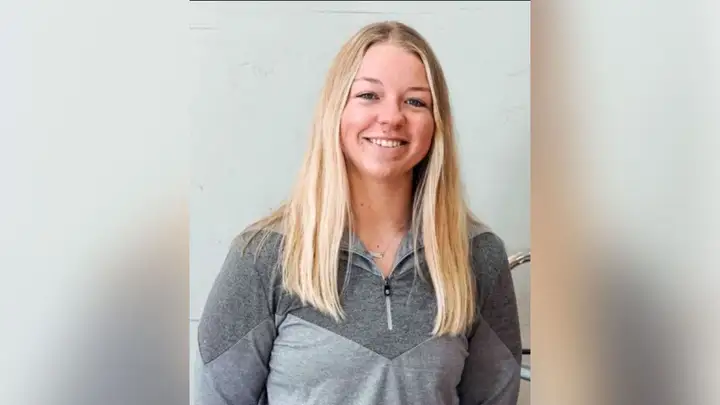
I’m grateful Giamanco had his handgun that day and the courage to go inside. That’s one reason the right to own a firearm under the Second Amendment matters to me. I’m every bit as grateful to Schutz. She took on a gunman with a phone in her hand and children in her care. Without either of them, those minutes could have ended very differently. I think plenty of us can thank them both, whatever our views on guns.
The police timeline puts the first 911 call at 12:59 p.m. and the first officers on scene at 1:02 p.m. Even with that quick response, the people inside had to act before police could reach them. For parents asking for an armed officer at school, those three minutes are the strongest part of their argument. What an officer stationed at Silver Rail could have done that day depends on where that officer would have been when the first shot was fired.
Oregon has seen armed officers interrupt a school shooting, too. At Reynolds High School in Troutdale in 2014, a gunman killed student Emilio Hoffman and wounded teacher Todd Rispler. Rispler reached the office and alerted administrators, who ordered a lockdown. Two school resource officers entered the gym building about three minutes after the first shots, according to the after-action report. The attacker retreated to a restroom. An officer exchanged fire with him, and he died by suicide. The police chief credited the teacher’s warning and the officers’ response with saving lives.
At Pilot Butte Middle School in Bend in October 2024, the intervention came before anyone fired. A seventh grader told a trusted staff member he had a loaded handgun. The district’s review says the principal and the on-site school resource officer secured the student and the gun within two minutes. The district described it as a targeted threat. The student speaking up and an officer being there to respond both mattered.
A national study using federal police-grant funding cutoffs found reductions in some reported violent offenses alongside increases in suspensions and police referrals. The researchers did not detect a reduction in gun-related incidents. A school board weighing a new position can take the Oregon cases seriously while asking how much time the officer will spend on campus and what duties might draw that officer away.
Who pays to keep someone on campus?
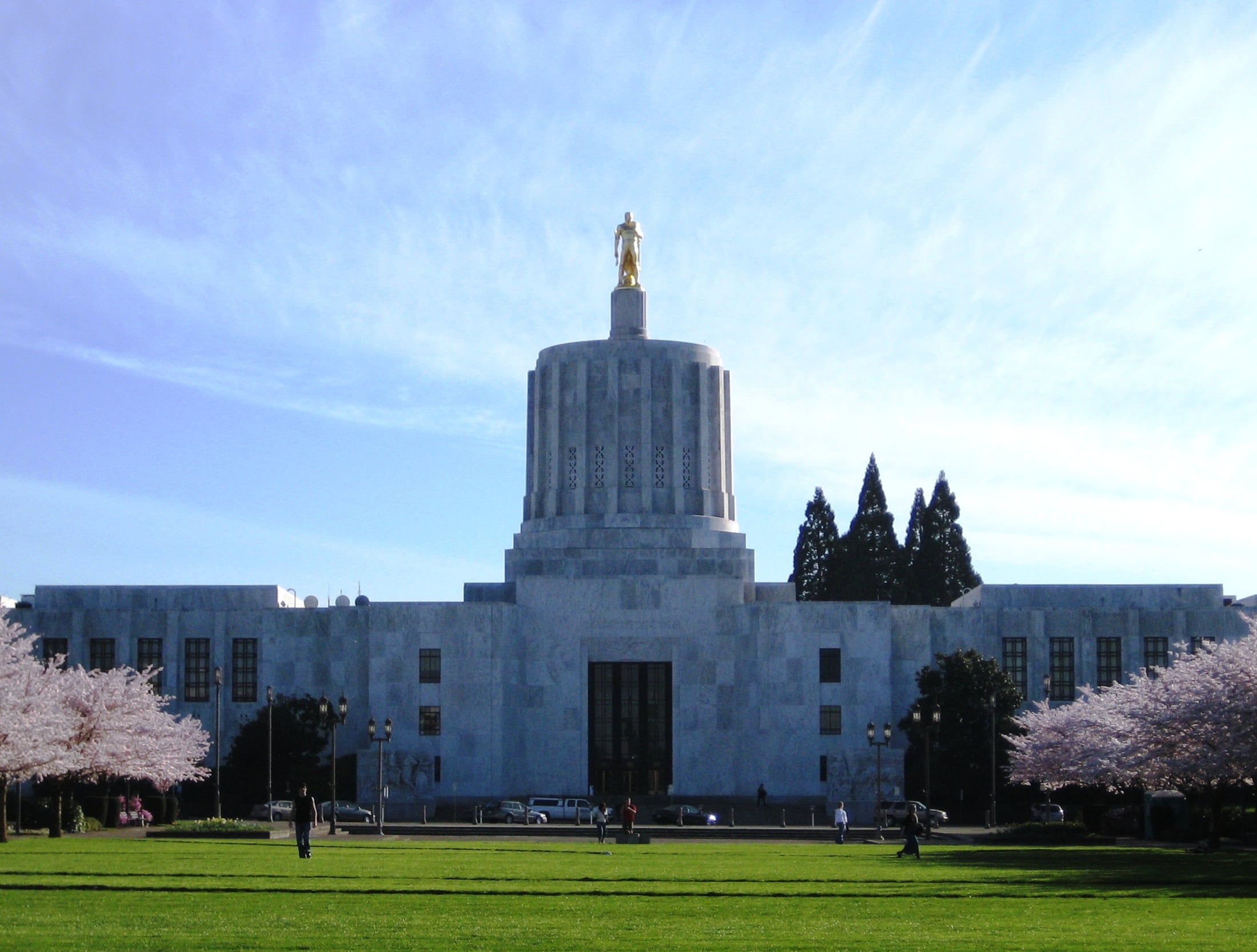
Oregon lawmakers weighing this request work at a Capitol served by a State Police patrol office with troopers available around the clock. We also pay for round-the-clock police coverage at Portland International Airport, and federal law authorizes armed officers to protect Federal Reserve banks. A five-year-old has even less control over what happens in an emergency than an adult walking into the Capitol. The people who set those budgets can ask what it would cost a school board to offer a dependable response during a much shorter day.
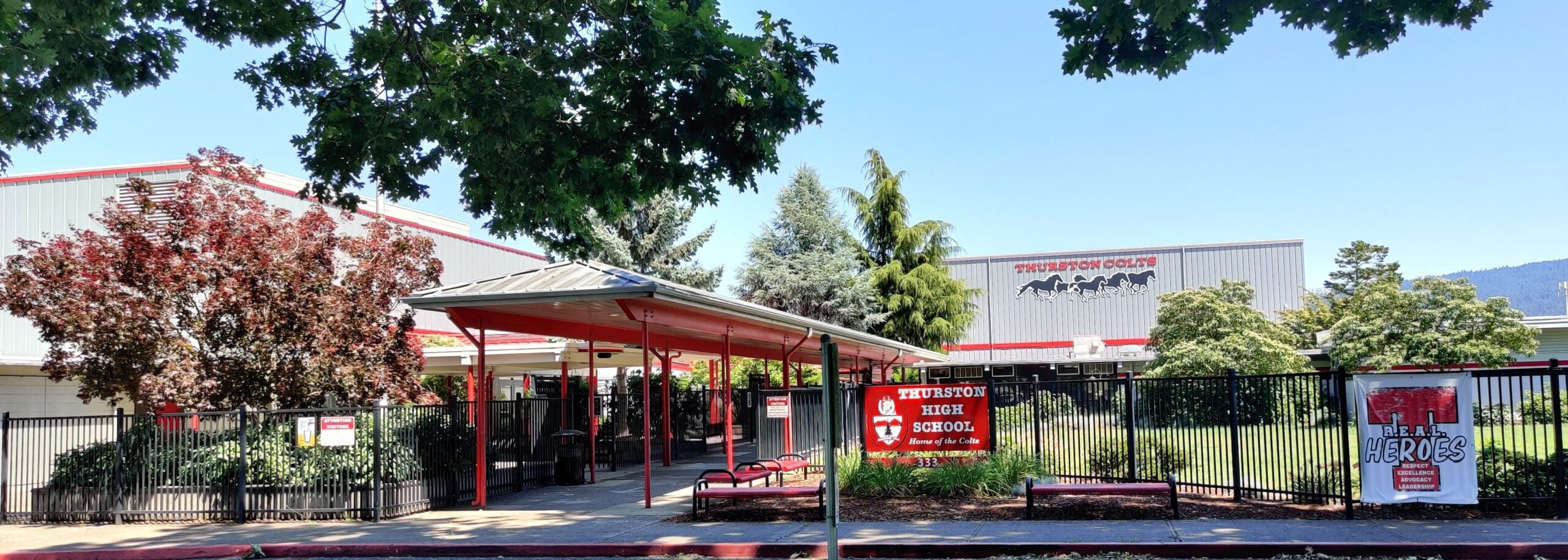
The country has had decades to work on this. In 1998, two students were killed at Thurston High in Springfield. From 1999 through 2005, the U.S. Justice Department’s COPS in Schools program awarded nearly $724 million to help hire school resource officers. Yet in a national survey for the 2021–22 school year, only 34% of public elementary schools reported having a sworn officer who routinely carried a firearm, compared with 63% of secondary and high schools. Even those numbers can’t tell a parent whether an officer is there for the whole school day.
Why are families still asking the same question a generation later? Part of the answer is in the way we pay for safety. A federal grant can help hire an officer. The school board and the police department still have to agree on who covers the salary when the grant ends, where the officer works and who fills in when that person is called away. Communities can disagree about whether a full-time officer is right for every campus. Every family should still be able to get a straight answer about who will respond at their child’s school, what evidence supports that choice and who has agreed to pay for it next year.
Oregon lawmakers have already had a chance to debate that responsibility. In 2025, House Bill 2179 would have required districts to plan for a school resource officer or other law enforcement coverage at each school while students were expected there. It would have allowed the Department of Education to distribute State School Fund money for that purpose. The bill ended the session in the House Education Committee. Even its proposed language left room for a district to share coverage, the very arrangement Silver Rail families are questioning.
With a second term ahead of her, Kotek could ask every district for a count of campuses with an officer present throughout the school day, campuses that share one and campuses that rely on a call to local police. Publish those numbers by district without disclosing individual officers’ schedules. Then price the gaps. A rural sheriff might need another deputy and a vehicle to cover schools many miles apart. A city district might have enough officers on paper and still lack anyone to cover a campus when its officer is called away. Parents could finally see what their district has, what additional coverage would cost and whether Salem is willing to share that cost year after year.
What happens when a district can’t afford an officer
On November 5, Bend-La Pine school board chair Amy Tatom told parents the district’s state funding would not cover hiring additional school resource officers or the building upgrades under discussion. She said the community would have to consider bonds and levies, The Source reported from the meeting. Ashland has an example of what that looks like in practice. Its school district says budget constraints ended its officer program in 2015, after more than 20 years of city funding. The city and district later restored the position through a partnership with Ashland police.
Deschutes County also shows what officials can do while a school district is short of money. After Silver Rail, Sheriff Ty Rupert authorized a fourth full-time school resource deputy and posted the position internally on October 22. An experienced deputy took a temporary school assignment while the office worked to fill it. The sheriff described a position serving county schools, with the eventual assignment based on need. That decision preceded Kotek’s $10 million announcement and carried no promise of an officer for every campus. KTVZ reported the sheriff’s staffing decision.
Officials did have a specific staffing recommendation before the shooting. A 2024 study for the City of Bend recommended expanding its police school resource unit by four officers and one sergeant. The consultants based that recommendation largely on middle and high school enrollment and coverage. Their proposal would still have left elementary schools sharing officers. The city and school board could tell parents which recommendations they accepted, which they deferred and what each decision cost.
Putting an officer in every school would require continuing local money. In October, KTVZ examined a Bend parent’s proposal and reported a preliminary expansion estimate of about $4.2 million a year. Police Chief Mike Krantz put the cost per officer closer to $250,000 when vehicles, training and equipment were included. He also said his department lacked the staff to expand that quickly. Even using the lower estimate, two years would consume $8.4 million before a dollar went toward repairs or counseling. Kotek has made no such allocation.
Taxpayers have paid for physical protection, too. Bend-La Pine voters approved a $249.7 million bond in 2022 for building modernization and safety. Its projects included classroom lock upgrades covering an estimated 3,200 doorways. The bond also funded major school construction, so attributing its full value to security would exaggerate what was spent. The district says it will hire an outside investigator to review its response. Parents should be able to see which improvements the investigator believes would have bought staff and students time, and which ones the district intends to buy.
What Bend families could receive
The district has already described work a parent can picture. Its updates to Silver Rail families call for a finished wall separating the affected classroom from the rest of the school. For the planned November 12 return, it has promised additional mental health support, an extra administrator and the officer on campus. Those commitments give lawmakers somewhere to start. The contractor’s estimate for the wall, the number of substitute days needed and the cost of staffing the school through June are all figures the district can supply or mark as preliminary. None has been publicly assigned a share of Kotek’s $10 million.
The distinction matters particularly for families. A parent who hears the governor include families in the request might reasonably wonder whether it would cover a counseling bill, child care or time away from work. A grant to a district to hire counselors reaches families in a different way from a payment to a household. Kotek has described an effort to help eligible workers use Paid Leave Oregon. She has yet to describe a direct family benefit under this proposal or say how a family would apply.
Oregon has put a price on school recovery before
After the October 2015 shooting at Umpqua Community College near Roseburg, Oregon lawmakers approved $4.25 million to renovate or replace Snyder Hall, where the attack occurred. They approved another $1.8 million for staffing, security equipment, door locks, lighting, network upgrades and other costs. The Legislative Fiscal Office’s account lets a taxpayer see what the two appropriations, totaling $6.05 million, were intended to accomplish.
Federal help came through separate channels. The college received a $529,623 Project SERV grant. The U.S. Department of Justice awarded Oregon about $1.2 million through a different victim-assistance program. When Douglas County recovery leaders later went back to Salem, their 2017 request specified, among other things, $250,000 for two youth trauma counselors for one year. A lawmaker could question the price, change it or ask a year later whether the counselors had been hired.
A college rebuilding a hall a decade ago offers no reliable price per classroom for an elementary school today. It does establish that a single Oregon shooting can generate multimillion-dollar public expenses, even before a community knows how long people will need care. It also sets a fair standard for Bend. If the administration has included an allowance for costs nobody can estimate yet, it can say how large that allowance is and who may release it.
Oregon’s budget grew. What protection reached schools?
Oregon adopted a $138.9 billion all-funds budget for the two years from July 2025 through June 2027. The Legislative Fiscal Office put that 5.9% above the prior approved two-year budget of $131.2 billion. The State School Fund grew faster, from $10.2 billion to $11.36 billion, an 11.4% increase in dollars before inflation. The larger state figure includes federal money and funds restricted to particular purposes. The school fund pays for ordinary operations across Oregon, including the teachers and staff already working in classrooms.
In 2025, Oregon put about $21.2 million in marijuana tax revenue into the State School Fund. Schools already count on those dollars to operate. Still, when lawmakers write the next budget, I’d like them to consider setting aside some of that revenue to help districts protect the kids in those buildings. I won’t pretend to have all the answers here. If it were your child’s school and you had a say in where that money went, what would you pay for first, and why?
Bend-La Pine’s own 2026–27 adopted general fund operations budget shows the scale closer to home. It lists about $259.9 million in requirements, including $125.9 million in salaries and $69.2 million in associated payroll costs. The governor’s proposed $10 million equals about 3.8% of that entire year’s operations figure, although she intends the recovery money to reach beyond the district. That is a substantial request locally. It would also be a substantial bill to hand to the district without state help.
Oregon has funded specific safety work. The school boards’ and school administrators’ associations put the 2025–27 allocation for the Statewide School Safety and Prevention System at $3.6 million. That one program supports work such as assessing threats and preventing suicide and bullying. Other safety spending runs through police budgets, district payrolls and local bonds. Oregon State Police’s SafeOregon annual report records 2,808 tips and 1,327 enrolled schools in 2025–26. The volume tells us families and students use the service. To judge its performance, lawmakers also need to know how quickly schools followed up on urgent threats and what happened next.
Since the Silver Rail attack, Kotek has also offered 240 additional active-threat training opportunities for Oregon law enforcement over three months. She asked districts to send families a firearm safety and storage guide. Both actions address prevention or response. Neither comes with a commitment to put an additional officer in a particular school. The state can report how many officers actually completed training and which districts took part.
The clearest example of the gap between Salem and a school building involves panic alarms. In 2023 lawmakers provided $2.5 million statewide in one-time funding, with grants of up to $2,000 per school building for purchase and installation. In 2025 they passed House Bill 3083, directing school governing bodies to consider installing a panic alarm. The law left the purchase decision with each school’s governing body.
Bend-La Pine had already put its reasoning in writing. In a January 2025 safety review, the district said it had evaluated emergency management software and found a staff-activated alert useful. It concluded that $2,000 per building fell short of installation costs and that the grant offered nothing for annual operations. At the November 5 community meeting, Superintendent Steven Cook told parents the district had made other choices with its limited funds. Parents deserve to see what a workable system would cost over five years and what the district chose to fund ahead of it.
How many Oregon school shootings in 30 years?
At least 10 incidents of gunfire can be documented on Oregon K–12 campuses during or immediately around the school day between November 1996 and November 2026. Here is how to check that minimum. Filtering The Washington Post’s public incident file for Oregon returns eight cases. They occurred at Roseburg High in 2006, Springwater Trail High in 2007, Bend High and Reynolds High in 2014, Cascade Middle in 2019, Cleveland High in 2022, and Willagillespie Elementary and the Islamic School of Portland in 2024. The file begins with Columbine in 1999. Thurston High in Springfield in 1998, where two students were killed, predates it. Silver Rail in 2026 falls after its last Oregon entry.
Those ten incidents differed sharply. A student died by suicide in front of classmates at Bend High. At Reynolds High, a gunman killed a student and wounded a teacher. David Riedman’s K–12 School Shooting Database also records after-hours gunfire and guns brandished with intent to harm, even if nobody fires. That broader definition serves a different purpose. Umpqua was a college and is outside this K–12 count. The ten named cases establish a minimum for the period. Calling them ten mass shootings, or the complete tally of gun violence affecting Oregon schoolchildren, would give readers the wrong number.
What lawmakers should ask for in December
Before the vote, the governor and district should publish a joint estimate that separates bills already incurred from work still under consideration. For building repairs, show the scope, contractor estimates and expected insurance coverage. For substitutes, counselors and other staff, show the rates and the number of days or months being funded. A reserve for another semester of counseling may be defensible even when the district can’t predict which children will need it. Lawmakers can still ask who estimated demand and when the district will reassess it. For family assistance, identify who qualifies, who makes the decision and how a family gets help. An estimate can carry a range. An unknown cost can be labeled unknown.
For any proposed security upgrades, lawmakers should ask for the cost of keeping the Silver Rail officer next fall, the five-year cost of an alert system staff can use immediately, and estimates for the doors or glass the district recommends replacing. If the full request goes to recovery, those estimates belong in the next school budget, where families across Oregon can weigh in before their districts have to make another round of choices.
Lawmakers can release money for urgent bills now and require a public accounting as insurance payments and federal reimbursements come in. A Silver Rail teacher should be able to take time to recover knowing someone will cover her class. And when a parent walks a child through those doors next fall, they should already know whether the officer will be back.
What bothers me most is how much better we’ve gotten at telling a six-year-old what to do if someone comes to kill them. We can tell that child where to hide, when to stay quiet and which adult to follow. I understand why schools teach every bit of it. What I have a hard time accepting is that, in the 28 years since Thurston, we’ve come to regard that as an ordinary part of an American childhood.
I believe we’ve lost ground in this country on one of the first things a child ought to learn: somebody else’s life is worth as much as yours, even when you’re angry, even when you’ve been wronged, even when you hate them. No governor can sign a bill that teaches that. Kids learn it from us, including in the moments we’d rather they didn’t see. They hear which deaths we make excuses for. They notice whose suffering gets a laugh. And at Silver Rail, they have the example of Cassidy Schutz and Kaylub Giamanco, who each put their own life on the line so somebody else’s child could come home. I’m grateful to them both. I wish we spent as much time asking what we owe other people’s children before a shooting as we spend praising the people who protect them during one.
I’d transferred out of Thurston High only 3 months before the 1998 shooting. Friends I’d known since childhood were there that day. Now, still living in Thurston, 28 years later a family in Bend only a couple hours away has had to bury a child who should’ve come home from elementary school. I want Oregon to pay for the protection our kids need. I also want us to have the guts to say, at our own dinner tables and among people who agree with us, that nobody’s life becomes disposable because we hate them, and to call it out when one of our own suggests otherwise. Until we take that moral obligation seriously, I believe this country will keep asking children to practice hiding under desks while we adults congratulate ourselves for passing another bill.