
Portland, Oregon: the honest travel guide
Neighborhood character, world-class food, rain made for bookstores, urban forest, and one of the country’s best city-to-waterfall escapes—plus the real tradeoffs a first-time visitor should know.
The honest Portland briefing: should you still visit?
Yes—if you want the real Portland rather than a cleaned-up postcard. This is Oregon’s only true big-city trip: beautiful, funny, creative, food-obsessed, sometimes inconvenient, and visibly changed by hard recent years. Plan for the city as it is, and it remains one of the Pacific Northwest’s most rewarding urban weekends.
Visitors may encounter visible homelessness, people in behavioral-health or substance-use crisis, vacant storefronts, and blocks that become much quieter after business hours. That is worth acknowledging without treating the entire city as a danger zone. Most visitor days are ordinary and enjoyable. The useful move is specificity: book by the exact block, plan your evening return, and use normal large-city awareness.
What we would tell a friend: Visit Old Town/Chinatown for a purpose—Lan Su, Saturday Market, the waterfront, or a particular venue—rather than assuming it works as an all-evening tourist promenade. Do not leave bags, outdoor gear, cameras, chargers, or even tempting clutter visible in a vehicle anywhere in the city or at a trailhead. If a block feels empty at the hour you are there, take transit or a rideshare to the active part of town instead of forcing a late walk because a map says it is close.
For current context rather than viral “safe/unsafe” maps, consult Portland’s reported-crime data and homelessness data and service dashboards. They describe reported data and city systems; they cannot predict how one block will feel at one hour.
Portland makes more sense when you know its history
Portland is more than a collection of good restaurants, gardens, bridges, and weird signs. Its identity comes from two working rivers, Indigenous trade and lifeways, a boomtown port, migration and industry, and histories of exclusion and displacement that are still part of the city visitors see today.
Before the city grid
The lower Willamette and Columbia were not empty land waiting for a city. For thousands of years, Chinookan-speaking peoples—including the Clackamas, Cascades, and Multnomah—lived, traveled, traded, fished, and gathered through this river landscape. The rivers remain the most useful way to understand why this place mattered long before Portland existed. Start with the City’s historical background rather than treating an acknowledgement as the end of the story.
A name, a river port, and a fast-growing town
Portland’s 1845 name was decided by the famous coin toss between Asa Lovejoy and Francis Pettygrove—Boston lost; Portland, Maine won. The story is worth knowing, but the bigger point is location: this was the farthest practical Willamette landing for ocean-going ships, which made the rivers, docks, warehouses, rail links, and industrial districts central to the city’s growth. The original Portland Penny is at the Oregon Historical Society.
Vanport, Albina, and the history a postcard misses
World War II shipyards remade the region and brought a large influx of workers, including many Black Americans. Vanport—built in 1942 on the Columbia floodplain—became the nation’s largest wartime housing development and Oregon’s second-largest city before the 1948 flood destroyed it. The resulting housing crisis, segregation, and displacement shaped Black Portland and the Albina district. This is not a sidebar to Portland history; it helps explain the city now. Read the Oregon Historical Society’s Vanport history before you go deeper.
“Keep Portland weird” did not begin with a slogan
Portland has never been a tidy, buttoned-up company town. Its river-port years brought saloons, gambling halls, burlesque, and red-light districts; those histories also include corruption, exploitation, racist targeting of Chinese businesses and workers, and moral crackdowns on queer Portlanders. In 1987, Oregon’s state constitutional free-expression protections helped allow nude dancing to proliferate. The Oregon Encyclopedia reports that Portland has more strip clubs per resident than any other U.S. city—one for every 11,826 residents. That is a real part of the city’s culture, not a reason to flatten Portland into a party gimmick.
History worth putting on the itinerary
Build in time for the Oregon Historical Society Museum downtown if you want more than a surface-level version of the city. Old Town/Chinatown, the riverfront, the Central Eastside, St. Johns, and North Portland become more interesting when you see them as working landscapes and communities, not interchangeable photo stops. Portland’s history includes beauty and reinvention, but it also includes colonization, exclusion, flooding, urban renewal, and displacement. A useful visit makes room for both.
Where to stay in Portland: choose a base, not just a hotel deal
A cheap room that needs a car or a 25-minute transit ride for every meal is not really cheap. A hotel labeled “downtown” may be perfect, merely quiet, or frustrating depending on its exact block. Portland rewards a base that lets you wake up, walk to breakfast, and make the rest of the day simpler.
Best all-around: Pearl District and Nob Hill / Northwest 23rd
Choose this if: You want a first-time trip with bookstores, dinner, coffee, boutiques, good walking, and easy access toward Forest Park. It is polished and often more expensive, but the lower friction is real.
Tradeoff: It is not the entire Portland food scene. Plan an east-side dinner or two rather than making every meal a five-block-radius decision.
Best car-free cultural base: west downtown and the South Park Blocks
Choose this if: Museums, theater, concert halls, Pioneer Courthouse Square, Portland Art Museum, and MAX access matter more than a residential-neighborhood feel.
Tradeoff: Look at the exact address. Downtown activity changes block by block and after business hours; plan dinner rather than assuming every storefront nearby stays active late.
Best food-and-neighborhood base: Central Eastside, Division, Hawthorne, Alberta, or Mississippi
Choose this if: You want excellent meals, independent shops, and a slower neighborhood rhythm instead of a convention-center version of Portland.
Tradeoff: These areas are not interchangeable with a central hotel. Use transit or rideshare for Washington Park, museums, or a late return from the west side.
Not our default first-time base: Old Town/Chinatown
There are meaningful reasons to visit—Lan Su, Saturday Market, history, waterfront access, and individual venues. But it is not the default hotel base we would choose for families, solo travelers arriving late, or anyone expecting effortless nighttime strolling outside the lobby.
If you book there: use the exact address, recent reviews, and your actual evening plan—not a vague “historic district” label.
- Open the map and check the walk from hotel to your morning and evening plans.
- Do not book the outer edge of the city merely to save a little if your trip is restaurants, theater, museums, and neighborhoods.
- Do not make an itinerary that crosses the river three times a day.
- Pay for a better base or a rideshare when it saves an exhausted late-night walk.
Portland food is not an add-on. It is a reason to come.
Portland deserves better than a stale “top 10 restaurants” list. Restaurants change, chefs move, reservations disappear, and the best meal may be a counter seat, a food cart, a bakery, or the place you notice while walking. Build meals around the neighborhood you already chose.
The group day
Start at a food-cart pod when nobody agrees on one cuisine. It solves lunch, leaves room for a coffee or brewery, and avoids a cross-town reservation sprint. Check the current lineup before you walk across town.
The serious dinner day
Choose one neighborhood—Division/Clinton, Central Eastside, Alberta, Mississippi/Williams, Northwest, or downtown—and make a reservation if it matters. The best Portland dinner belongs to an evening, not a frantic checklist.
The bakery-and-coffee day
Choose one bakery, one coffee stop, and one walkable neighborhood; let lunch happen later. Our Lauretta Jean’s story is a useful Division Street example of a pie stop becoming the point of an afternoon.
The rainy-day food day
Pair a museum, Powell’s, a garden, or a matinee with a good lunch or dinner. Rain is not a reason to retreat to a chain restaurant near the hotel.
The Voodoo stop
Voodoo Doughnut is a real Portland ritual: pink boxes, over-the-top flavors, and a fun first-trip or late-night stop. Go because the experience sounds fun, not because any guide calls it the uncontested best doughnut in town. If the line is long, skip it and keep the day moving; our candid Voodoo perspective explains the tradeoff.
Do not: drive to four famous food spots in four quadrants in one day; use one food-cart pod as proof you have “done” Portland food; or build a special occasion around any restaurant without checking current menu, reservations, accessibility, and parking or transit reality.
PDX airport: the useful arrival plan
Portland International Airport is one of the easier big-city arrivals—but flights, baggage routing, parking availability, construction, and service alerts change. Use official live information instead of a static airport widget that becomes wrong when you need it most.
Flying in and staying car-free
The MAX Red Line is the cleanest answer for many central-city stays. TriMet currently describes frequent service most of the day, with downtown taking roughly 39 minutes; use the live trip planner for the route you are actually taking and the final walk to your hotel.
Flying in and renting a car
A car is useful for the Gorge, Mount Hood, wine country, the Coast, and many waterfalls. It is much less useful for dense central-city days, where parking, garage charges, and vehicle-security anxiety erode the value quickly. Use it for regional days; leave it parked for neighborhood days.
Getting around Portland: transit for the city, a car for the region
That division keeps a Portland weekend from becoming a parking-meter scavenger hunt. MAX, buses, the Streetcar, walking, and rideshare can make the central city very workable. Use TriMet’s live trip planner for the actual route, not a generic map screenshot.
MAX: use it when the map makes the decision easy
MAX is a useful visitor tool, not a magic substitute for every Portland itinerary. It is usually a good fit for a car-free central-city day, an airport-to-downtown or Rose Quarter trip, Washington Park and the Oregon Zoo, or a show night when driving means traffic and event parking. It is not the smart choice merely because a transit map technically connects two points.
When MAX is the right move
- PDX to a central hotel: the Red Line is usually the low-stress option for downtown, Lloyd, Rose Quarter, and other directly served stops. TriMet schedules the downtown trip at about 40 minutes; check the live planner after landing.
- Zoo / Washington Park: the Zoo/Washington Park station can remove a busy-attraction parking problem.
- Moda Center / Rose Quarter: rail often beats event traffic. Blue, Green, and Red lines serve Rose Quarter Transit Center; Yellow serves Interstate/Rose Quarter. Check the return before the show begins.
- Walking-led inner-city days: use MAX with the Streetcar, bus, walking, or a short rideshare—not as an excuse to crisscross the metro.
When not to force it
- Late-night returns: rail does not run all night, and very early or late service can be buses. Check the exact last useful trip and live alerts before relying on MAX after a concert, late dinner, or flight.
- Hotels far from a station: an inexpensive outer-neighborhood stay can become a multi-transfer commute. Compare door-to-door time before booking.
- The Gorge, Mount Hood, Coast, or trailheads: MAX is city transit, not a regional adventure shuttle. Use a car, tour, or deliberate transportation plan.
- Bulky gear, a tired group, or a timed reservation: rideshare or a car can be worth it. Do not turn a manageable day into a transit test.
Small first-time MAX details that matter
Tap a phone, contactless card, or Hop card at the green reader on the station platform before boarding; MAX has no fare payment on the train. When checked for this guide, the adult fare was $2.80 for 2½ hours, with day-fare capping after $5.60. All MAX lines generally run at least every 15 minutes for much of the day, but the live schedule, elevator notices, and service alerts decide a particular trip. Use normal city awareness: if it is very late, you have luggage, or the station situation makes you uncomfortable, a direct rideshare is a sensible choice.
- Put valuables away before you arrive where you will park; do not transfer them to the trunk at the curb or trailhead.
- A garage can be worth it when you have luggage, outdoor equipment, or an unfamiliar late return.
- Do not assume a car is a shortcut during peak traffic, events, bridge crossings, or a Gorge day.
- For a trailhead or waterfall stop, re-check land-manager alerts, weather, closures, permits, and parking before leaving the city.
Accessibility and family reality
Portland can work well for families and travelers using mobility devices, but “urban nature” is not automatically accessible. Forest Park’s trails are often primitive and steep; Portland Parks identifies a 0.2-mile paved Lower Macleay segment as its ADA-accessible trail section and publishes detailed trail profiles. For a family day, choose Washington Park or OMSI, a casual meal, and one short walk—not Washington Park, Powell’s, an east-side food crawl, and the Gorge in one day.
The Portland experiences worth building a day around
Washington Park: the high-return first stop
Washington Park gives a first trip an easy center of gravity: the International Rose Test Garden, Portland Japanese Garden, Oregon Zoo, Hoyt Arboretum, and adjacent cultural stops. It is beautiful, but parking can be a friction point. Choose the two things you truly want, not all five, and check current park access and shuttle information.
The Oregon Zoo: make it a destination, not a footnote
The Oregon Zoo is one of Portland’s strongest half-day choices for families, animal lovers, and visitors who need a planned activity that still works when the weather turns. Treat it and the Japanese Garden as separate paid attractions: most visitors enjoy one properly rather than racing through both, Hoyt Arboretum, the Rose Garden, and downtown in the same day. Reserve a timed ticket before leaving, check current hours and special-event closures, and bring a rain layer in cooler months. The Zoo/Washington Park MAX station makes it one of the better car-free family attractions; driving can still make sense for a very young family or mobility equipment, but do not assume sunny-weekend parking will be painless.
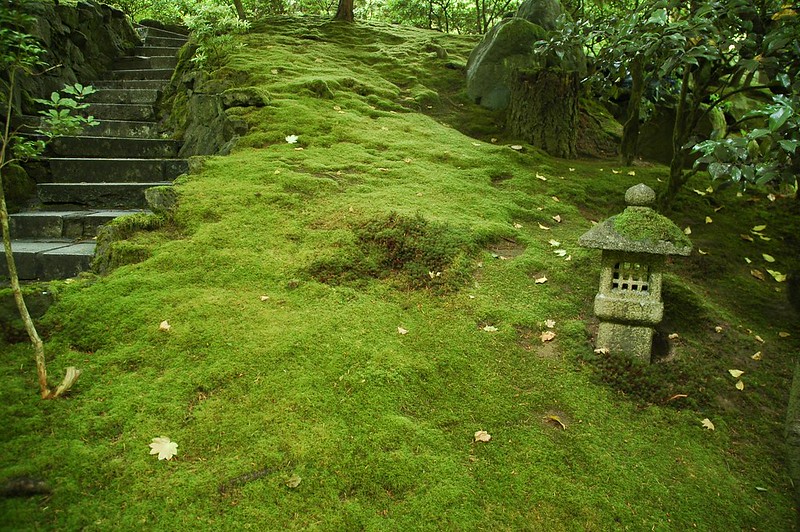
Forest Park: real forest inside the city—plan it like a real trail
Forest Park is one of Portland’s gifts: more than 80 miles of trails across roughly 5,200 acres. It is not a manicured urban promenade. Mud, downed trees, limited parking, steep terrain, and closures matter. Lower Macleay, Pittock-area approaches, and the Wildwood Trail are useful starting ideas, but choose a trailhead with the official Forest Park page and current closures open on your phone. For city green-space comparisons, start with our best Portland parks guide.
Powell’s and the Pearl: give it unhurried time
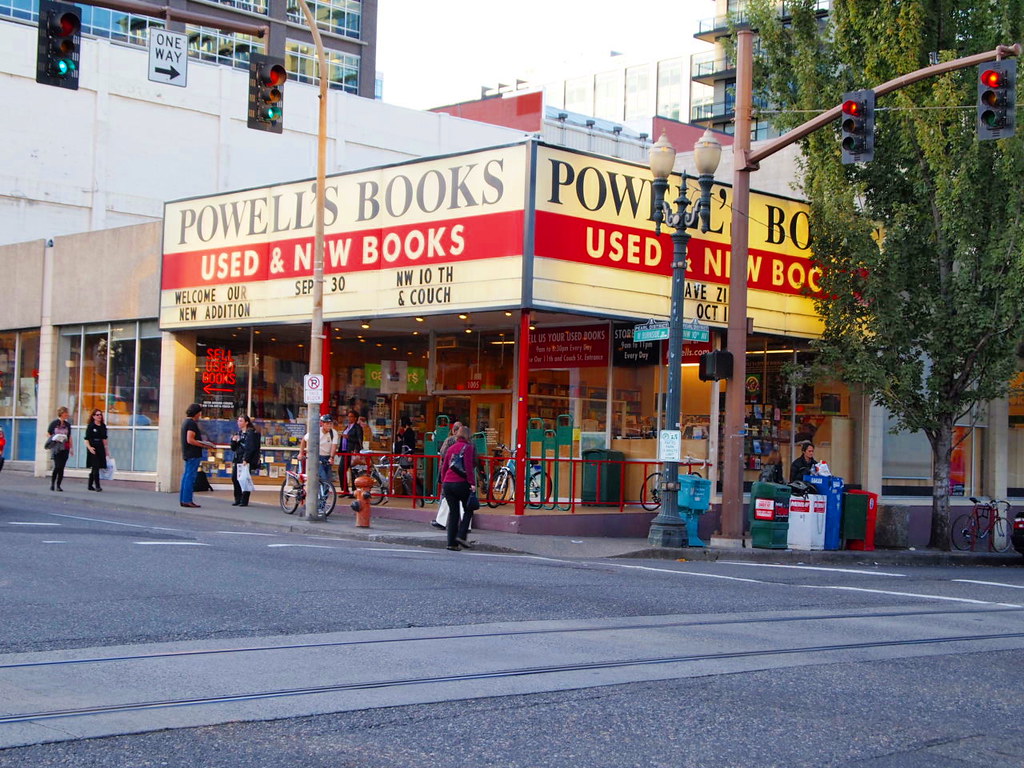
Powell’s City of Books is better when you leave room to wander and let the Pearl carry the afternoon. Pair browsing with a gallery, North Park Blocks, coffee, or dinner—not a 20-minute photo stop. Use Powell’s own site for current hours and events.
Museums, indoor Portland, and odd local finds
OMSI is a strong all-weather choice for families and curious adults. Portland Art Museum works well with the South Park Blocks, theater, and a downtown dinner. Lan Su Chinese Garden is a deliberate Old Town visit: go for the garden and its surrounding history, then have a purposeful plan for the rest of the day. For an east-side detour that feels personal rather than obligatory, Hippo Hardware & Trading Company is part hardware store and part design rabbit hole.
Moda Center and Rose Quarter: plan the night, not just the ticket
Moda Center, Veterans Memorial Coliseum, and Theater of the Clouds deserve a place in a Portland guide because a concert or Trail Blazers game can define an entire evening. Book dinner and your hotel location around the event rather than trusting ordinary drive times. MAX is often the easiest Rose Quarter move; check the venue’s current parking and transportation information, the event page, and live TriMet alerts before committing. If you drive, event parking and availability vary—Rose Quarter says prices typically range from $10 to $40 and garages generally open about two hours before an event. That can still be worthwhile, but it is not automatically the low-stress choice.
The Columbia River Gorge and nearby waterfalls: Portland’s biggest advantage
Portland is not just a city trip. It gives you a serious waterfall or Gorge day without changing hotels—but only if you give it enough time.
You have two or three hours
Stay in Portland. Washington Park, Forest Park, a museum, a neighborhood, or the riverfront will be better than racing east, parking, taking a photo, and rushing back.
You have a half-day and a car
Build one simple Gorge outing: one waterfall or viewpoint plus one short walk. Multnomah Falls is an obvious first-trip choice, but popularity is the reason to leave earlier than you think and check current access before departure.
You have a full day
Let the Gorge be the whole day: waterfalls, a historic-highway viewpoint, a longer hike, Hood River, or a meal with a view. Do not stack it on a major Portland sightseeing day.
You want a mountain day
Use Mount Hood as a separate plan. Weather, snow, road conditions, and driving time can differ sharply from Portland.
Start with That Oregon Life’s Oregon Waterfalls Guide for the broad waterfall decision and the Oregon Hiking Guide for trail-first choices. For volatile conditions, use TripCheck and the relevant land manager. Seasonal timed-entry and parking rules can apply at popular Gorge stops, so never assume last summer’s plan is still current.
When to visit Portland: the tradeoffs are the point
Spring
Great for gardens, green streets, food, and a lush Gorge. Also wet and changeable: plan an indoor alternative every day and do not treat a sunny forecast as a promise on an exposed trail.
Summer
The easiest outdoor days bring patios, long evenings, markets, and forest walks—but also fuller trailheads, more expensive lodging, event traffic, and potential wildfire-smoke disruption.
Fall
Often the balanced Portland trip: cooler walking weather, harvest events, food, and a little less summer friction. Rain returns, which is either a bookstore advantage or a waterfall-photo complication.
Winter
Not a failure—just a different Portland. Think meals, museums, film, live music, neighborhoods, and a hotel you like returning to. Do not assume Portland rain means the Gorge or Mount Hood has the same road conditions.
A Portland itinerary that feels like Portland
One full day: the west-side first date
- Choose the Japanese Garden, Rose Garden, or a short arboretum walk in Washington Park.
- Have lunch and an afternoon at Powell’s and the Pearl, or switch to Portland Art Museum and South Park Blocks if the weather turns.
- Take a hotel break rather than running out of energy by midafternoon.
- Choose one dinner neighborhood and let the whole evening belong to it.
- Use rideshare or a well-planned transit route home if the walk back feels empty or inconvenient.
Two days: add the east side, not another checklist
Use day one above. On day two choose one corridor—Division/Clinton, Hawthorne/Belmont, Alberta, Mississippi/Williams, or Central Eastside—and build around coffee, shops, food, a park, and dinner. Cross the river once if you need to; do not make it a shuttle route.
Three days: give the region its own day
Use the first two city days, then make the third a Gorge or waterfall day, a Mount Hood day, wine-country day, or a deliberate Coast overnight start. Portland is Oregon’s best city base because the surroundings are not an afterthought.
If it rains all day
Portland Art Museum, OMSI, Powell’s, Lan Su, a food-cart meal, a bakery-and-coffee wander, a matinee, and one reservation dinner can create a better day than a soggy attempt to salvage every outdoor pin.
Practical Portland questions travelers actually ask
Is Portland safe for tourists?
Most visitors have normal, enjoyable trips, but the city has visible challenges and block-by-block variation. Choose your hotel deliberately, keep valuables out of the car, pay attention after dark, and use current official data rather than outdated viral narratives.
What areas should I avoid?
Avoid vague decisions, not people. We would not make Old Town/Chinatown the default base for many first-time visitors who want easy late-night strolling. Visit it for the places that draw you there, and use the exact hotel block and your arrival plan to make the decision.
Can I visit Portland without a car?
Yes, for a city-focused trip. The PDX Red Line, central transit, walking, and rideshare cover a lot. Add a car or guided day only if the Gorge, Mount Hood, waterfalls, wine country, or Coast are central.
Is Portland good for families?
Yes, with a realistic pace: OMSI, Washington Park, gardens, books, food carts, short river walks, and specific Forest Park access points can be excellent. Pick a base with an easy return path and do not force a car-heavy or late-night schedule.
Where should I go after Portland?
Continue to the Oregon Coast Guide when the Coast deserves more than a long out-and-back day, try Astoria for a maritime north-coast city break, or use Explore Oregon Cities & Towns to choose the next substantial destination owner.