
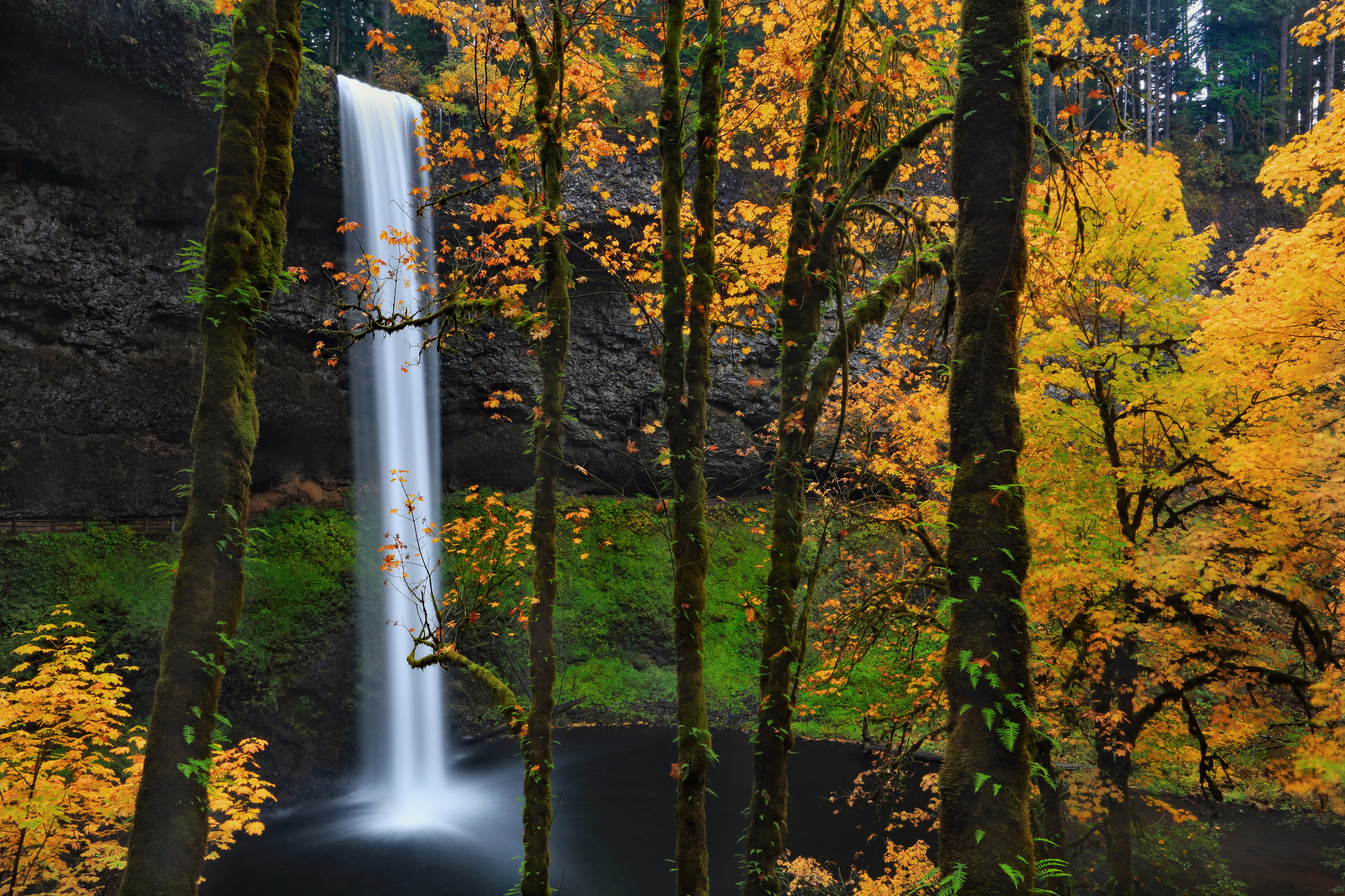
If you were hoping to save a few bucks on your next Oregon coast getaway, brace yourself. State parks across Oregon — inland and along the coast — are about to get more expensive, and several long-standing free-day traditions are being scaled back or eliminated entirely.
As 2025 winds down, the Oregon Parks and Recreation Department (OPRD) is celebrating what it calls a “milestone year,” pointing to millions of visitors, restored historic structures, newly paved trails and campgrounds, and seasonal events ranging from mushroom foraging tours to stargazing nights.
But underneath the victory lap is a very different story: Oregon State Parks says it’s facing a $14 million budget shortfall, dwindling revenue from the Oregon Lottery, and rising operational costs. Their solution? Raise fees, scrap discounts, and rethink policies that have been in place for decades.
Popular Free Days? Gone or Gutted
Starting November 28, 2025, the long-cherished Green Friday — the day after Thanksgiving when parking fees were traditionally waived — is no longer free at parks that normally require a permit. And beginning January 1, 2026, even the beloved First Day Hikes will come with a parking fee at any permit-required location.
The timing couldn’t be worse for many Oregonians already feeling squeezed by rising costs. Still, the agency insists these changes are “necessary,” arguing that some fees haven’t been updated in over a decade.
Parking Permit Prices Double
The biggest eyebrow-raiser: annual parking permits.
- Oregon residents: jumping from $30 to $60
- Out-of-state visitors: $75, thanks to a new surcharge
- Two-year passes: discontinued entirely
Additionally, the Oregon Pacific Coast Passport is being phased out, and Jackson County parking permits will no longer be honored. In other words, fewer options and higher prices.
More Fees Possibly on the Way
OPRD is also reviewing policy changes that could roll out over winter and spring 2026, including:
- New rules around refunds, cancellations, and special passes
- Dump station fees for RV travelers
- Expanding the number of parks that require paid parking
- Potentially ending the tradition of free camping on State Parks Day
Residents will still get free parking on June 6, but the overnight fee waiver — a beloved perk for many families — may disappear.
A public comment period runs December 1, 2025, to January 15, 2026, though critics note that by the time these proposals reach that stage, they’re usually a formality.
The Bigger Question: Why Are Parks So Underfunded?
OPRD Director Lisa Sumption thanked visitors for their “continued support,” framing the changes as essential to long-term stability. But many Oregonians are wondering why one of the most-used public services in the state — one that attracts millions of tourists — is now heavily reliant on raising user fees.
The department does not receive general fund tax revenue for operations, a fact few people realize. Instead, funding comes from the Oregon Lottery, park fees, and limited federal support. As lottery revenue shrinks, OPRD’s fallback is to lean harder on park visitors themselves.
That might be a reasonable strategy in theory, but it leaves the public questioning why essential outdoor spaces — places meant to be open, accessible, and part of Oregon’s identity — are being treated more like a private business model than a public service.
What’s Next
To close the budget gap, OPRD is also looking at:
- Adding more cabins and yurts to boost revenue
- Streamlining staff and operations
- Establishing new sponsorships and partnerships
While the agency frames these decisions as necessary modernization, others see it as a sign that Oregon’s park system is being quietly reshaped — with fewer perks, higher costs, and more hurdles for everyday Oregonians who just want to access their own public lands.
Whether these fee hikes are a temporary bandage or the new normal remains to be seen.