
Two campaigns have collected more than $33 million in cash as Oregon voters begin returning ballots.
Oregon ballots are already in mailboxes, and the two leading campaigns for governor have taken in more than $33 million in cash contributions since January 2025. An analysis of state campaign finance records by Portland Civic Lab puts Democratic Gov. Tina Kotek’s total at $17.82 million and Republican challenger Christine Drazan’s at $15.19 million through the latest contributions in its October 20 data. Those are large sums, but the total alone does not tell voters who paid for the race, what the campaigns spent, or whether the money still sits in their accounts.
The analysis counts cash contributions before refunds, dated from January 1, 2025. It does not include every kind of support a candidate may receive, such as an outside group’s independent advertising, and its available records stop at different dates for different transactions. Kotek’s latest contribution in the analysis is dated October 19; Drazan’s is dated October 20. The figures are a snapshot of disclosed money, not a final election tally or a measure of public support.
Different donors built the two totals
Portland Civic Lab found that named individuals supplied about 45 percent of Drazan’s cash and businesses giving directly supplied another 31 percent. Unions and their committees supplied at least 31 percent of Kotek’s cash, while two national Democratic governors’ groups accounted for about 24 percent. These categories describe where the money entered each candidate committee. They do not prove that every dollar originated with the name printed on the candidate’s filing, since a committee can raise funds from others before making its own contribution.
The size of the largest gifts also matters. In the lab’s breakdown, 23 sources gave Kotek $100,000 or more each, together supplying 62 percent of her cash. Thirty sources crossed that threshold for Drazan and supplied 56 percent of her cash. Neither campaign has relied chiefly on small checks in this accounting, though smaller donors may still matter to organizing and turnout.
The two campaigns also differ in geography. The lab attributes 86 percent of Drazan’s named money to Oregon addresses and 53 percent of Kotek’s to Oregon addresses. It lists $4.36 million from Washington, D.C., for Kotek, where national unions and the Democratic Governors Association have offices. An address on a contribution record identifies the reported donor address, not necessarily the home of every person who supplied money to that organization.
Raised is different from spent
Through the latest payments in the same data, Drazan’s committee reported $11.28 million in payments and Kotek’s $5.32 million. The payment records for Kotek stop on October 12, while Drazan’s extend to October 20. That mismatch makes a direct comparison of current spending or cash on hand unreliable. A large gap between money raised and payments shown here should not be read as a bank balance.
Broadcast advertising is the biggest identified expense for both committees. The lab places Drazan’s broadcast payments at $5.78 million and Kotek’s at $2.32 million within the transactions it analyzed. Those figures cover the candidate committees’ reported payments, not every ad bought by other organizations that favor or oppose a candidate. Voters can search the underlying public filings through the Oregon Secretary of State’s campaign finance portal.
Why the timing matters
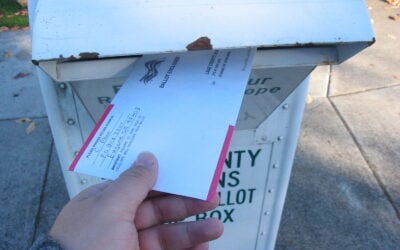
This is the final stretch before Oregon’s November 3 general election. The Secretary of State says counties began mailing ballots to active voters on October 14, recommends mailing completed ballots back by October 27, and allows return at an official drop box until 8 p.m. on Election Day. Those dates come from the state’s current election guidance; a voter who needs a replacement ballot or has a question about eligibility should contact the county elections office.
The campaign is also taking place just before Oregon’s new contribution limits are scheduled to begin. Laws passed in 2024 and 2026 set January 1, 2027, as the date for the first phase, including a $3,300 per election limit on an individual’s contribution to a candidate committee. The Secretary of State says implementation is on track, while acknowledging little margin for delay. Those rules are not yet in effect for the money being raised in the 2026 governor’s contest.
The $33 million figure therefore shows both the scale of this race and a deadline approaching for a different set of rules. It cannot predict who wins. For voters trying to separate campaign claims from campaign financing, the most useful questions are still concrete: who gave, when, through which committee, and what the filings show the money bought. For candidate positions and voting mechanics, see That Oregon Life’s earlier governor race coverage and the state’s official election pages.