
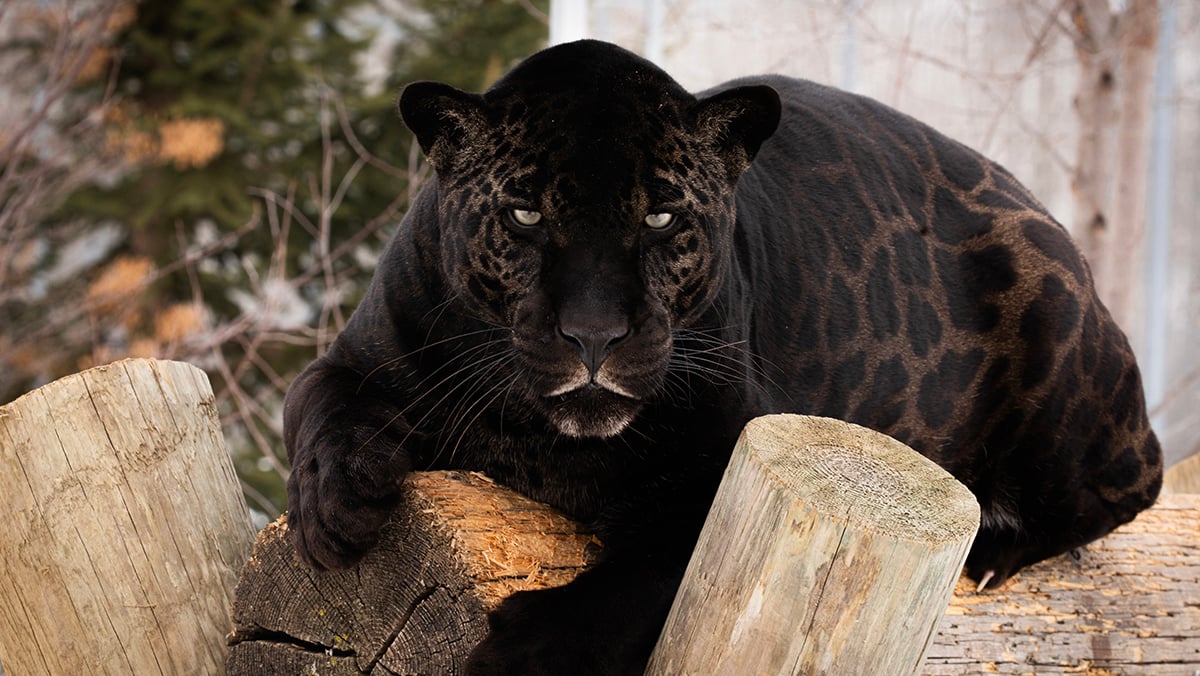
Louie paced endlessly. Nasha was found soaked in urine in a dark den. Lyla desperately wanted to get away. Bently had been declawed and lived with severe arthritis. More than a year after their rescue from Oregon’s West Coast Game Park Safari, their lives look almost unrecognizable.
There’s something remarkable about a jaguar doing absolutely nothing.
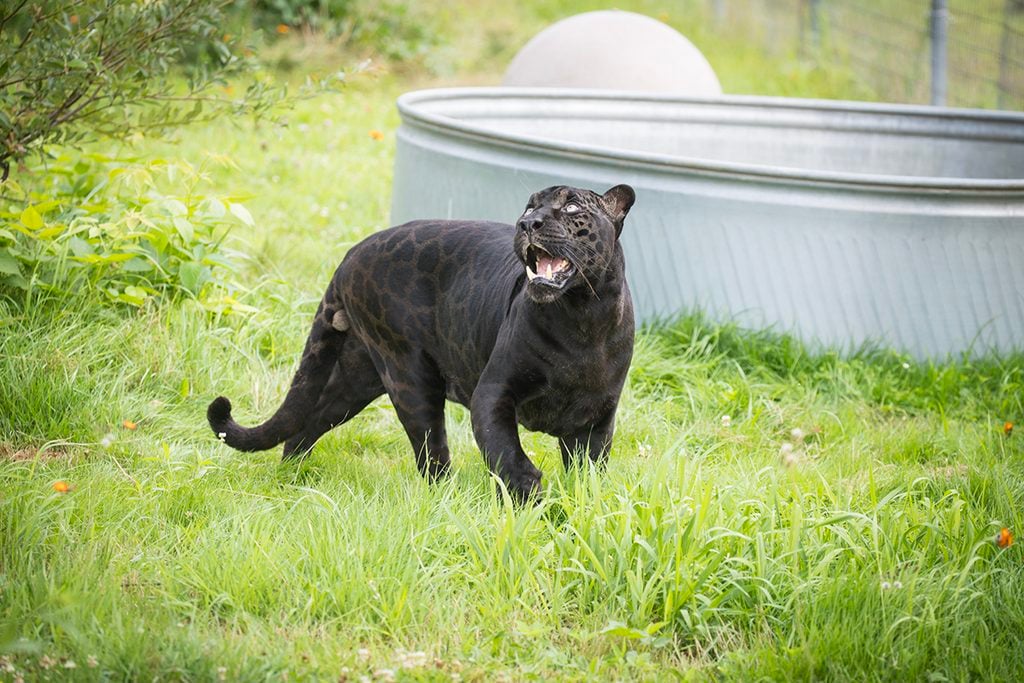
Louie might be stretched out in the grass or sitting quietly beneath the Minnesota sky. He may notice a caretaker nearby and decide he doesn’t particularly care.
And that, perhaps more than anything else, is the point.
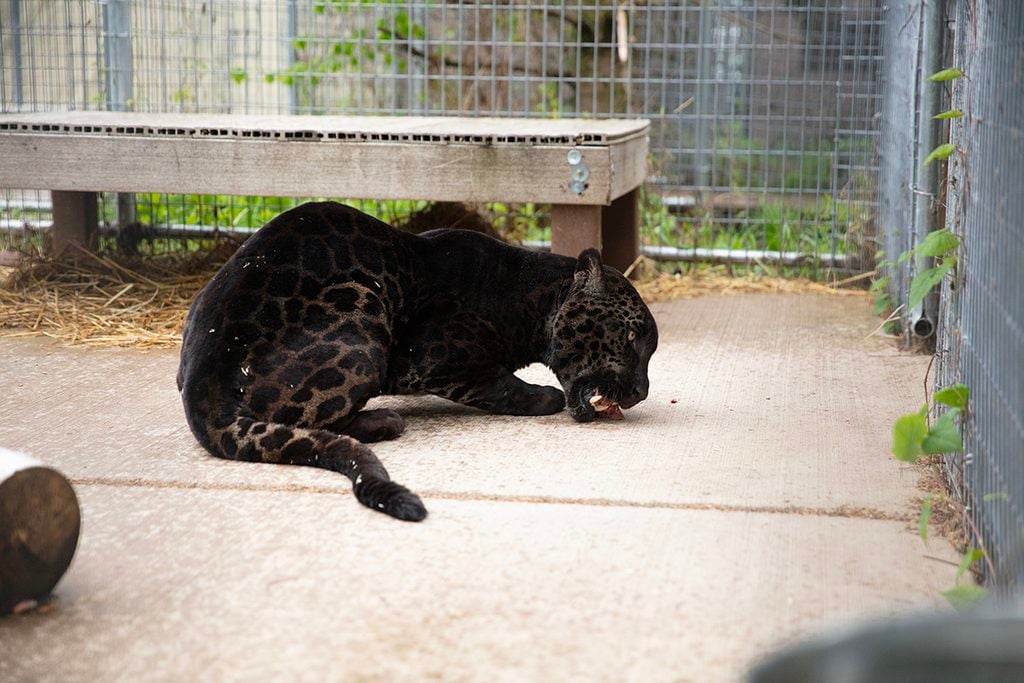
Because when Tammy Thies first saw Louie at the now-shuttered West Coast Game Park Safari near Bandon, he couldn’t stop moving.
Back and forth. Back and forth.
The black jaguar was startlingly thin, Thies remembers, tracing the same path through his enclosure again and again. She’d already seen videos of the behavior posted by visitors online. Standing there and watching it herself was different.
Today, Louie doesn’t pace anymore.
Not sometimes. Not less frequently.
He stopped.
And for the people who rescued him, that simple fact means almost everything.
What Rescuers Found Behind the Scenes in Bandon
Thies is the founder and executive director of the 85-acre Wildcat Sanctuary in Minnesota, and she was part of the massive effort to remove wild cats from West Coast Game Park Safari after authorities descended on the longtime Oregon Coast attraction in May 2025.
We followed the story from the beginning, when Oregon State Police first raided the Bandon facility amid an animal welfare investigation. In the days that followed, the scale of what authorities were dealing with became much clearer as hundreds of animals were seized and moved to other facilities.
But Thies remembers details that never quite fit into the bigger headlines.
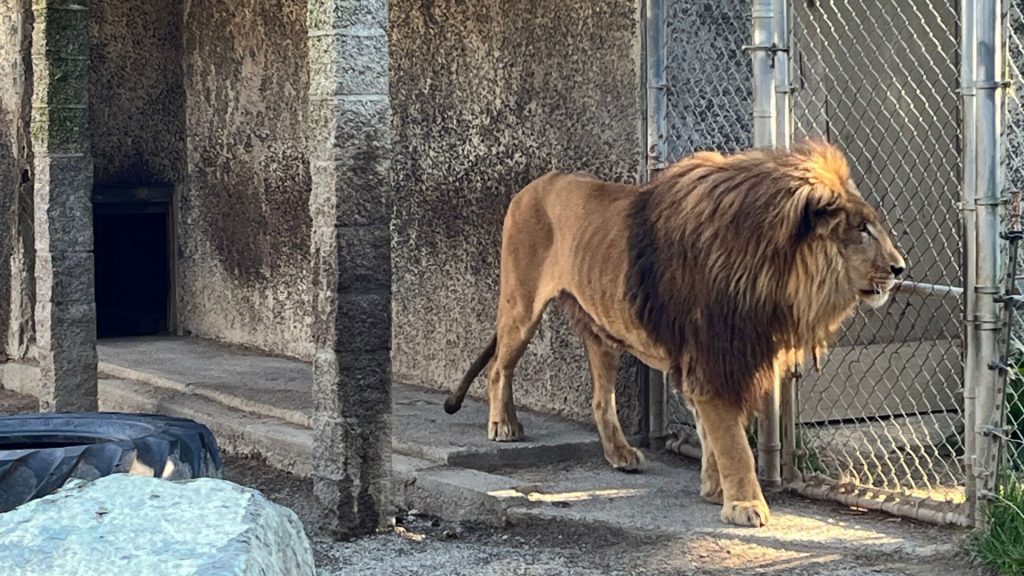
She remembers the grass.
There was grass in areas where visitors walked, she told That Oregon Life, but not inside the cats’ enclosures. Electric wire had been installed along enclosure walls that didn’t meet required standards.
When an animal reached toward a blade of grass, Thies said, it could receive a shock.
“Seeing an animal punished for trying to touch something as simple as grass broke my heart,” she told us in a recent interview.
And then rescuers went behind the scenes.
Things got worse.
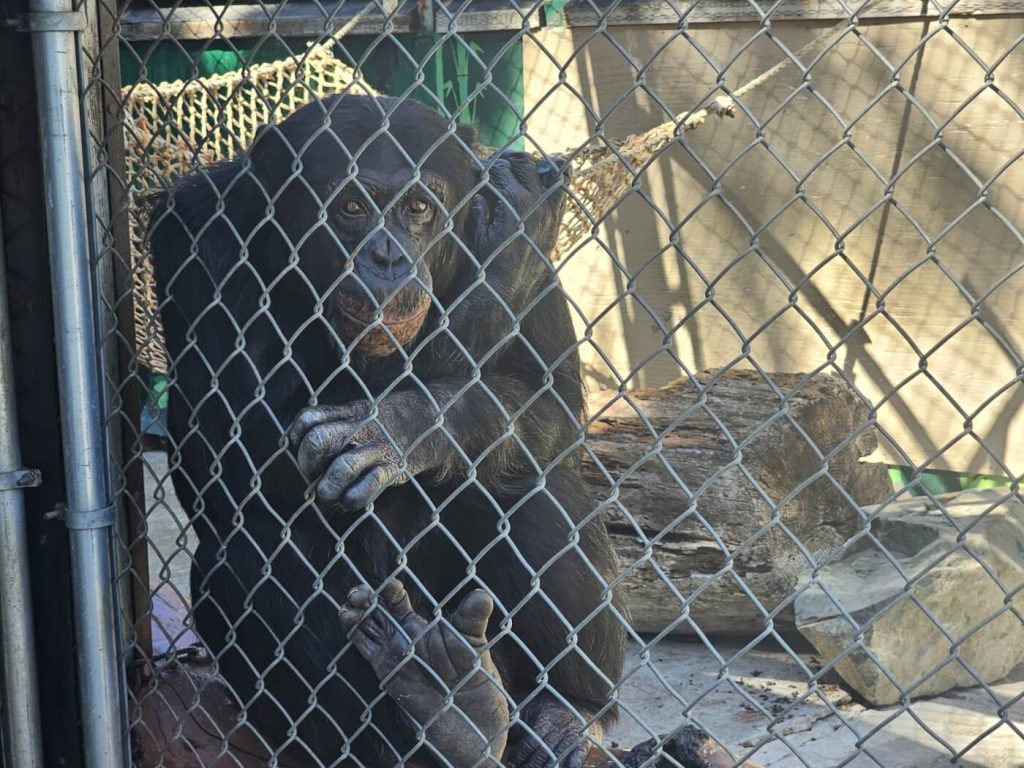
Animals sharing enclosures could be locked into what Thies described as dark, damp and barren cells. Locks were rusted or broken. Some cages had no reliable locking mechanism at all.
“It was a timebomb waiting to happen,” she said.
Then they found Nasha.
The official That Oregon Life store
The Oregon you bring home.
Start the day with Oregon-roasted coffee, then find original gear inspired by the places, stories, and oddities that make this state ours.
Shop Oregon gear

Nasha Opened Her Eyes and Squinted at the Light
At first, the rescue team couldn’t find the lioness.
USDA records had already documented concerns about animals being confined inside dens for extended periods, and eventually the team located a small building where Nasha had been shut away.
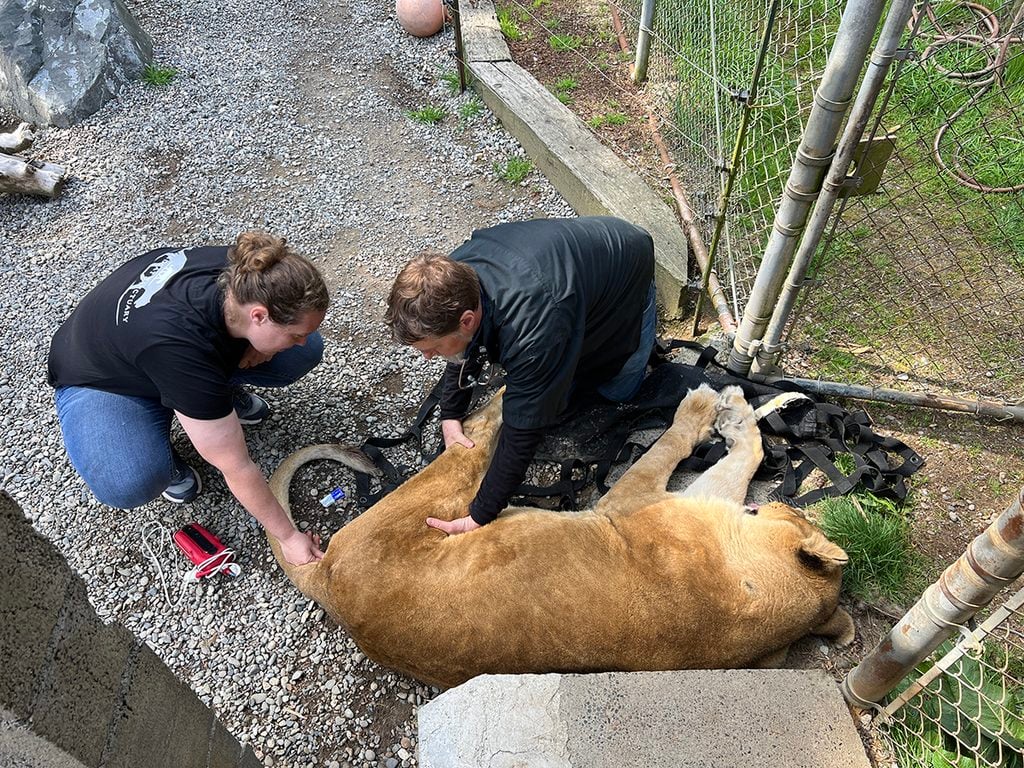
They opened the door.
Nasha squinted.
Thies said it reminded her of what a person does when someone suddenly switches on a light after they’ve been sitting in darkness.
The lioness was wet because she’d been forced to lie in her own urine. The smell inside the cramped building was overwhelming.
There had reportedly been a reason given for keeping Nasha separated: she didn’t get along with other cats.
At The Wildcat Sanctuary, rescuers discovered something important.
That part was apparently true.
And it didn’t matter, because Nasha simply prefers her own space.
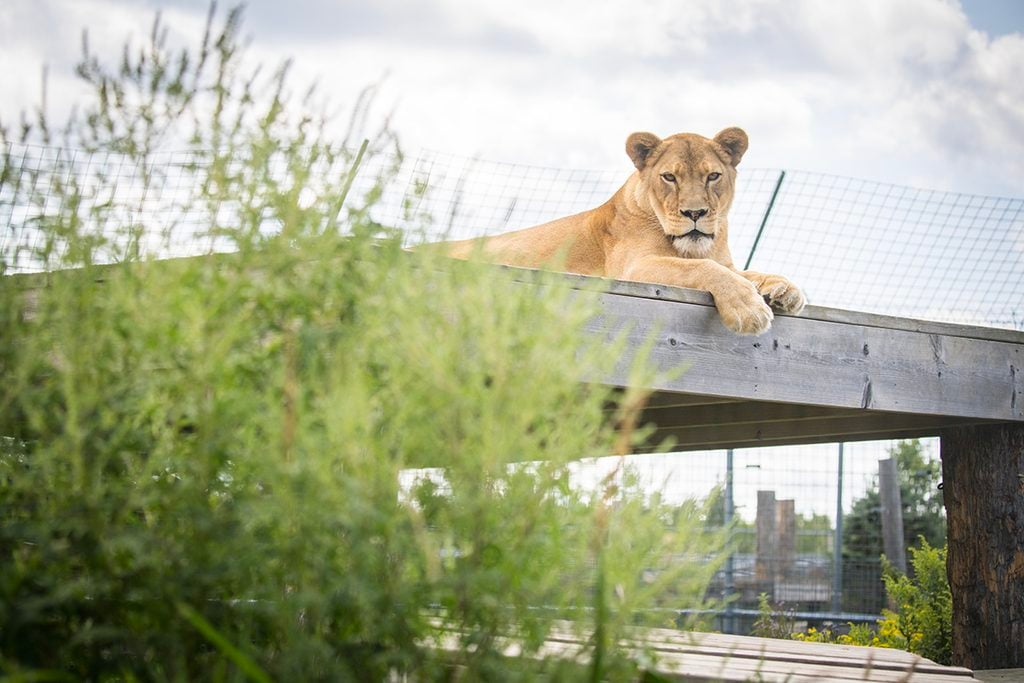
Rather than forcing her into a living arrangement that makes her uncomfortable, the sanctuary gives her what she was never granted in her former living arrangement: her own choice.
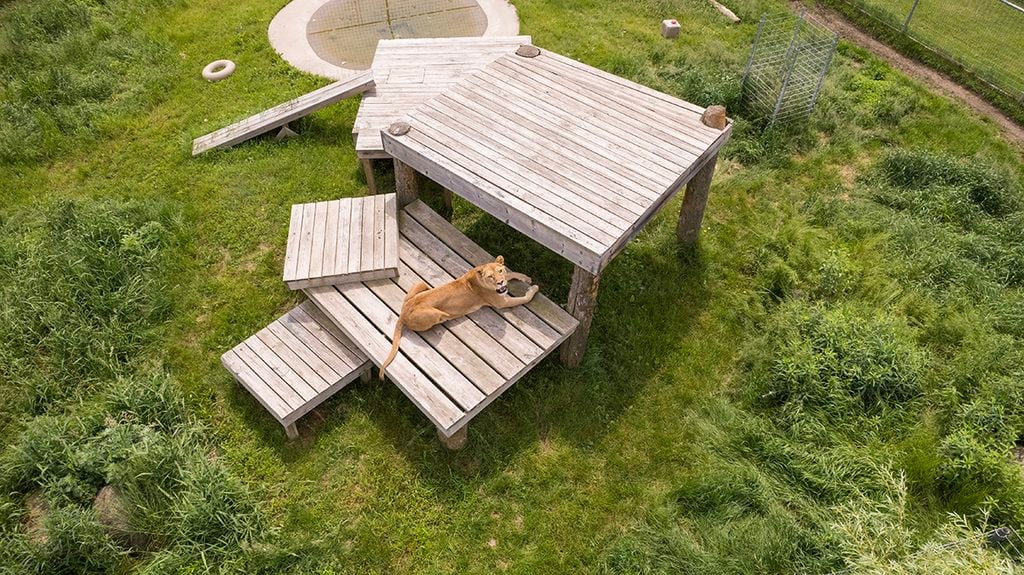
“Nasha is a calm and spectacular lioness,” Thies told us.
She doesn’t have to share her habitat or even a common wall with another big cat if she doesn’t want to. She comes over to greet her caretakers and, as Thies puts it, is a “perfect lady.”
Sometimes helping an animal heal isn’t about teaching it to behave differently. Sometimes it’s finally listening to what the animal has been trying to say.
Louie Needed Just Two Weeks to Stop Pacing
Louie’s transformation stunned even the people who have spent their careers rescuing captive wild cats.
After arriving at The Wildcat Sanctuary, the jaguar continued pacing for about a week.
So staff gave him quiet.
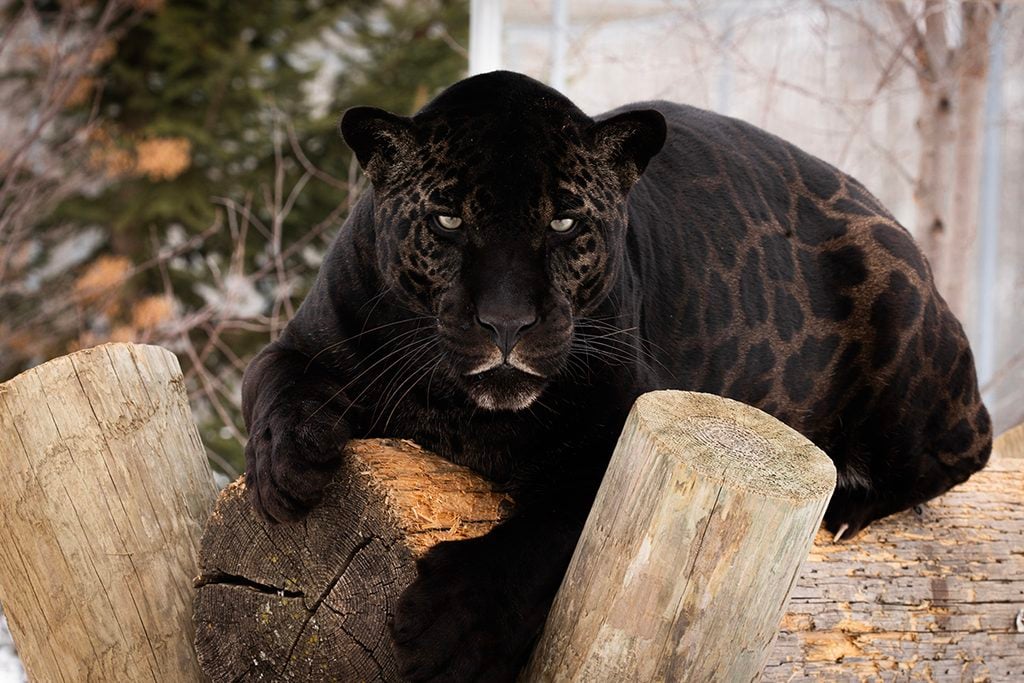
They moved him into an area away from public view and began introducing enrichment designed not simply to occupy him, but to allow him to behave like a jaguar.
Louie discovered frozen watermelons.
He loved sinking his teeth into them and carrying them around.
Caretakers hung large pieces of meat from chains so he could tug, pull and tear at his meals. They introduced him to a pool and put floating enrichment in the water, encouraging an instinct that comes naturally to wild jaguars, which are powerful swimmers.
Then something changed.
Within roughly two weeks, the pacing stopped.
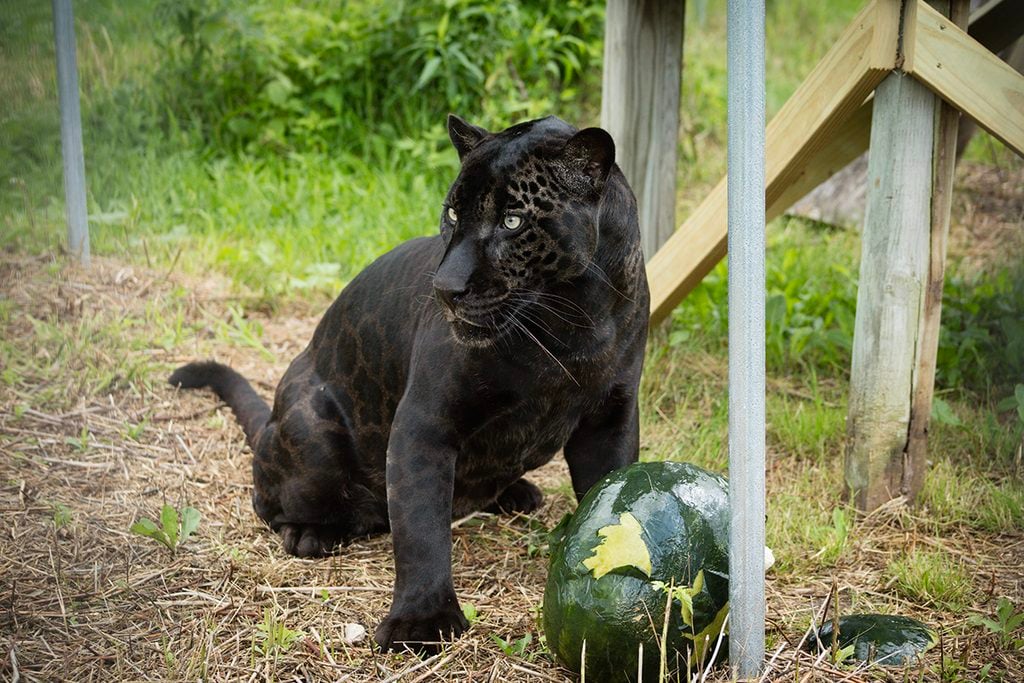
Thies had expected that process to potentially take a year or more.
“We have not seen him pace again,” she told us.
Today, Louie has an expansive habitat with woods, ground cover, tall grass, enrichment and a heated indoor space. He’s undergoing continued treatment for pancreatic insufficiency and has gained roughly 35 pounds of muscle, according to Thies.
He’s also apparently quite fond of other cats.
A tiger named Winona lives on the other side of a secure mesh barrier, and the two can sometimes be found relaxing near one another.
For an animal once caught in an endless loop of nervous movement, Louie has learned the luxury of simply sitting still.
Lyla Is Learning That a Door Doesn’t Always Mean She’s Trapped
Lyla was only about a year old when she was rescued.
She’d already been used for public interactions.
When rescuers found her, Thies said she was in a small room behind the stage and appeared desperately frightened. “All she wanted to do was get away.”
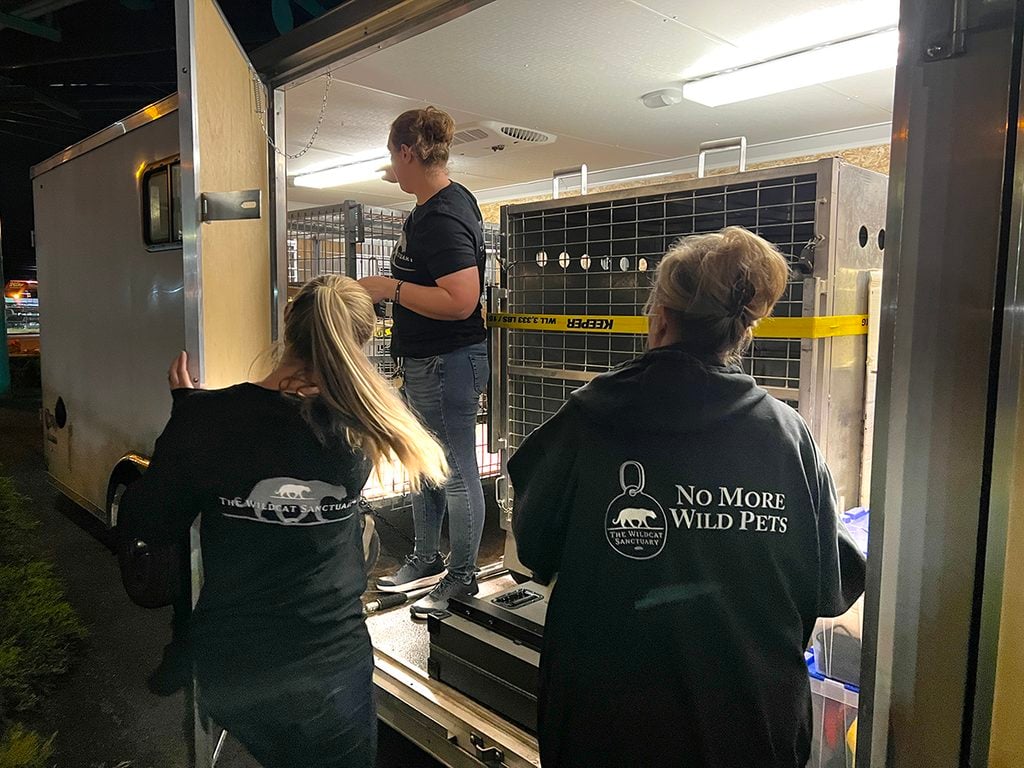
That fear didn’t simply disappear when Lyla reached Minnesota, but she’s settling into her new, freedom-filled life.
Today she has tall grass. A cave. Elevated platforms. Indoor shelter. Room to explore.
Most importantly, she has choices.
If she wants to lie in the grass, she can.
If she wants her cave, she can have it.
If she wants to climb high above the ground and watch the world from a platform, nobody pulls her down for an interaction.
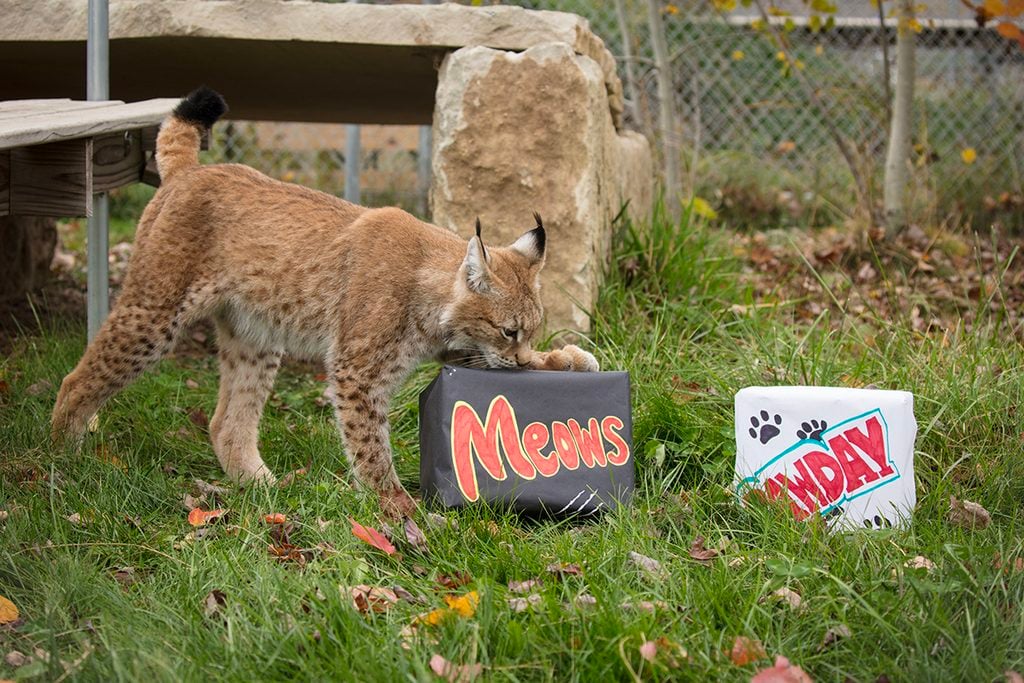
There’s one piece of her old life that still seems to follow her.
Lyla will use her indoor room voluntarily, but when people approach, she may run back outside. Her caretakers believe she remains afraid that entering a building could mean being locked inside again.
So they’re teaching her otherwise.
Staff reward her for entering willingly, and when she does have to be secured indoors for cleaning, it lasts only about 20 minutes. Then the door opens again.
Slowly, she’s learning that it always opens again.
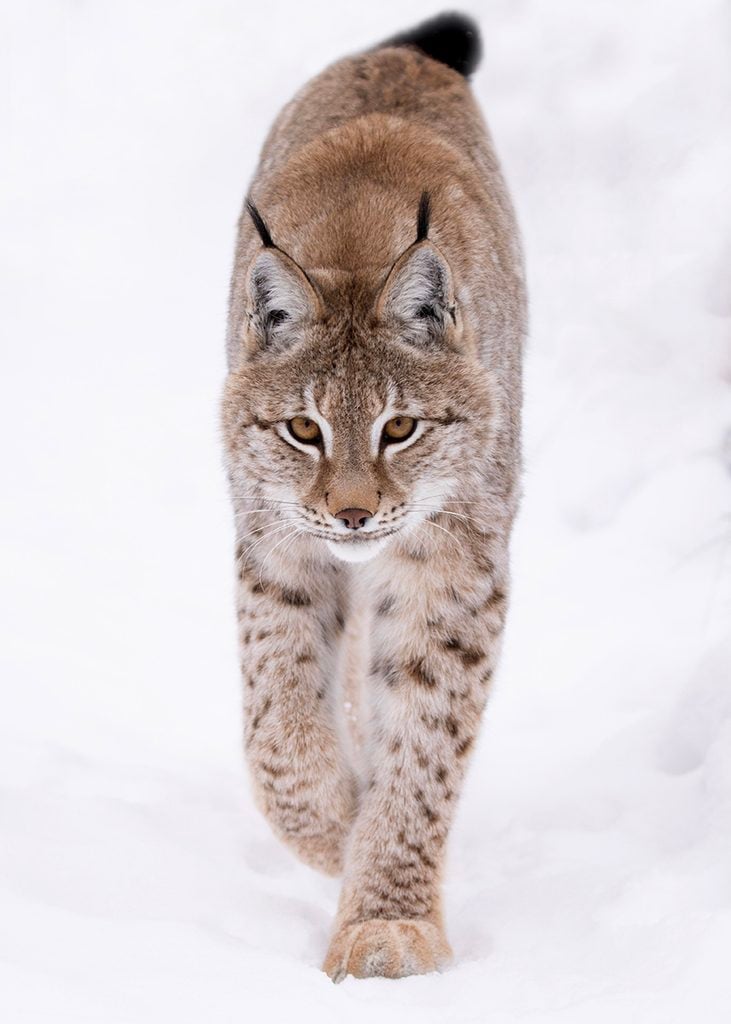
And as more of Lyla’s personality has emerged, so has a little attitude.
Thies lovingly describes her as a “bold and charismatic girl” who (not unlike our small feline housecat companions) regards the humans around her mostly as servants.
The staff, she says, agrees with that arrangement.
Bently Finally Got His Grass
Then there’s Bently.
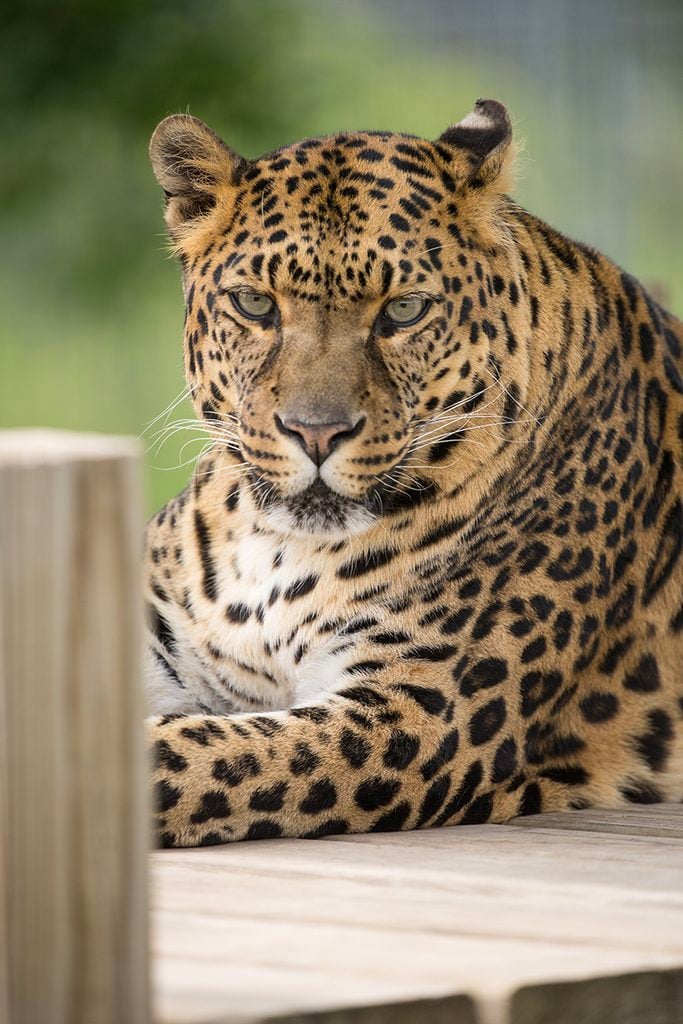
The golden leopard was already an older cat when he arrived at the sanctuary. He’d been declawed and was suffering from severe arthritis, something The Wildcat Sanctuary says can be especially debilitating in aging declawed cats.
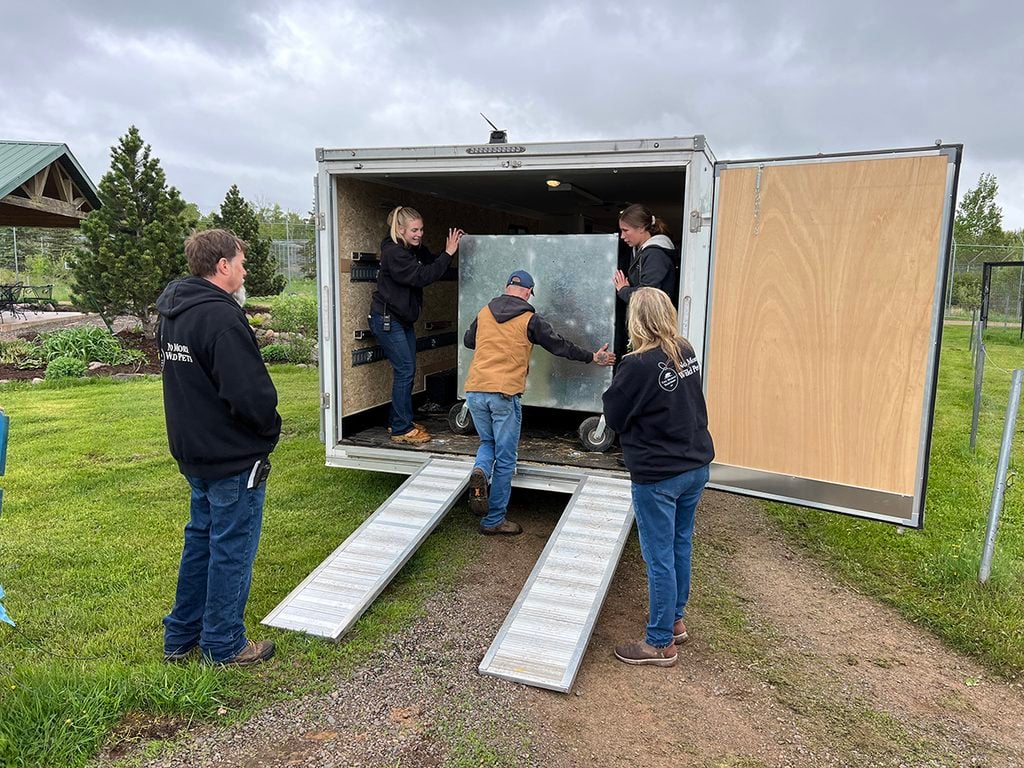
Of the four Oregon cats, Thies says Bently adjusted to sanctuary life the fastest.
He’s now receiving pain-management medication, which has helped him become more comfortable and active.
And remember that grass the cats couldn’t reach without encountering electric fencing in Bandon?
Bently rolls in it.
Over and over.
Sometimes the things he enjoys most aren’t elaborate enrichment devices at all.
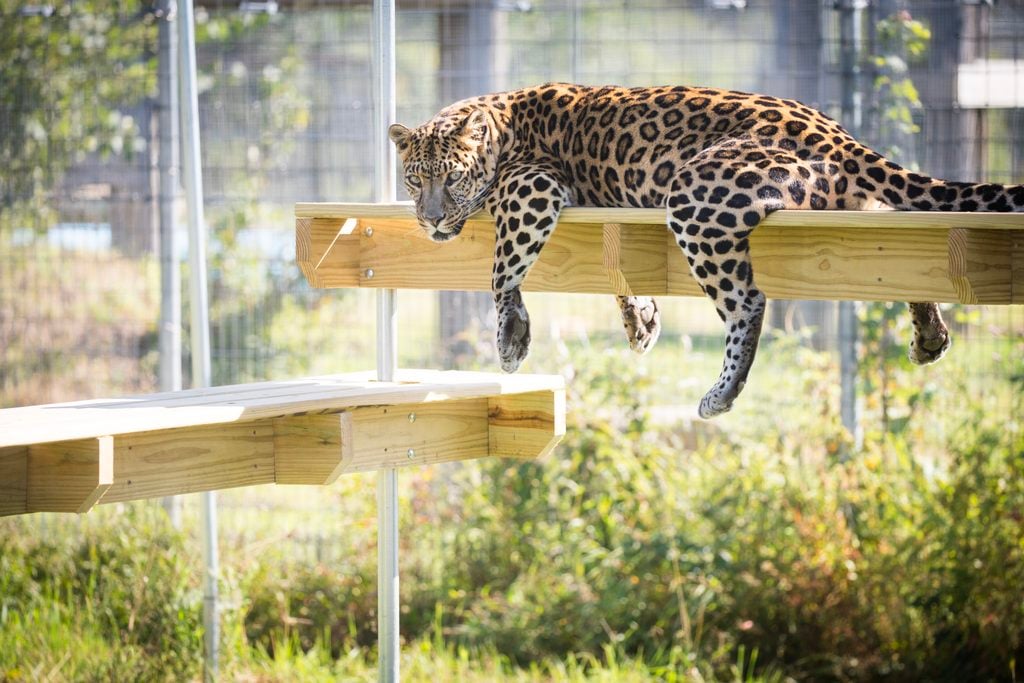
He’ll spend hours beneath a tree playing with branches hanging overhead. He lounges on a tall skywalk. He has even been spotted trotting along the shared boundary beside neighboring cats.
“He still enjoys the simple things,” Thies said.
Grass.
Trees.
Space.
Things that shouldn’t feel extraordinary for a leopard.
For Bently, they are.
The Man Who Owned the Park Is Now Going to Prison
There was another major development in this story this week.
On September 8, former West Coast Game Park Safari owner Brian Tenney was sentenced in Coos County to 7½ years in prison.
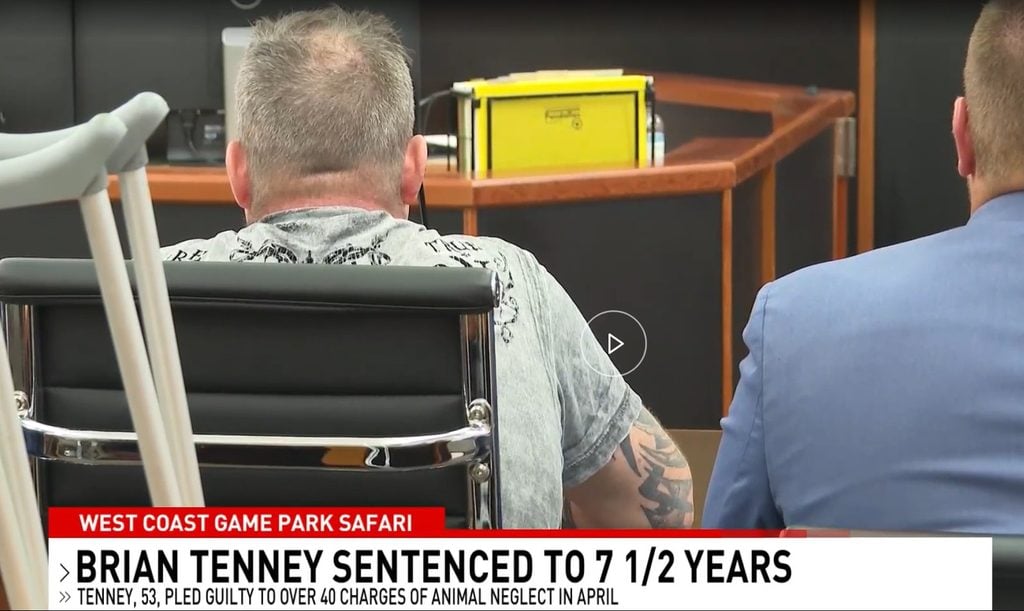
Tenney had previously pleaded guilty to 47 criminal charges, including 43 counts of second-degree animal neglect. His sentence also includes three years of post-prison supervision, more than $340,000 in restitution related to animal care costs and a lengthy restriction on possessing certain animals.
There will inevitably be debate over whether that punishment was enough.
Thies sees something significant in the fact that there was prison time at all.
“Some have said the sentence was too short, but any jail time for animal cruelty is a victory,” she told us.
She hopes the conviction sends a message beyond this one Oregon case, particularly because serious animal neglect cases can struggle to receive the attention or penalties advocates believe they deserve.
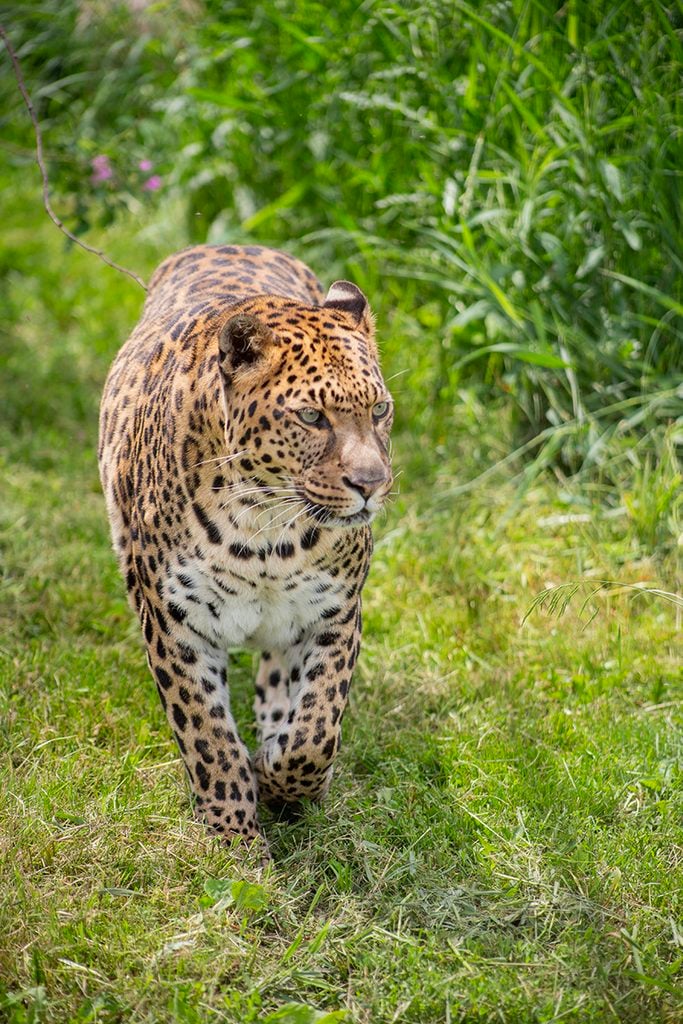
But the most compelling evidence of what happened in Bandon isn’t sitting inside a courtroom file.
It’s rolling in grass.
It’s playing with a watermelon.
It’s a lioness coming over to casually say hello on her own terms.
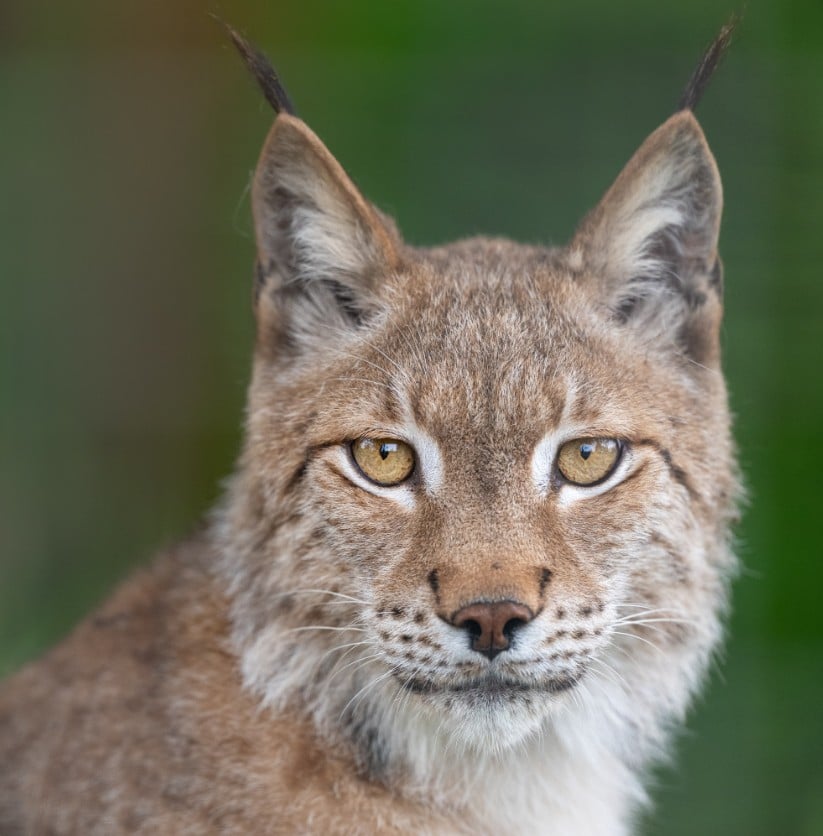
It’s a lynx choosing whether she wants to go inside or not.
What Happened to the Other Cats?
Louie, Bently, Lyla and Nasha represent only four of the wild and exotic cats removed from West Coast Game Park Safari.
The Wildcat Sanctuary coordinated the relocation of 15 cats in all, including four lions, a tiger, two leopards, a jaguar, three lynx, two bobcats and two servals. The animals were distributed among accredited facilities through a multi-state rescue effort.
According to Thies, the cats went to sanctuaries accredited by the Global Federation of Animal Sanctuaries, with the exception of the bobcats, which went to an Association of Zoos and Aquariums-accredited zoo.
That distinction matters to her.
The goal wasn’t simply to get the animals out of Bandon. It was to make sure they didn’t disappear into the same cycle of private ownership, breeding, exhibition and exploitation that had already defined so much of their lives.
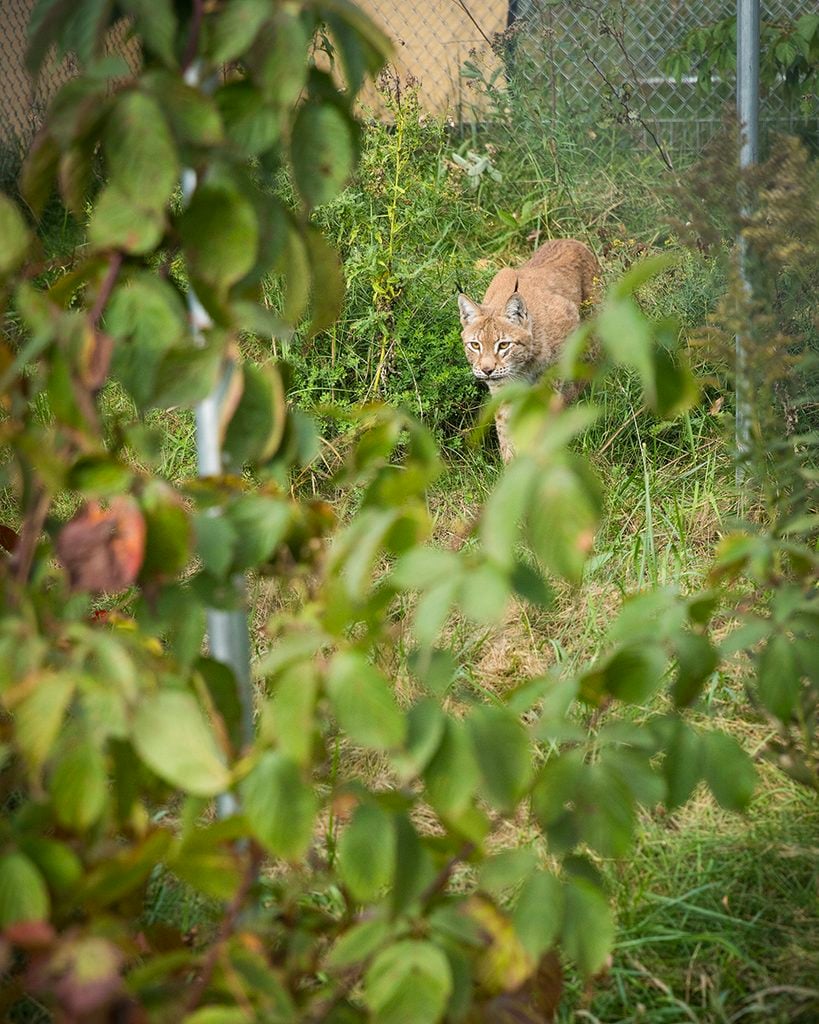
Thies recently visited WildCat Ridge Sanctuary in Scotts Mills, Oregon, which took in two Eurasian lynx and two servals from the Bandon seizure. She told us all four are doing well in spacious, grassy habitats. WildCat Ridge has since reported receiving permanent custody of the four animals, including Felix and Oliver, the two Siberian Lynx.
And the big cats weren’t the only animals whose story continued after the gates in Bandon closed.
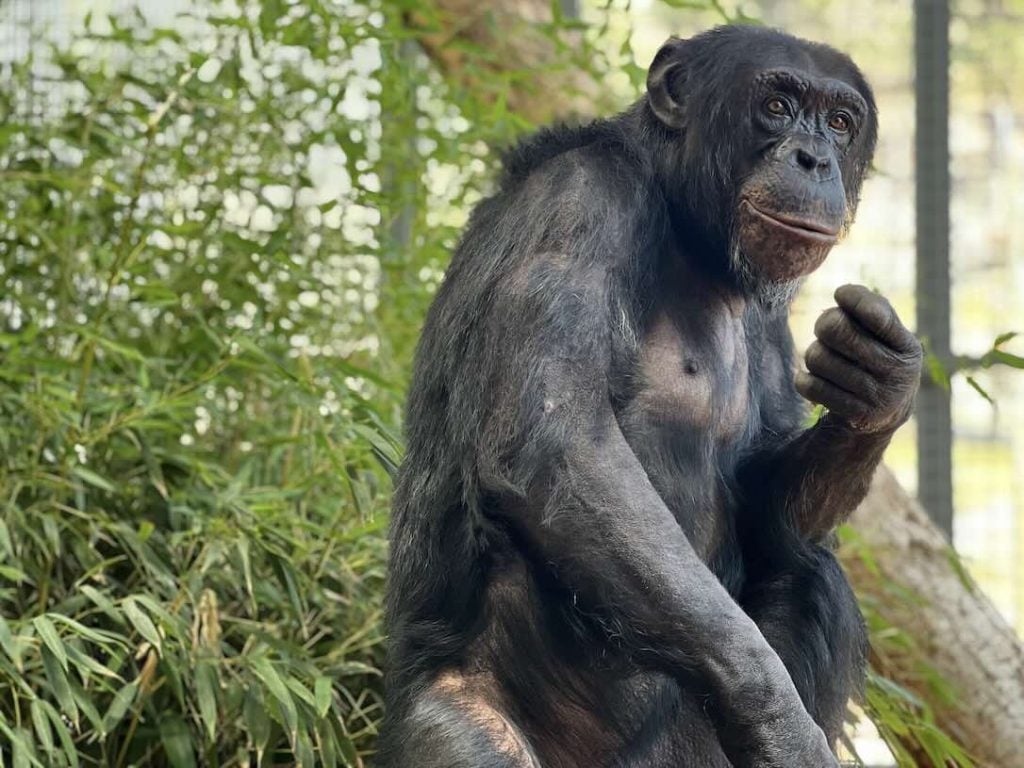
Oregonians may also remember George, the chimpanzee whose lonely life at the park became one of the most heartbreaking stories to emerge from the case. George was moved north to Chimpanzee Sanctuary Northwest in Cle Elum, Washington, where his new life includes specialized care, enrichment and the possibility of something he had been missing for years: meaningful companionship with other chimps.
Even Maple the groundhog found a new beginning, eventually landing at the Fresno Chaffee Zoo in California, a journey we followed in another post-rescue update.
Hundreds of animals left that property.
Their stories scattered across the country.
For Families Who Once Loved Visiting the Park
This case has been complicated for a lot of Oregonians.
For decades, West Coast Game Park Safari was part of the Oregon Coast vacation experience for some families. Parents took their children there because their children loved animals. Many people have photographs and genuinely happy childhood memories from the place.
Those memories don’t mean those visitors supported what was happening behind the scenes.
“We don’t know what we don’t know,” Thies said.
Her advice isn’t to feel guilty about the past. It’s to learn from it.
“This case has brought light to how many animals live in unaccredited roadside zoos. Take this as a learning opportunity and visit accredited sanctuaries and zoos. Do your research first and look up the USDA inspection records or google them online. If public interaction is allowed with wild animals or there are always baby animals, this is red flag that the facility is operating for personal profit, not the well-being of the animals.”
Constant access to baby animals should raise skeptical questions.
Facilities that allow visitors to hold, pet or pose with big-cat cubs, monkeys, bears and other wildlife need a continual supply of young animals to sustain those experiences. The really uncomfortable part comes later: What happens when the babies grow up?
Thies says visitors who care about animals should look past the promise of an incredible selfie and spend a moment watching the animals themselves.
How are they behaving?
What does their habitat look like?
Can they retreat from people?
Do they have choices?
Is the attraction being built around the needs of the animal, or around entertaining the customer?
Those are questions the Bandon story has made much harder to ignore.
The Rescue Isn’t Over Just Because the Headlines Are
There’s another side to Louie’s peaceful afternoon in the grass.
Somebody has to pay for it.
Food. Heating. Habitat maintenance. Specialized enrichment. Qualified caretakers. Preventive medicine. Emergency veterinary treatment.
And this isn’t a one-year commitment.
Lyla arrived at The Wildcat Sanctuary at roughly a year old. The sanctuary could be responsible for her care for another 20 years or more.
Thies says properly caring for a tiger can cost as much as $15,000 per year. The Wildcat Sanctuary maintains its own veterinary team and on-site animal hospital, and its caretakers have four-year biology or related degrees.
The sanctuary says it receives no government compensation for the lifelong care it provides to these cats and depends on private donations.
That means the rescue didn’t end when a transport vehicle carried these animals away from Bandon.
In many ways, that’s when the expensive part began.
Oregonians who followed this story and wondered what they could actually do can make a tax-deductible donation directly to The Wildcat Sanctuary. The organization also offers a Sponsor-a-Wild-One program, including sponsorship opportunities for individual residents such as Nasha and Bently.
Also consider donating to Wildcat Ridge here in Oregon.
Even small contributions become food, veterinary care, enrichment and habitat maintenance for animals whose needs will continue long after the criminal case disappears from Oregon’s news cycle.
A Life Sentence Louie Never Deserved
At the end of our interview, we asked Thies a question: If she could bring an Oregonian into the sanctuary for just ten minutes and let them quietly observe one of these four animals, which would she choose?
“Louie“, she said.
Not because he’d necessarily do anything spectacular.
Quite the opposite.
He might just sit there.
“The first thing they would notice about Louie is he would be sitting calmly. He might not even come up to say hello but would no longer be nervous about a human’s presence. He is at peace and feels safe,” Thies told us.
And yet there was something else she wanted people to understand.
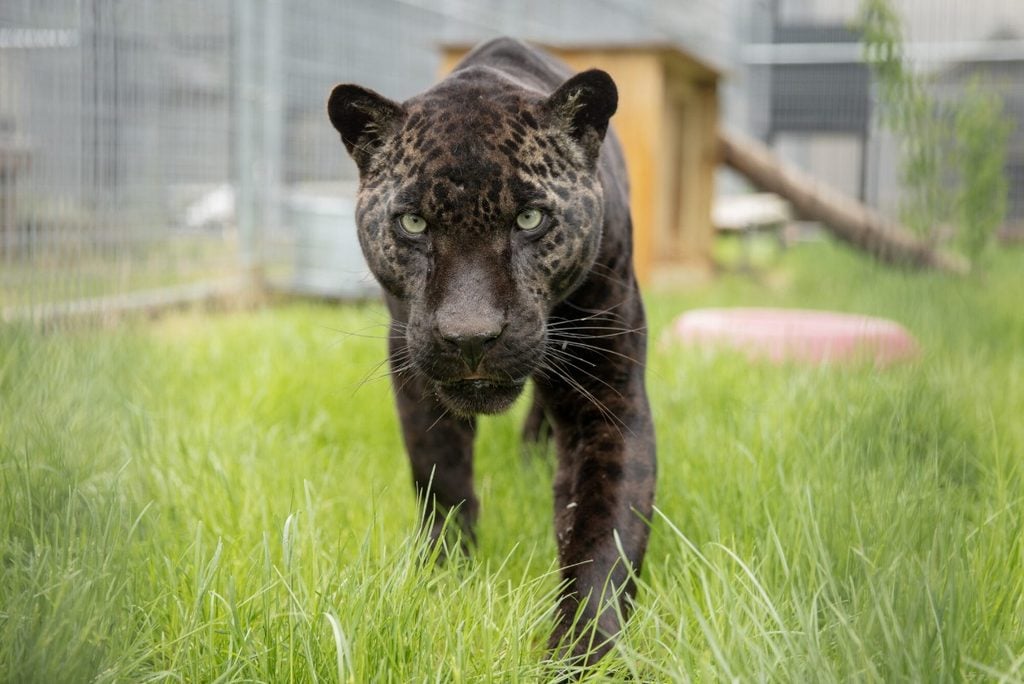
Louie now has woods. Tall grass. A heated bedroom. Water to play in. Daily enrichment. Proper nutrition. Veterinary care. People who understand his behavior and respect when he wants to be left alone.
But there’s still a fence.
There will always be a fence.
“We are giving him the best captive life possible. But because he was bred and sold into the exotic animal industry, he still sadly is serving a life sentence.”
He can’t simply be released into a rainforest and become a wild jaguar. The sanctuary can give him the best captive life possible, but it can’t give him back the life he was never allowed to have.
In that sense, Thies said, Louie is still serving a life sentence.
Not because of anything he did.
Because of what people did to him.
Maybe that’s why seeing him sit quietly feels so powerful.
The fence is still there.
But the pacing is gone.
And for the first time in his life, Louie gets to decide what happens next.
How You Can Help
The Wildcat Sanctuary is a 501(c)(3) nonprofit in Sandstone, Minnesota, providing lifelong care to rescued wild cats including Louie, Bently, Lyla and Nasha. Donations are tax deductible, and supporters can either make a one-time gift or sponsor an individual animal.
Donate to The Wildcat Sanctuary
Learn more about Louie, Bently, and Nasha
Learn more about Lyla the Lynx