
A swimmer has died at Blue Pool at Tamolitch Falls, one of Oregon’s most breathtaking and dangerous natural attractions. The death tragically follows a serious injury, when a woman was airlifted from Blue Pool just last month.
According to the Eugene Register-Guard, Upper McKenzie Rural Fire Protection District crews responded to a water rescue at the popular swimming hole off the McKenzie Highway just before 8:50 p.m. on June 26. Officials said a swimmer had gone underwater and did not resurface.
Responders later found the swimmer and recovered them from the water, but the person could not be revived.
As of this writing, officials have not publicly released the swimmer’s name, age, hometown, or the full circumstances that led up to the drowning. It has not been confirmed whether the person had jumped from the cliffs, entered from the shoreline, suffered a medical emergency, or was affected by the extreme cold of the water.
What is clear is that Blue Pool, also known as Tamolitch Falls, has long been one of Oregon’s most mesmerizing places, and one of the places rescuers know can turn dangerous very quickly.
One Of Oregon’s Most Beautiful Places Comes With Serious Risk
Blue Pool is the kind of place that almost does not look real when you see it for the first time.
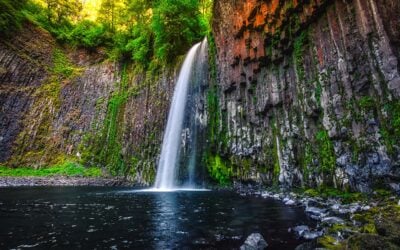
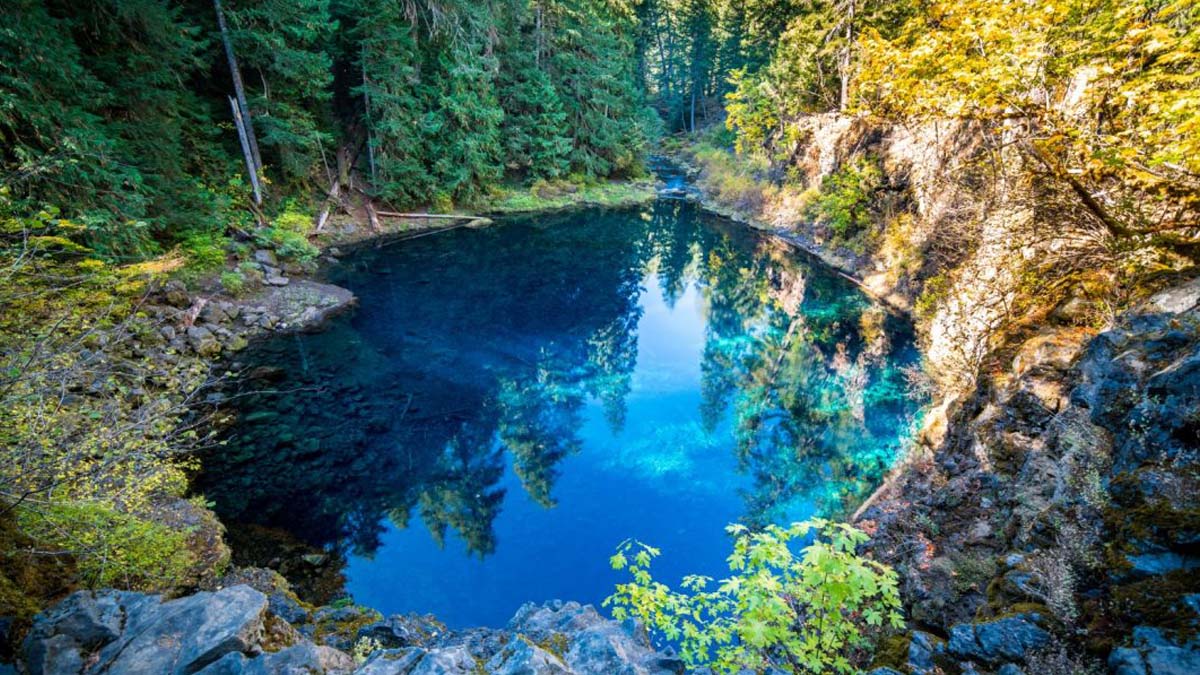
Tucked along the McKenzie River National Recreation Trail, the pool glows an almost impossible shade of turquoise. The water is so clear that visitors often underestimate its depth. The cliffs, forest, lava rock, and brilliant blue water have made Tamolitch Falls one of Oregon’s most photographed outdoor destinations.
On warm summer days, the scene can feel inviting. Hikers arrive sweaty from the trail, look down into that glassy blue water, and it can seem like the perfect place to cool off.
But Blue Pool is not like a typical swimming hole.
The U.S. Forest Service says the cliffs surrounding the pool range from 10 to 60 feet high. The average water temperature is just 37 degrees Fahrenheit. That is not refreshing cold. That is shockingly cold, the kind of cold that can take your breath away, stiffen your body, and overwhelm even strong swimmers.
The Forest Service also warns that cell service in the area is minimal to nonexistent, and because of the rugged terrain, it can take hours for emergency responders to reach the site.
That combination is what makes Blue Pool so deceptive. It is beautiful, easy to photograph, and relatively popular, but it is also remote, steep, rocky, and unforgiving.
Why The Water Is So Cold
Blue Pool’s famous color and frigid temperature come from the geology of the McKenzie River.
About 1,600 years ago, a lava flow from Belknap Crater buried a stretch of the river between Carmen Reservoir and Tamolitch Falls. Today, the river disappears underground through the porous lava and then resurfaces at the base of the dry falls, feeding the pool with clear, icy water.
The result is one of Oregon’s most stunning natural sights. The same process that creates the pool’s magical color also keeps the water painfully cold.
Even in summer, when temperatures in the McKenzie River corridor climb and trail traffic increases, the pool remains cold enough to be dangerous. A hot day can make the risk even harder to judge because the air feels warm, the hike feels manageable, and the water looks calm.
But cold water shock can happen fast.
Oregon emergency officials have repeatedly warned that rivers and lakes across the state can remain dangerously cold even when the weather feels warm. Sudden immersion can trigger involuntary gasping, rapid breathing, panic, loss of muscle control, and swimming failure. In a place like Blue Pool, those effects can be especially dangerous because the water is cold, the walls are steep, and getting out is not always simple.
A Popular Spot With A Long Rescue History
Friday’s drowning is not the first tragedy or serious rescue connected to the Blue Pool area.
Over the years, emergency crews have responded to multiple injuries, falls, cliff-jumping incidents, and water rescues at or near Tamolitch Falls.
In May 2026, Linn County Sheriff’s Office reported that a 53-year-old woman from Terrebonne had to be rescued after severely injuring her knee while hiking at Blue Pool. Because of the steep terrain and difficult access, multiple rescue agencies responded, including Linn County Search and Rescue, Upper McKenzie Rural Fire District, Lane County Sheriff’s Office Search and Rescue, Eugene Mountain Rescue, Oregon emergency officials, and a United States Coast Guard helicopter crew.
That rescue ended with the injured hiker being hoisted out by helicopter and taken to Sacred Heart Medical Center at RiverBend in Springfield.
Other incidents have been even more severe. In 2013, University of Oregon tennis player Alex Rovello died after a drowning and diving accident at Tamolitch Falls. In 2015, Joel Jesse Martin, 52, of Bend, died after falling nearly 45 feet near Tamolitch Pool while taking photos.
Those incidents are part of the reason agencies continue to warn visitors not to underestimate the area.
Blue Pool may be a bucket-list destination, but it is not a casual roadside swimming hole. The hike in can be rocky. The edges can be dangerous. The water is extremely cold. Emergency access is difficult. And once someone is in trouble, help may not arrive quickly.
The Forest Service Has Already Looked At Closing The Pool To Swimming
The danger at Blue Pool has been serious enough that the U.S. Forest Service approved a Tamolitch Pool project that included adding recreation infrastructure, rerouting part of the McKenzie River National Recreation Trail, building a parking area, and closing the pool to swimming.
The decision was signed in 2022.
The Forest Service recreation page still notes that jumping into the pool is not currently against the rules, but the agency’s own warning is blunt: people have been severely injured or died at this site in the past.
That is the hard reality of Blue Pool. It is one of the most beautiful places in Oregon, but it has also become a place where crowds, social media attention, cliff edges, cold water, and difficult rescues all collide.
What Visitors Should Know Before Going
For those planning to visit Tamolitch Falls, this latest tragedy is a heartbreaking reminder to take the place seriously.
The hike to Blue Pool is commonly accessed from the Trail Bridge Reservoir side, about 2.1 miles one way, or from the Carmen Smith Reservoir side, about 3.3 miles one way. The Forest Service describes the terrain as moderate, rough, and rocky, and recommends sturdy closed-toed shoes.
Visitors should also know there is limited to no cell service, no potable water, and few services once on the trail. The site is day-use only.
Anyone heading into the area should bring water, proper footwear, extra layers, and a plan for getting back safely. People should avoid getting too close to cliff edges, should not rely on phones for emergency communication, and should think carefully before entering water that averages near freezing.
The most dangerous part of Blue Pool may be how harmless it looks from above. The water is clear. The color is unreal. The pool often appears calm. But once someone enters that water, the cold can take over in seconds.
A Place To Respect, Not Underestimate
Oregon is full of places that ask something of us.
The coast asks us to respect sneaker waves. The mountains ask us to respect weather. The high desert asks us to respect distance, heat, and isolation. Blue Pool asks us to respect cold water, cliffs, and the limits of rescue in rugged country.
This latest death at Tamolitch Falls is devastating for the swimmer’s loved ones, for the responders who tried to save them, and for everyone who knows how quickly a beautiful Oregon outing can turn into a tragedy.
Blue Pool will continue to draw people because it is extraordinary. It is one of those places that reminds you why Oregon feels so wild and magical.
But it is not harmless.
Go for the hike. Take in the view. Stand there in awe of that impossible blue water. But do not let the beauty of the place fool you into forgetting what it is.
Blue Pool is stunning. It is also cold, remote, steep, and dangerous.
And after another life has been lost there, that warning deserves to be heard.