
What was supposed to be a wholesome family plan to unplug at a lake cabin quickly collapsed into emotional devastation after the Miller family discovered the getaway they had been romanticizing for weeks did, in fact, require them to go without reliable WiFi.
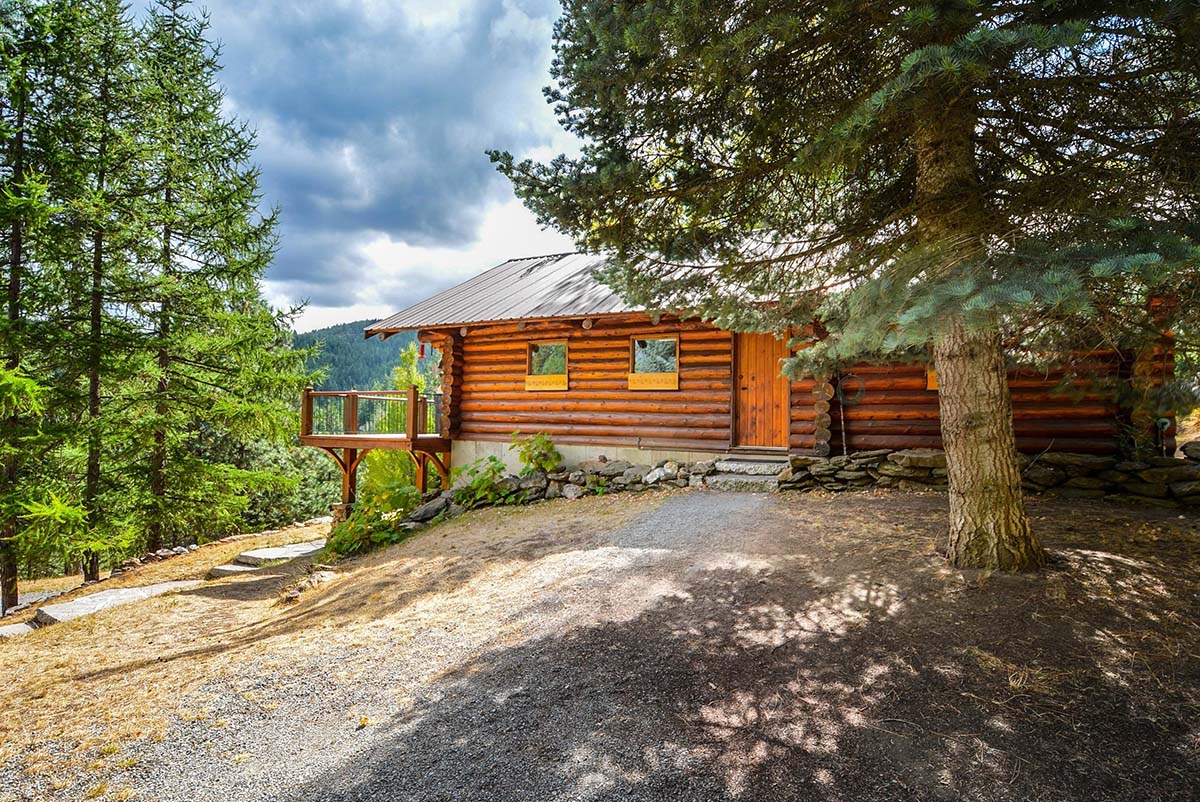
The trouble began Friday evening shortly after the family arrived at their rental cabin, a charming wood-paneled lakeside retreat advertised as “quiet,” “secluded,” and “perfect for reconnecting with nature.” Unfortunately, the listing failed to mention the property’s most horrifying feature: nature came included, but strong WiFi did not.
“We really wanted to get away from it all,” said mother of three, Dana Miller, standing on the porch with her phone raised above her head like she was trying to summon a rescue helicopter. “You know, screens, notifications, the constant noise of everyday life. We wanted the kids to experience what summers used to feel like.”
Her 14-year-old son Tyler described that same experience as “basically camping but with worse service.”
According to family members, the plan was simple and deeply wholesome: swim in the lake, grill hot dogs, play cards, sit under the stars, and spend an entire weekend pretending nobody cared what was happening online.
That vision lasted approximately eight minutes.
The first sign of trouble came when 12-year-old Emma asked for the WiFi password before the suitcases had even been unloaded.
“We’re here to unplug,” Dana told her gently.
“Right,” Emma replied. “But what’s the WiFi?”
At first, the family assumed the password would be written somewhere obvious, perhaps on a framed welcome sign, a laminated cabin guide, or one of those little chalkboards that says “Relax, You’re At The Lake” while silently withholding critical internet information.
Instead, they found a binder containing emergency contacts, trash pickup instructions, local hiking trails, and a handwritten note that said, “WiFi can be spotty. Enjoy the peace and quiet!”
Witnesses say the room went silent.
“It was like the cabin owner had written, ‘There may be wolves,’” said father Brian Miller. “Everyone just stared at the page.”
Within minutes, the wholesome unplugged retreat had transformed into a full-scale WiFi investigation.
Brian began opening cabinets and looking behind furniture for a router. Dana searched the rental listing again to see if “WiFi” had been included under amenities. Emma walked slowly around the living room holding her phone in different positions. Tyler stood by the sliding glass door and announced that he had one bar, causing the family to rush toward him with the urgency of pioneers who had just spotted fresh water.
The bar disappeared immediately.
“I swear it was there,” Tyler said, pointing toward the corner like he had just seen Bigfoot.
The youngest Miller, 8-year-old Cody, wandered onto the deck and asked if the lake itself had WiFi.
No one laughed, because by then everyone was wondering the same thing.
For the next half hour, the family spread across the property looking for a usable signal. Brian walked halfway up the gravel driveway. Dana stood on the dock. Emma sat on the porch railing. Tyler leaned against a pine tree and refreshed Instagram with the determination of a man attempting to restart civilization.
The cabin, meanwhile, offered everything it had promised. The lake was still. The trees were glowing in the evening light. Birds moved through the branches. A soft breeze came off the water.
None of this helped the situation.
“There’s nature everywhere,” Emma said. “But nothing loads.”
By 7:30 p.m., the family had located the router in a small laundry closet behind a stack of faded beach towels and two board games nobody wanted to play. Brian unplugged it, counted to ten, plugged it back in, and waited for the lights to blink.
The lights blinked.
The internet did not improve.
This led to the first official family meeting of the trip, held around the kitchen table, where Brian announced that the WiFi technically existed but was “not strong enough for everyone to use at once.”
The children reacted as though he had asked them to choose who would receive the last life jacket.
“We drove two hours to sit in a cabin with decorative paddles on the wall and no internet?” Tyler asked.
Dana reminded the family that the whole point was to unplug.
“Yes,” Emma said. “But we thought unplug meant, like, emotionally.”
That distinction soon became the central conflict of the weekend.
Dana had imagined unplugging as a beautiful lifestyle reset, the kind of thing families do in summer commercials where everyone laughs around a campfire and nobody checks the weather app twelve times. Brian imagined it as a chance to grill burgers, take a nap, and maybe teach the kids how to skip rocks. The kids imagined it as the same screen-based life they had at home, but near water.
Unfortunately, the cabin had other plans.
When Dana suggested a card game, Tyler asked if there was a digital version.
When Brian suggested fishing, Emma asked how long it usually took to catch something.
When Cody suggested hide-and-seek, everyone agreed until they realized it would involve putting their phones down.
By Saturday morning, the family had fully entered what vacation experts call “forced rustic acceptance,” a stage where families continue pretending the trip is magical because they have already paid for it.
Dana made pancakes and said, “Isn’t this nice?”
No one answered because all three kids were standing in the laundry closet trying to connect to the router.
Brian attempted to restore morale by announcing a family kayak outing. This was briefly successful until Tyler asked if he could bring his phone in a plastic bag “just in case the middle of the lake has better service.”
The middle of the lake did not have better service.
However, for nearly four minutes, everyone forgot about WiFi because Cody dropped a paddle, Emma screamed at a dragonfly, and Brian accidentally turned his kayak sideways in front of a group of retired people who seemed much better at vacationing.
“That was actually kind of fun,” Dana said afterward.
“Yeah,” Tyler admitted. “But I still couldn’t send anything.”
By lunchtime, the family had developed a rotating system for internet access. One person at a time could stand in the laundry closet with the door half closed and load approximately three messages before the signal gave out. This made the laundry closet the most emotionally important room in the cabin.
The lake had a dock, a fire pit, a hammock, and a beautiful view of the mountains.
The laundry closet had WiFi.
The choice was obvious.
At one point, Dana found Emma sitting on the floor next to the dryer, wrapped in a towel, watching a video at such low quality that the person on screen looked like a haunted watercolor painting.
“This is sad,” Dana said.
“It’s working,” Emma replied.
Later that afternoon, Brian suggested the family hike a nearby trail listed in the cabin binder. It promised wildflowers, lake views, and a short climb to a scenic overlook.
“Does the overlook have service?” Tyler asked.
Brian said he did not know.
“Then why is it scenic?”
The question hung in the air for several seconds, mostly because nobody had a good answer.
By dinner, Dana had grown determined to save the wholesome lake weekend from becoming nothing more than a three-day router inspection. She announced that phones would go in a basket for one hour while everyone ate together on the porch.
This announcement was received poorly.
“One hour?” Tyler asked, as if being sentenced.
“It’ll be good for us,” Dana said.
“What if someone needs me?” Emma asked.
“You are twelve,” Brian replied. “Who needs you?”
Emma thought about this and said, “My group chat.”
The phones went into the basket anyway. For the first few minutes, the family sat quietly with plates of burgers, corn on the cob, and watermelon. The lake shimmered in the background. A pair of ducks paddled near the reeds. Somewhere across the water, someone laughed from another dock.
“This is nice,” Dana said.
Everyone agreed it was nice, though several family members appeared to be physically resisting the urge to look at their phones.
Cody broke the silence first.
“Can we talk about YouTube videos we remember?”
“No,” Dana said.
“Can we describe memes?”
“No.”
“Can I ask how many minutes are left?”
“No.”
By minute twelve, Brian was staring at the phone basket too.
“I just want to check the grill temperature app,” he said.
“The grill does not have an app,” Dana replied.
“I know,” Brian said. “But it should.”
After dinner, Dana made one final push for the unplugged weekend she had envisioned. The family gathered around the fire pit. Marshmallows were roasted. The sky turned pink. The water reflected the last of the light. For a few rare minutes, everyone sat together without scrolling, refreshing, checking, posting, texting, streaming, or asking where the charger was.
It was peaceful.
It was beautiful.
It was almost exactly what Dana had hoped for.
Then Cody asked if toasted marshmallows counted as content.
By Sunday morning, the Millers had accepted that their wholesome plan to unplug had not cured anyone of screen addiction, but it had revealed several important family truths.
First, “spotty WiFi” means something very different to cabin owners than it does to teenagers.
Second, a family can survive without strong internet, but not quietly.
Third, everyone loves the idea of unplugging until the unplugging starts.
As they packed the car, Dana tried to put a positive spin on the trip.
“We made memories,” she said.
“We made trauma,” Tyler replied.
Brian said he was proud of the family for sticking it out and added that next summer they might try another cabin, ideally one with the same rustic charm but “fiber internet and maybe a smart TV.”
Dana agreed, though she maintained the weekend had been good for them.
“I still think it was healthy to disconnect,” she said, glancing down at her phone as it finally exploded with notifications. “Oh wow, I have 47 messages.”
The family then sat in the driveway for another ten minutes, silently scrolling before heading home.