
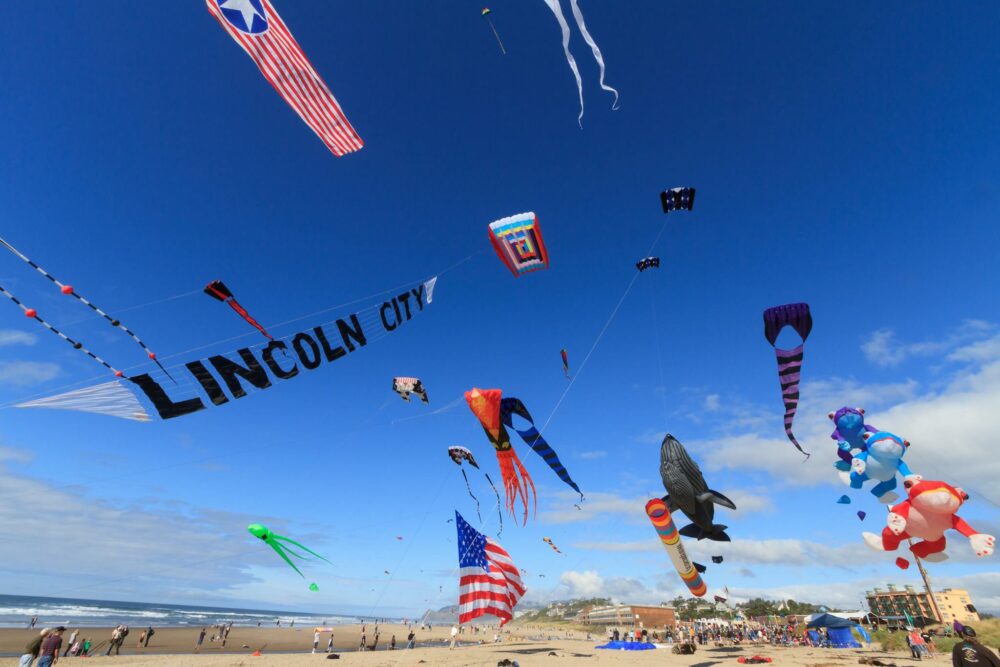
Few places capture the spirit of the Oregon coast quite like the D River in Lincoln City. On windy spring afternoons, colorful kites dance overhead. Families wander the sand searching for hidden glass floats. Visitors spill out from Highway 101 toward the beach, coffee in hand, ready to soak in the salty air and wide-open shoreline.
Now, one of the busiest and most recognizable stops on the Oregon coast is preparing for a dramatic new chapter.
The D River State Recreation Site, located in the heart of Lincoln City, is officially transitioning from state oversight to local management as the City of Lincoln City takes the reins of the beloved coastal destination. Along with the change in management comes a sweeping renovation project that will reshape the area over the next couple of years.
For longtime visitors, the changes may feel bittersweet at first. Construction will temporarily affect parts of the site this summer, including restroom closures and limited access to some areas. But city leaders say the goal is to create a more welcoming, accessible, and modern experience for the millions of people who stop there every year.
And that number is no exaggeration.
D River has become one of the busiest recreation areas anywhere in Oregon. In recent years, annual visitation has climbed well above one million people, placing it among the most heavily visited parks on the coast and in the entire state.
That level of popularity makes sense to anyone who has spent time there. The site sits directly along Highway 101, offering easy beach access in the center of Lincoln City’s bustling oceanfront district. It has long served as a gathering place for locals and visitors alike, especially during the city’s famous kite festivals that fill the sky with giant octopuses, whales, and brightly colored creations every year.
The location also draws beachcombers year-round thanks to Lincoln City’s popular Finders Keepers glass float tradition. Many travelers make D River one of their first stops when beginning the hunt for handcrafted glass treasures hidden along the sand.
But while the area remains one of the Oregon coast’s most recognizable attractions, city leaders say the aging site has needed improvements for years.
Under the new agreement, Lincoln City plans to overhaul the area with upgraded beach access, expanded accessibility features, improved parking, and an entirely new welcome center expected to cost around $6.7 million.
The project is expected to continue into early 2027.
Officials say the redesigned welcome center will help better tell Lincoln City’s story while giving visitors more information about the region’s beaches, natural areas, local events, and stewardship efforts. The city also hopes the upgrades will improve traffic flow and make the experience easier for everyone, including families, seniors, and visitors with mobility challenges.
Even during construction, Lincoln City says it will try to keep beach access open whenever possible, along with temporary parking and restroom options. Visitors should still expect disruptions at times throughout the renovation process.
The site itself has an interesting history that many travelers may not realize. Long before becoming today’s busy recreation area, the property served several very different purposes over the decades, including housing an aquarium and even a go-kart attraction before evolving into the beach access point people know today.
Today, it acts as both a scenic rest stop and one of the primary gateways to Lincoln City’s expansive seven-mile stretch of public beach.
And despite its popularity, there is still something wonderfully Oregon about the place. Even with crowds, kites, tourists, and traffic humming nearby, you can still catch quiet moments there. Early morning beach walks. Winter storm watching. The occasional agate tucked into the sand after a tide shift. A sunset that suddenly stops everyone in their tracks.
Lincoln City officials say they want to preserve that feeling while improving the experience for future generations.
Funding for the renovation comes from a combination of Oregon Lottery-backed grants and local tourism revenue dedicated to improving visitor facilities.
For now, visitors should expect construction fencing, temporary closures, and plenty of activity around the site over the coming months. But if everything goes according to plan, one of Oregon’s most iconic coastal stops will emerge with a fresh new look while still holding onto the same beach-town charm that has made it a favorite for decades.