
Remote southeast Oregon, planned honestly
Steens Mountain is not a casual add-on to a Bend trip. It rises above Oregon’s high desert hours from major services, and the famous loop road is seasonal, gravel, and vulnerable to sudden weather. The reward is enormous country, dark skies, glacial gorges, and a trip that feels genuinely remote.
Fact-checked: September 9, 2026. Operating details can change; official manager links below control current fees, closures, and booking.
The honest read
Who this trip is really for
Page Springs is the forgiving base near Frenchglen; South Steens is the deeper, more self-reliant camp. Treat Fish Lake and Jackman Park as seasonal high-country options. Start with fuel, water, weather, road status, and a backup—not with a sunset photo.
Compare campgrounds in the Oregon Camping Guide →At a glance
What matters before you book
- Nearest services
- Frenchglen is tiny; Burns is roughly 60 miles north
- Main access
- Steens Mountain Loop Road; high clearance is advised for rough portions
- Year-round base
- Page Springs Campground, first come
- Seasonal bases
- Fish Lake, Jackman Park, and South Steens
- Connectivity
- Do not rely on mobile service for navigation or emergencies
- Price example
- South Steens is currently $16 per vehicle per night; verify before travel
Page Springs: the practical first choice
Page Springs sits near Frenchglen at the base of the mountain and remains the most forgiving Steens base. BLM lists 36 roomy first-come sites near the Donner und Blitzen River, plus vault toilets, drinking water, and trail access. It is open year-round, though winter access beyond the lower mountain is different.
Choose it for the refuge, lower loop road, birding, fishing, or a first visit. Its lower elevation also makes it a sensible retreat when weather shuts down higher plans.
South Steens: deeper access, fewer assumptions
South Steens puts campers farther into the mountain and currently operates first come with no reservations. BLM lists a $16 single-vehicle nightly fee and a 14-day stay limit. It supports tent, RV, horse, and group camping, but the road and season determine whether that matters on your dates.
This is the stronger base for the south side when conditions cooperate. It is not the place to discover you forgot fuel, water, a spare tire, or offline maps.
The loop road is part of the decision
BLM advises high clearance because portions of the loop are rough, especially around Rooster Comb. Weather can close gates or make high-country travel unwise. Snow can fall outside the dates visitors expect, and wet roads are vulnerable to damage.
Call the Burns District BLM office for current conditions, check Oregon road and weather information, and be willing to turn around. A loop on the map does not promise a complete loop today.
Build redundancy into a remote trip
Carry drinking water, food, warm layers, sun protection, tire equipment, paper and offline maps, and enough fuel to absorb a detour. Tell someone where you are going and when to expect contact. Do not rely on phone service for an emergency.
Ticks, mosquitoes, rattlesnakes, heat, cold, wind, and wildfire smoke belong in the plan. Remote travel is about reducing the small mistakes that can stack up far from help.
The payoff
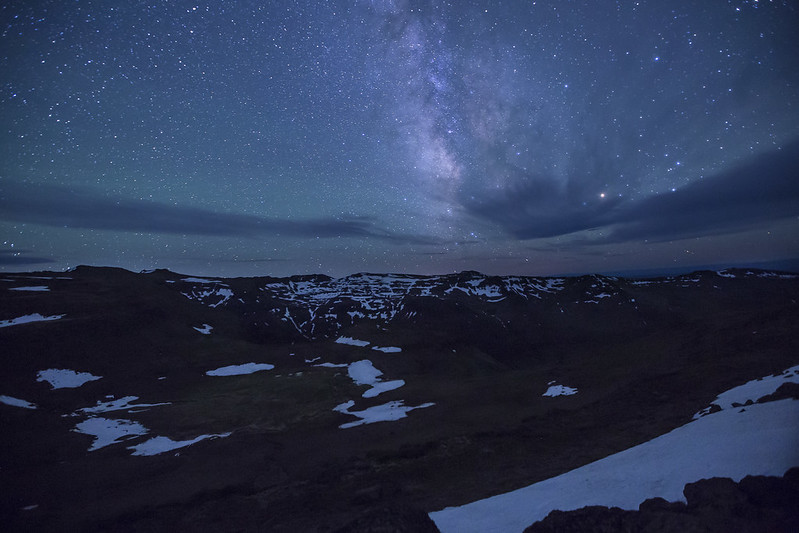
When road and weather cooperate, Steens offers huge views into Kiger, Wildhorse, and Little Blitzen gorges, exceptional night sky, and a scale that photos flatten. Give it more time than the drive seems to require.
Make the decision
Compare the useful choices
Page Springs Campground
Best for: First visits, Frenchglen, refuge access, flexible base
Tradeoff: Lower mountain rather than summit country
Official Page Springs Campground informationSouth Steens Campground
Best for: Deeper mountain trips and horse camping
Tradeoff: Long remote approach and seasonal access
Official South Steens Campground informationFish Lake or Jackman Park
Best for: High-country camping when roads are open
Tradeoff: Short season and weather exposure
Official Fish Lake or Jackman Park information