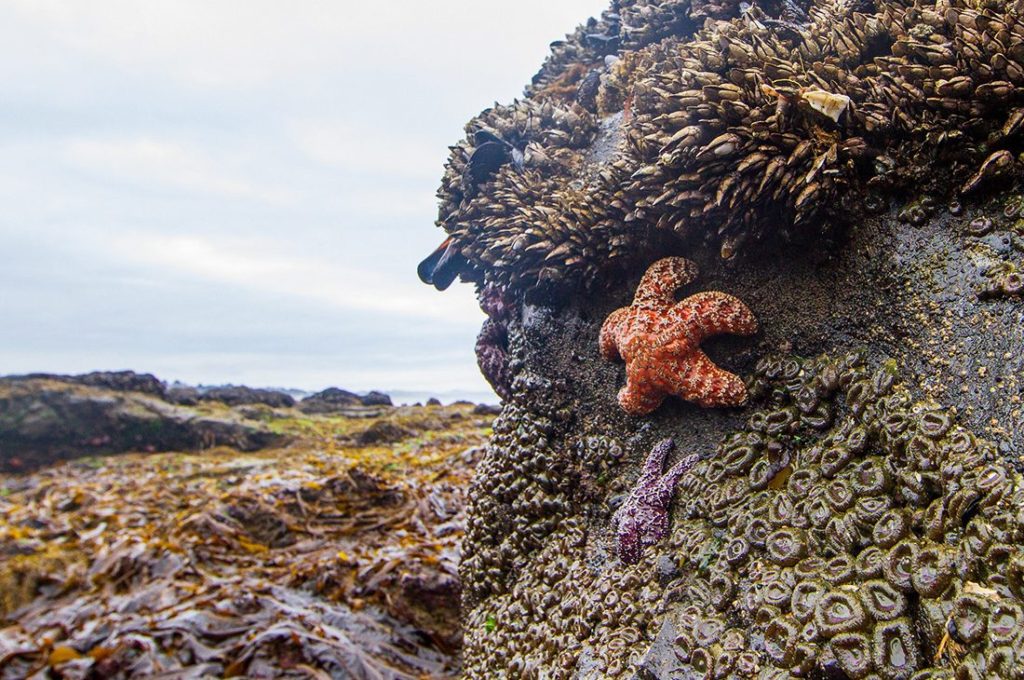
There are few experiences on the Oregon Coast that rival the quiet thrill of tide pooling.
Give me a stretch of rocky shoreline and I’ll spend more time crouched down than actually walking, scanning every crevice for movement, color, and life. Beachcombing has its charm, but tide pooling is something else entirely. It is slower, more intentional, and far more rewarding if you’re willing to take your time.
And in 2026, conditions are lining up in a way that makes this one of the best years in recent memory to explore them.
The Best Time to See Tide Pools in 2026
While tide pools can be explored year-round, the most impressive displays happen during the lowest tides of the year, especially when they occur during daylight hours.
In 2026, some of the best opportunities fall on:
- May 17–19
- June 15–16
- July 14–15
These dates bring especially low daytime tides, exposing more of the coastline and revealing tide pools that are normally hidden beneath the ocean. If you want the widest access and the best chance to see marine life, plan your trip around these windows.
No matter when you go, the golden rule still applies: arrive about two hours before low tide to give yourself time to explore before the water returns.
What Are Tide Pools
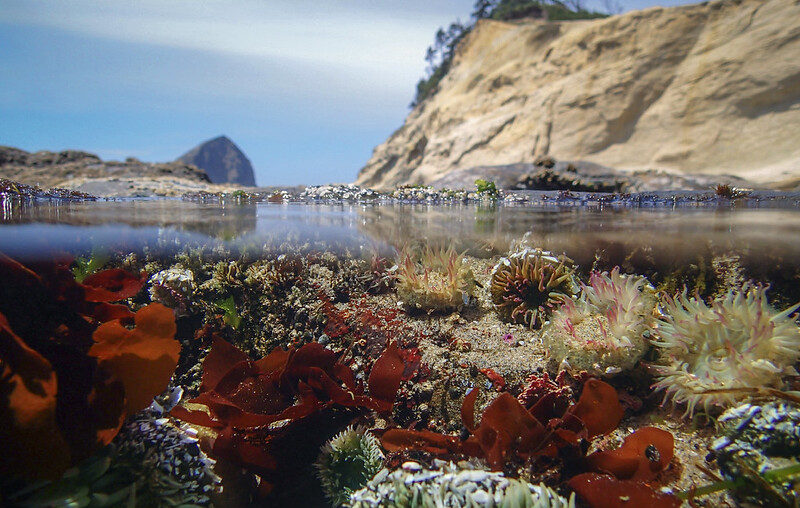
Tide pools form when the ocean recedes and leaves seawater trapped in pockets along rocky shores. What remains are small, self-contained ecosystems that are constantly changing with the tides.
Each one is different. Some are filled with gently swaying anemones, others with darting fish or clusters of mussels and barnacles. No two visits are ever the same, and that unpredictability is part of what makes tide pooling so addictive.
What You’ll Find in Oregon Tide Pools

Oregon’s tide pools are packed with life if you slow down and look closely.
Common marine life includes:
- Acorn and gooseneck barnacles
- Limpets
- California mussels
- Hermit crabs
- Chitons
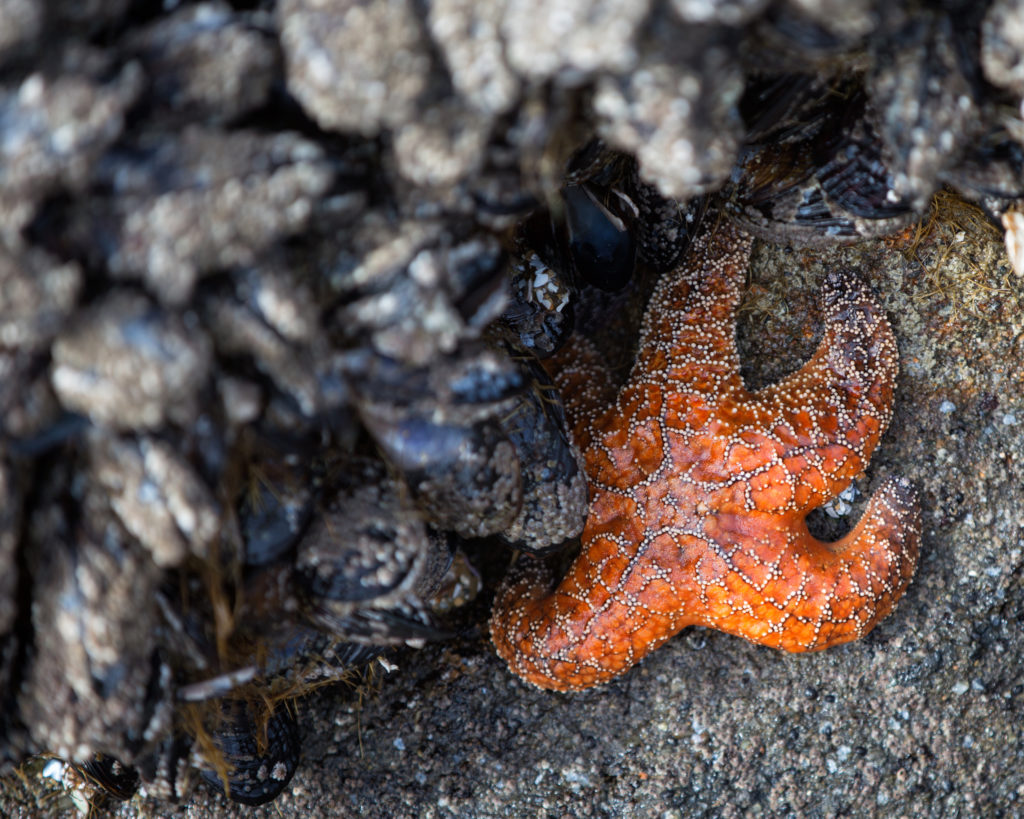
- Sea stars
- Sea cucumbers
- Sea anemones
- Sea slugs
- Turban snails
- Purple sea urchins
- Small fish species
- Purple shore crabs
- Kelp and sea palms
It often feels like looking into a natural aquarium, only everything is wild and exactly where it belongs.
Tips for the Best Tide Pooling Experience
Leave No Trace
Oregon’s beaches are public and protected, something that has been preserved for generations. Pack out everything you bring in, and if you see trash left behind, take it with you.
Wear Proper Footwear
Wet rocks are extremely slippery, especially when covered in algae or seaweed. Sturdy shoes with good traction are essential. This is not the place for sandals or smooth-soled sneakers.
Check Tide Tables Before You Go
Showing up at high tide means you will see nothing. Tide tables are easy to find online or at local shops and will tell you exactly when the ocean will recede.
Watch Where You Step
Tide pools are delicate ecosystems. Avoid stepping on barnacles, mussels, or anemones, and stick to bare rock whenever possible.
Never Turn Your Back on the Ocean
Sneaker waves can arrive without warning, even during low tide. Always stay aware of the water and your surroundings.
Take Only Photos
Do not remove marine life from the rocks. It is fine to gently observe and even lightly touch some creatures, but never pick them up or disturb their environment.
Where to Find the Best Tide Pools on the Oregon Coast
Tide pools can be found all along the Oregon Coast, but some locations consistently stand out for their accessibility and abundance of marine life.
North Coast
Ecola State Park
Located just north of Cannon Beach, this area offers scenic views and excellent tide pooling with a bit of effort to reach the best spots.
Haystack Rock (Cannon Beach)
One of the most accessible and well-known tide pooling areas in Oregon, especially popular for spotting sea stars and anemones.
Oswald West State Park
A more rugged experience, but well worth the effort for those willing to explore.
Cape Kiwanda (Pacific City)
A favorite among locals, with wide rocky areas that reveal plenty of marine life during low tide.
Devil’s Punchbowl (Otter Rock)
One of the most dramatic locations on the coast. When the tide recedes, this area becomes a massive tide pool, but it requires caution.
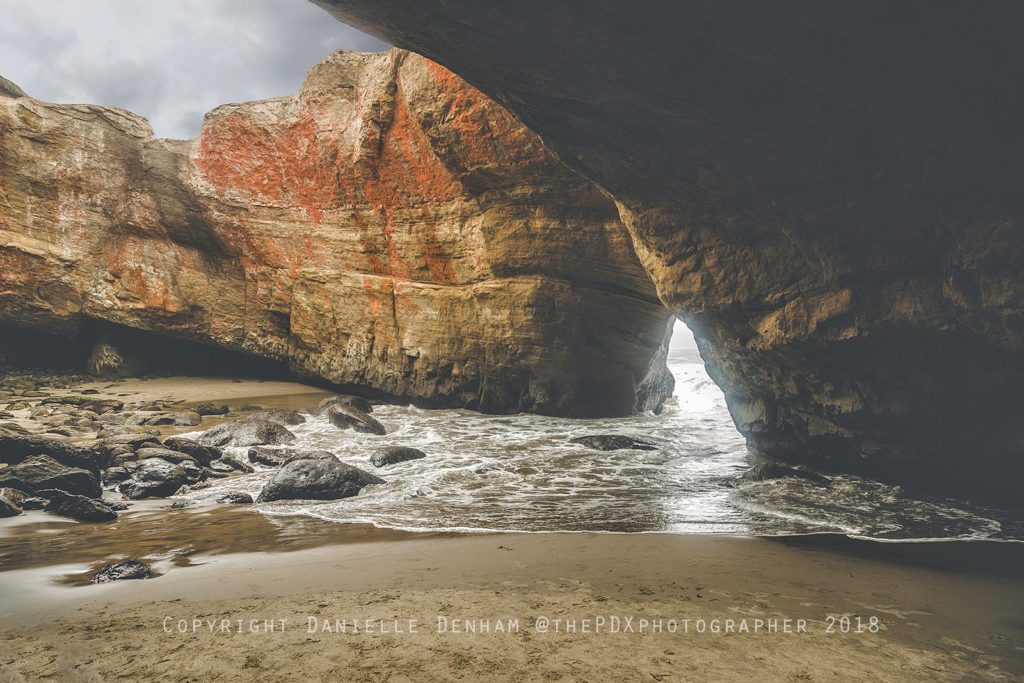
Yaquina Head Outstanding Natural Area
A reliable and accessible spot with a wide variety of marine life.
Seal Rock State Park
Known for its dense and colorful tide pools, though access can be more challenging.
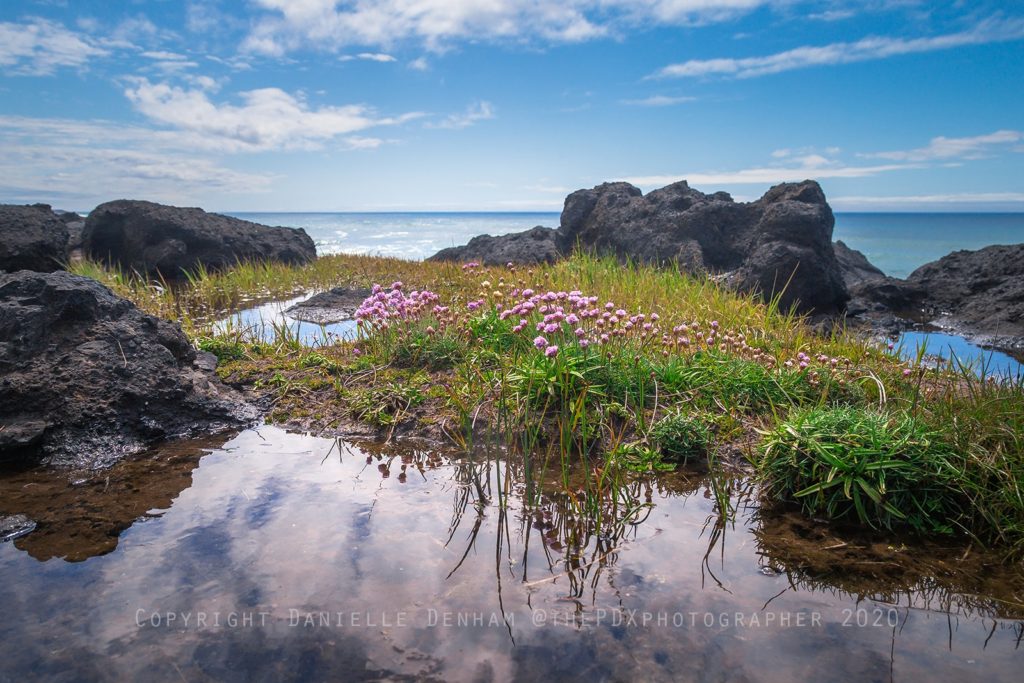
Yachats State Park and Cape Perpetua
Some of the richest tide pooling areas in Oregon, especially around Strawberry Hill and Neptune State Scenic Viewpoint.
South Coast
Sunset Bay State Park
Calmer waters and easy access make this a great option for families.
Cape Arago State Park
More rugged terrain with excellent biodiversity.
Coquille Point (Bandon)
An easy-access location with scenic views and consistent tide pool activity.
Harris Beach (Brookings)
One of the southernmost highlights, offering a wide range of marine life.
Tide pooling is one of the simplest and most rewarding ways to experience the Oregon Coast.
It does not require special equipment or a long hike. Just patience, awareness, and a willingness to slow down and look closer. The details are what make it memorable.
With several ideal low tide windows lining up during daylight hours, 2026 offers a rare opportunity to see these coastal ecosystems at their best.
Plan your trip around the dates, choose a stretch of coast, and take your time exploring. The ocean will do the rest.
Frequently Asked Questions About Oregon Tide Pools
Where are the best tide pools on the Oregon Coast?
If you ask locals, a few places come up again and again.
Some of the most consistently recommended tide pooling spots include:
- Haystack Rock in Cannon Beach
- Devil’s Punchbowl near Otter Rock
- Yaquina Head Outstanding Natural Area
- Seal Rock State Park
- Cape Perpetua and Strawberry Hill near Yachats
- Cape Kiwanda in Pacific City
- Hug Point
- Fogarty Creek
- Sunset Bay and Cape Arago near Coos Bay
- Coquille Point and Face Rock in Bandon
Each of these areas offers slightly different terrain and marine life, but all are known for reliable tide pool access during low tides.
When is the best time to see tide pools in Oregon?
The best time to explore tide pools is during low tide, ideally arriving one to two hours before the lowest point.
In 2026, some of the best daytime low tides occur on:
- May 17–19
- June 15–16
- July 14–15
These dates offer some of the lowest tides of the year during daylight hours, exposing more shoreline and making tide pools easier to access.
Do you need a negative tide to see tide pools?
Not necessarily, but it helps.
Tide pools can be seen during most low tides, but negative tides expose the most area, giving you access to larger and more diverse pools. If you want the best possible experience, aim for the lowest tides available.
What time of day should I go tide pooling?
Timing matters more than the day itself.
Plan to arrive about two hours before low tide, explore as the water recedes, and keep an eye on the ocean as the tide begins to return.
What should I bring for tide pooling?
A few essentials will make your experience much better:
- Sturdy, waterproof shoes with good traction
- Layers for changing coastal weather
- A tide chart for your specific beach
- A camera or phone
- A small bag to pack out trash
Is it safe to touch sea stars and other marine life?
It is best to observe without disturbing anything.
You can gently touch some creatures like anemones, but avoid picking anything up or removing it from the rocks. Tide pools are delicate ecosystems, and even small disruptions can harm marine life.