
Some places in Oregon make you work for them.
Hart Mountain Hot Springs is one of those places.
Tucked deep in south central Oregon, far from traffic lights, coffee stands, cell service, and pretty much anything resembling convenience, this high desert soaking spot feels like a secret the state is still keeping from most people. It sits inside Hart Mountain National Antelope Refuge, a sweeping expanse of sagebrush, rimrock, wetlands, wildlife, and sky so wide it can make you feel wonderfully small.
This is not the kind of hot springs trip where you toss a swimsuit in the car and wing it. Hart Mountain asks for planning, patience, and a willingness to drive a long way over lonely roads.
But once you get there, with steam rising off the pools, pronghorn moving across the open flats, and the Milky Way pouring over camp at night, it is easy to understand why people fall so hard for this place.
A Remote Soak in Oregon’s Outback
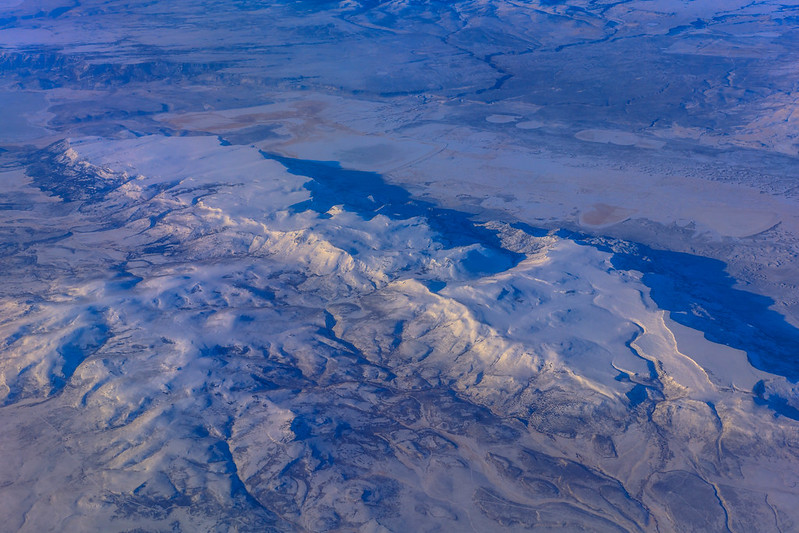
Hart Mountain Hot Springs, sometimes called Antelope Hot Springs, sits at nearly 6,000 feet in Oregon’s rugged Outback. The setting is unlike the forested hot springs many Oregonians know from the western side of the state. Here, the land opens up into sagebrush flats, rocky slopes, distant ridges, and quiet meadows where the silence feels almost physical.
The refuge itself was established in 1936 to protect pronghorn habitat, and today it remains one of the best places in Oregon to spot these fast, graceful animals. Pronghorn, bighorn sheep, mule deer, coyotes, sage grouse, migratory birds, and plenty of smaller desert wildlife all call this area home.
And yes, if you are lucky, you may also spot wild horses.
The nearby Beatys Butte Herd Management Area sits adjacent to and southeast of Hart Mountain National Antelope Refuge, and the region is known for free-roaming horses managed by the Bureau of Land Management. The horses here are often sorrel, brown, roan, or gray, with some showing Spanish mustang traits.
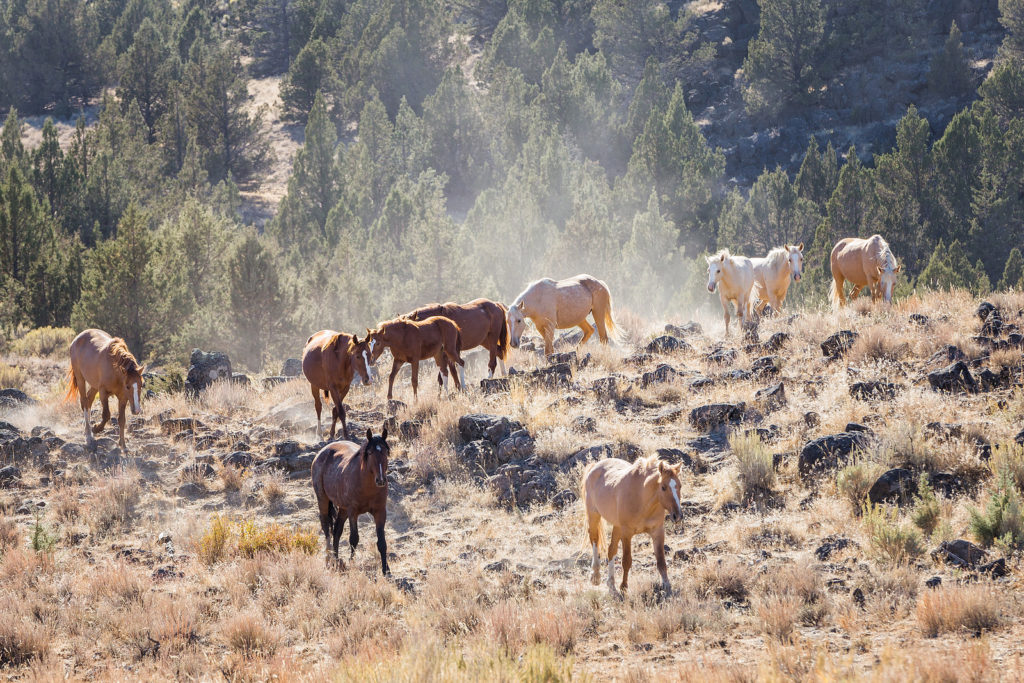
Seeing a band of horses moving across the high desert is never guaranteed, but it is one of those Oregon moments that can stop you in your tracks.
Important Fire Recovery Note Before You Go
Before planning a trip, visitors should know that Hart Mountain was heavily impacted by wildfire in 2024.
The Warner Peak Fire burned a major portion of the refuge and forced closures to roads, campgrounds, and hot springs access into 2025. U.S. Fish and Wildlife Service closure notices stated that Hot Springs Campground, Post Meadows Campground, Blue Sky Road, South Boundary Road, Hart Lake Road, and other interior areas were closed through June 15, 2025 due to fire damage and recovery concerns.
As of current refuge guidance, visitors should still check official conditions before heading out, especially because secondary roads have seasonal windows and some routes require high clearance or four-wheel drive. Barnhardy Road and Post Meadow Roads are seasonally open August 1 through December 1, and high clearance 4×4 is strongly recommended for Barnhardy Road.
In other words, do not just trust an old blog post or a memory from five years ago. Check current refuge conditions before making the long drive.
Getting There: Go Through Plush If You Can
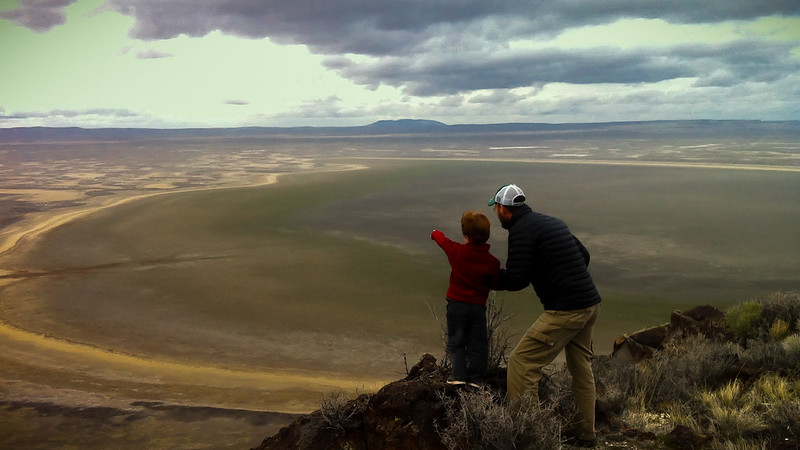
Hart Mountain is remote no matter which direction you come from.
From Portland, expect roughly eight hours of driving. Boise is closer at around five hours. Lakeview is the nearest full-service town, while Plush is the small community most travelers pass through before climbing toward the refuge.
If you have a choice, approach from Plush.
The route from Frenchglen is notorious for long stretches of rough washboard road, the kind that rattles your teeth and makes every mile feel longer than it is. The Plush side is still remote and rugged, but it is generally the more forgiving way in.
Before leaving pavement and services behind, make sure you have:
- A full tank of gas
- Extra drinking water
- Offline maps downloaded
- Food for your full stay
- Warm layers
- A spare tire and basic emergency supplies
Cell service is unreliable to nonexistent across much of the refuge, so this is not the place to depend on your phone bailing you out.
The Developed Hot Springs Pool
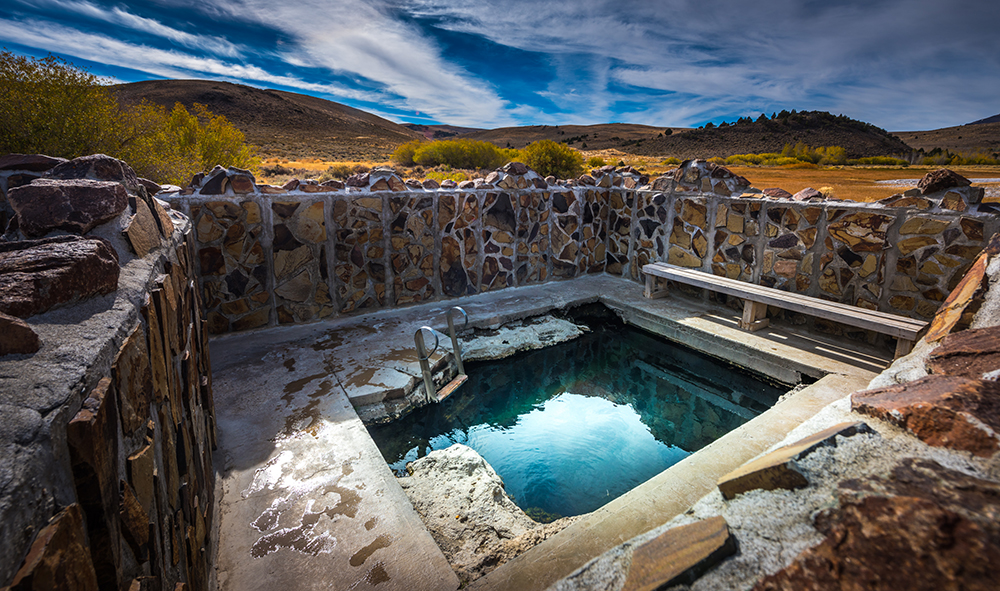
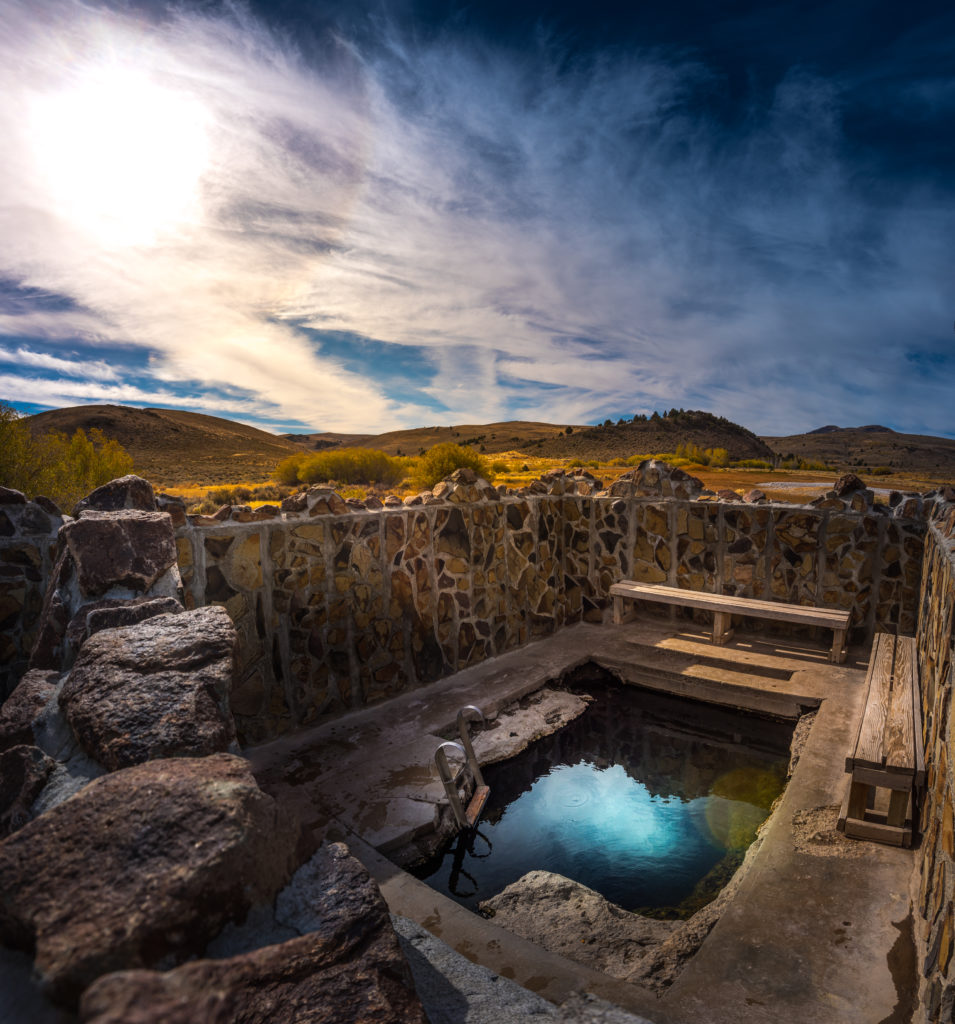
The main developed pool is the easiest to find and the most recognizable. Surrounded by a low stone wall, it offers a little protection from the wind and a nice sense of privacy in an otherwise wide-open landscape.
The pool is large enough for several people, with a ladder for getting in and out. The water is usually hot but comfortable, often reported in the range of about 95 to 105 degrees.
The bottom is uneven and can be slippery, so water shoes or sandals with traction are helpful. On chilly mornings, the steam rising inside the stone enclosure gives the whole place a dreamlike feeling.
This is the pool most first-time visitors head to first, and for good reason. It is easy, scenic, and wonderfully relaxing.
The Primitive Pools Are Worth Finding
Do not stop at the developed pool and assume you have seen everything.
A short walk from the main soaking area leads to primitive pools tucked into the meadow. These smaller pools feel wilder and more open, with fewer built features and much bigger views.
For many visitors, this is where Hart Mountain really shines.
Instead of sitting behind walls, you soak with the whole desert stretched out around you. At sunrise, steam drifts over the grasses while light spills across the hills. At night, the stars feel close enough to touch.
These primitive pools can run warmer than the developed pool, so ease in carefully and do not stay too long if you start feeling lightheaded.
Camping at Hart Mountain Hot Springs
One of the biggest draws here is the campground right by the springs.
Hot Springs Campground is primitive, free, and first come, first served. There are no reservations, no hookups, and no potable water at the campground. Visitors should expect vault toilets and basic campsites, not developed campground amenities. Southern Oregon visitor information notes that the campground is walk-up only, has vault toilets, and does not have potable water.
Camping in the refuge is limited to designated campgrounds or backcountry camping with a permit, and stays are generally limited to 14 days.
The campground has a remote, peaceful feel, with sites spread near the creek and around the hot springs area. Some sites offer more privacy than others. Depending on the season, certain areas can be wet or muddy, so use caution if you are towing a trailer or driving anything with low clearance.
There is something special about waking up here. The morning is cold, the meadow is quiet, and the springs are close enough for a sunrise soak before breakfast.
What to Pack
Hart Mountain is not difficult because of crowds or complicated logistics. It is difficult because it is far from everything.
Bring more than you think you need.
A smart packing list includes:
- Plenty of drinking water
- Extra food
- Offline maps or paper maps
- Water shoes or sandals
- Towel
- Warm dry clothes
- Headlamp or flashlight
- Trash bags
- First aid kit
- Binoculars
- Camera with a zoom lens
- Sunscreen and hat
- Extra fuel if your route requires it
The high desert can be hot, cold, windy, dry, muddy, snowy, and dusty, sometimes all in the same trip.
Hot Springs Etiquette
Remote hot springs only stay beautiful when people treat them with care.
Do not use soap, shampoo, lotion, or any products in the water. Pack out every bit of trash. Do not bring glass near the pools. Keep dogs out of the hot springs. Give other soakers space, especially at the smaller primitive pools.
Nudity is possible at remote hot springs, so be aware of that before visiting with kids or anyone who may be uncomfortable.
The golden rule here is simple: leave the place better than you found it.
Wildlife Watching at Hart Mountain
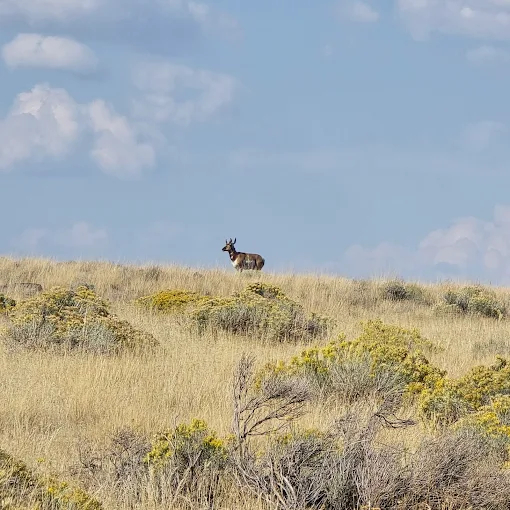
Hart Mountain National Antelope Refuge is a dream for wildlife lovers.
The refuge was created to protect pronghorn, and seeing them race across the open country is one of the great joys of visiting. They are incredibly fast and often gone before you can even lift your camera.
You may also see bighorn sheep, mule deer, coyotes, jackrabbits, marmots, raptors, sage grouse, and migratory waterfowl depending on the season.
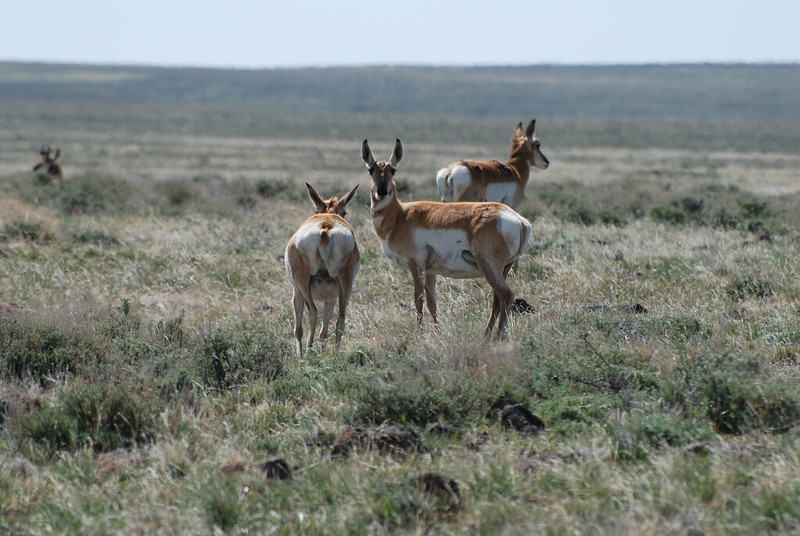
For the best chances, get up early or head out near sunset. Move quietly, bring binoculars, and give all animals plenty of space.
And keep your eyes open for wild horses in the broader Hart Mountain and Beatys Butte region. They are not a guaranteed sighting, but when they appear against the desert backdrop, it feels like something out of an old Western.
Petroglyph Lake
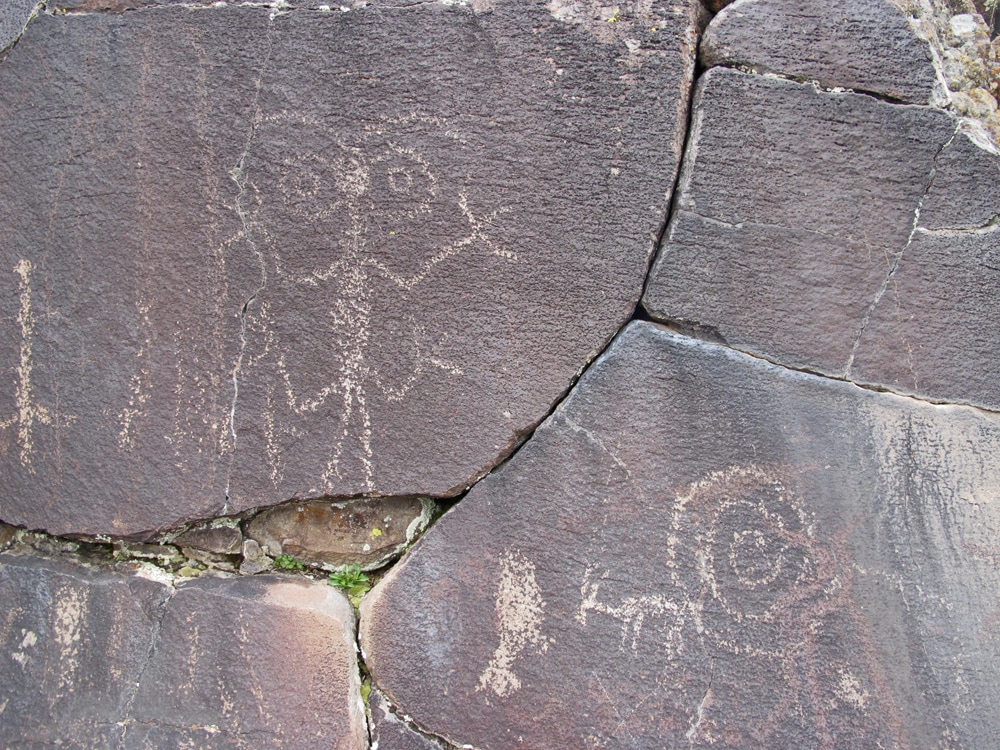
If you have time and conditions allow, Petroglyph Lake is one of the most fascinating side trips in the area.
The loop hike leads to ancient rock carvings left by Indigenous people who lived in and moved through this landscape long before modern roads reached the refuge. These places deserve deep respect.
Do not touch the petroglyphs. Do not trace them. Do not climb on them. Even oils from human skin can cause damage over time.
Just stand back, observe, and remember that you are visiting a place with a story far older than your own.
Warner Wetlands
West of the refuge, the Warner Wetlands stretch across a long chain of lakes and marshes shaped by faulting, water, wind, and time.
In spring and fall, this area becomes especially important for migrating birds. Water levels can vary dramatically from year to year, so conditions may change depending on the season.
For birders, photographers, and anyone who loves quiet desert landscapes, this is one of the most underrated corners of Oregon.
Historic Shirk Ranch
Another worthwhile stop in the region is Shirk Ranch, an old ranch property dating back to the late 1800s.
The weathered buildings feel frozen in time, offering a glimpse into the ranching history of southeastern Oregon. Like all historic places, it should be treated with care.
Take photos. Walk gently. Do not remove artifacts. Do not vandalize anything.
Places like this survive only when visitors understand that they are not abandoned playgrounds. They are pieces of Oregon history.
When to Visit
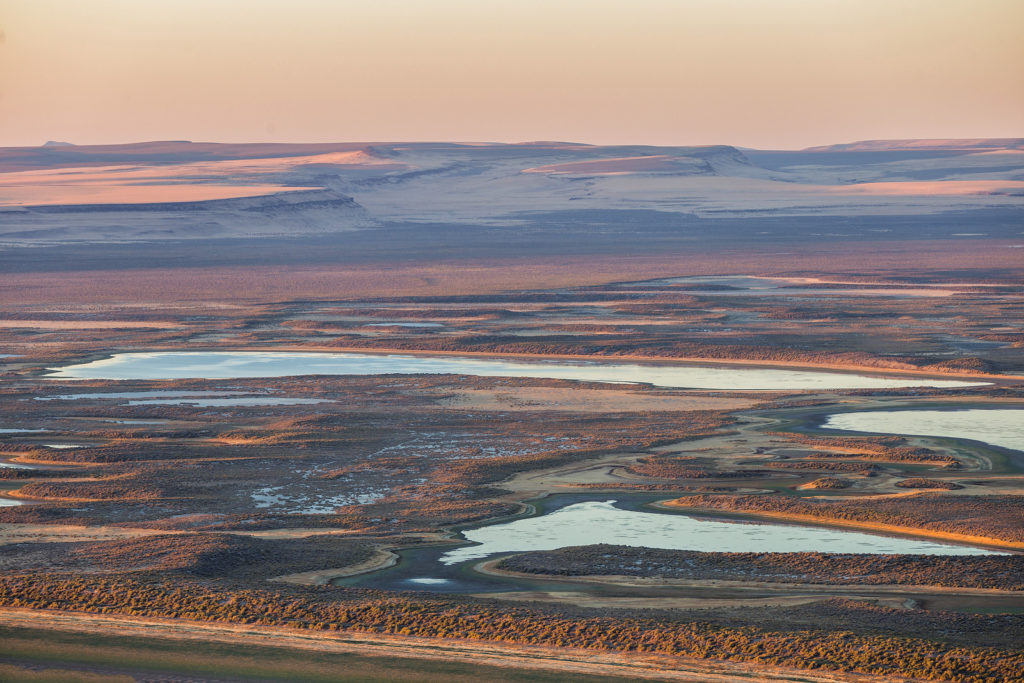
Hart Mountain can be visited in multiple seasons, but the best times are usually spring and fall.
Spring brings cooler weather, greener meadows, and active wildlife, though muddy conditions may be an issue. Fall offers crisp air, fewer bugs, and beautiful desert light.
Summer can be hot, dusty, and more crowded, with added wildfire concerns. Winter can be magical, but snow and road conditions may make access difficult or impossible.
Always check current road and refuge conditions before heading out.
Why Hart Mountain Sticks With You
There are easier hot springs in Oregon.
There are places with paved roads, cell service, nearby restaurants, and developed lodging.
Hart Mountain is not that.
Hart Mountain is rough roads, big silence, primitive camping, cold mornings, hot water, pronghorn in the distance, and stars that make you forget what city skies look like.
It is the kind of place where the journey is part of the reward.
And if you happen to catch a band of wild horses moving across the sagebrush while steam rises from the springs behind you, you will understand exactly why people keep this remote Oregon treasure close to their hearts.