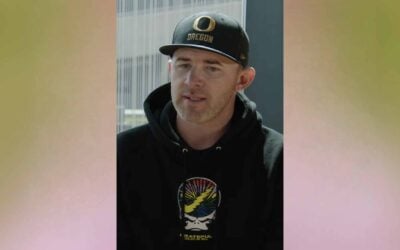

Sam Stevens noticed an old backpack and scattered climbing gear while hiking near Prouty Glacier on South Sister. Then he realized he had found human remains. He reported the discovery to law enforcement after reaching an area with cell service.
Stevens, a Colorado resident and traveling physical therapist, found the remains on October 17, according to Central Oregon Daily’s October 27 report. The station interviewed him and reported that the Deschutes County Sheriff’s Office connected the discovery to a cold case about 25 years old. No name has been released. The medical examiner has yet to publicly confirm the person’s identity.
A find on a less traveled part of South Sister
Stevens told the station he had taken a less traveled route around the glacier. An old backpack first caught his attention, followed by shoes and crampons in the area. A closer look made him understand the significance of what he had found. He waited until he could make a call to alert authorities.
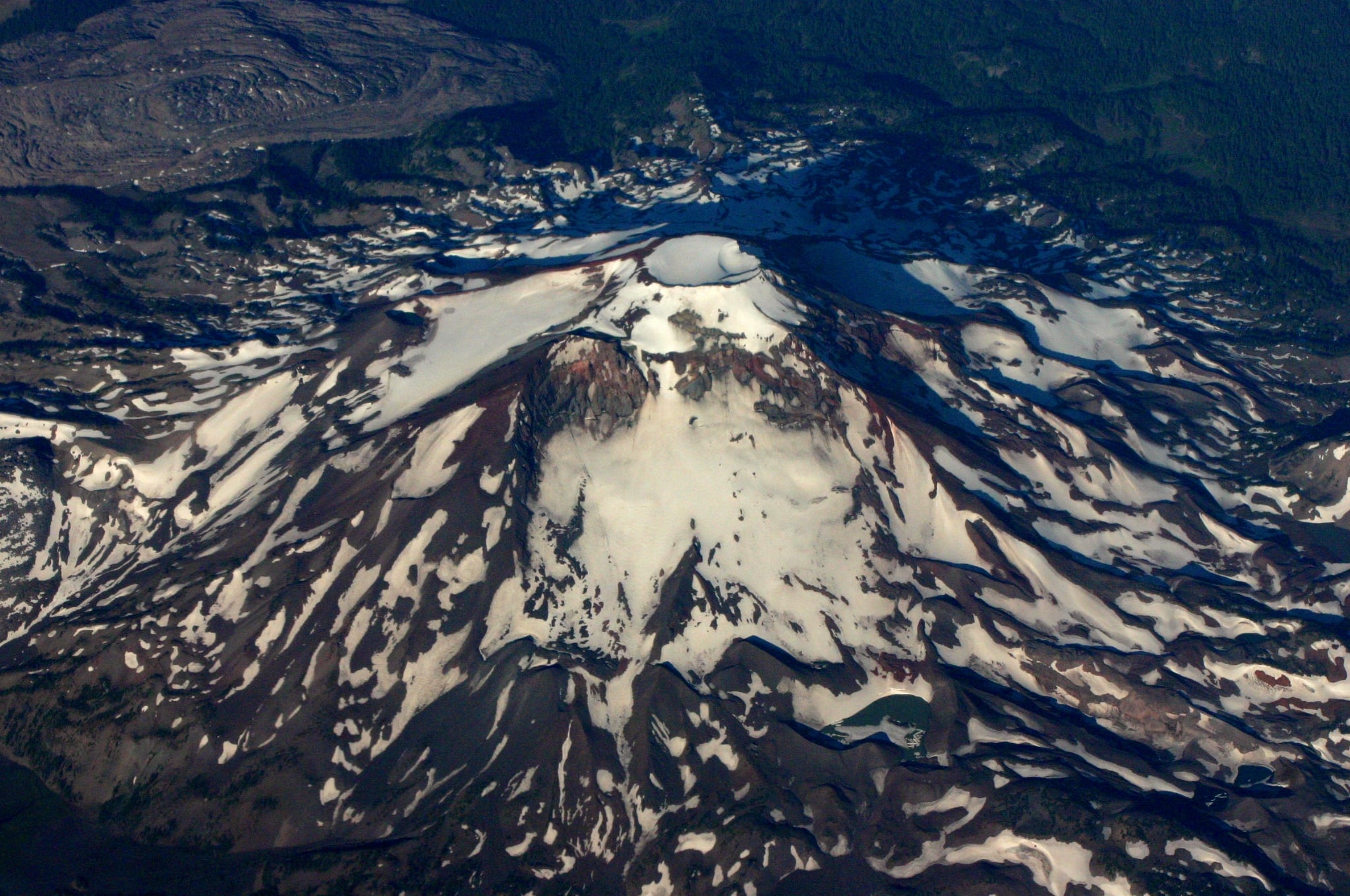
Prouty Glacier lies on South Sister’s northeast face, away from the mountain’s familiar south-side summit approach. The U.S. Geological Survey describes a headwall of exposed volcanic rock above the glacier, but the precise location of the remains has not been made public. The setting alone cannot tell us how or when the person died, and there is no confirmed evidence that changes in the glacier exposed the remains.
The discovery also raises a delicate question: whose case has been waiting for an answer? The sheriff’s office has not released the name, details of the original investigation, or an explanation of how the remains were linked to it. The station reported the 25-year connection, but that is not yet a positive identification. Naming a missing person on the basis of the approximate age of a case would risk giving a family false hope or needless alarm.
Identification comes before answers
What is established so far is both startling and limited. Stevens found remains near Prouty Glacier on October 17 and reported them. Central Oregon Daily says the sheriff’s office linked the find to a case about a quarter-century old and expects to provide further information after the medical examiner identifies the person.
There has been no public finding about a cause or manner of death. The presence of climbing equipment does not establish the person’s route, experience, or final moments. For now, the most important next step is a confirmed identity. That answer will allow investigators to explain, as far as the evidence permits, how the discovery relates to the older case.