
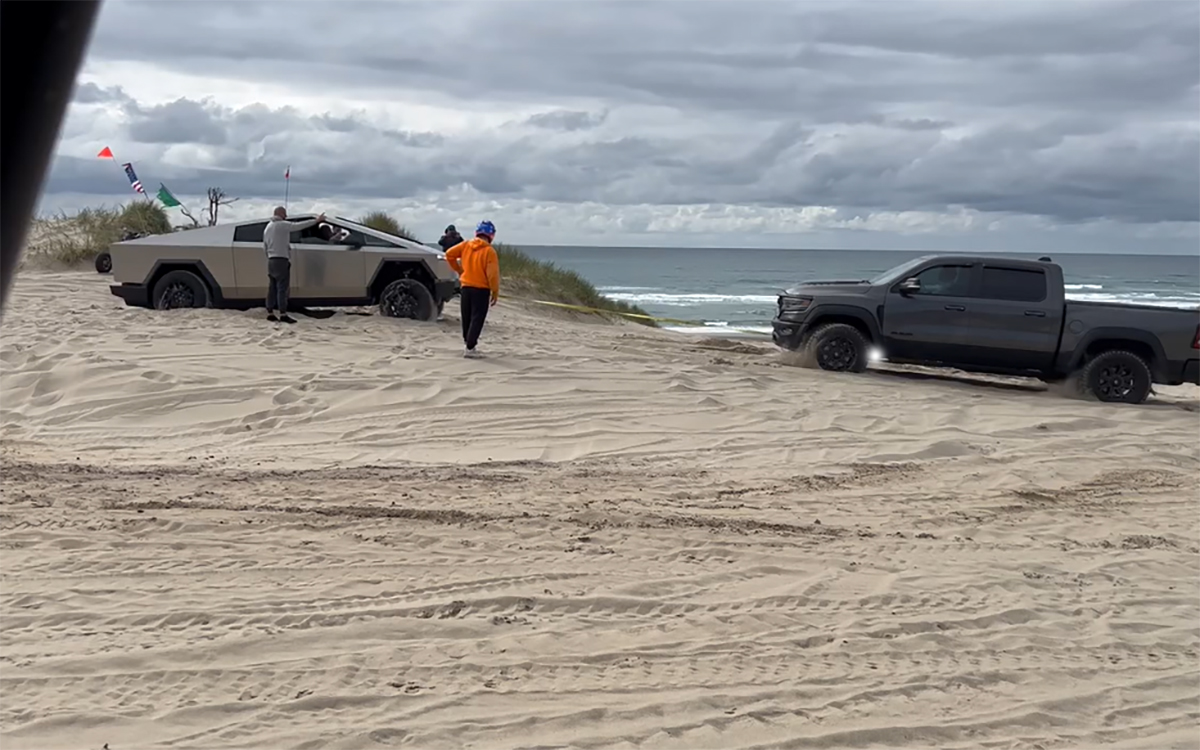
The Oregon Dunes are not a single pullout. They form a vast ribbon of shifting sand, forest islands, lakes, wetlands, beaches, campgrounds, and recreation areas along a large section of the coast. The experience changes dramatically depending on whether you choose a quiet hiking area, a lake edge, a beach route, or a designated off-highway vehicle zone.
At a glance
- Region: Central and Southern Coast between Florence and Coos Bay
- Best for: Immense dune views, hiking, lakes, paddling, photography, camping, and designated motorized recreation
- Plan for: Coastal weather, changing trail or road conditions, and extra time for unplanned viewpoints
Why this place belongs on your Oregon Coast trip
Wind constantly reshapes the dunes, creating open ridges, steep bowls, and surprising pockets of forest. Some places emphasize quiet foot travel and wildlife; others are built around motorized riding. Knowing the rules for the specific area you choose is essential, both for safety and for protecting sensitive habitat.
How to plan your visit
Decide on the activity before choosing the trailhead. Sand travel is tiring, landmarks can look similar, and wind may erase tracks. Carry water, save a map, and avoid walking into active riding zones. Vehicle access requires the right equipment, permits, and knowledge; ordinary road vehicles should never be treated as dune machines. Beach driving and fire restrictions vary.
Good coast rule: Treat posted closures, barriers, surf warnings, and changing weather as part of the landscape. Before leaving, check current conditions with the agency that manages the site.
What to bring
- Rain shell and a warm layer, even when town is sunny
- Shoes with traction for mud, roots, sand, or wet rock
- Water and a downloaded map or saved directions
- Binoculars or a camera for wildlife and distant views
- A flexible backup stop in case parking, fog, surf, or closures change the plan
Nearby places worth adding
Florence is the northern base, Reedsport sits near the middle, and the Coos Bay area serves the southern end. Lakes, the Umpqua River, and several coastal state parks offer alternatives when dune wind is strong. Give one chosen recreation area several hours rather than trying to sample the whole landscape in a day.
That Oregon Life stories to read next
Go deeper with reporting and guides already published by our Oregon writers:
- A Cybertruck Gets Stuck in the Oregon Dunes
- One of Oregon’s Best Fall Hikes Winds Past 11 Waterfalls Near the Coast
- A Former Coast Guard Ship Is Now a Reedsport Seafood Restaurant
Conditions on the Oregon Coast can change quickly. Verify current access, parking, fire restrictions, tides, and closures before traveling.
Camping in and around the Oregon Dunes
The Oregon Dunes are not one campground and not one kind of trip. Developed forest-and-lake campgrounds, beach-oriented sites, OHV campgrounds, and reservation-only sand camps serve different visitors. Choose the recreation zone first.
Fact-checked: September 9, 2026. Operating details can change; official manager links below control current fees, closures, and booking.
The honest read
Who this trip is really for
Honeyman is the most versatile family base near Florence. Spinreel and designated sand camps fit OHV-focused trips. Visitors seeking quiet dunes should choose non-motorized trail areas and a campground without direct riding access.
Compare campgrounds in the Oregon Camping Guide →At a glance
What matters before you book
- Landscape
- A long National Recreation Area between Florence and Coos Bay
- Camping types
- Developed, lake-area, OHV, and designated sand camps
- Sand-camp access
- Soft-sand 4x4/OHV access; reservations required
- OHV rule
- Oregon OHV permit required for riding
- Wildlife season
- Snowy plover restrictions apply in designated areas March 15–September 15
- Price reality
- Federal and state fees vary; check the managing agency
Pick the experience before the campsite
For a mixed family trip, Jessie M. Honeyman Memorial State Park offers lakes, dunes access, large campground inventory, showers, and proximity to Florence. Oregon State Parks warns that OHV noise may be noticeable during the main riding season.
Spinreel and other motorized-access campgrounds are built around riding. Quiet-seeking hikers should use designated non-motorized areas and should not assume every dune trail shares the same soundscape.
Sand camping is a specialized trip
Forest Service sand camps sit directly on soft sand, require suitable access, and are reserved through Recreation.gov. They are not ordinary roadside sites. Vehicle capability, tire pressure, recovery gear, sanitation, fire rules, and the route back out all belong in the plan.
Stay inside designated routes and campsites. Seasonal snowy plover protections change access in parts of the dunes, while fire restrictions and forest orders can change what is legal even when a campsite is open.
Make the decision
Compare the useful choices
Jessie M. Honeyman Memorial State Park
Best for: Families, lakes, Florence, varied site types
Tradeoff: Large and sometimes noisy
Official Jessie M. Honeyman Memorial State Park informationSpinreel Campground
Best for: OHV riders wanting direct dunes access
Tradeoff: Riding focus and noise
Official Spinreel Campground informationDesignated sand camps
Best for: Prepared 4x4/OHV groups
Tradeoff: Specialized access and minimal services
Official Designated sand camps information