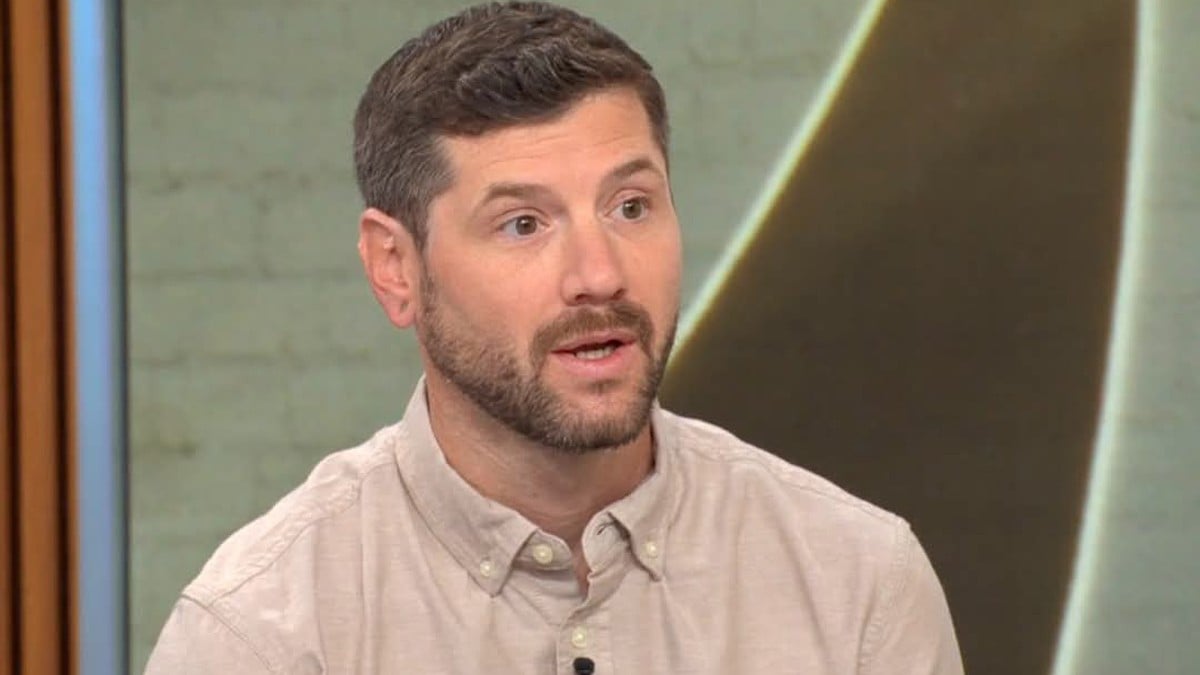
BEND, Ore.: Kaylub Giamanco, the Bend carpenter who stopped the Oct. 15 shooting at his daughters’ elementary school, sat down this week for his first network television interview and described the last thing he said to the wounded gunman.
After Giamanco shot 16-year-old Griffin J. John II inside a classroom at Silver Rail Elementary, he told CBS Mornings the teenager was still alive, struggling with his weapon, and trying to say something. Giamanco said he didn’t listen.
“I didn’t want to hear what he had to say. He had taken lives,” Giamanco said. “I said ‘F— you.’”
“I don’t know what he was about to say and it didn’t matter,” he added. “It didn’t matter. I just knew he had taken the lives of innocent little babies, you know, 5, 8 and 11.”
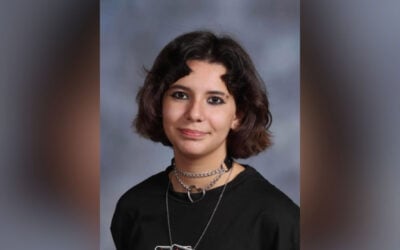
Those are the ages of the three children killed in the attack, along with teacher Megan Lambert. A 7-year-old girl was wounded, as was educational assistant Becky Drury, according to That Oregon Life’s earlier reporting on Giamanco’s first interview with Oregon Public Broadcasting. The Associated Press reported that police said all of the victims were shot in the same classroom.
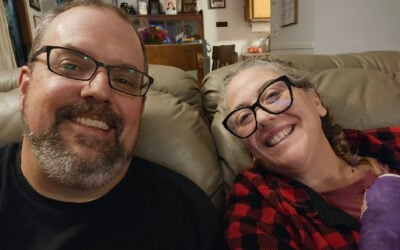
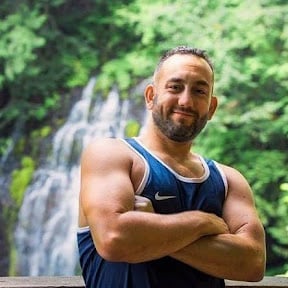
Giamanco is 36, a carpenter, and the father of two girls at Silver Rail, ages 5 and 10. That Oregon Life first identified him after his brother spoke with NBC News, days before Giamanco sat down with reporters himself. He has said it was happenstance that he was even there. He had packed a lunch, then decided to drive home instead, and was passing the school when he saw a “man in black” fire a shotgun at a passing pickup, then throw the gun over the playground fence and climb after it.
“It was like fight or flight, and something clicked, and I just, I analyzed the situation. I knew something was up. All the emotions flood out of me. I just kind of went into a mission mode,” he told CBS Mornings.
In the OPB interview published Oct. 23, he described opening the center console of his truck, where he kept a .40-caliber handgun he rarely used. “That’s when panic fled into my brain and that’s when I opened my center console and said, ‘No. No. No. No,’” he said, as reported by CBS News. He grabbed the magazine from another compartment, pulled into the parking lot, and had Siri call 911.
“I said, ‘I’m sorry, I have to go in. People are going to die,’” he told OPB. A later NPR conversation with OPB’s Jen Baires walked through the same account.
He said he heard the gunman fire two shots into the doors, then heard children pleading for their lives. He army-crawled through broken glass toward the special education classroom and told himself it was probably the last thing he would ever do.
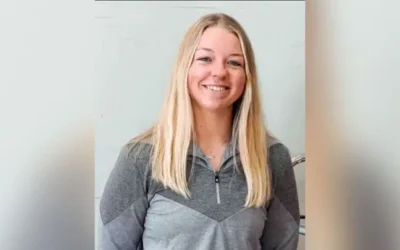
Through a classroom window, he saw an unarmed teacher struggling with the gunman. Police said she had thrown her cellphone at him and tackled him. That teacher has since been identified as Cassidy Schutz, and a GoFundMe has been launched in her name. Giamanco told CBS her fight gave him “the split second of having two people side-by-side.”
“I knew that he wasn’t paying attention to me, so it gave me the opportunity to swing the door open and step in and complete my mission, so to speak,” he said.
He fired. The gunman went down, still alive. In the OPB interview, Giamanco said the shooter “was scrambling for his weapon,” and that he shot him two more times “to make sure that he couldn’t move because I was afraid of him shooting anybody else.” That is the moment, he later told CBS Mornings, when the teenager tried to speak.
He dropped his gun once he was sure the shooter was dead, then went to check on the teacher. She “ran away from” him, he told CBS. He said it wasn’t “the greatest feeling,” but he understood she thought he might be another active shooter. When police arrived, he raised his hands and asked for help.
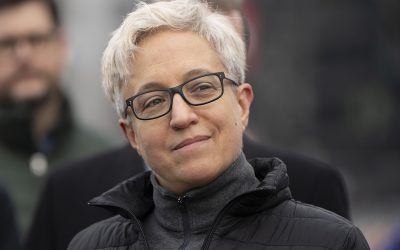
Bend Police Chief Mike Krantz has said the teacher’s fight with the gunman “almost certainly helped prevent more bloodshed.” Gov. Tina Kotek praised Giamanco, saying he “heroically intervened to stop further loss of life.”
Giamanco has said that during the shooting itself, he was not scared. “It wasn’t until I called my wife and my mother that everything kind of flooded in on me.” His wife, Kelsey, told CBS she already knew something was wrong. She had been expecting him for lunch, was following his location on her phone, and saw that he had stopped at the school. She drove there to meet him.
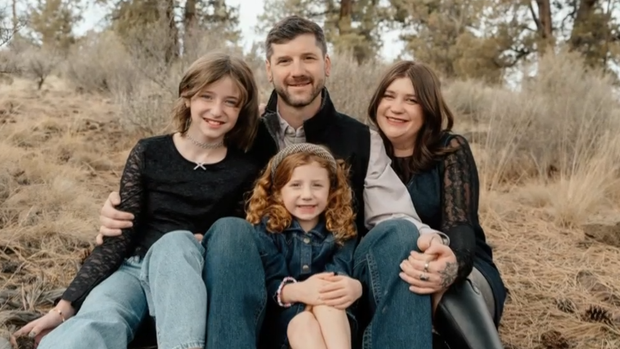
When he was reunited with his daughters, he said there were “mixed feelings.” “I was really sad other people didn’t get to hold their children that night … but it felt good to just squeeze them and know that they were going to still be here and they could grow up to be, you know, beautiful young women,” he said.
Talking with his 10-year-old about what happened has been hard. “Our 10-year-old is very intellectual, so we have little conversations there, essentially just like, ‘I just did what I felt was right,’” he said.
He told OPB that when he goes to bed, he replays the day and wonders whether he could have stopped the shooter sooner. “I relive, I see faces, I hear voices, I hear screams,” he said. On CBS Mornings, he said that when he closes his eyes he can still hear “children’s screams and what it sounds like for them to plead for their life.”
“I know exactly what that audio is in my brain,” he said. “That’s where, again, when I’m alone at nighttime and ready to go to bed, I don’t always go to bed. Sometimes I get trapped in my brain.”
He has not gone back to his job as a carpenter. He told CBS he is thinking about changing careers and may start a nonprofit focused on mental health and school security.
He has also been clear about the families who lost children. “I want to apologize for not saving their babies,” he told OPB. “The gratitude for saving people’s children is awesome, but there were ones that I didn’t save.” After the shooting, he called his mother, Kenda Freeman, who told him he had done the right thing and saved lives. His reply, he said, was simpler: “I didn’t save everybody. I didn’t get them all.”