
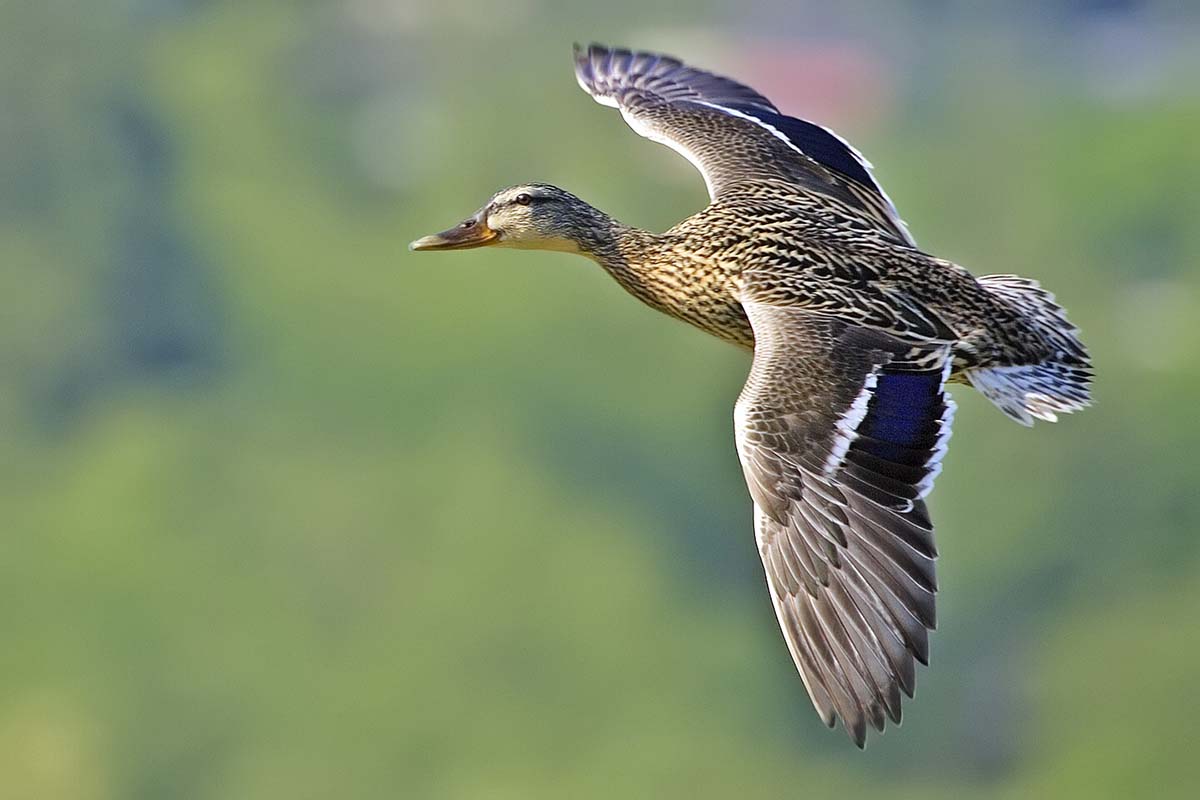
Nearly 14,000 birds have died in a growing botulism outbreak at Tule Lake National Wildlife Refuge, just south of the Oregon border, and the timing could hardly be worse.
The Klamath Basin is heading into one of the busiest periods of the year for migratory birds, when ducks, geese, shorebirds and other species begin pouring into the region along the Pacific Flyway. For many of them, the wetlands around Tule Lake are not simply a scenic stop. They are a critical place to rest, feed and rebuild energy before continuing journeys that can stretch for thousands of miles.
As of August 20, at least 13,730 birds had died during the outbreak, according to recent reporting. The losses have mounted quickly, and wildlife groups are warning that more birds will soon be arriving in the basin as fall migration picks up.
That is what makes this outbreak especially troubling.
This is not simply a case of birds dying in one isolated marsh. The Klamath Basin is one of the most important wetland systems in the West, connecting Oregon and Northern California through a landscape that has supported enormous bird migrations for generations.
And this is not the first time the area has seen a major die-off.
In 2024, an enormous avian botulism outbreak in the Klamath Basin killed roughly 140,000 birds, making it one of the region’s most severe recent wildlife losses.
Now another outbreak is underway.
Why Botulism Can Spread So Quickly
Avian botulism is caused by toxins produced by Clostridium botulinum, bacteria that can thrive in warm, shallow, low-oxygen water.
When wetland conditions become hot and stagnant, the environment can become favorable for the bacteria and the toxin they produce. Birds exposed to that toxin can gradually lose control of their bodies.
The illness can begin with weakness in the legs and wings. As paralysis worsens, affected birds may lose the ability to hold up their heads. Birds stranded on the water can eventually drown.
The disease can also feed on itself.
When infected birds die, their carcasses attract insects and maggots. Those insects can take up the toxin, and other birds may then eat them, allowing the poisoning cycle to continue.
That is why refuge workers often remove dead birds during an outbreak. Every carcass taken out of the wetland can potentially interrupt part of that cycle.
By mid-August, workers at Tule Lake were reportedly finding roughly 150 dead birds per day.
One of the Most Important Bird Corridors in North America
For Oregonians, the location of this outbreak matters.
Tule Lake sits just south of the state line and forms part of the larger Klamath Basin refuge system, a landscape tied closely to Southern Oregon’s wetlands, agricultural valleys and wildlife habitat.
The basin lies directly along the Pacific Flyway, the massive migration route used by birds traveling between northern breeding grounds and wintering areas farther south.
Every year, countless birds move through this part of the West.
Some come from Alaska and Canada. Others continue into California, Mexico and beyond.
That means birds passing through Tule Lake may eventually appear hundreds or even thousands of miles away.
The refuge is part of a much larger network of habitat that birds depend on as they move across the continent.
For many species, a reliable wetland can mean the difference between completing that journey and running out of energy along the way.
These Refuges Were Created to Protect Birds
There is also a historical irony in seeing birds die in large numbers here.
The Klamath Basin’s refuge system exists because people recognized more than a century ago just how important this landscape was to waterfowl.
Lower Klamath National Wildlife Refuge, located nearby, was established by President Theodore Roosevelt in 1908 and became the nation’s first waterfowl refuge.
Tule Lake National Wildlife Refuge was established later and remains an important staging area for birds moving north and south along the Pacific Flyway.
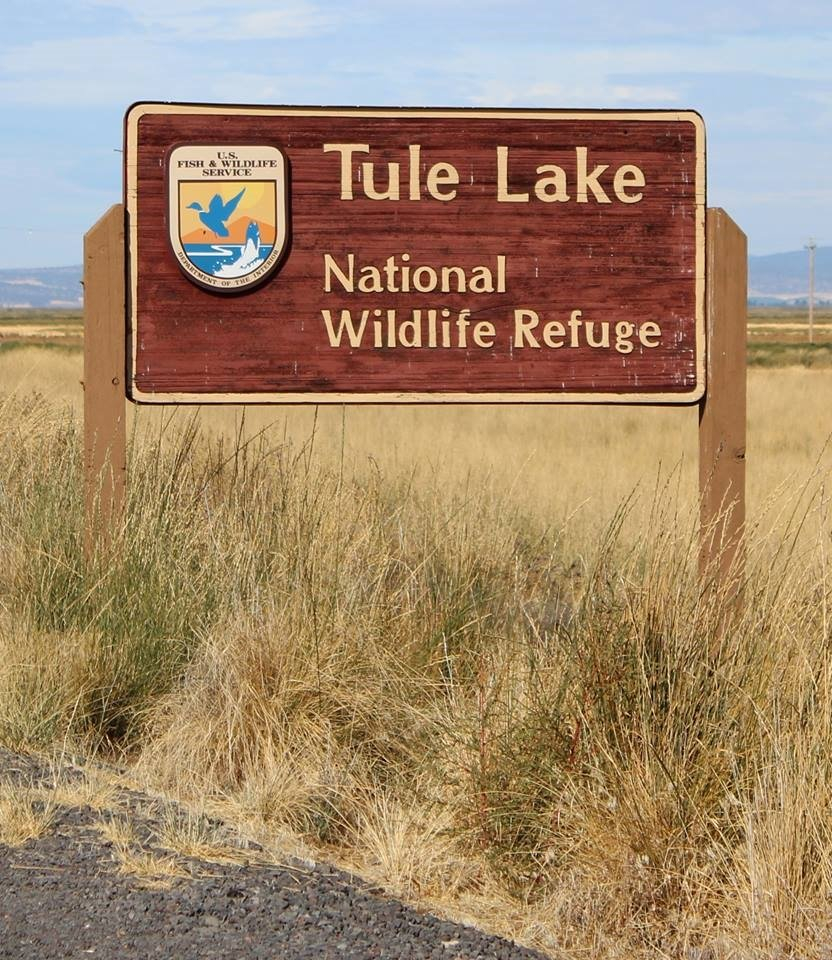
Together, the refuges form part of the six-refuge Klamath Basin National Wildlife Refuge Complex.
For generations, these wetlands have offered shelter, feeding grounds and nesting habitat for an extraordinary variety of birds.
But the landscape birds encounter today is very different from the enormous wetland system that once covered much of the basin.
Water diversions, agriculture, reclamation projects and changing water demands have reshaped where water moves and how much reaches certain wetlands.
That makes maintaining healthy refuge conditions increasingly complicated.
Water Is at the Center of the Problem
Wildlife groups say additional water could help reduce the conditions that allow botulism to flourish.
The Bird Alliance of Oregon has called for more water to reach Tule Lake and Lower Klamath, arguing that deeper and better-circulating water could improve wetland conditions and help slow the outbreak.
In late July, the organization requested approximately 15,000 acre-feet of water for Tule Lake and another 5,000 to 10,000 acre-feet for Lower Klamath.
The organization warned that without action, the basin could face another major bird die-off.
The concern is heightened by what had otherwise been a productive nesting season.
Bird Alliance estimated that roughly 100,000 ducklings had been produced across Tule Lake and Lower Klamath this year, along with thousands of white-faced ibis and hundreds of young black-necked stilts and American avocets.
Those young birds now share the same wetlands where botulism is spreading.
Water management in the Klamath Basin, however, is rarely simple.
Farmers, Tribal governments, endangered fish, wildlife refuges and local communities all depend on the same limited system.
The region has been the center of legal disputes, political fights and difficult negotiations for decades.
There have also been efforts to find solutions that benefit multiple groups. Agricultural districts, conservation organizations, Tribes and government agencies have been involved in a Tule Lake Flow-Through Pilot intended in part to improve wetland conditions and reduce botulism risk.
Whether enough water can reach the refuges during the remainder of summer remains a major question.
The Most Concerning Part May Be What Comes Next
The number of birds already lost is staggering, but there is another reason wildlife officials and conservation groups are watching closely.
Peak migration has not fully arrived.
Over the coming weeks, the skies above the Klamath Basin will continue filling with birds arriving from farther north.
Ducks will settle into the marshes. Geese will gather across open water and agricultural ground. Shorebirds will stop to feed before continuing south.
Most of those birds have no way of knowing what conditions wait for them below.
They are following migration routes shaped over thousands of years, returning to the same wetland landscapes generations of birds have depended on before them.
That is what makes Tule Lake so important, and what makes the current outbreak so difficult to watch.
A refuge designed to give exhausted birds a safe place to land is now dealing with a disease outbreak that has already killed nearly 14,000 of them.
And with fall migration only beginning to build, the final toll may still be a long way off.
Sources
Bird Alliance of Oregon: Urgent Water Needed at Klamath to Avoid Deaths of Thousands of Birds
U.S. Fish & Wildlife Service: Tule Lake National Wildlife Refuge
U.S. Fish & Wildlife Service: Lower Klamath National Wildlife Refuge
Klamath Water Users Association: August 2026 WaterWorks Newsletter
Sources
Bird Alliance of Oregon: Urgent Water Needed at Klamath to Avoid Deaths of Thousands of Birds
U.S. Fish & Wildlife Service: Tule Lake National Wildlife Refuge
U.S. Fish & Wildlife Service: Lower Klamath National Wildlife Refuge
The official That Oregon Life store
The Oregon you bring home.
Start the day with Oregon-roasted coffee, then find original gear inspired by the places, stories, and oddities that make this state ours.
Shop Oregon gear