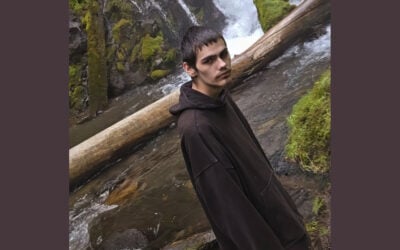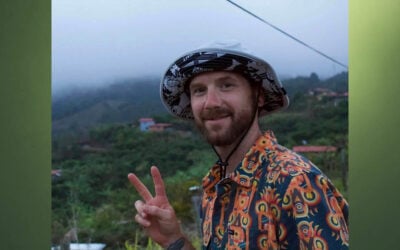

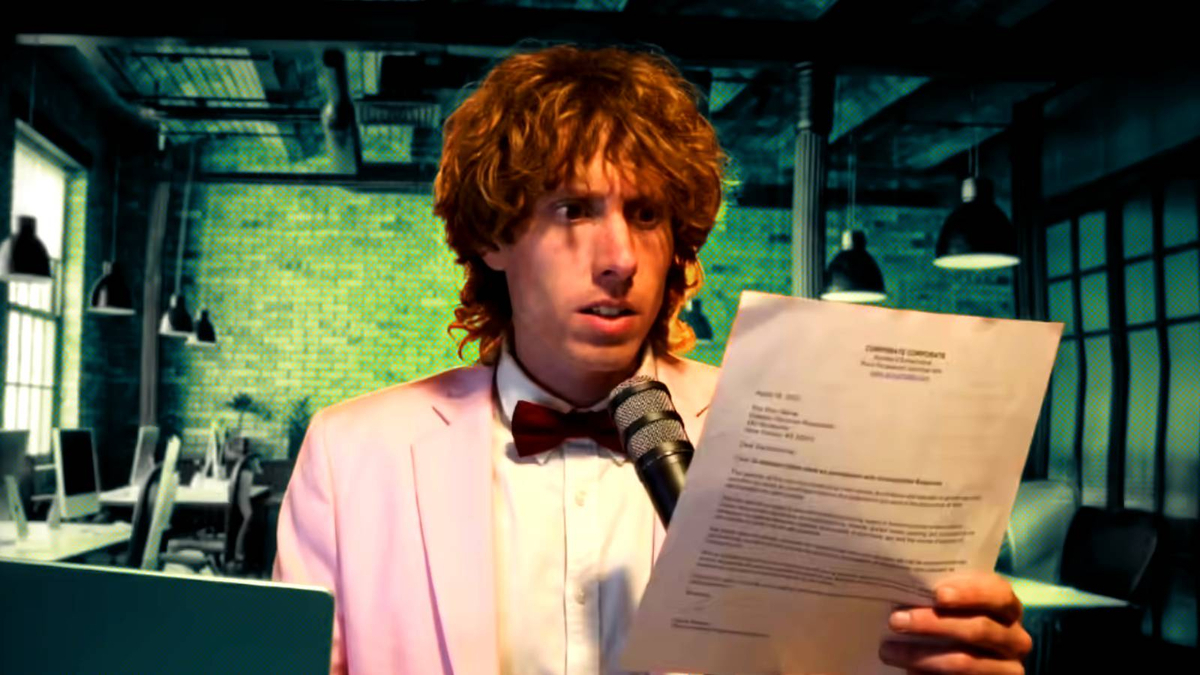
Long before lawyers, protective orders and viral YouTube videos entered the picture, this was a story about a father, a son and a collection built over many years.
Bryan Mansell and his 83-year-old father owned a remarkable assortment of Star Wars Lego sets and minifigures. According to a lawsuit filed by the former owners of the Oregon Bricks & Minifigs store, the collection included more than 780 sets and approximately 1,200 minifigures.
Schneider has described the collection as being worth around $200,000.
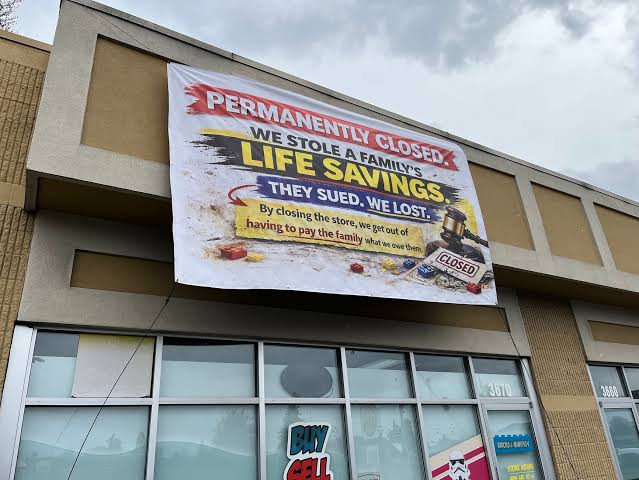
Bricks & Minifigs, which to be clear, disputed ever having the Legos to begin with, disputes that number. The company says the $200,000 figure was used for promotional purposes to attract visitors who wanted to see the collection in person. It places the actual value closer to $95,000 to $100,000.
The former Oregon franchise owners have offered another figure. Their lawsuit says roughly half of the collection remained in the store when Bricks & Minifigs took control, and that the remaining inventory alone may have been worth as much as $125,000.
The valuations are all over the map, but one point is not seriously in dispute. This was not a plastic tub of loose bricks from a garage sale.
It was a large, highly collectible Star Wars Lego inventory with substantial financial value.
The Mansells consigned the collection to a Bricks & Minifigs franchise located in Keizer, Oregon. The arrangement was supposed to allow the collection to be marketed and sold through a business that specialized in Lego resale.
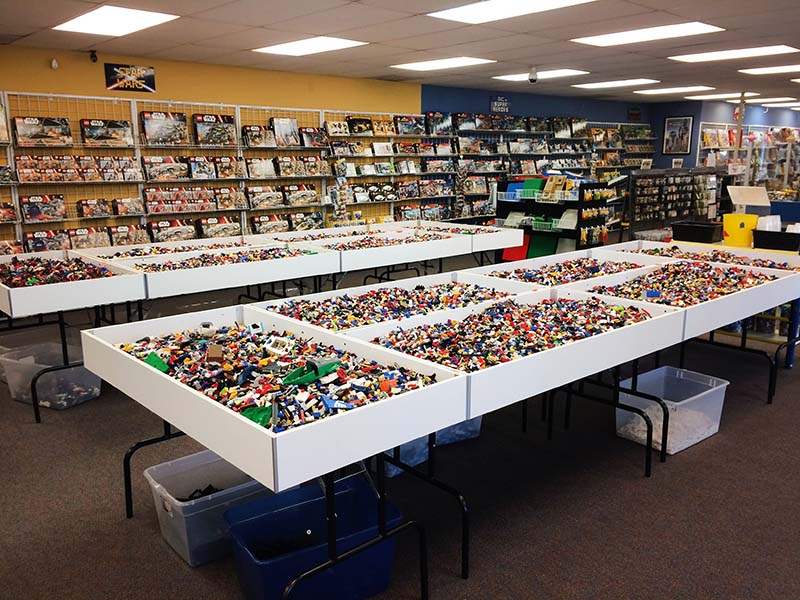
That matters because customers do not usually walk into a franchise store and divide the brand into separate legal boxes. They see the sign. They recognize the name. They assume there are standards, systems and accountability behind it.
When a customer leaves a valuable collection with a business carrying a national brand, the customer reasonably expects the company operating under that name to keep records, safeguard the property, communicate clearly, and ensure the owner is paid when items sell.
Something went badly wrong.
The Oregon Store Changes Hands
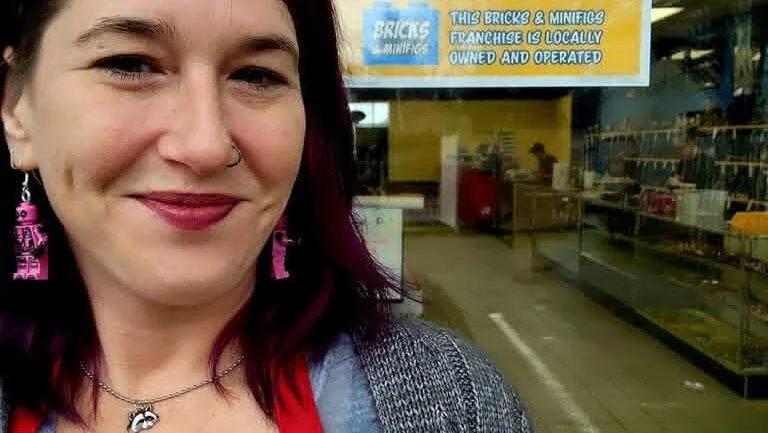
At the time the Mansell collection was consigned, the Oregon franchise location was operated by Chrystal Law and Benjamin Gorman.
Bricks & Minifigs later alleged that Law entered the consignment agreement without proper authorization. The company has also suggested that she may have sold much of the collection without paying the Mansells.
Law strongly denies that accusation.
In March 2026, Law and Gorman filed their own lawsuit against BAM Franchising, the company behind Bricks & Minifigs. Their complaint accuses the franchisor of contract fraud, defamation and other wrongdoing.
Their version of the store takeover is especially important because it directly challenges the company’s claim that the collection was mostly gone before Bricks & Minifigs stepped in.
Law and Gorman allege that the franchisor forced them out, seized control of the Oregon business, and changed the locks that same evening without advance warning or compensation.
They further allege that about half of the Mansell collection was still inside the store when the company took possession.
If that claim is accurate, it creates an obvious question.
What happened to the inventory after the locks were changed?
Bricks & Minifigs says only a small portion of what was probably part of the collection remained at the location. The company values that leftover material at between $2,000 and $5,000.
That is a dramatic gap.
The former owners say inventory worth up to $125,000 remained. The company says the likely remainder was worth only a few thousand dollars.
The difference is not a rounding error. It is the central mystery.
Reckless Ben on why he initially represented himself in the Bricks & Minifigs case and why he’s now hired 5 different specialized lawyers:
— jay plemons (@jayplemons) July 10, 2026
“I just wanted to represent myself because I was arrested for serving court papers and making a GoFundMe… Then I saw how corrupt everything… pic.twitter.com/eSxTtgytcc
Bricks & Minifigs has said it attempted to return the remaining sets to Mansell, but that Mansell refused them. In one of Schneider’s videos, however, he displayed what he described as an email exchange between attorneys for the Mansell family and the company. According to Schneider’s presentation of those messages, the company considered the issue closed and said it would not be returning any sets.
The competing accounts have not been resolved in court.
Still, from the perspective of the family, the result is painfully simple. They turned over an enormous collection. Most of it vanished from their reach. They did not receive the expected payment. The business entities involved began blaming one another.
The official That Oregon Life store
The Oregon you bring home.
Start the day with Oregon-roasted coffee, then find original gear inspired by the places, stories, and oddities that make this state ours.
Shop Oregon gear

Corporate Responsibility Does Not Disappear With a Franchise Dispute
Bricks & Minifigs has repeatedly emphasized that the Oregon store was independently operated and that the former franchise owner acted without authorization.
That may be a useful legal defense.
It is not a satisfying consumer response.
Franchise companies benefit from the trust created by a shared name, shared branding, shared marketing and a common business model. Customers are encouraged to believe they are dealing with a reliable system, not a collection of unrelated shops that happen to use the same logo.
When everything works, the brand receives the benefit.
When something fails, the brand cannot expect the public to suddenly pretend the sign above the door meant nothing.
Even accepting the company’s allegations against Law, the Mansells were still customers who brought their property to a Bricks & Minifigs location. They did not create the franchise dispute. They did not decide who controlled the locks. They did not determine which contracts were authorized. They did not oversee the transition from one operator to another.
Those were business matters for Bricks & Minifigs and its franchisees to manage.
The Mansells should not have been the ones left without the collection or its proceeds.
That is why Schneider’s series found such a large audience. The story speaks to a familiar fear. A regular person trusts a business with something valuable, the business relationship breaks down behind the scenes, and suddenly every company involved points toward someone else.
The customer is left with paperwork. The companies keep the lawyers.
Reckless Ben Enters the Story
Schneider is known for content built around confrontation, elaborate plans and public pressure. His Reckless Ben persona is not designed to quietly send certified letters and wait six months for a response.
He turned the Mansell dispute into a public campaign.
Across two YouTube accounts, Schneider documented his efforts to recover the collection, identify who had possession of the sets, and hold people connected to Bricks & Minifigs accountable.
He accused the company and certain associates of taking part in the loss of the collection. He traveled to Oregon and Utah. He confronted people linked to the business, including Joshua Johnson and Brandon Best.
The company says Johnson and Best later left Bricks & Minifigs because of what it described in a June news release as a devastating social media campaign.
Schneider’s videos drew enormous attention to a case that otherwise might have remained buried in civil filings and franchise contracts.
They also generated direct financial support for the Mansell family.
A fundraising campaign associated with the case brought in approximately $514,000 for the family. Schneider also gained paid Patreon subscribers who followed his coverage and received access to additional content.
Critics point to the Patreon growth as evidence that Schneider personally benefited from the controversy.
That may be true in the ordinary sense that creators earn money from popular content.
It does not erase the fact that his videos did something the corporate statements had not done. They made the public care about the Mansells.
The family’s loss became visible. People began asking where the collection went. Bricks & Minifigs faced questions that had not gone away simply because the company considered the matter closed.
December 10, 2025: Schneider Tries to Resolve the Dispute at the Corporate Office
Months before the story exploded across YouTube, Schneider went directly to the Bricks & Minifigs corporate office in Utah.
According to Schneider, the December 10 visit to the Provo-area business park was an attempt to speak with the company and resolve the dispute before he released a public video series about the missing Oregon Lego collection.
That part of the timeline is important because it challenges the idea that Schneider immediately turned to internet spectacle rather than first giving Bricks & Minifigs an opportunity to address the problem privately.
By that point, the Mansell family had already spent a significant amount of time trying to determine what had happened to the Star Wars collection entrusted to the company’s former Oregon franchise. Schneider’s visit was another attempt to bring the matter directly to the people operating the national brand.
The encounter did not produce a resolution.
Instead, Schneider was eventually charged with disorderly conduct and criminal trespass in connection with what happened at the business park. Those charges remain allegations, and the case has not been decided.
Schneider has appeared remotely for hearings, with his next court appearance scheduled for September 15, 2026.
What remains striking is the order of events. Schneider says he went to the company before publishing the viral series. Rather than receiving a complete accounting of the Mansells’ property, the conflict moved further into the criminal justice system.
The Bricks & Minifigs controversy did not begin because Schneider randomly selected a Lego company to antagonize. It began because an elderly Oregon collector’s valuable property had disappeared into a franchise dispute, and the family still did not have a satisfactory explanation of where it went.
March 2026: A Legitimate Court Case Is Treated Like a Fake
By March, Schneider and the Mansell family were no longer merely asking Bricks & Minifigs for answers. They were pursuing the matter through the courts.
Schneider traveled to American Fork, Utah, to locate Joshua Johnson and serve him with legal paperwork connected to an Oregon civil case. Schneider has described the document as a valid subpoena requiring Johnson’s participation in the court process.
That context changes the way the visits to Johnson’s home should be understood.
Schneider was not simply appearing at a private residence to shout accusations or provoke a confrontation. He was attempting to complete a legal step in an active court matter after the dispute over the Mansell collection had failed to produce a voluntary resolution.
The American Fork city council was just warned: the increased taxes won’t be enough to cover the massive lawsuit that’s coming.
— jay plemons (@jayplemons) June 10, 2026
The AFPD reportedly violated the rights of Reckless Ben. The police chief then issued a public statement that was easily debunked by the bodycam… pic.twitter.com/exr0SI8GtE
American Fork police later framed the repeated visits as an escalating pattern of harassment. Johnson contacted officers several times between March 8 and March 11, and police reports also described other tactics used by Schneider’s group, including a person wearing a makeshift UPS hat who delivered a box containing rubber ducks.
That stunt became one of the most widely repeated details in news coverage. It was unusual, theatrical and completely consistent with Schneider’s online style.
But it should not be confused with the later attempt to deliver actual court papers.
Body-camera footage examined by Schneider reportedly shows that he arrived with a woman acting as a process server and paperwork connected to a real court case. Johnson told officers that the documents were fake and accused the woman of falsely presenting herself as a process server.
The officers appeared to accept Johnson’s claim almost immediately.
At one point, however, an officer contacted a court clerk. According to the audio presented by Schneider, the clerk confirmed that the small claims case actually existed. That confirmation seriously undermined the claim that Schneider had simply arrived with invented paperwork.
Rather than helping bring the encounter to a straightforward conclusion, police returned to Schneider and reportedly told him that Johnson did not want the document because Johnson maintained that it was not legitimate.
That response was bizarre.
A person who is being served with court papers generally does not get to make the paperwork disappear merely by announcing that he does not believe it is real. The entire purpose of formal service is to notify someone that a legal action exists, whether that person welcomes the case or not.
The police were not required to act as Schneider’s personal process servers. But once officers became directly involved, spoke with both sides and learned that an actual court case existed, the neutral response would have been to accurately recognize that Schneider was attempting legal service rather than simply treating Johnson’s denial as the final word.
Instead, the footage gives the appearance that officers accepted Johnson’s version of events while viewing Schneider and his associates as suspects.
From Schneider’s perspective, Johnson was avoiding service, calling police whenever someone approached the property and then using the resulting police response to portray the effort as harassment.
Schneider summarized the situation during one encounter by telling an officer that he was following the government’s instructions while Johnson continued calling police to avoid consequences connected to the underlying case. Local reporting confirms that Schneider said he traveled to Utah to personally serve Johnson with civil papers following an Oregon court action.
The process server’s presence is especially important. Johnson claimed that she was impersonating a process server, while Schneider argued that she met Utah’s legal qualifications to deliver the papers. The court clerk’s confirmation that the case existed further supports Schneider’s position that the service attempt was grounded in a real legal proceeding, not a fabricated document created for a prank.
Yet the officers’ response appeared to focus far more heavily on finding possible criminal violations by Schneider than on objectively sorting out what was happening.
That impression became even harder to dismiss after additional body-camera and dash-camera footage emerged.
During a separate traffic stop involving Schneider’s group, an officer reportedly expressed concern that the driver’s eyes looked glossy. The driver agreed to sobriety testing and registered a .00 breath-alcohol reading. A police dog was then brought around the vehicle and reportedly alerted, leading to a search that found no illegal drugs.
In body-camera audio later highlighted by Schneider, one officer reportedly said he had planned to “scare him a little bit and let him go.” Another remark appeared to question whether officers had charges or were simply tired of the group being annoying. The American Fork Police Department declined to offer further comment about that footage.
Those recordings matter because they add to the perception that police were no longer acting as detached observers.
Schneider and his supporters believe officers had begun viewing him as a nuisance to be stopped rather than a citizen attempting to pursue a civil case.
That does not mean every tactic Schneider used was conventional. The rubber ducks, disguises and public signs were designed to attract attention. His entire Reckless Ben persona is built around turning frustrating situations into elaborate public campaigns.
But unconventional behavior does not automatically make a valid court case fake.
It does not turn a subpoena into a prop.
It does not allow the intended recipient to nullify service simply by telling police that he does not believe the document is legitimate.
Most importantly, it does not erase why Schneider was in Utah in the first place.
He was there because an Oregon family had entrusted a valuable Star Wars Lego collection to a Bricks & Minifigs franchise and had not received the collection or the expected proceeds. Schneider believed Johnson was connected to the people and business entities that needed to answer for what happened, and he was trying to bring Johnson into court.
Police and prosecutors later charged Schneider with stalking and targeted residential picketing based on events occurring over several days. On May 20, Utah 4th District Judge Thomas Low issued a pretrial protective order prohibiting Schneider from contacting Johnson or returning to his home.
Those cases remain unresolved. Schneider’s next scheduled hearing is August 12, 2026.
Still, the criminal charges should not be presented without the critical context that Schneider’s presence at Johnson’s home was connected to an attempt to serve real legal documents in an actual civil case.
The available footage also raises fair questions about whether American Fork police allowed Johnson’s personal characterization of the papers to shape their response, even after an officer reportedly confirmed with the court that the case existed.
To Schneider’s supporters, it looked like the police had chosen a side.
Johnson was treated as the person needing protection. Schneider was treated as the problem. The missing Oregon Lego collection and the legitimate court effort behind the confrontation became secondary.
That imbalance is a major reason the American Fork Police Department has faced such intense public scrutiny.
Whatever a court eventually decides about Schneider’s methods, the attempt to serve Johnson should not be reduced to a YouTuber randomly harassing someone at home.
It was part of a legal effort to force answers about an elderly Oregon man’s missing property.
And when police encountered that legal effort, they appeared far more willing to accept Johnson’s claim that the paperwork was fake than to recognize Schneider’s right to pursue the case through the courts.
March 2026: The Former Oregon Owners Sue Bricks & Minifigs
The same month Schneider’s Utah tactics were escalating, the former Oregon franchise owners filed a case of their own.
Law and Gorman sued BAM Franchising, accusing the company of fraud, defamation and other contractual wrongdoing.
Their filing alleges they were removed from the Oregon location without proper notice and that the franchisor took control of the business and changed the locks immediately.
Most importantly for the Mansells, their lawsuit says roughly half of the Star Wars collection was still there at the time.
That claim is one of the strongest reasons the public should resist any effort to reduce the entire scandal to Reckless Ben’s behavior.
The former store owners are not merely echoing a YouTuber.
They are making allegations in court.
Bricks & Minifigs has asked the court to pause that case and require mediation, arguing that its agreements with franchise owners mandate that process.
Again, mediation may eventually produce answers. It may also produce a confidential settlement that leaves the public with little clarity.
For now, the Law and Gorman lawsuit reinforces the central concern raised by Schneider’s reporting. The corporate account of what remained in the Oregon store is sharply contested by the people who operated it before the takeover.
May 2026: Bricks & Minifigs Sues Schneider and the Mansells
In May, Bricks & Minifigs opened another front.
The company filed a lawsuit in Utah’s 4th District Court against Schneider, Bryan Mansell and others. It accused them of coordinating a campaign of harassment and extortion aimed at franchise owners in Oregon and Utah.
This was not just an attempt to rebut Schneider’s claims.
It was an effort to use the courts to restrict how the campaign was being conducted and how the company was being discussed publicly.
The company’s allegations should be taken seriously and tested through the legal process. Harassment, threats and knowingly false claims are not protected simply because they appear in a popular YouTube series.
At the same time, naming Mansell as a defendant created a striking picture.
The family whose collection disappeared was now being sued by the brand connected to the store that accepted it.
For many viewers, that confirmed the feeling that the company was fighting the people demanding answers more aggressively than it had fought to make the family whole.
The lawsuit also gave Bricks & Minifigs access to legal discovery tools, and Schneider now alleges the company used those tools in a deeply troubling way.
The most disturbing part of part 3 is when Reckless Ben reveals Bricks and Minifigs subpoenaed Google to trap him. Ammon McNeff tricked Ben into emailing their franchise department instead of the ghost email on their site to legally demand his private data.
— Diet💦 (@DietWaterGUY) July 9, 2026
Google handed over… pic.twitter.com/tWg9dKyBRX
One of the most alarming claims in Part 3 is Schneider’s allegation that Bricks & Minifigs used the legal discovery process to obtain an extraordinary amount of his private information. According to Schneider, Ammon McNeff directed him to contact the company’s franchise department rather than the inactive email address listed publicly, creating a communication trail that could later be used to identify him and demand records from Google.
Schneider says the resulting subpoena produced hundreds of hours of unpublished footage, private emails, location data and other account information. If his account is accurate, this goes far beyond a company defending itself in court. It raises serious concerns about whether legal discovery was being used to investigate and intimidate a journalist-style creator rather than simply address the underlying dispute.
Instead of providing a full accounting of the missing Lego collection, BAM leadership appears, in Schneider’s telling, to have focused enormous resources on exposing his sources, movements and private work. That is a disturbing precedent for anyone who reports on powerful companies, because the threat is no longer limited to a lawsuit. It becomes the possibility that criticizing a business could open the door to sweeping access to a creator’s private digital life.
June 2, 2026: A State Judge Orders the Videos Removed
On June 2, Judge Tony Graf issued a temporary restraining order in the company’s lawsuit.
The order barred Schneider and associated parties from producing false, misleading, harassing or defamatory material about Bricks & Minifigs, Johnson and Best.
It also required the immediate removal of videos already published about the dispute.
The language was broad enough to effectively silence Schneider’s public campaign.
The videos remained online, but the threat behind the order was real. Schneider faced the possibility of sanctions, a damaging ruling in the civil case, or other consequences if he continued speaking in a way the court considered a violation.
For a creator whose entire project depended on explaining the case to the public, the order struck at the heart of the series.
It also raised major free speech concerns.
Courts can punish defamation after proper findings. They can issue narrow restrictions to prevent harassment or threats. Ordering a critic to remove an entire body of reporting before the underlying claims have been fully litigated is a much more serious step.
June 9, 2026: Reckless Ben Says He Has Been Silenced
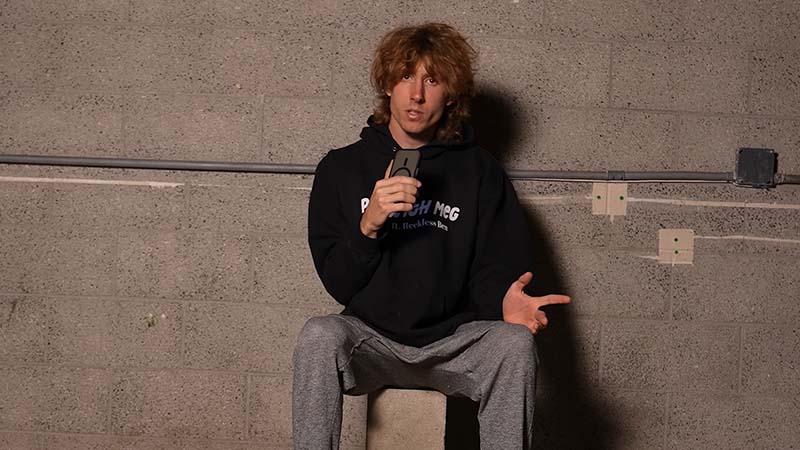
One week later, Schneider posted what he called a final message.
He told viewers he could no longer discuss a certain mystery company. He warned that continuing to speak could lead to jail or cause him to lose the lawsuit.
The phrasing was intentionally obvious. His audience knew exactly which company he meant.
The moment illustrated why the legal dispute had grown beyond Lego.
A creator who had drawn attention to an unresolved loss involving an Oregon family was now barred from naming the business at the center of the story.
Bricks & Minifigs argued it was protecting itself, its franchisees and former associates from a coordinated campaign.
Schneider’s supporters saw a wealthy company using litigation to silence a critic who had embarrassed it.
The truth of the disputed claims still had to be decided.
But the optics were brutal for Bricks & Minifigs.
June 26, 2026: The Case Moves to Federal Court
On June 26, the company’s civil lawsuit was transferred from Utah state court to federal court.
That move placed the dispute before U.S. District Judge David Barlow.
By then, the conflict had become a complicated mix of issues.
There was the original Oregon consignment.
There was the franchise takeover.
There were competing claims about how much inventory remained.
There were accusations that the former owner sold sets without paying the family.
There were Schneider’s confrontations and home visits.
There were criminal charges.
There was the company’s lawsuit alleging harassment and extortion.
There was a court order demanding that published videos be removed.
And there was a public fundraiser that had raised more than half a million dollars for the family.
What began as a missing Lego collection had become a test of corporate responsibility, online activism, creator conduct and free speech.
July 6, 2026: A Federal Judge Lets Schneider Speak Again
On Monday, July 6, Judge Barlow approved a new order that loosened the restrictions on Schneider’s speech.
Both sides had agreed to mediation, and both sides agreed to the revised terms.
Under the federal order, Schneider can comment on the dispute and the litigation through any lawful means he chooses.
That gave him back the ability to name Bricks & Minifigs, criticize the company, discuss the court cases and continue making videos.
The order also established clear boundaries.
Schneider must remain at least 100 yards away from Bricks & Minifigs stores, offices and the homes of company employees.
He is also barred from impersonating delivery drivers, police officers or franchisees.
Those restrictions appear designed to separate protected speech from the real-world tactics that fueled the stalking and trespassing allegations.
Schneider can talk.
He cannot use disguises, doorstep pressure or physical proximity to force a confrontation.
That is a much more defensible balance than an order attempting to erase the entire series.
July 7, 2026: Reckless Ben Returns
The following day, Schneider returned to YouTube with a video titled “I can talk again.”
He celebrated the change as the restoration of his freedom of speech and immediately resumed attacking Bricks & Minifigs.
His language was blunt and provocative. He said he could once again state his belief that the company had taken advantage of elderly people, and he emphasized that he was no longer facing immediate punishment simply for naming the business.
The performance was classic Reckless Ben.
It was loud, defiant and designed for an audience that had followed every turn.
It also carried a larger message.
The company had not succeeded in permanently shutting down the conversation.
Bricks & Minifigs Still Has the Hardest Questions to Answer
Schneider’s behavior will remain a major part of the coming court cases.
He will have to answer for the December incident at the Provo business park.
He will have to answer the stalking and targeted residential picketing charges connected to Johnson’s home.
He will have to comply with the federal order keeping him away from stores, offices and private residences.
None of that should be minimized.
But Bricks & Minifigs still faces the most important questions in the story.
How did a collection of more than 780 sets and 1,200 minifigures disappear from the control of the family that owned it?
What records exist showing which sets were sold, when they were sold and where the money went?
How much of the collection remained in the Oregon store when the franchisor took control?
Why do the former owners say the remaining inventory could have been worth up to $125,000 while the company places the leftover value at only $2,000 to $5,000?
If the company believed the former owner acted improperly, why was the Mansell family not protected from the consequences?
Why did communications shown by Schneider appear to indicate the company considered the matter closed and would not return the sets?
Why did it take a viral creator, public outrage and a fundraiser exceeding $500,000 to create meaningful pressure for a resolution?
Bricks & Minifigs has said it wants to solve the dispute with the Mansell family.
That is welcome.
It also should have been the priority from the beginning.
A customer should not need a YouTuber, a viral campaign, several lawsuits and federal mediation to receive a full accounting of property entrusted to a branded resale store.
Reckless Ben Did What Everyone Else Had Failed to Do
By the time Reckless Ben entered the story, the Mansell family had already been left with unanswered questions, missing property and a maze of competing explanations.
Ben did not create that situation.
He exposed it.
He stepped into a dispute involving an elderly Oregon collector, a valuable Star Wars Lego collection and a company that had still not provided the family with a complete and convincing account of what happened.
While others relied on corporate statements, legal delays and finger-pointing, Ben kept asking the question that mattered most.
Where did the collection go?
His videos gave the Mansell family something they had not been able to secure on their own: a national audience willing to pay attention.
He helped raise approximately $514,000 for the family.
He brought widespread attention to the former Oregon franchise owners’ claim that a substantial portion of the collection was still inside the store when Bricks & Minifigs took control.
He highlighted the enormous gap between the company’s estimate of what remained and the much higher value described in the former owners’ lawsuit.
He showed viewers the attempts to serve legal documents, the interactions with police and the resistance he encountered while trying to move the dispute into court.
Most importantly, he refused to allow the Mansells to be buried beneath franchise agreements, corporate public relations and years of unanswered questions.
Ben’s approach was persistent because the situation demanded persistence.
The collection had not simply been misplaced for a few days. It had become trapped in a business dispute in which nearly everyone involved appeared eager to place responsibility somewhere else.
The Mansells were the people who suffered the loss, yet they were the ones expected to wait patiently while the companies and individuals around them argued over who was responsible.
Ben refused to accept that.
He went directly to the people involved. He documented what happened. He pursued the legal process. He brought the story into public view and made it much harder for Bricks & Minifigs to dismiss the matter as a closed internal dispute.
His critics may dislike his style, but his methods were effective because they prevented the story from disappearing.
Without Reckless Ben, the loss of the Mansell collection might have remained buried in court filings, unanswered emails and conflicting accounts from people connected to the Oregon store.
Instead, hundreds of thousands of people learned what had happened.
They saw an elderly collector and his family fighting for answers.
They saw a major franchise brand attempting to distance itself from a transaction conducted inside a store carrying its name.
They saw former franchise owners allege that valuable inventory remained when the company took control.
They saw police appear to accept Joshua Johnson’s version of events even when Ben was attempting to serve documents connected to a real court case.
And they saw Bricks & Minifigs turn to the courts in an effort to restrict what Ben could say publicly.
That is why the series resonated so deeply.
Ben was not merely creating entertainment around a private disagreement. He was using his platform to challenge a powerful company on behalf of an Oregon family that had spent far too long being ignored.
He kept the public focused on the people who had actually lost something.
He refused to let the company change the subject.
He refused to be intimidated into silence.
And when a court order temporarily prevented him from speaking openly, he continued fighting until he regained the ability to tell the story.
Reckless Ben became the Mansell family’s loudest advocate because the quieter avenues had failed them.
His campaign worked because it was direct, relentless and impossible to ignore.
That is exactly what this case needed.
The Public Can Support the Cause Without Supporting Every Tactic
The federal order now gives Schneider a path forward.
He can investigate.
He can publish.
He can criticize Bricks & Minifigs.
He can discuss court records, interview witnesses, compare timelines and challenge corporate statements.
He can do all of that without approaching private homes, entering business property after being told to leave, or using impersonation as a tool.
That boundary may ultimately strengthen his work.
The strongest case against Bricks & Minifigs does not require a fake delivery driver.
It is already present in the company’s own public position, the former franchise owners’ lawsuit, the unresolved accounting of the Lego inventory, and the simple fact that the Mansells were not made whole.
The strongest argument is the timeline.
A family consigned a massive collection to a branded Oregon store.
The store’s ownership collapsed into conflict.
The franchisor took control.
The former owners say a large portion of the collection remained.
The company says only a small amount was left.
The family did not receive the expected proceeds.
The company treated the matter as closed.
A creator made the story public.
The company sued him and the family.
A judge temporarily ordered the videos removed.
The case moved to federal court.
Now Schneider can speak again.
That sequence does not prove every allegation made in a YouTube video.
It does explain why so many people believe Bricks & Minifigs bears the greatest responsibility for fixing the damage.
What Happens Next
Several legal tracks remain active.
Schneider’s stalking and targeted residential picketing case is scheduled for another hearing on August 12, 2026.
His disorderly conduct and trespassing case is set for a September 15 appearance.
The federal civil lawsuit is moving toward mediation.
The lawsuit filed by former Oregon franchise owners Law and Gorman remains tied up in arguments over whether the matter must also proceed through mediation.
The company continues to dispute Schneider’s valuation and accusations.
Schneider continues to portray the case as a fight for an elderly collector and his son.
The Mansell family remains at the center of a controversy that was never supposed to become their burden.
Mediation may produce a settlement. It may bring compensation, the return of remaining sets, or a confidential agreement ending some of the litigation.
What it cannot do is erase the lesson already visible to Oregon consumers.
When a company builds trust through a franchise brand, it also inherits responsibility when that system fails.
The people who walked into the Oregon Bricks & Minifigs location were not experts in franchise law. They were collectors trusting a Lego resale business with property that carried both financial and personal value.
They deserved a careful inventory.
They deserved transparent records.
They deserved payment for anything sold.
They deserved immediate notice when ownership changed.
They deserved a direct explanation of what remained.
Most of all, they deserved not to be left watching multiple businesses point fingers while their collection disappeared.
Reckless Ben made the dispute impossible to ignore.
Now that he can speak again, Bricks & Minifigs has another opportunity to do what it should have done before the first video went viral.
Give the Mansell family a complete accounting.
Return whatever remains.
Explain what was sold.
Identify who received the money.
Pay what is owed.
Until that happens, the company may continue winning isolated legal restrictions, public relations arguments or disputes over valuation.
It will not win the larger question in the minds of the public.
Where did the Legos go, and why was an Oregon family left to fight this hard to get an answer?