

ConsumerAffairs.com recently released its ranking of the best and worst states to move to in 2026, and Oregon landed in a spot that will probably make a lot of longtime locals nod, sigh, and say, “Yeah, that sounds about right.”
The Beaver State, with its mossy forests, wild coastline, mountain towns, coffee shops, food carts, waterfalls, and postcard-worthy drives, was named one of the 10 worst states to move to in the country.
Not because Oregon suddenly stopped being beautiful. Not because people stopped dreaming about foggy mornings on the coast or weekends in Bend. And not because there is nothing to love here.
The problem, according to the ranking, is that loving Oregon and affording Oregon have become two very different things.
ConsumerAffairs looked at several major quality-of-life factors, including affordability, safety, economic strength, healthcare, education, and overall quality of life. When the scores were tallied, Oregon ended up near the bottom, joining states like California, New Mexico, Louisiana, Arkansas, Oklahoma, Nevada, Alaska, Mississippi, and Arizona.
For anyone who has tried to buy a house in Oregon lately, rent a place near Portland, fill a cart with groceries, or pay the bills while still having enough left over for a weekend getaway, the ranking may not feel shocking. It may feel personal.
If you are weighing the tradeoffs for yourself, our Moving to Oregon guide breaks down regional fit, taxes, jobs, weather, hazards, and the first steps after you arrive.
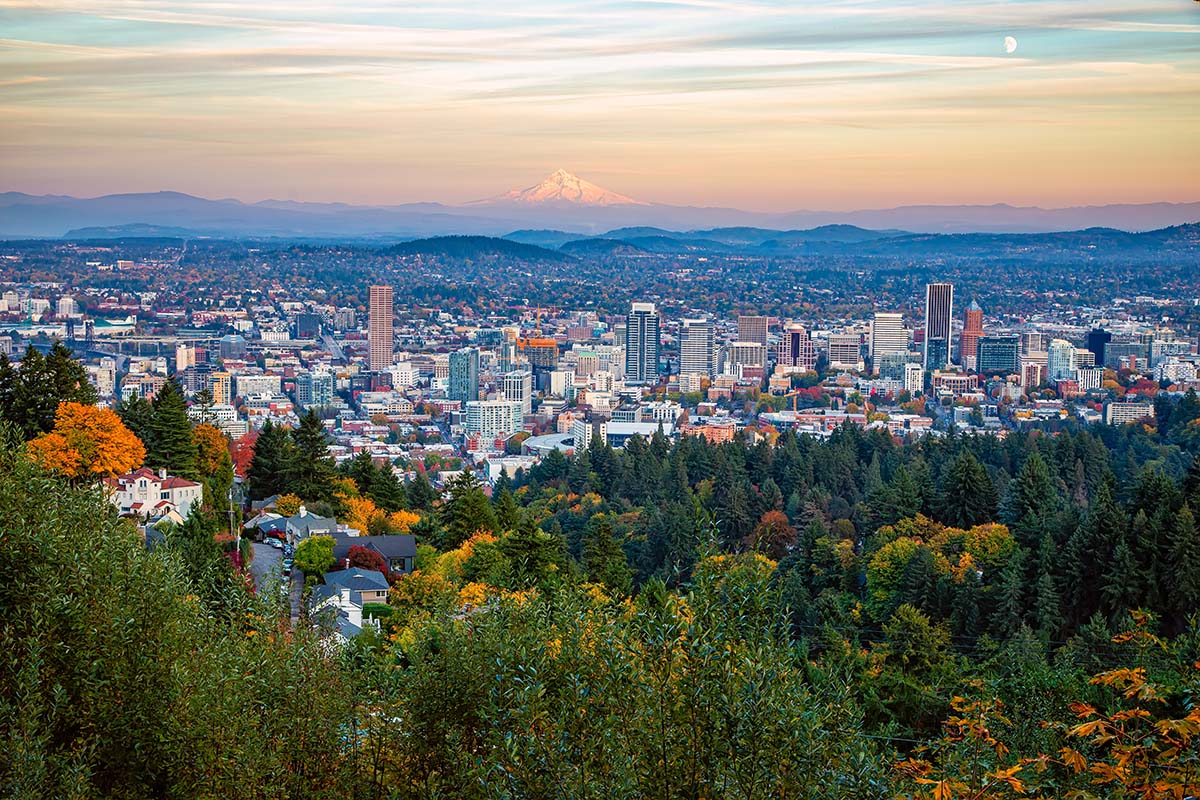
Oregon has always had a certain magic to it. This is the place where you can wake up under gray skies in the Willamette Valley, drive through towering firs, and be standing barefoot on the sand by lunch. You can hike to waterfalls, wander through covered bridges, fish a cold river, explore a high desert canyon, or sit beside a lake with snow-capped peaks in the distance.
That kind of beauty has always been part of Oregon’s promise.
But in recent years, that promise has gotten more expensive.
ConsumerAffairs pointed to Oregon’s affordability ranking as one of the biggest reasons it fell into the bottom 10. The report noted that Oregon, along with California, performed better in healthcare and education than some of the other low-ranked states, but both were dragged down by cost-of-living problems.
To see what that broad “cost” score means for an actual household, our 2026 Oregon cost-of-living guide compares living wages, HUD rent benchmarks, taxes and regional budgets instead of relying on one statewide ranking.
That distinction matters.
This is not a ranking saying Oregon has nothing going for it. In fact, plenty of people move here because of the things Oregon still does well. The state has strong outdoor access, respected universities, a deeply rooted creative culture, and communities that still feel distinct from one another. Ashland does not feel like Astoria. Bend does not feel like Eugene. Joseph does not feel like Portland. Even small towns separated by one mountain pass can feel like completely different worlds.
But the cost of entering those worlds has climbed.
For new arrivals, Oregon can be a wake-up call. The fantasy version often starts with a cozy cabin, misty trees, quiet beaches, farmers markets, and weekend hikes. The real version includes rent, housing competition, winter utility bills, long commutes, limited inventory in smaller towns, and sticker shock in places that used to feel more affordable.
Even moving away from Portland does not always solve the problem. Bend has become one of the most expensive small-city dreams in the West. Coastal towns can be difficult for year-round workers because housing is tight and often shaped by tourism, second homes, and vacation rentals. Smaller rural communities may offer lower housing costs, but jobs, healthcare access, and services can be more limited.
That is the Oregon tradeoff in 2026.
You get the trails, the rivers, the coast, the forests, the weird little roadside diners, the old logging towns, the vintage motels, the Saturday markets, the rain-soaked charm, and some of the most stunning public lands in America.
But you may pay more than expected to live near them.
There is also a cultural piece that does not always show up in national rankings. Oregon is not one single experience. Moving to Portland is not the same as moving to Grants Pass. Moving to Salem is not the same as moving to Sisters. A young remote worker looking for coffee shops and bike lanes may have a completely different experience than a family trying to buy a three-bedroom home near good schools. A retiree moving to the coast may face a different set of challenges than someone relocating for work in the Willamette Valley.
That is why rankings like this are useful, but incomplete.
They can tell you Oregon is expensive. They can tell you affordability is a problem. They can compare Oregon against other states using broad categories. But they cannot tell you what it feels like to drive Highway 101 at sunset, or to watch fog lift off a river in the Cascades, or to raise kids in a town where Friday night football still fills the stands.
They also cannot tell you whether Oregon is worth it for you.
For some people, the answer will still be yes.
Oregon continues to attract people who want access to nature, a slower pace than bigger metro areas, and a lifestyle that feels connected to place. There are still towns where neighbors know one another, where the bakery remembers your order, and where the best weekend plan is a back road, a thermos of coffee, and no real destination.
For others, the answer may be no, or at least not right now.
If you are moving here on a tight budget, the ConsumerAffairs ranking is worth taking seriously. Oregon can be tough if you do not already have stable income, a clear housing plan, and realistic expectations. The pretty parts are real, but so are the bills.
The best advice for anyone thinking about moving to Oregon in 2026 is simple: do not move here based only on a vacation.
A long weekend in Cannon Beach, Bend, Hood River, or Portland can make Oregon feel irresistible. But visiting Oregon and living in Oregon are two different things. Before making the leap, spend time researching housing costs, job options, school districts, healthcare access, weather patterns, wildfire risk, and what daily life actually looks like in the town you are considering.
That last part is important. Oregon’s beauty can hide practical problems until you are already here.
A remote coastal town might be peaceful until you need regular medical appointments. A mountain community might be charming until winter driving becomes part of your weekly routine. A Portland neighborhood might feel perfect until rent jumps or parking becomes a daily frustration. A rural property might look affordable until you factor in wells, septic systems, internet access, and distance from services.
None of this means Oregon is a bad place to live.
It means Oregon is no longer an easy place to move to blindly.
And maybe that is the bigger story behind the ConsumerAffairs ranking. Oregon still has the scenery. It still has the soul. It still has the kind of landscapes people spend their whole lives dreaming about. But the state is becoming harder to access for ordinary people, especially those looking for affordability, stability, and room to breathe financially.
That should bother anyone who loves this place.
Because Oregon should not only be a destination for those who can afford the view. It should be a place where working families, young people, retirees, artists, teachers, small business owners, and longtime locals can still build a life.
So yes, Oregon made the wrong kind of list.
But anyone who lives here knows the story is more complicated than a ranking. Oregon can be frustrating, expensive, breathtaking, difficult, generous, wild, and unforgettable, sometimes all in the same week.
It may be one of the worst states to move to on paper.
But for the people who truly understand what they are signing up for, Oregon can still be one of the hardest places to leave.
What This Ranking Means for a Move to Oregon
ConsumerAffairs’ ranking is primarily an affordability snapshot, not a complete verdict on life in Oregon. The state scored poorly because of cost-of-living pressures, even while performing better in areas such as education and healthcare.
If you are seriously considering a move, use Moving to Oregon: The Honest Guide Before You Relocate for a comprehensive comparison of regions, housing costs, taxes, jobs, weather, wildfire risk, healthcare, schools, and the practical moving checklist.